Sequencing Skills Reading Worksheets for Ages 3-5
5 filtered results
-
From - To
Our Sequencing Skills Reading Worksheets for ages 3-5 are designed to enhance your child's understanding of order and narratives. Through engaging activities, these worksheets help young learners identify and arrange events in the correct sequence, fostering early reading comprehension and critical thinking skills. Tailored for pre-schoolers and kindergarteners, our colorful, age-appropriate materials make learning fun and effective. By mastering sequencing, children can improve their ability to follow instructions, retell stories, and understand the flow of events, setting a strong foundation for future literacy success. Jumpstart your child's reading journey today with our expertly crafted sequencing worksheets!
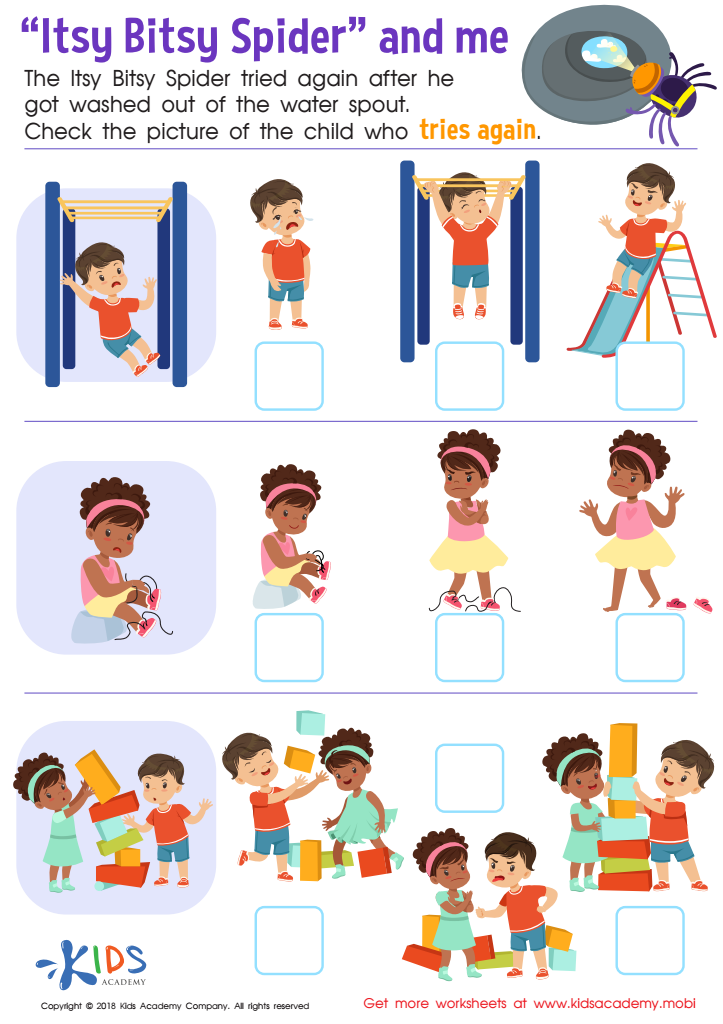
Itsy Bitsy Spider and Me Worksheet
 Assign to My Students
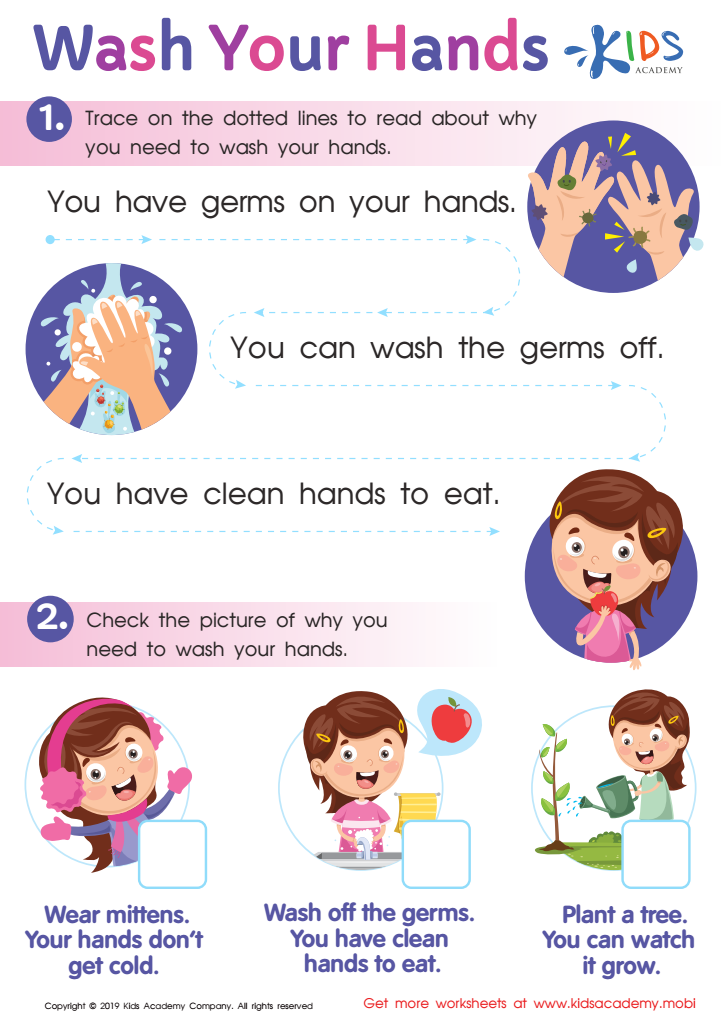
Wash Your Hands Worksheet
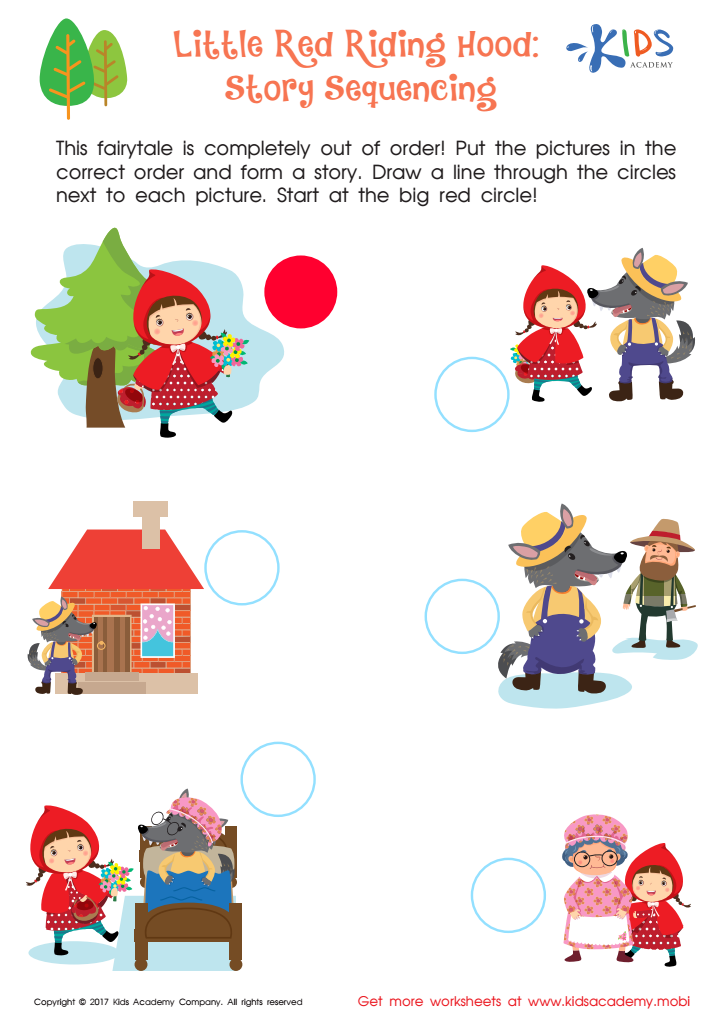
Story Sequencing Printable
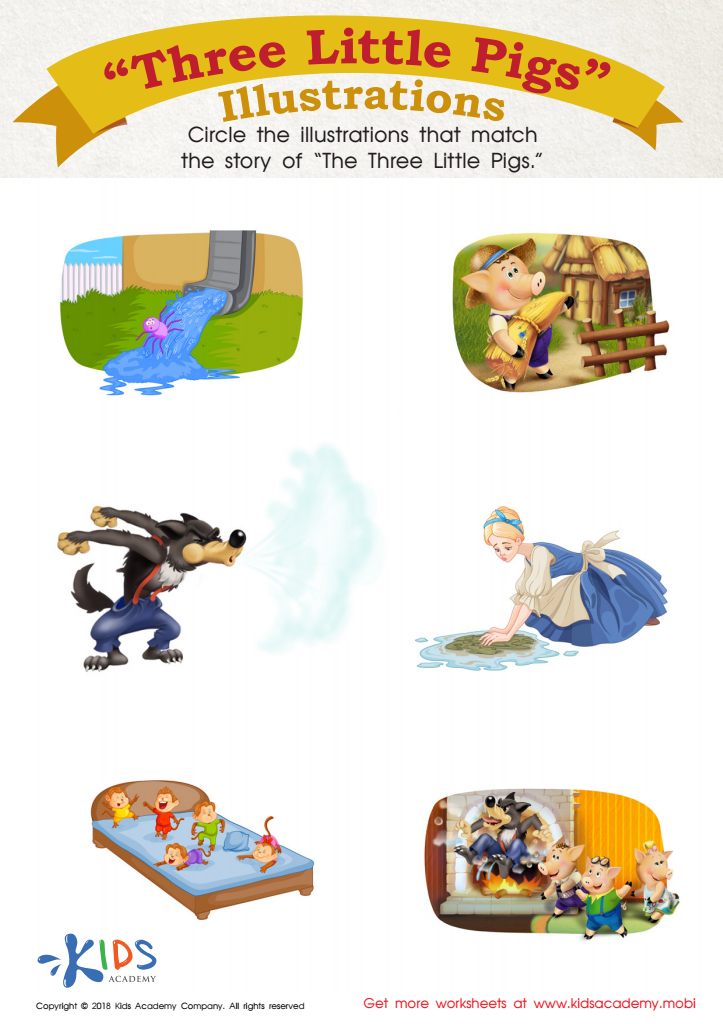
Three Little Pigs: Illustrations Worksheet
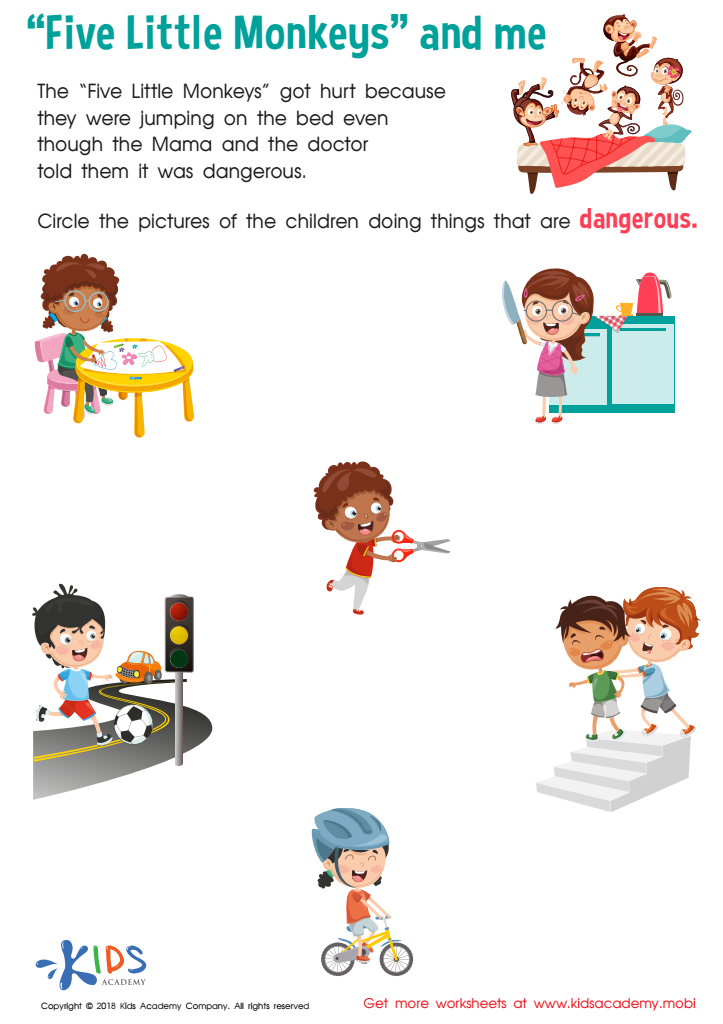
Five Little Monkeys and Me Worksheet








Parents and teachers should prioritize developing sequencing skills in reading for children aged 3-5 because these foundational abilities play a critical role in their overall cognitive and academic growth. Sequencing involves understanding the order of events in a story, which fosters essential skills such as comprehension, critical thinking, and memory retention. Young children with proficient sequencing skills can better follow the narrative flow, predict outcomes, and grasp cause-and-effect relationships, thus enhancing their ability to understand and enjoy stories.
Moreover, sequencing aids in learning structured communication, enabling children to express their ideas and experiences coherently. This is crucial not only for reading but also in daily conversations and later writing endeavors. Effective sequencing paves the way for academic success across various subjects, as orderly thinking is fundamental whether solving math problems or understanding scientific processes.
Additionally, practicing sequencing through reading enriches vocabulary and language development. Interactive activities like retelling stories, arranging picture cards, or connecting scenes nurture a child's imagination and focus, supporting their social-emotional development as they learn to listen, comprehend, cooperate, and empathize with characters and peers.
Thus, encouraging sequencing skills equips children with vital tools that underlie lifelong learning, creating a robust foundation for future educational and personal achievements.








