Following instructions Songs Worksheets for Ages 3-5
4 filtered results
-
From - To
Looking for engaging ways to teach your 3-5-year-olds how to follow instructions? Our "Following Instructions Songs Worksheets" are perfect for young learners! These fun and interactive worksheets combine catchy songs with exciting activities to help children develop their listening skills, comprehension, and the ability to follow directions. Kids will enjoy singing along while planting the seeds for essential learning skills. Whether in the classroom or at home, these worksheets promote a love for learning through music and movement, making it an enjoyable experience for young minds. Start exploring and watch your child thrive as they learn to follow instructions effectively!
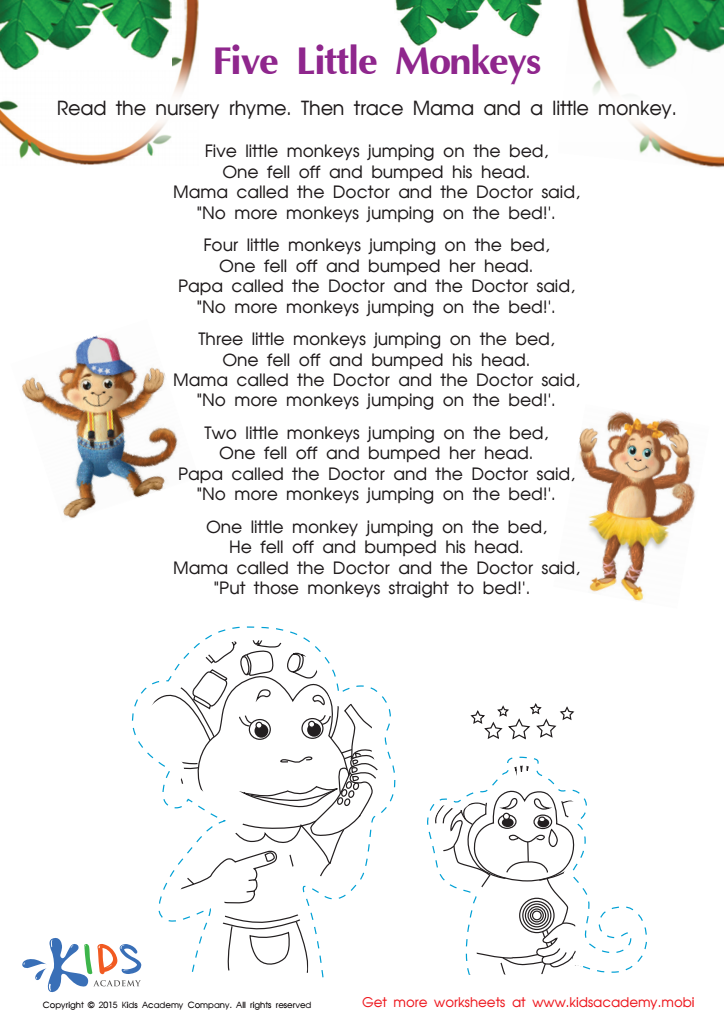
The Five Little Monkeys Nursery Rhyme Worksheet
 Assign to My Students
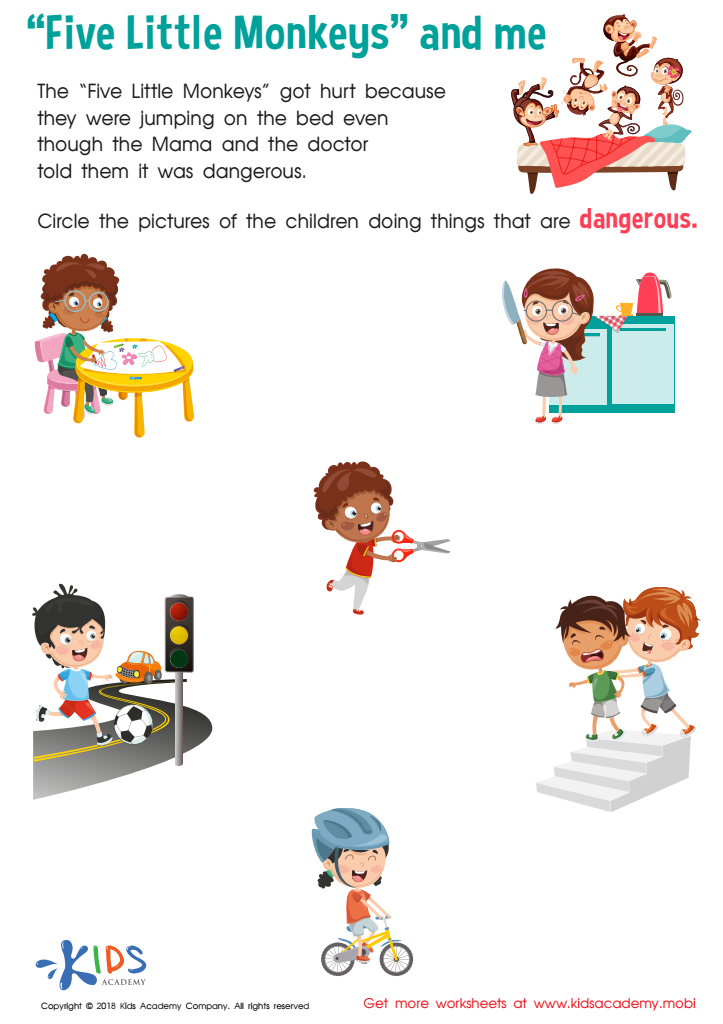
Five Little Monkeys and Me Worksheet
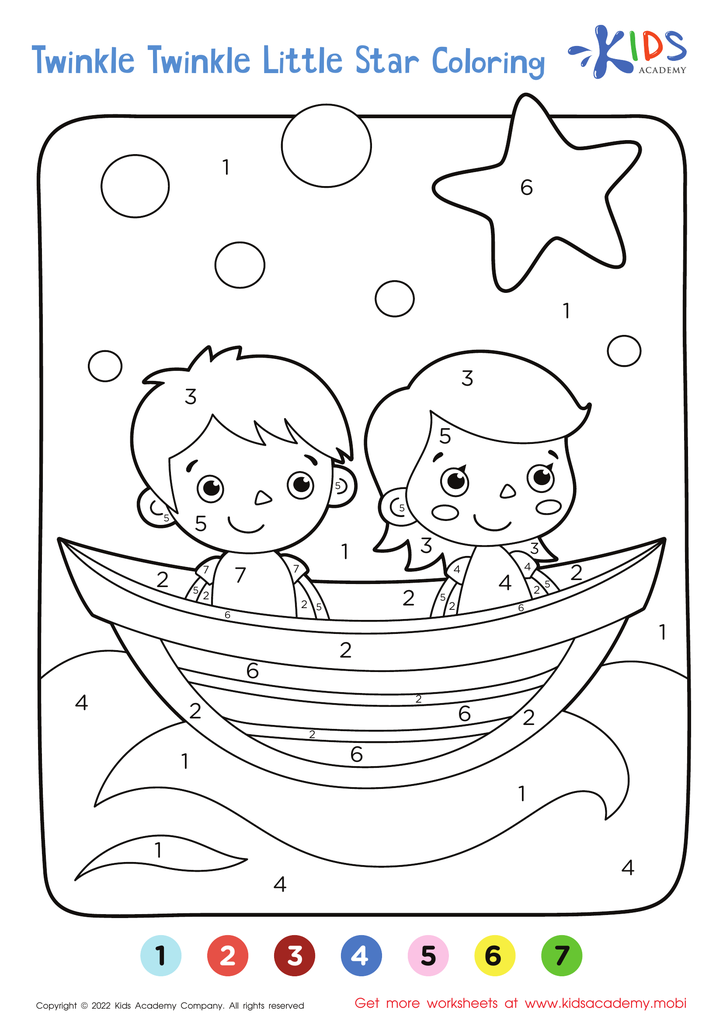
Twinkle, Twinkle, Little Star – Coloring by Numbers
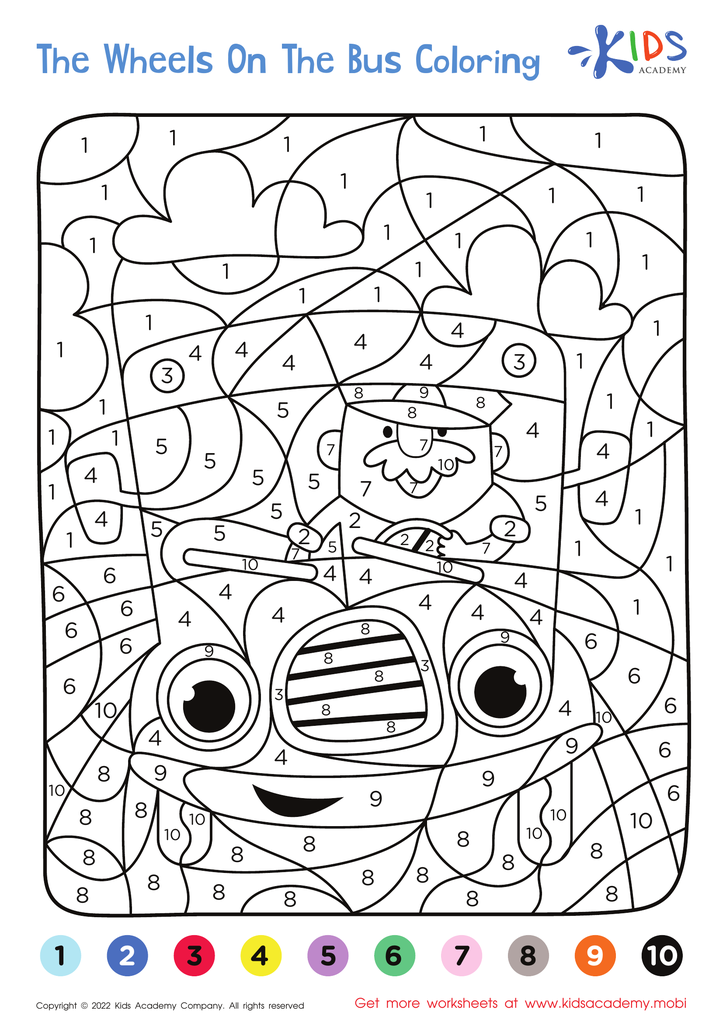
Wheels on the Bus – Coloring by Numbers








Following instruction songs are important for children aged 3-5 as they lay the foundation for crucial developmental skills. At this early age, children are naturally curious and absorb information like sponges. These songs offer a playful and engaging way to teach listening skills, patience, and the ability to follow multi-step directions. By incorporating music and movement, they not only make learning enjoyable but also enhance memory retention.
Furthermore, following instructions is essential for children’s social interaction and classroom participation. When children understand and can execute instructions, it fosters independence and builds confidence. Such skills translate to better cooperation in group activities, improved communication abilities, and a greater understanding of routines during daily activities.
Parents and teachers should embrace these songs as they promote a positive learning environment. Using melodies that emphasize instructions helps break down complexities, making directions more accessible to young learners. This rhythmic approach to learning also develops rhythm and language skills, further enhancing cognitive development.
Ultimately, promoting and integrating following instruction songs into daily routines provides young children with tools they need for academic success and lifelong skills, making them essential for parents and educators investing in early childhood development.








