Critical Thinking Community Worksheets for Ages 3-5
4 filtered results
-
From - To
Welcome to our Critical Thinking Community Worksheets for Ages 3-5! Designed to foster essential cognitive skills, our engaging worksheets help young learners explore their community while sharpening critical thinking abilities. These interactive activities encourage curiosity, problem-solving, and effective decision-making through fun, age-appropriate tasks. From identifying community helpers to understanding roles within a neighborhood, children will cultivate awareness and learn to think critically about their surroundings. Perfect for parents and educators, our worksheets inspire exploration and discovery. Get ready to empower your child with the foundational skills they need for lifelong learning. Let's embark on this exciting journey of critical thought and community connection!
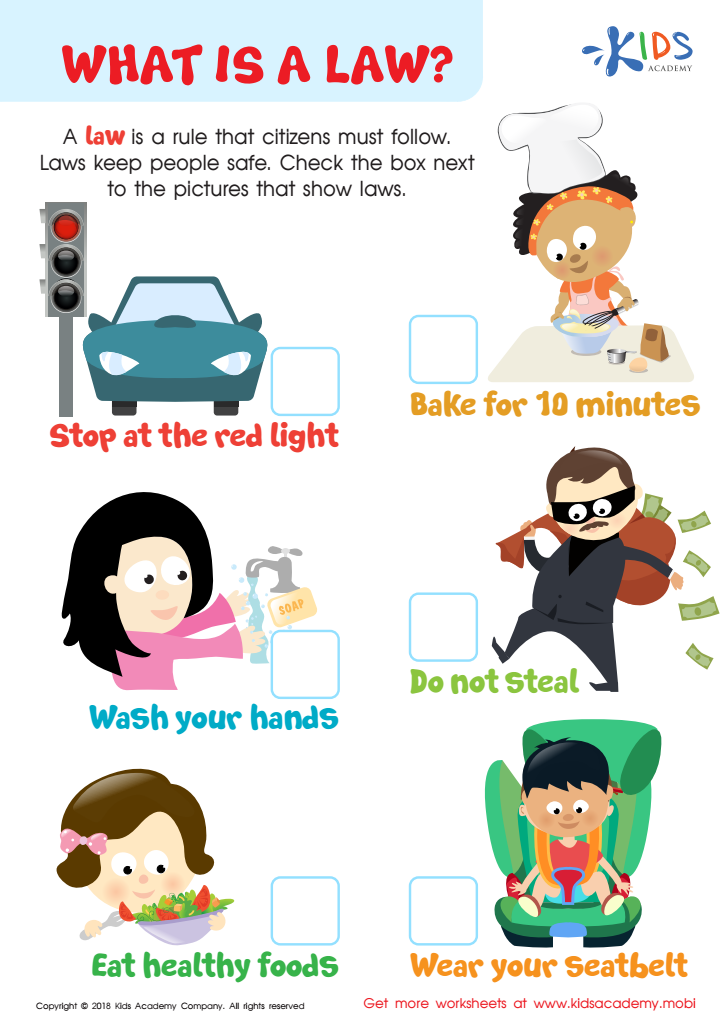
What is a Law? Worksheet
 Assign to My Students
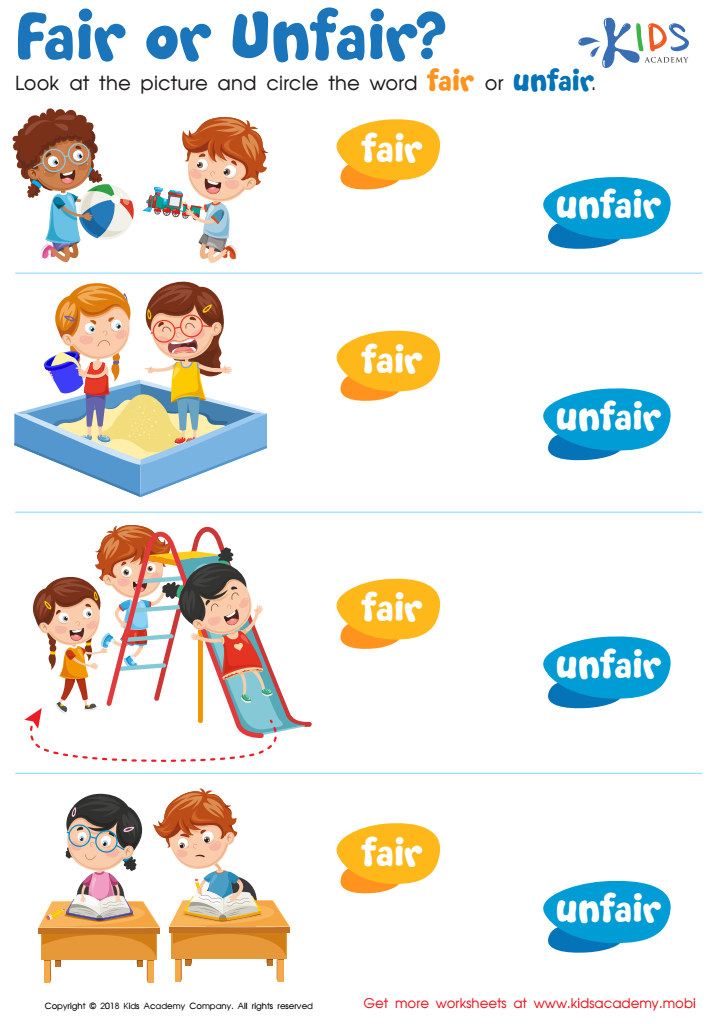
Fair or Unfair Worksheet
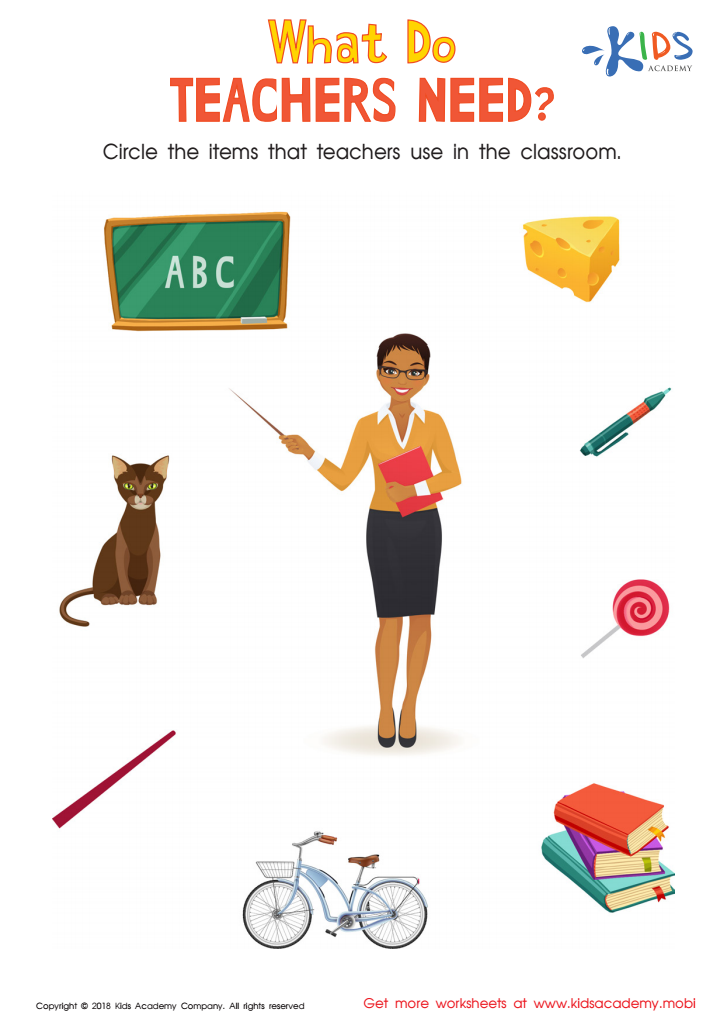
What Do Teachers Need Worksheet
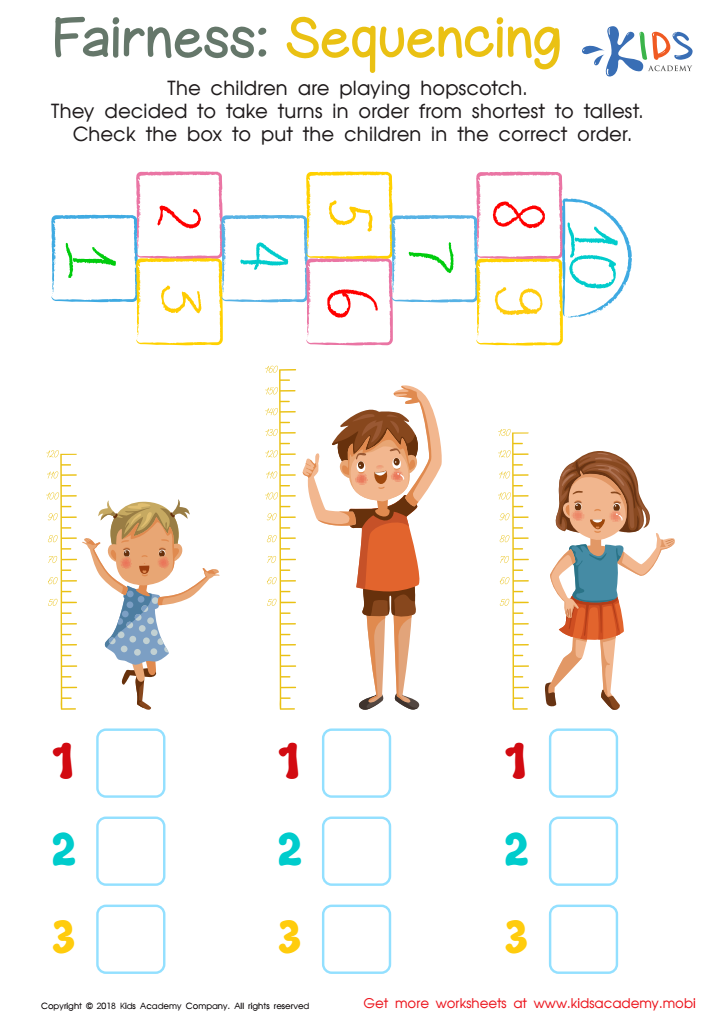
Fairness: Sequencing Worksheet








Parents and teachers should care about the Critical Thinking Community for Ages 3-5 because it lays the foundation for lifelong learning and problem-solving skills in young children. At this age, children are naturally curious and eager to explore their environment, making it an ideal time to encourage critical thinking. Engaging in critical thinking activities fosters creativity, enhances reasoning skills, and promotes the ability to analyze situations from multiple perspectives.
By participating in the Critical Thinking Community, parents and educators can share resources, strategies, and experiences, creating a supportive network aimed at nurturing children's cognitive development. This collaboration can help identify effective practices that stimulate children's intellectual growth and readiness for future academic challenges.
Moreover, instilling these skills early helps children learn to make informed decisions, enabling them to understand consequences and explore solutions in their daily lives. It prepares them not just for school, but for the complex world they will navigate as adults. In essence, prioritizing critical thinking in early childhood education encourages independent learners who are adaptable, confident, and equipped to tackle challenges, ultimately shaping responsible, thoughtful adults who can contribute positively to society.








