
Cognitive Development Social Studies Worksheets for Ages 3-5
7 filtered results
Difficulty Level
Grade
Age
-
From - To
Subject
Activity
Standards
Unlock your child’s potential with our Cognitive Development Social Studies Worksheets designed specifically for ages 3-5. These engaging resources foster critical thinking and problem-solving skills while introducing young learners to fundamental social concepts. Through fun activities and interactive exercises, children will explore communities, relationships, and responsibilities, enhancing their understanding of the world around them. Our worksheets also promote creativity and cognitive growth, ensuring a well-rounded educational experience. Perfect for parents and educators, these printable worksheets are a great way to make learning enjoyable and effective. Help your child thrive socially and cognitively with our thoughtfully designed worksheets today!
Favorites
With answer key
Interactive
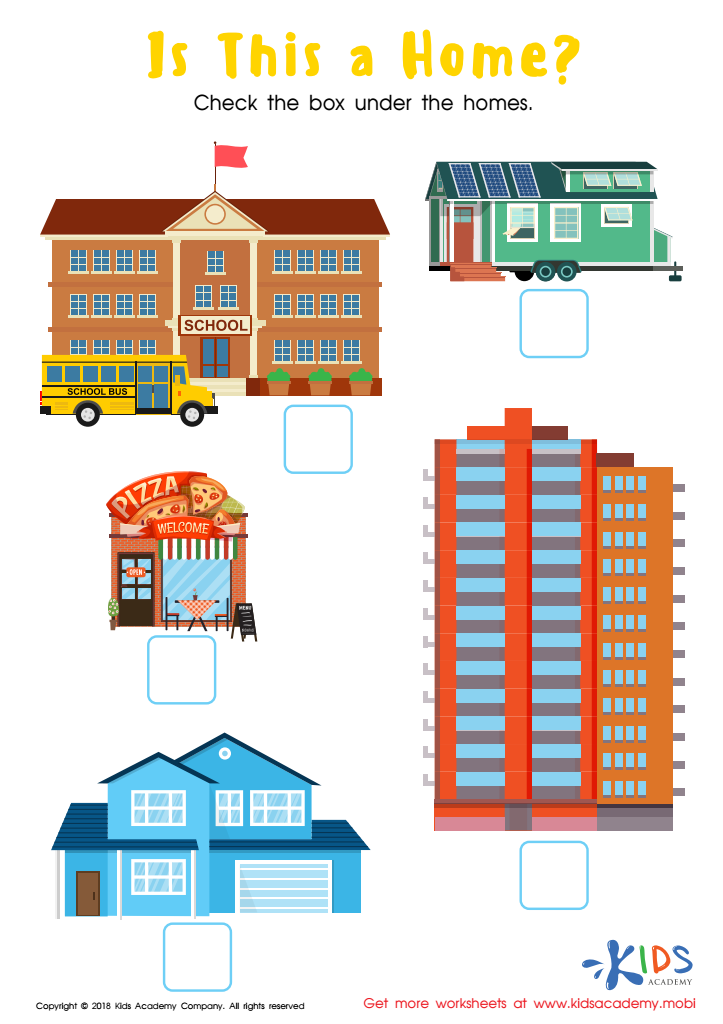
Is this a Home? Worksheet
Ask your child what the building you live in is called. Is it a home, restaurant or hospital? Then look at the pictures in the worksheet and ask them to identify which are homes - even if they don't look like yours. Check the box next to the homes in the pictures.
 Assign to My Students
Is this a Home? Worksheet
Worksheet
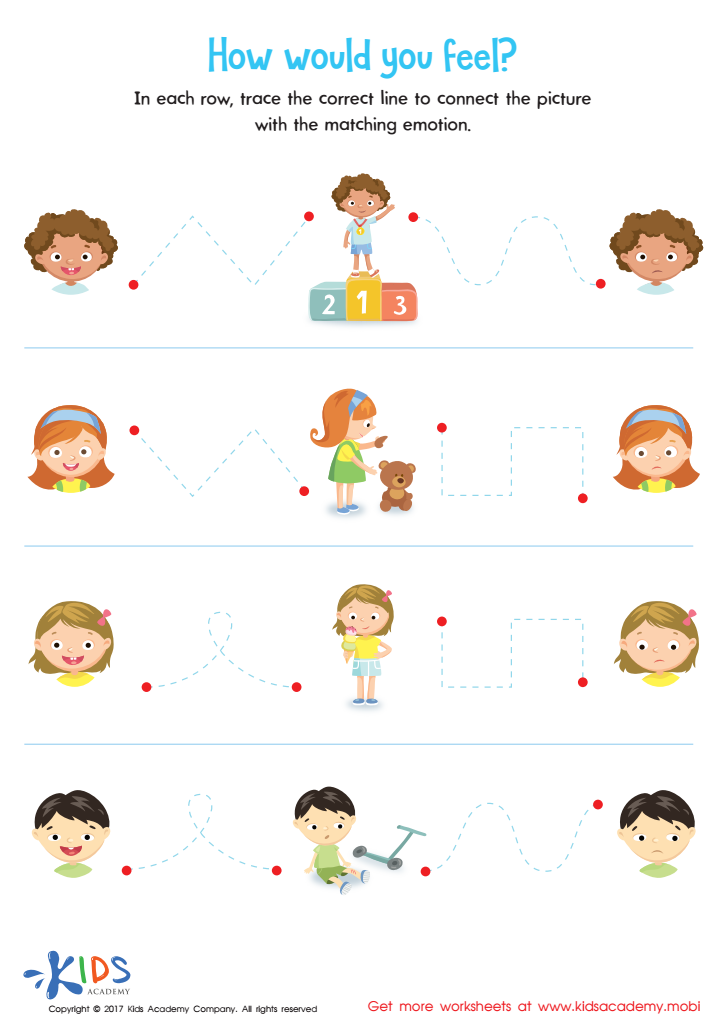
Feelings and Emotions Worksheet
Kids must learn how to deal with situations and handle their own emotions. This worksheet helps them practice empathy and resilience, making them more self-aware and confident. It also helps them to relate their life experiences to common disappointments and develop coping mechanisms.
Feelings and Emotions Worksheet
Worksheet
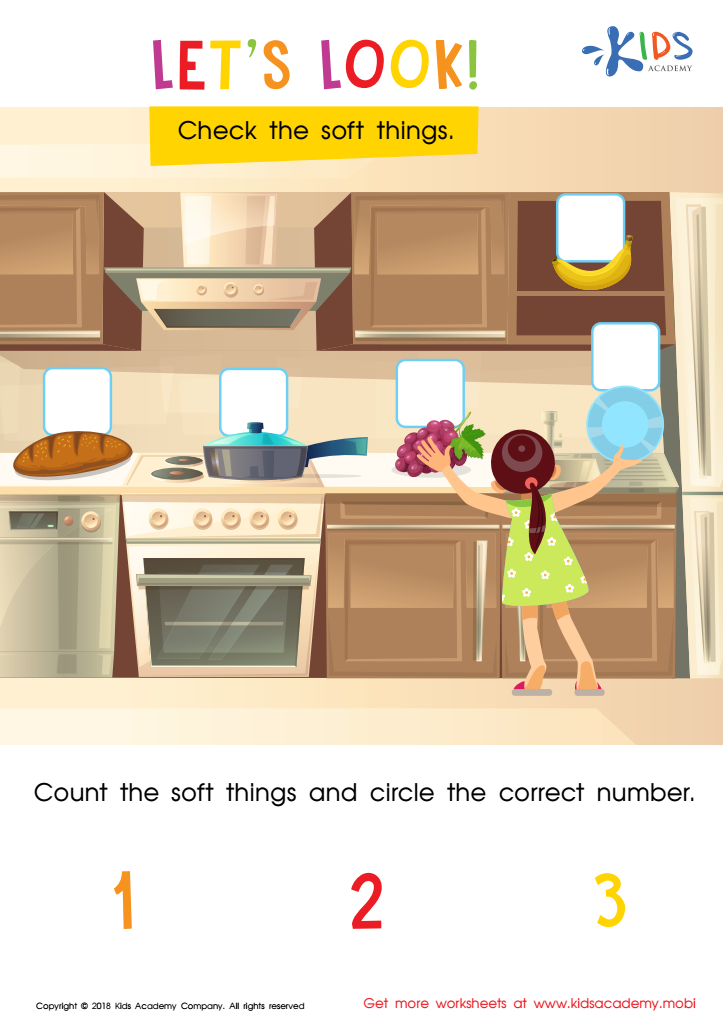
Let's Look! Assessment Worksheet
Have your child look at the picture in the printout and name the objects. Ask which ones are soft and hard and have them count the soft objects and circle the number. This worksheet will engage your child's thinking and teach them about texture.
Let's Look! Assessment Worksheet
Worksheet
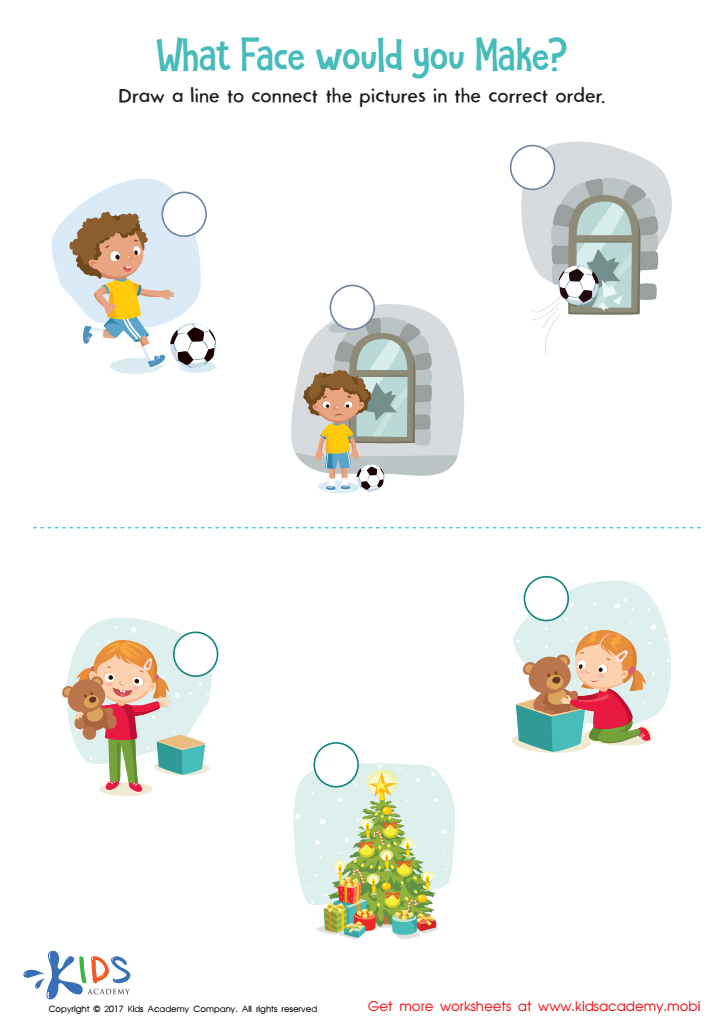
Understanding Emotions Worksheet
This worksheet helps children build social and emotional skills. As they complete it, they imagine themselves in the boy's situation, practicing empathy. It's an engaging and meaningful way to learn.
Understanding Emotions Worksheet
Worksheet
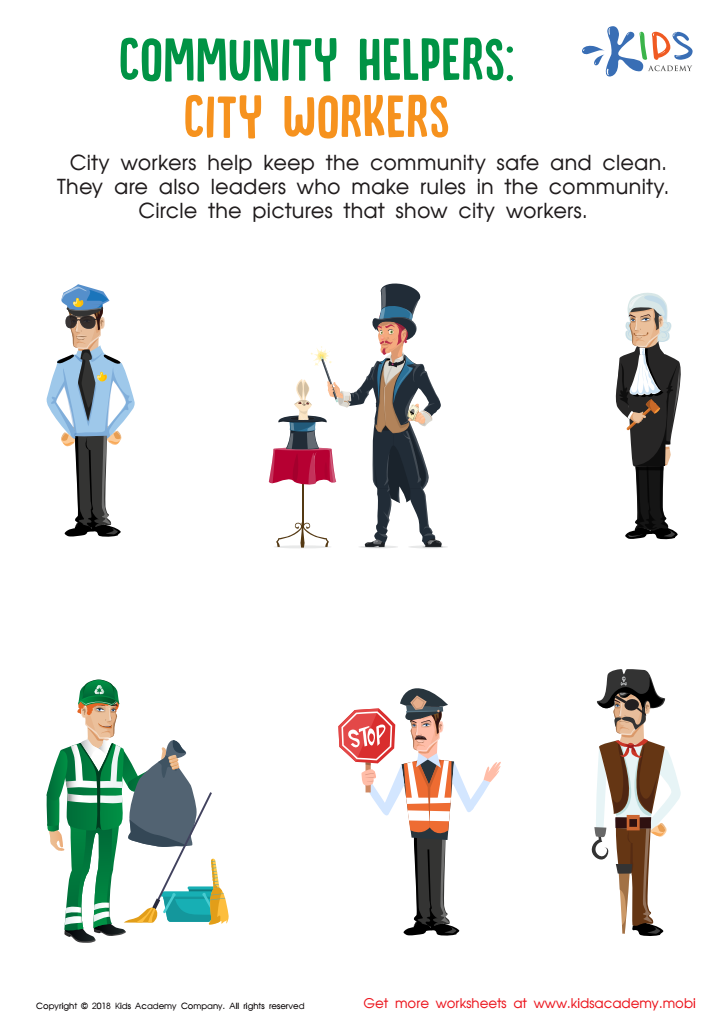
City Workers Community Helpers Worksheet
City workers help keep our communities clean, safe and well-run. They create and enforce rules and act as leaders. Use this worksheet with your child to learn more about the important roles they play. Check the pictures in the free PDF that accurately depict what they do.
City Workers Community Helpers Worksheet
Worksheet
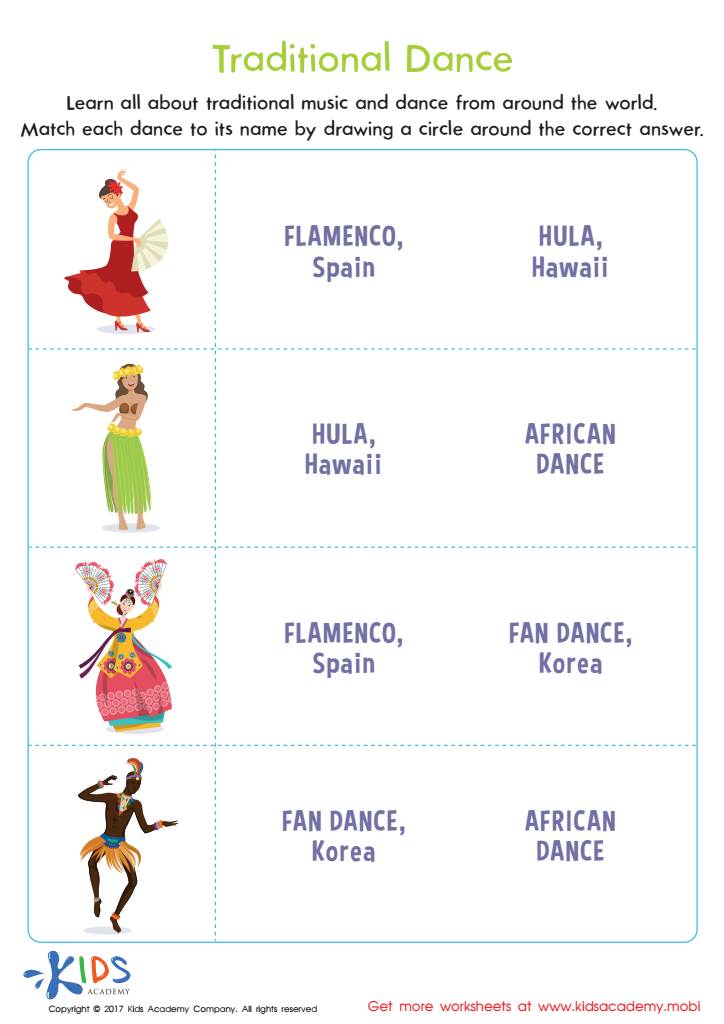
Traditional Dance Printable
Introduce your child to traditional dances from across the globe with this worksheet. They'll learn to identify dances from different cultures, use their critical thinking skills and build an appreciation for different cultures. Let’s help kids to appreciate people’s differences and explore the world with this fun, colorful worksheet.
Traditional Dance Printable
Worksheet
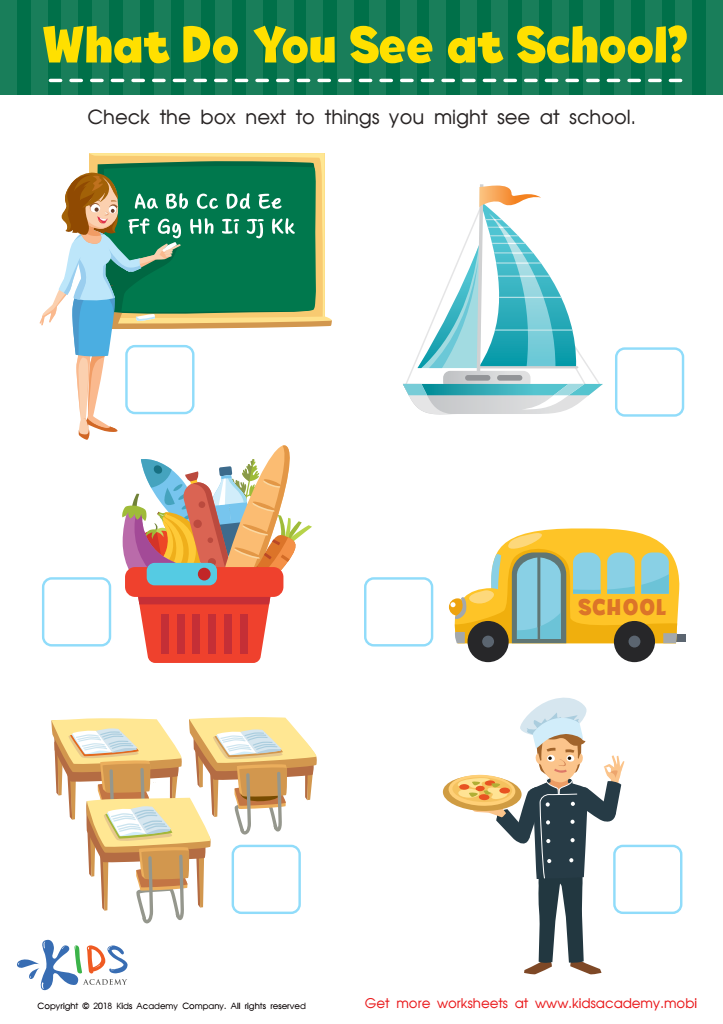
What Do you See at School? Worksheet
Have your kids give you a list of things they see at school. Then, view the worksheet together. Ask them to check the boxes next to the school items. Look for objects that can be found at school and those that don't belong. This is a great way to check their knowledge of what they see at school daily, except on weekends and holidays.
What Do you See at School? Worksheet
Worksheet
Join Kids Academy for Free
Who is primarily going to use this learning content?








Cognitive development in early childhood is vital for children aged 3-5, as this is a critical period for acquiring foundational skills in understanding the world around them. Parents and teachers should prioritize Social Studies during these formative years because it fosters not only cognitive growth but also essential social skills and emotional intelligence.
Engaging with Social Studies helps young learners develop critical thinking, spatial awareness, and basic reasoning skills. Through exploration of their community, family structures, and cultural diversity, children gain insight into different viewpoints and social roles, promoting empathy and cooperation. Facilitating discussions about their surroundings allows children to ask questions, make discoveries, and connect with their environment and peers.
Moreover, early exposure to concepts like citizenship, history, and environmental care instills a sense of belonging and responsibility, shaping them into informed and engaged community members. Understanding social contexts boosts language development, as children learn to articulate their thoughts and feelings about diverse experiences.
By emphasizing Cognitive Development through Social Studies in early education, parents and teachers lay the groundwork for lifelong learning, enabling children to navigate societal complexities while fostering an inclusive mindset and appreciation for diversity. This holistic approach is essential for nurturing well-rounded individuals ready to face future challenges with confidence and curiosity.








