Problem-Solving Skills Writing Worksheets for Ages 3-5
4 filtered results
-
From - To
Unlock your child's potential with our Problem-Solving Skills Writing Worksheets designed for ages 3-5. These engaging activities foster critical thinking, creativity, and foundational writing skills through fun, interactive tasks. Each worksheet challenges young minds to explore different scenarios, identify solutions, and express their thoughts clearly. Perfect for preschoolers and kindergarteners, our worksheets enhance early learning and cognitive development while building confidence. Guided exercises ensure children develop essential problem-solving abilities, preparing them for future academic success. Start your child’s educational journey with our innovative problem-solving worksheets and watch them thrive! Discover more at Kids Academy!
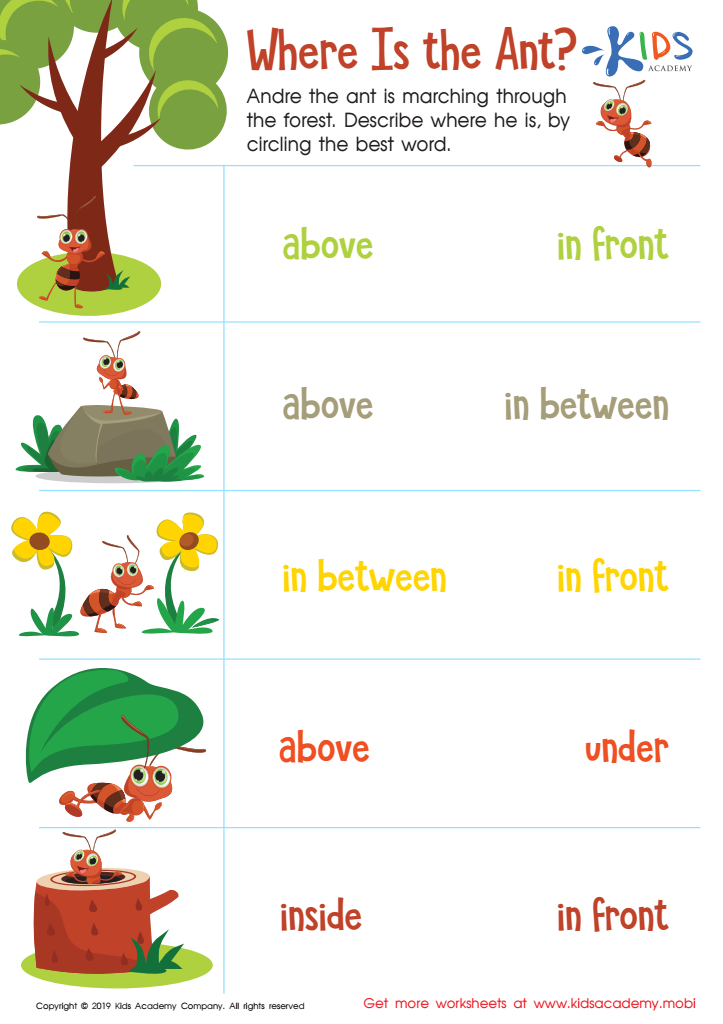
Where Is the Ant? Worksheet
 Assign to My Students
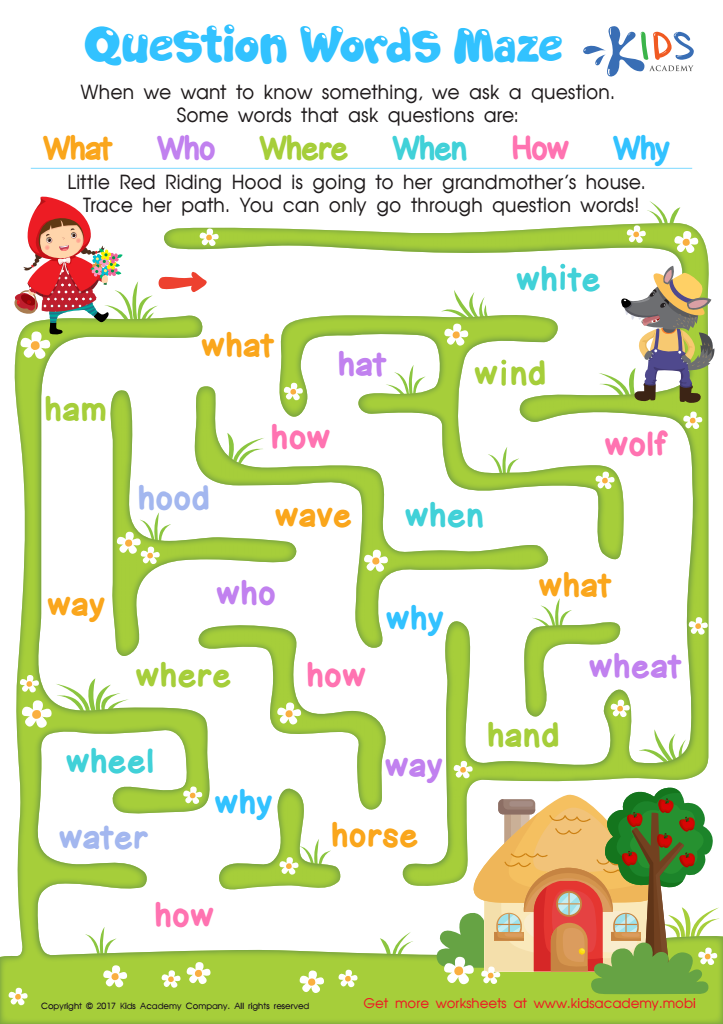
Question Words Maze Worksheet
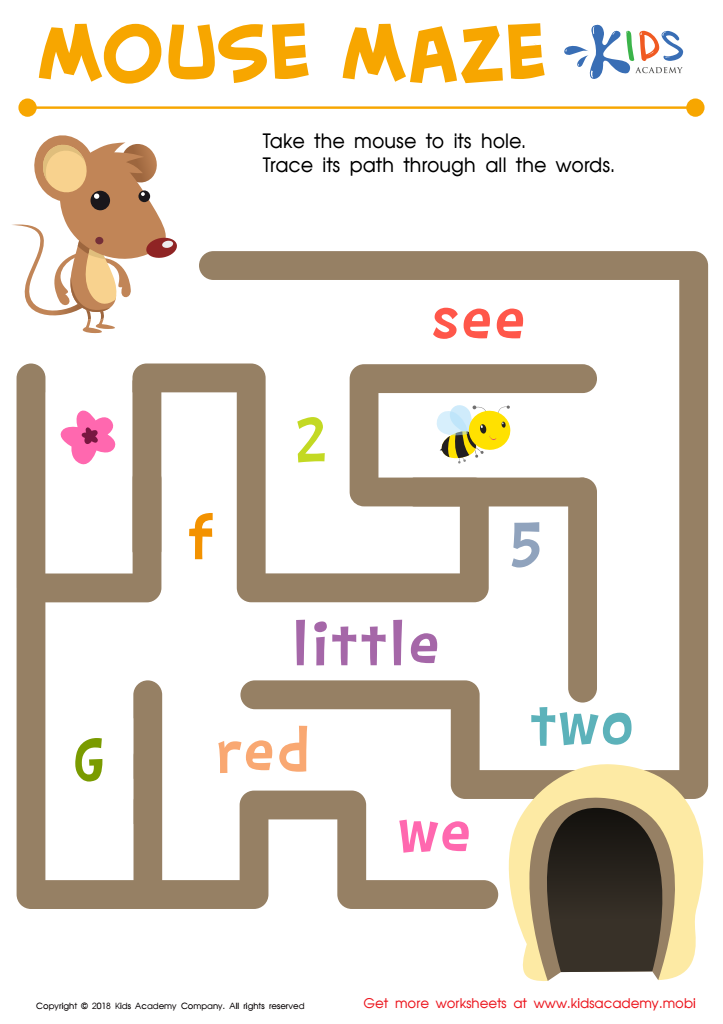
Find Words Mouse Maze Worksheet
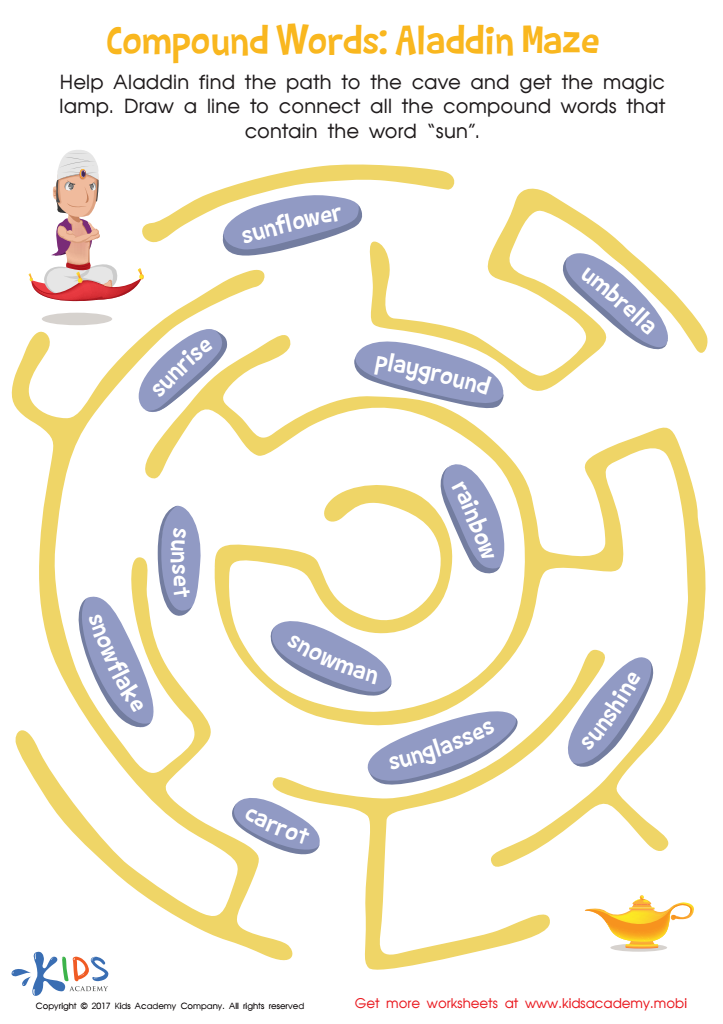
Compound Aladdin Maze Word Structure Worksheet








Problem-solving skills are vital for young children, even at ages 3-5, as they lay the foundation for cognitive and social development. Encouraging problem-solving through writing activities not only enhances early literacy but also strengthens children's ability to think critically and independently. When children are prompted to write down solutions or narrate how they would address simple challenges, they learn to organize their thoughts and communicate effectively.
Moreover, writing as a medium for problem-solving helps improve fine motor skills and hand-eye coordination, which are crucial for young learners. These activities also boost creativity and imagination, prompting children to explore multiple solutions to a problem, thereby fostering flexibility in thinking.
In social settings, children who develop problem-solving skills tend to collaborate better with peers and exhibit improved behavior, as they can navigate conflicts and challenges with greater ease. Additionally, these early experiences build self-esteem and a sense of accomplishment, which are critical for long-term academic success.
Parents and teachers should prioritize problem-solving skills writing because it equips children with foundational abilities that will benefit them across various areas of life, ensuring they grow into resourceful, resilient, and confident individuals. By incorporating these activities into early childhood education, children gain invaluable skills for lifelong learning and adaptation.








