Handwriting practice Tracing Letters Worksheets for Ages 3-6
28 filtered results
-
From - To
Welcome to our Handwriting Practice Tracing Letters Worksheets page, designed specifically for children ages 3-6! These engaging and interactive worksheets help young learners develop essential fine motor skills and improve handwriting through fun tracing activities. With colorful designs and various letter formations, children will enjoy practicing both uppercase and lowercase letters. Each worksheet encourages repeated practice, allowing kids to gain confidence in their writing abilities while reinforcing letter recognition. Perfect for home or classroom use, these resources facilitate a love for learning and writing in early childhood education. Download our tracing worksheets today to support your child’s handwriting journey!
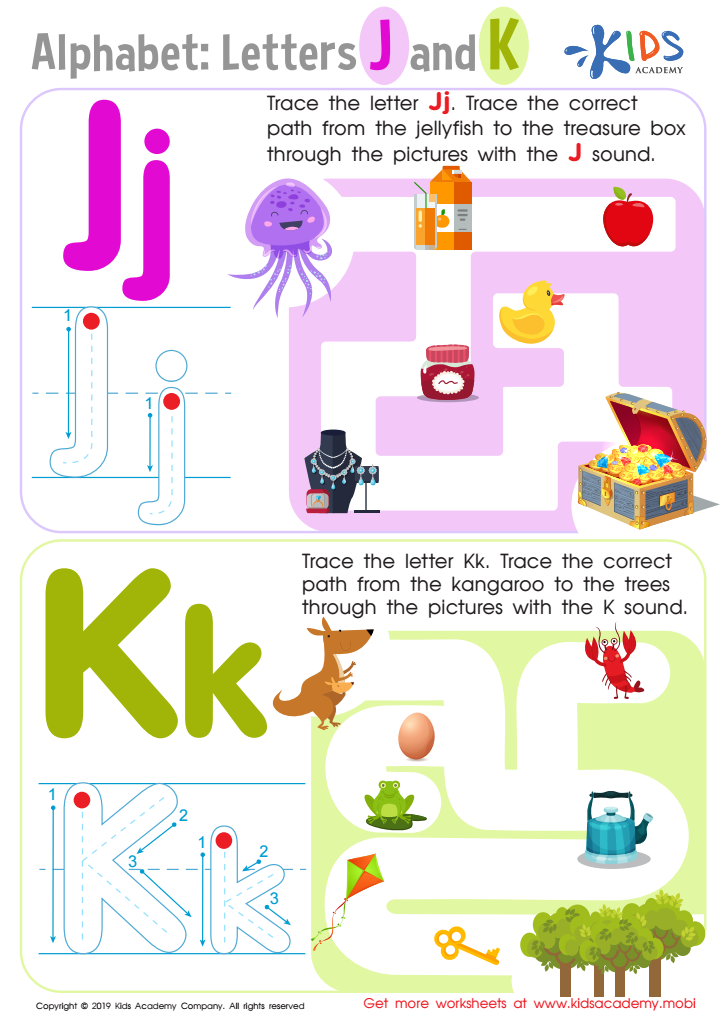
Letters J and K Tracing Worksheet
 Assign to My Students
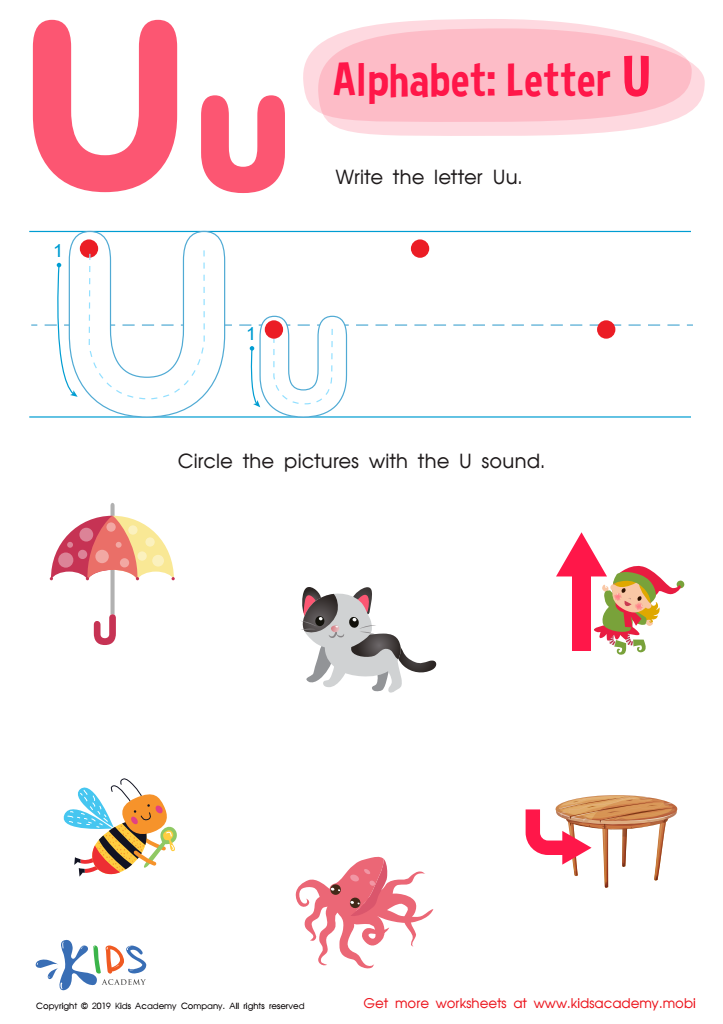
Letter U Tracing Worksheet
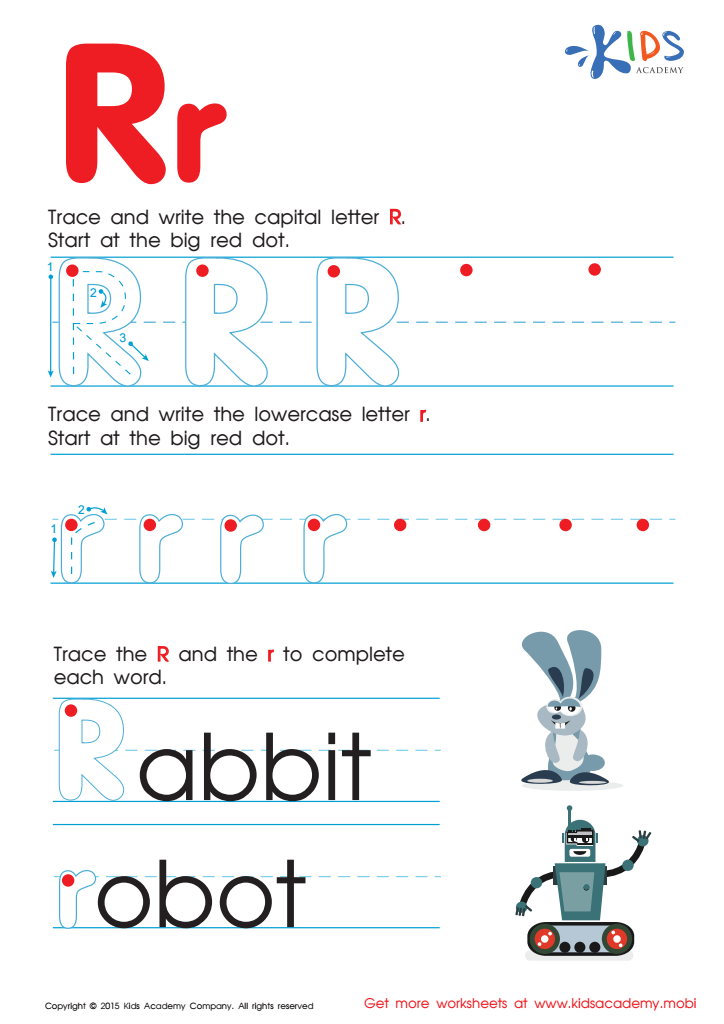
Letter R Tracing Page
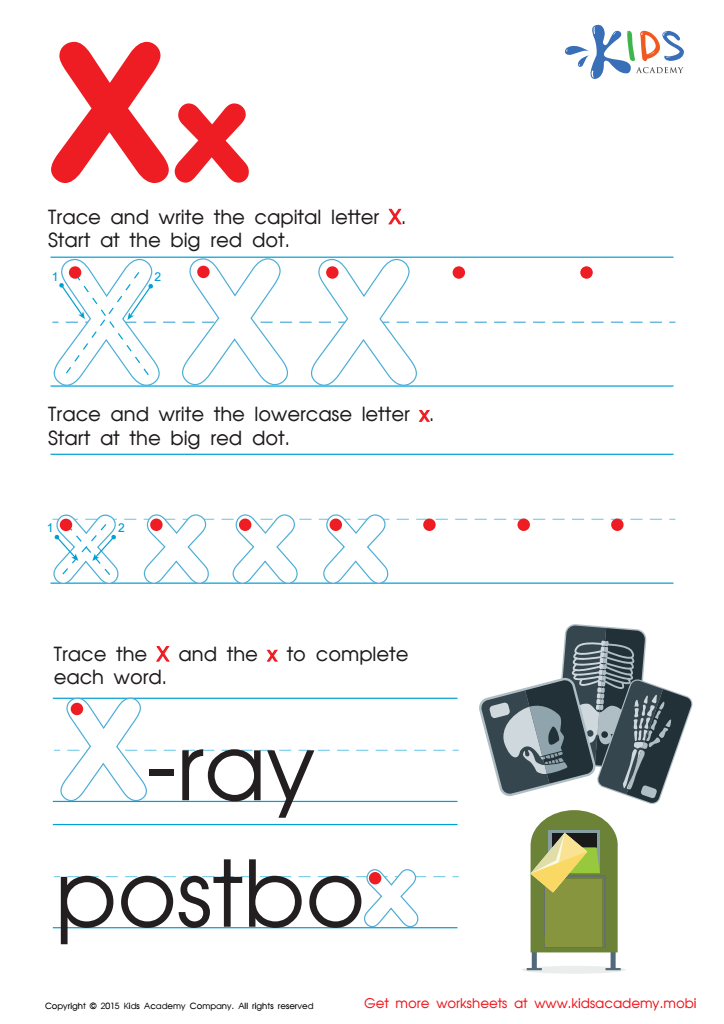
Letter X Tracing Page
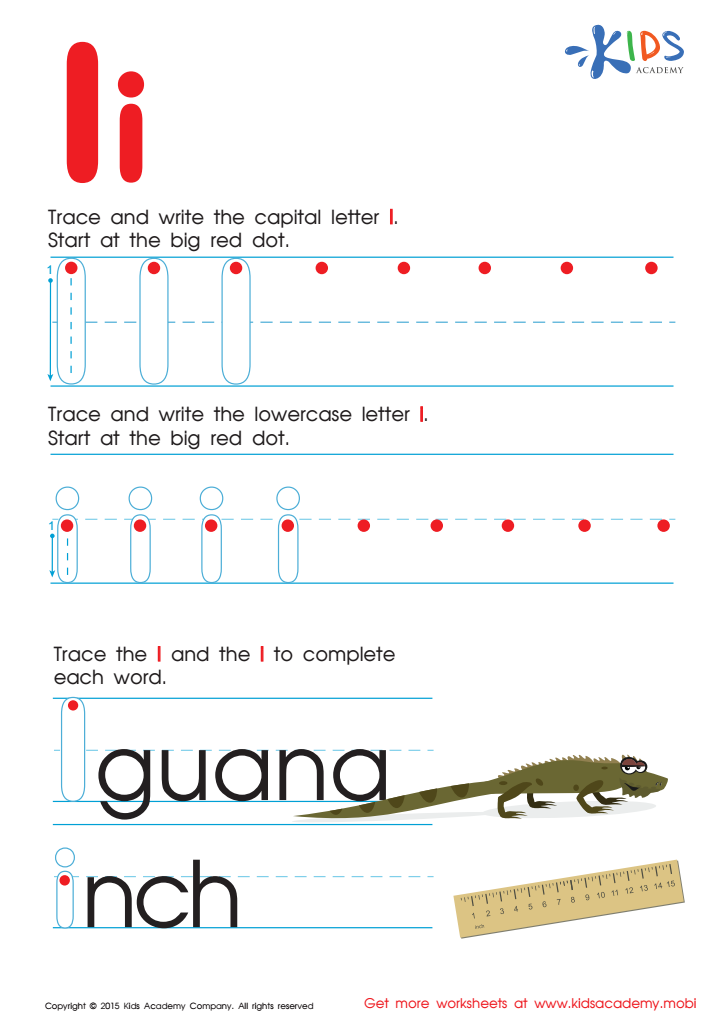
Letter I Tracing Page
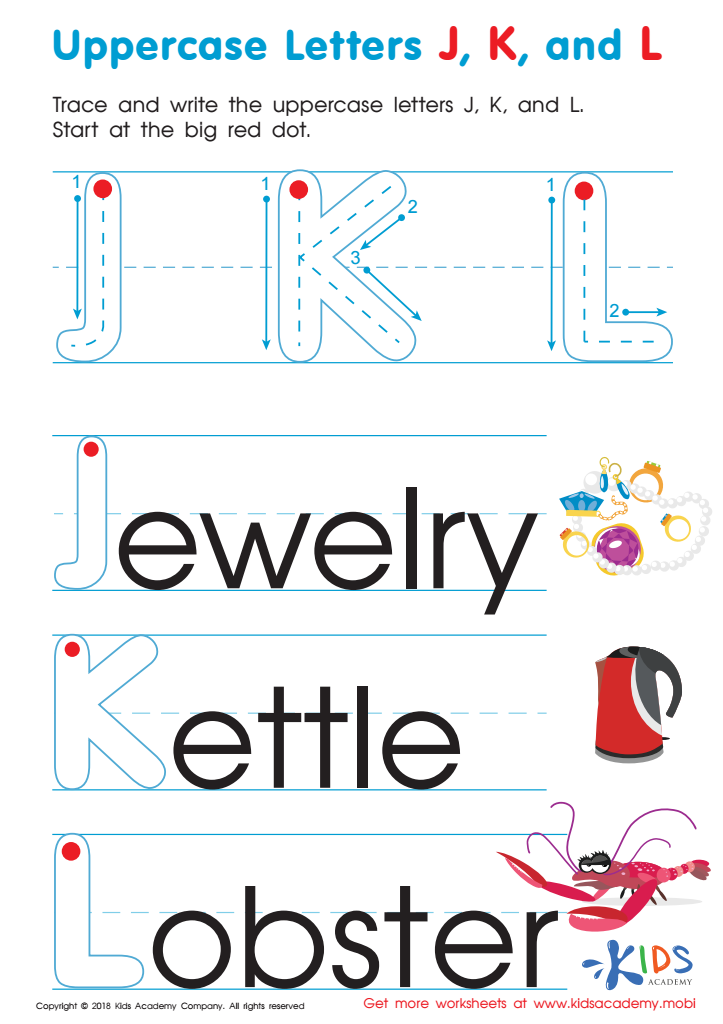
Uppercase Letters J, K, and L Worksheet
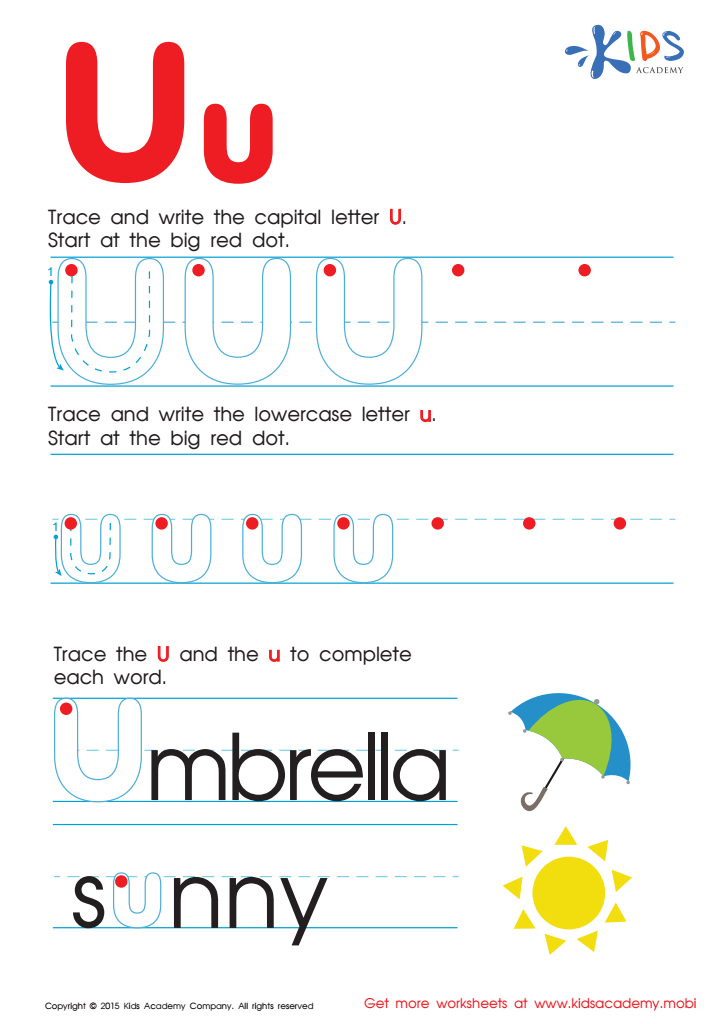
Letter U Tracing Page
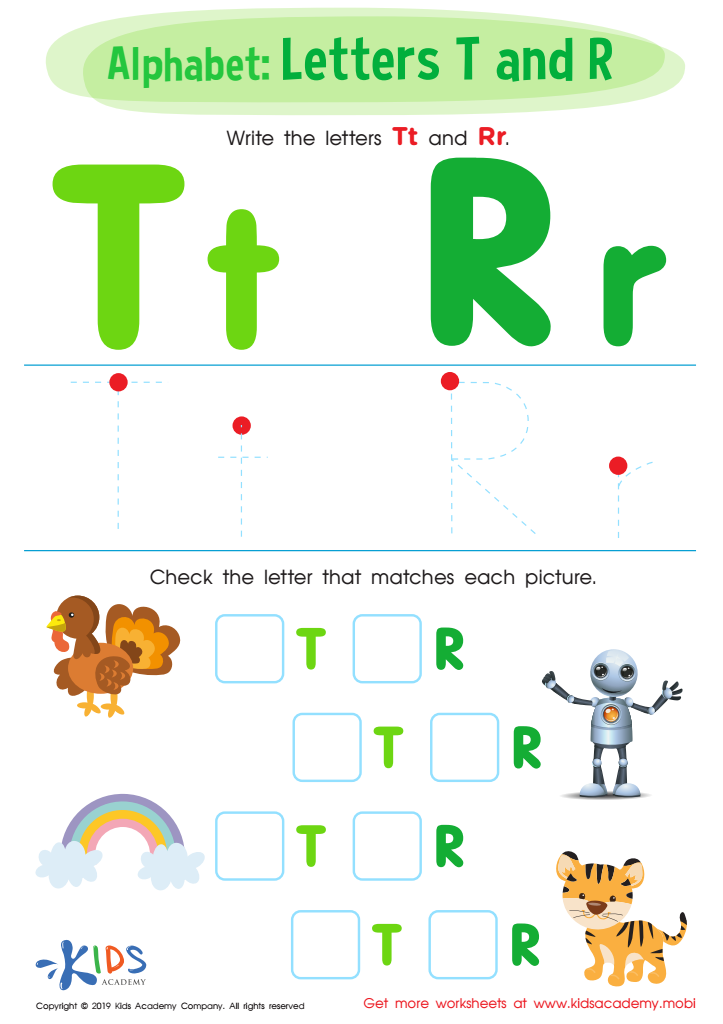
Letters T and R Worksheet
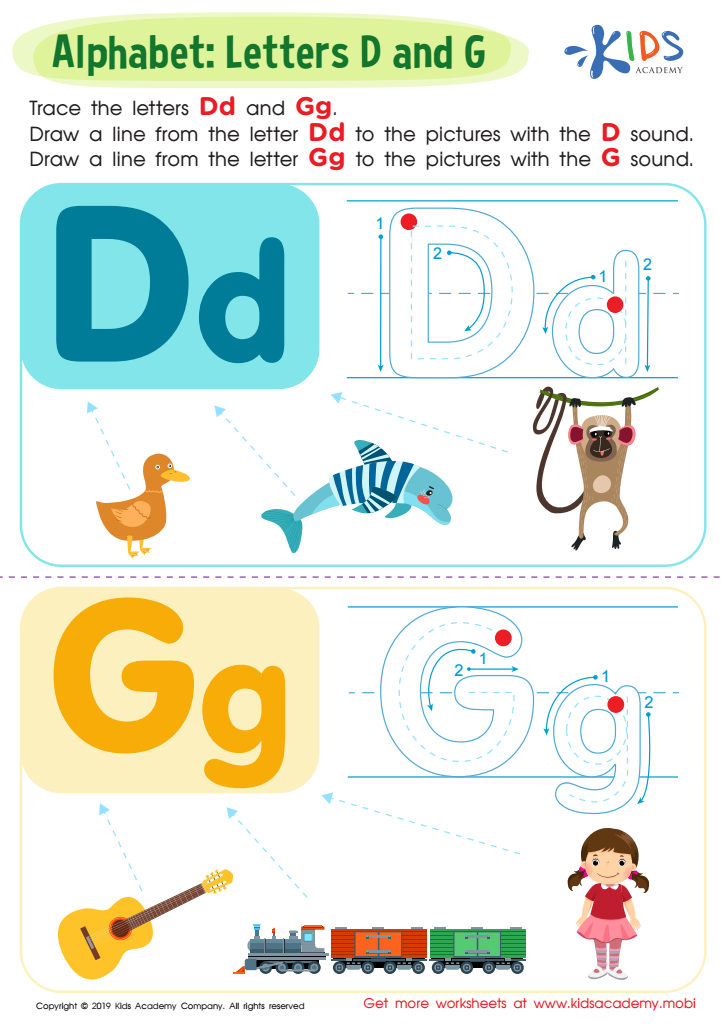
Letter D and G Tracing Worksheet
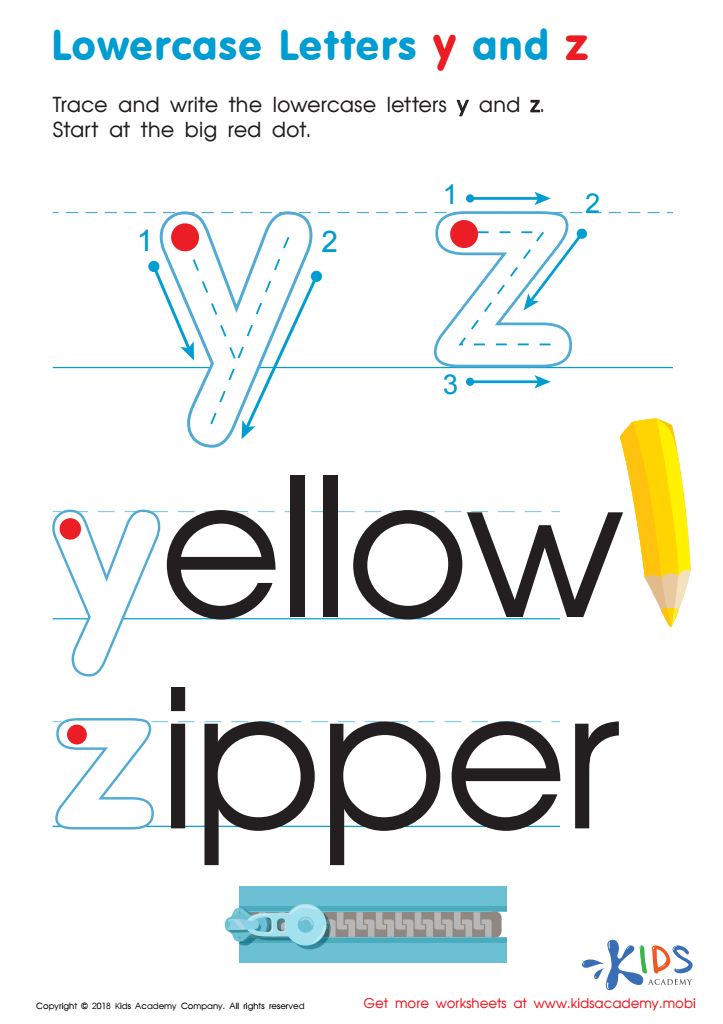
Lowercase Letters y z Worksheet
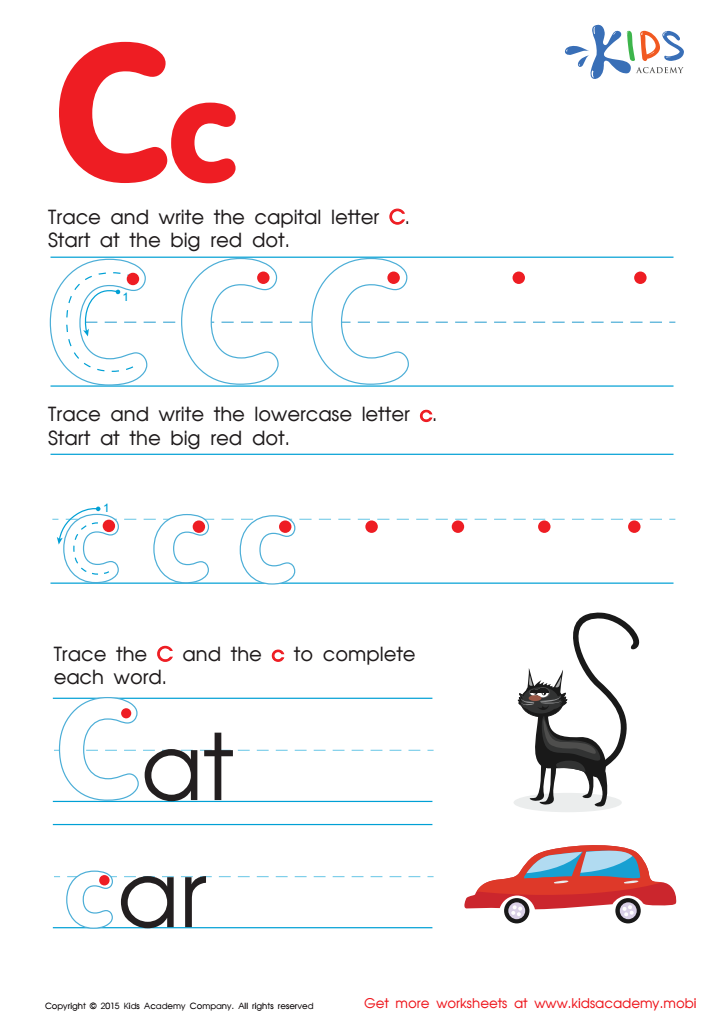
Letter C Tracing Page
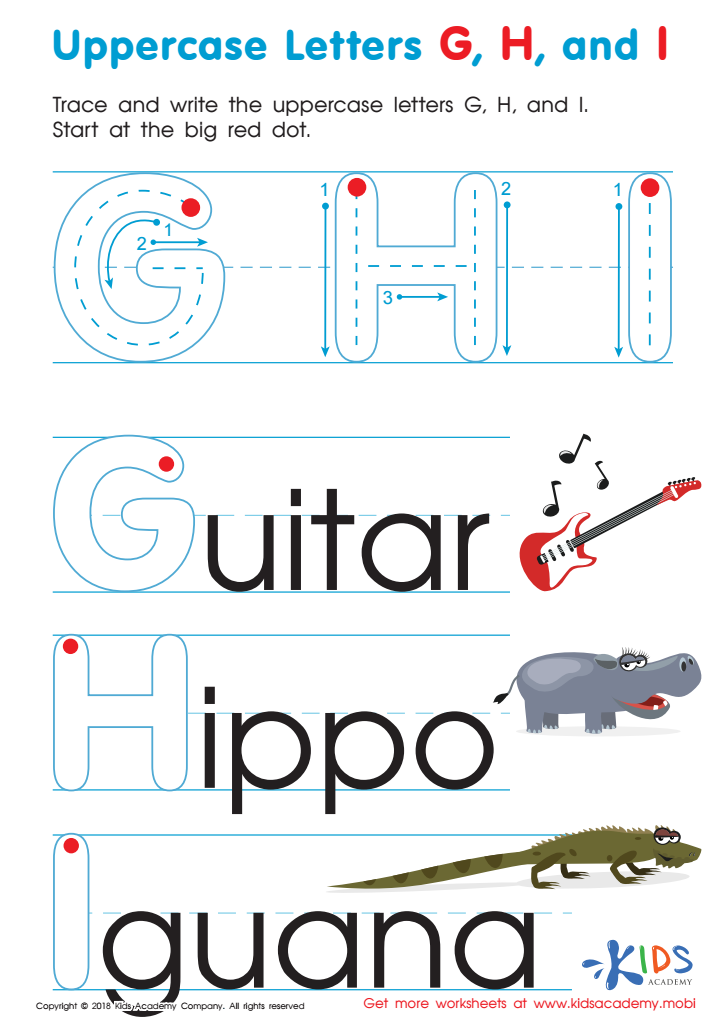
Uppercase Letters G, H, and I Worksheet
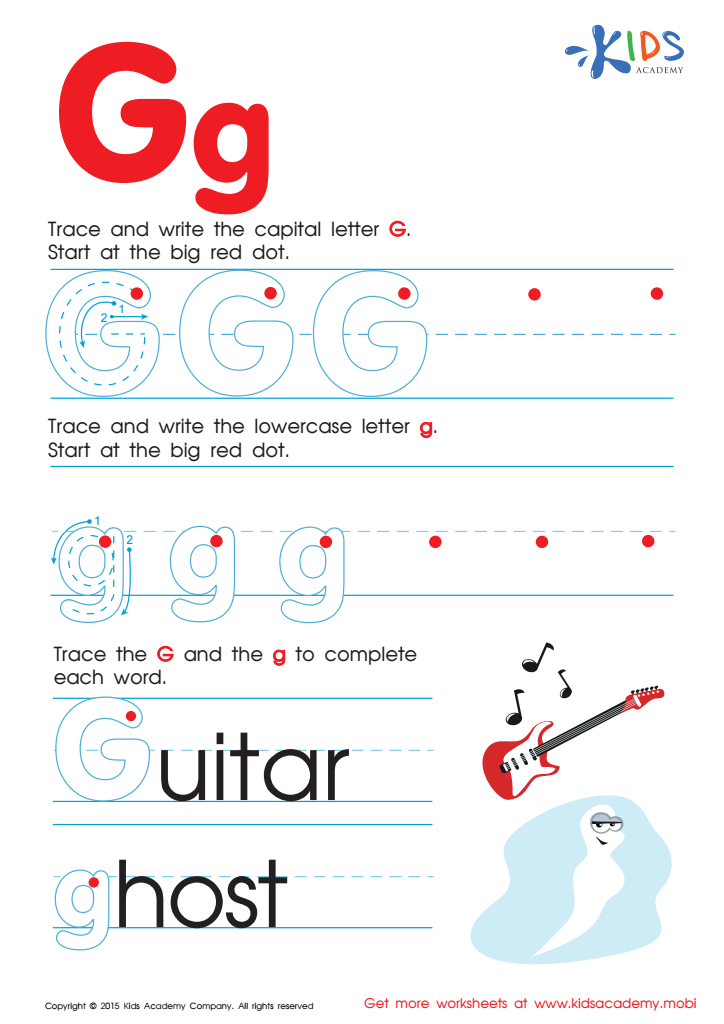
Letter G Tracing Page
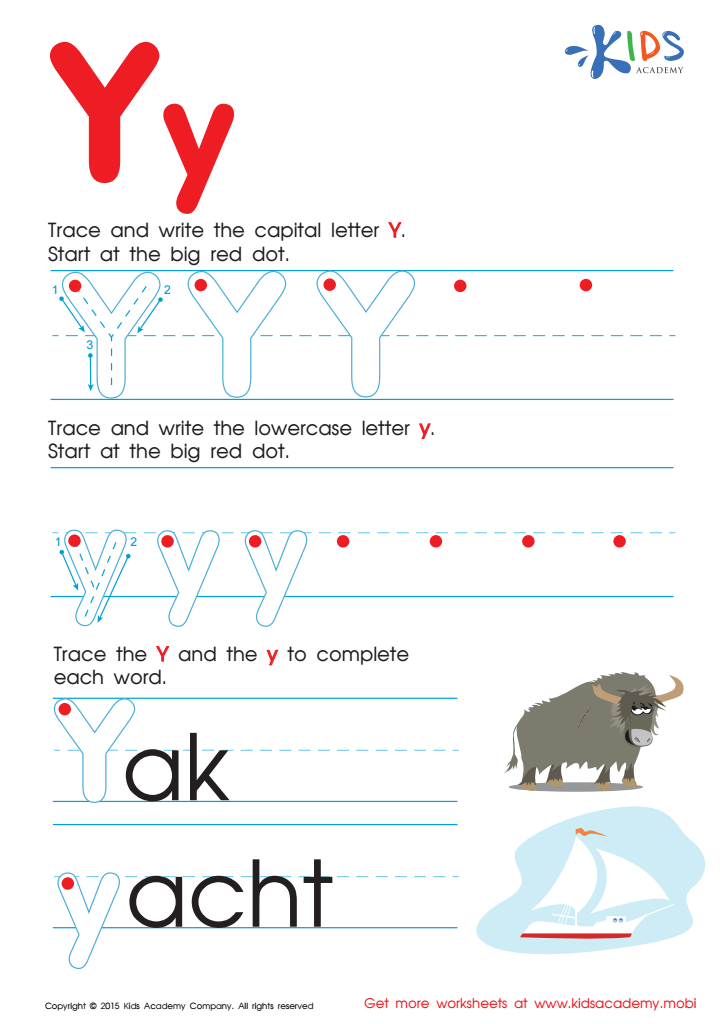
Letter Y Tracing Page
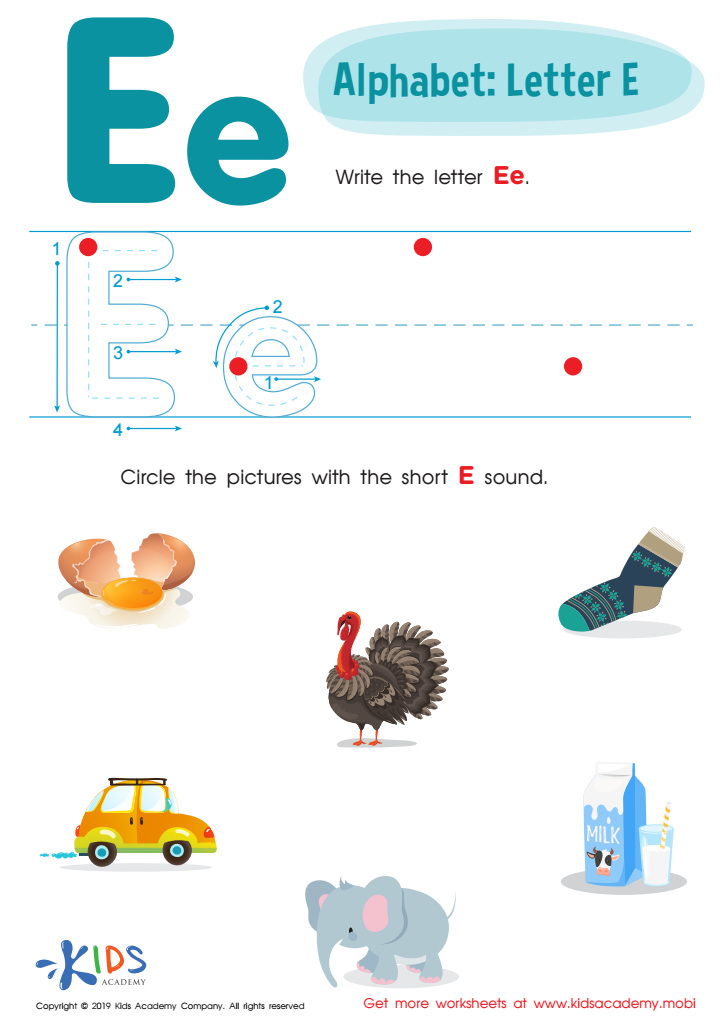
Letter E Tracing Worksheet
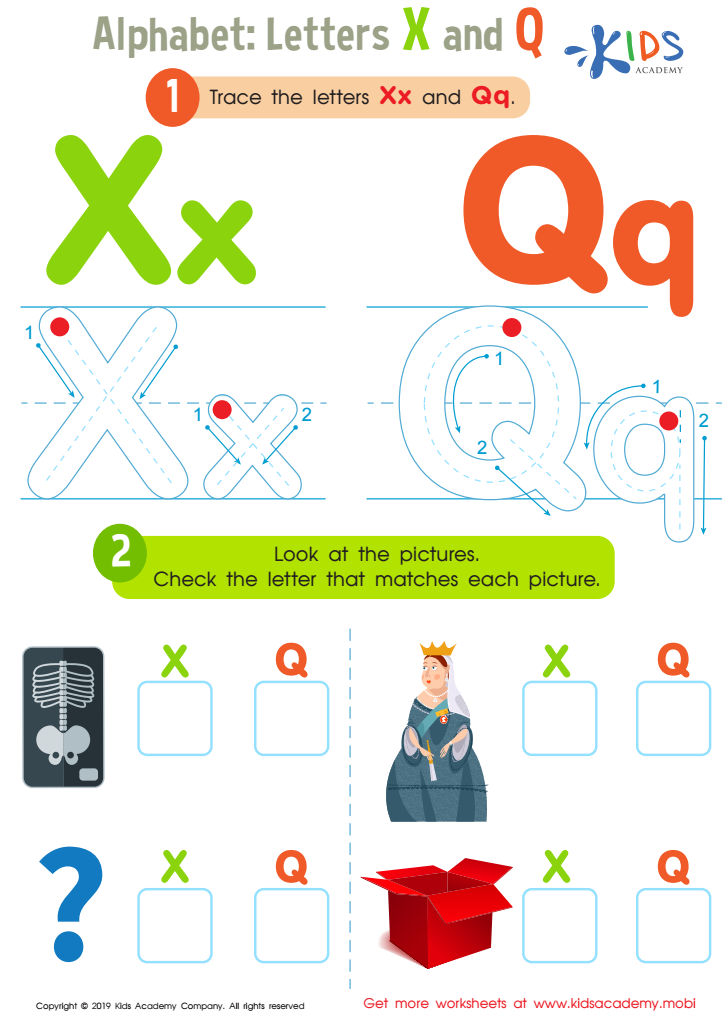
Letters X and Q Tracing Worksheet

Lowercase Letters m n o Worksheet

Letter N Tracing Page
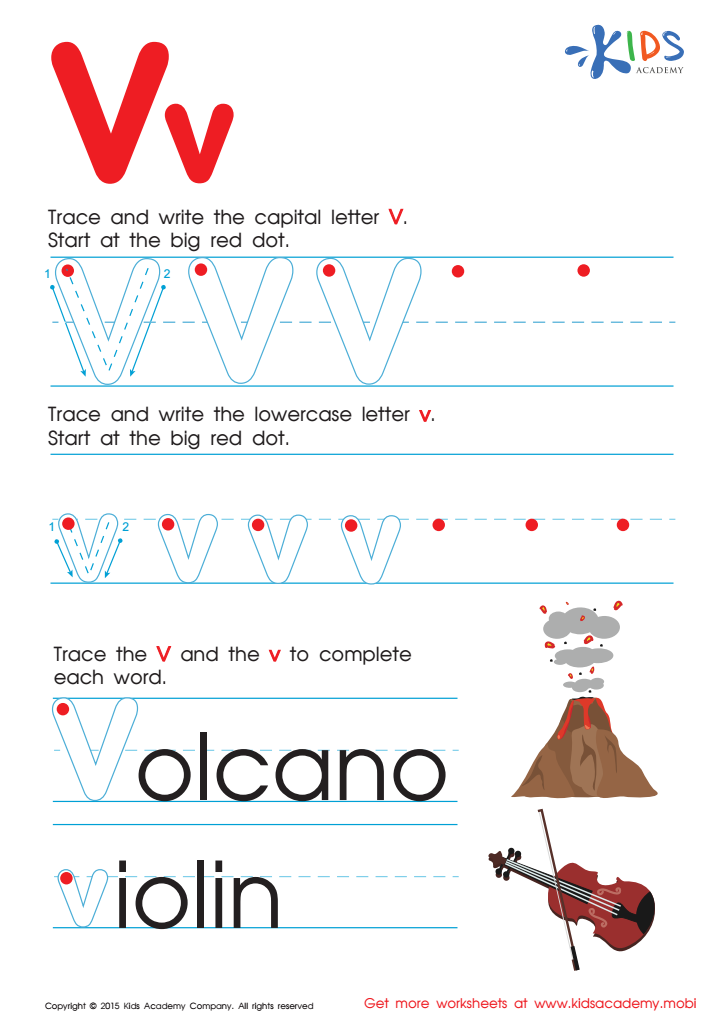
Letter V Tracing Page
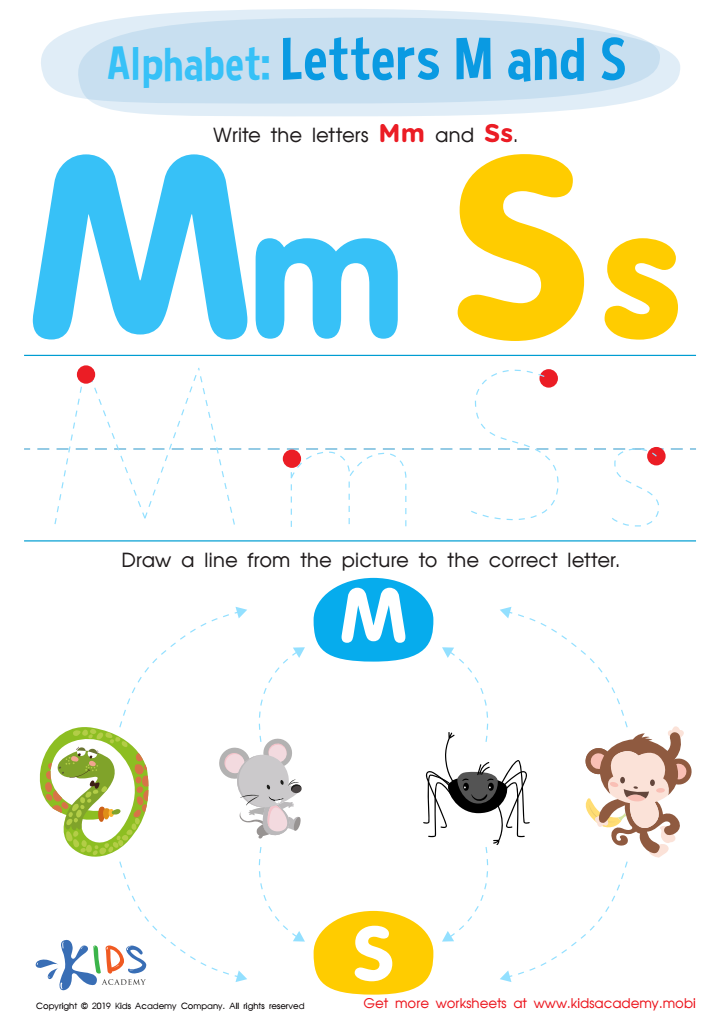
Letters M and S Tracing Worksheet

Letter A Tracing Worksheet
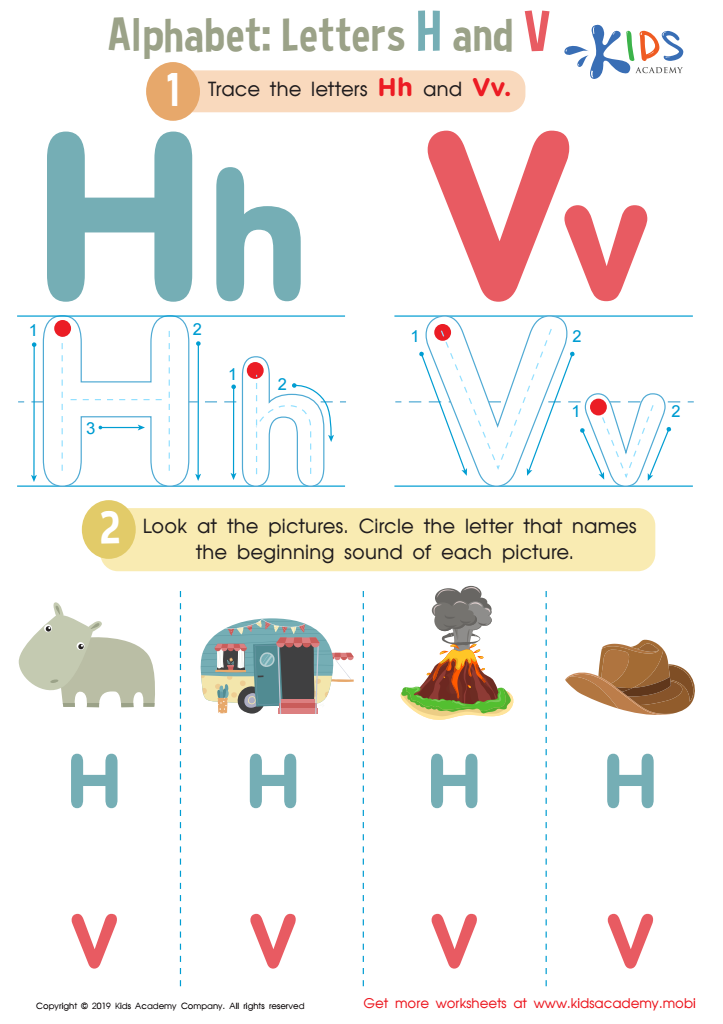
Letters H and V Tracing Worksheet
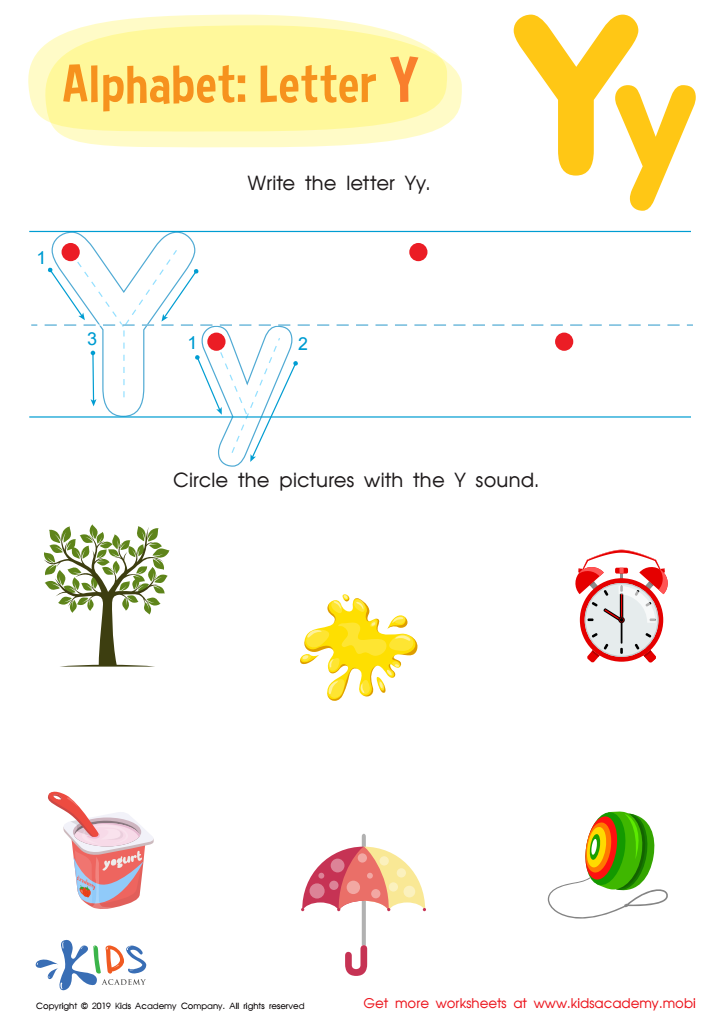
Letter Y Tracing Worksheet
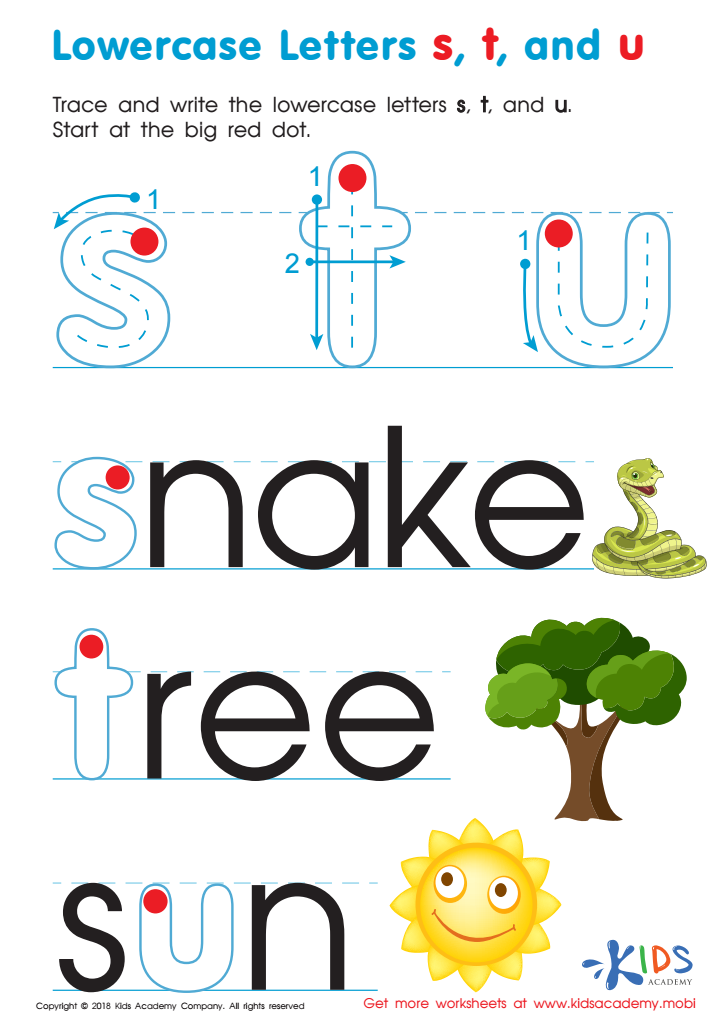
Lowercase Letters s t u Worksheet








Handwriting practice through tracing letters is a crucial developmental activity for children aged 3 to 6. At this tender age, children are developing fine motor skills, hand-eye coordination, and cognitive processes that are essential for future learning. Tracing letters helps them strengthen the small muscles in their hands, improving their dexterity and control, which are vital for various tasks such as drawing, coloring, and writing.
Moreover, tracing offers children a structured way to learn letter formation and improve their familiarity with letters, key elements of literacy. This early handwriting practice instills confidence and builds a foundation for successful reading and writing in later years. It also enhances focus and attention, as children learn to concentrate on the task at hand.
Engagement in handwriting practice can foster creativity, enabling children to express themselves visually. Parental and teacher involvement in this process communicates the value of writing, reinforcing its importance in communication and learning.
Ultimately, handwriting practice through tracing letters is not just about developing writing skills; it plays an integral role in holistic child development, fostering self-confidence, creativity, and a love for learning that can last a lifetime. Thus, it's essential for parents and teachers to prioritize this foundational skill.








