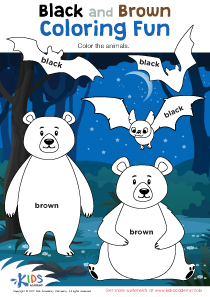
Handwriting practice English for Beginners Worksheets for Ages 3-6 - Page 2
43 filtered results
-
From - To
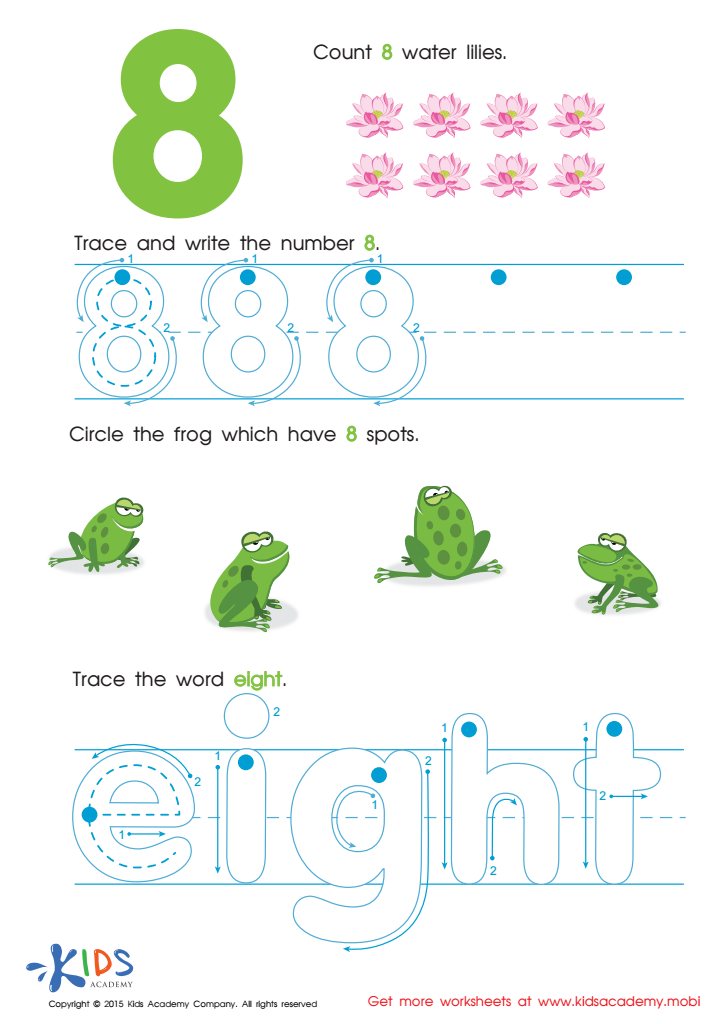
Learn Number 8 Easily Worksheet
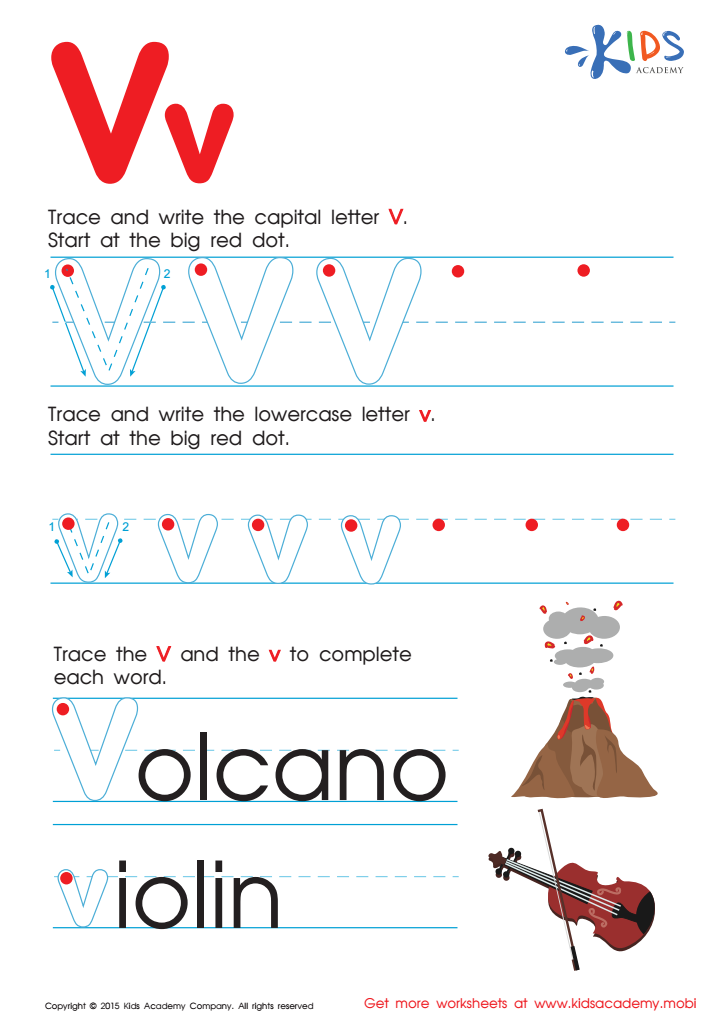
Letter V Tracing Page
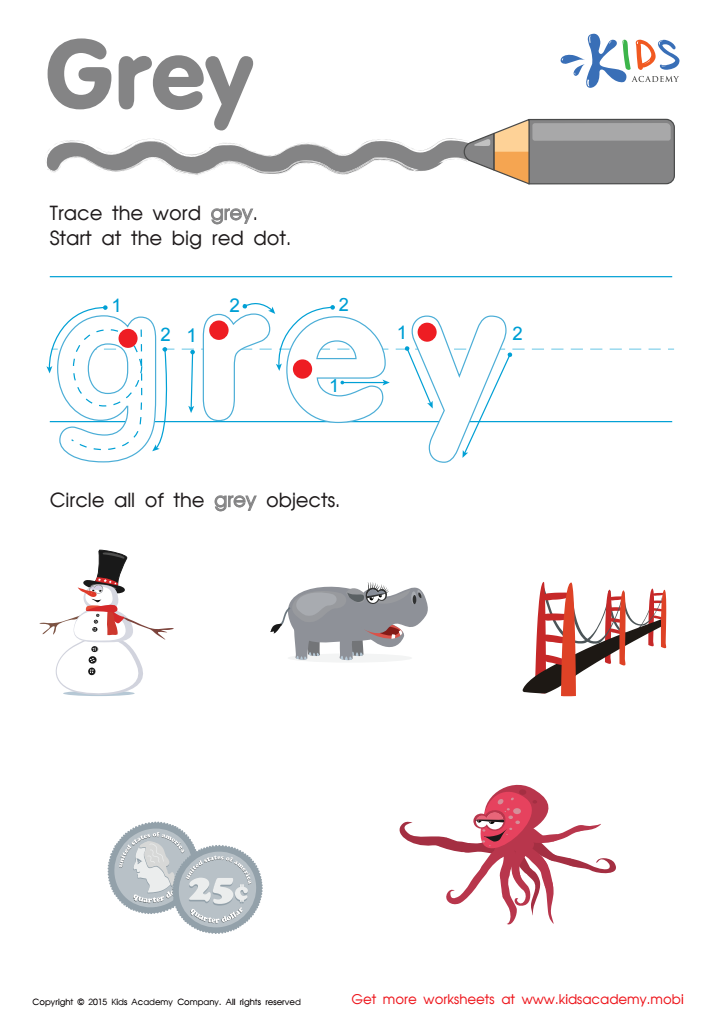
Grey Tracing Color Words Worksheet
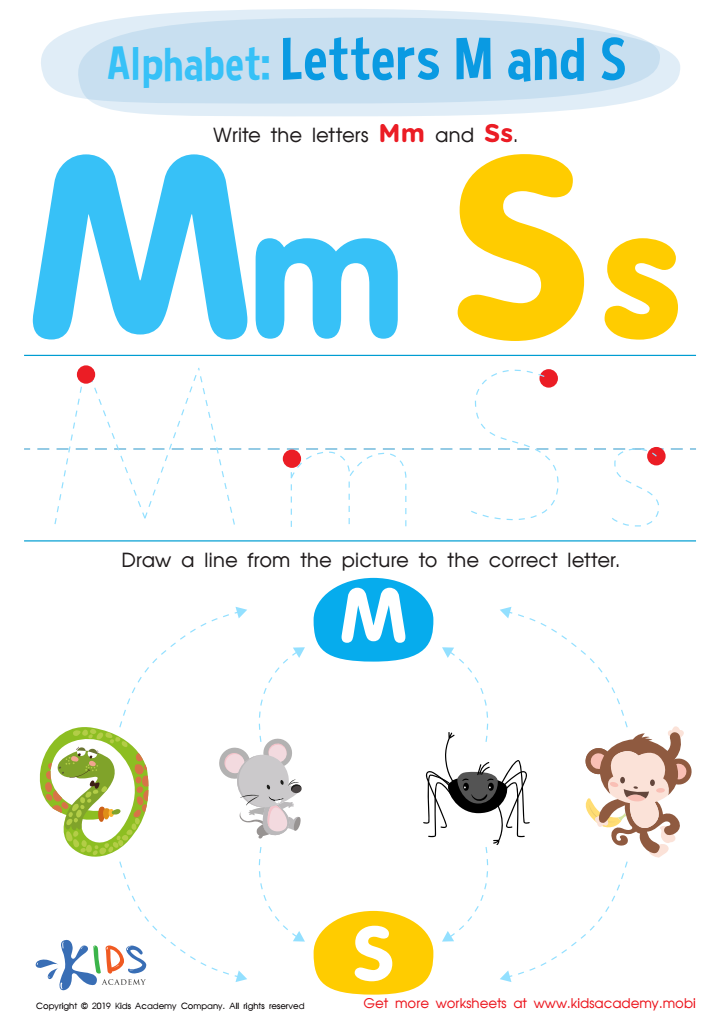
Letters M and S Tracing Worksheet
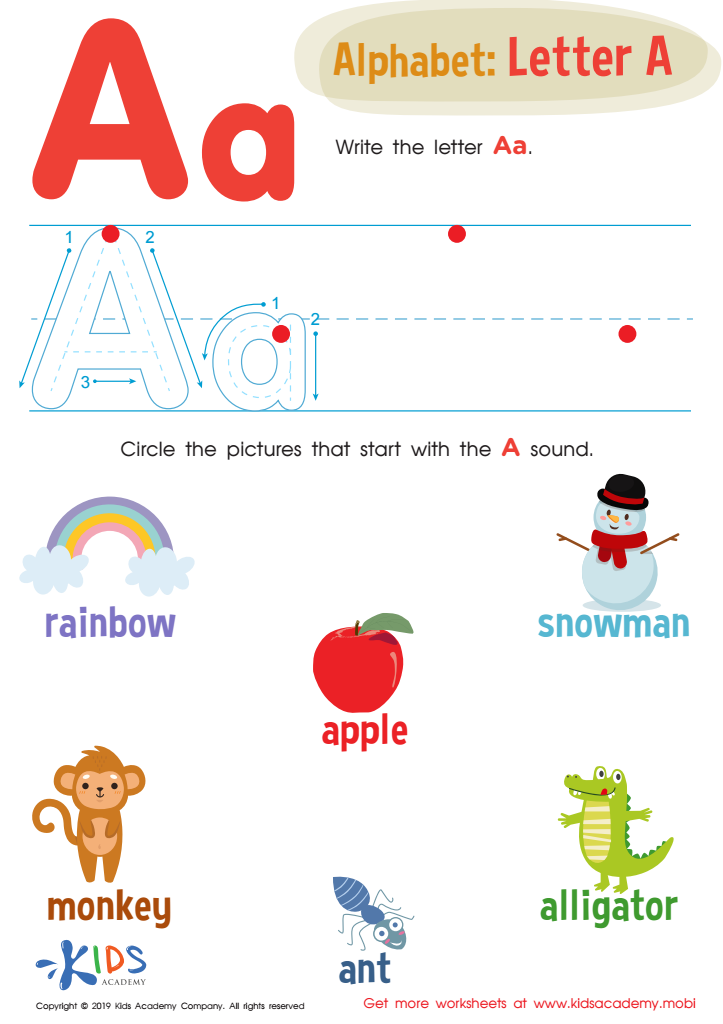
Letter A Tracing Worksheet
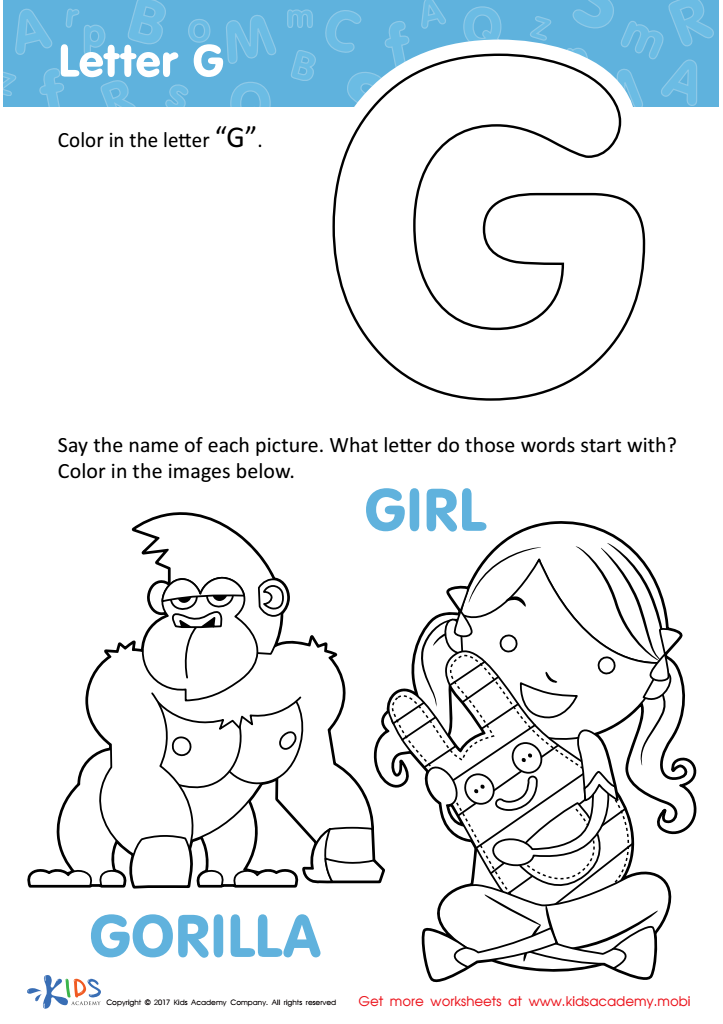
Letter G Coloring Sheet
 Assign to My Students
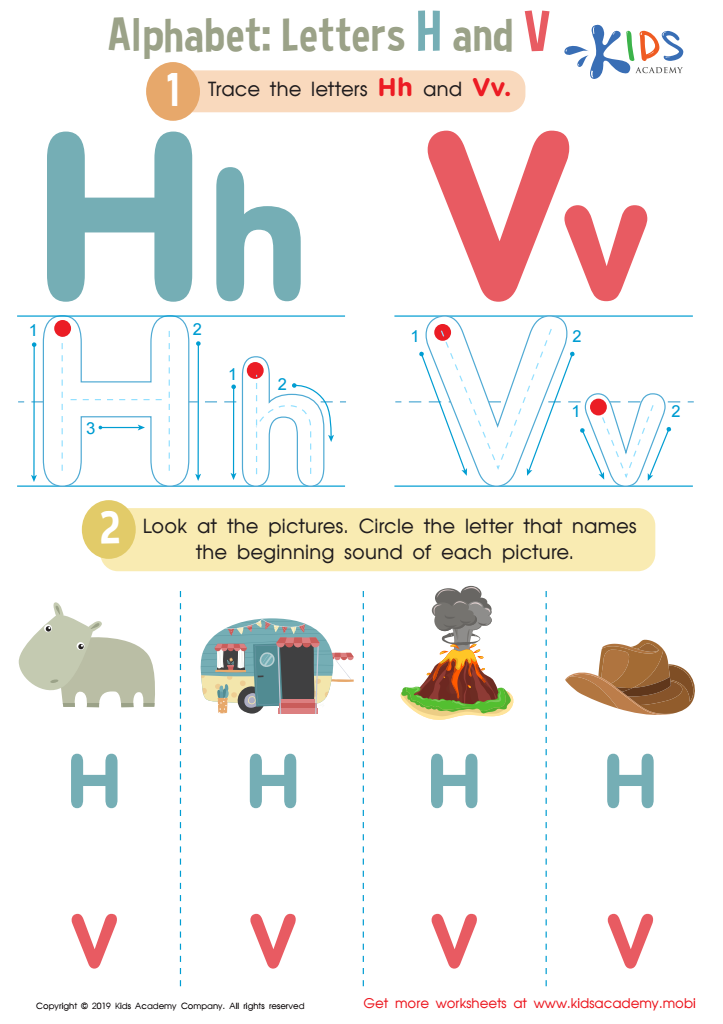
Letters H and V Tracing Worksheet
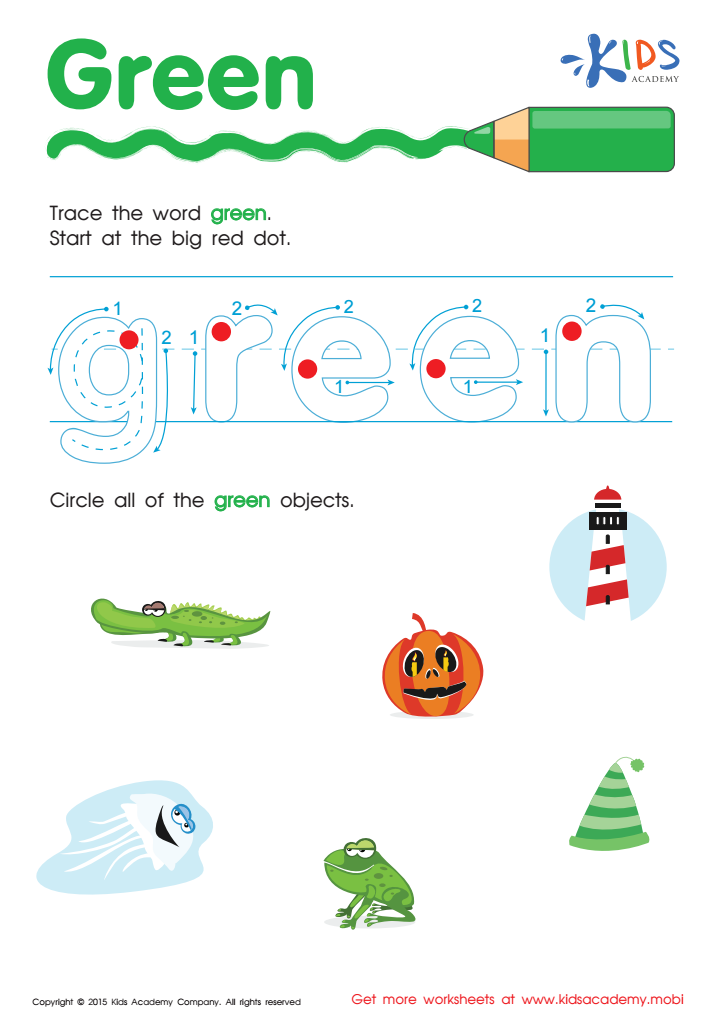
Green Tracing Color Words Worksheet
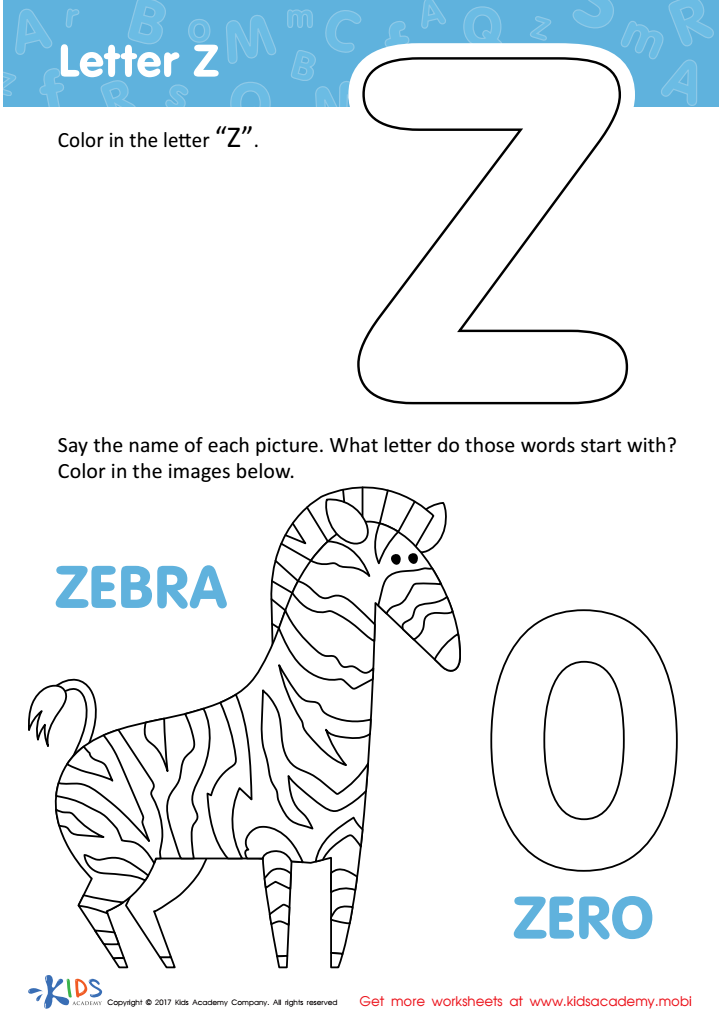
Letter Z Coloring Sheet
Assign to My Students
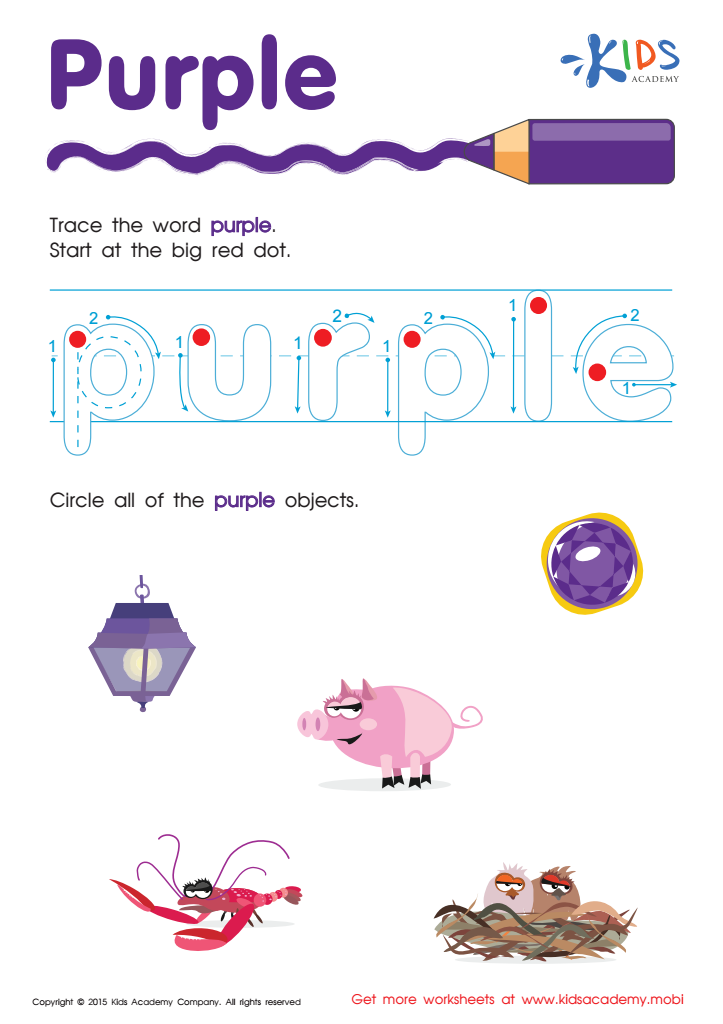
Purple Tracing Color Words Worksheet
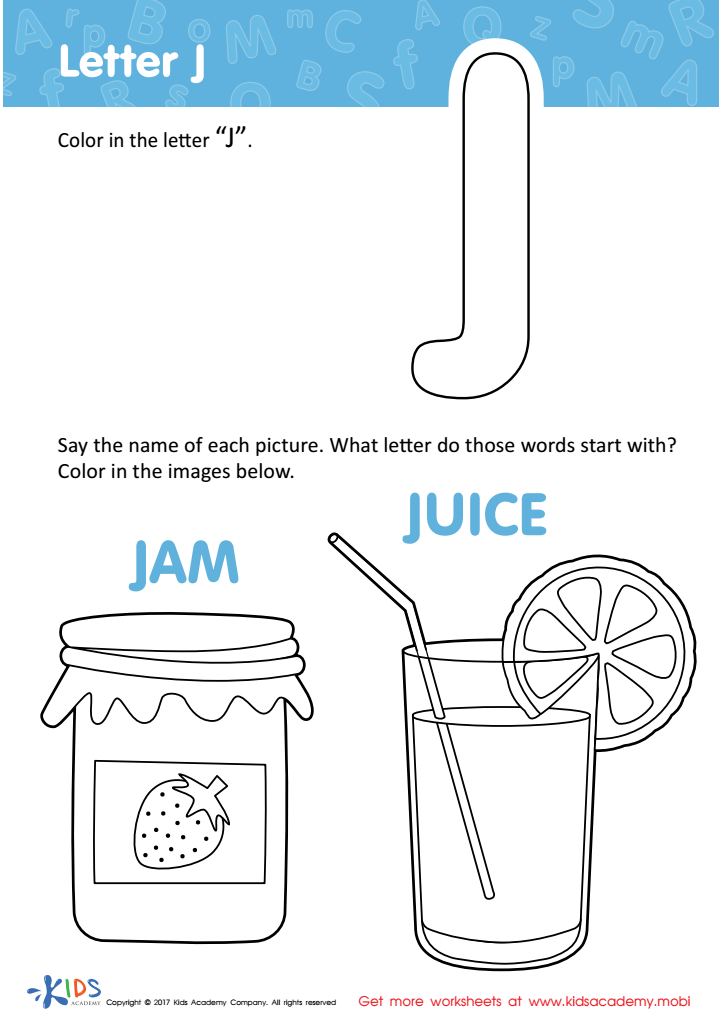
Letter J Coloring Sheet
Assign to My Students
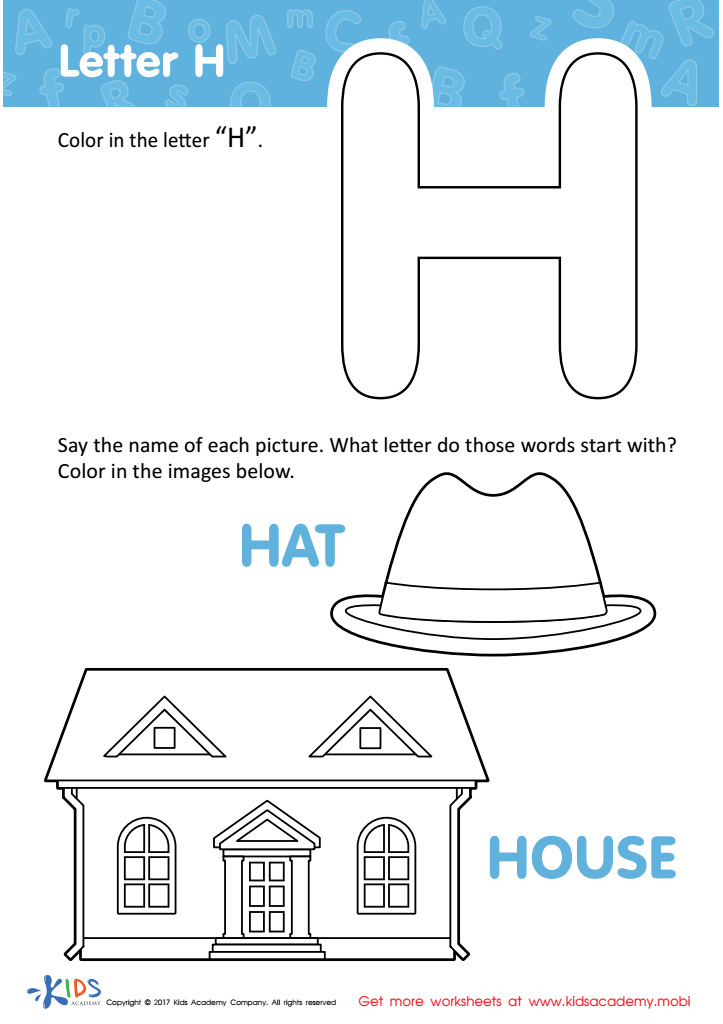
Letter H Coloring Sheet
Assign to My Students
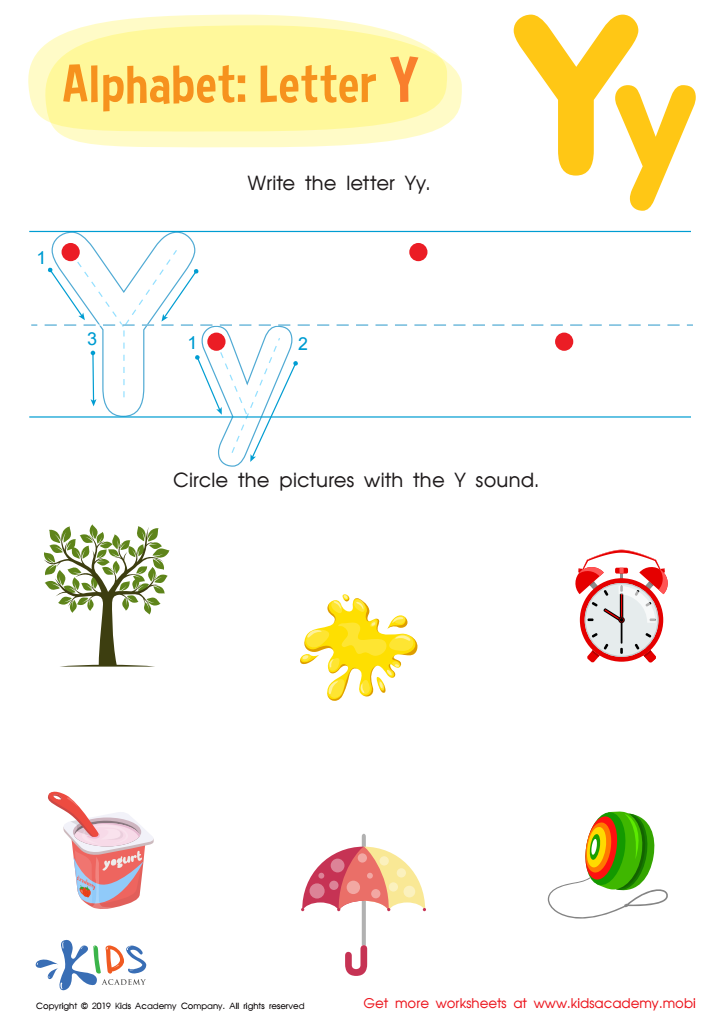
Letter Y Tracing Worksheet
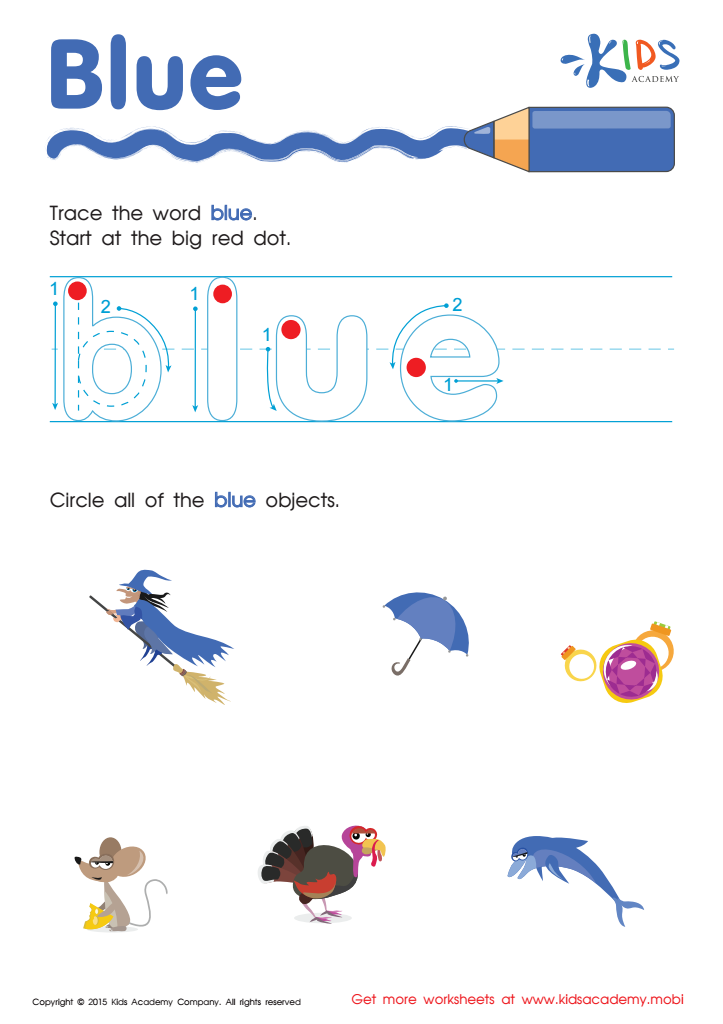
Blue Tracing Color Words Printable
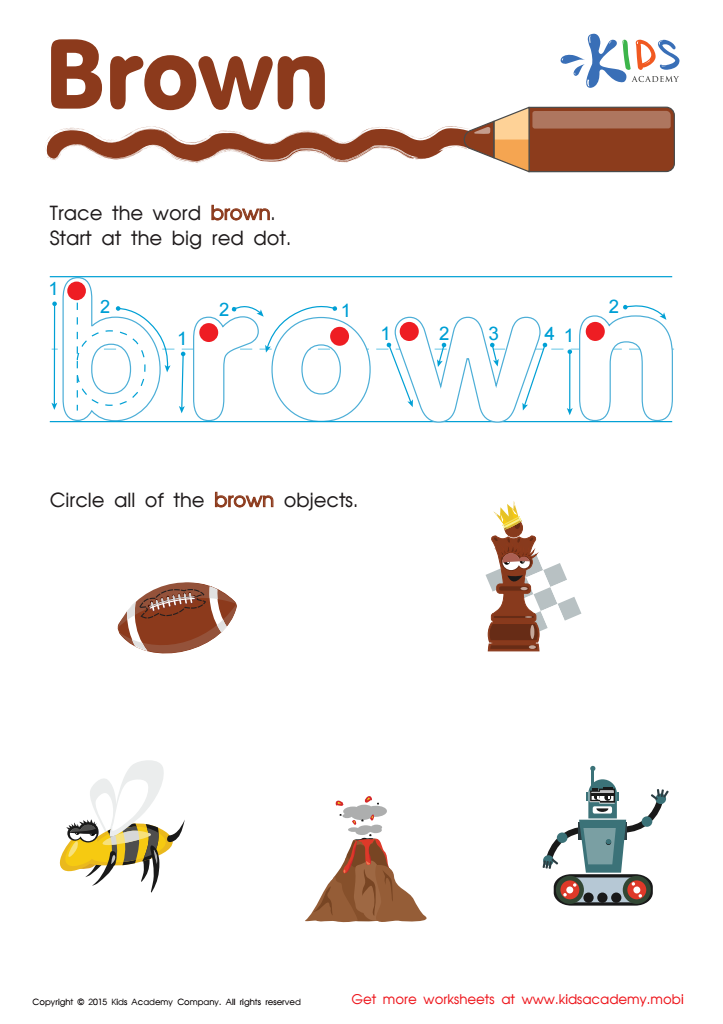
Brown Tracing Color Words Worksheet
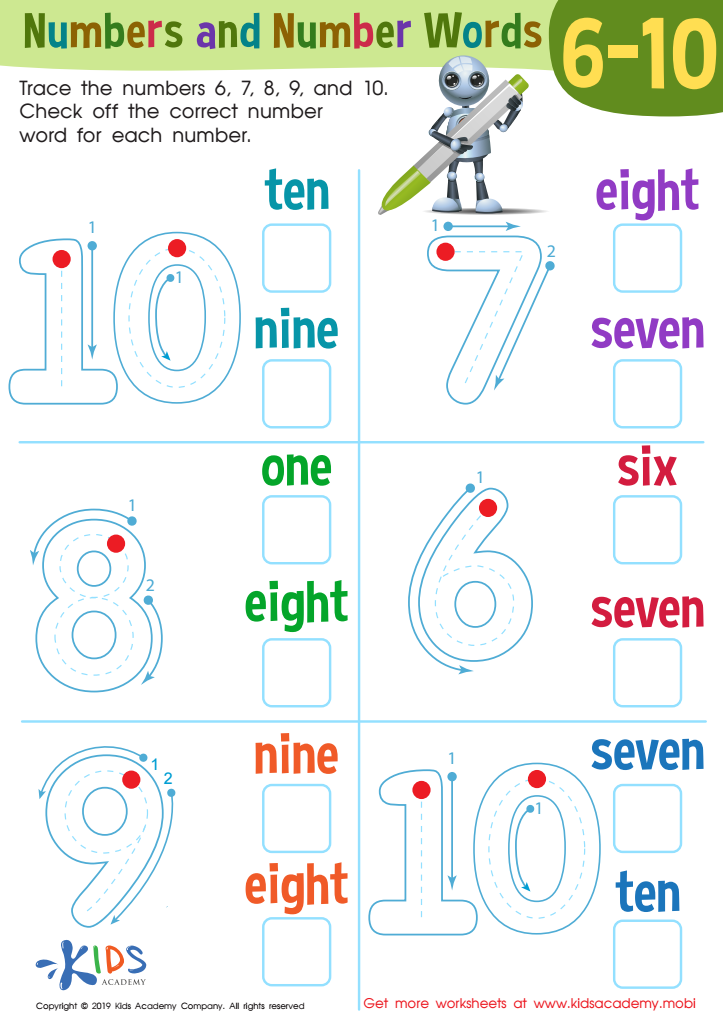
Numbers and Number Words 6–1 Worksheet
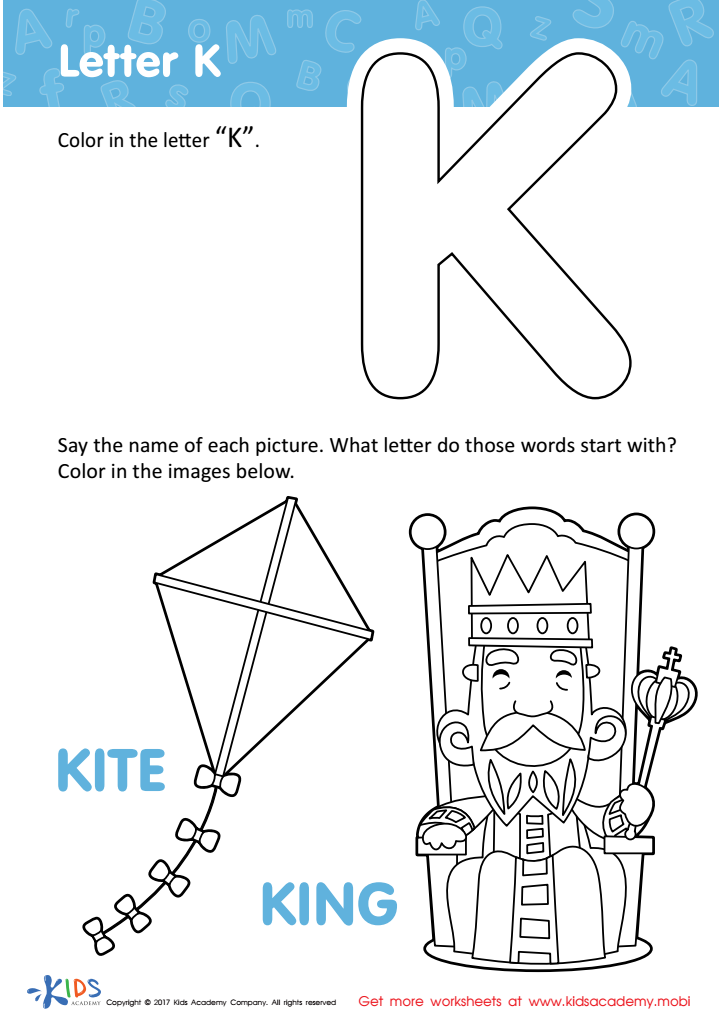
Letter K Coloring Sheet
Assign to My Students
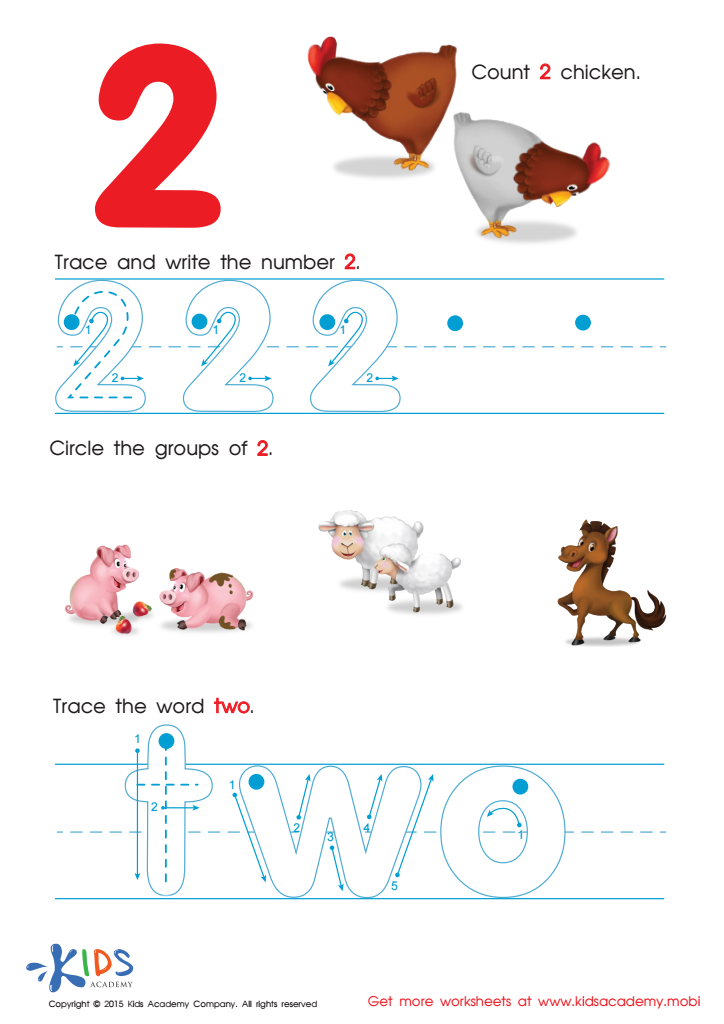
Learn to Write the Number 2 Worksheet
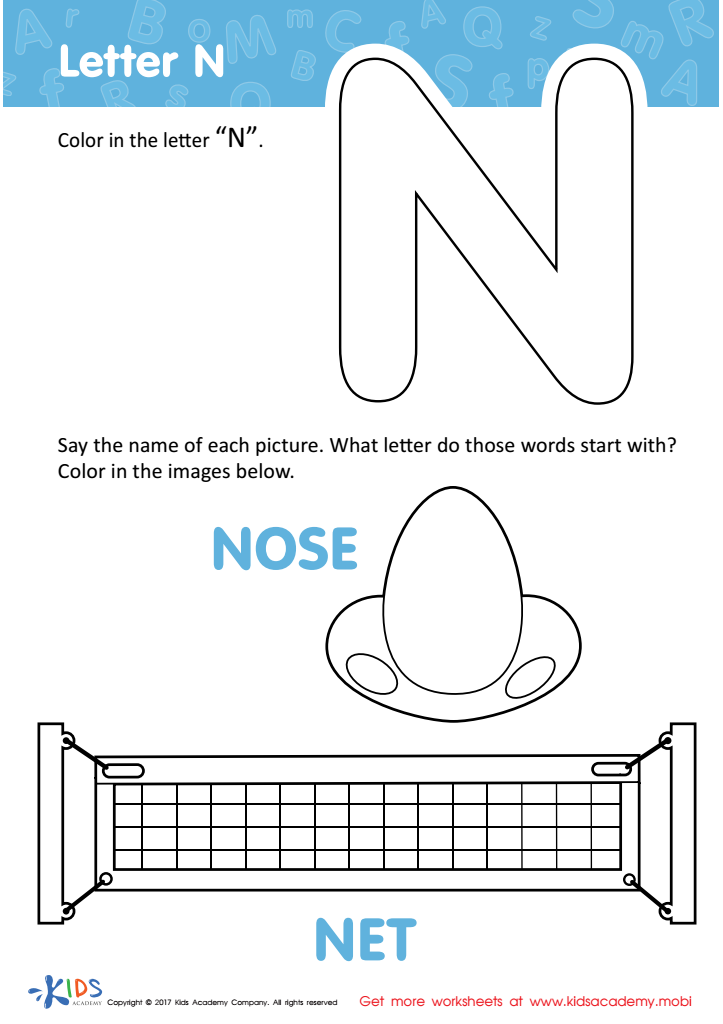
Letter N Coloring Sheet
Assign to My Students





Handwriting practice is essential for young children, particularly those aged 3-6, as it lays the foundation for literacy and academic success. During these formative years, children are developing fine motor skills that are critical for writing. By engaging in handwriting practice, they strengthen the muscles in their hands and fingers, improving dexterity and hand-eye coordination. This, in turn, fosters better control over writing instruments.
For parents and teachers, encouraging handwriting practice helps children understand the relationship between written and spoken language. It reinforces letter recognition, phonics, and reading skills. For instance, the process of forming each letter of the alphabet can help a child remember its sound and shape, which is crucial for reading development.
Handwriting also boosts cognitive development by engaging the brain in learning a new skill. Studies have shown that writing by hand activates more areas of the brain compared to typing, enhancing memory retention and comprehension.
Moreover, consistent practice develops persistence and patience, essential for tackling more challenging tasks in school and life. Finally, handwriting is a means of self-expression, giving children a sense of achievement and confidence. Engaging in handwriting activities makes learning fun and interactive, setting a positive tone for future educational endeavors.