Fine Motor Skills Worksheets for Ages 3-6 - Page 2
331 filtered results
-
From - To
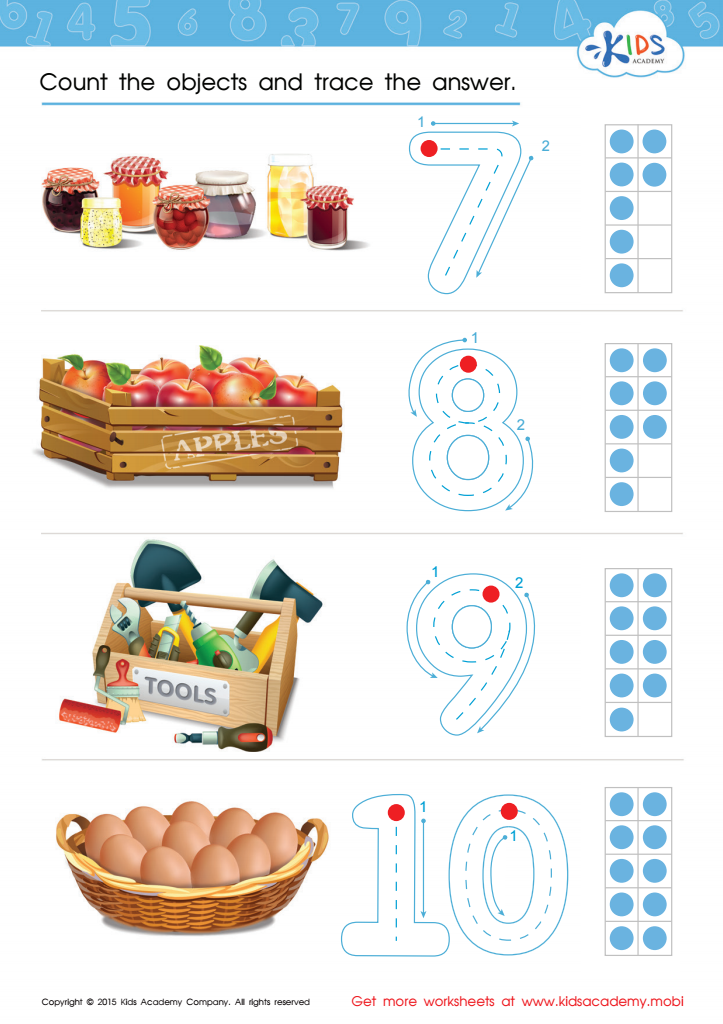
Count and Trace 7 – 10 Worksheet
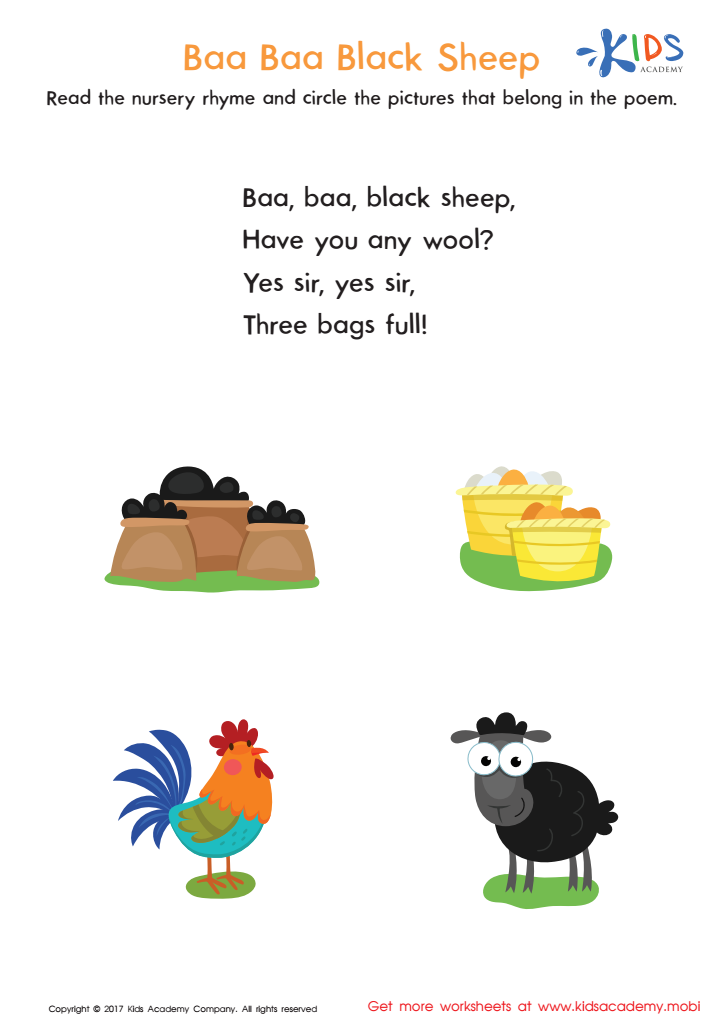
Baa Baa Black Sheep Printable
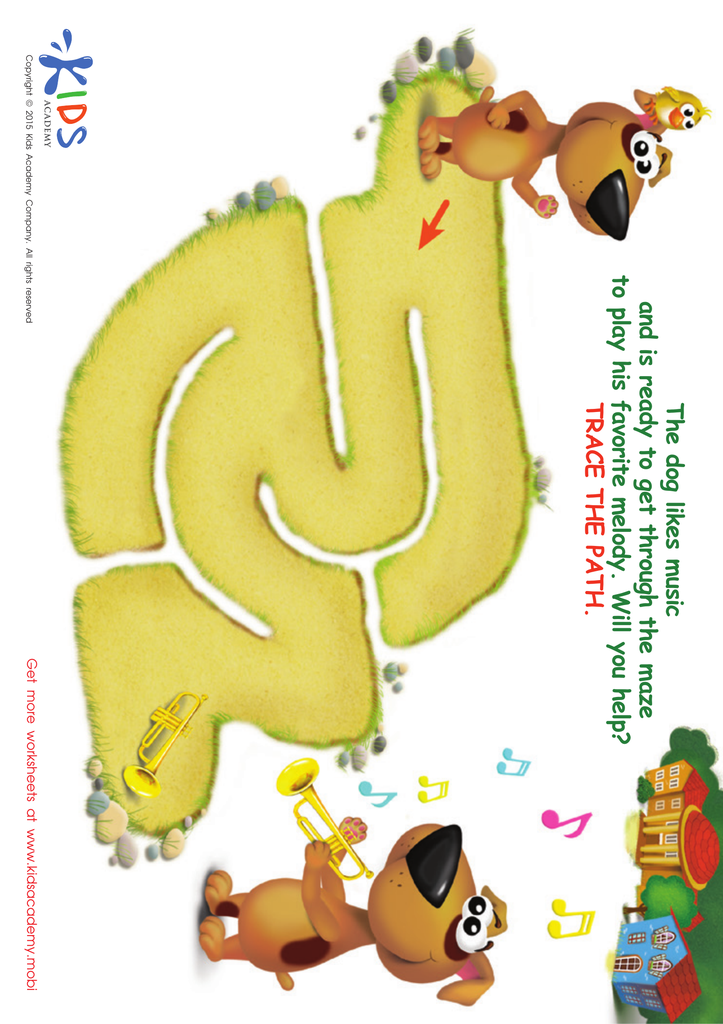
Trumpeter Maze Worksheet
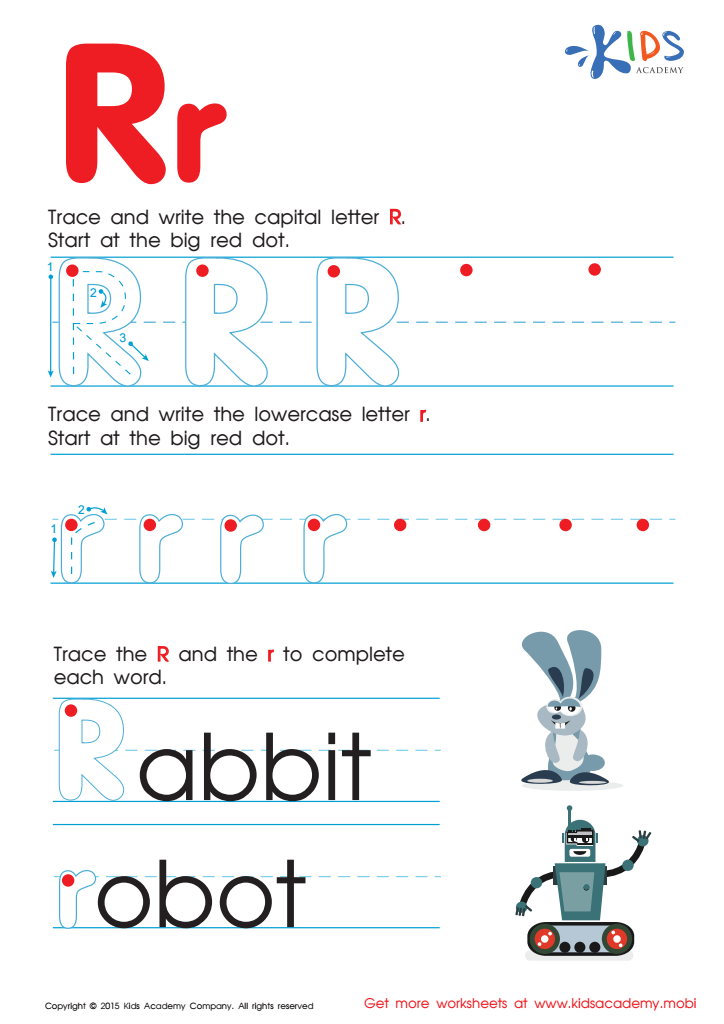
Letter R Tracing Page
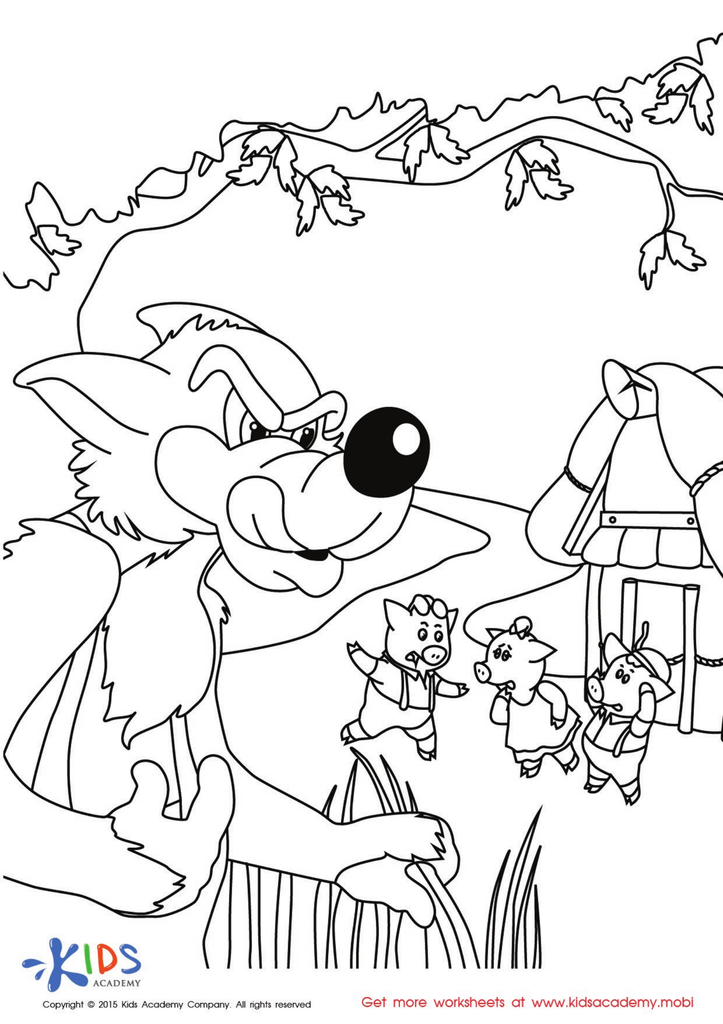
The Story of the Three Little Pigs Coloring Worksheet
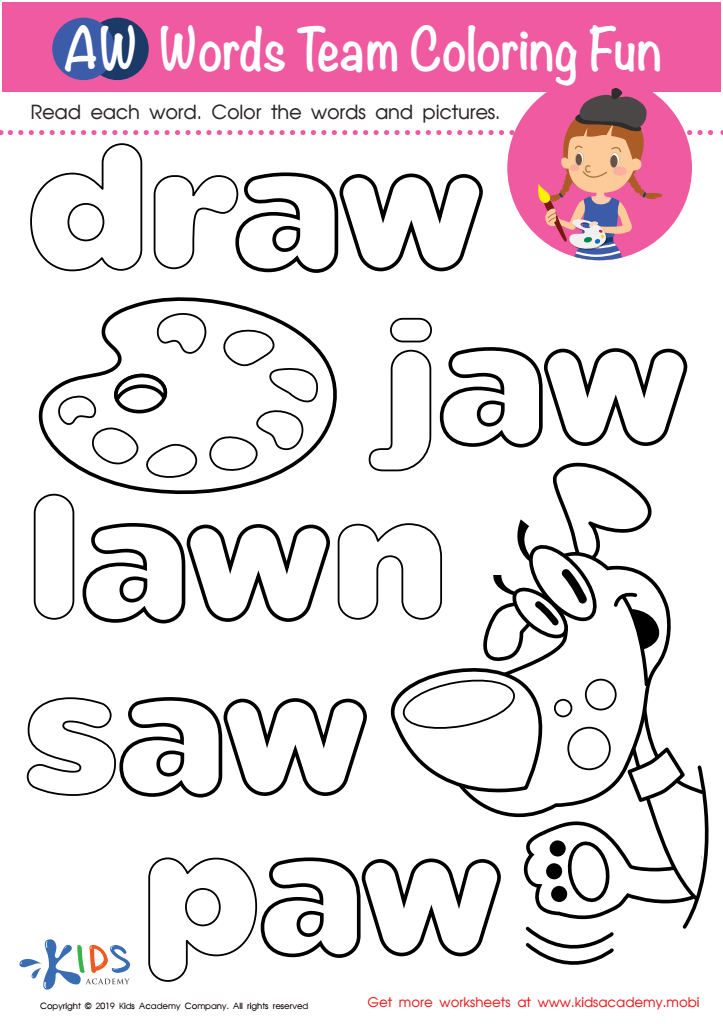
AW Words Team Coloring Fun Worksheet
 Assign to My Students
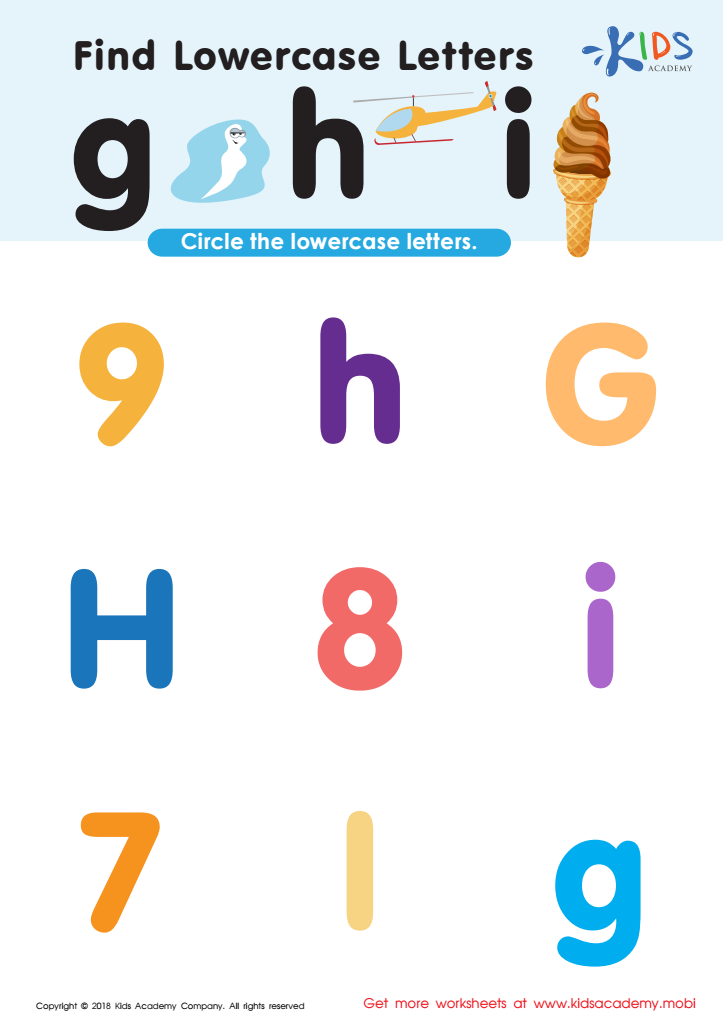
Find Lowercase Letters g h i Worksheet
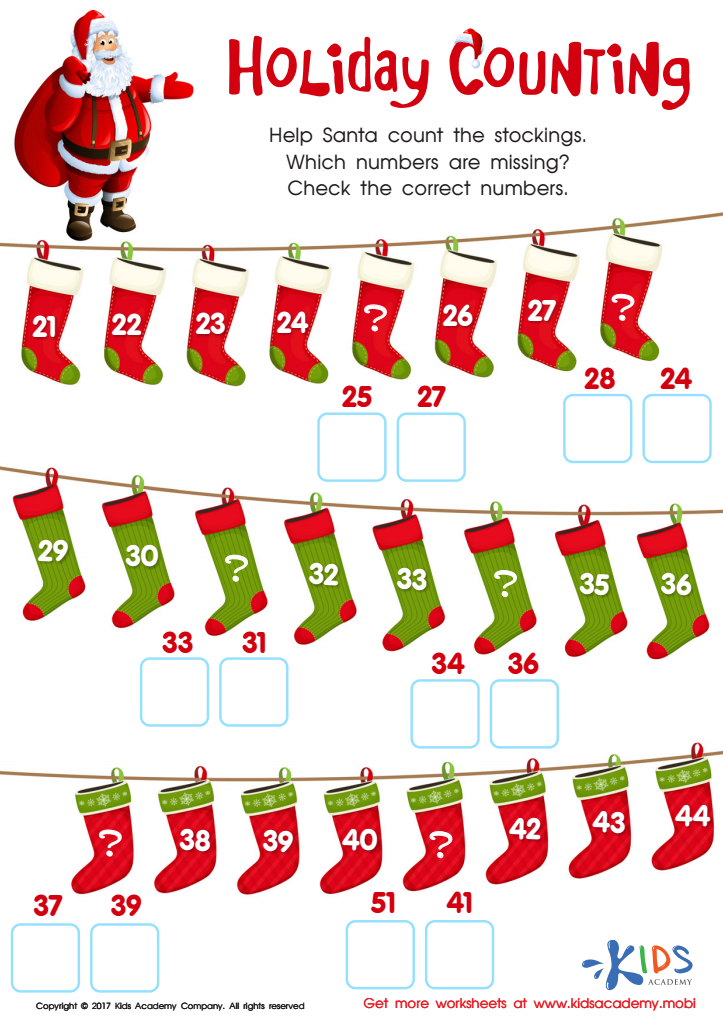
Holiday Counting Worksheet
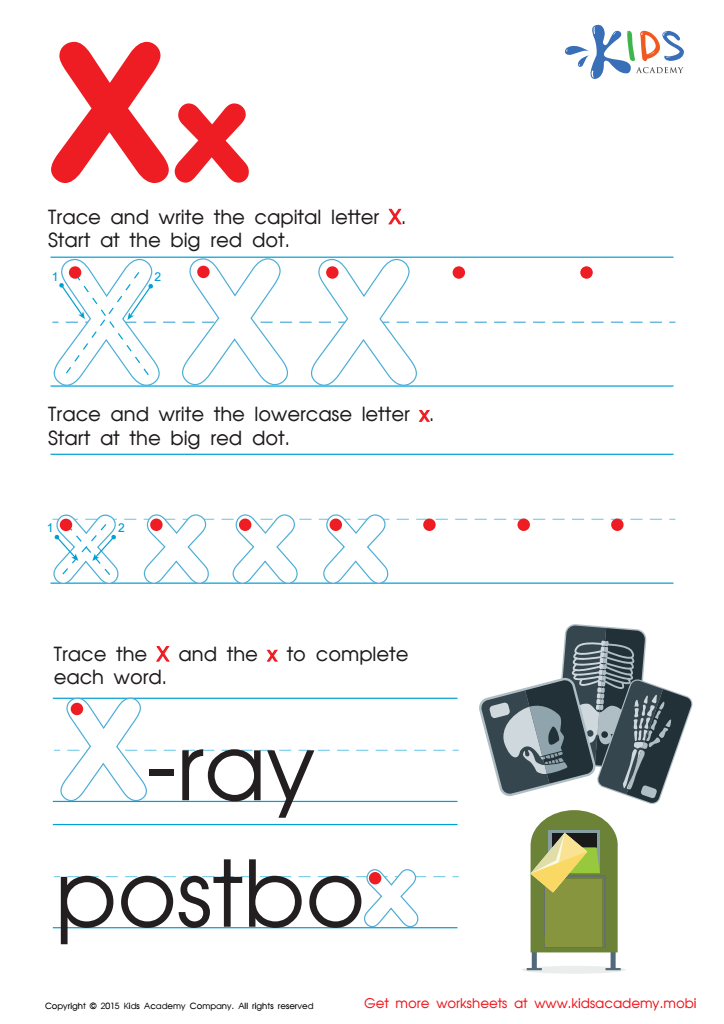
Letter X Tracing Page
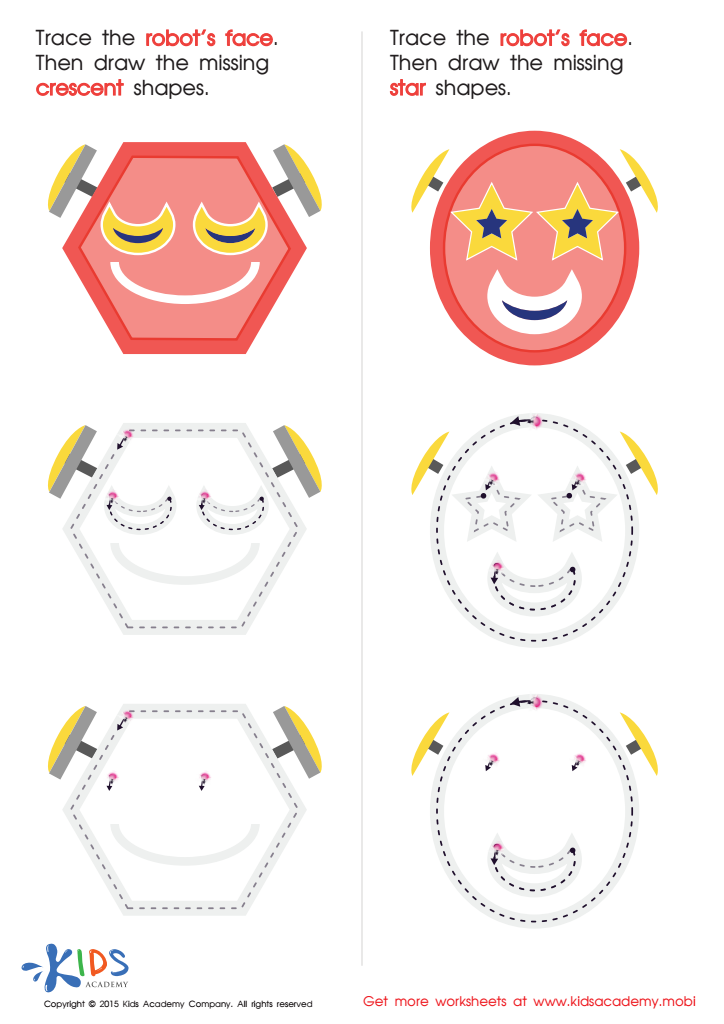
Composing a Robot's Face of Crescents And Stars Worksheet

Letter P Tracing Page
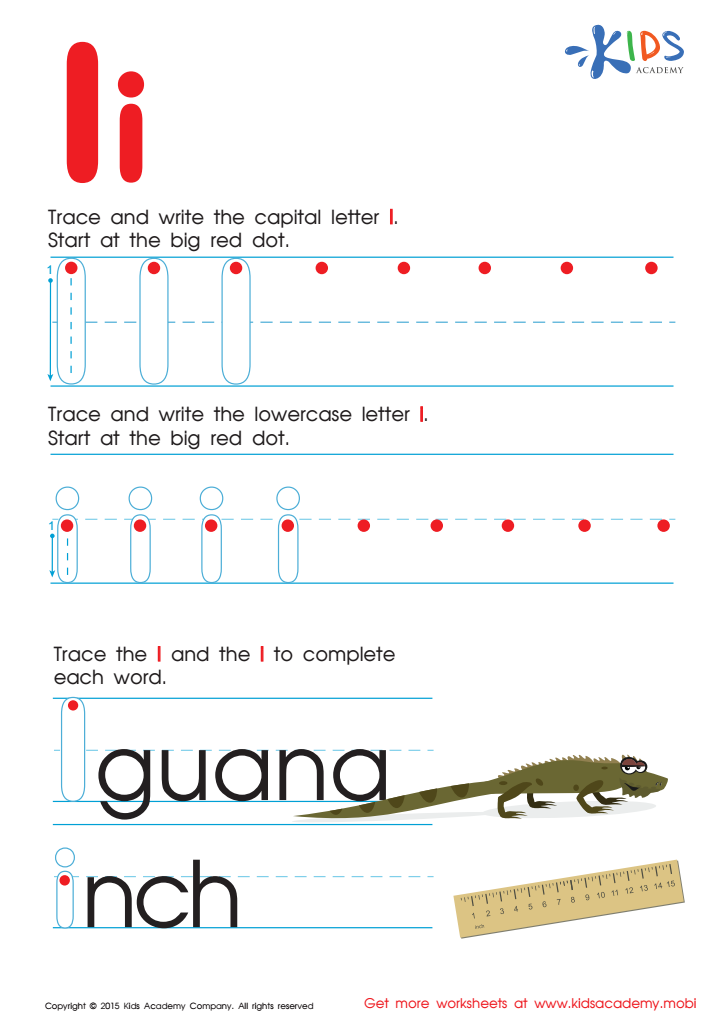
Letter I Tracing Page
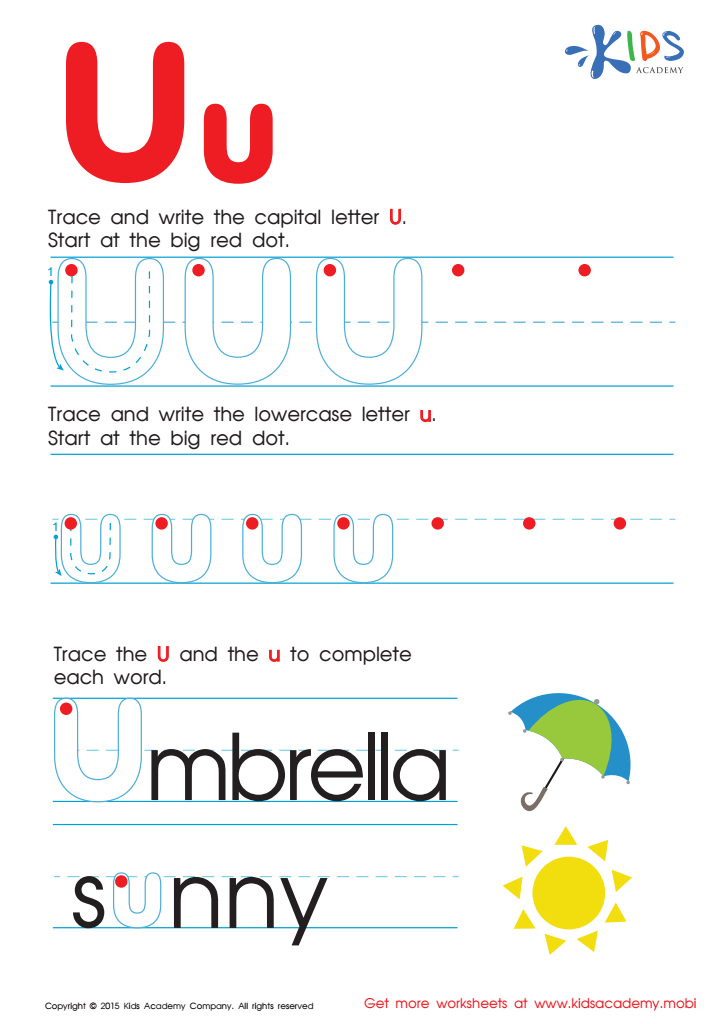
Letter U Tracing Page
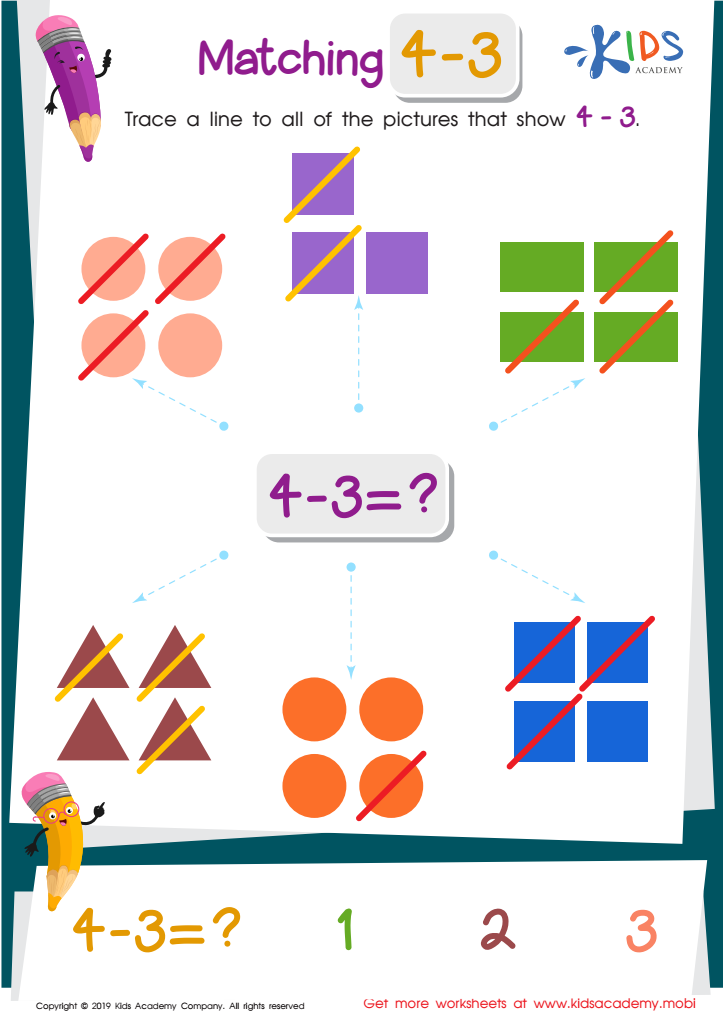
Matching 4 – 3 Worksheet
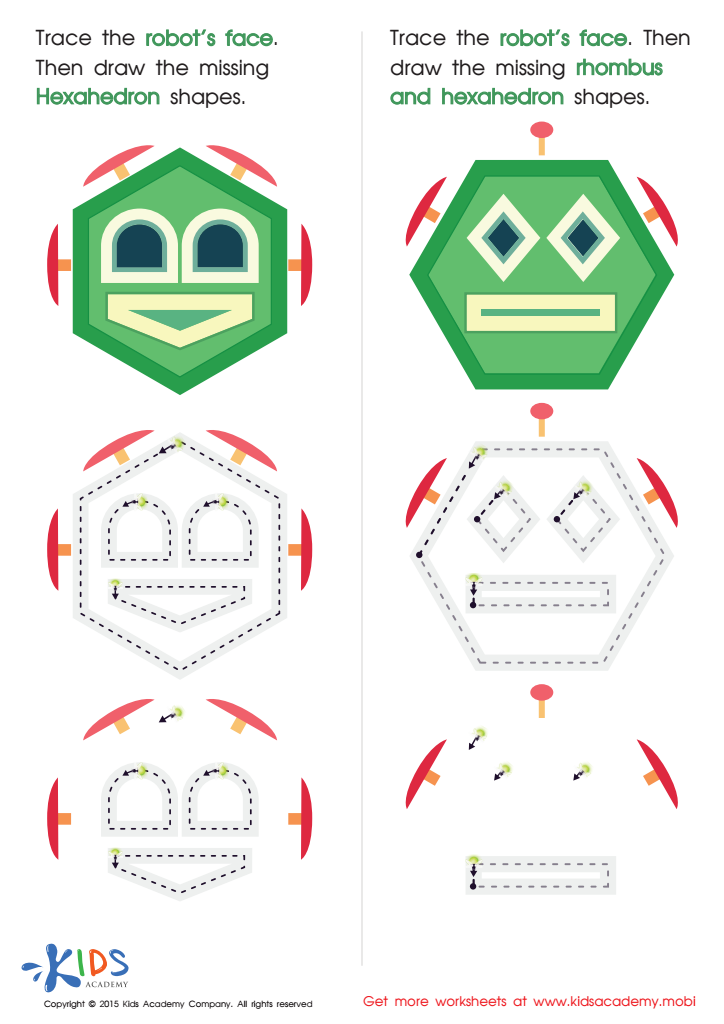
Practice Drawing Hexahedrons And a Rhombus Worksheet
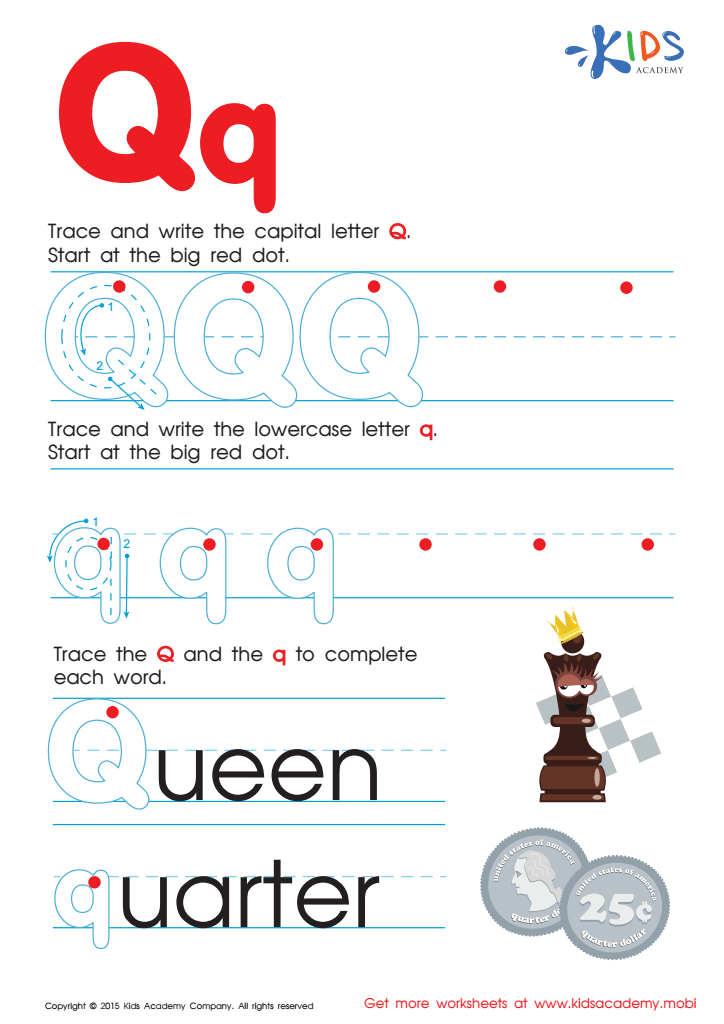
Letter Q Tracing Page
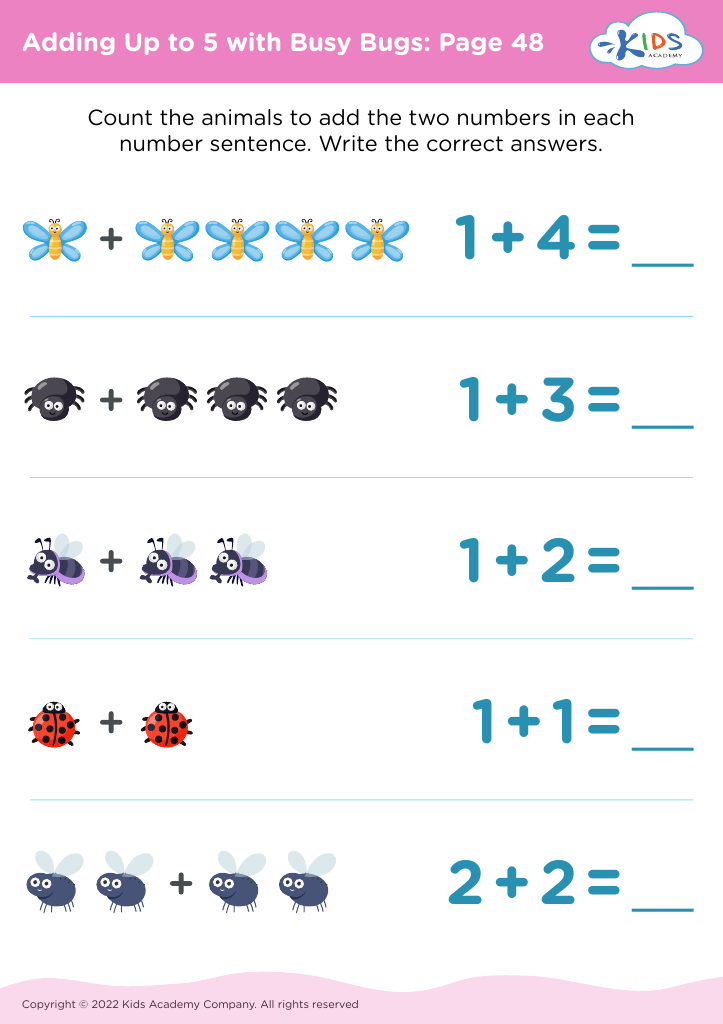
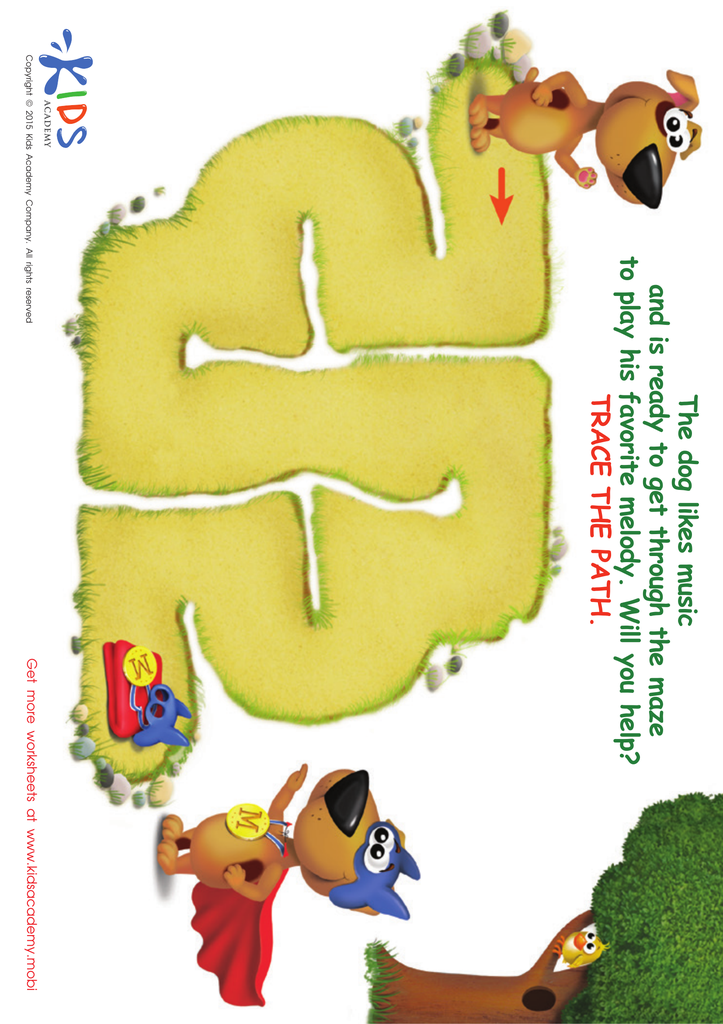
Superman Maze Worksheet
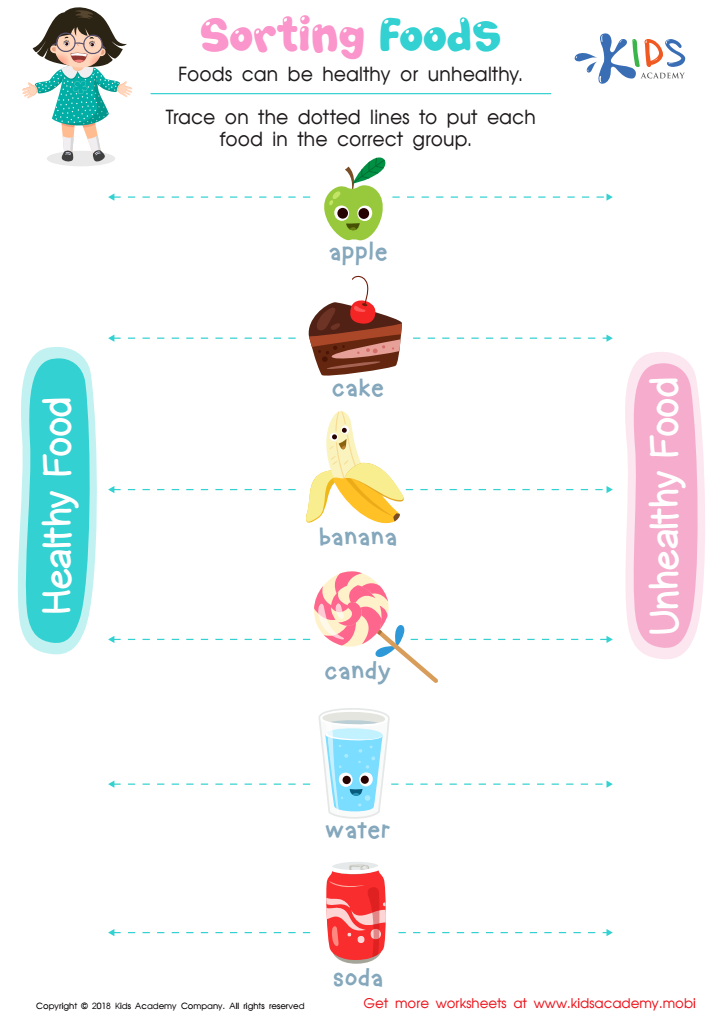
Sorting Food Worksheet
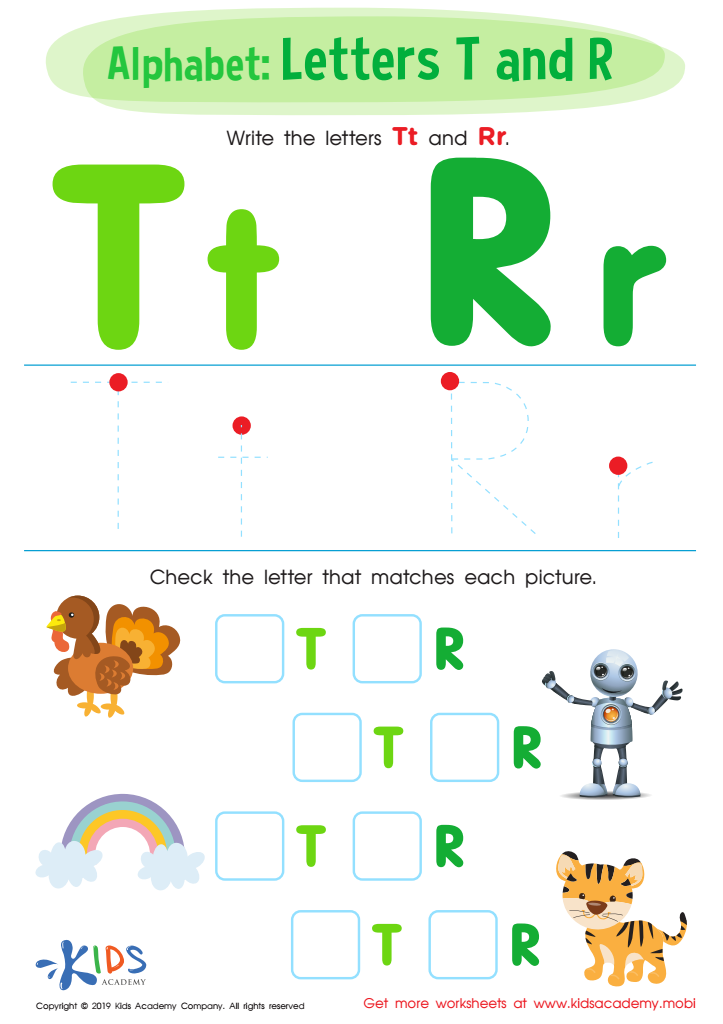
Letters T and R Worksheet
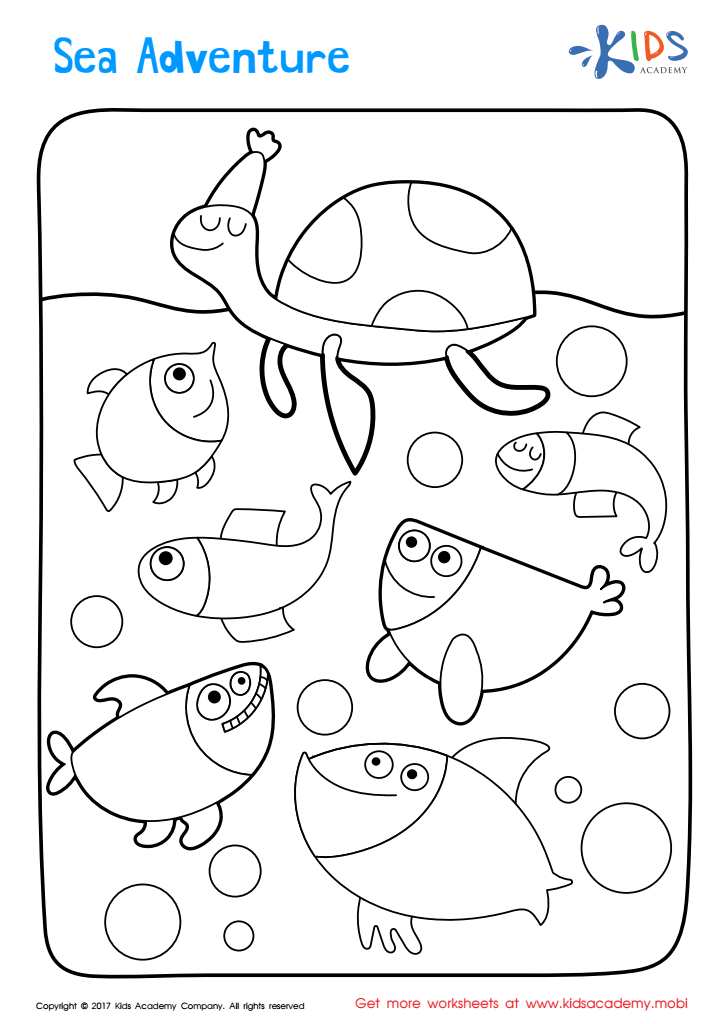
Sea Adventure Coloring Page
Assign to My Students





.jpg)

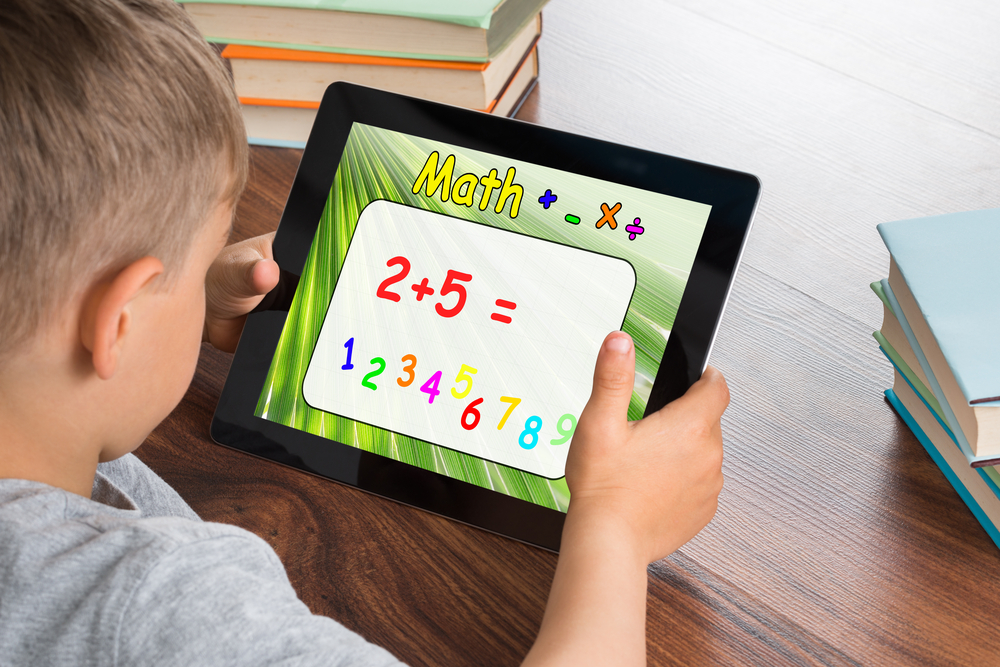
Fine motor skills are crucial in early childhood development, particularly for children aged 3-6, as they lay the foundation for various everyday tasks and future learning. These skills involve the coordination of small muscles in the hands and fingers, enabling children to perform essential tasks like holding a pencil, using scissors, and fastening clothing.
For parents and teachers, nurturing fine motor skills is paramount because they directly impact a child’s ability to write, draw, and engage in creative activities. Mastery of fine motor skills boosts self-esteem and independence, as children learn to navigate their environment and express themselves more effectively. Additionally, strong fine motor skills contribute to cognitive development, facilitating problem-solving and critical thinking through hands-on activities like puzzles and construction toys.
Moreover, children who struggle with fine motor skills may face challenges in school, which can affect their academic performance and social interactions. Early intervention by promoting activities such as coloring, cutting, and playing with building blocks empowers children to build these skills in a fun and engaging manner. Consequently, a focus on fine motor development enriches children’s overall growth and prepares them for a successful transition into formal education.








