Understanding Sequences Worksheets for Ages 3-6
13 filtered results
-
From - To
Explore our "Understanding Sequences Worksheets" designed specifically for children ages 3-6. These engaging, interactive activities help young learners grasp the concept of sequences through fun, age-appropriate exercises. Our worksheets encourage critical thinking and problem-solving as they guide kids to identify patterns, arrange objects, and complete sequences. Perfect for both classroom or home learning, these resources support foundational math skills while fostering creativity and logic. Dive into our colorful and captivating materials that make learning about sequences enjoyable and impactful for early learners! Start your child's educational journey today and help them build essential skills for future success.
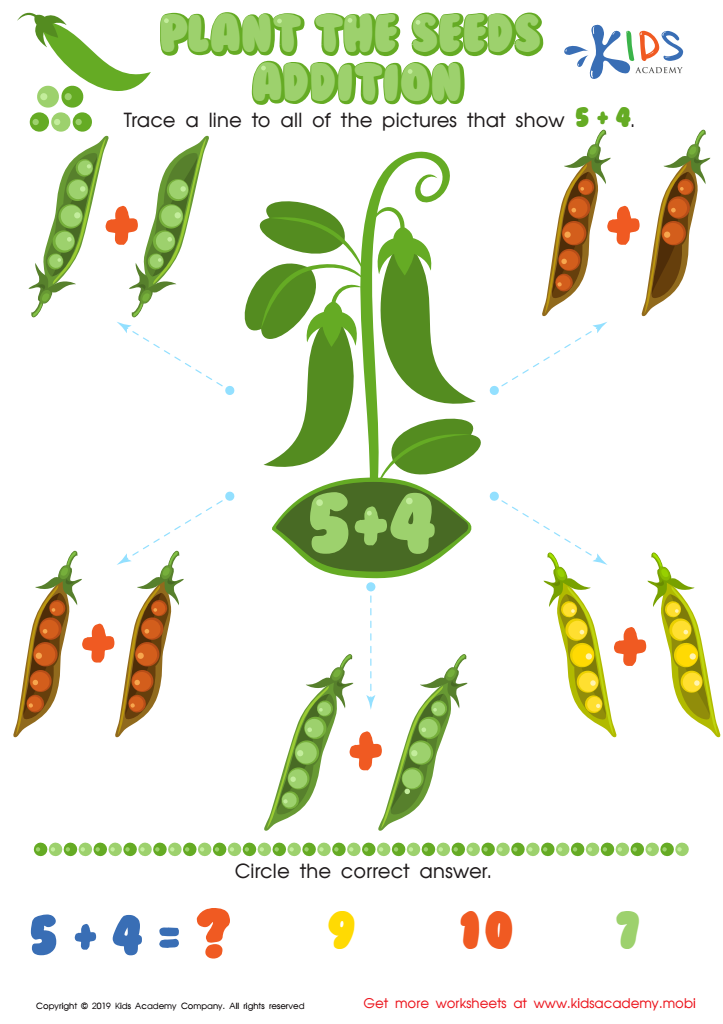
Plant the Seeds Addition Worksheet
 Assign to My Students
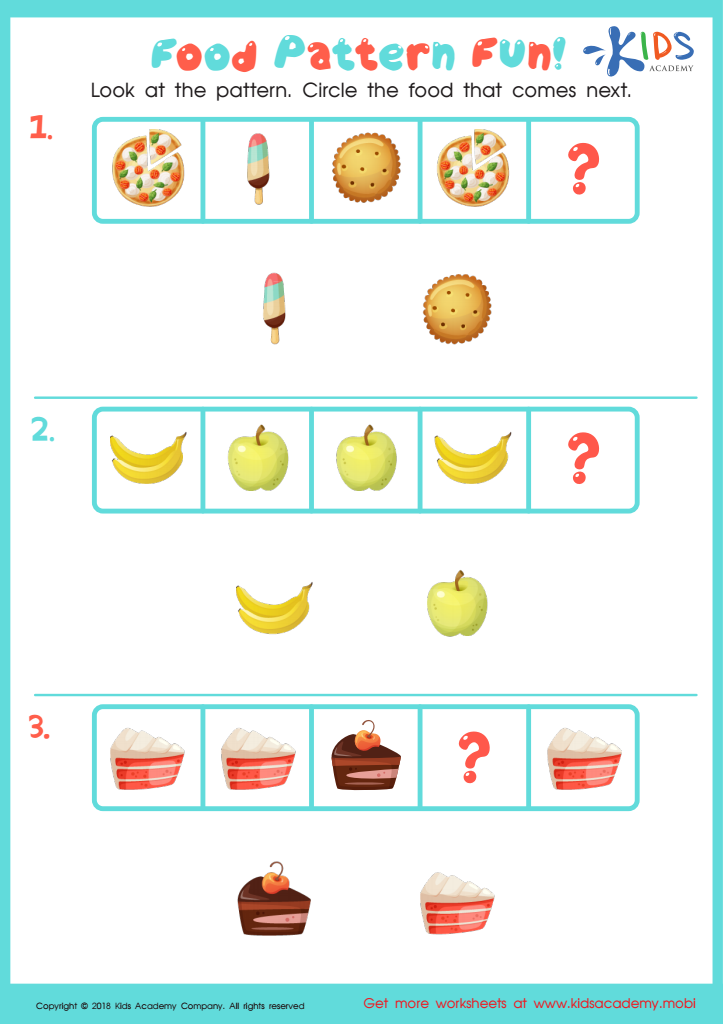
Food Pattern Fun Worksheet
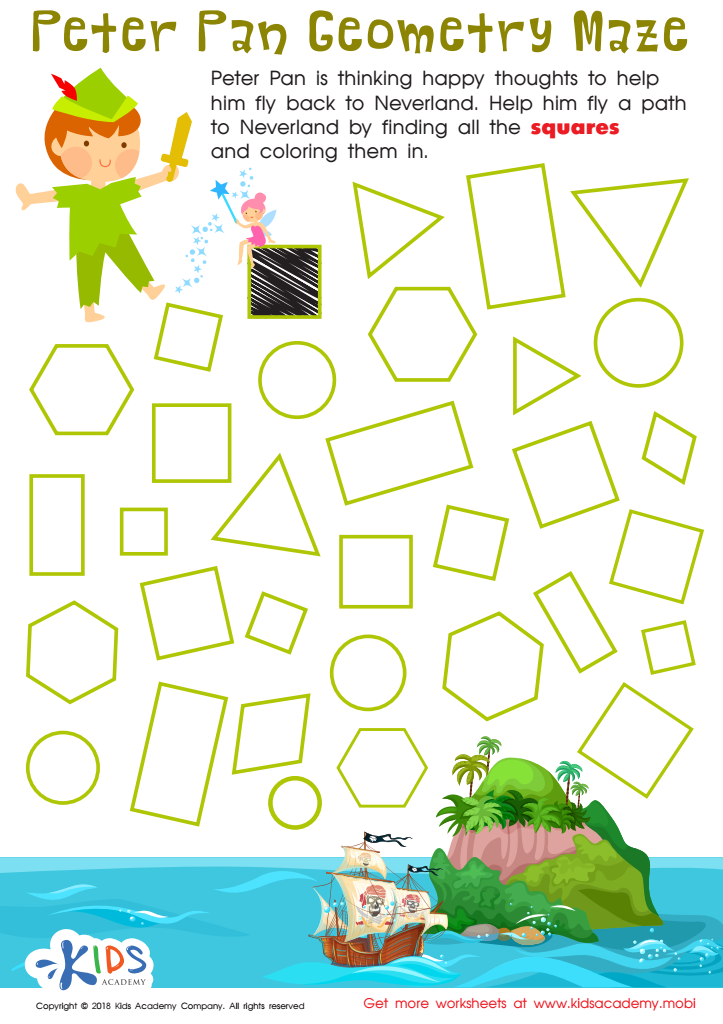
Peter Pan Worksheet
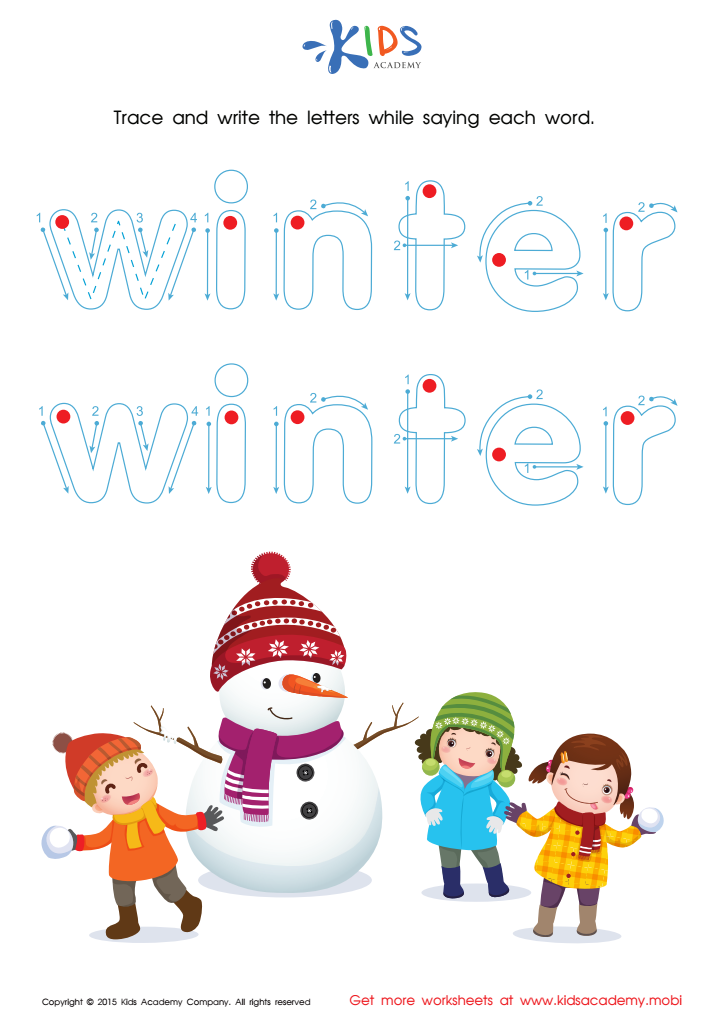
Snowman Tracing Winter Words Worksheet
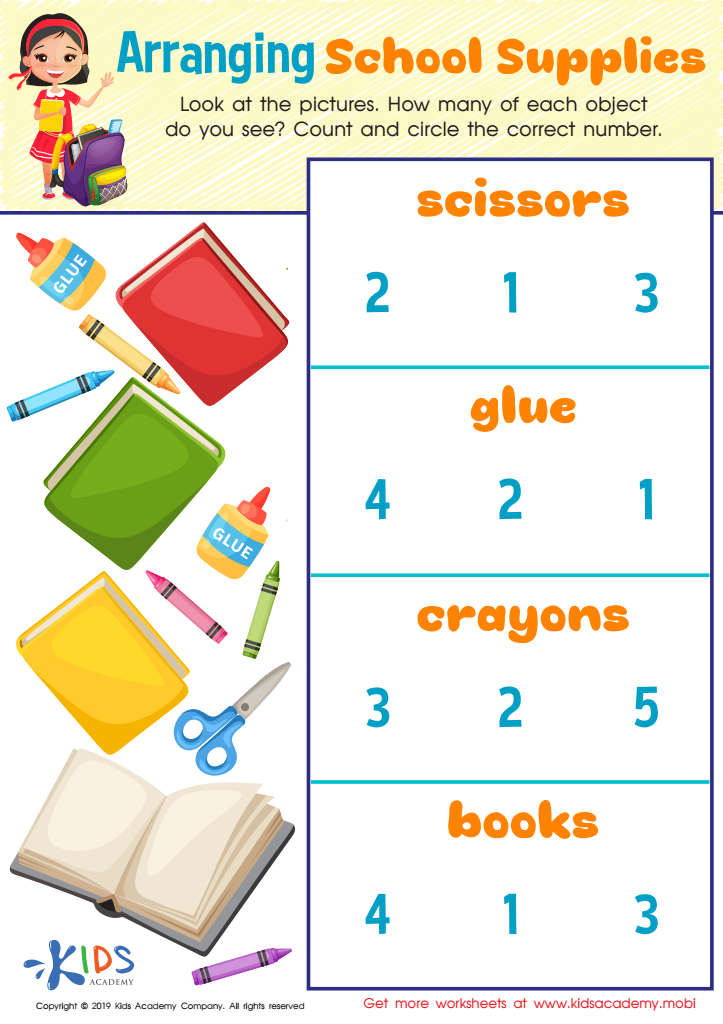
Arranging School Supplies Worksheet
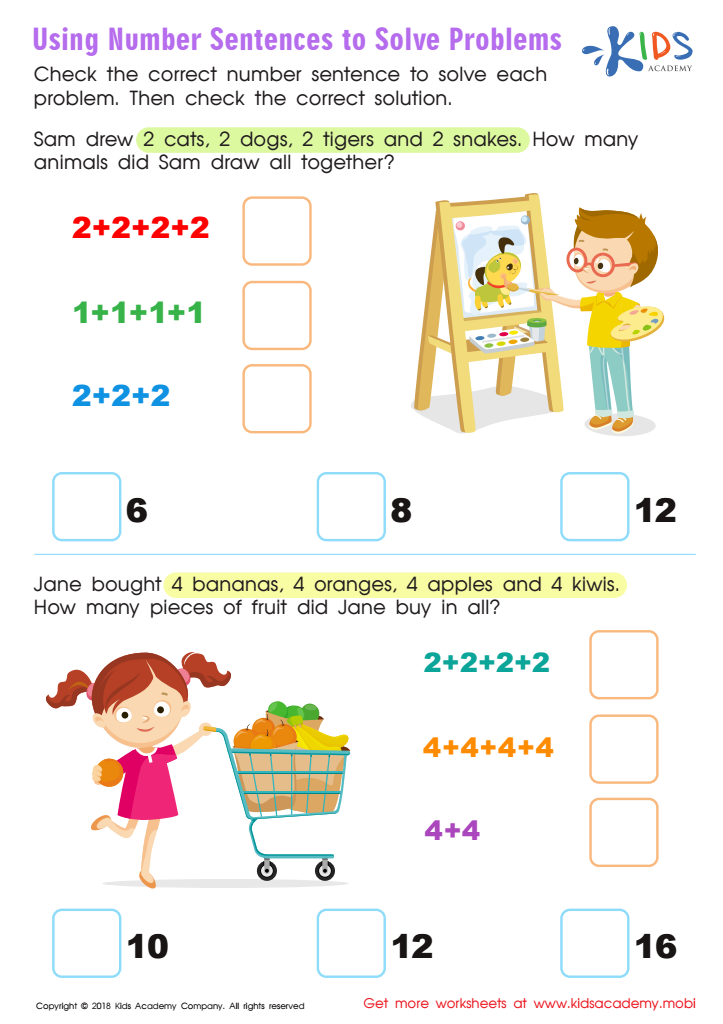
Using Number Sentences to Solve Problems Worksheet
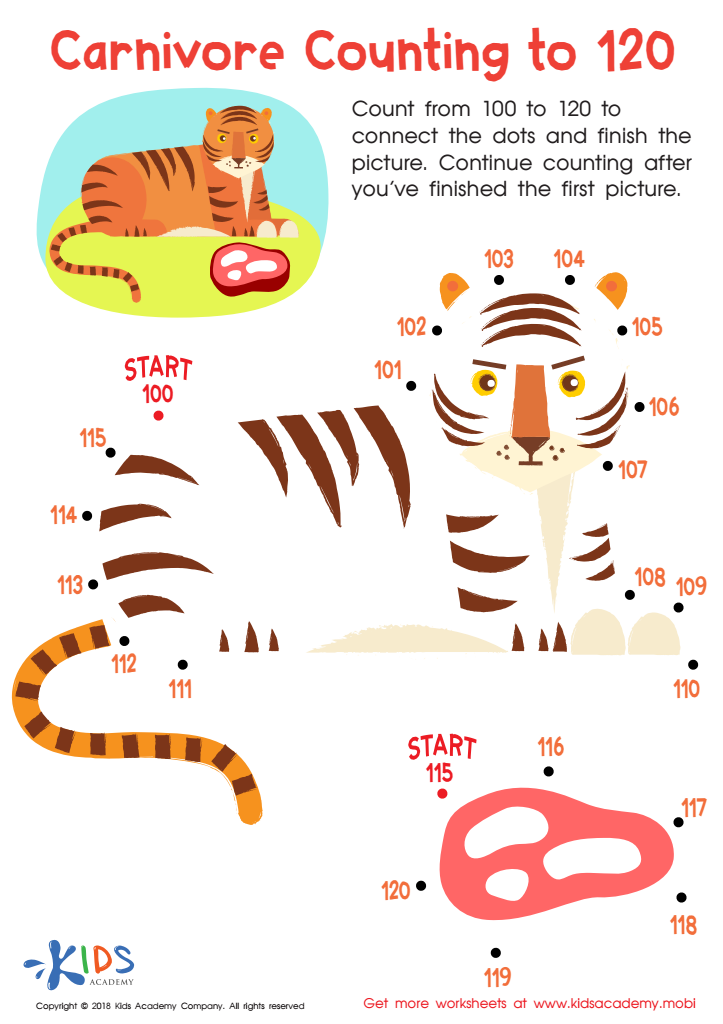
Carnivore Counting to 120 Worksheet
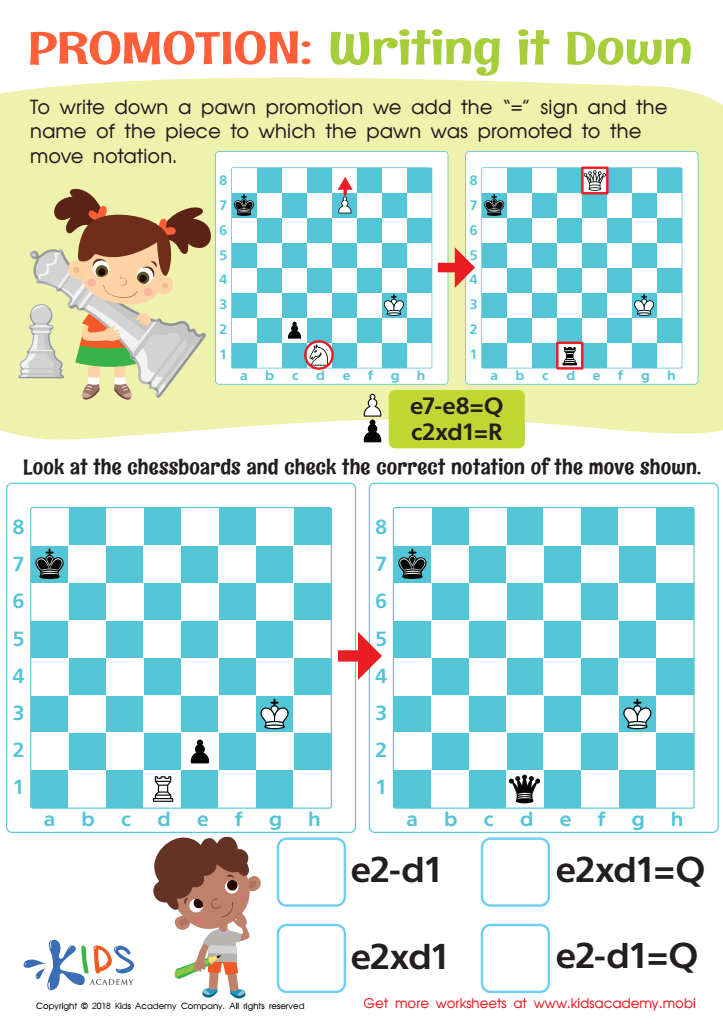
Writing it Down Worksheet
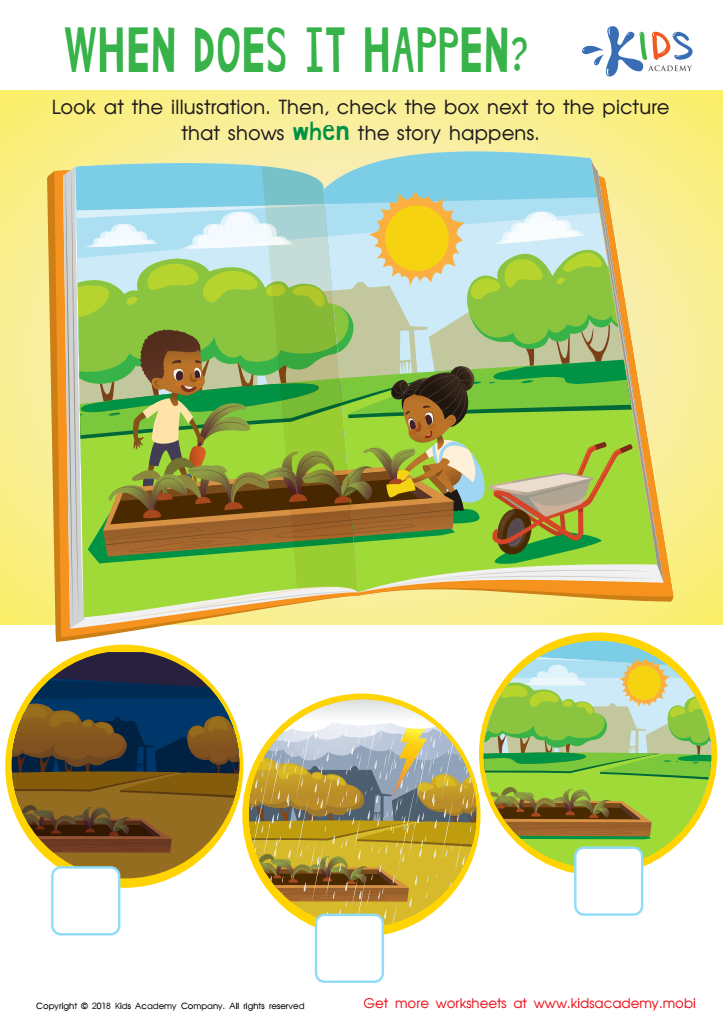
When Does It Happen? Worksheet
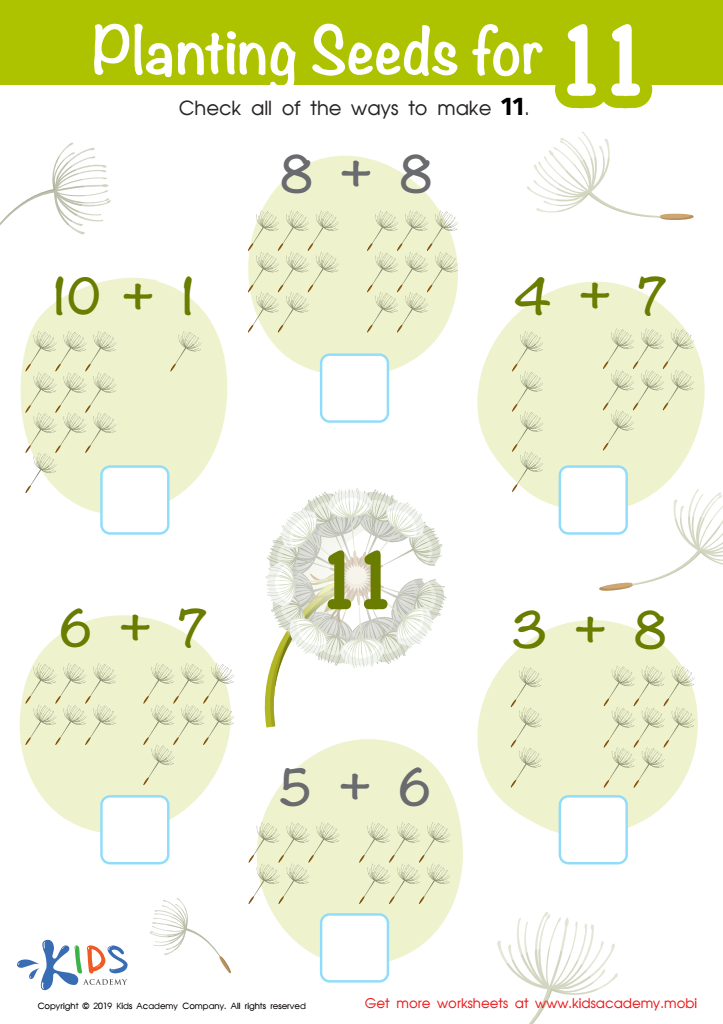
Planting Seeds for 11 Worksheet
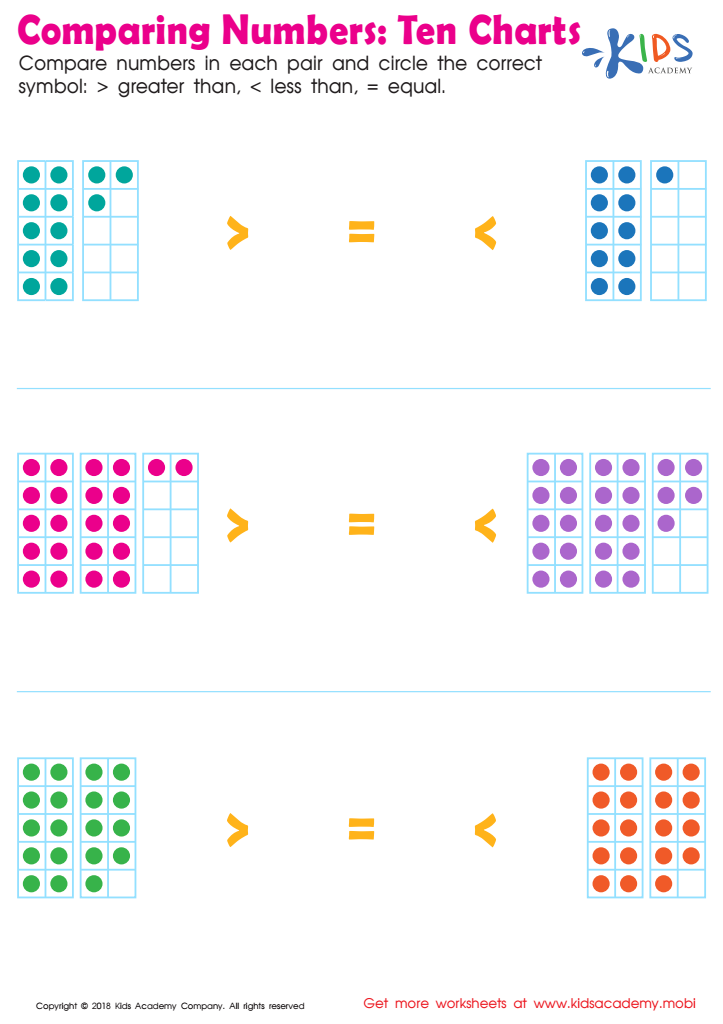
Ten Charts Worksheet
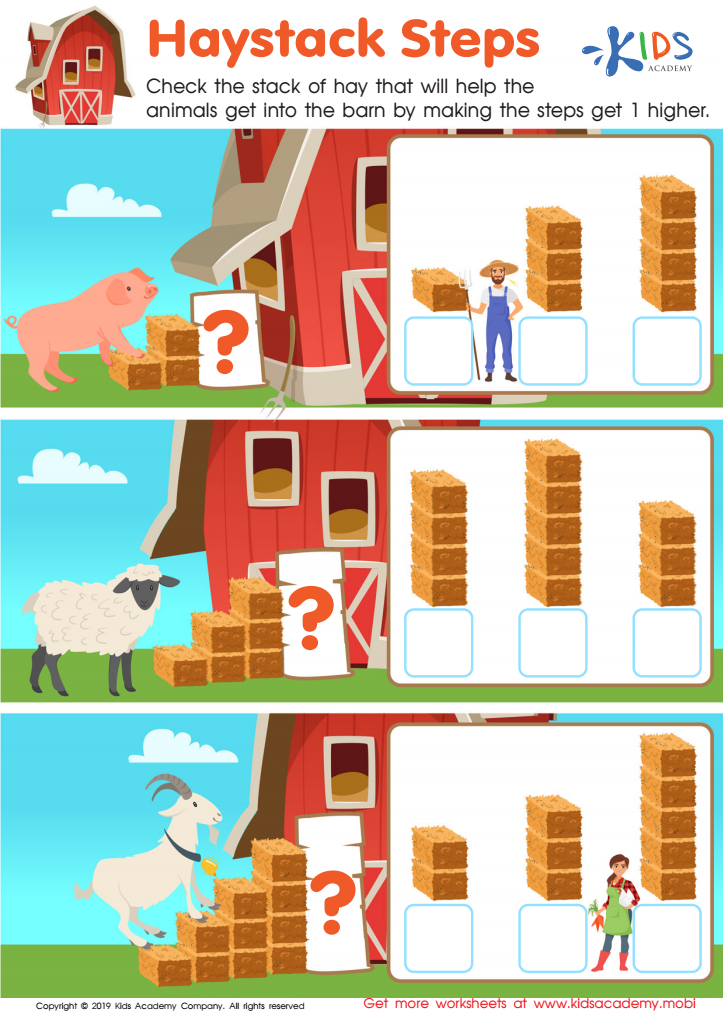
Haystack Steps Worksheet








Understanding sequences is a crucial developmental skill for children aged 3 to 6. Parents and teachers should care about this foundational concept because it lays the groundwork for critical thinking, problem-solving, and early math skills. Sequences help children grasp the idea of order and timing, vital for daily routines and activities. By recognizing and creating sequences, children develop memory and attention, enhancing their cognitive abilities.
Moreover, sequences are prevalent in language development as they learn to follow narratives and understand cause-and-effect relationships. Activities such as storytelling, where events unfold in a specific order, reinforce children's comprehension skills while making them active participants in their learning journey.
Additionally, engaging children in sequencing games—whether through manipulatives like blocks or through visual aids like picture cards—fosters important social skills as they collaborate and communicate their thoughts. Learning about sequences also supports literacy, as it is closely linked to phonological awareness in reading.
Ultimately, teaching children about sequences nurtures their overall development, providing them with the tools to understand the world, approach tasks systematically, and set the stage for more complex concepts as they progress in their education. Therefore, investing in their understanding of sequences is invaluable for their future learning.








