Addition & Subtraction Worksheets for Ages 3-6 - Page 2
704 filtered results
-
From - To
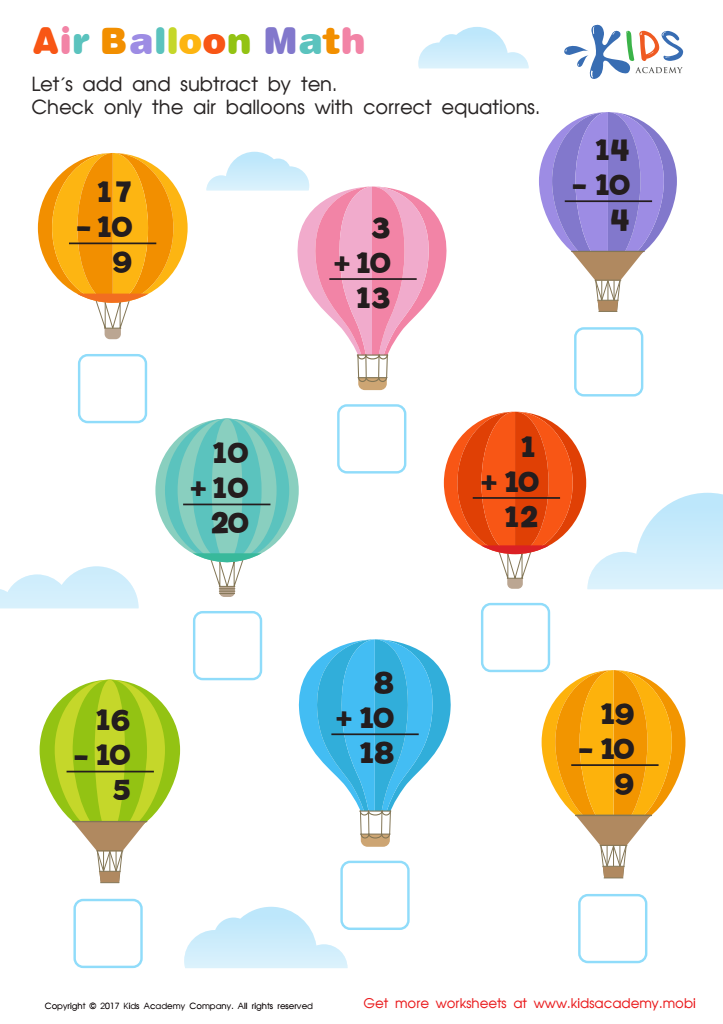
Air Balloon Math Worksheet
 Assign to My Students
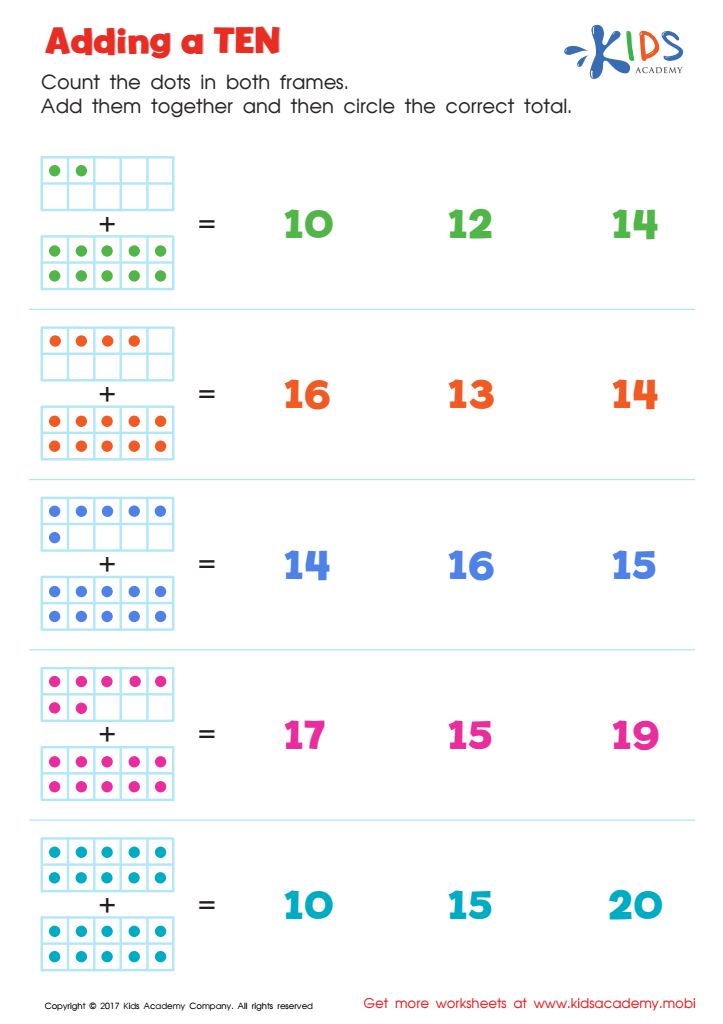
Adding a Ten Worksheet
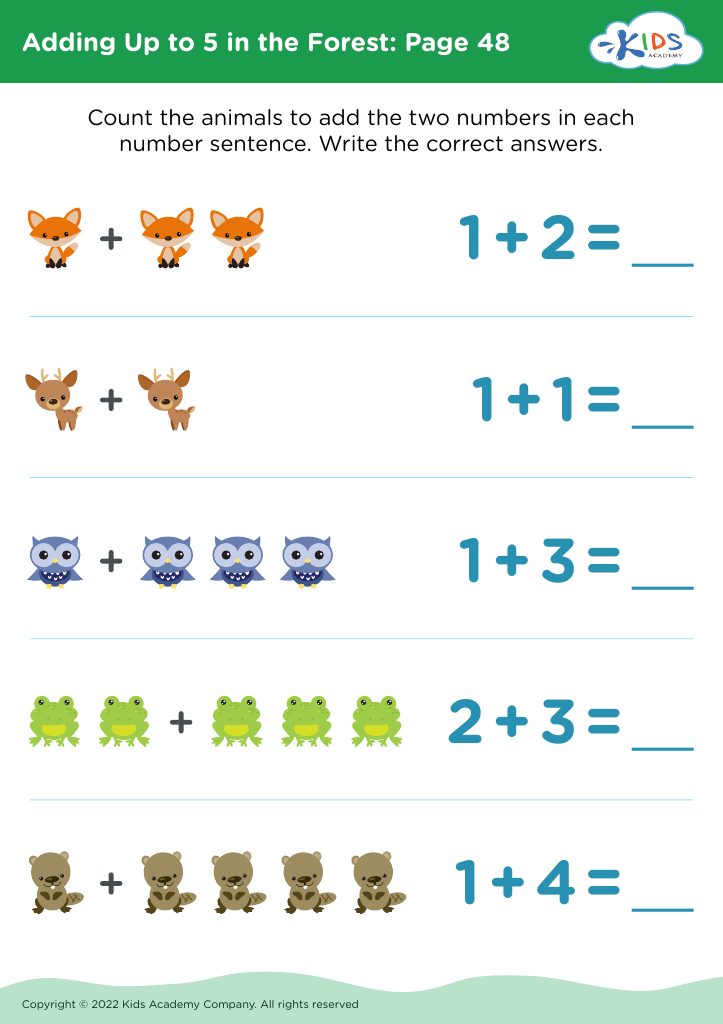
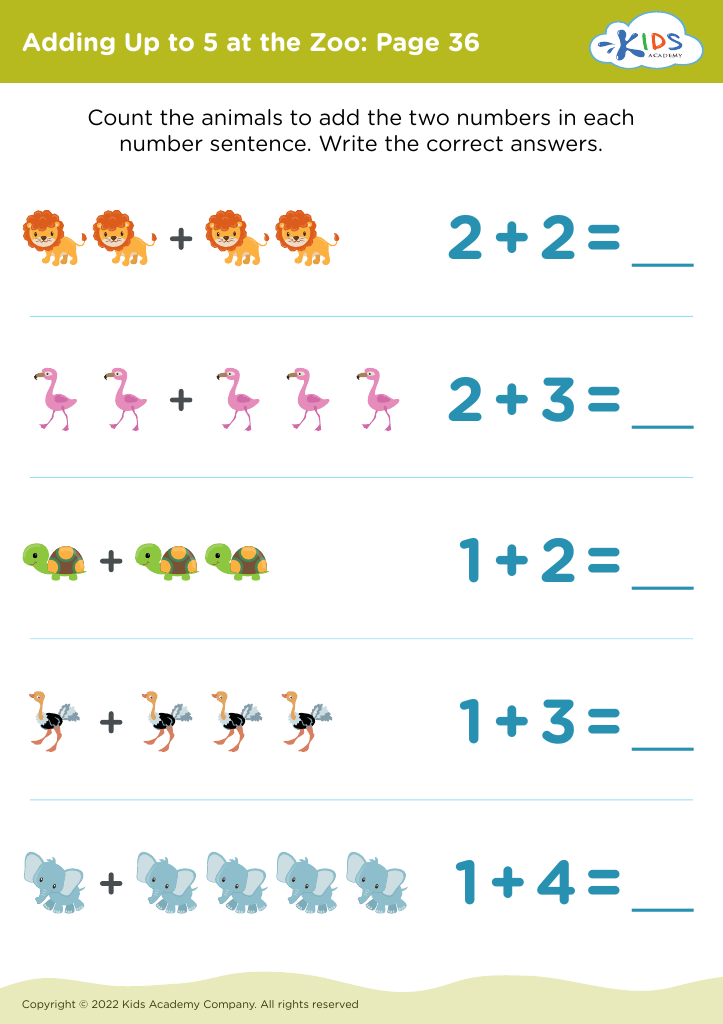
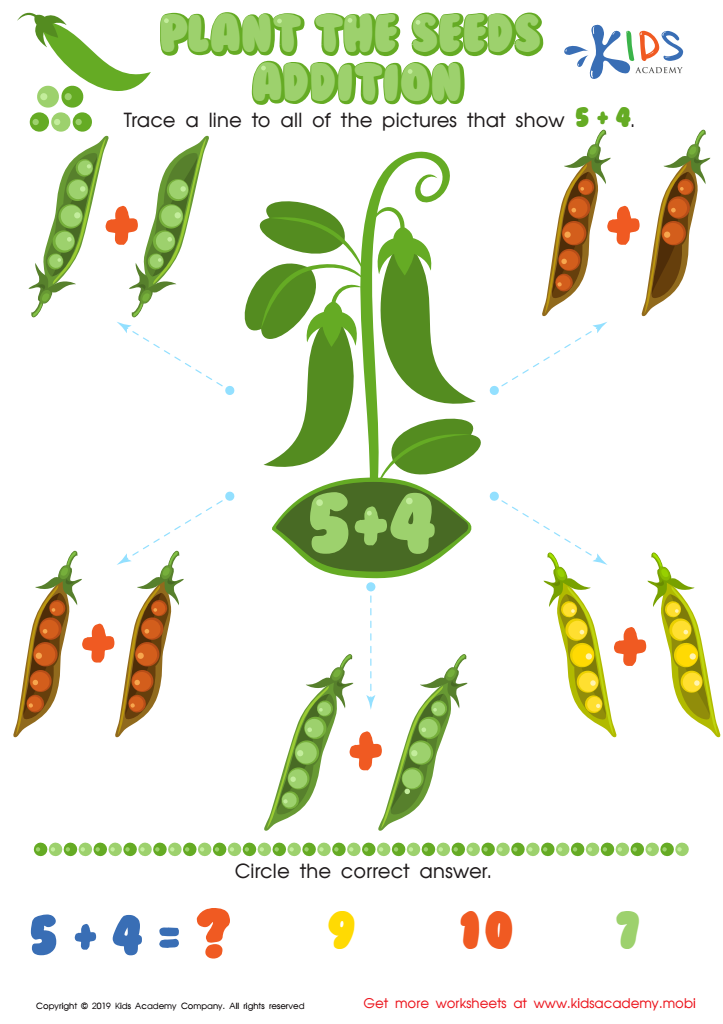
Plant the Seeds Addition Worksheet
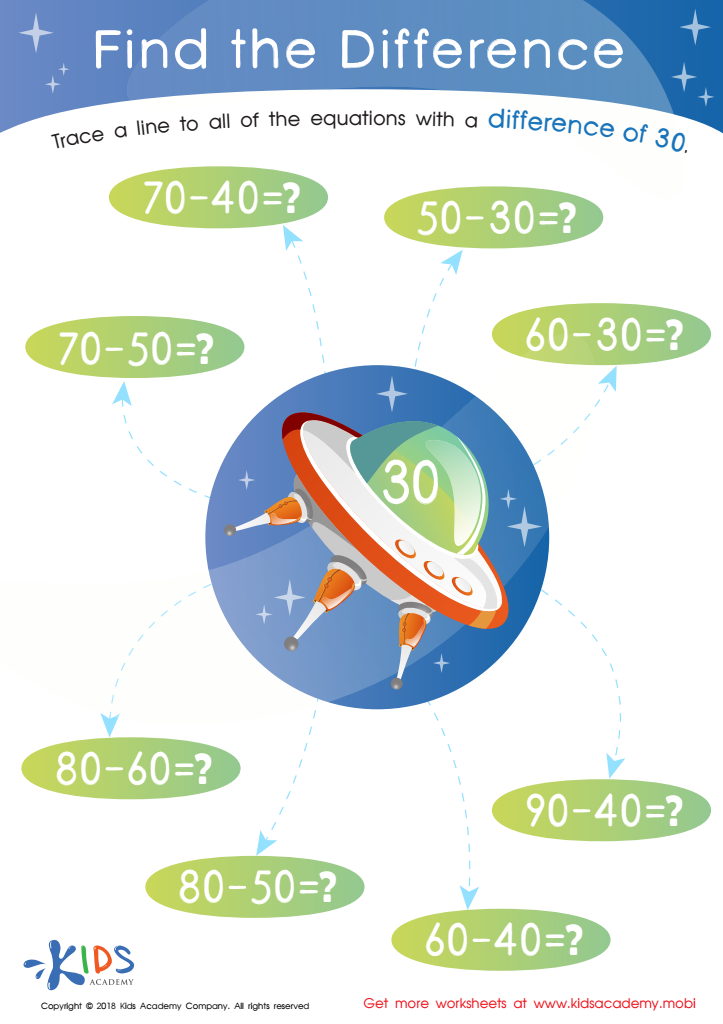
Find The Difference Worksheet
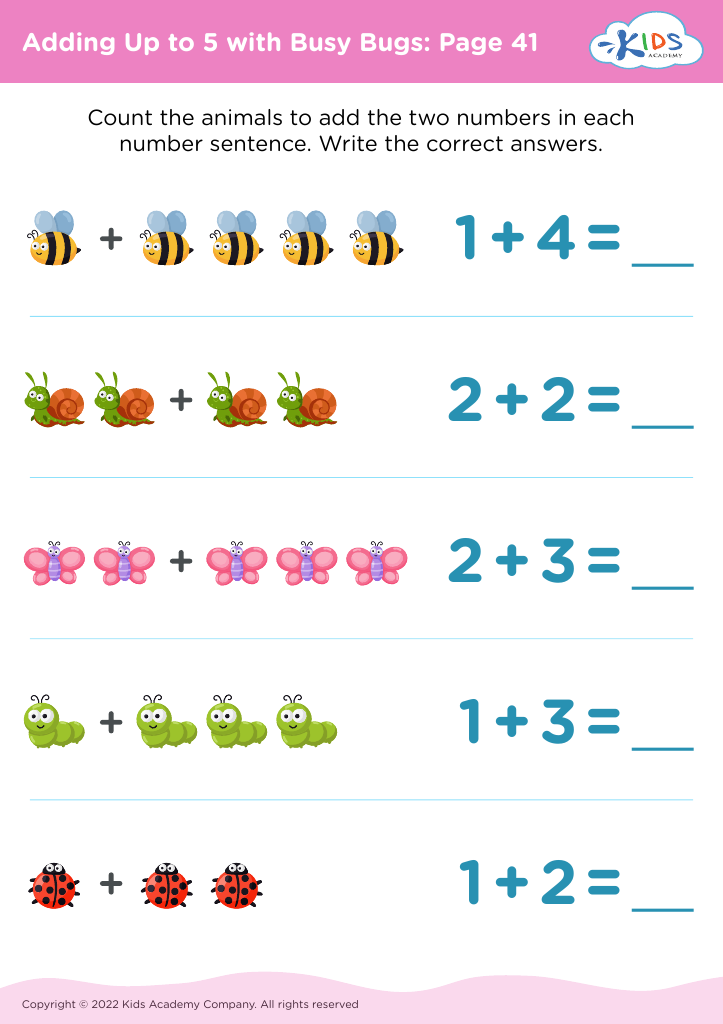
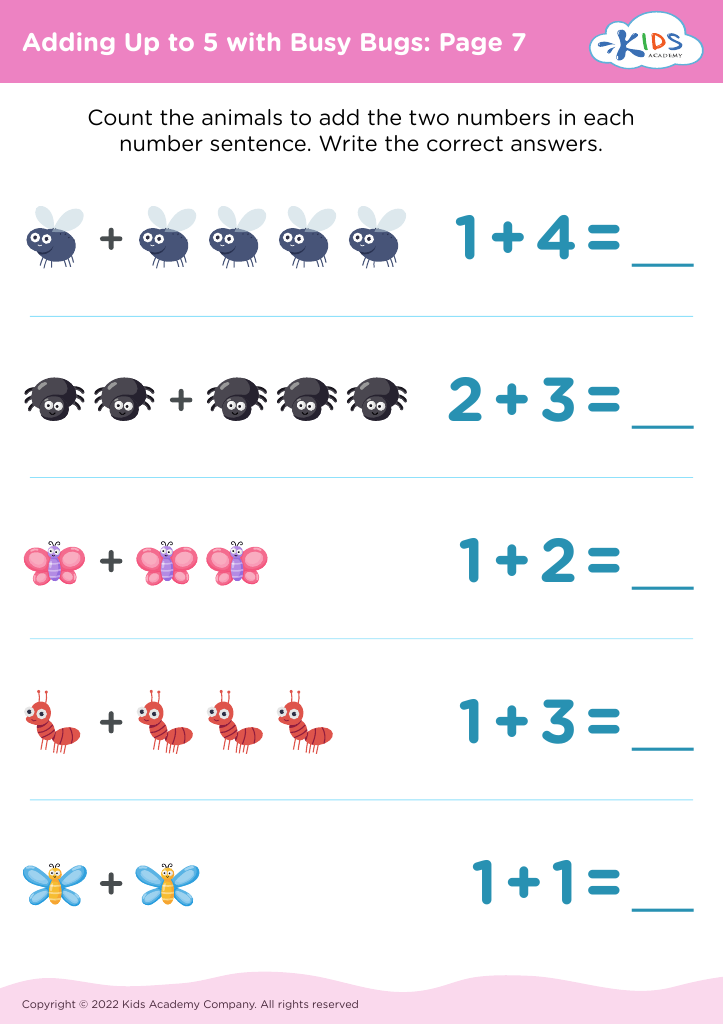
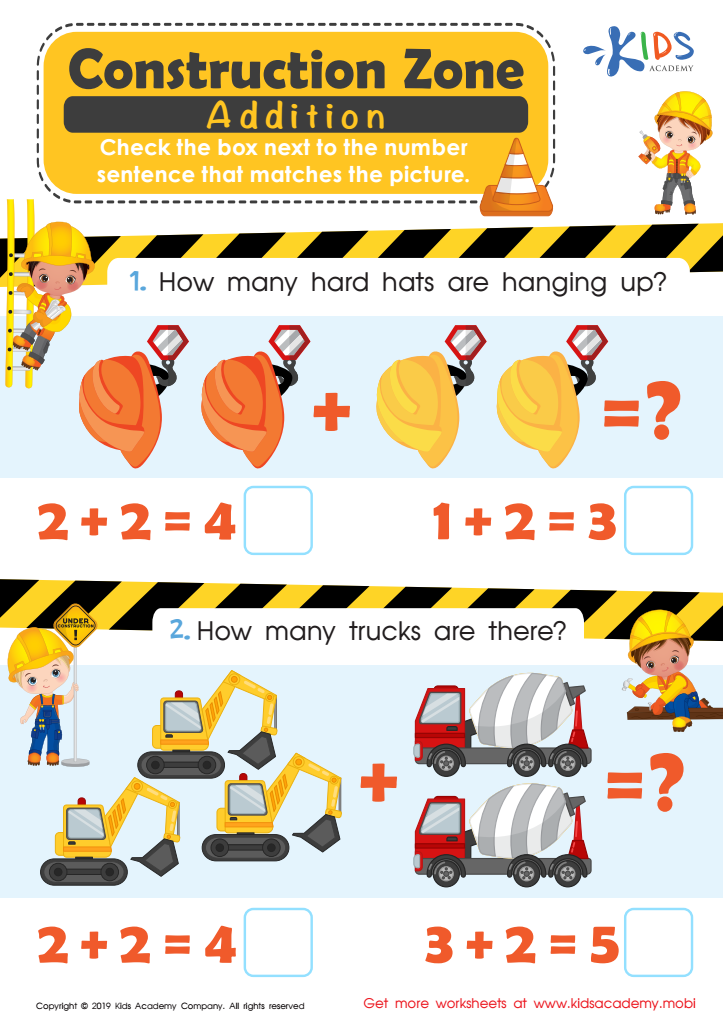
Construction Zone Addition Worksheet
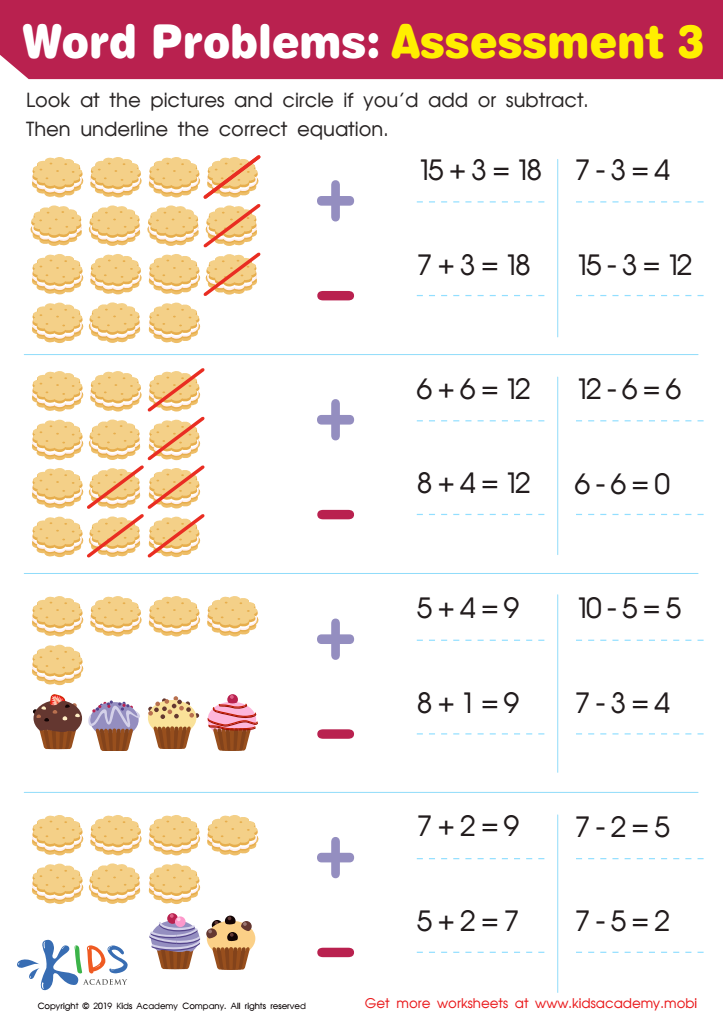
Word Problems: Assessment 3 Worksheet
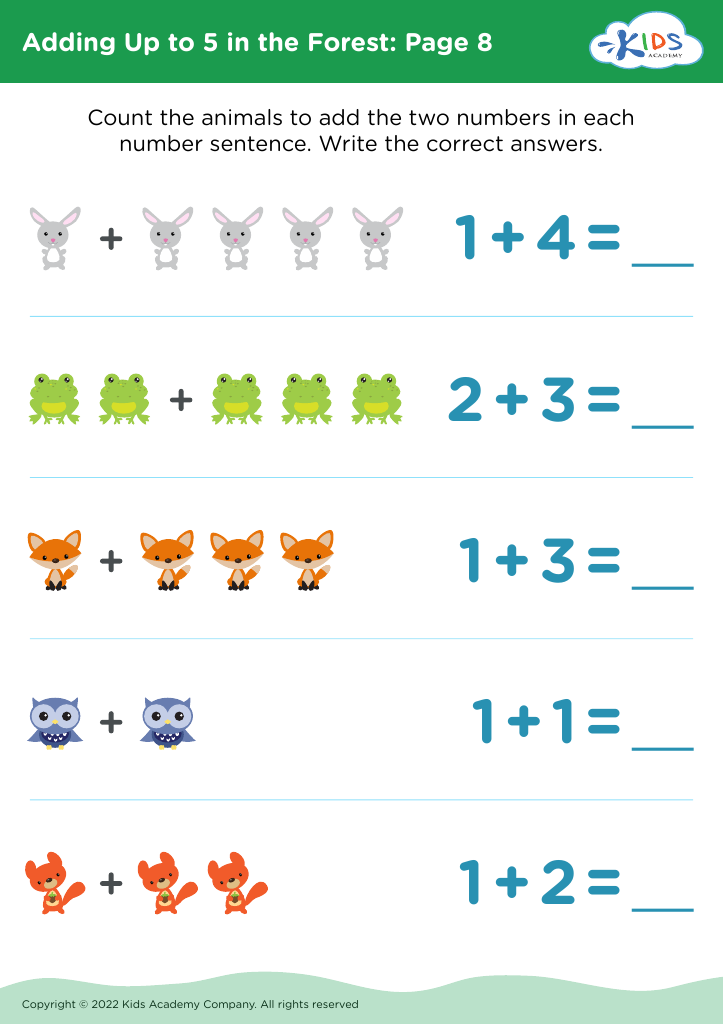
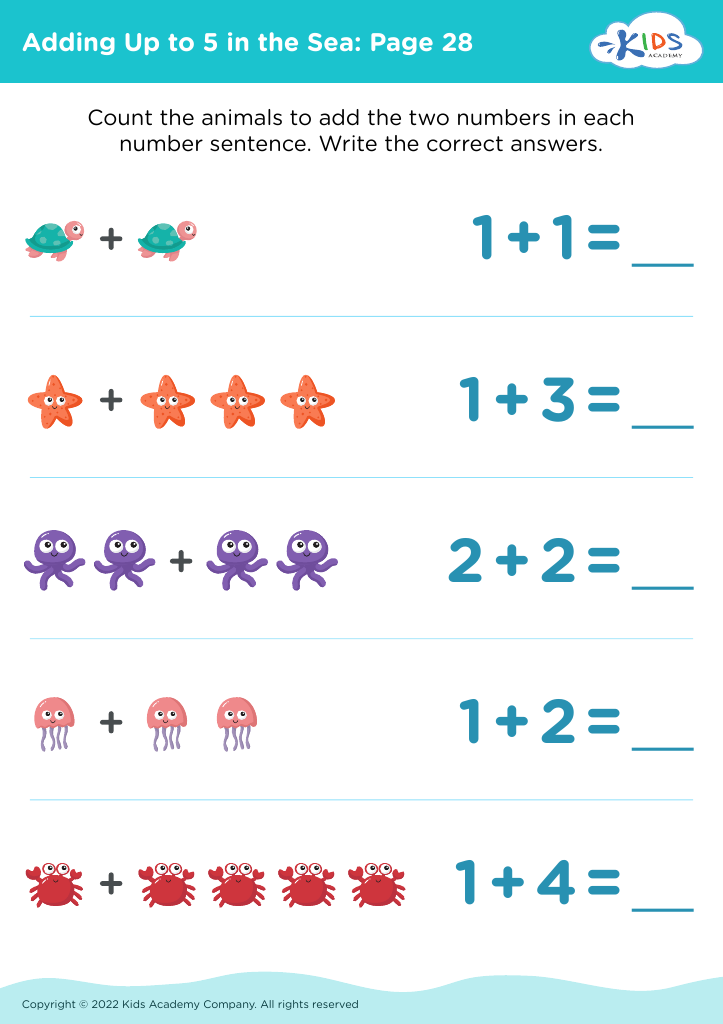
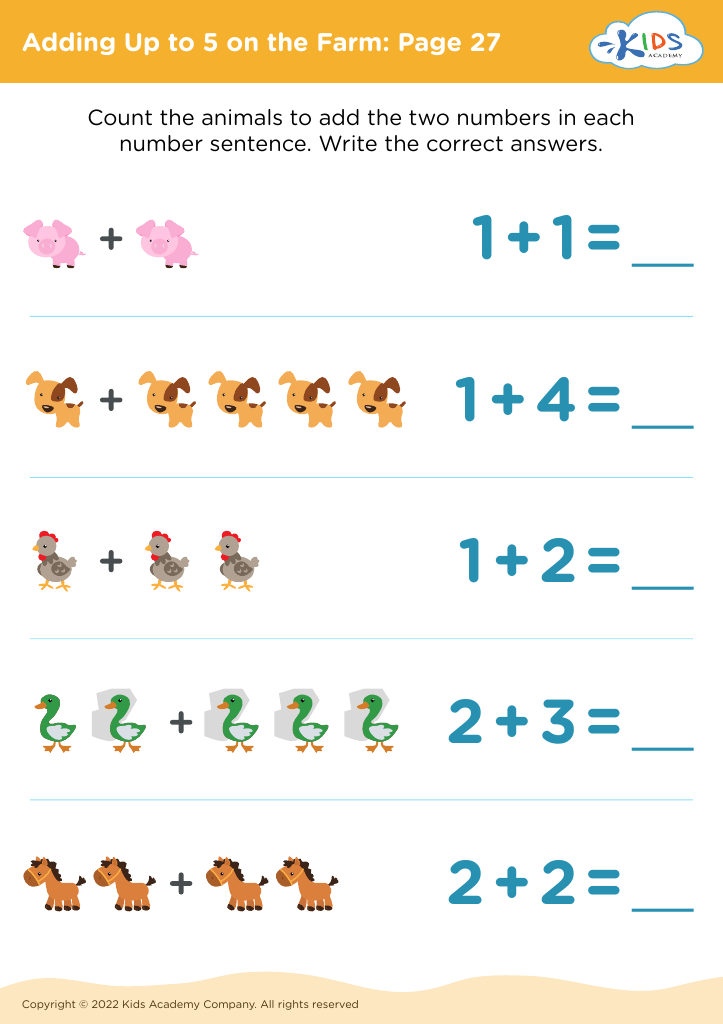
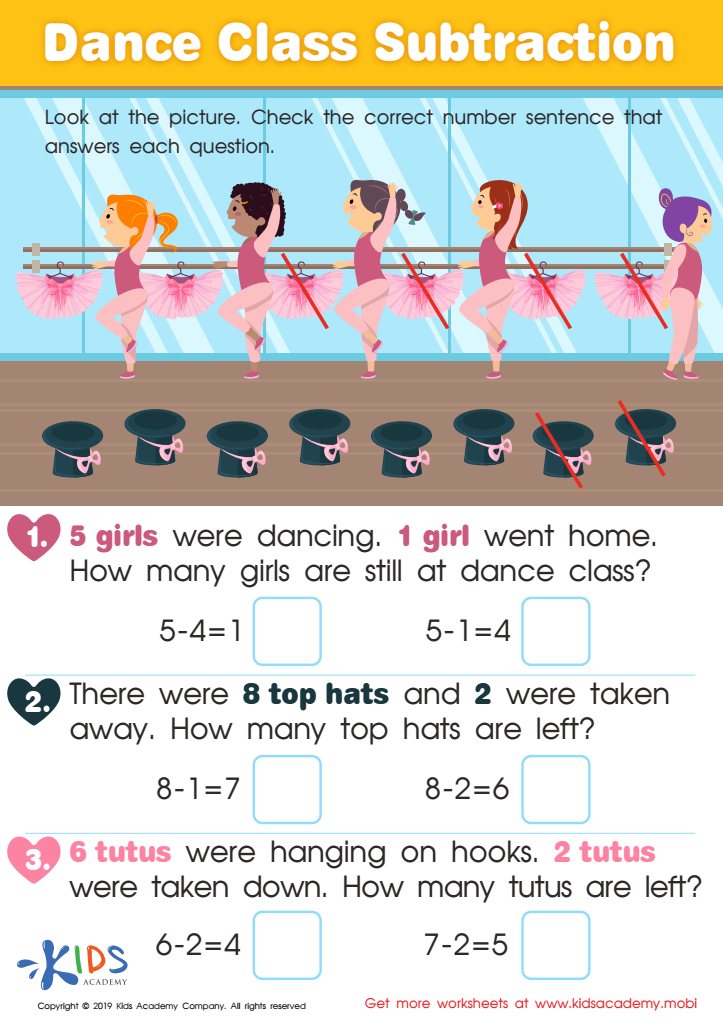
Dance Class Subtraction Worksheet
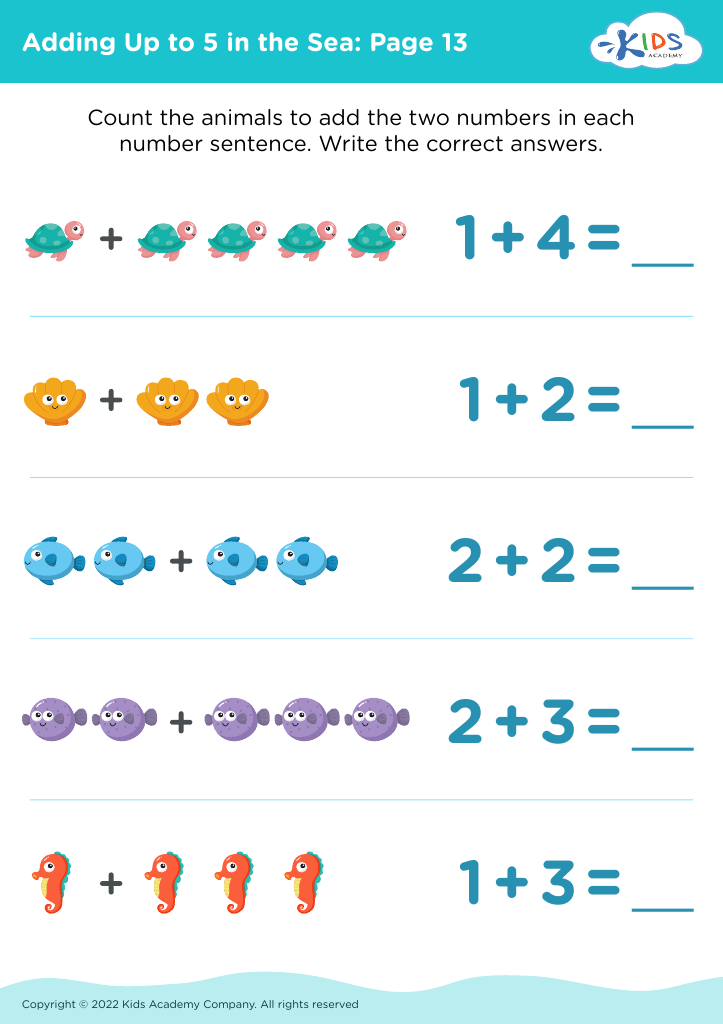
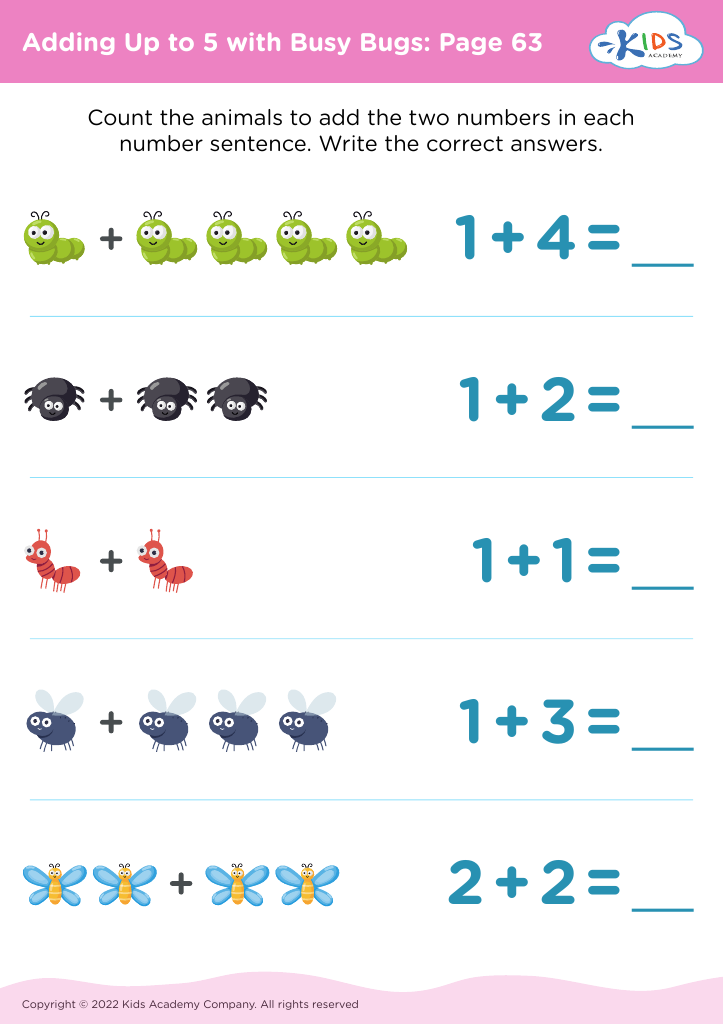
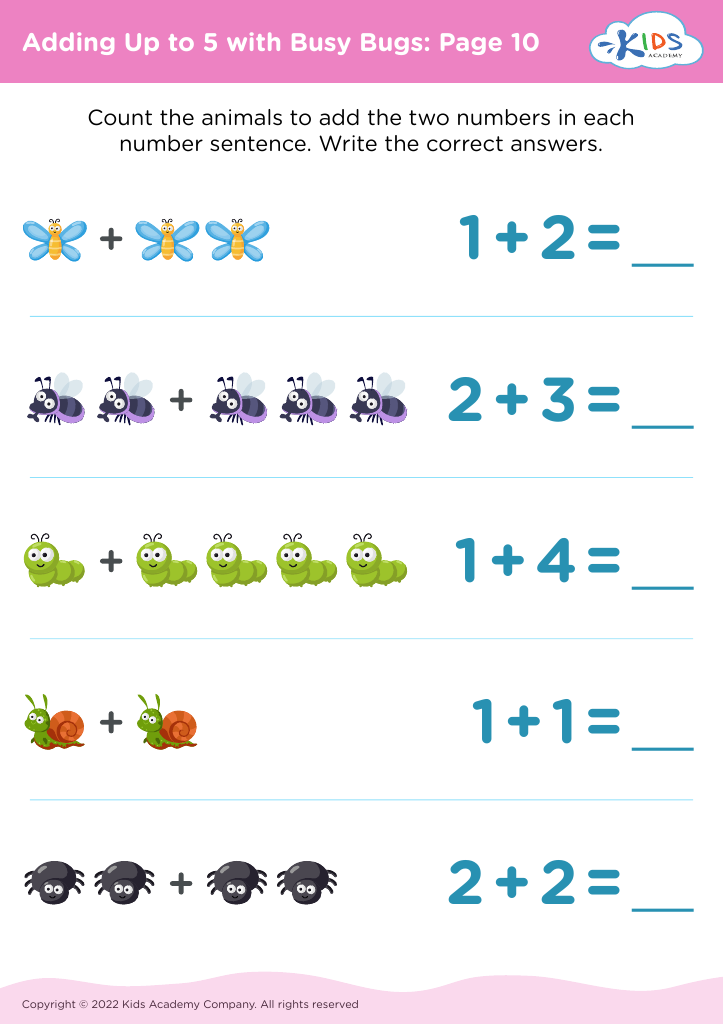
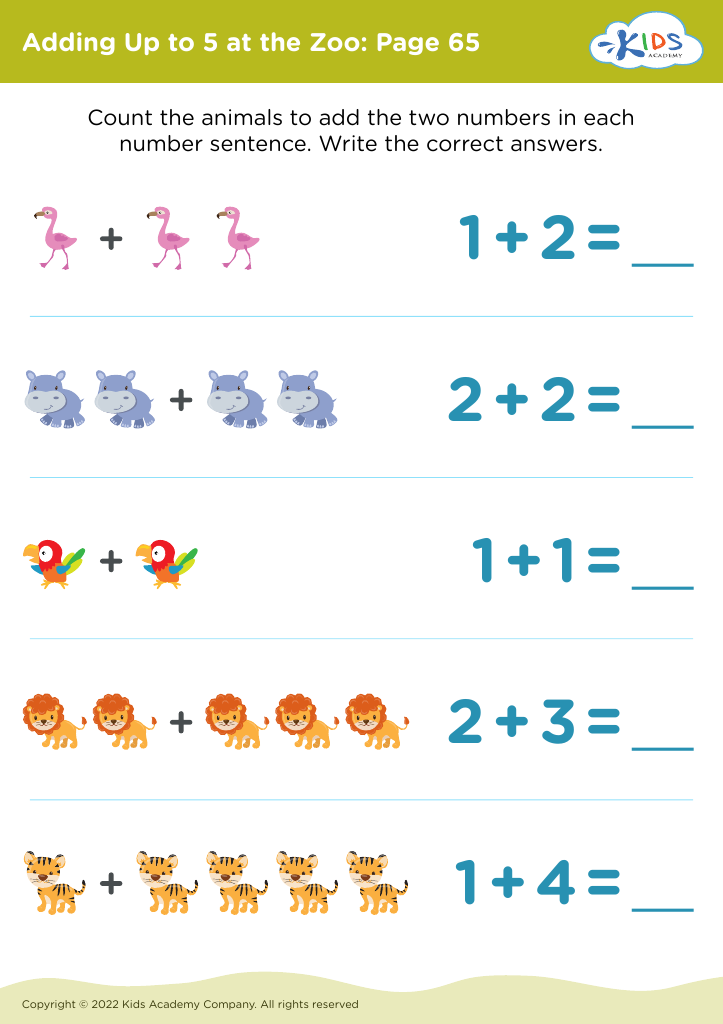
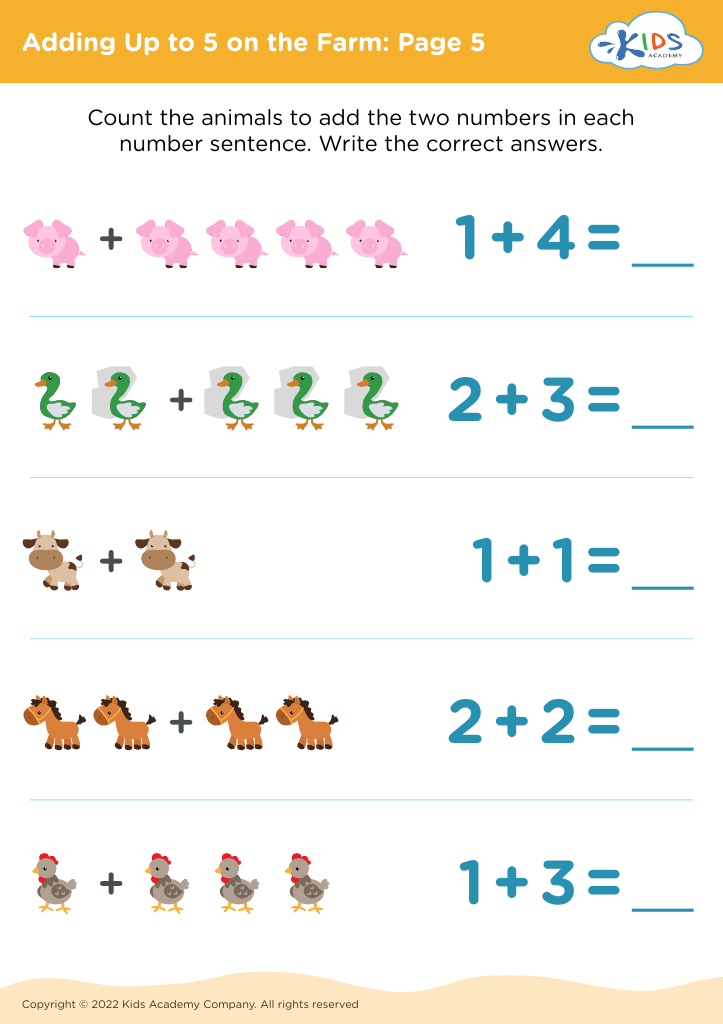
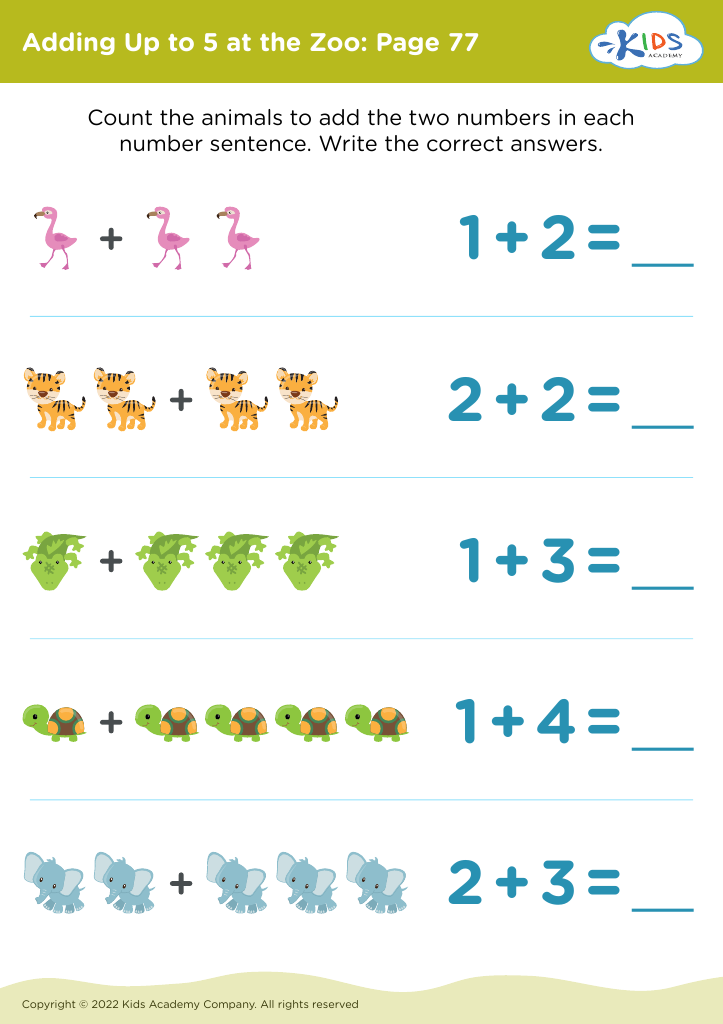
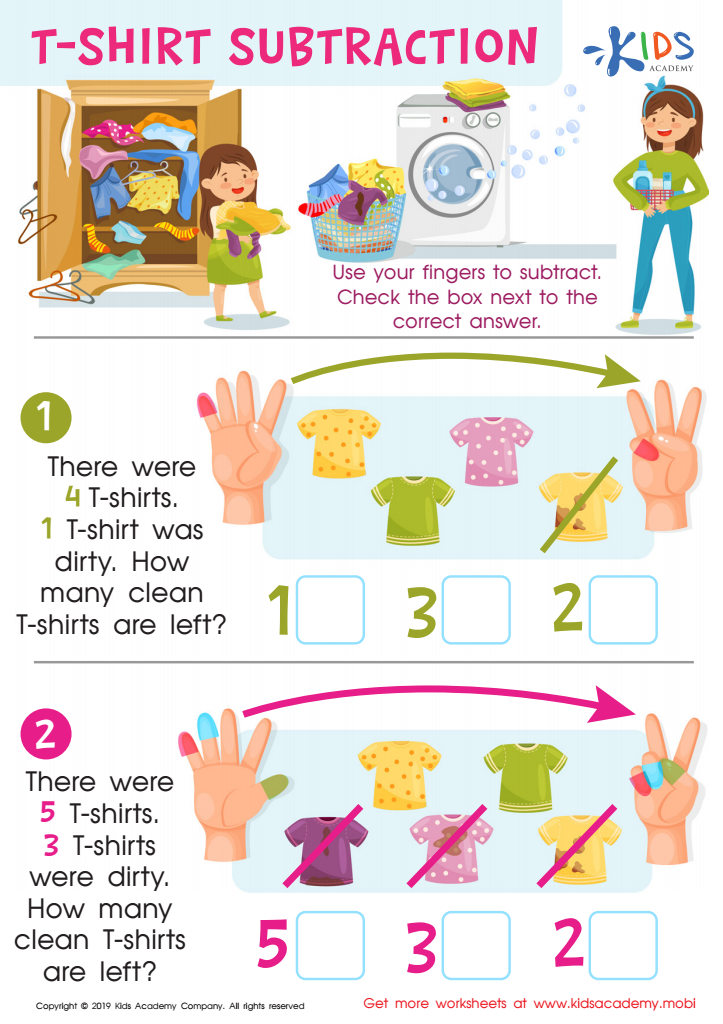
T-shirt Subtraction Worksheet
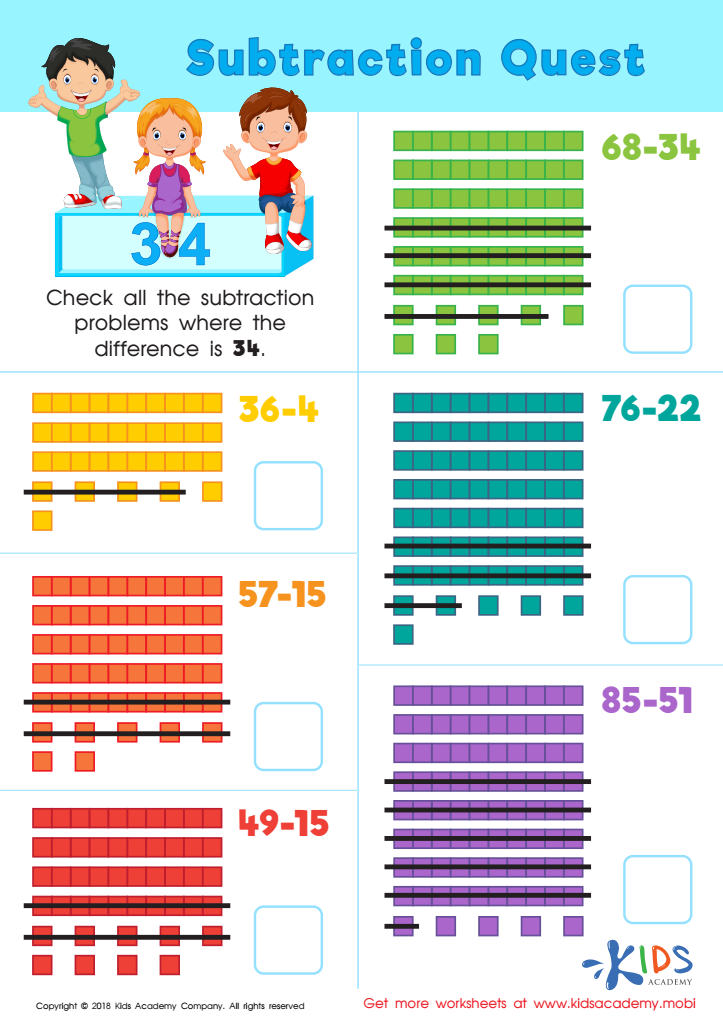
Subtraction Quest Worksheet








Caring about addition and subtraction for children aged 3-6 is crucial because these basic arithmetic skills form the foundation for all future math learning. During these formative years, children's brains are highly adaptable and capable of absorbing new information rapidly. Introducing addition and subtraction early helps build a strong number sense, enabling kids to understand and manipulate numbers confidently. This is essential not just academically, but for everyday activities, such as counting objects, understanding quantities, and making simple calculations.
Furthermore, early exposure to addition and subtraction aids in developing critical thinking and problem-solving skills. It teaches children to recognize patterns, make connections, and develop logical sequences. These cognitive skills are transferable to other subjects and areas of life, fostering well-rounded intellectual growth.
Engaging in numerical activities also promotes positive emotional outcomes. Success in grasping simple math concepts can boost a child's confidence and self-esteem, setting a positive tone for lifelong learning. Additionally, when parents and teachers show interest and participate in these early learning activities, children feel supported and encouraged, which can make learning more enjoyable and less stressful.
In summary, focusing on addition and subtraction for ages 3-6 sets the stage for academic success, cognitive development, and emotional well-being, making it a fundamental aspect of early education.








