Addition skills Addition & Subtraction Worksheets for Ages 3-6 - Page 2
107 filtered results
-
From - To
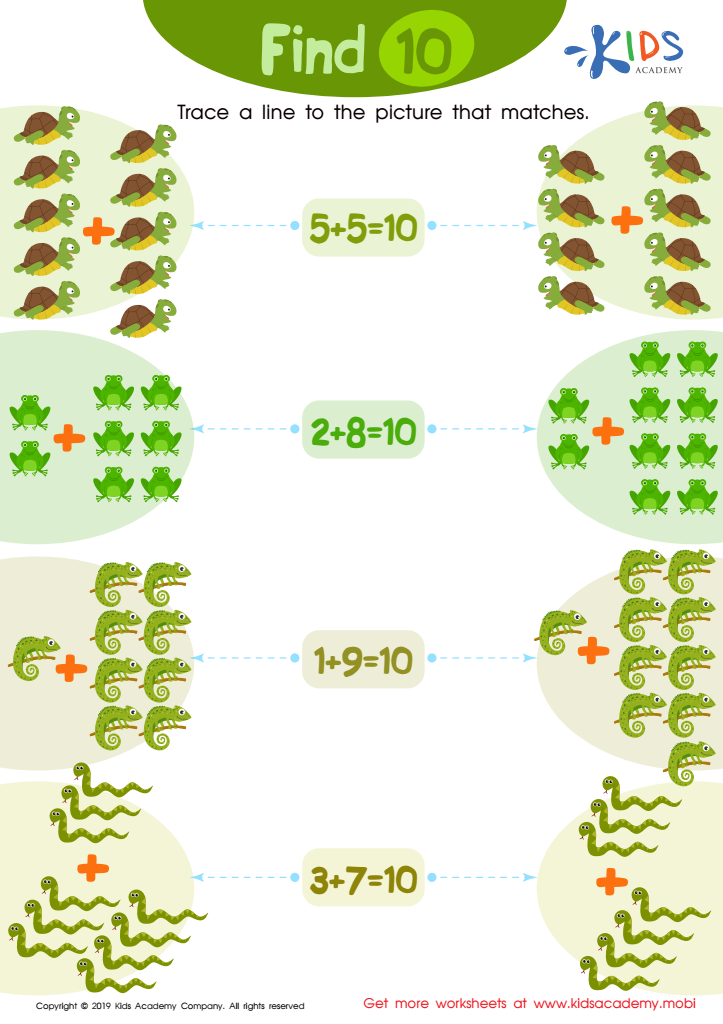
Find 10 Worksheet
 Assign to My Students
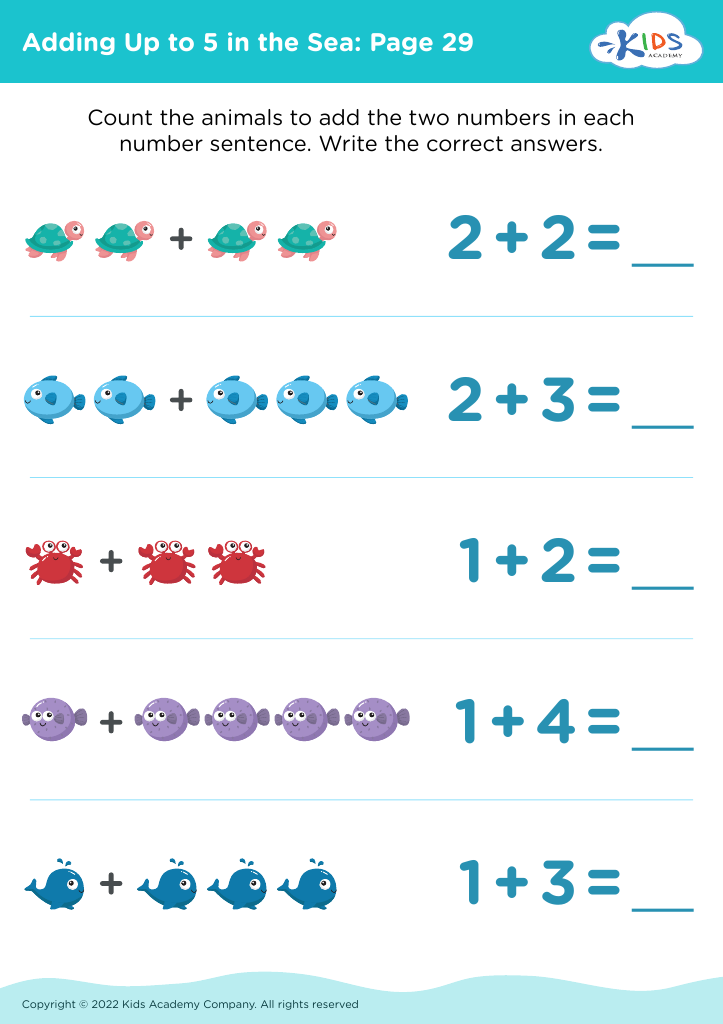
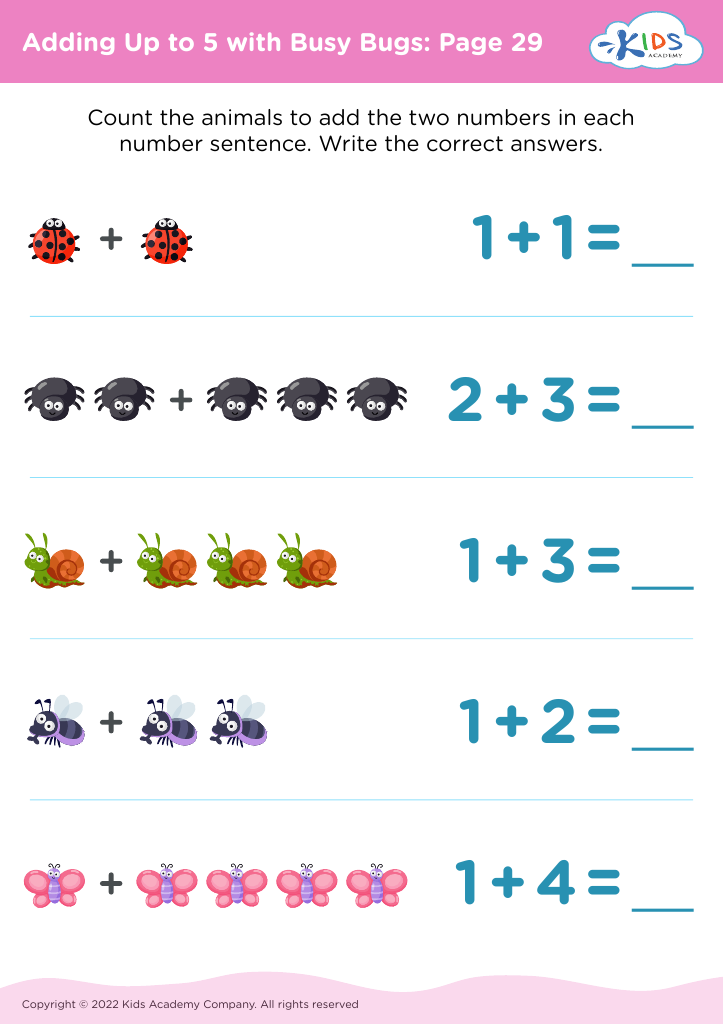
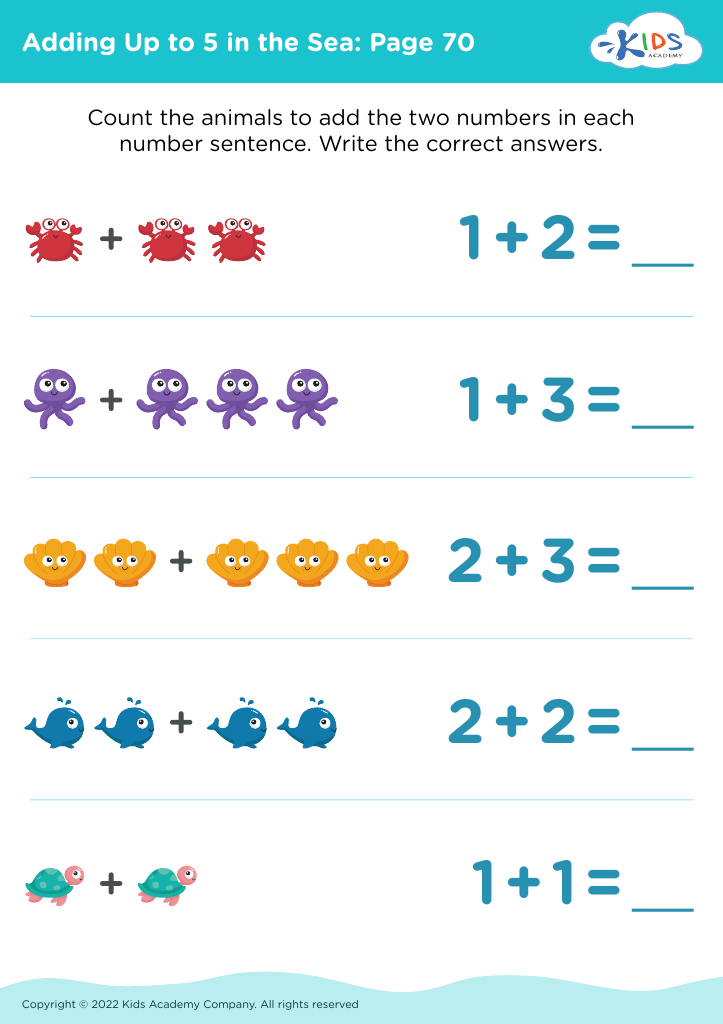
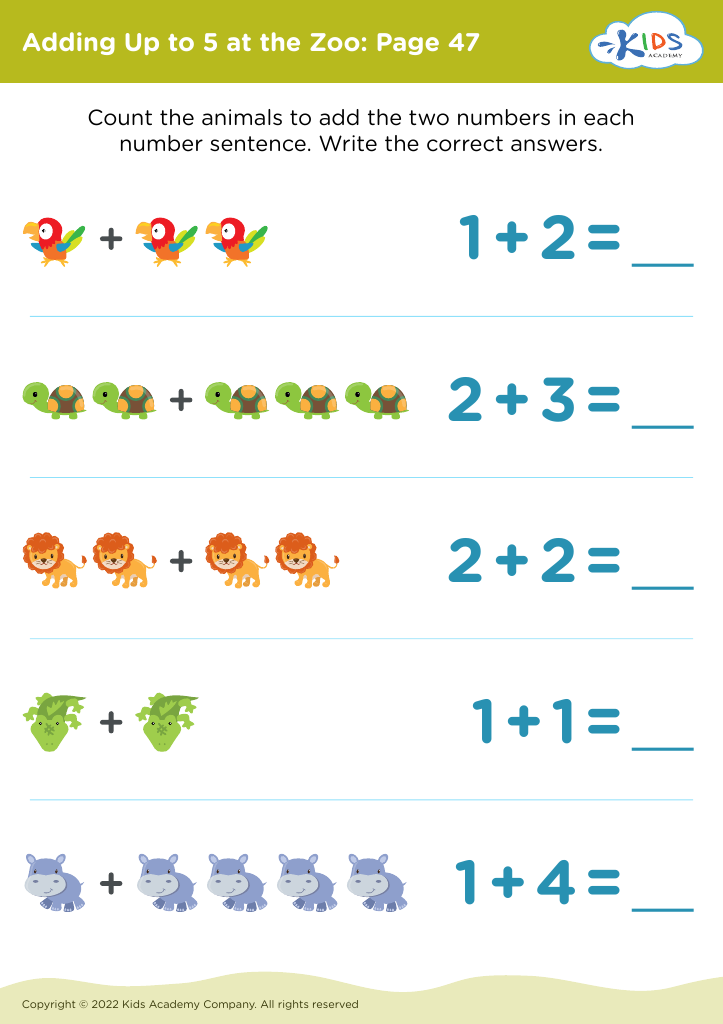
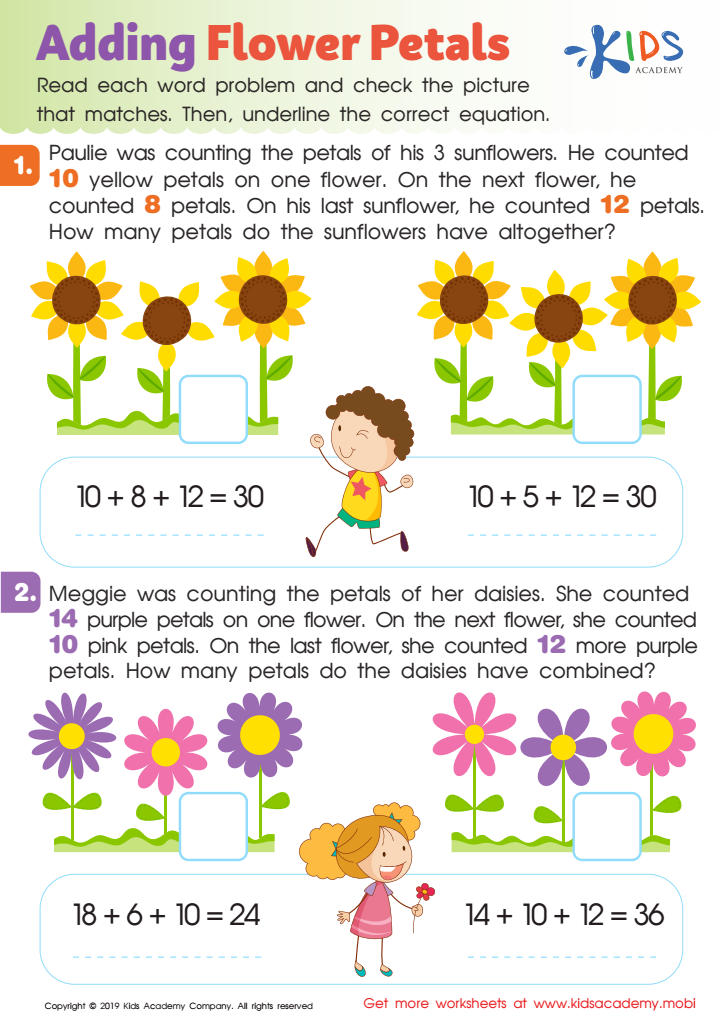
Adding Flower Petals Worksheet
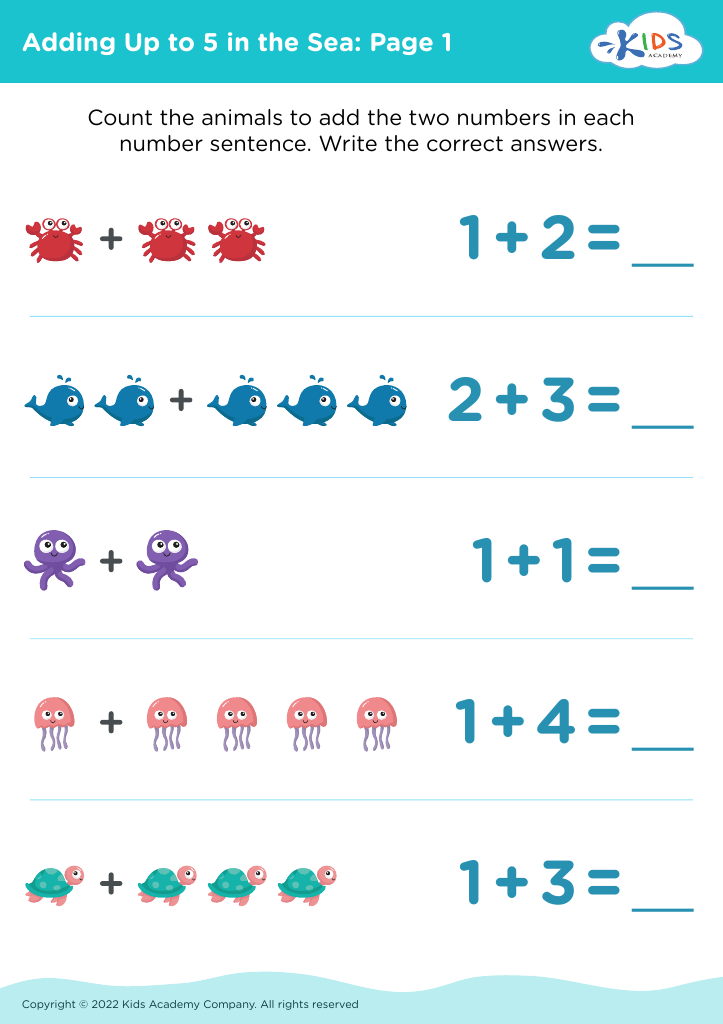
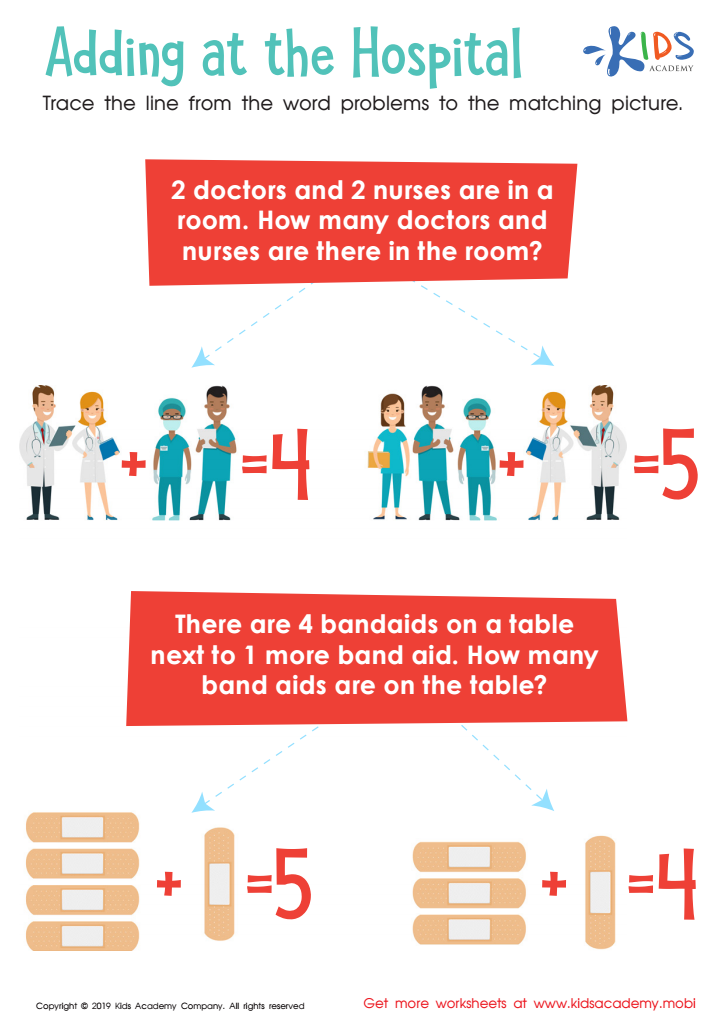
Adding at the Hospital Worksheet
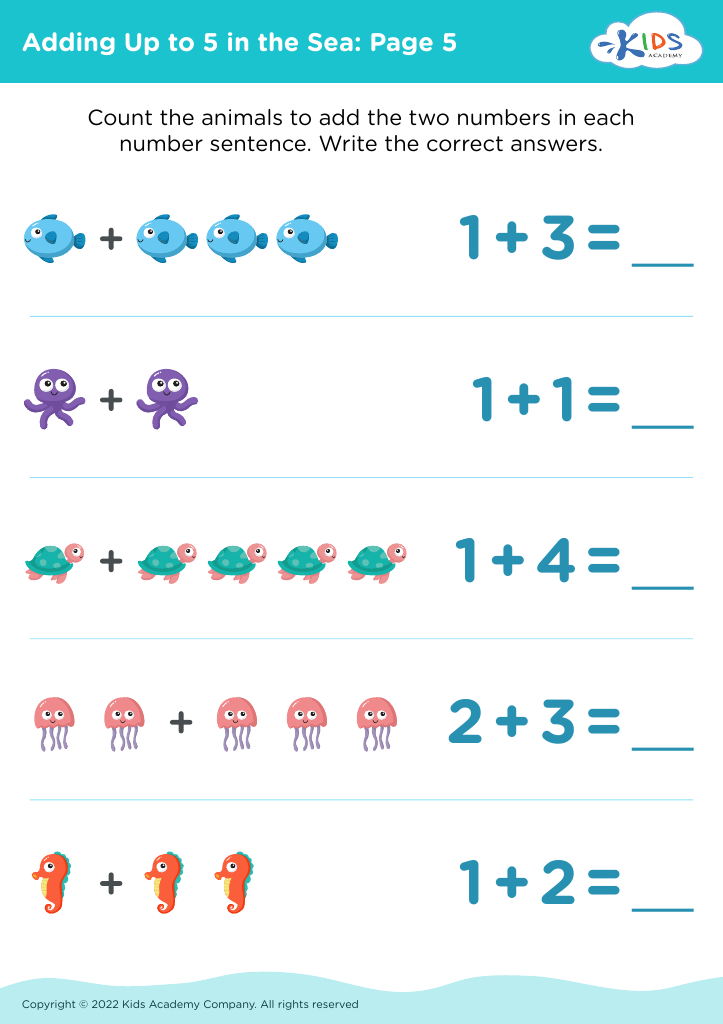
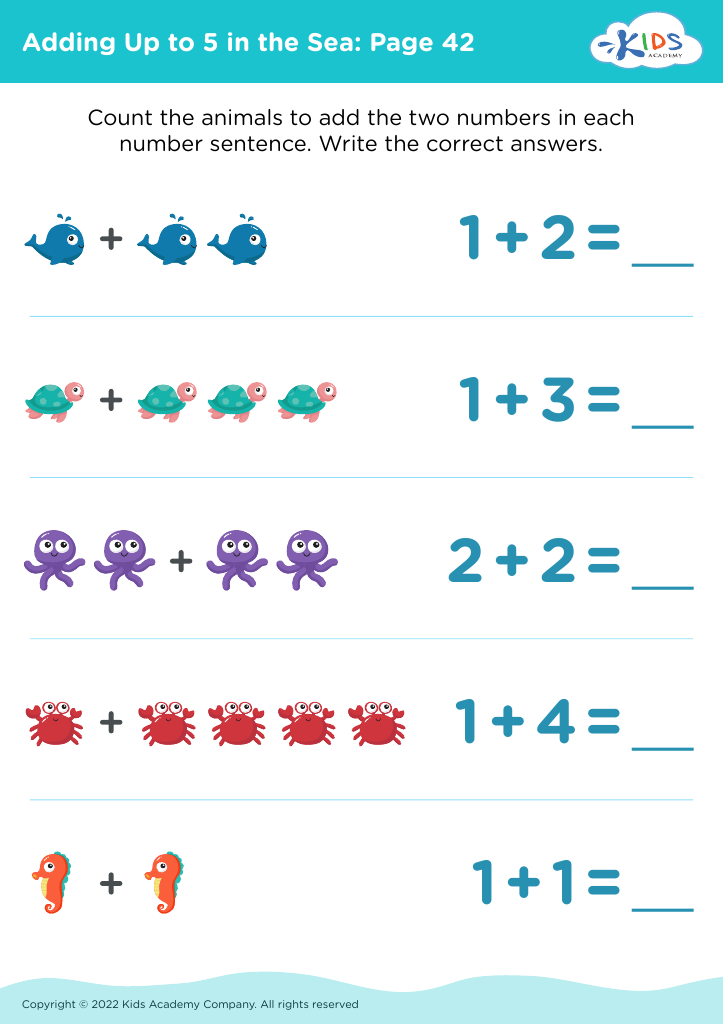
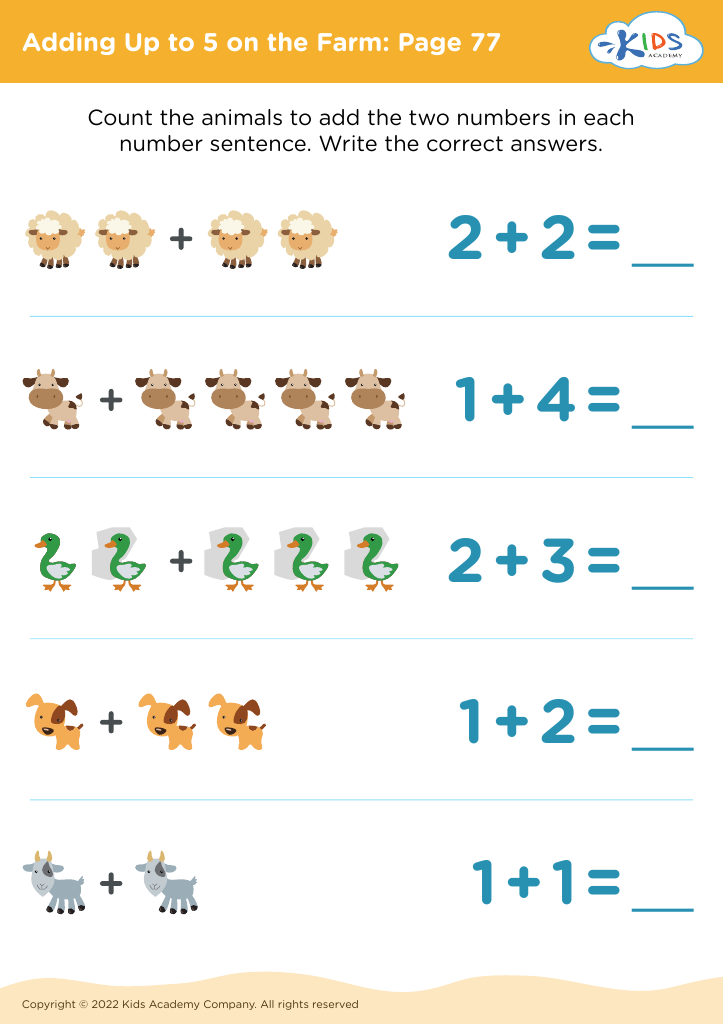
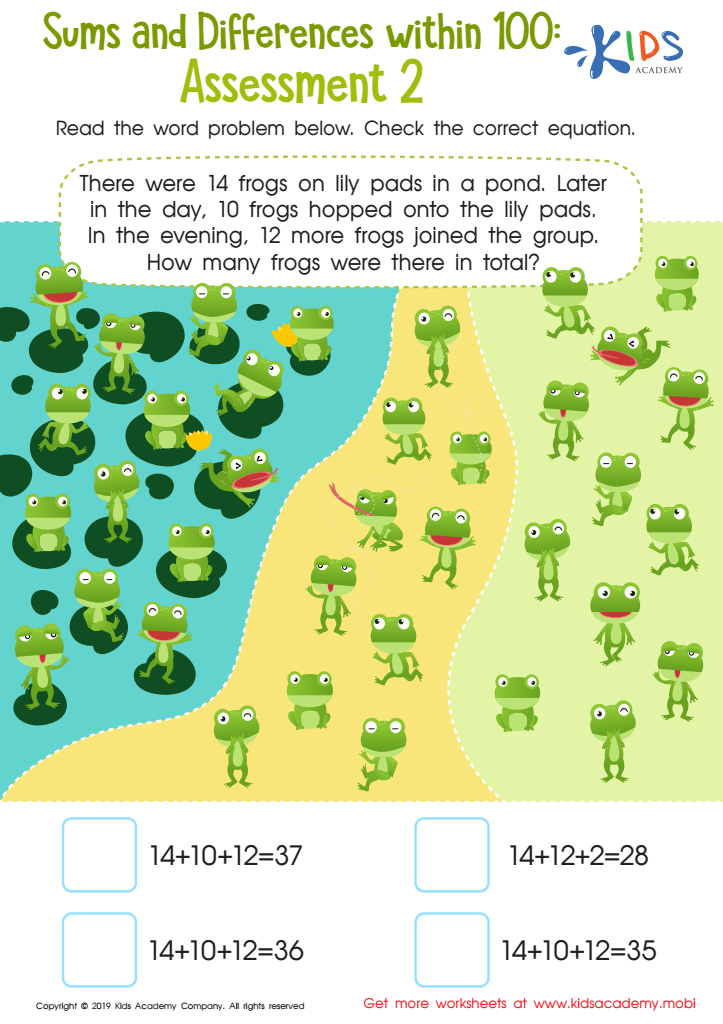
Sums and Differences Within 1 - Assessment 2 Worksheet
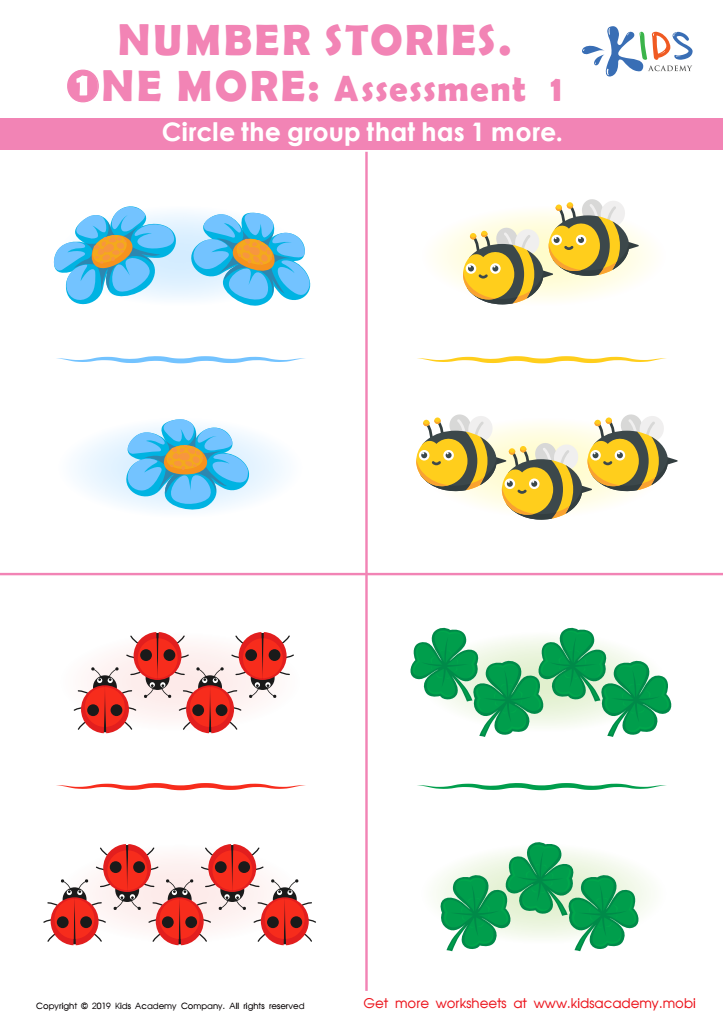
Number Stories One More – Assessment 1 Worksheet
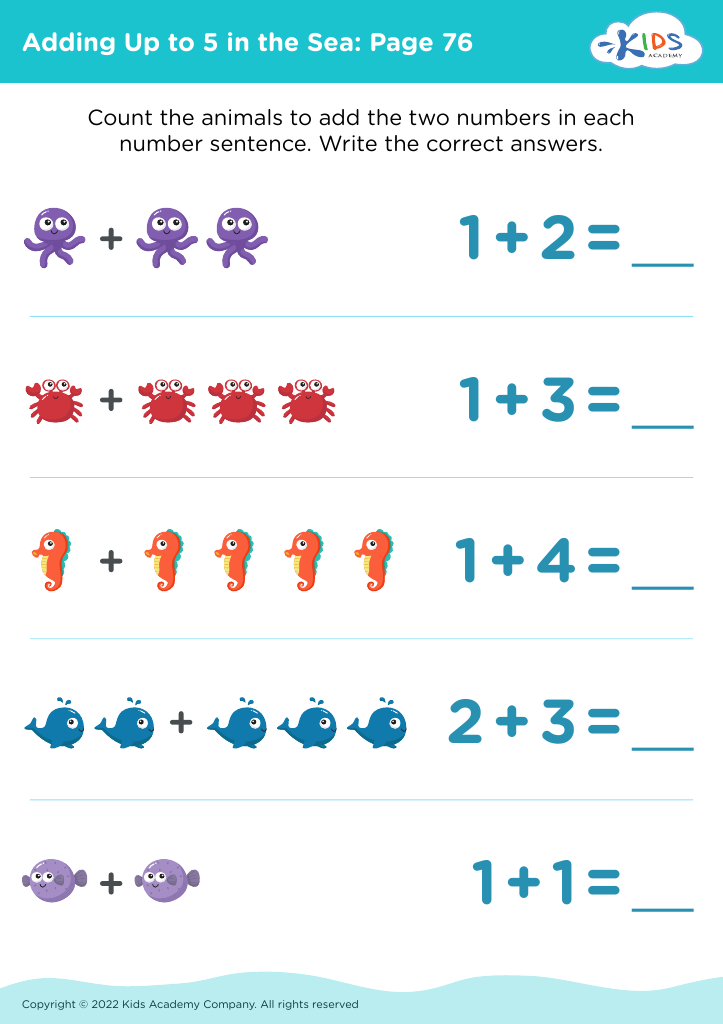
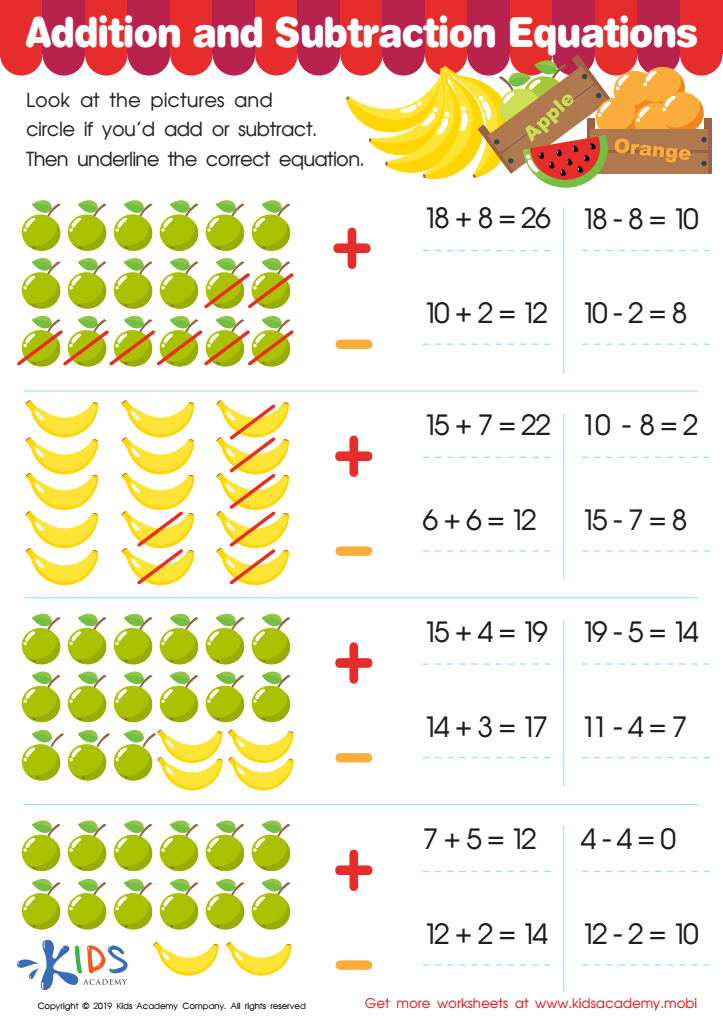
Addition and Subtraction: Equations Worksheet
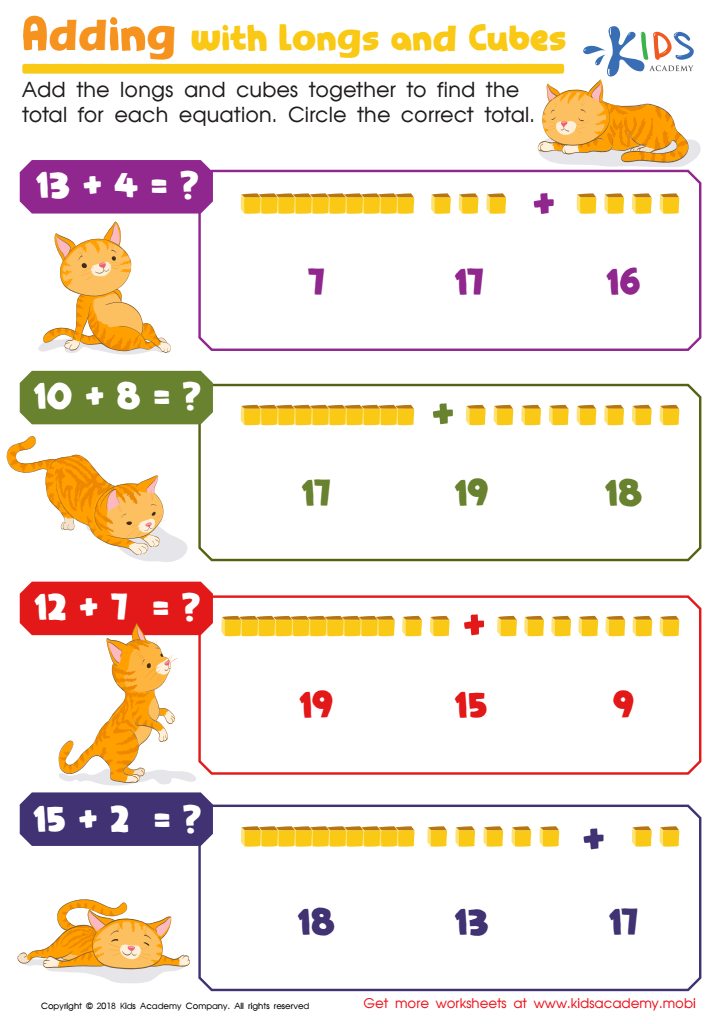
Adding With Longs and Cubes Worksheet
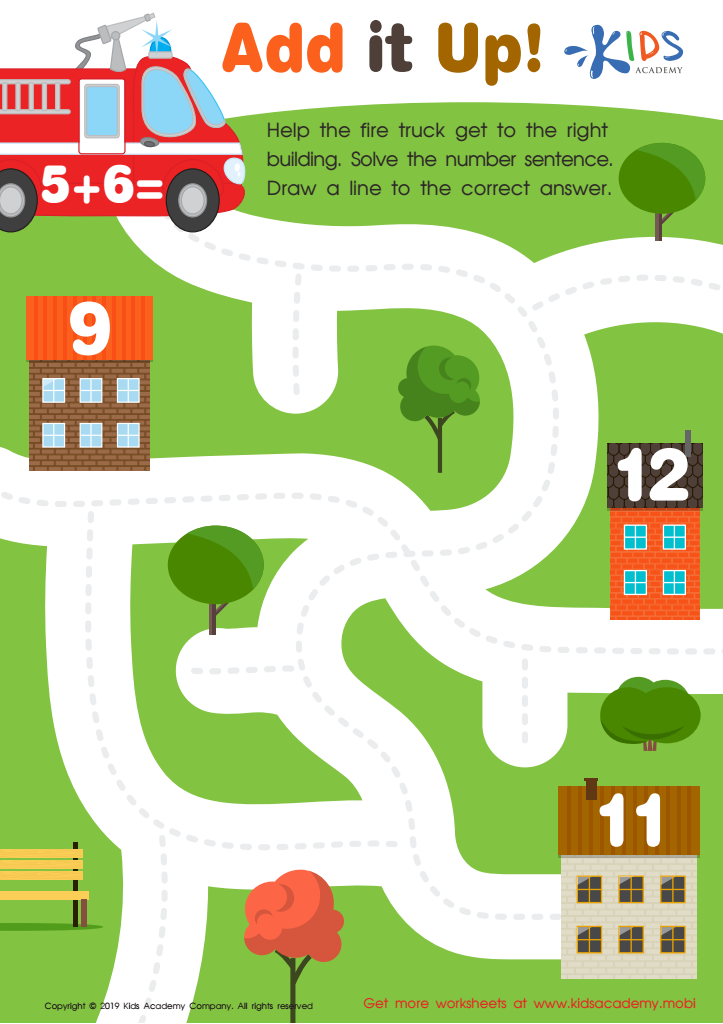
Add it Up Worksheet
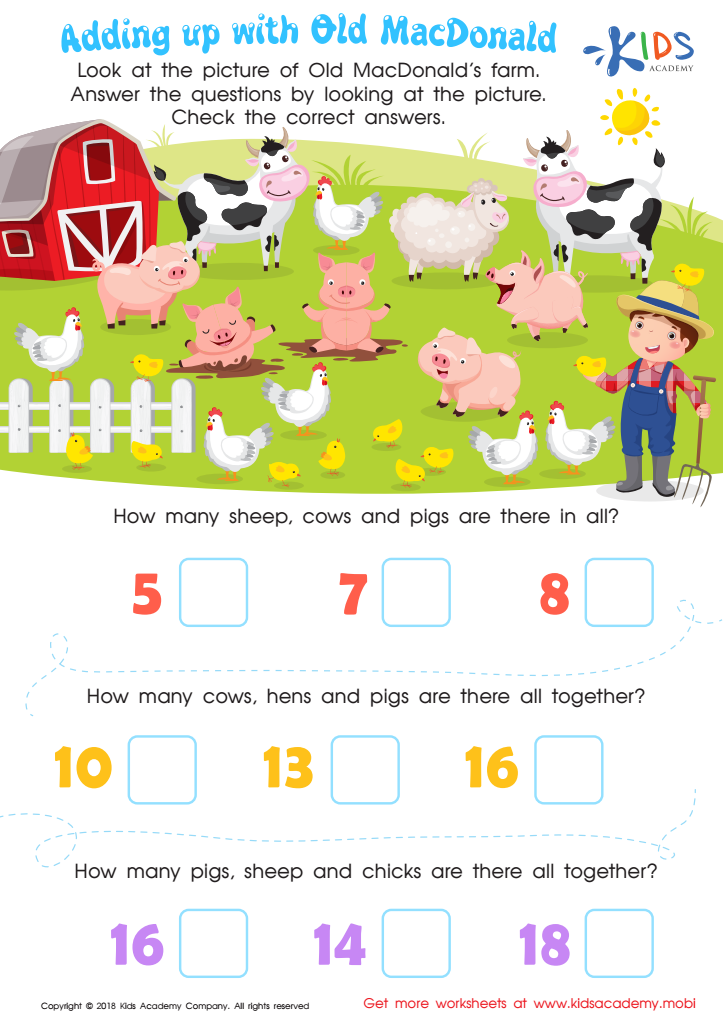
Adding Up with Old MacDonald Worksheet
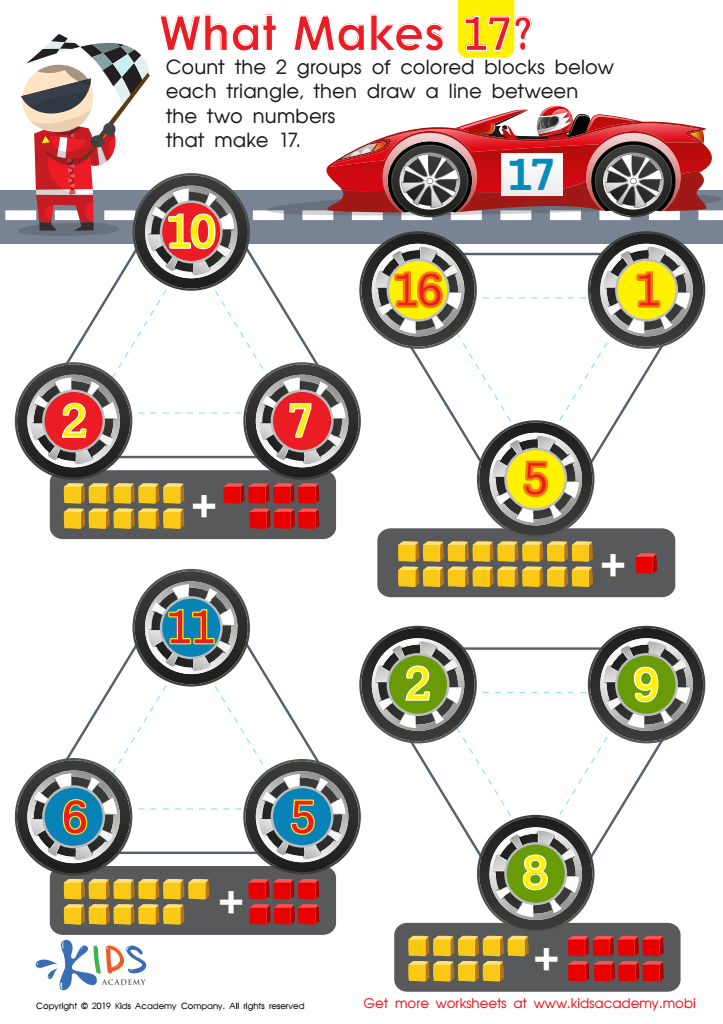
What Makes 17 Worksheet
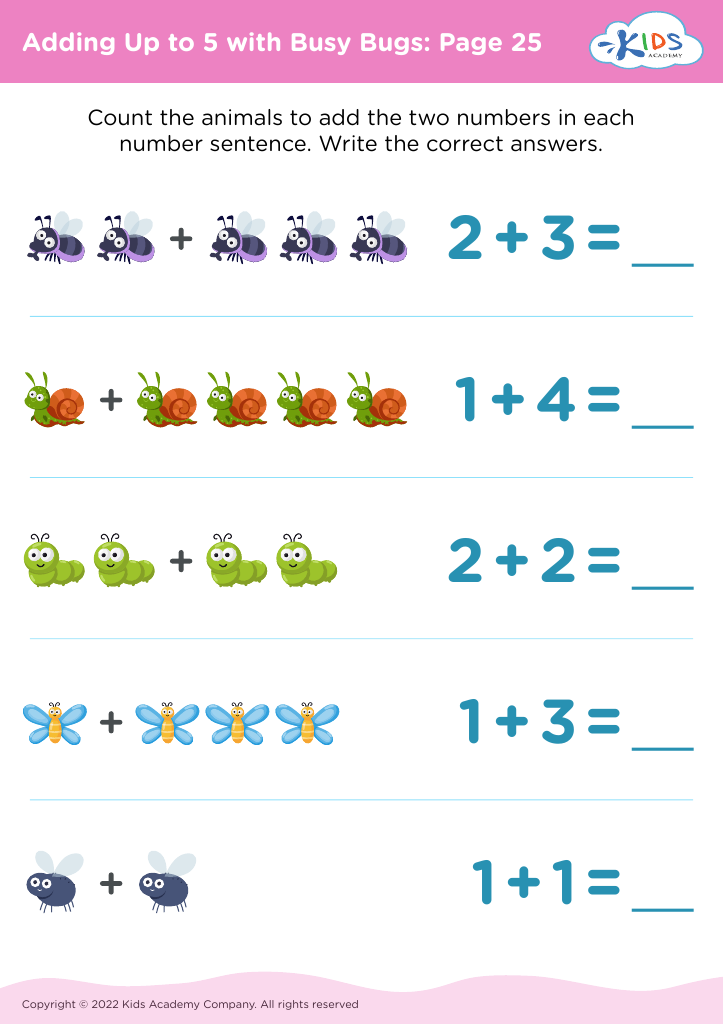
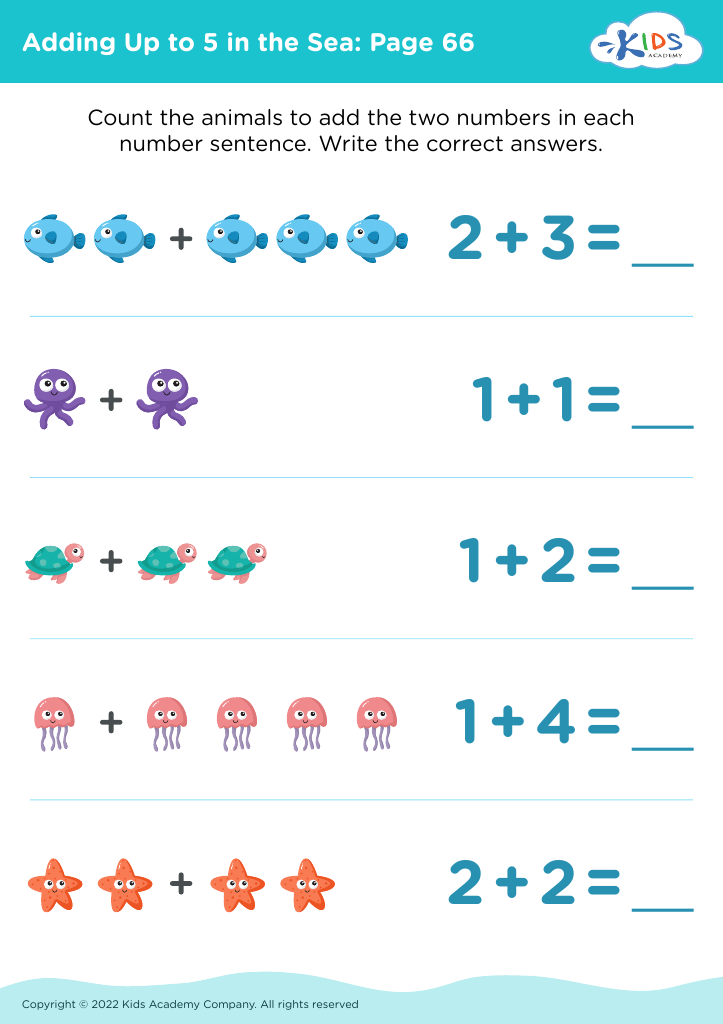
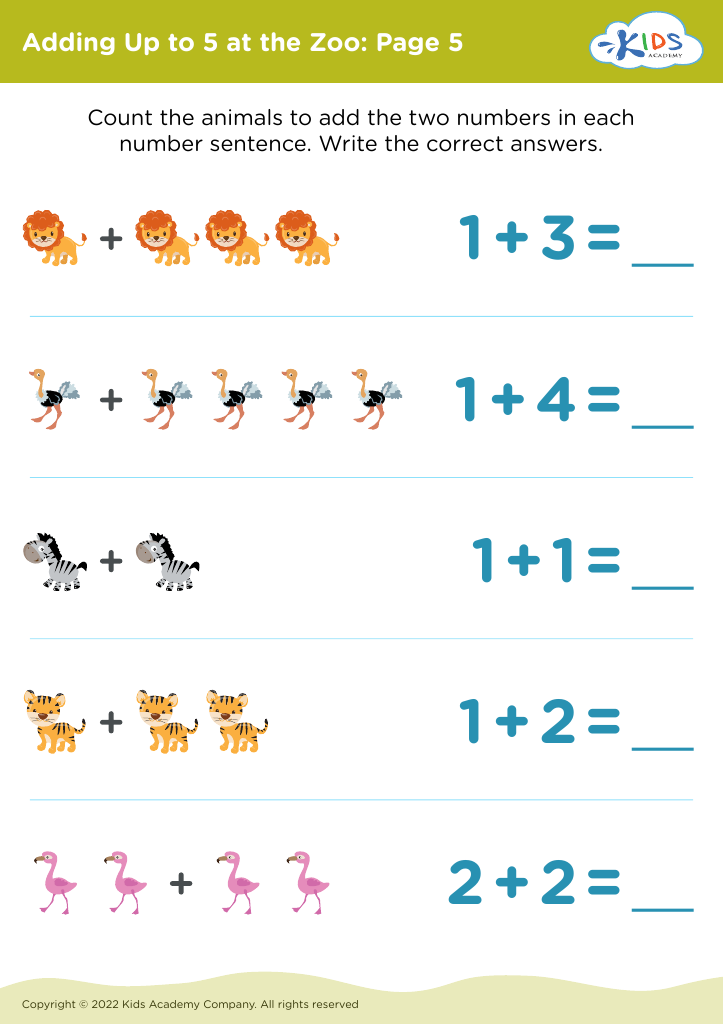
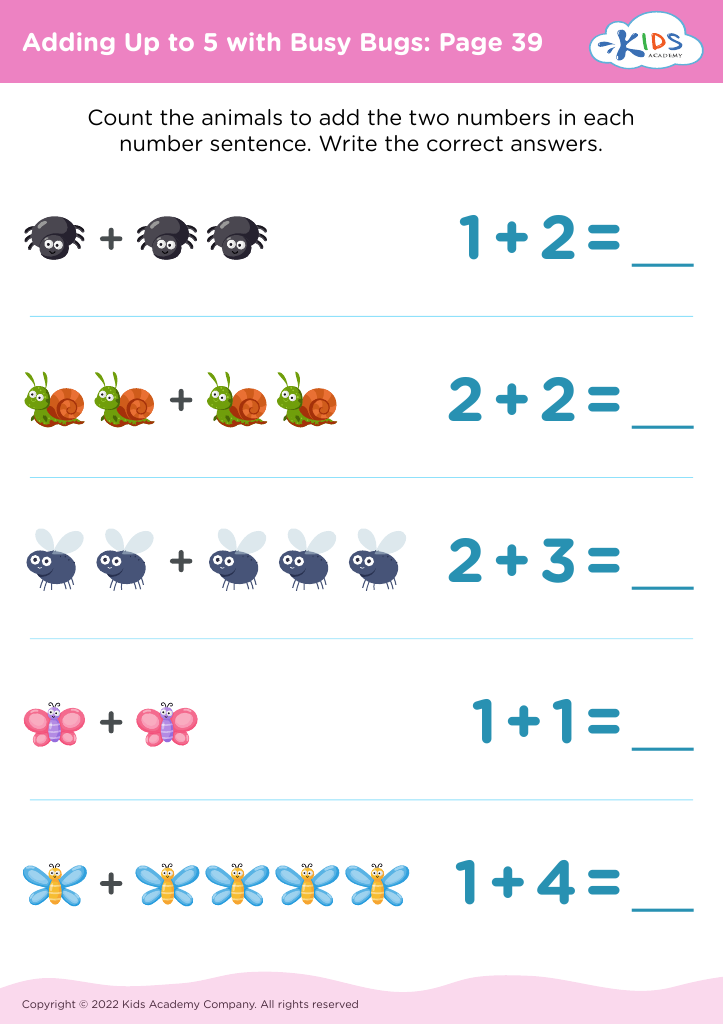
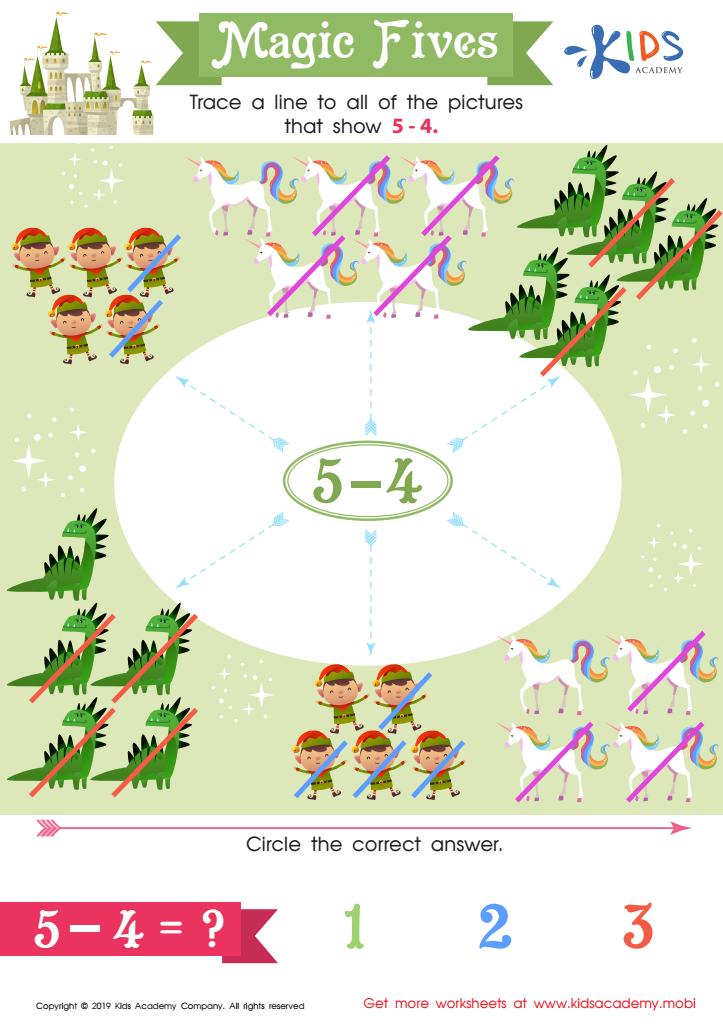
Magic Fives Worksheet







Parents and teachers should prioritize the development of addition and subtraction skills in young children aged 3-6 for several important reasons. First, these foundational math skills enhance critical thinking and problem-solving abilities. Early exposure to numbers enables children to recognize patterns, make logical connections, and develop a sense of quantity, which is essential for more complex mathematical concepts later on.
Additionally, mastering basic addition and subtraction fosters confidence in children’s abilities. When they successfully solve simple math problems, they build self-esteem and an appreciation for learning. This early confidence can positively impact their overall attitude towards school and education.
Incorporating addition and subtraction in everyday activities—such as counting toys, sharing snacks, or incorporating games—makes learning enjoyable. This approach not only strengthens their math skills but also instills a love for learning and curiosity.
Moreover, these skills serve as a foundation for future academic success. Proficiency in addition and subtraction is linked to a deeper understanding of more advanced math topics in the future. Understanding these fundamental concepts also supports children's cognitive development, laying the groundwork for lifelong learning. Thus, fostering addition and subtraction skills during this critical developmental phase benefits children far beyond the classroom.








