Problem-Solving Skills Addition & Subtraction Worksheets for Ages 3-6 - Page 3
113 filtered results
-
From - To
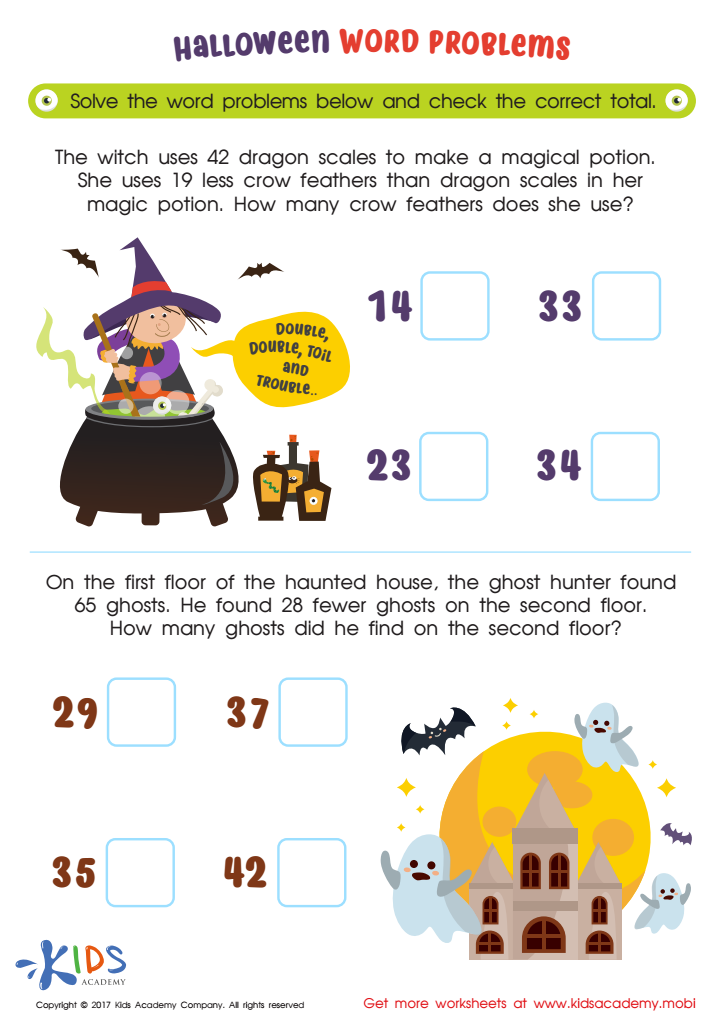
Halloween Word Problems Printable
 Assign to My Students
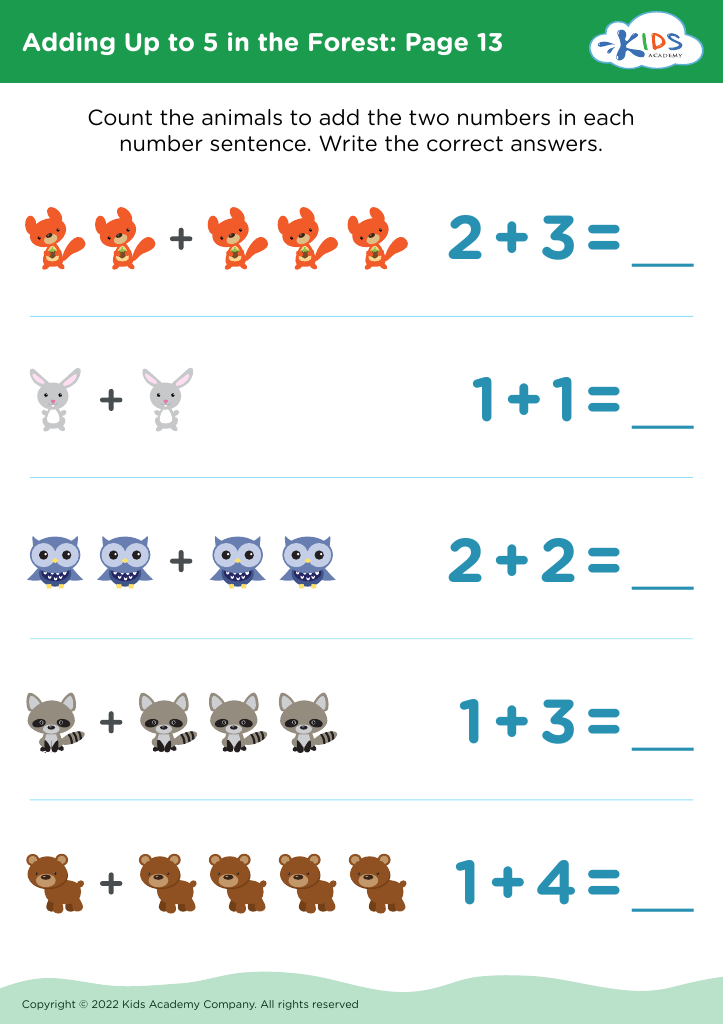
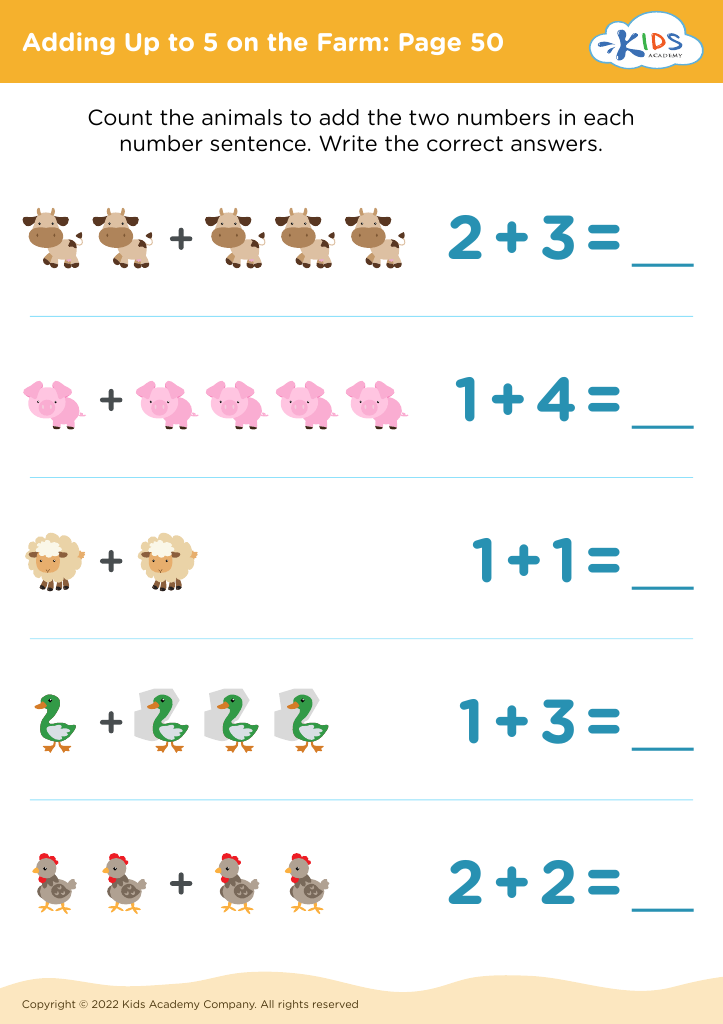
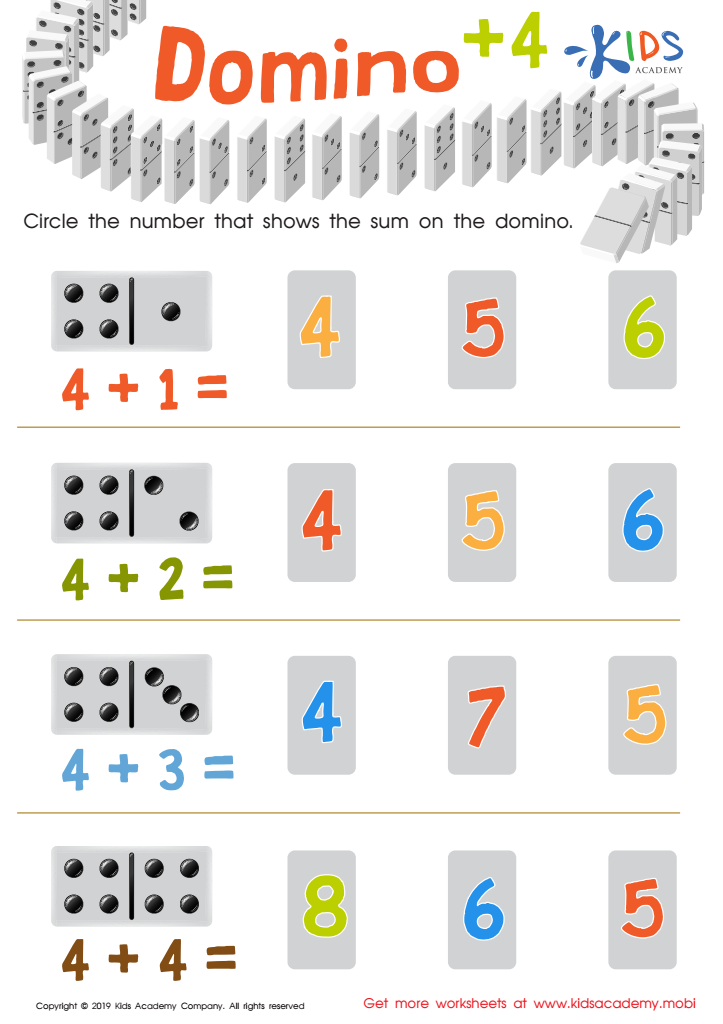
Domino +4 Worksheet
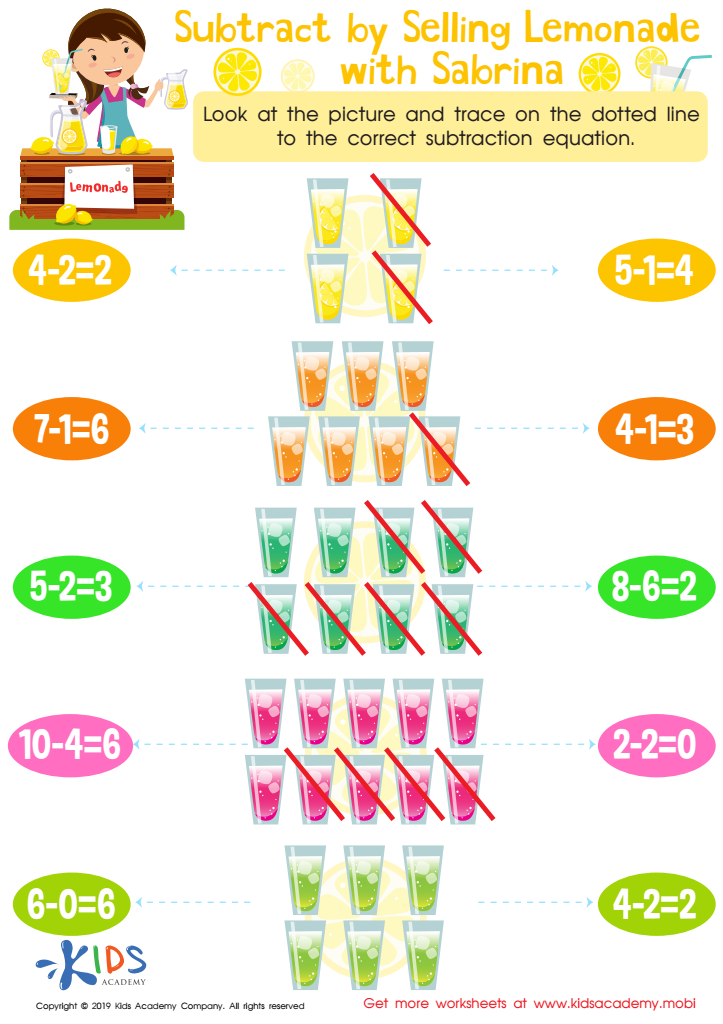
Subtract by Selling Lemonade with Sabrina Worksheet
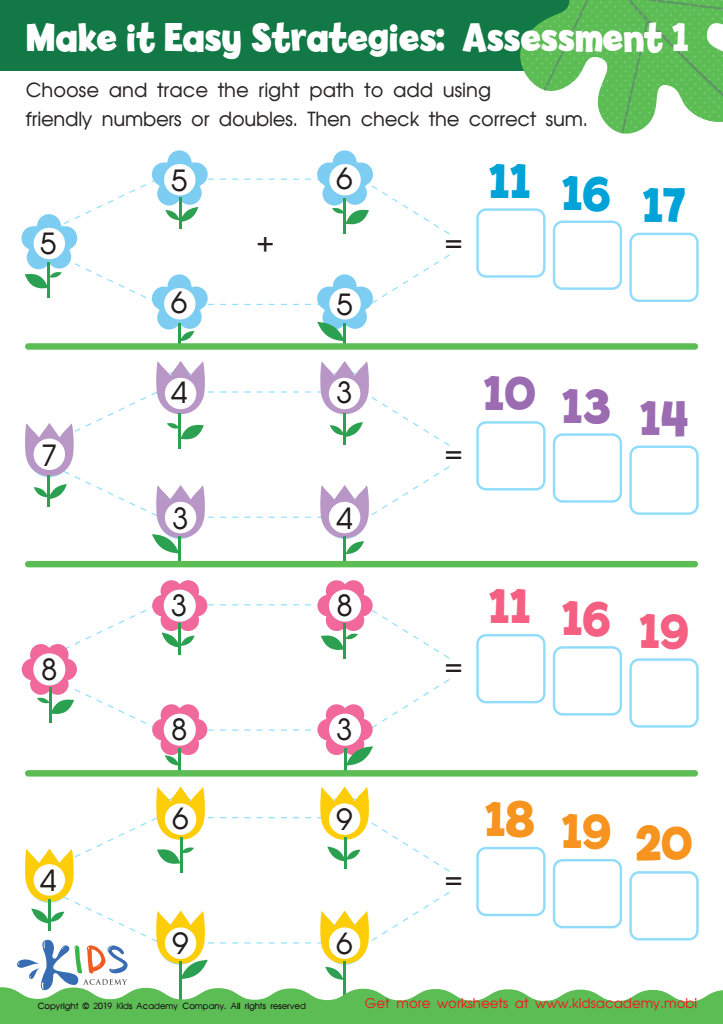
Make it Easy Strategies: Assessment 1 Worksheet
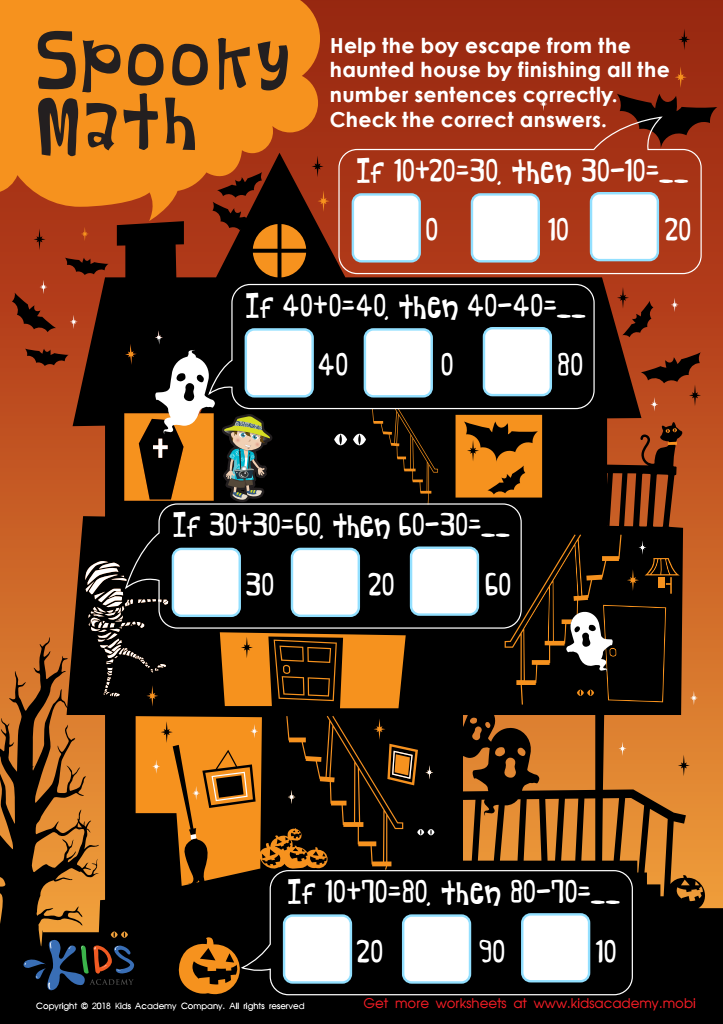
Subtract Tens: Spooky Math Worksheet
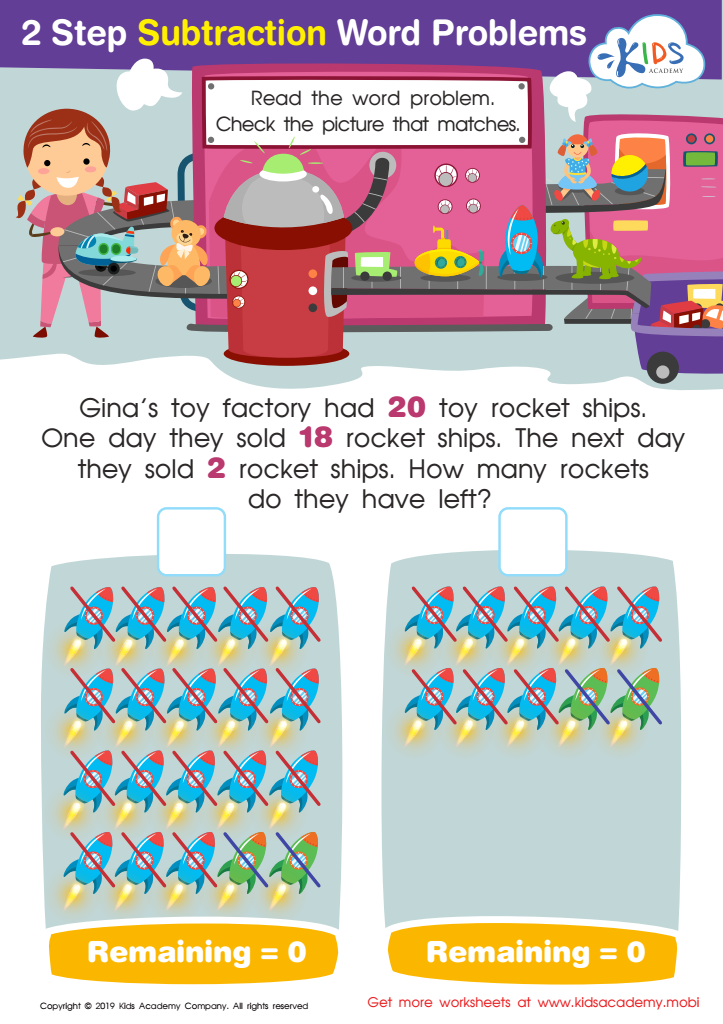
Step Subtraction Word Problems Worksheet
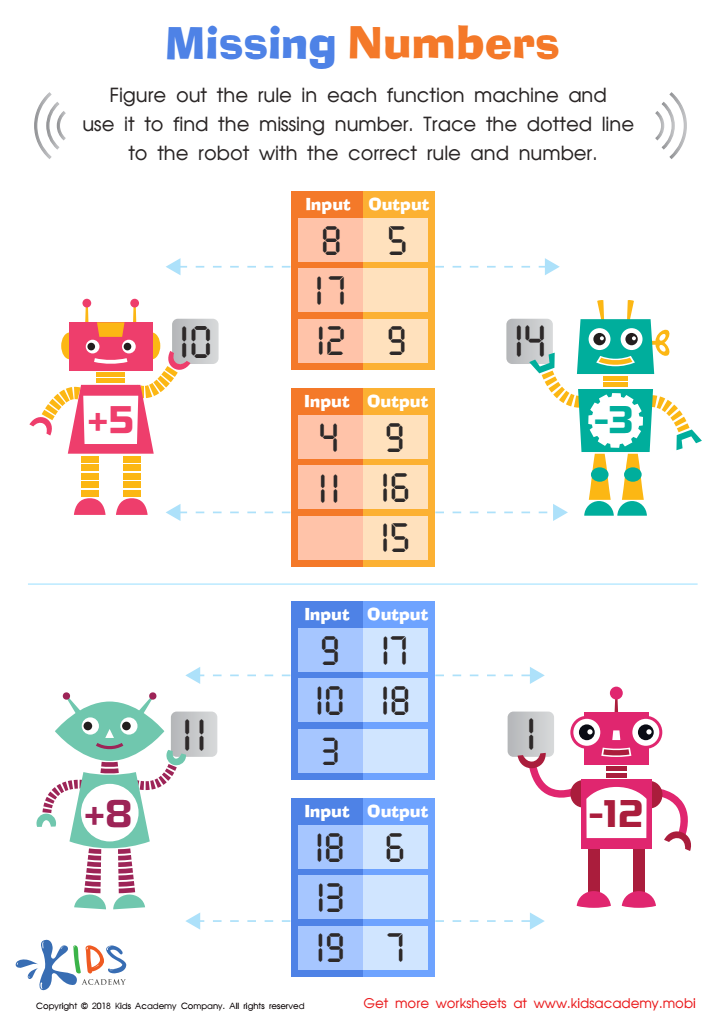
Missing Numbers Worksheet
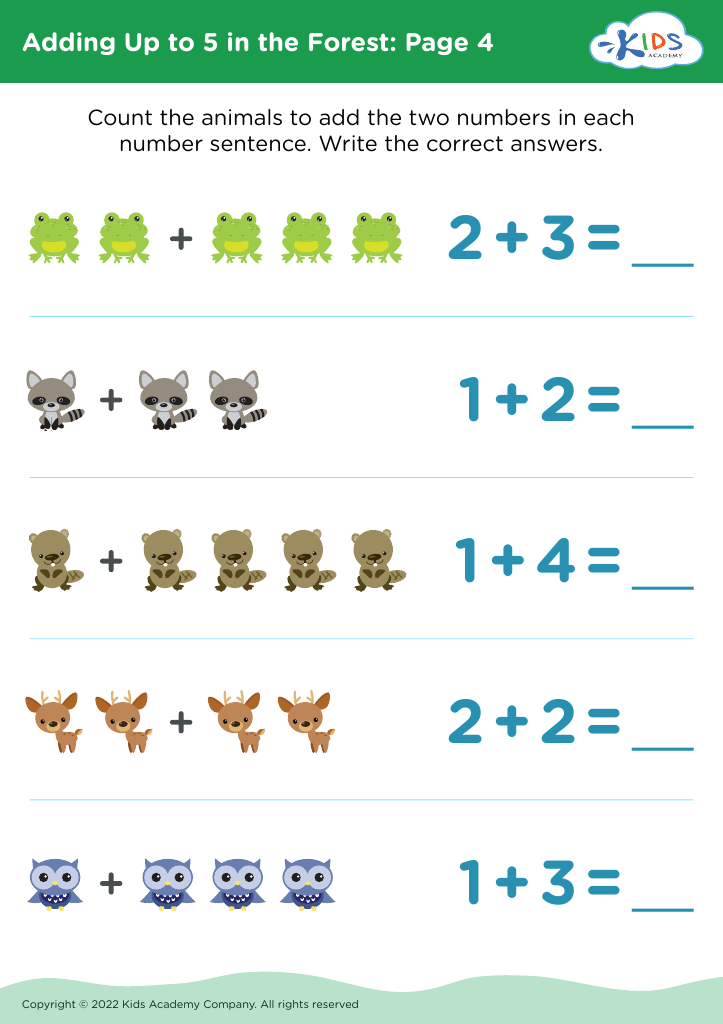
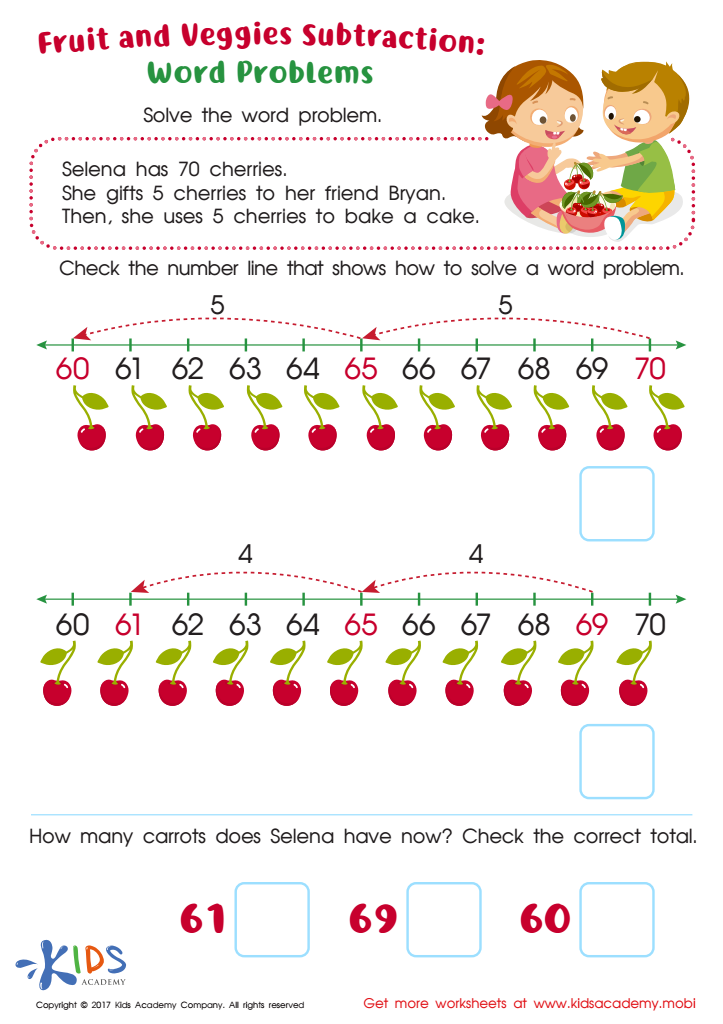
Subtraction Word Problems Free Printable
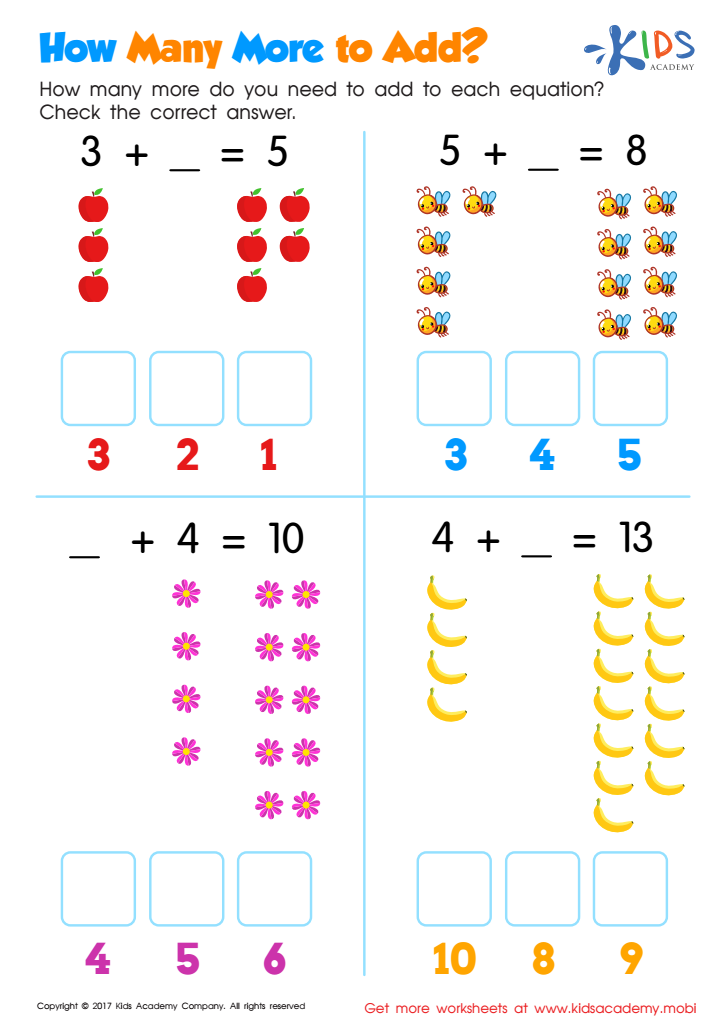
How Many More to Add Worksheet
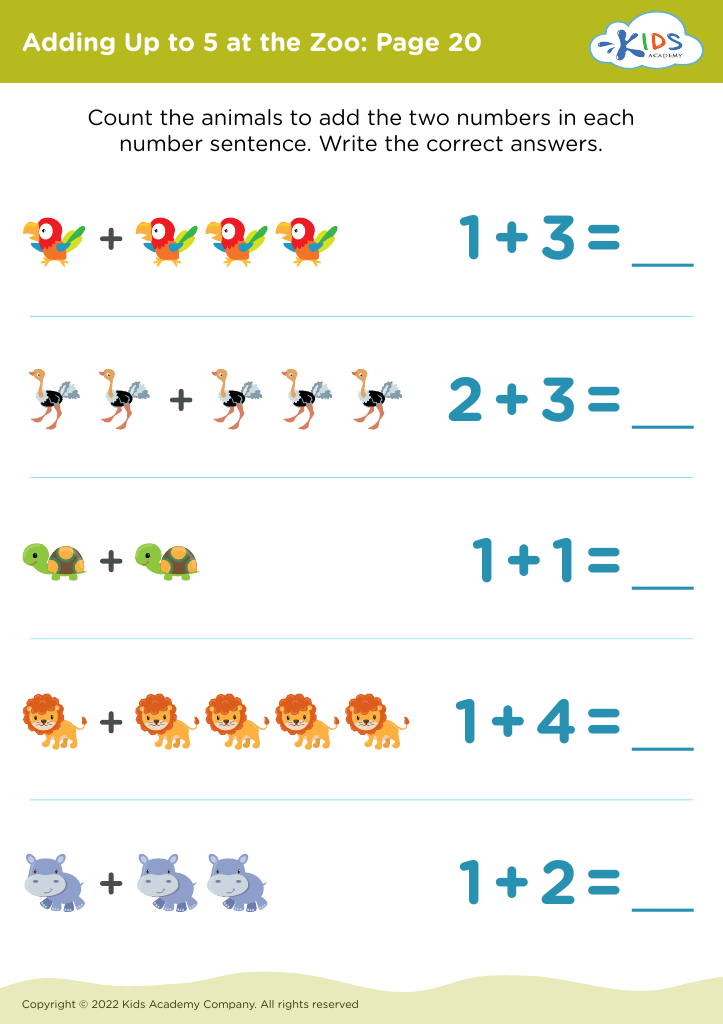
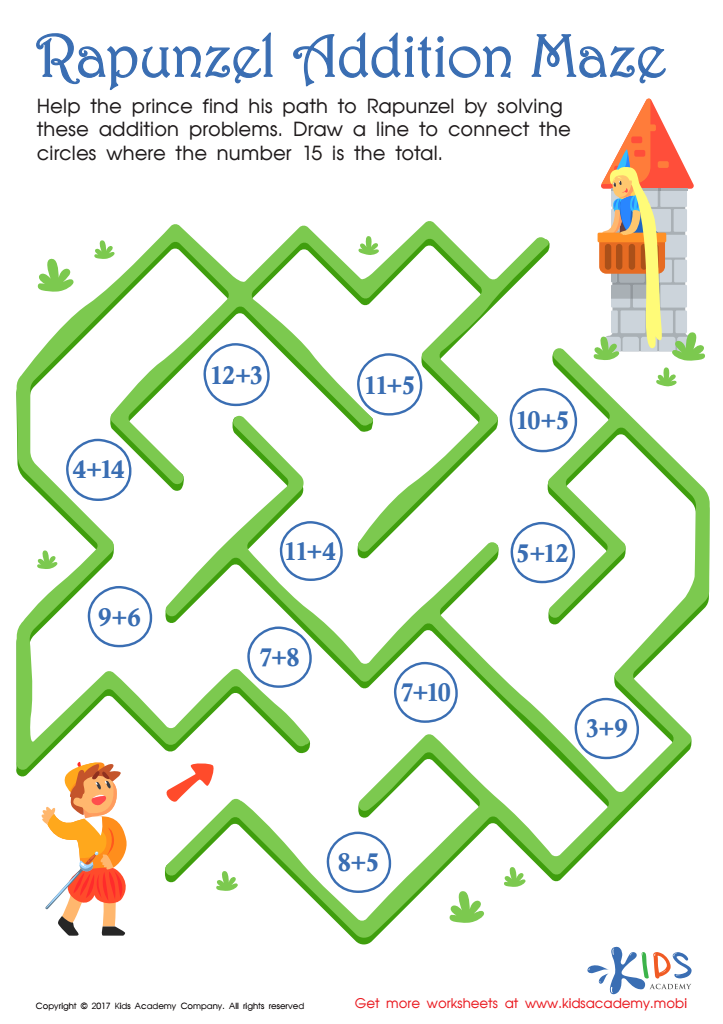
Rapunzel Addition Maze Worksheet
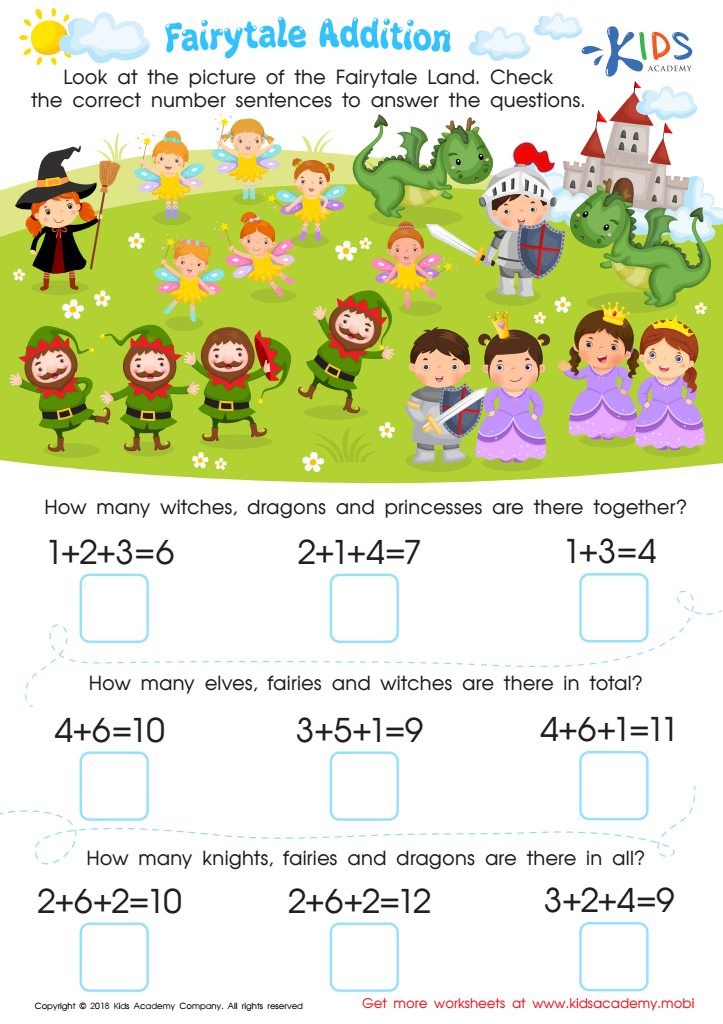
Fairytale Addition Worksheet
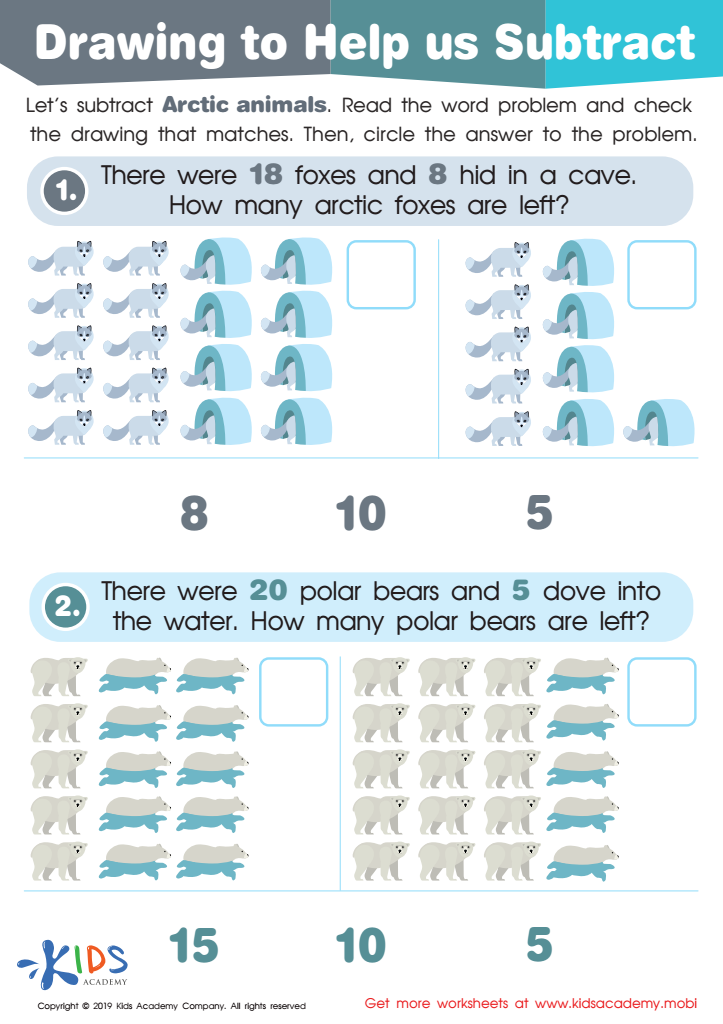
Drawing to Help Us Subtract Worksheet
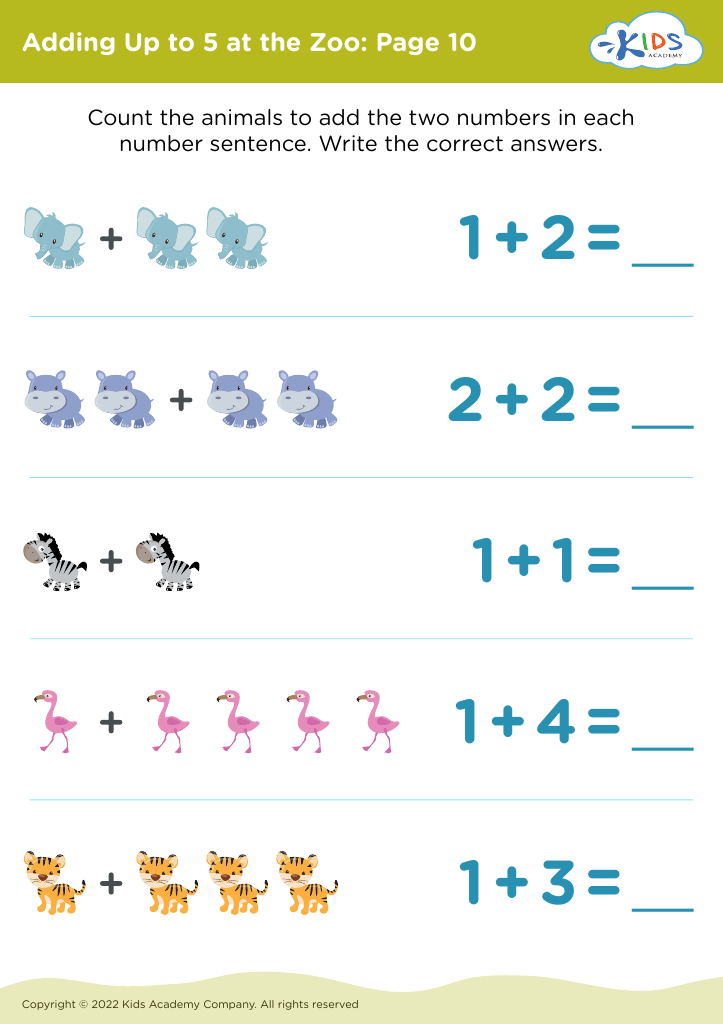
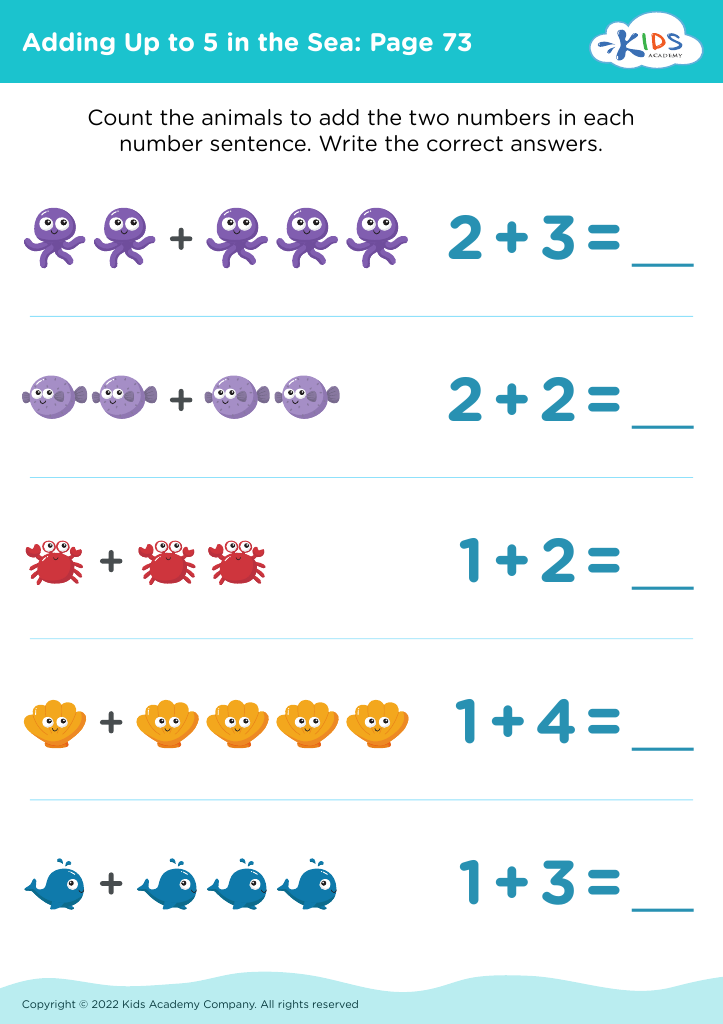
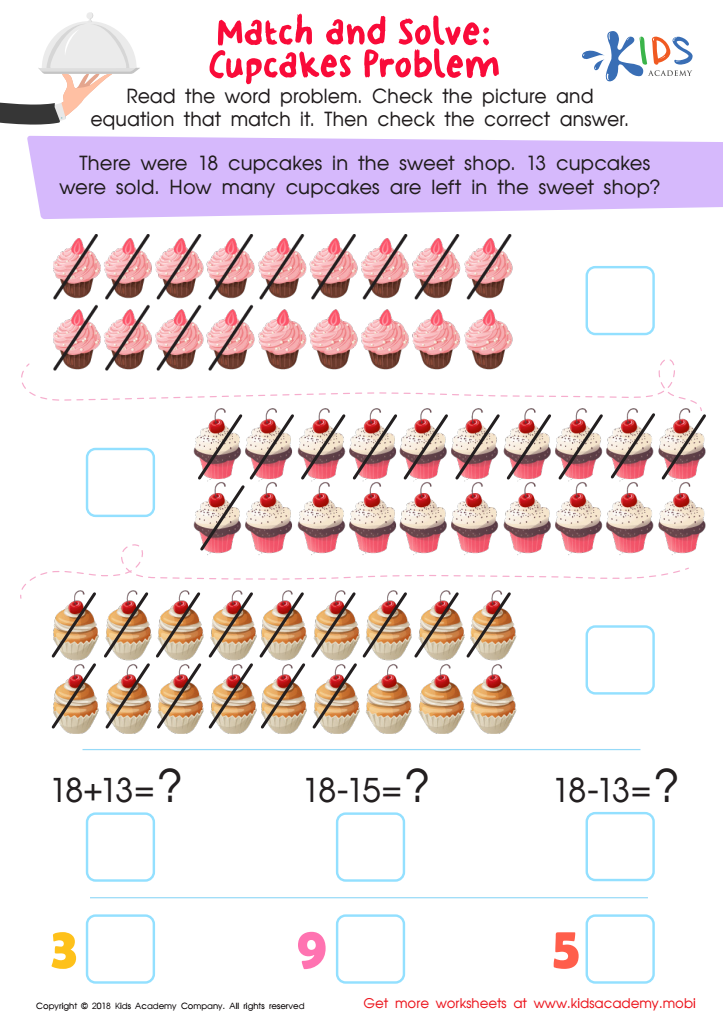
Match and Solve: Cupcakes Problem Worksheet
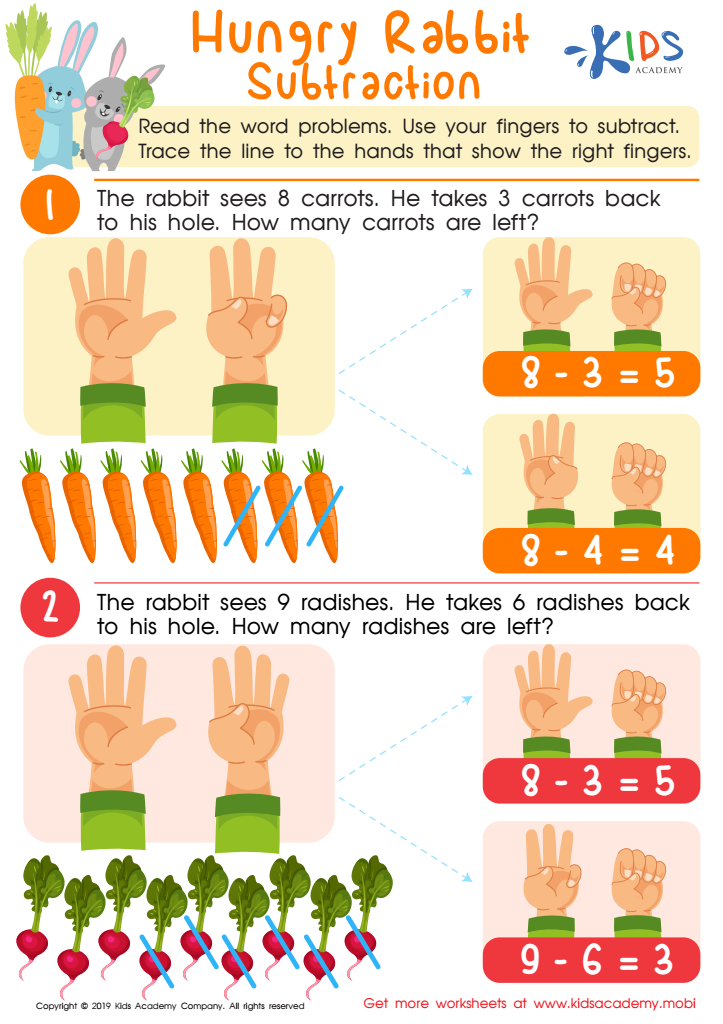
Hungry Rabbit Subtraction Worksheet
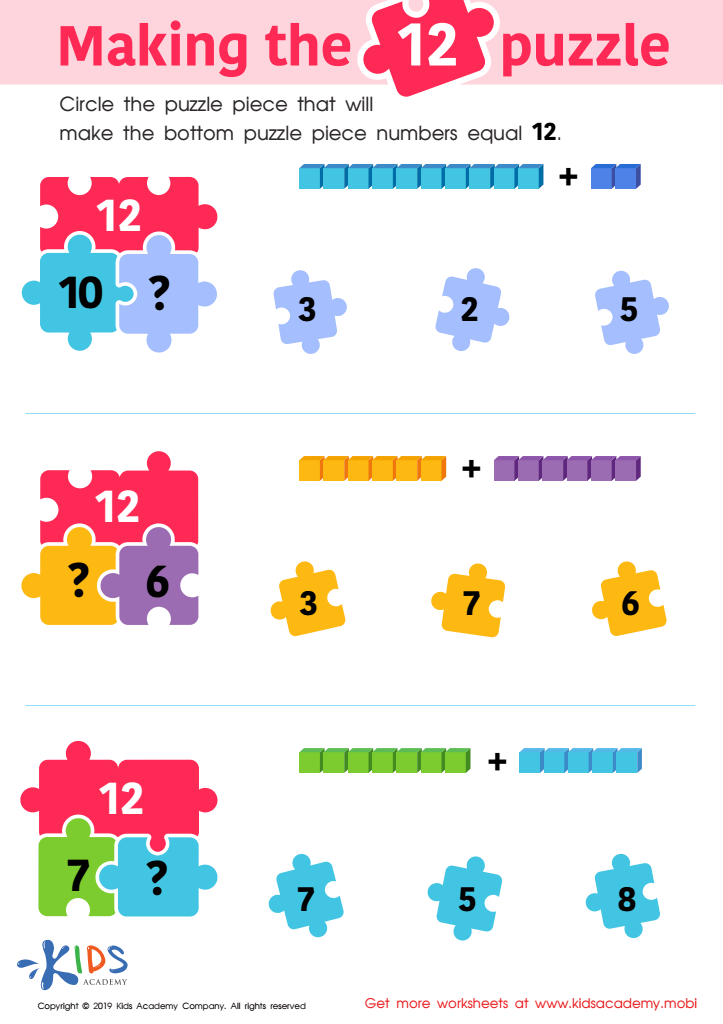
Making the 12 Puzzle Worksheet








Problem-solving skills in addition and subtraction for children aged 3-6 lay a crucial foundation for their cognitive development and future academic success. At this formative stage, the brain is highly receptive to learning, making it an ideal time to introduce basic mathematical concepts in engaging and accessible ways.
Firstly, learning addition and subtraction enhances numerical literacy. Children begin to understand the concepts of quantity, balance, and the arithmetic principles that form the basis of more advanced mathematics. This early exposure helps them develop a natural affinity for numbers and patterns.
Moreover, problem-solving using addition and subtraction promotes critical thinking and analytical skills. When children solve simple mathematical problems, they learn to approach challenges logically, breaking them down into manageable steps. This empowers them with the confidence to tackle more complex problems both in academic settings and in everyday situations.
Additionally, these skills foster patience and persistence. Through repeated practice, children realize that effort leads to improvement, thereby cultivating a growth mindset that benefits all areas of learning and life.
Interaction with parents and teachers about math problems also promotes bonding and communication. When adults invest time in teaching these skills, children feel supported and encouraged, reinforcing their enthusiasm for learning. Ultimately, early proficiency in addition and subtraction sets the stage for a lifelong journey of curiosity and achievement in mathematics.








