Problem-Solving Skills Addition Worksheets for Ages 3-6 - Page 2
60 filtered results
-
From - To
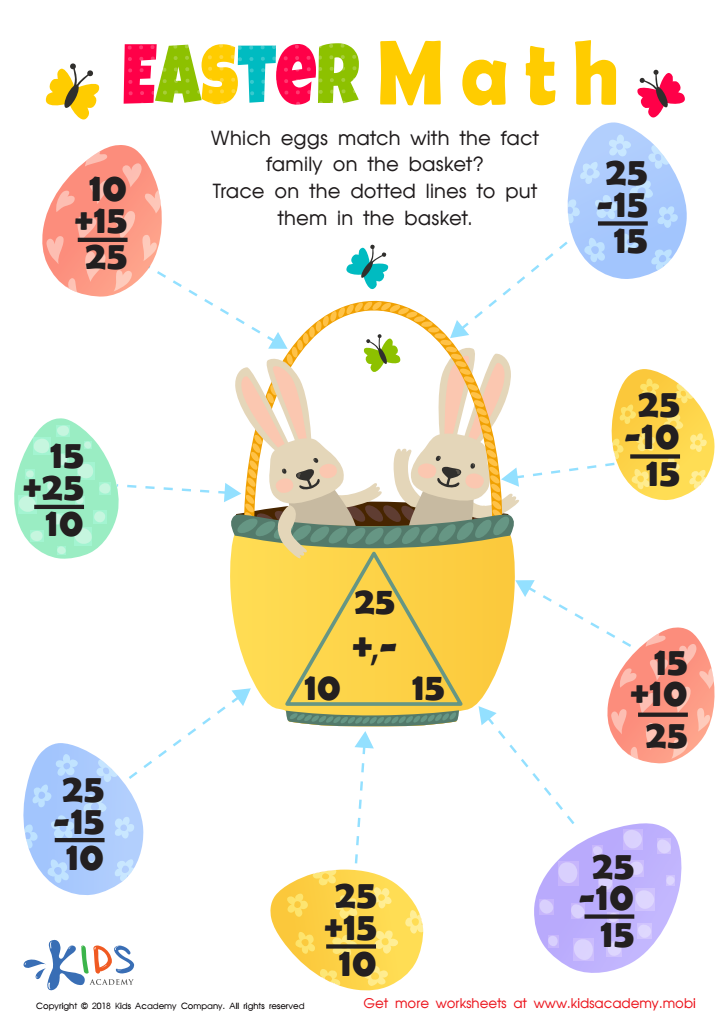
Fact Families: Easter Math Worksheet
 Assign to My Students
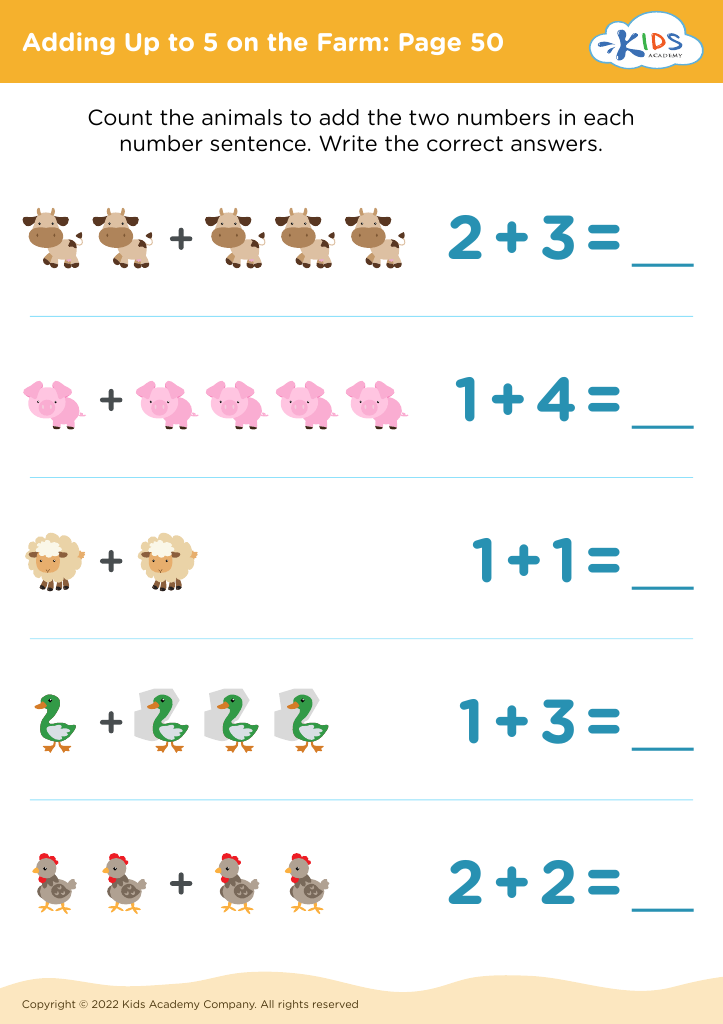
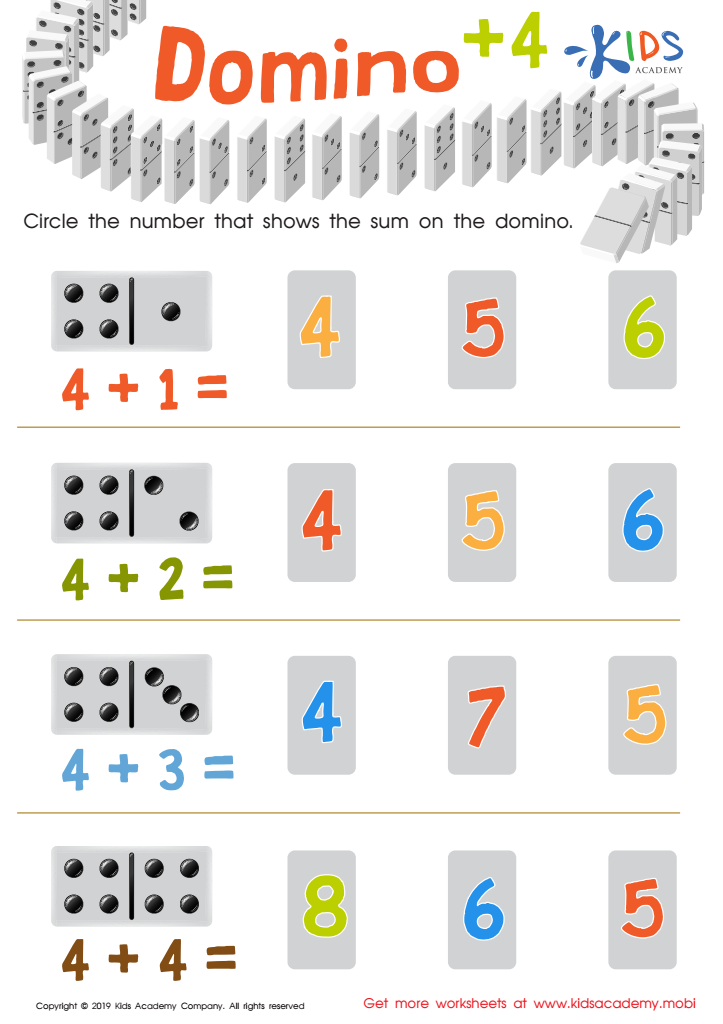
Domino +4 Worksheet
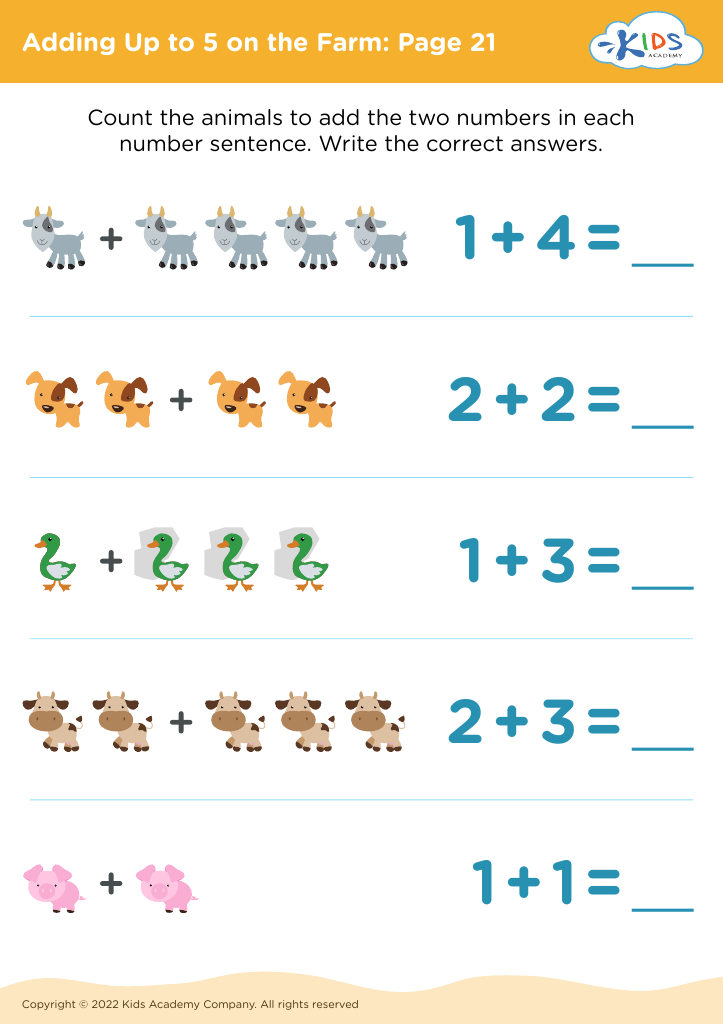
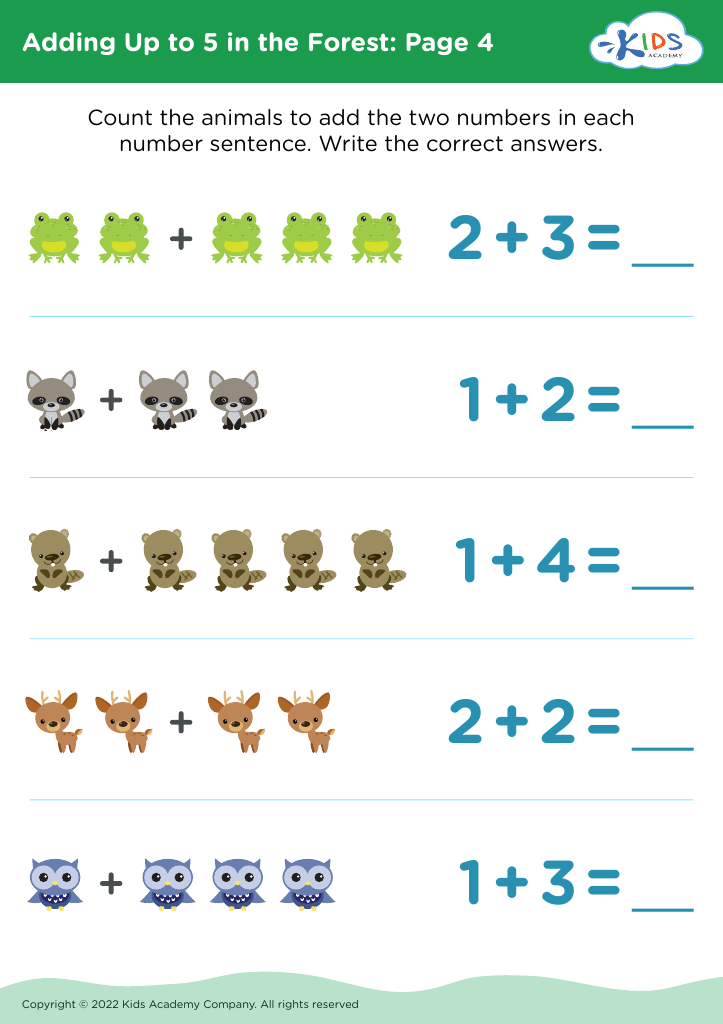
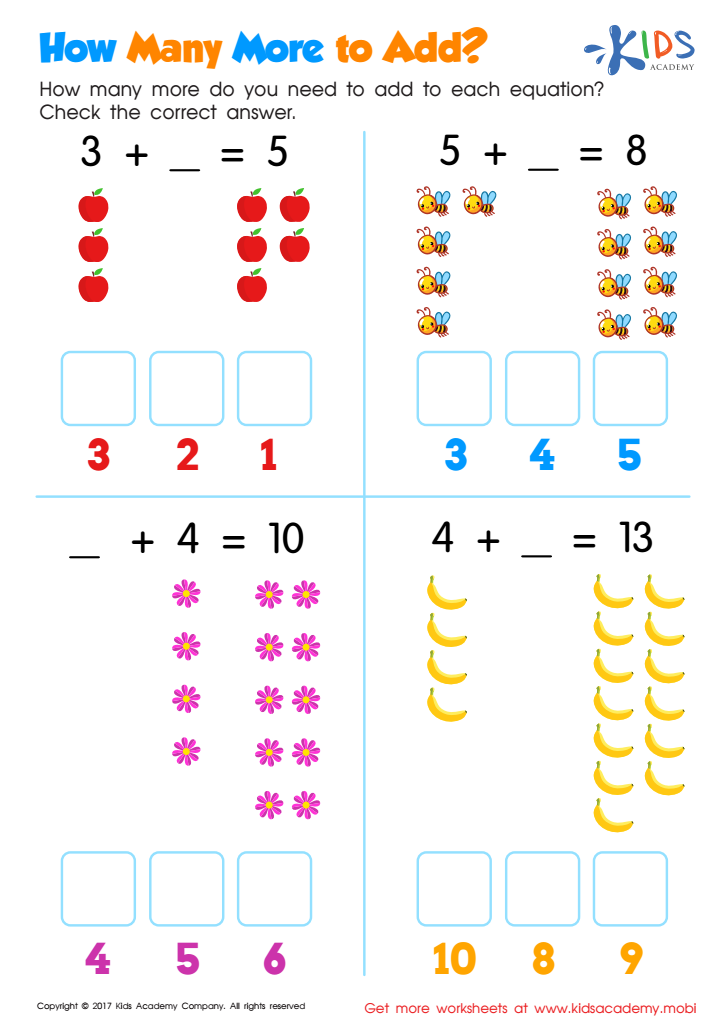
How Many More to Add Worksheet
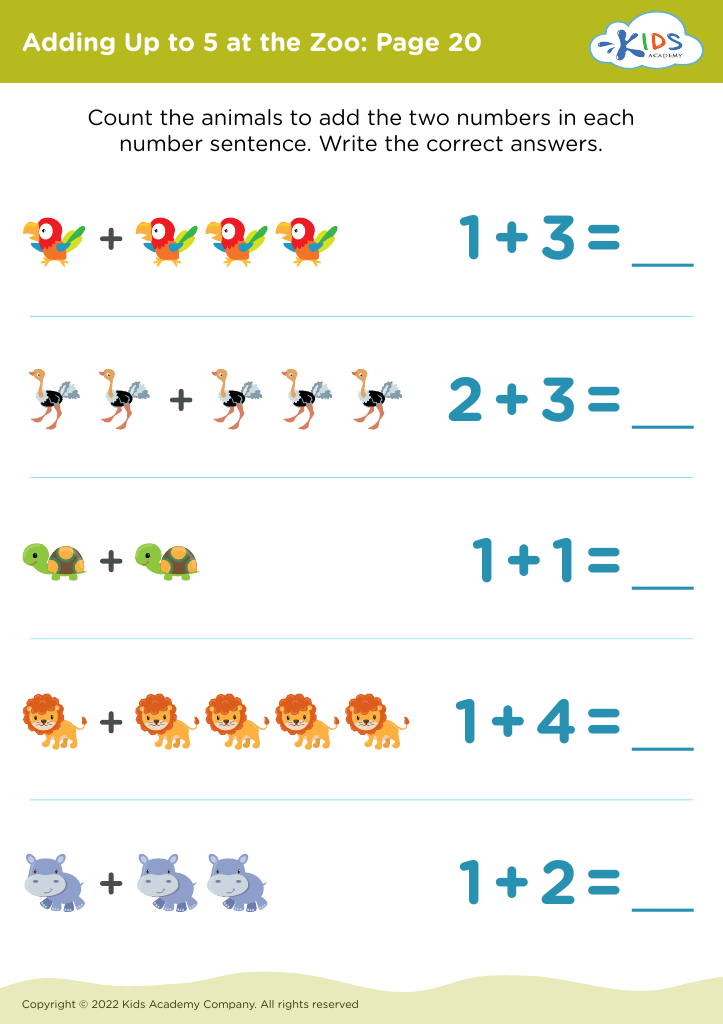
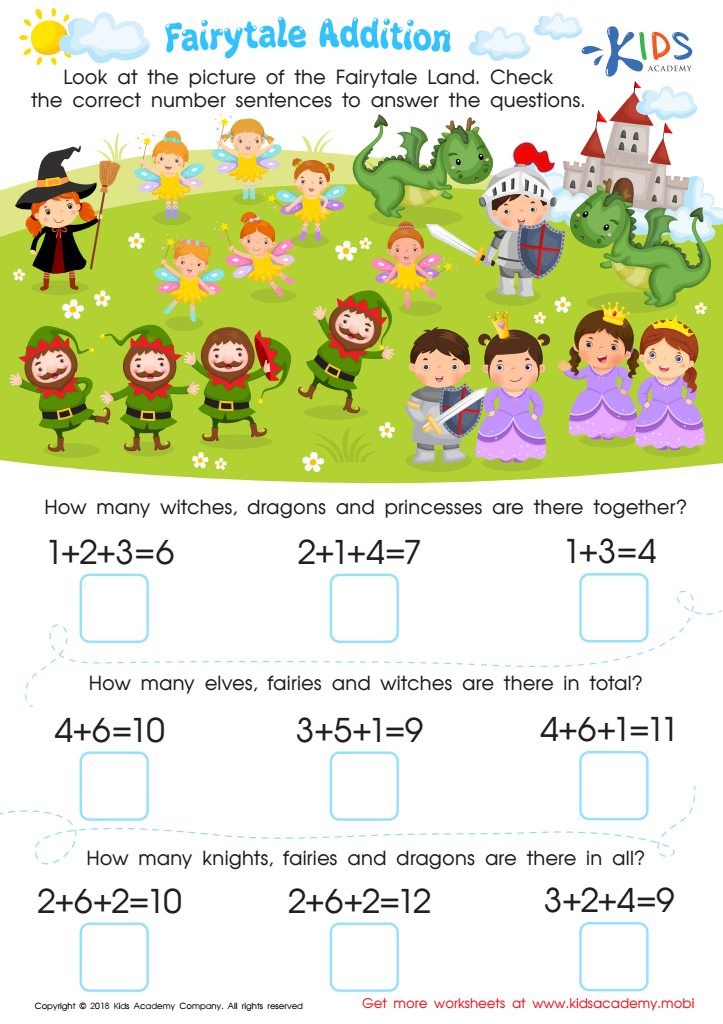
Fairytale Addition Worksheet
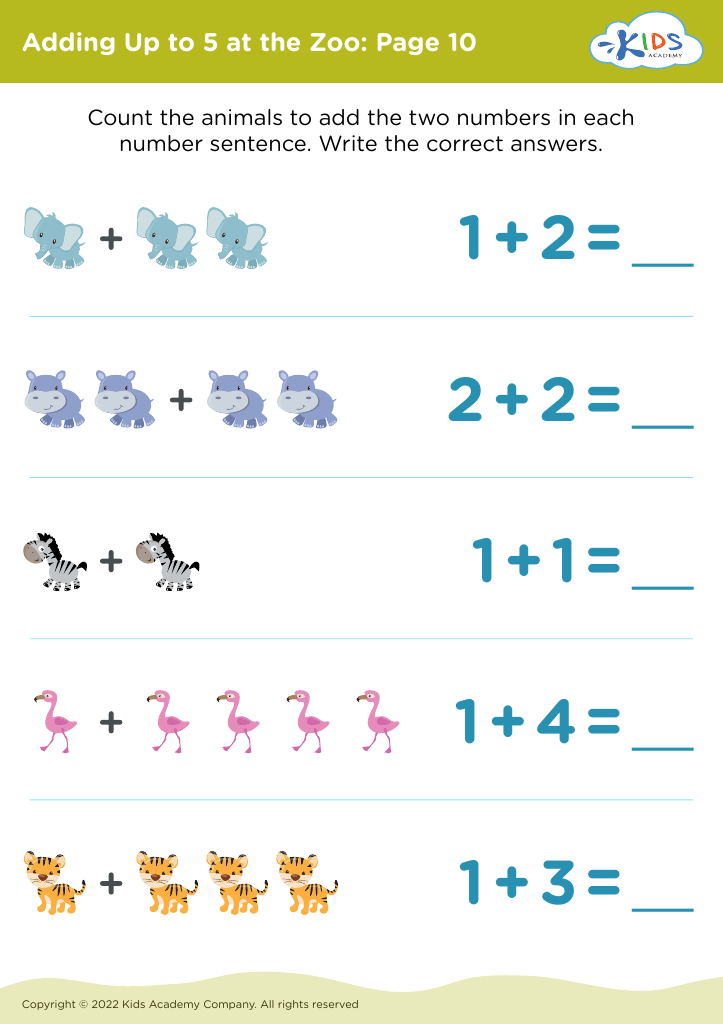
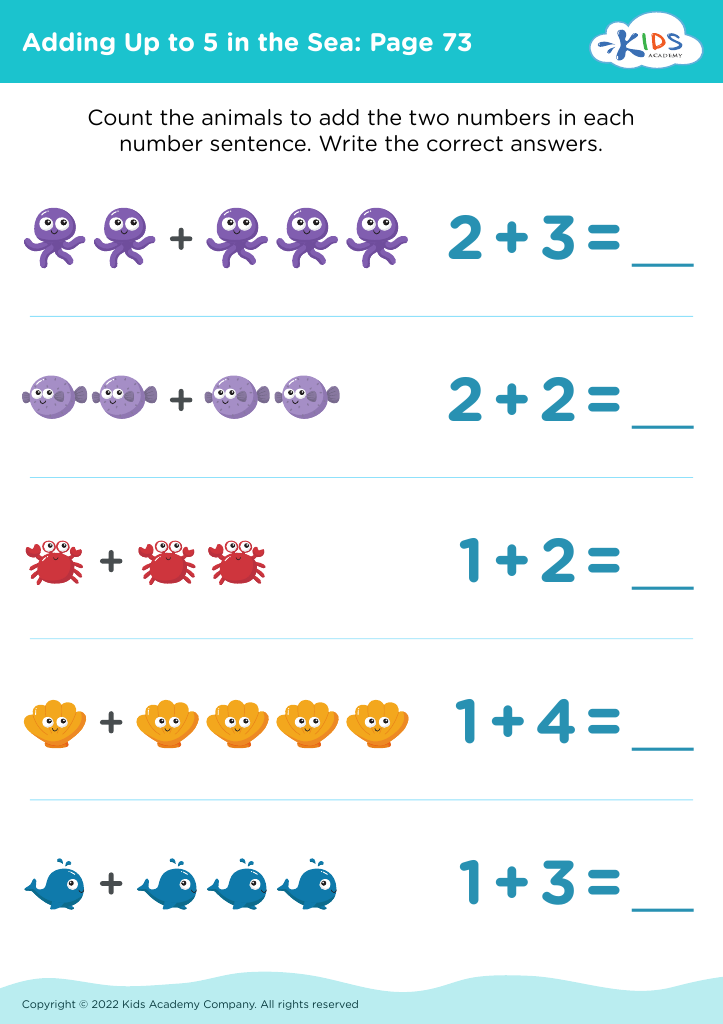
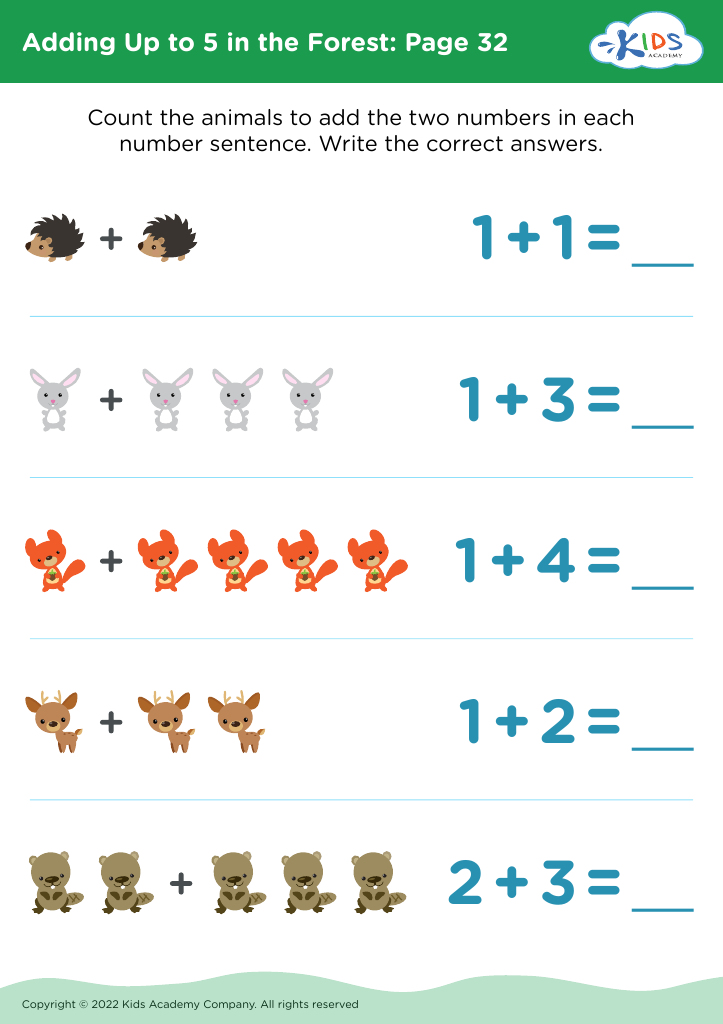
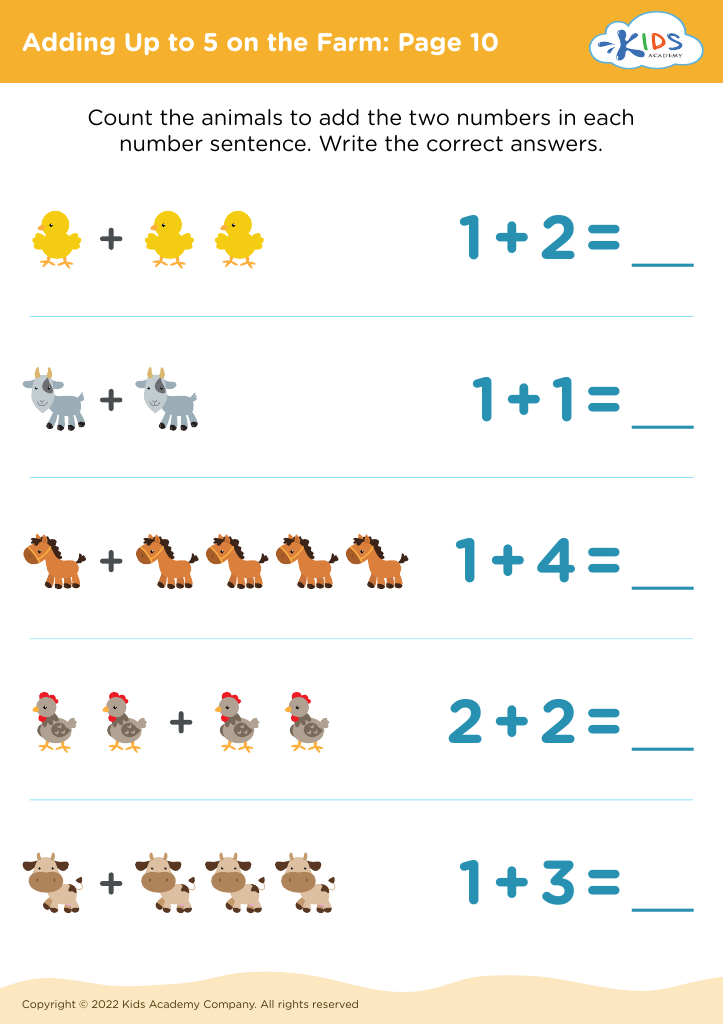
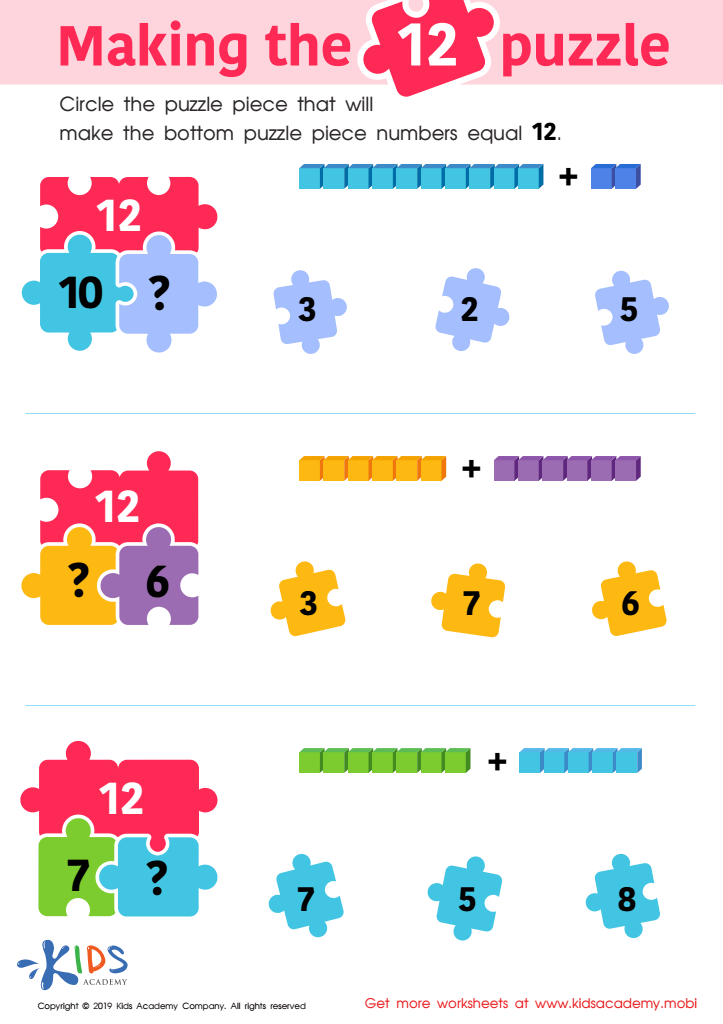
Making the 12 Puzzle Worksheet
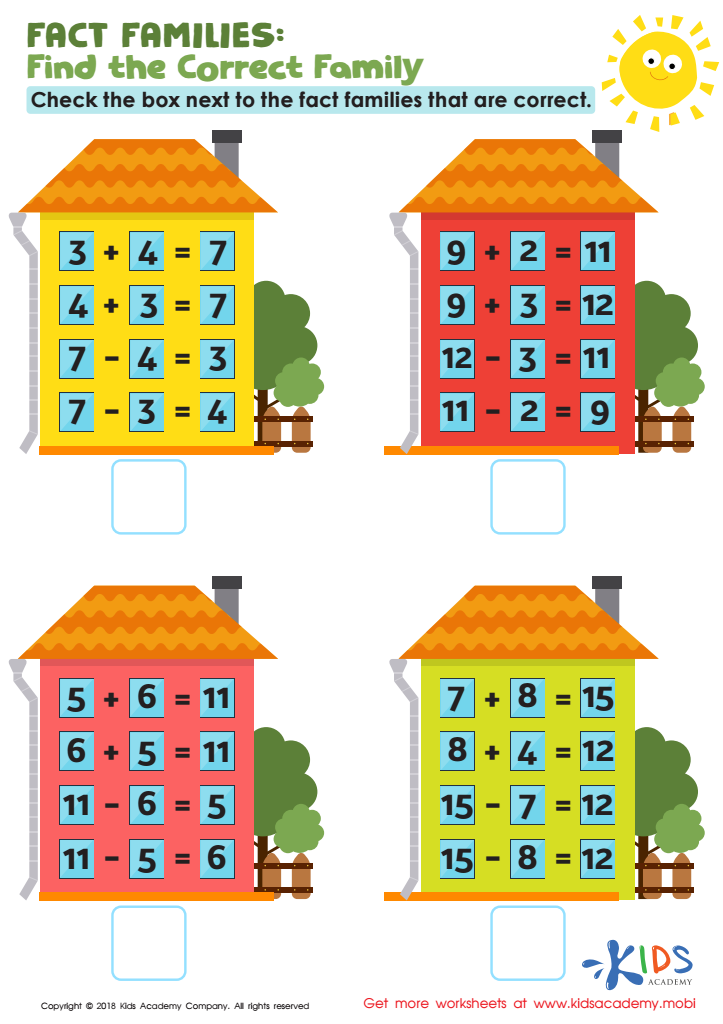
Fact Families: Find Correct Family Worksheet
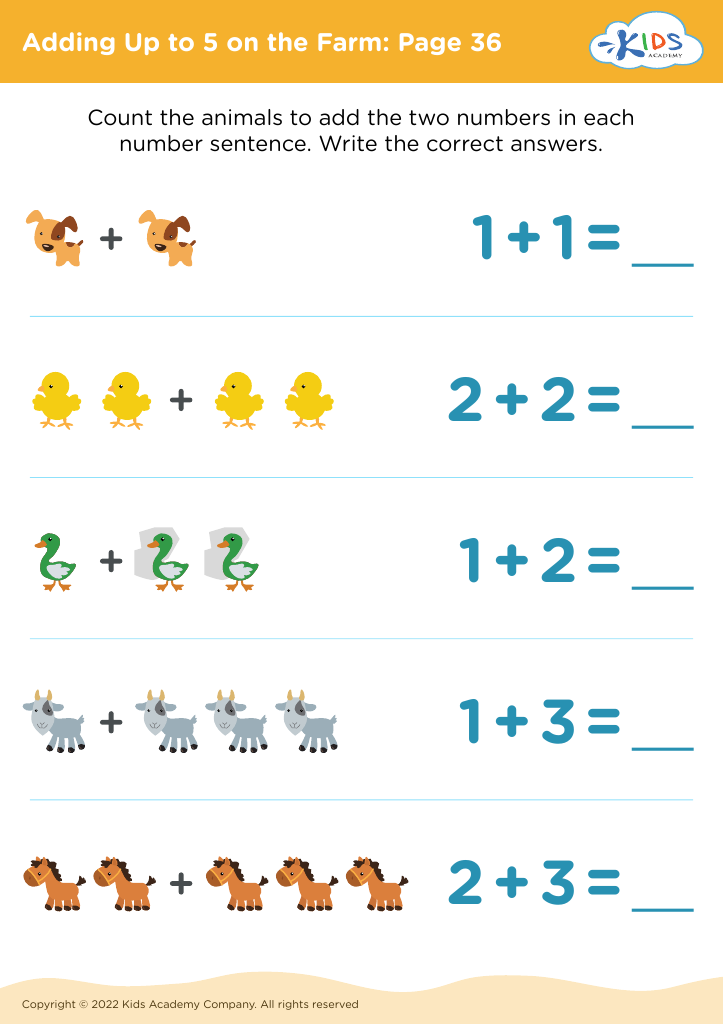
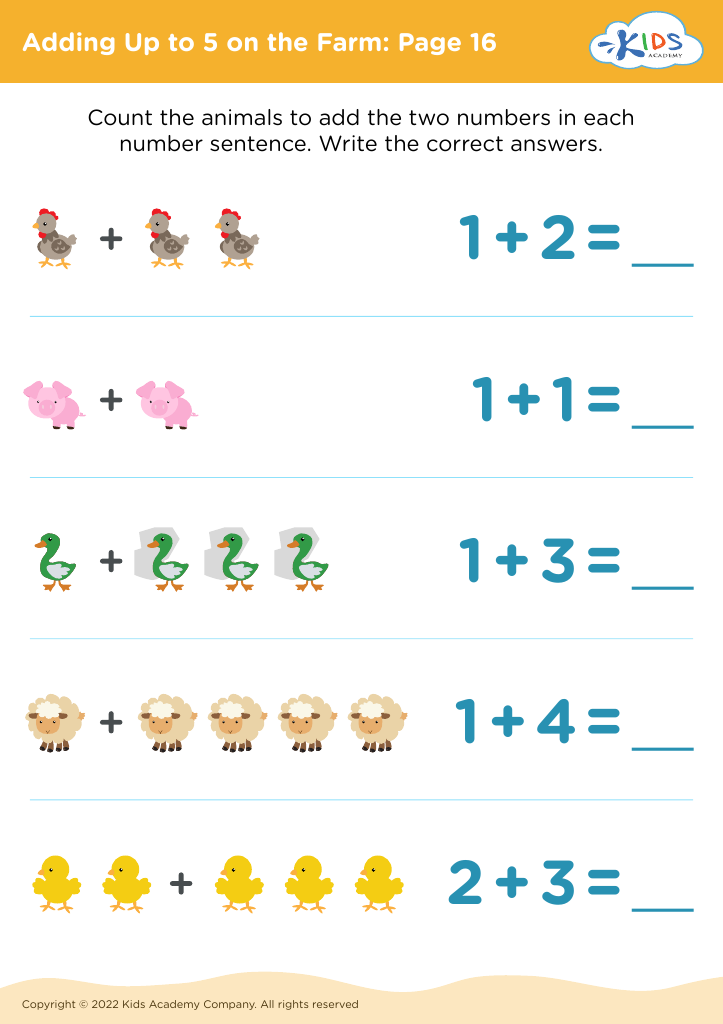
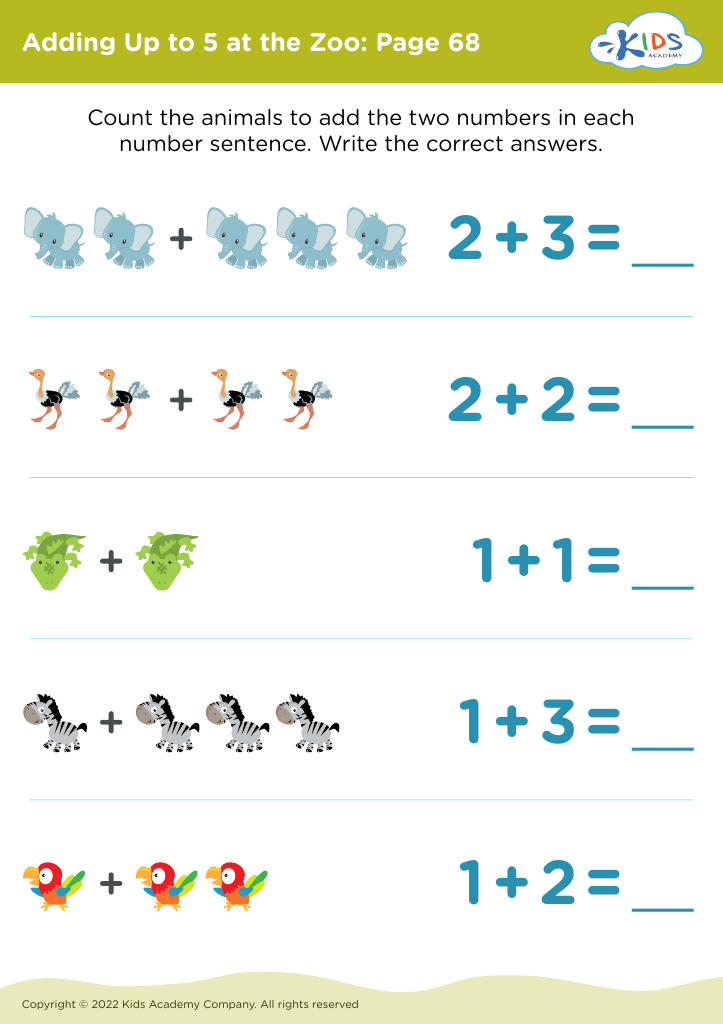
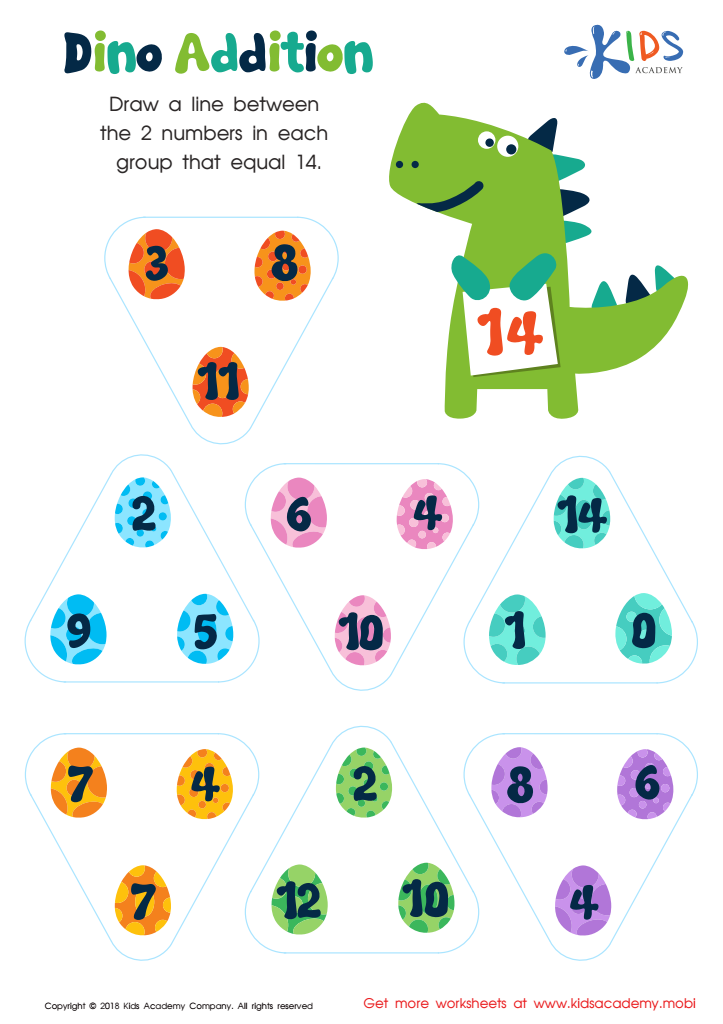
Dino Addition Worksheet
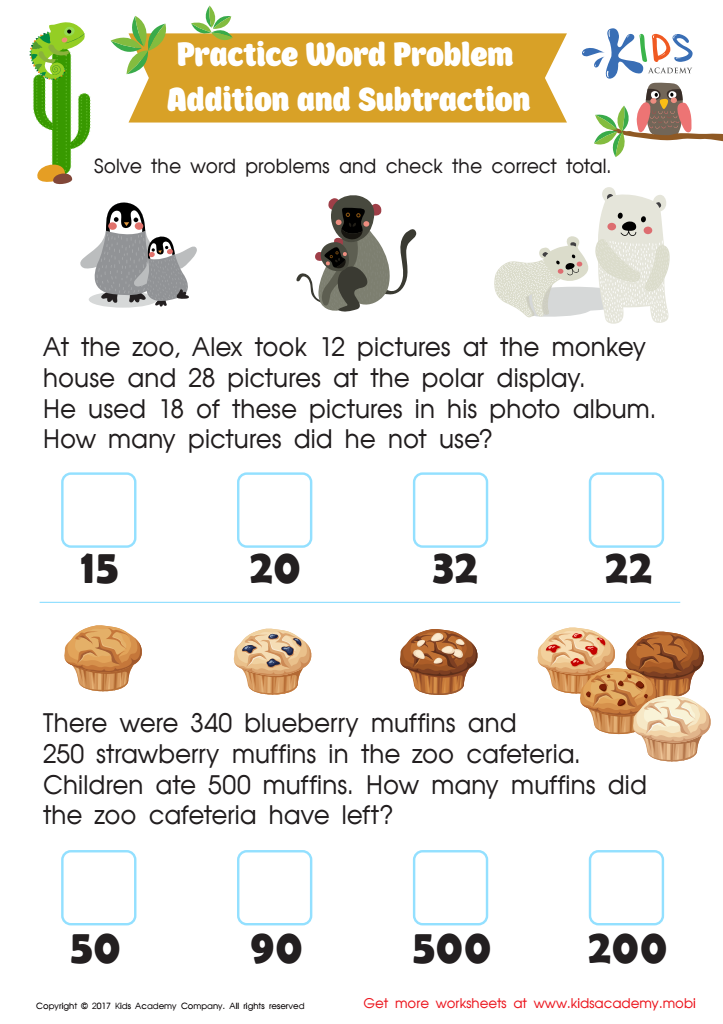
Addition and Subtraction: Word Problems Worksheet
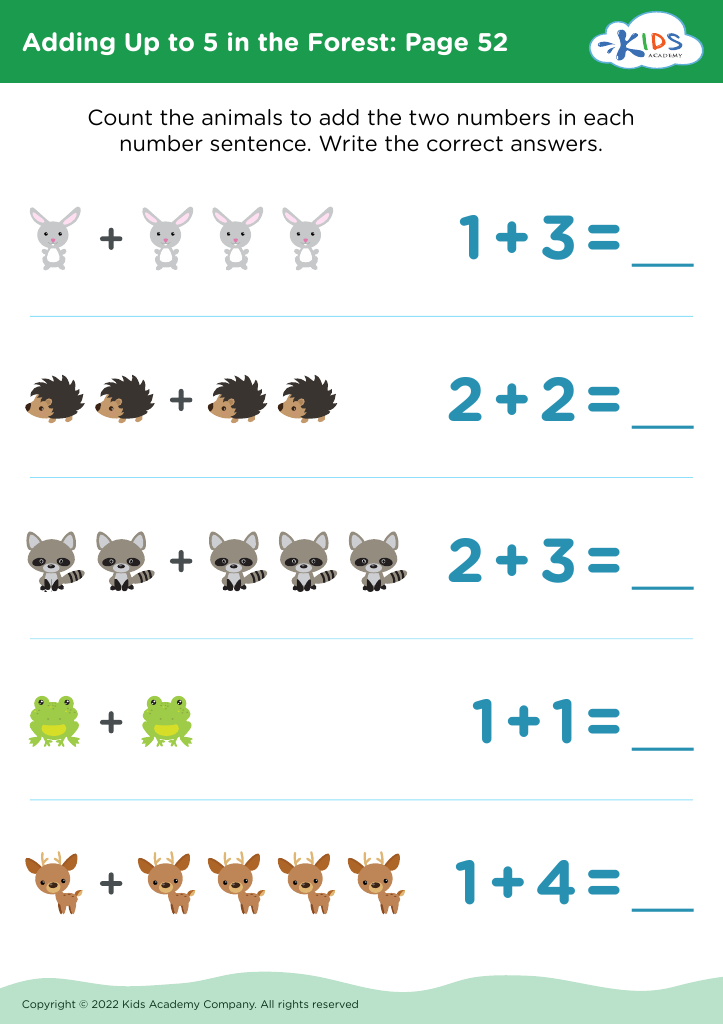
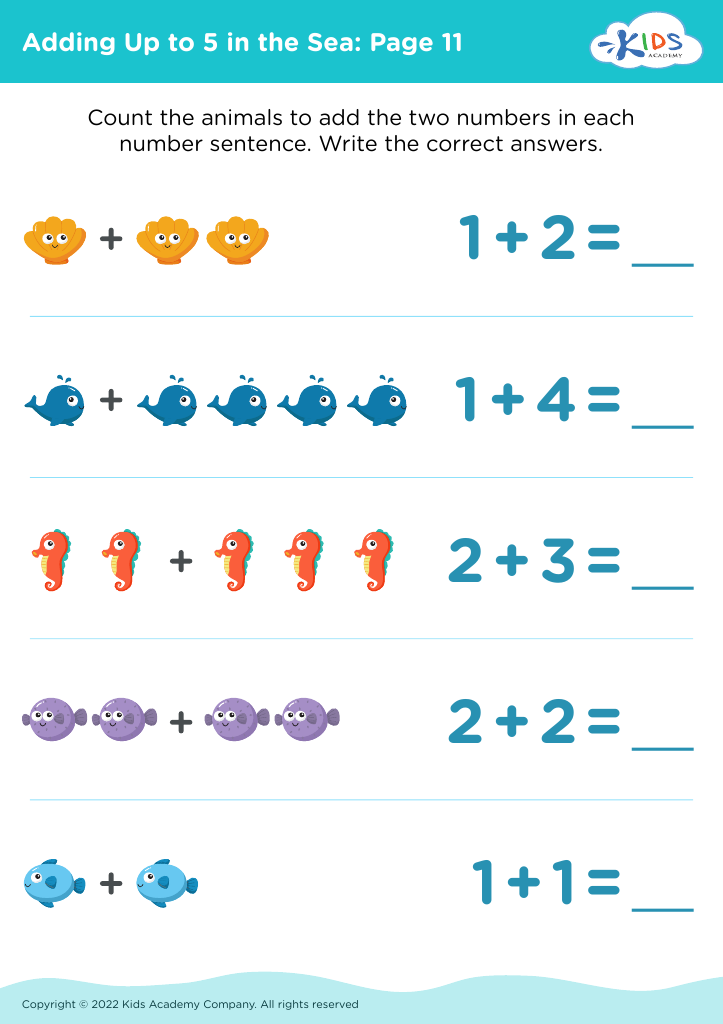


.jpg)


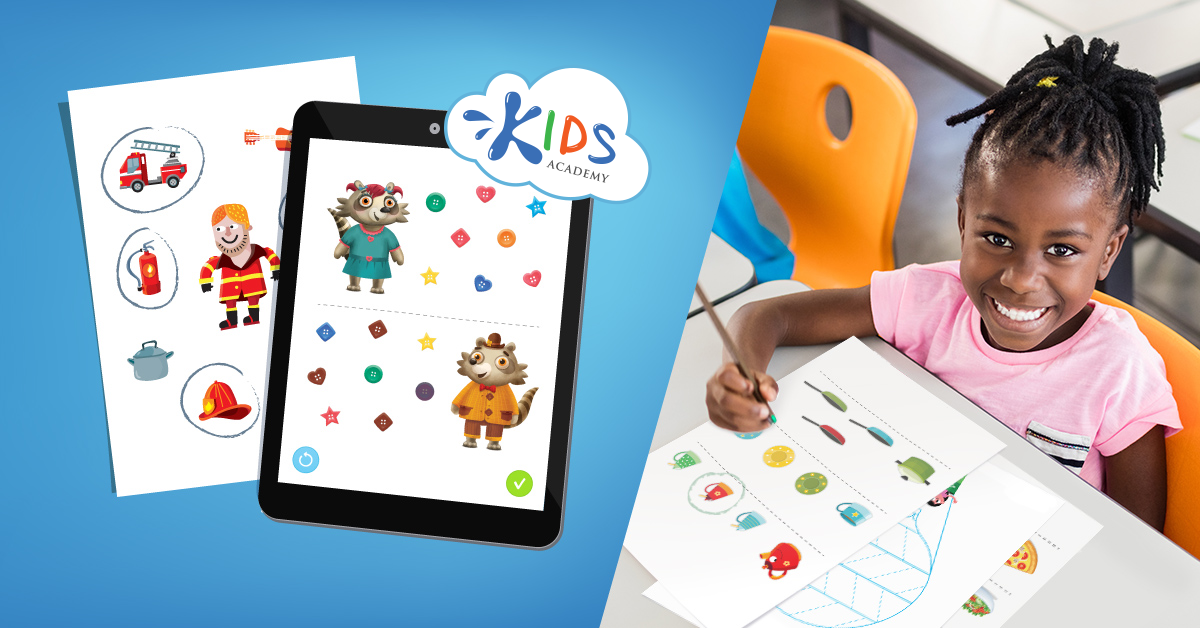


Problem-solving skills are essential for young children, especially in the ages of 3 to 6, as they lay the foundation for critical thinking and cognitive development. At this stage, children are naturally curious and eager to explore their environment. By fostering problem-solving skills through addition and critical thinking exercises, parents and teachers can enhance their ability to understand relationships between numbers and quantities, leading to stronger mathematical competence.
Developing these skills promotes independence, resilience, and creativity. Children learn to approach challenges, understand different solutions, and apply logic. Furthermore, math concepts like addition help children improve their analytical abilities, teaching them to break complex problems into manageable parts. This not only benefits their academic performance but also their everyday interactions, as they navigate various situations requiring thoughtful decision-making.
Additionally, problem-solving promotes social skills through collaborative activities, where children learn to communicate their ideas and consider others’ perspectives. By actively engaging in addition-based problem-solving activities, educators and parents provide a framework for children that nurtures growth in academic knowledge, social skills, and emotional resilience—set to prepare them for future learning experiences. Hence, prioritizing problem-solving skills in early education is crucial for holistic development.








