Basic Math Skills Geometry Worksheets for Ages 3-6
13 filtered results
-
From - To
Introduce your little ones to the exciting world of shapes and spatial reasoning with our "Basic Math Skills Geometry Worksheets for Ages 3-6". These engaging, age-appropriate worksheets are designed to foster early learning and support core geometry concepts through fun activities. Kids will develop essential skills such as shape recognition, pattern completion, and spatial awareness. Each worksheet is thoughtfully crafted to stimulate young minds, making learning interactive and enjoyable. Perfect for preschoolers and kindergarten children, these resources provide a solid foundation in geometry that will support future math success. Explore our collection today and start your child's adventure in learning geometry!
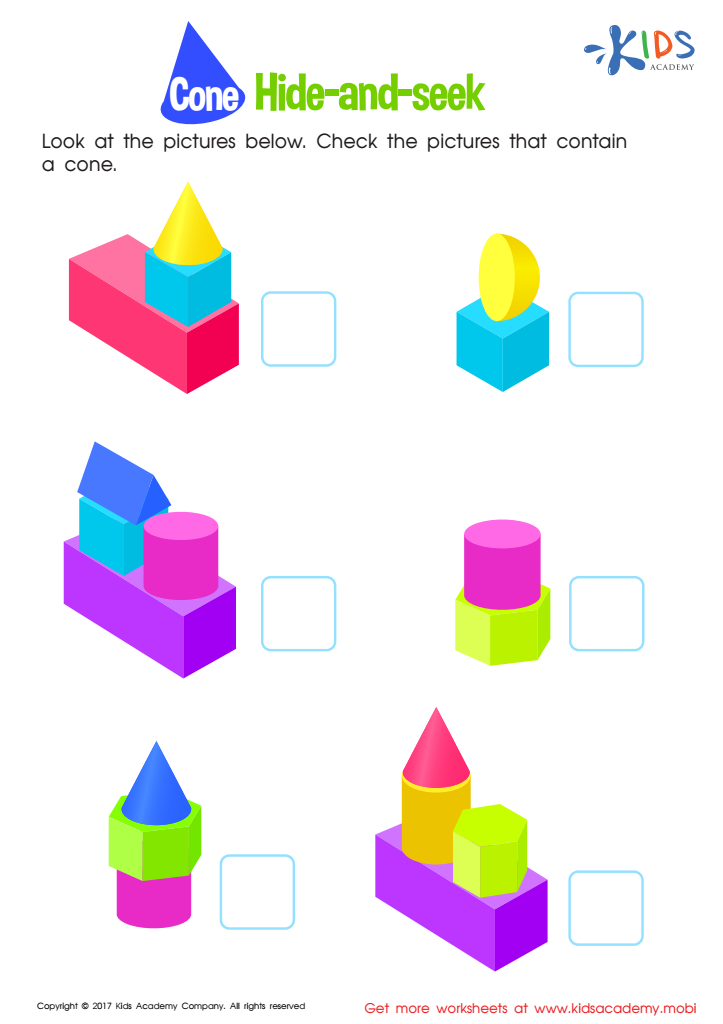
Cone Hide-and-Seek Worksheet
 Assign to My Students











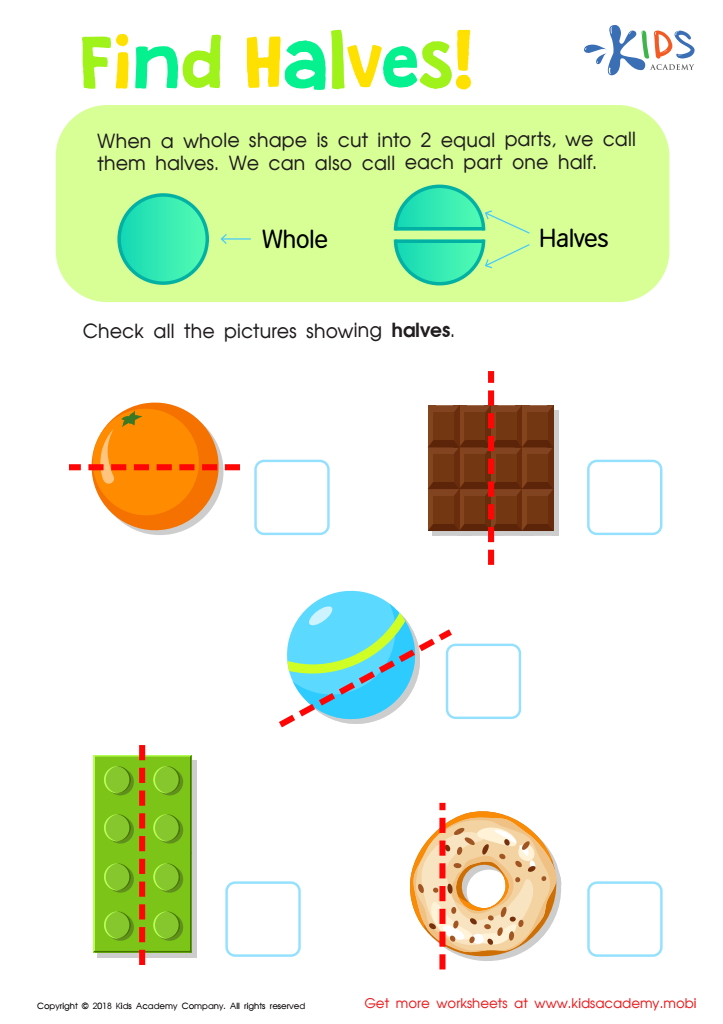
Find Halves Worksheet
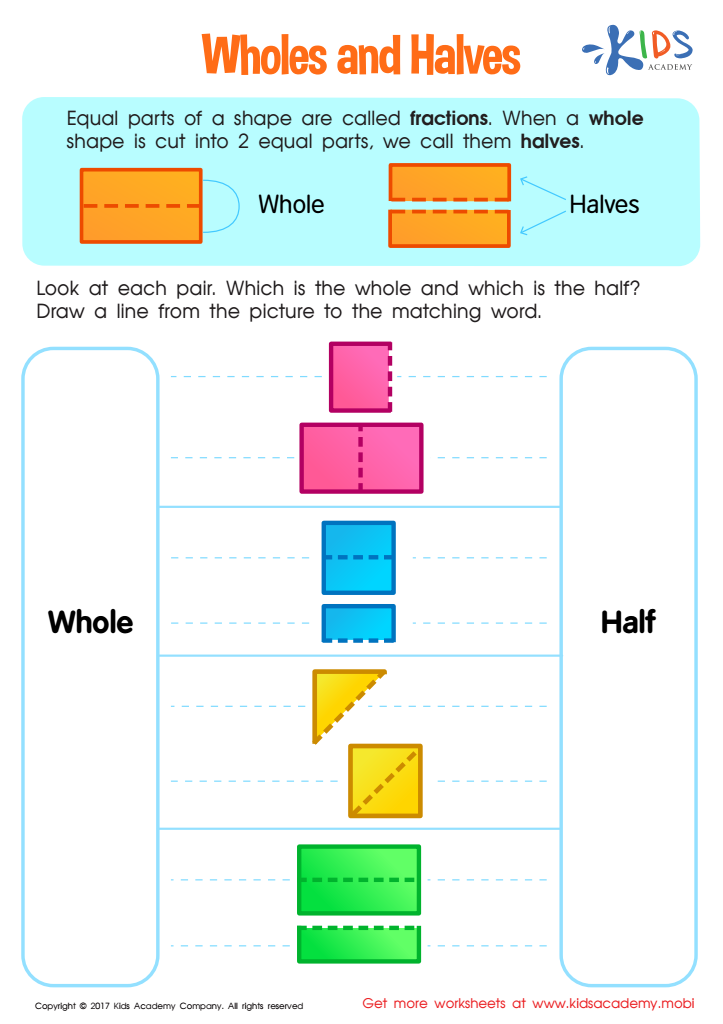
Wholes and Halves Worksheet
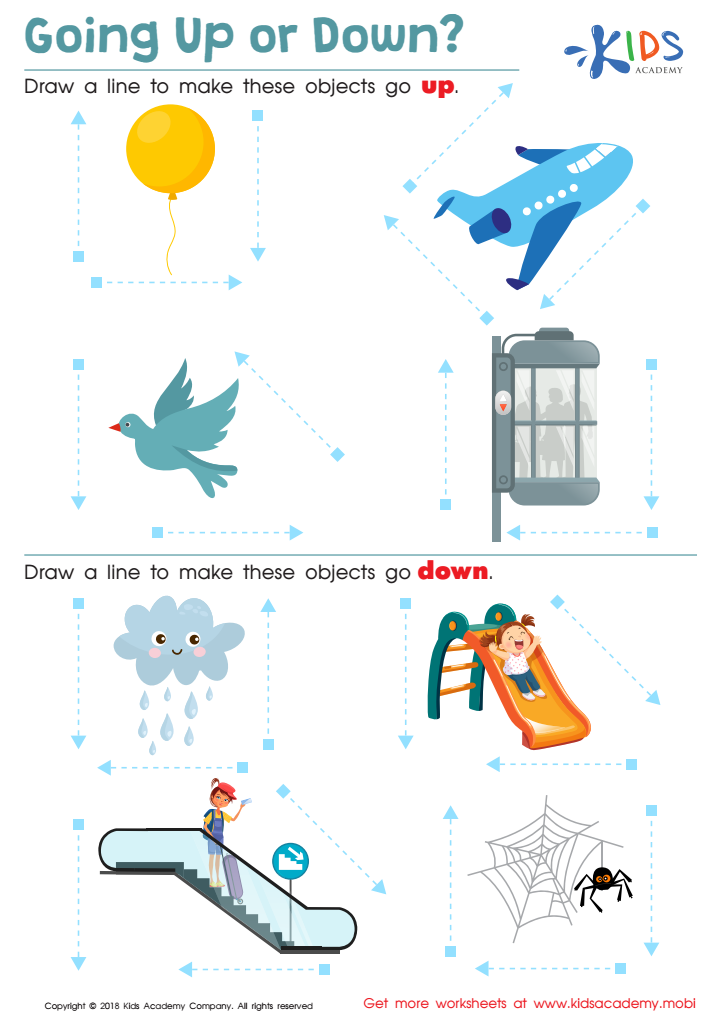
Going up or Down? Worksheet
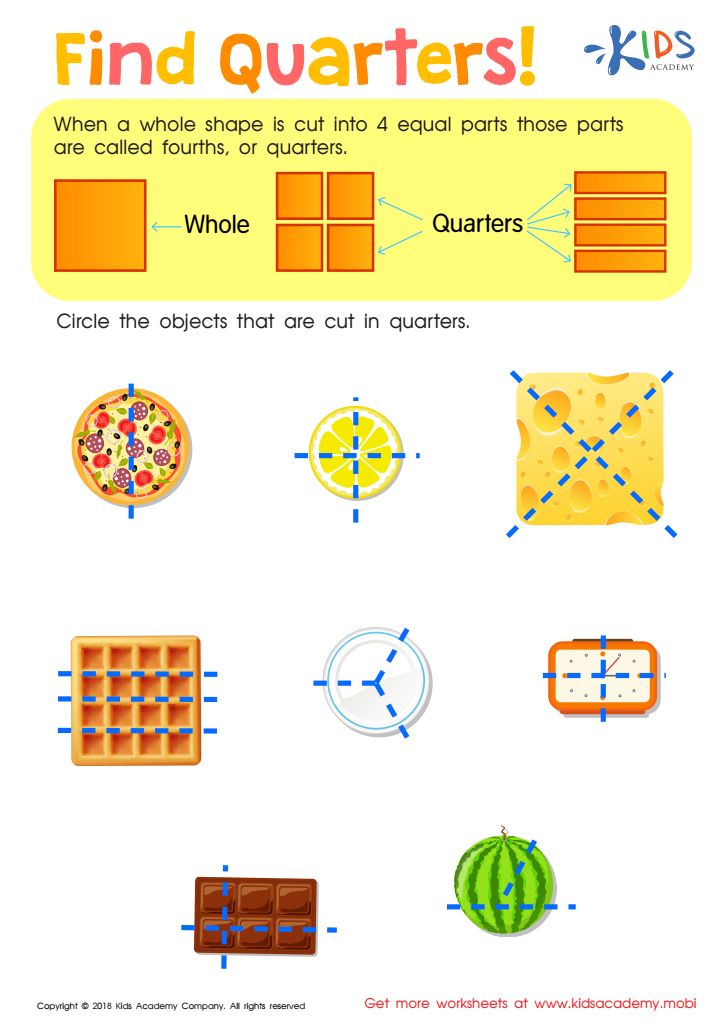
Find Quarters Worksheet
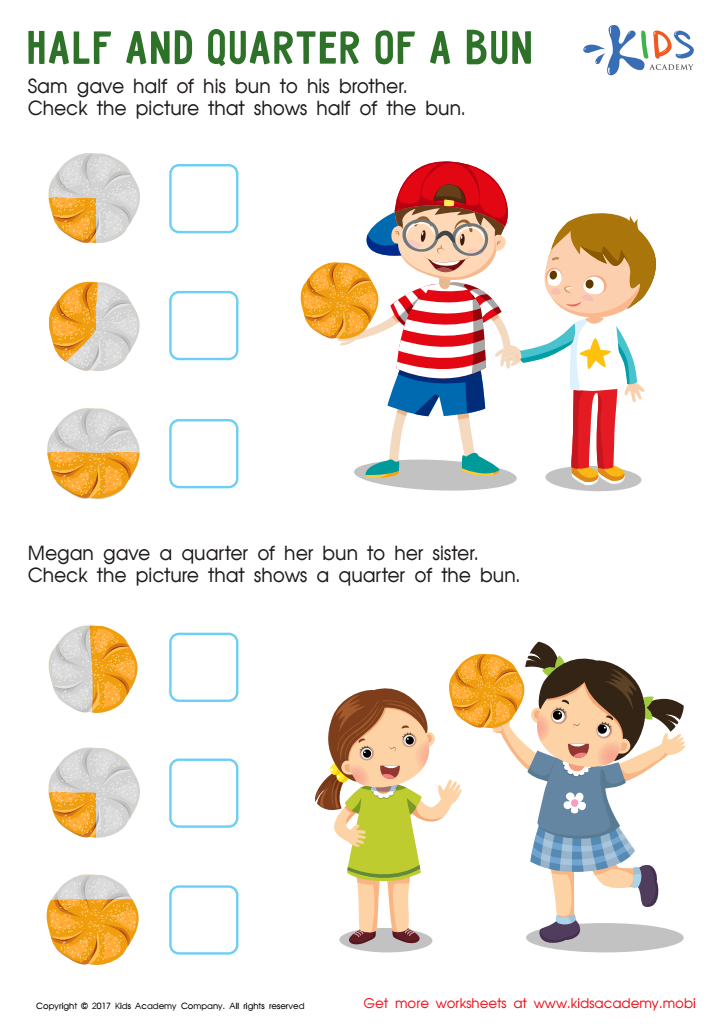
Half and Quarter of a Bun Worksheet
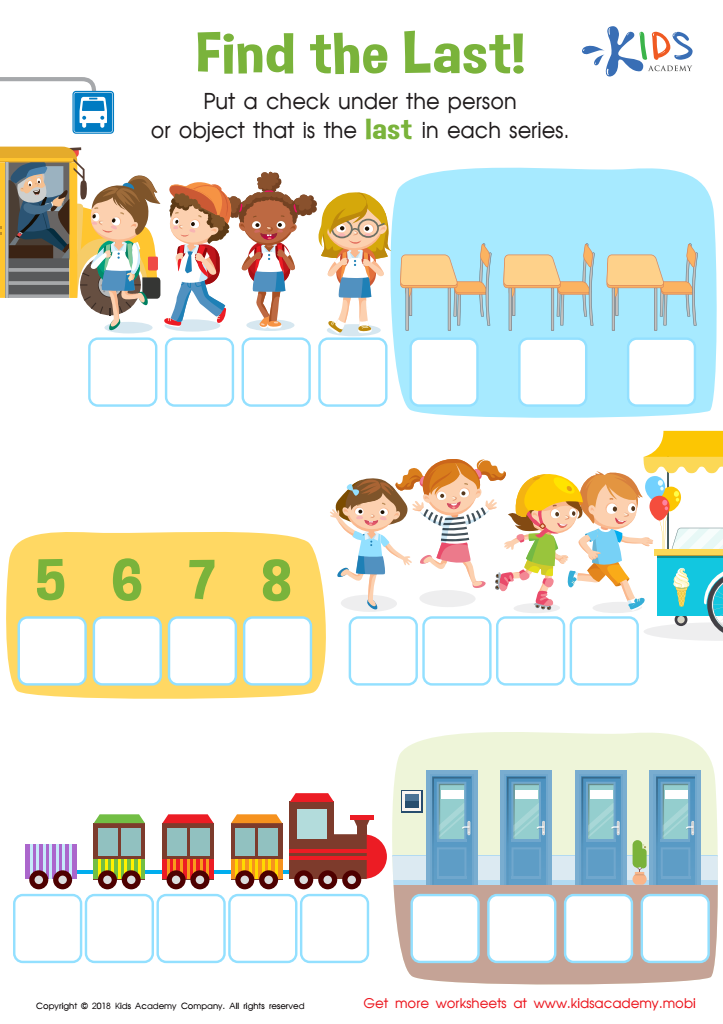
Find the Last! Worksheet
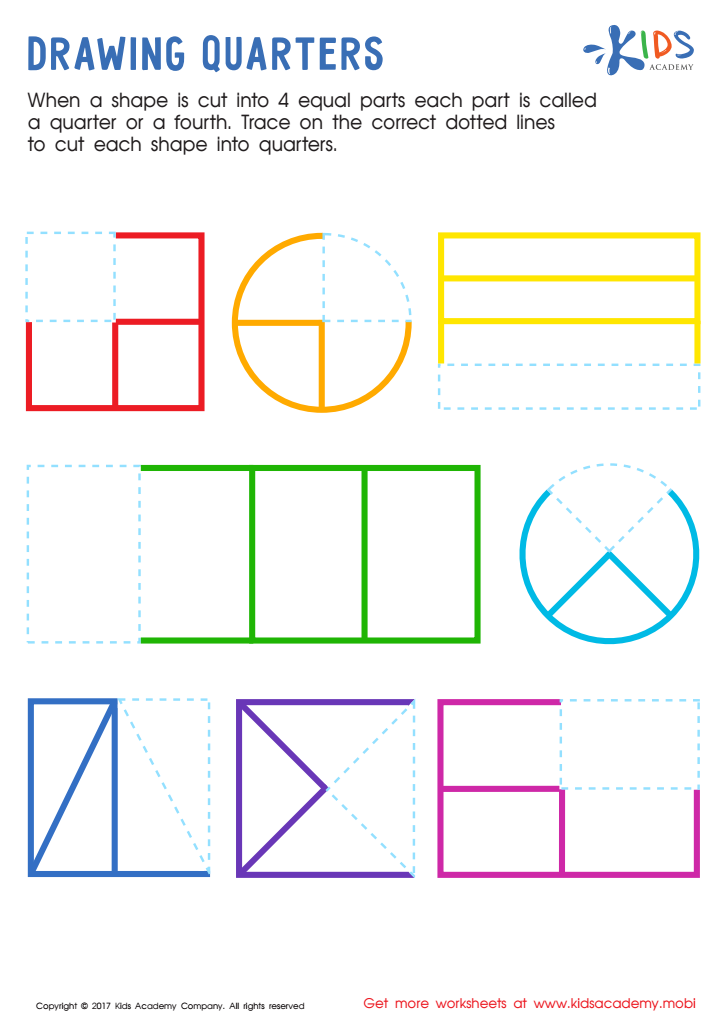
Drawing Quarters Worksheet
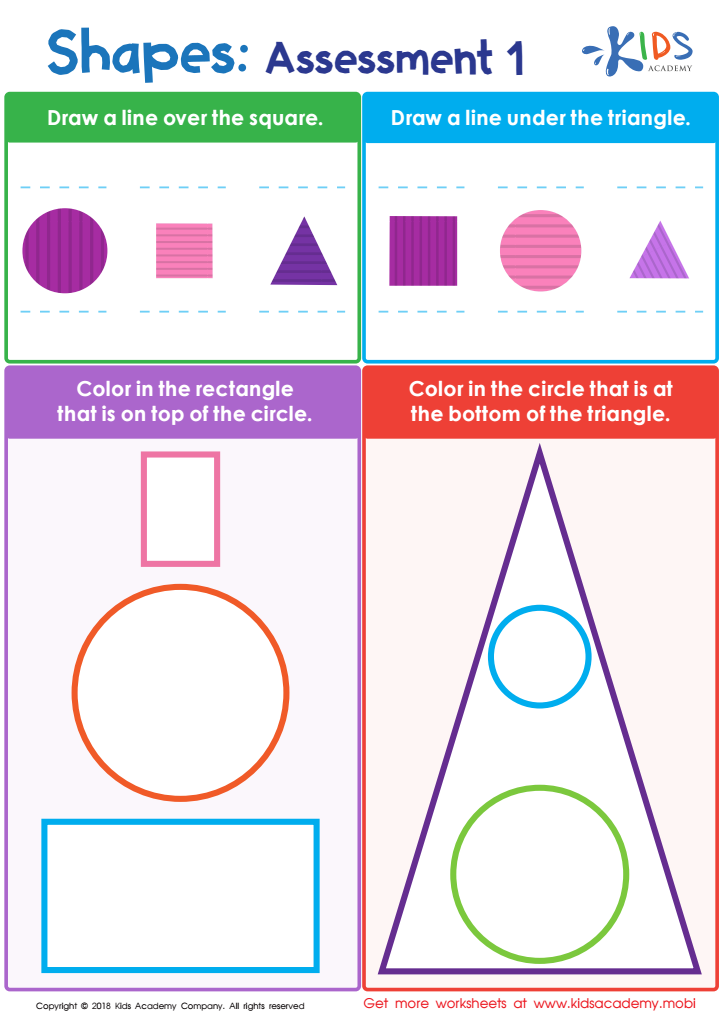
Shapes: Assessment 1 Worksheet
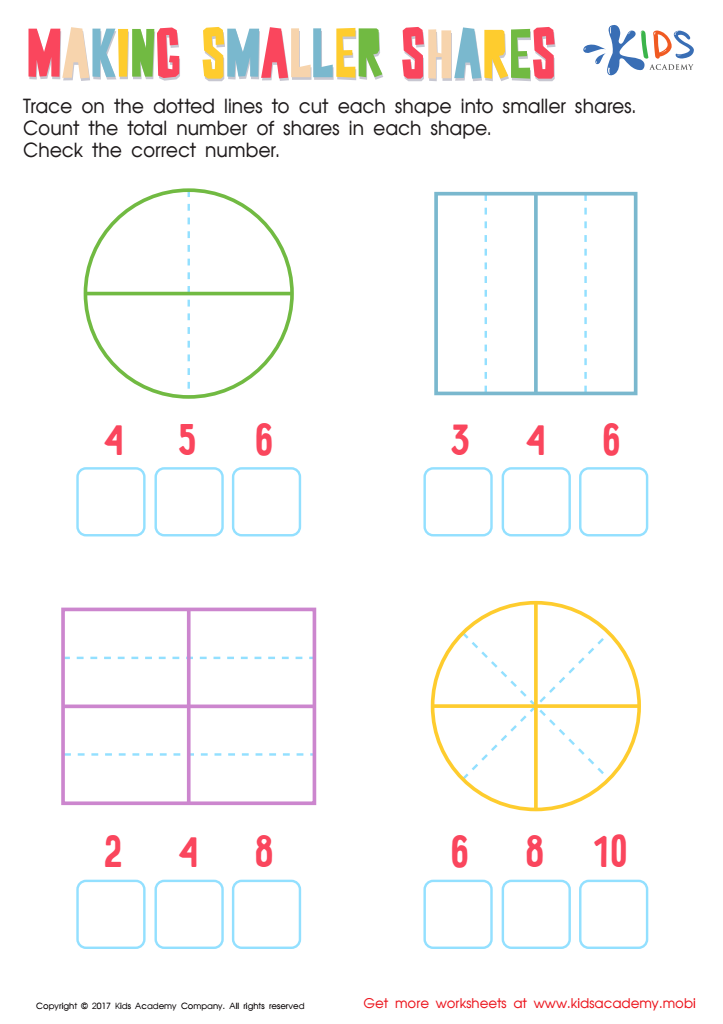
Making Smaller Shares Worksheet
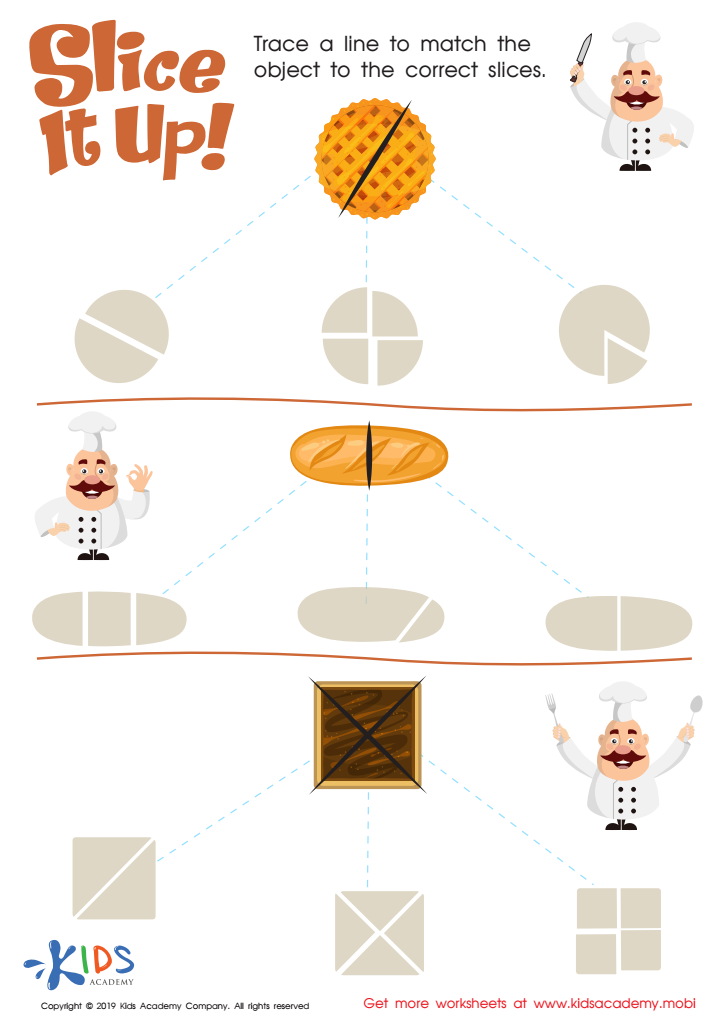
Slice It Up Worksheet
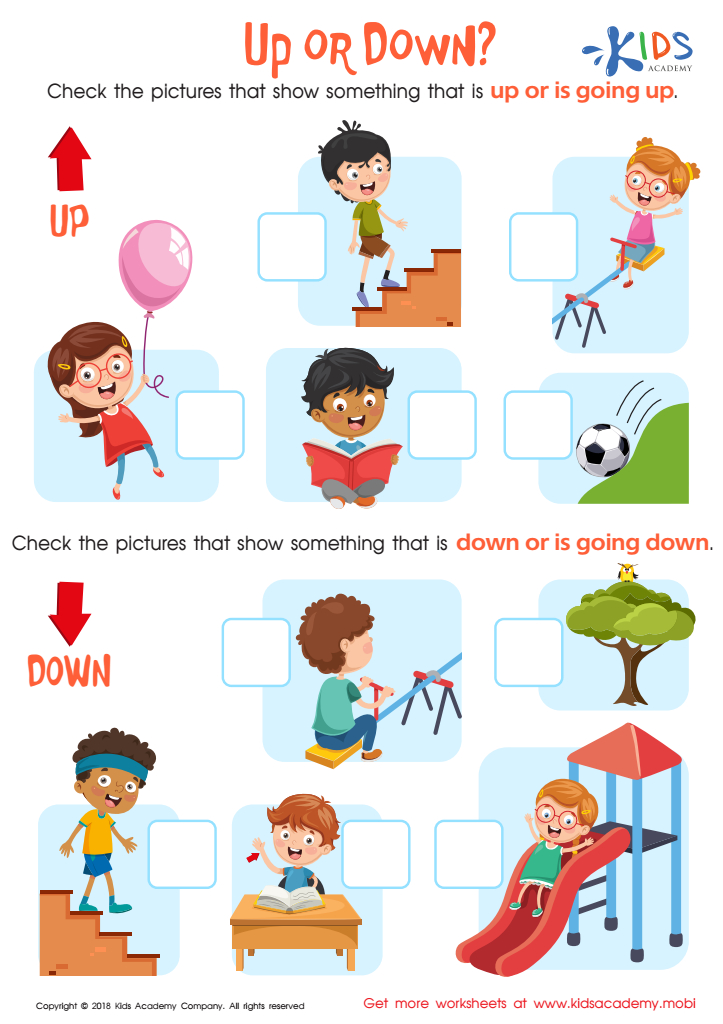
Up or Down Worksheet
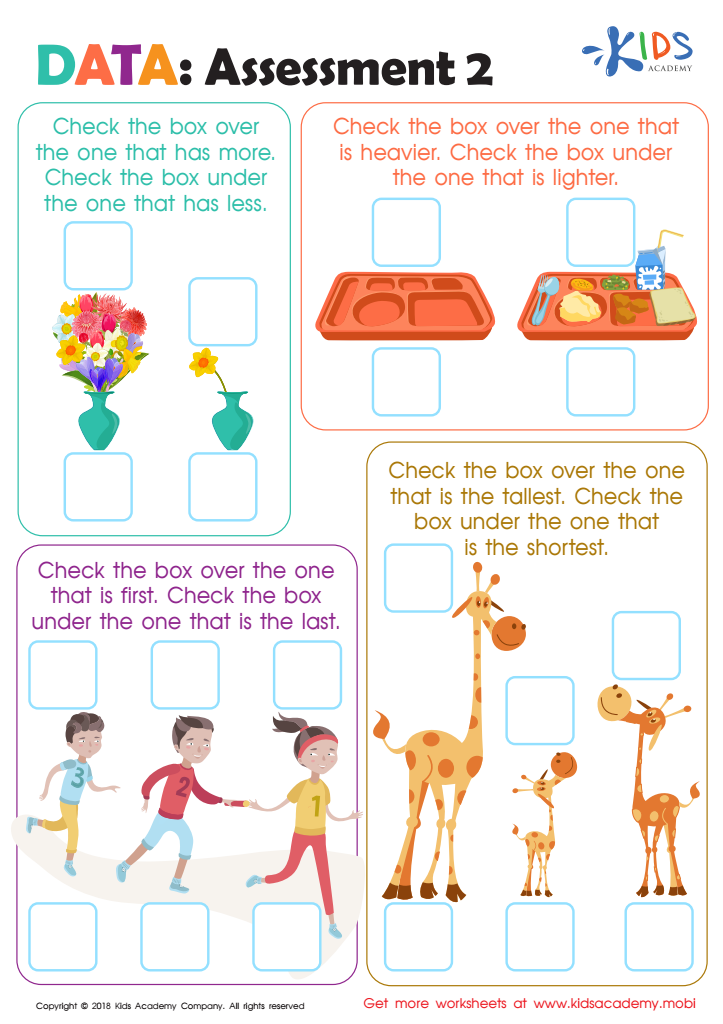
Data: Assessment 2 Worksheet








Parents and teachers should prioritize basic math skills in geometry for children aged 3-6 because these foundational concepts are crucial for overall cognitive development and everyday problem-solving. Early exposure to geometry—such as recognizing shapes, understanding spatial relationships, and grasping basic positional concepts—enhances a child's ability to comprehend the world around them.
Understanding geometry helps young children develop critical thinking and reasoning skills. For instance, sorting shapes or identifying patterns encourages logical thought processes that are transferable to other areas of learning, including reading and science. Spatial awareness, crucial in geometry, is also linked to improved motor skills. Activities like building with blocks or completing puzzles can enhance hand-eye coordination.
Additionally, early geometry skills foster a positive attitude toward mathematics. Engaging, age-appropriate activities make learning math fun, reducing anxiety and building confidence in young learners. Recognizing shapes and patterns in everyday objects supports a child's ability to categorize information systematically.
In essence, teaching basic geometry to young children lays a necessary groundwork for more complex mathematical concepts and problem-solving skills in later years. It sets the stage for academic success and nurtures a child's curiosity and intellectual growth, making it a vital aspect of early education.








