Numbers Worksheets for Ages 3-6 - Page 18
411 filtered results
-
From - To
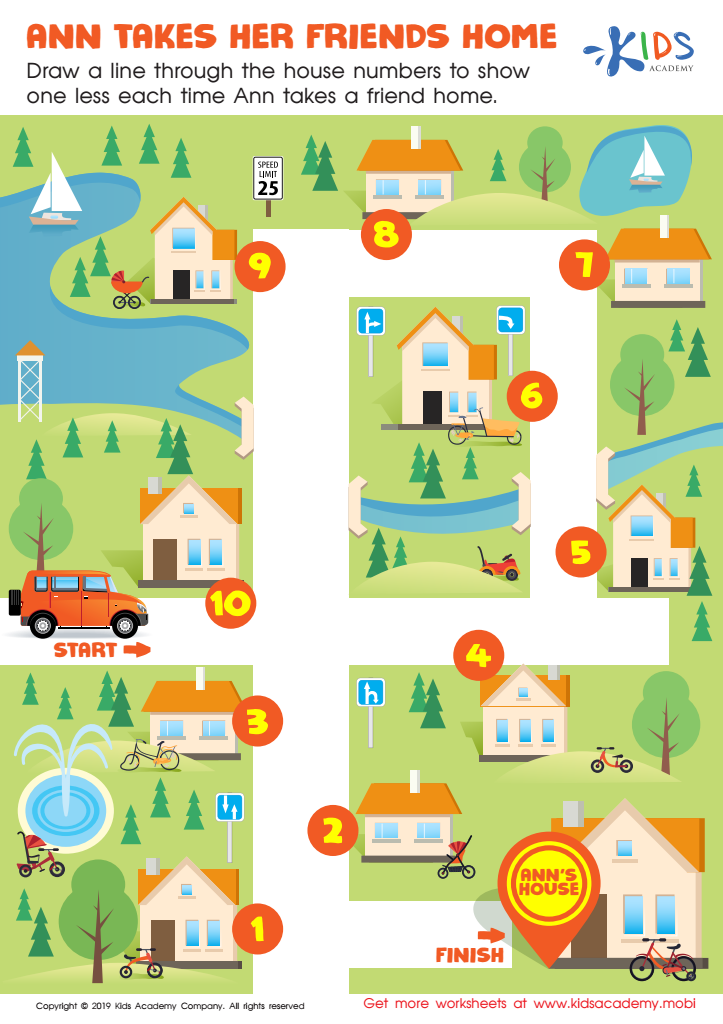
Ann Takes her Friends Home Worksheet
 Assign to My Students
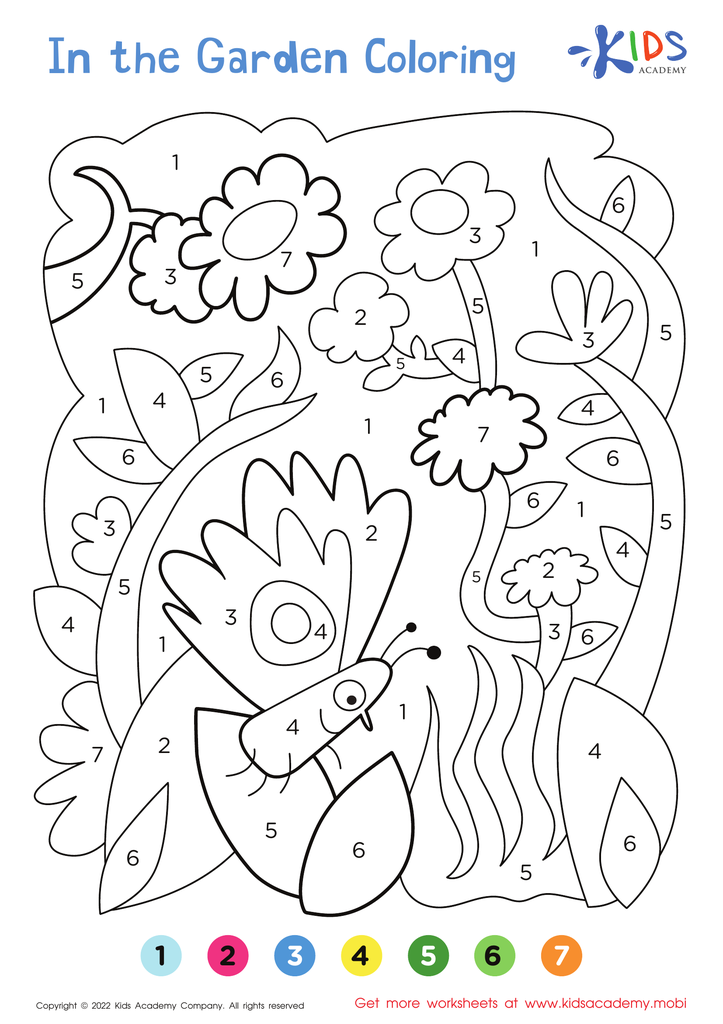
In the Garden – Coloring by Numbers
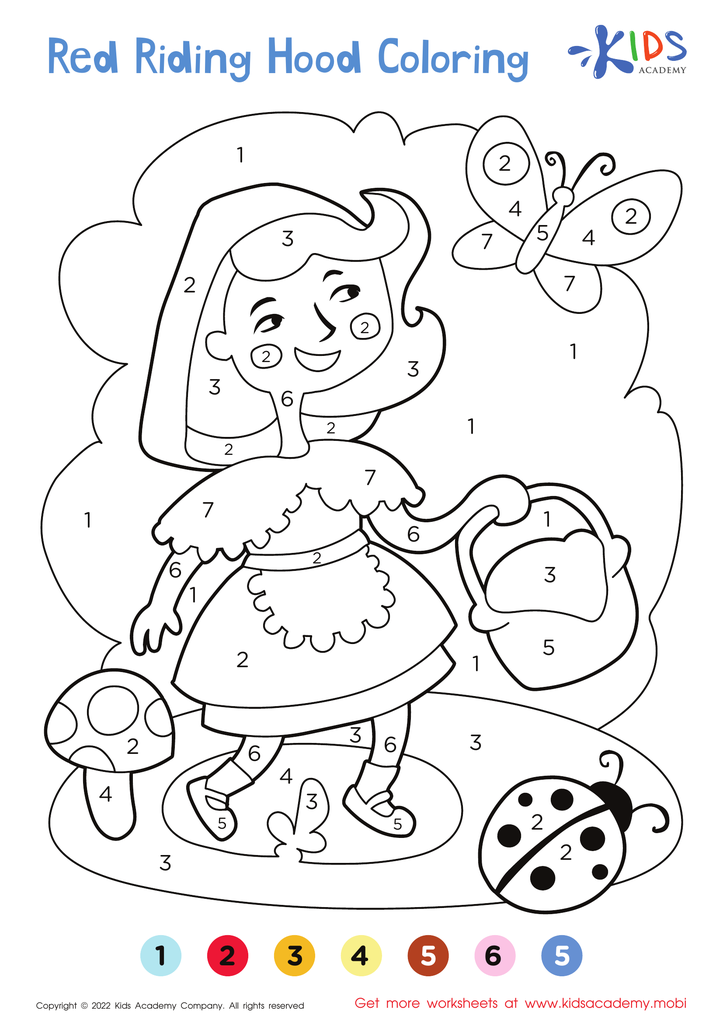
Little Red Riding Hood – Coloring by Numbers


.jpg)
%20(1).jpg)




Understanding numbers is foundational for children aged 3-6, as it sets the stage for future academic success and everyday functioning. At this critical stage, children develop essential cognitive skills and numerical awareness that help them make sense of the world. Engaging with numbers enhances their problem-solving abilities, logical thinking, and comprehension of basic mathematical concepts.
Parents and teachers should care about numbers at this age because early numerical experiences foster a positive attitude toward math. By introducing counting, simple addition and subtraction, and number recognition through games and playful activities, adults can cultivate a love for mathematics, encouraging children to explore and ask questions about numbers. Additionally, early number sense aids in developing spatial awareness and frequency understanding, invaluable skills for various life situations.
Early engagement with numbers can also bridge gaps in school readiness, giving young learners the confidence to tackle math challenges. In supporting numeracy, parents and teachers not only enhance academic performance but also contribute to their emotional and social development, fostering collaboration, communication, and critical thinking as they play and interact with others. Overall, nurturing numerical understanding in early childhood lays a strong foundation for lifelong learning and success.








