Animal recognition Numbers Worksheets for Ages 3-6
8 filtered results
-
From - To
Discover our engaging Animal Recognition Numbers Worksheets designed for little learners aged 3-6! These interactive worksheets blend animal identification with number recognition, helping young children develop essential counting and cognitive skills. Each activity features vibrant animal illustrations, making learning fun and visually appealing. Kids will enjoy counting, matching, and coloring, all while reinforcing their understanding of numbers and animals. These worksheets are perfect for preschool, kindergarten, or home learning environments, offering a hands-on approach to early math education. Encourage a love of learning with our thoughtfully designed resources that support developmental milestones and keep eager minds engaged!
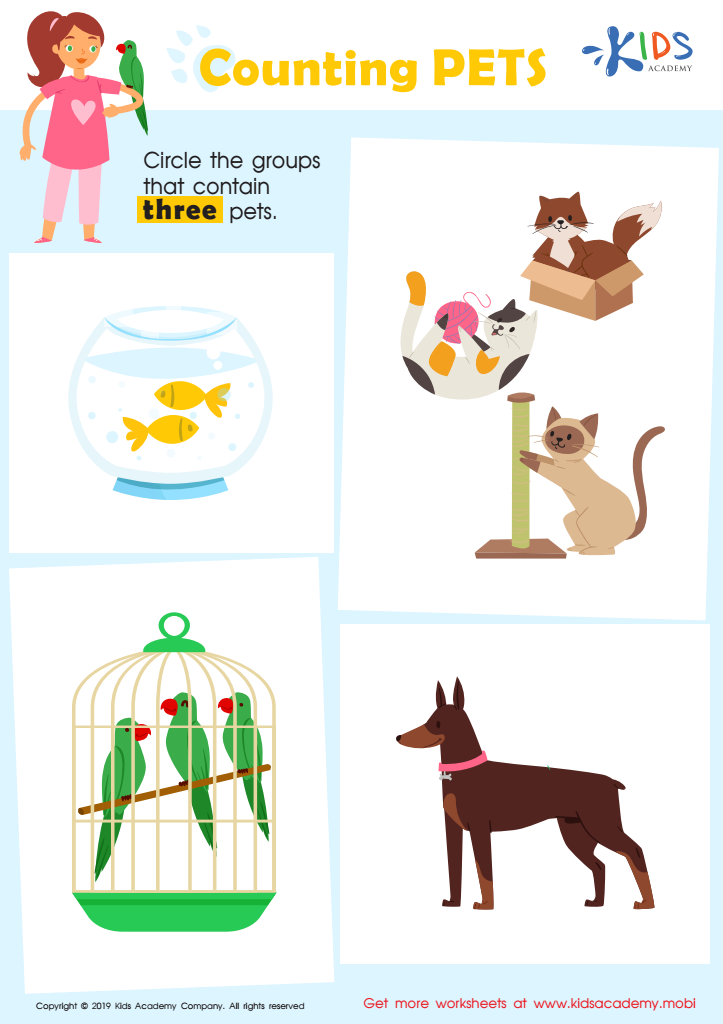
Counting Pets Worksheet
 Assign to My Students
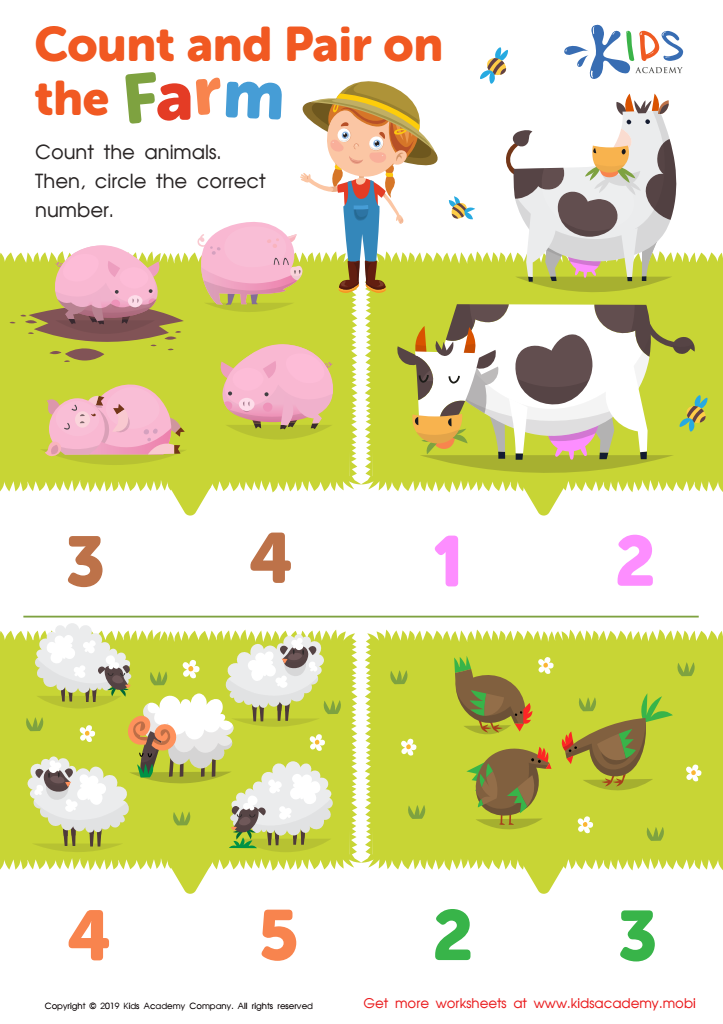
Count and Pair on the Farm Worksheet
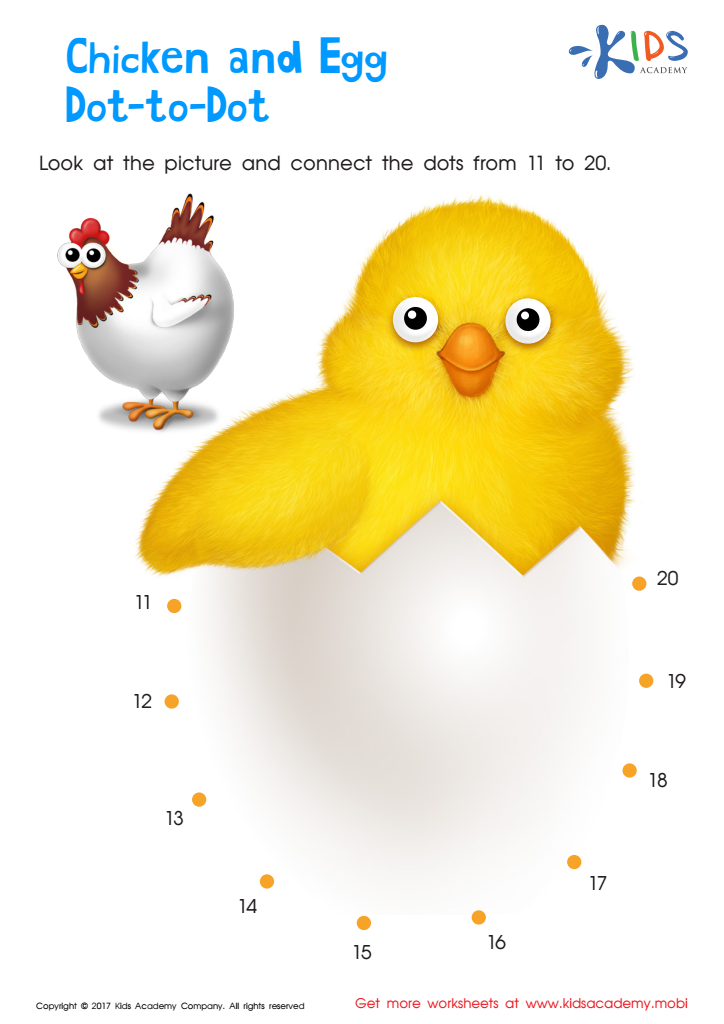
Ordering 11–20: Chicken & Egg Dot–to–dot Worksheet
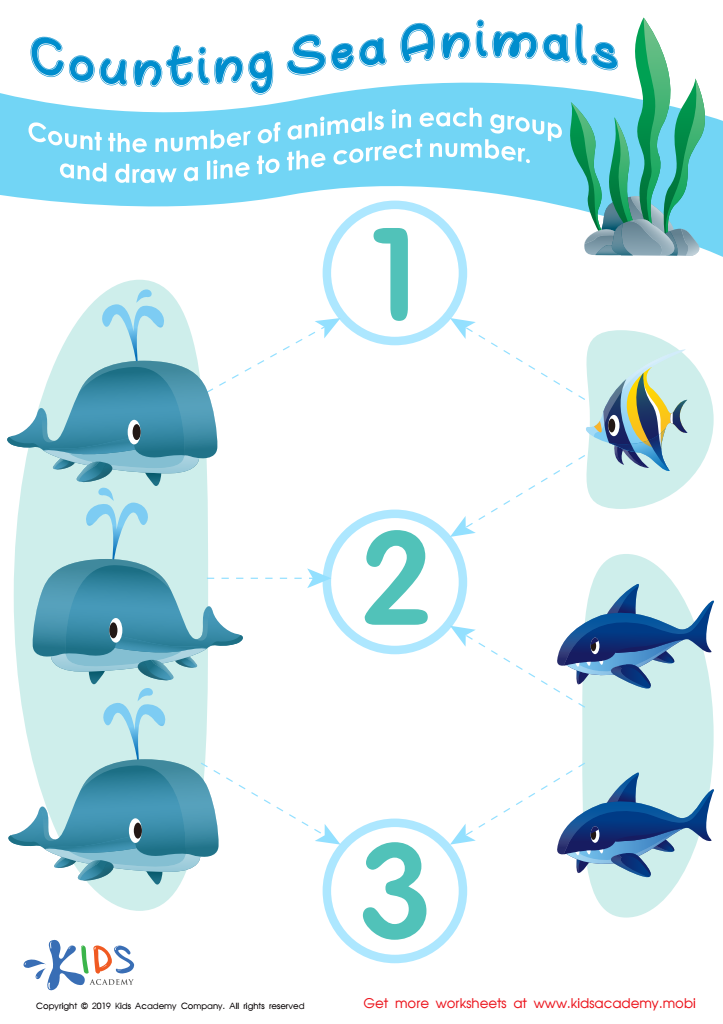
Counting Sea Animals Worksheet
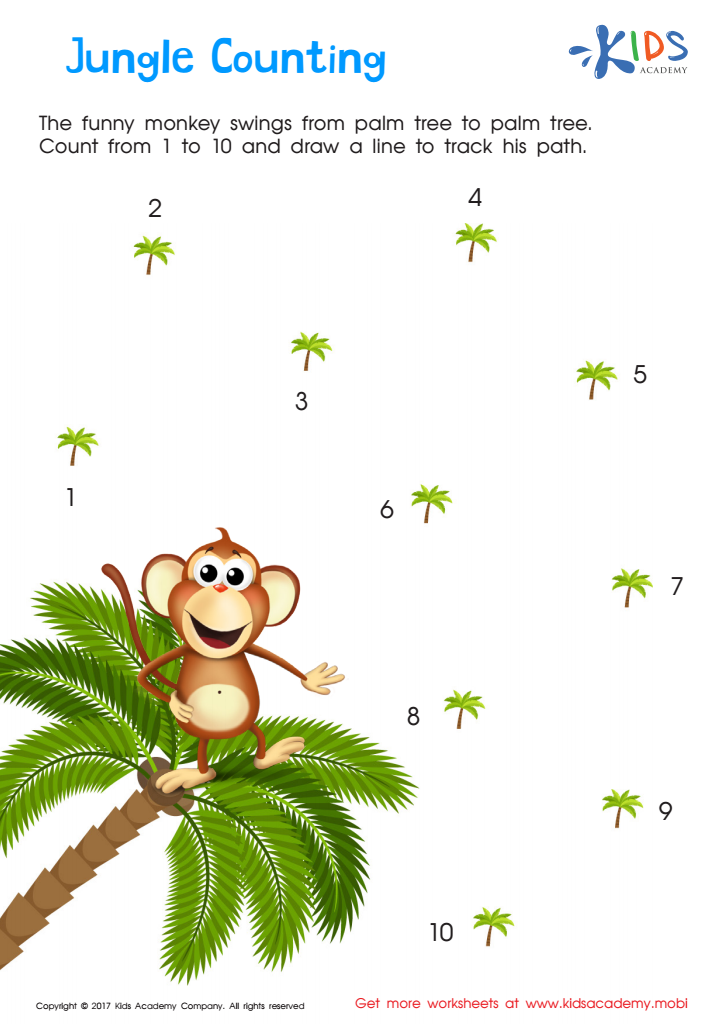
Jungle Counting Connect Dots Worksheet
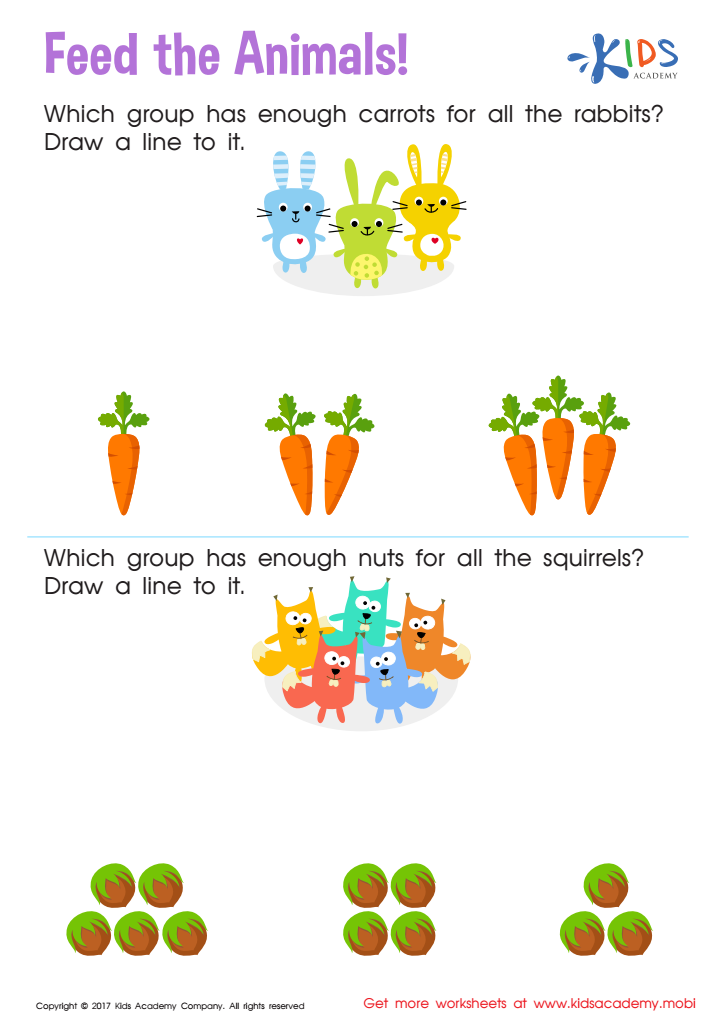
Count and Match: Feed the Animals Worksheet
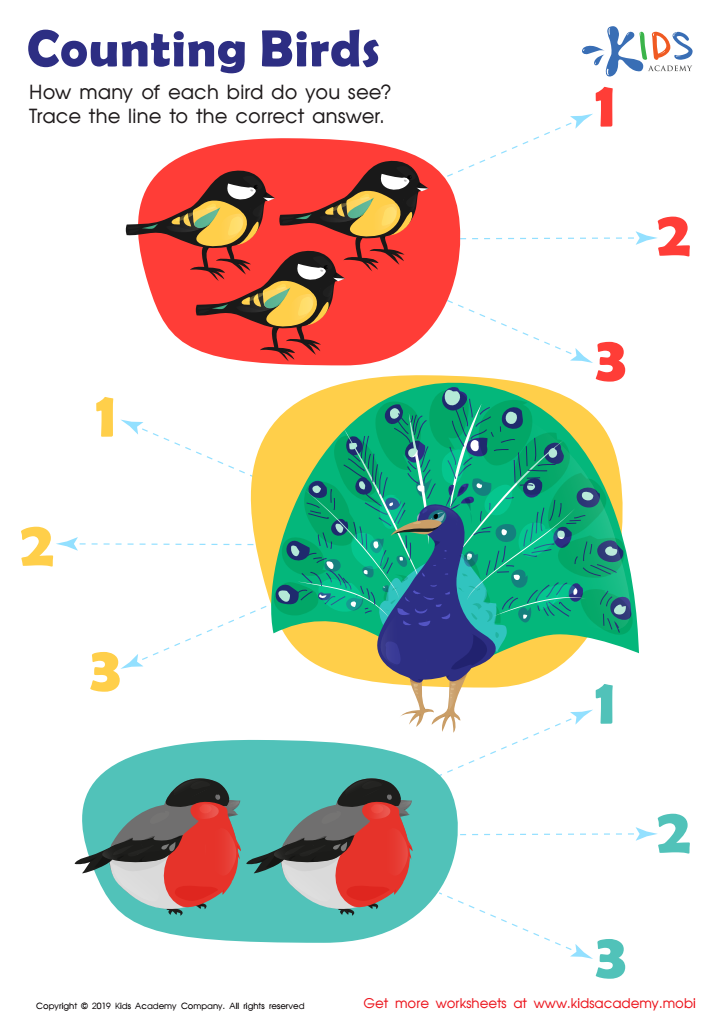
Counting Birds Worksheet
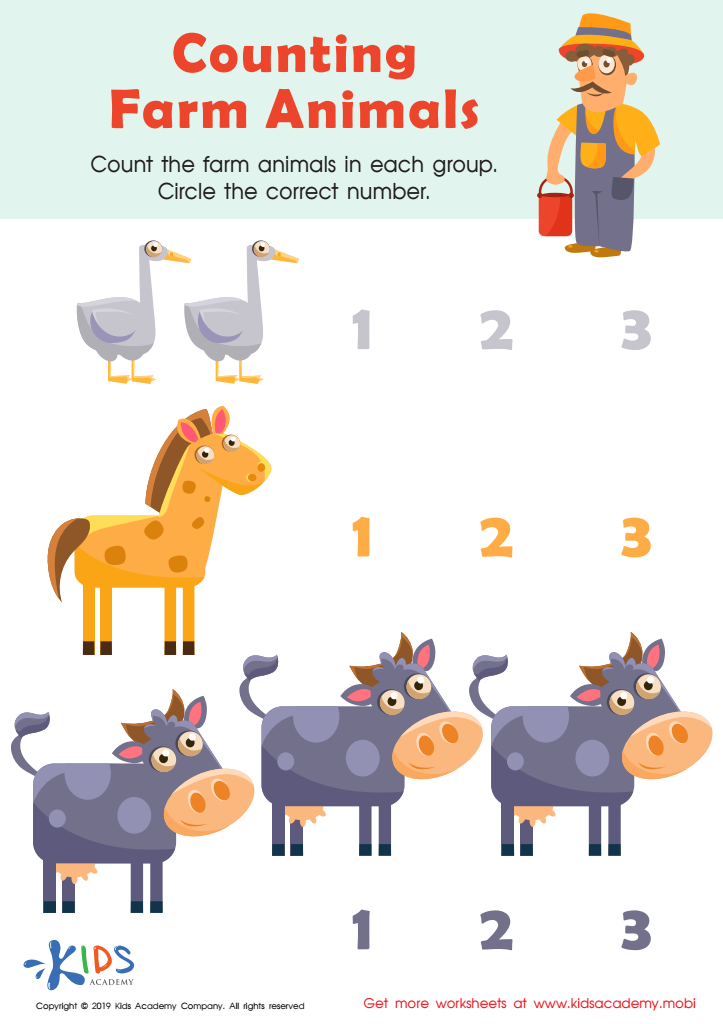
Counting Farm Animals Worksheet








Animal recognition is a vital skill for children aged 3-6, as it forms the foundation for cognitive development and literacy. At this stage, children are naturally curious and eager to explore their environment, making it an ideal time to introduce them to different animals. Recognizing animals helps children not only to learn their names and characteristics but also fosters language development as they describe and discuss these creatures.
Moreover, understanding animal recognition promotes emotional and social skills. Young children connect with animals and often project feelings of empathy, paving the way for developing compassion and responsibility towards living beings. This early engagement can foster a lifelong appreciation for nature and wildlife.
Additionally, integrating animal recognition into play-based learning can encourage critical thinking and creativity. Activities such as storytelling, arts and crafts, or role-playing offer enjoyable platforms for exploration and understanding.
Parents and teachers should embrace animal recognition as it enhances learning in multiple domains. It not only nurtures intellectual growth but also contributes to socio-emotional development, making it fundamental to a child's overall well-being in these formative years. By prioritizing this skill, adults can ensure children build a meaningful connection with the world around them while laying the groundwork for broader learning opportunities.








