Fine Motor Skills Numbers Worksheets for Ages 3-6 - Page 4
76 filtered results
-
From - To
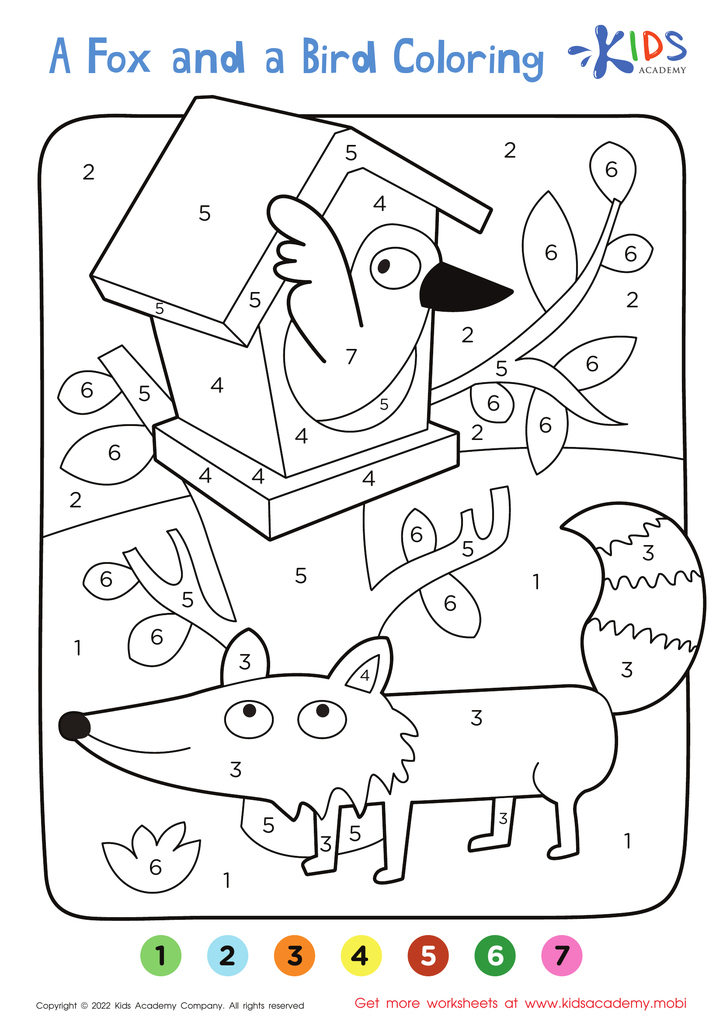
A Fox and a Bird – Coloring by Numbers
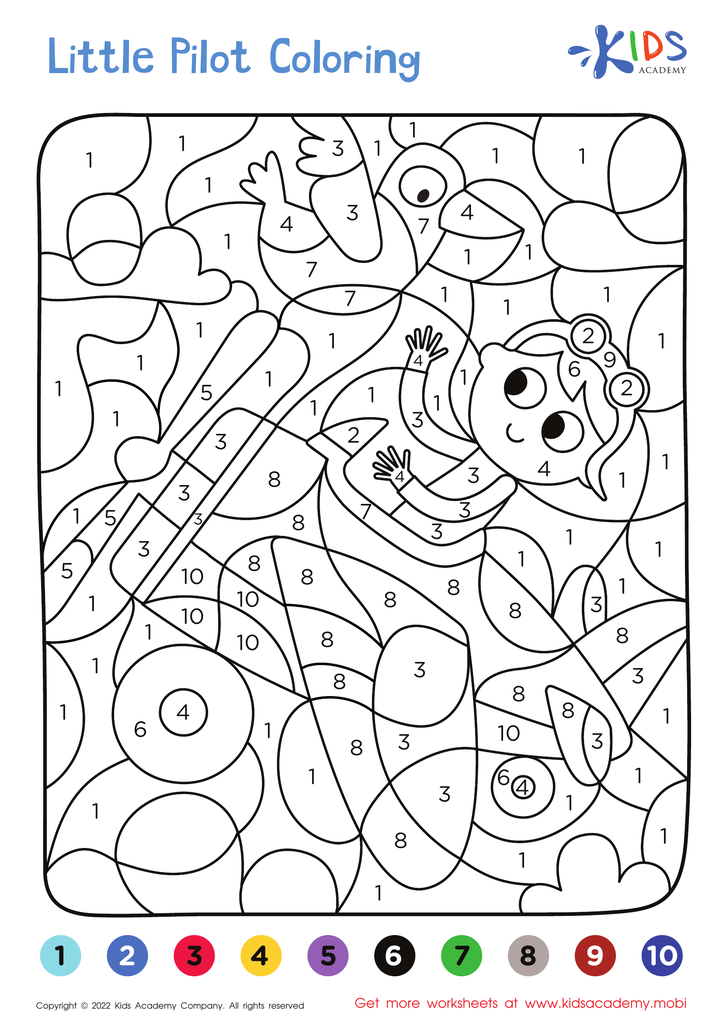
Little Pilot – Coloring by Numbers
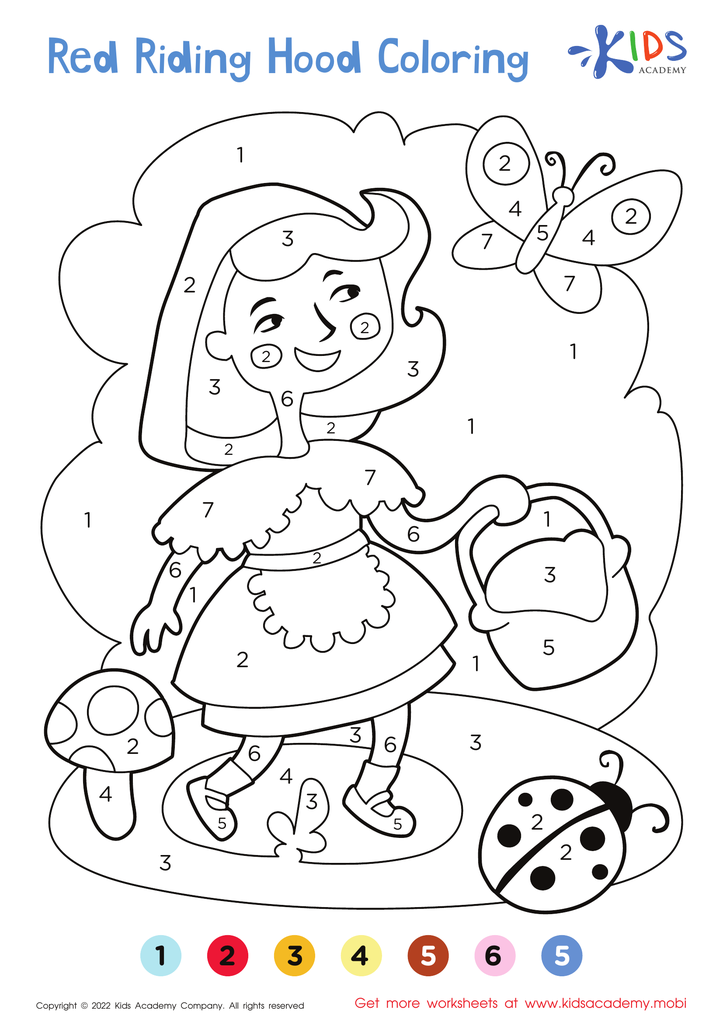
Little Red Riding Hood – Coloring by Numbers
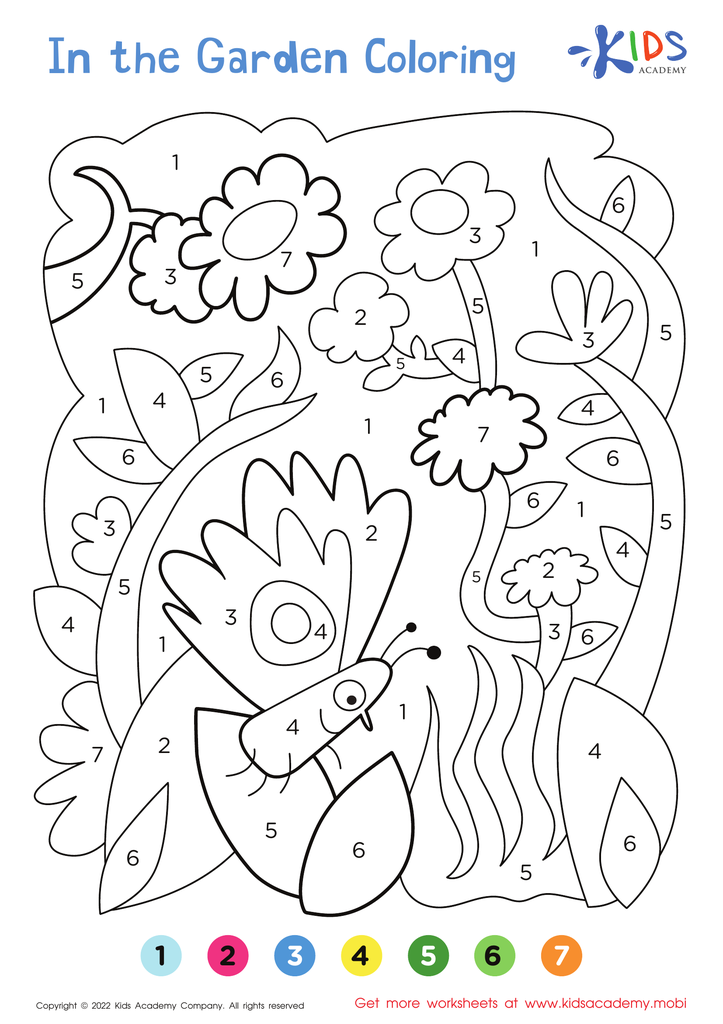
In the Garden – Coloring by Numbers








Parents and teachers should prioritize fine motor skills development in children aged 3-6 years because these skills form the foundation for a variety of essential tasks and overall learning. Fine motor skills involve the coordination of small muscles, particularly in the hands and fingers, crucial for performing everyday activities like writing, using scissors, and buttoning clothes. Enhancing these skills fosters independence as children learn to engage in self-care tasks and navigate their environment.
Moreover, strong fine motor abilities promote cognitive development. Activities that strengthen hand-eye coordination and dexterity, such as drawing, crafting, or playing with blocks, encourage focus, patience, and problem-solving. As children learn to manipulate small objects, their neurological pathways become more developed, supporting academic skills like reading and mathematics later on.
Moreover, proficiency in fine motor tasks enhances self-esteem and confidence. When young learners can master physical skills, they develop a sense of accomplishment that motivates them to tackle more complex challenges. Thus, by fostering fine motor skills at an early age, parents and teachers play a crucial role in preparing children for future academic success and overall life skills, ultimately benefitting their long-term development and well-being.








