
Animal identification Math Worksheets for Ages 3-6
32 filtered results
Difficulty Level
Grade
Age
-
From - To
Subject
Activity
Standards
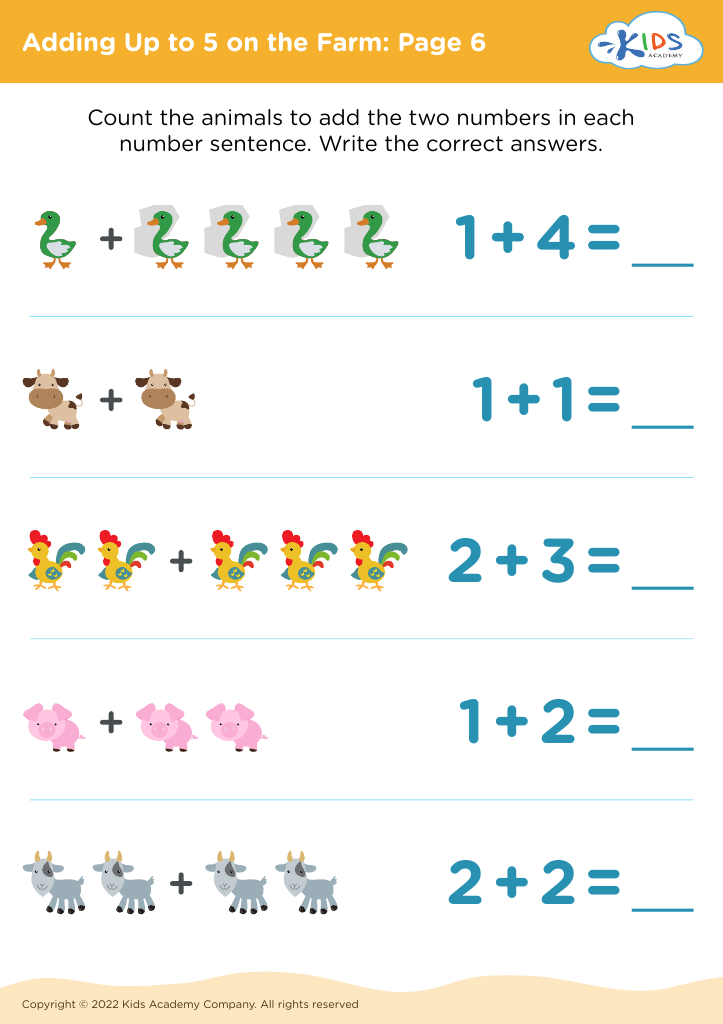
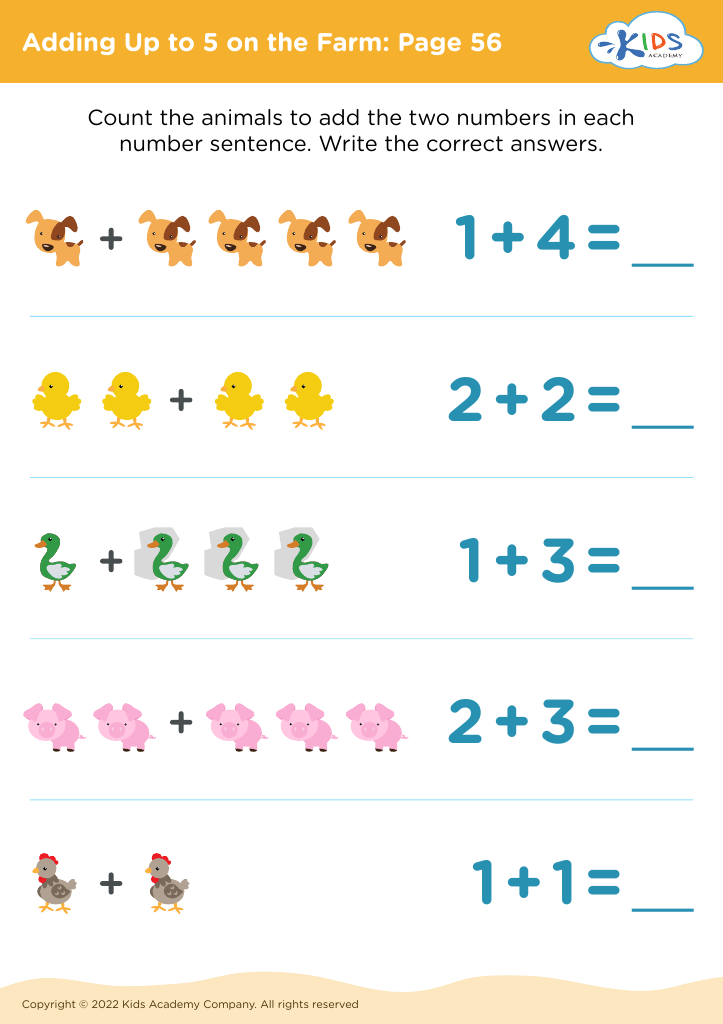
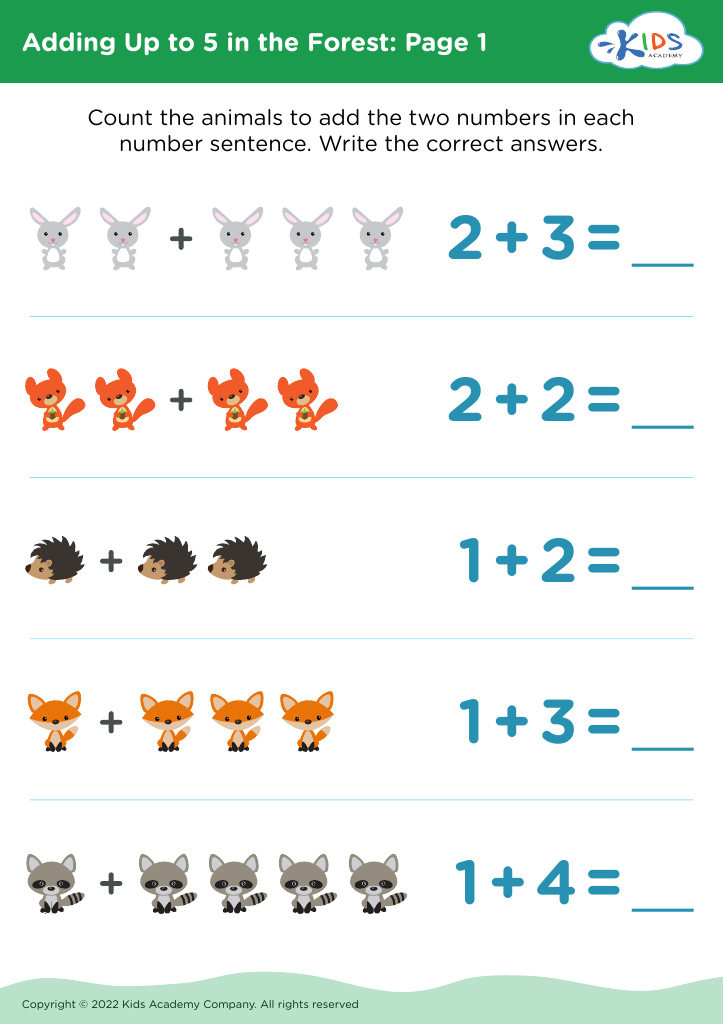
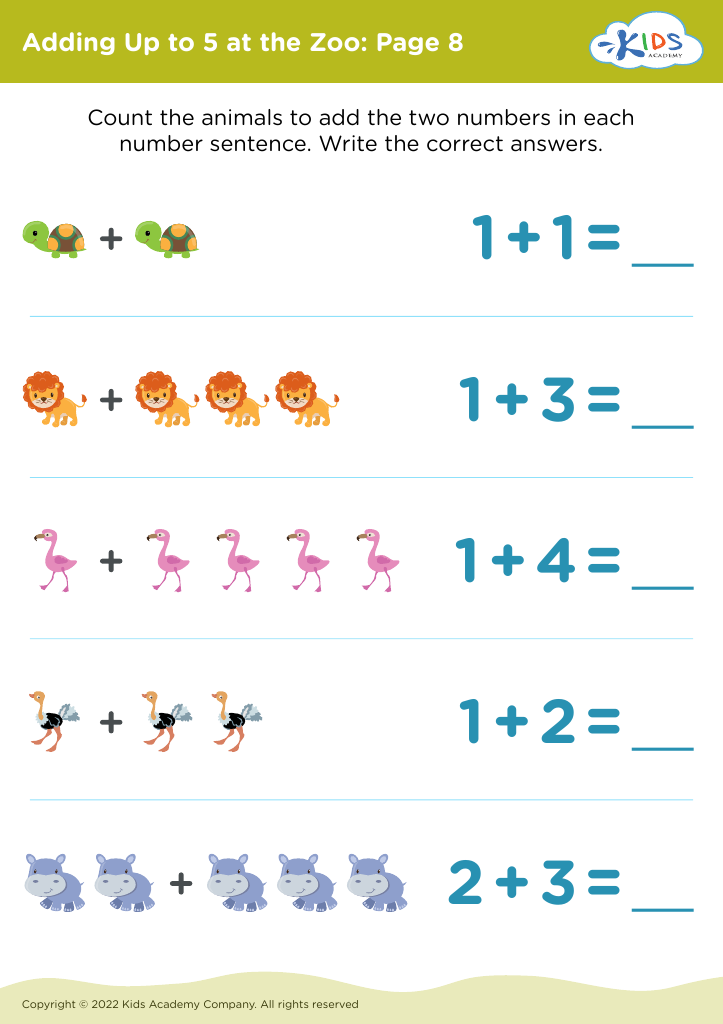
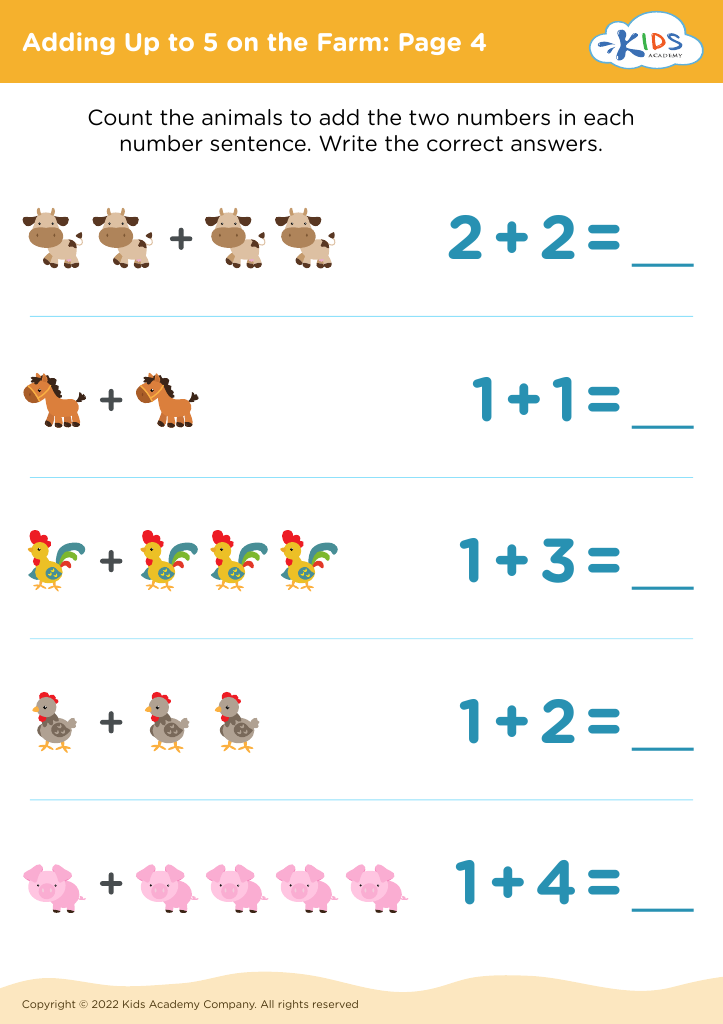
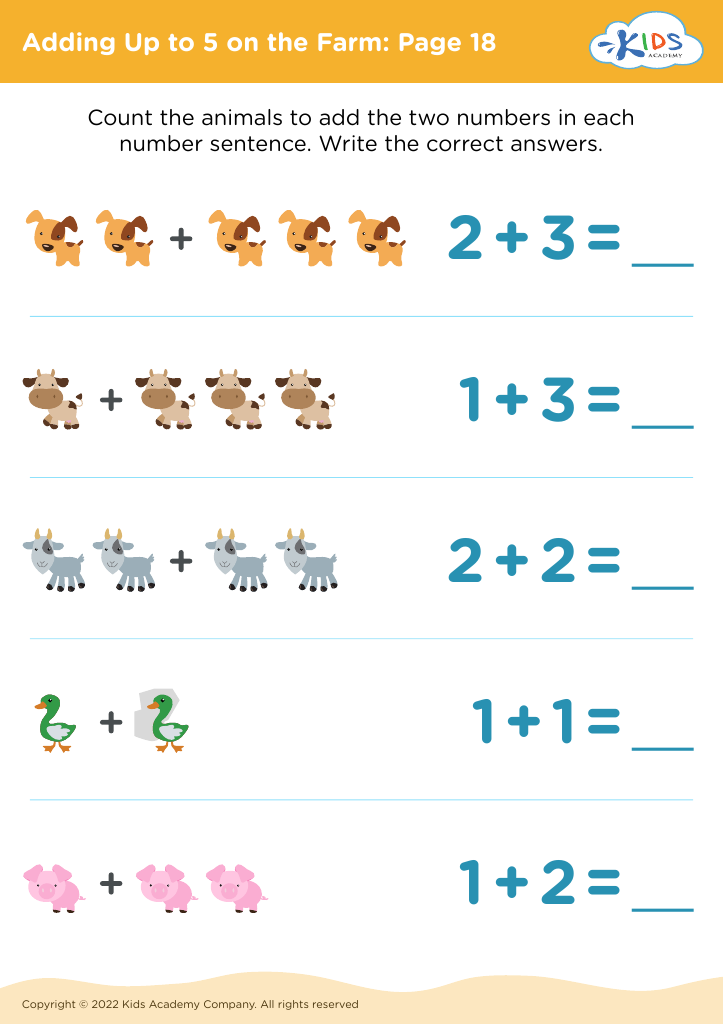
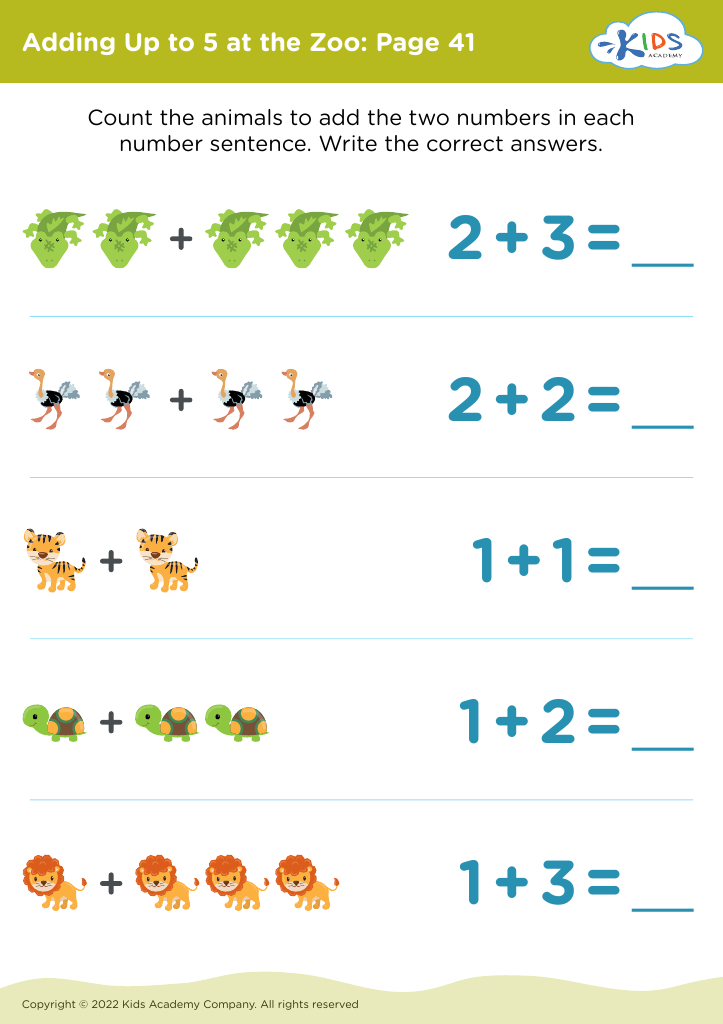
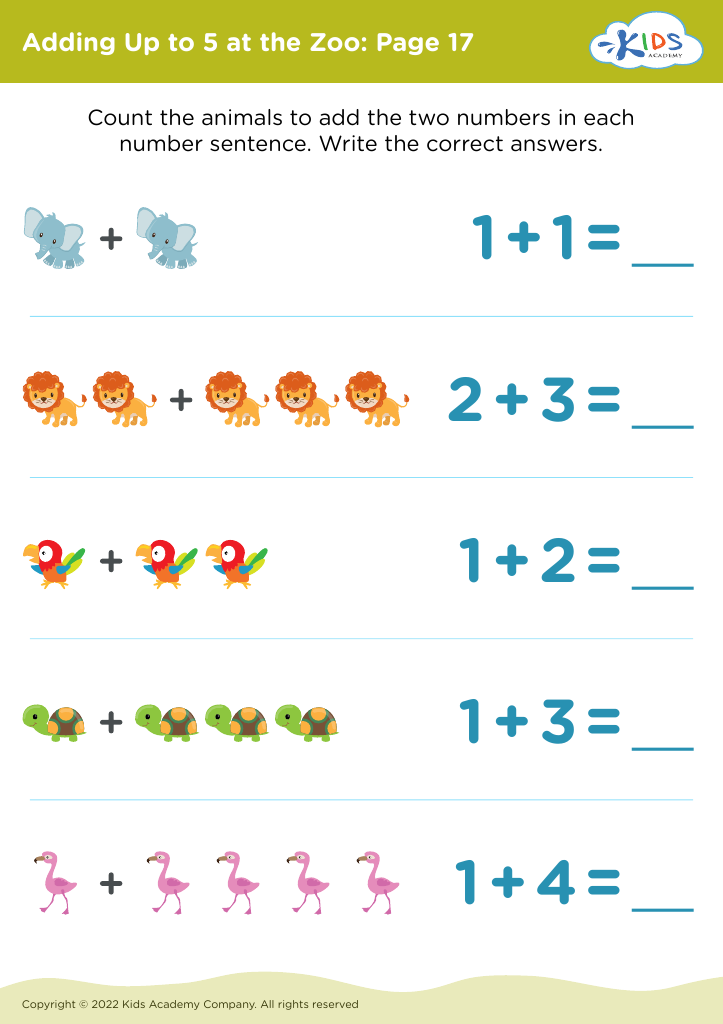
Elevate your child's early math and science skills with our Animal Identification Math Worksheets for ages 3-6. These fun printables bring learning to life by combining basic arithmetic with vibrant animal imagery. Young learners will practice counting, patterns, and sorting exercises while identifying different animals, making math both engaging and educational. Perfect for preschool and kindergarten levels, these worksheets help develop critical thinking and a love for learning in a playful, interactive manner. Foster curiosity and foundational skills simultaneously with our expertly designed activities tailored to young minds. Ideal access to key learning milestones!
Favorites
With answer key
Interactive
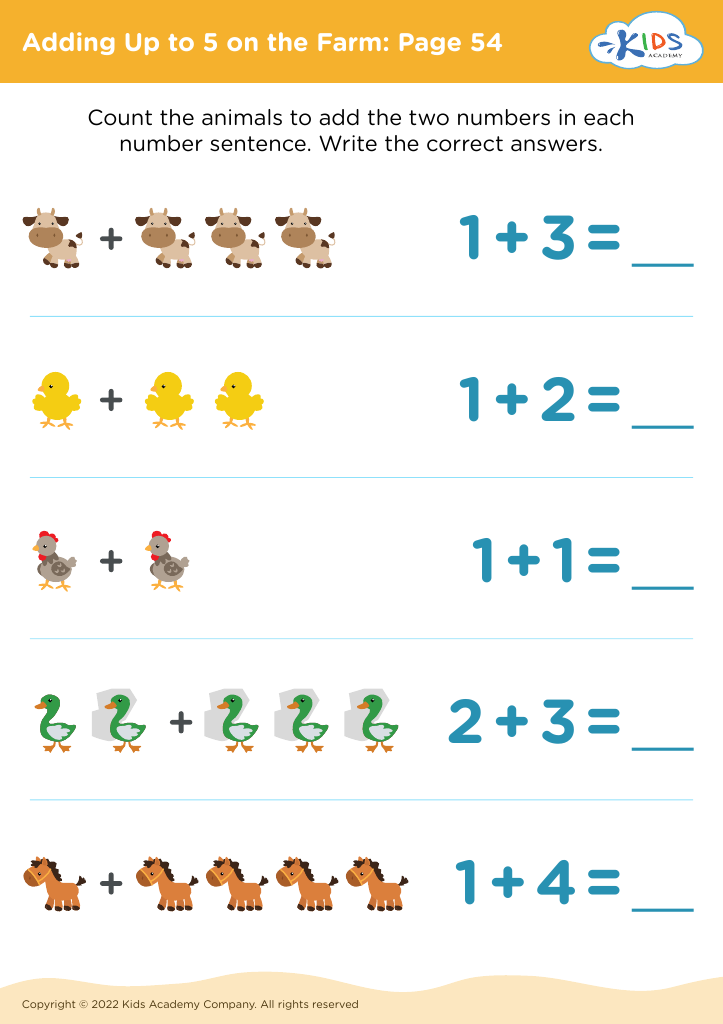
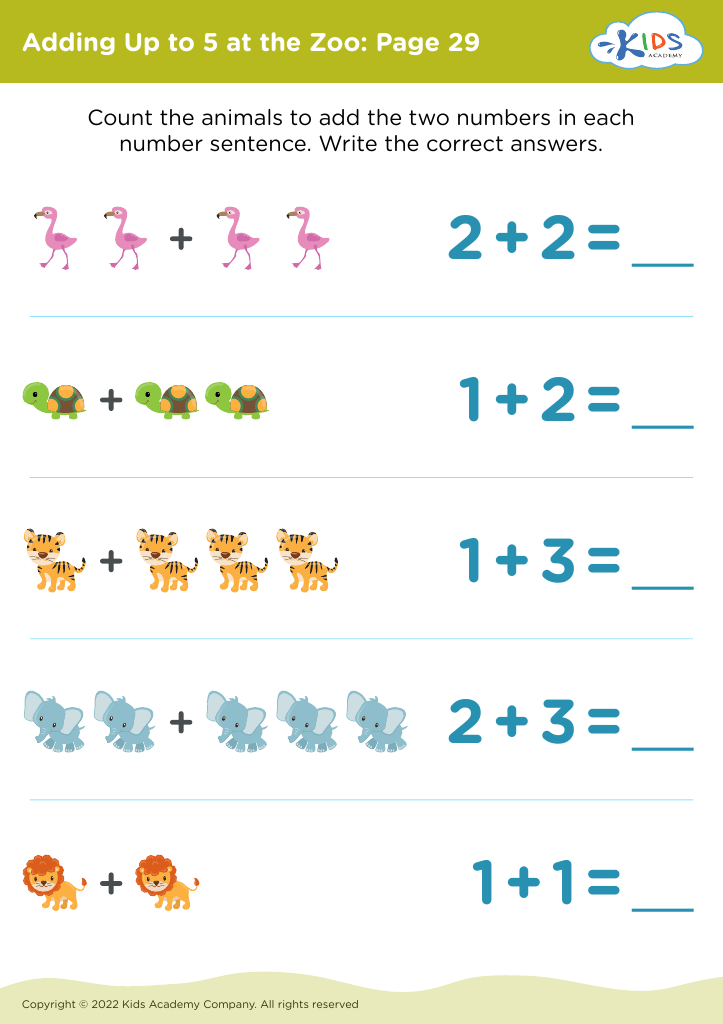
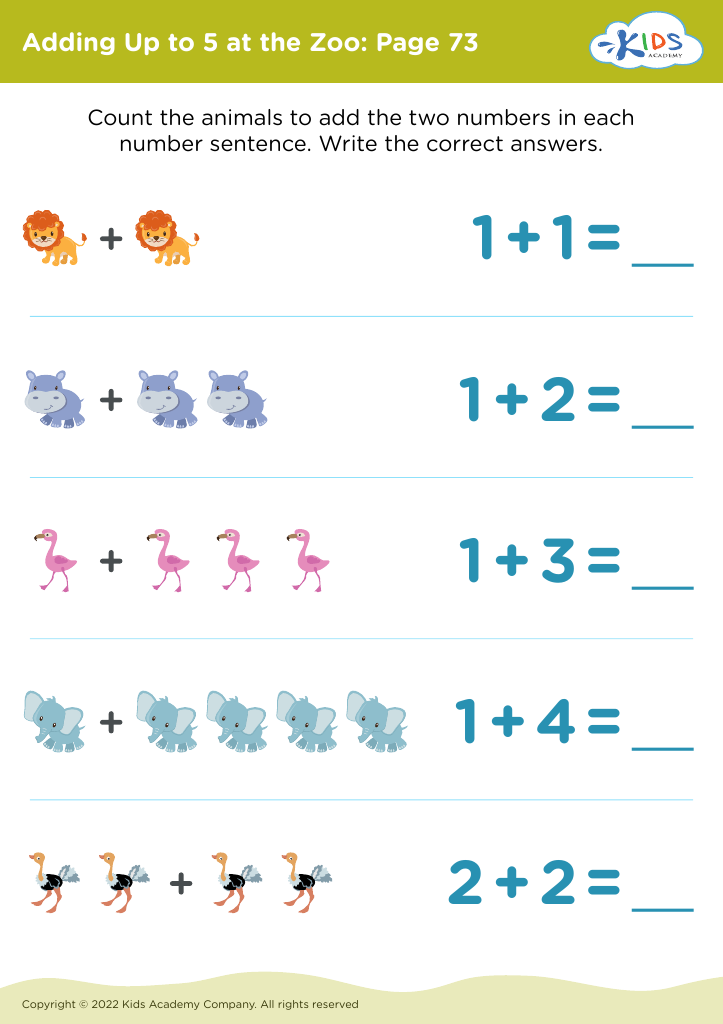
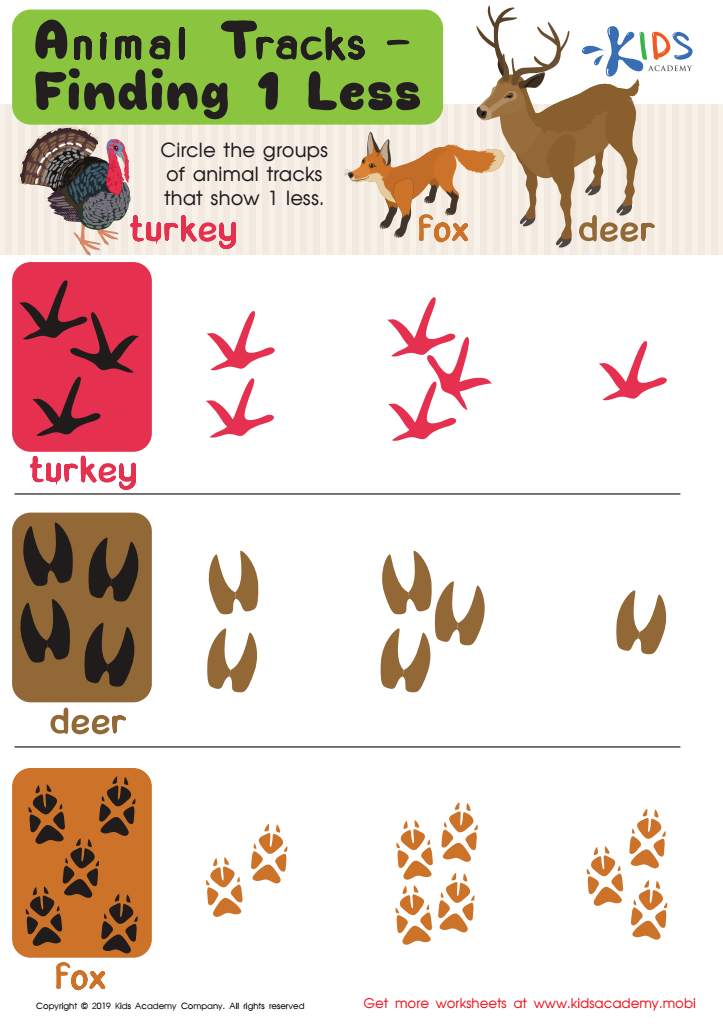
Animal Tracks: Find 1 Less Worksheet
Animals are all around us - wild and domestic. Ask your kids to name their favourites, then use this animal tracks worksheet to explore more. Help them circle the groups with 1 less animal track. It's a great way to learn about the creatures we share our world with!
 Assign to My Students
Animal Tracks: Find 1 Less Worksheet
Worksheet
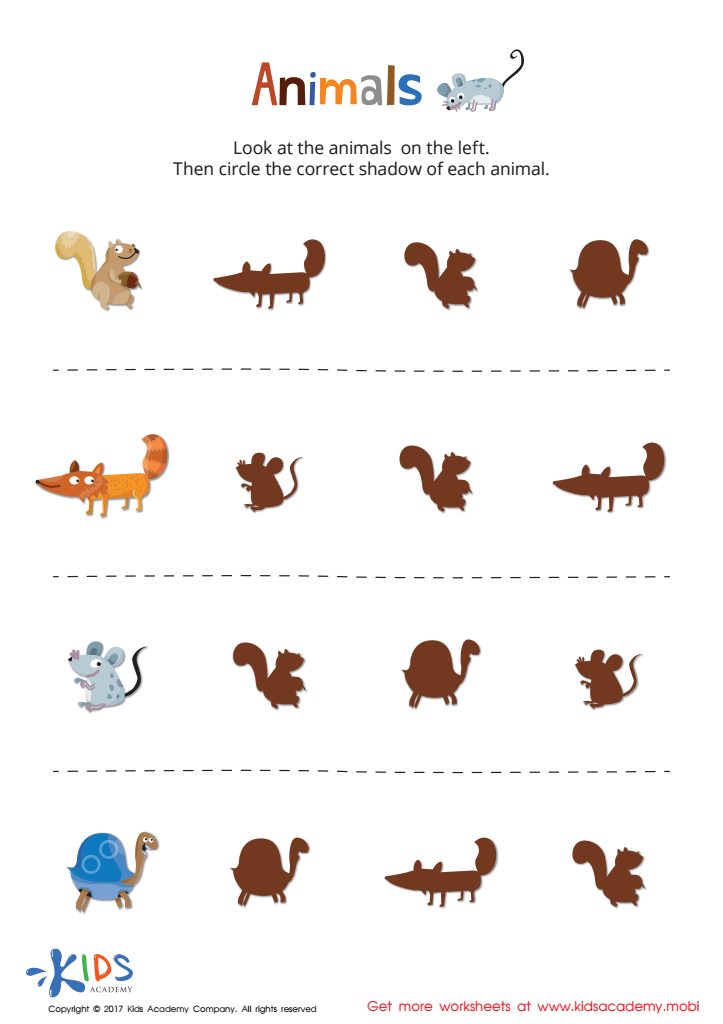
Animal Shadows Sorting Worksheet
This fun worksheet helps your child sharpen many skills. It features animals to match shapes and practice relative directions. Your child will sort animal features, practice spatial recognition, and recognize right/left. Plus, you can use it to start conversations about the animals. And try it also with fruits and veggies to boost sorting skills.
Animal Shadows Sorting Worksheet
Worksheet
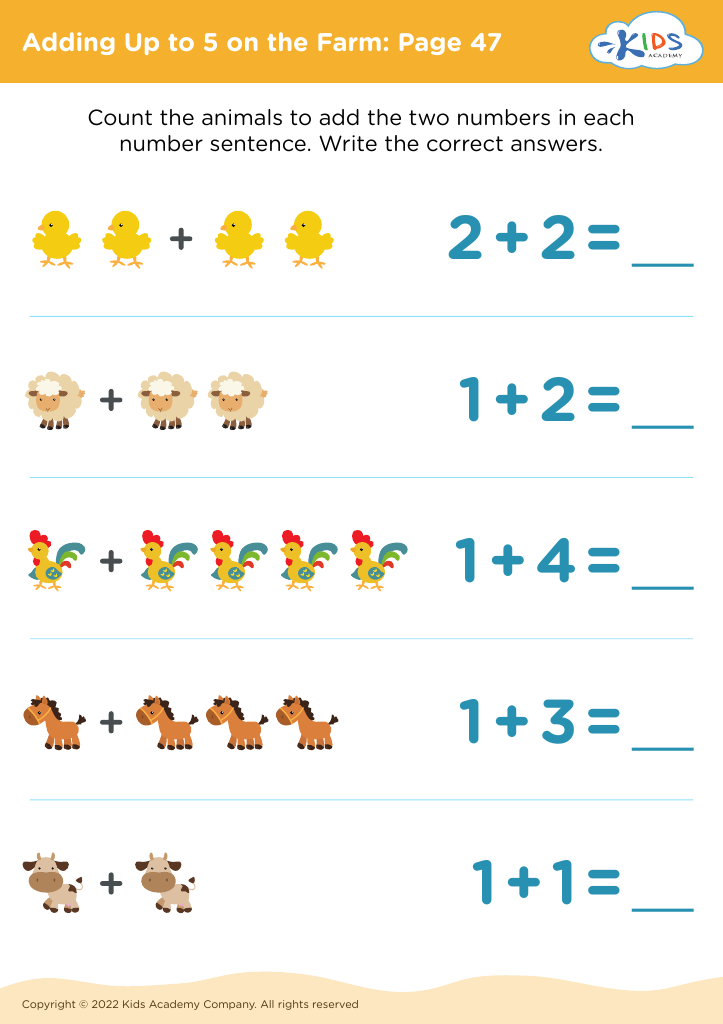
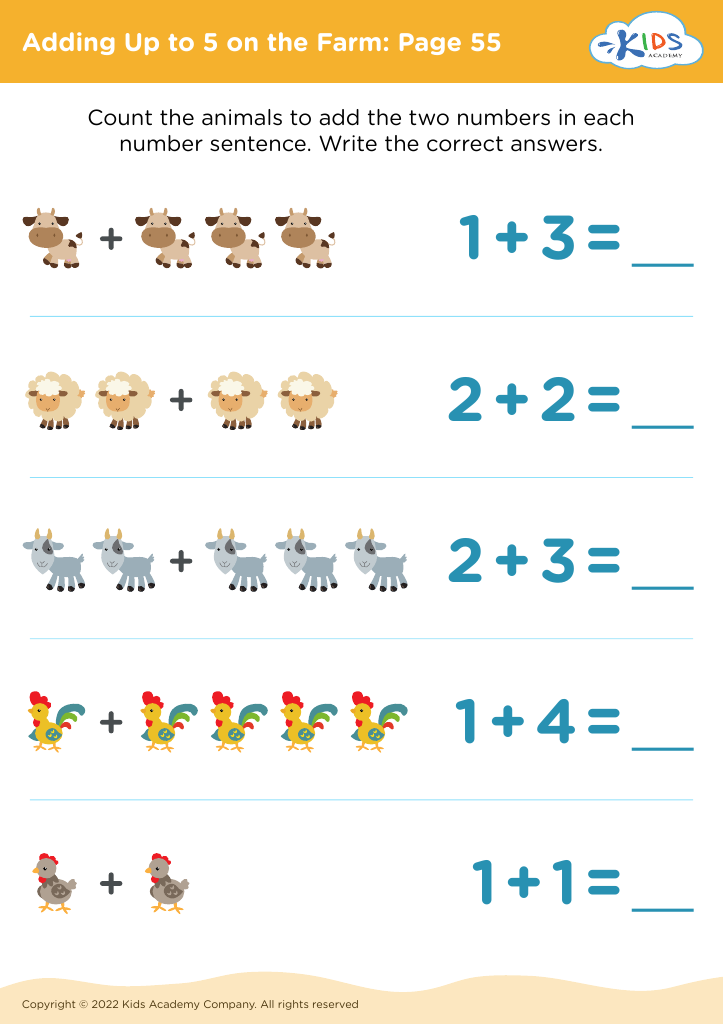
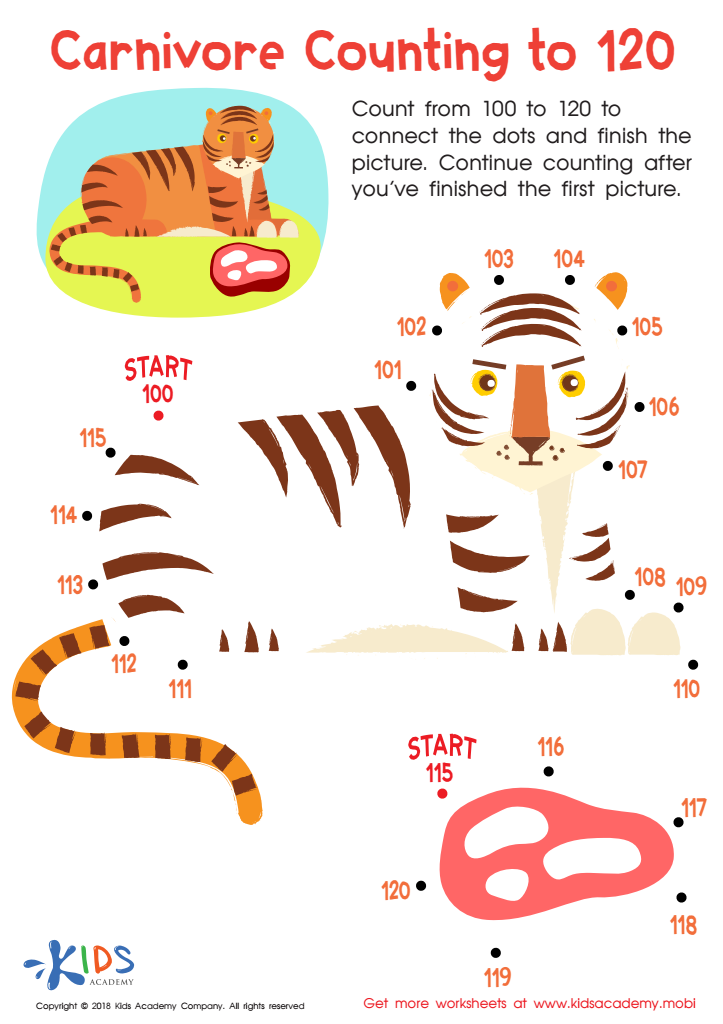
Carnivore Counting to 120 Worksheet
Ask your child to name some popular carnivores. Can they tell you what the animal in the worksheet is? A Tiger? Get them to count from 100 to 120 to connect the dots. After they finish the first picture, keep counting to help them practice!
Carnivore Counting to 120 Worksheet
Worksheet
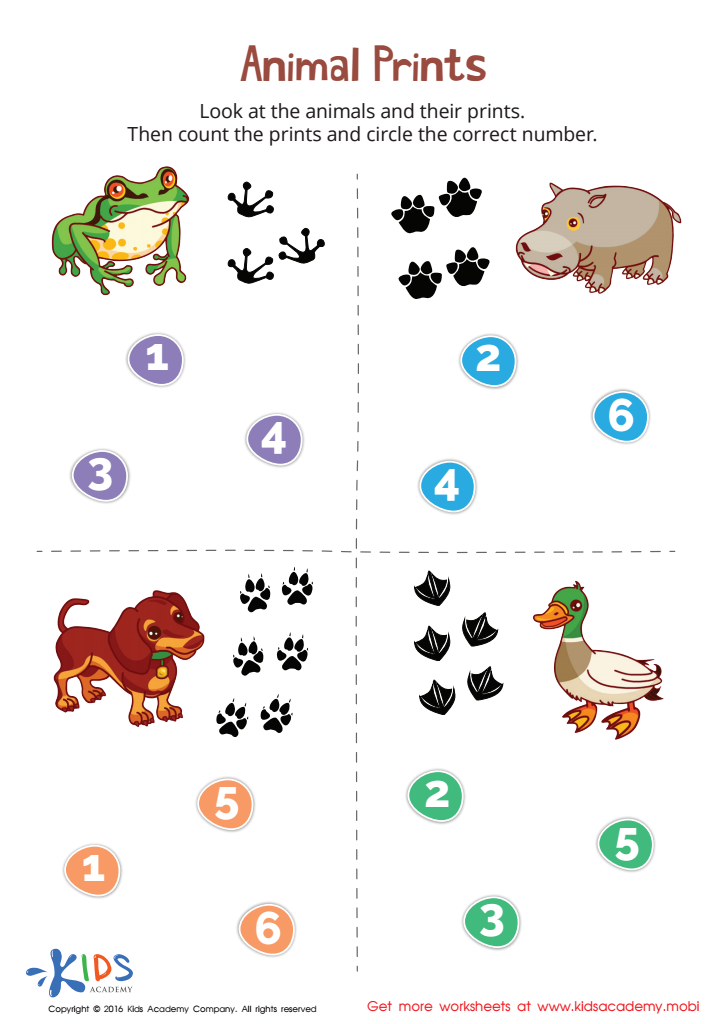
Animal Prints Match-Up Worksheet
Help your little learner build early math skills with this fun animal paw prints worksheet. With it, they'll count, recognize numbers, and learn about the animals that make the paw prints. Talk to them about the prints and ask them to count. They'll love exploring and learning about the different animals, all while sharpening essential math skills!
Animal Prints Match-Up Worksheet
Worksheet
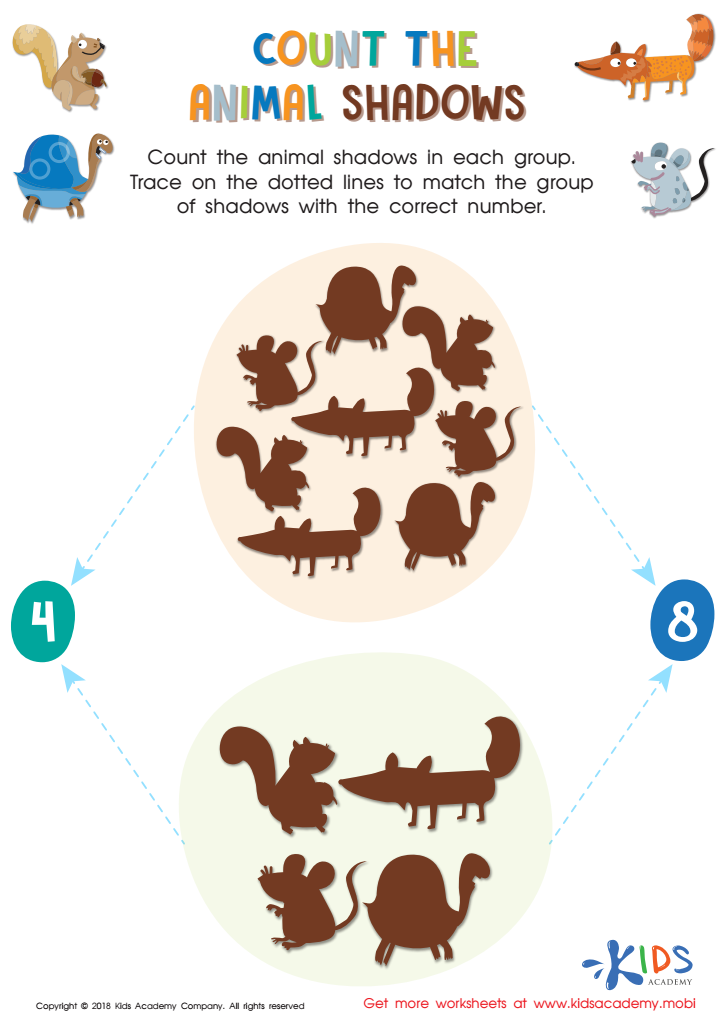
Count the Animal Shadows Worksheet
Our shadows accompany us wherever we go. Even your kids have seen theirs! Did they know that animals have shadows too? Count the animal shadows in each group with this worksheet. Ask your child to identify the animals pictured, then help them trace the dotted lines to match with the right number.
Count the Animal Shadows Worksheet
Worksheet
Join Kids Academy for Free
Who is primarily going to use this learning content?




%20(1).jpg)

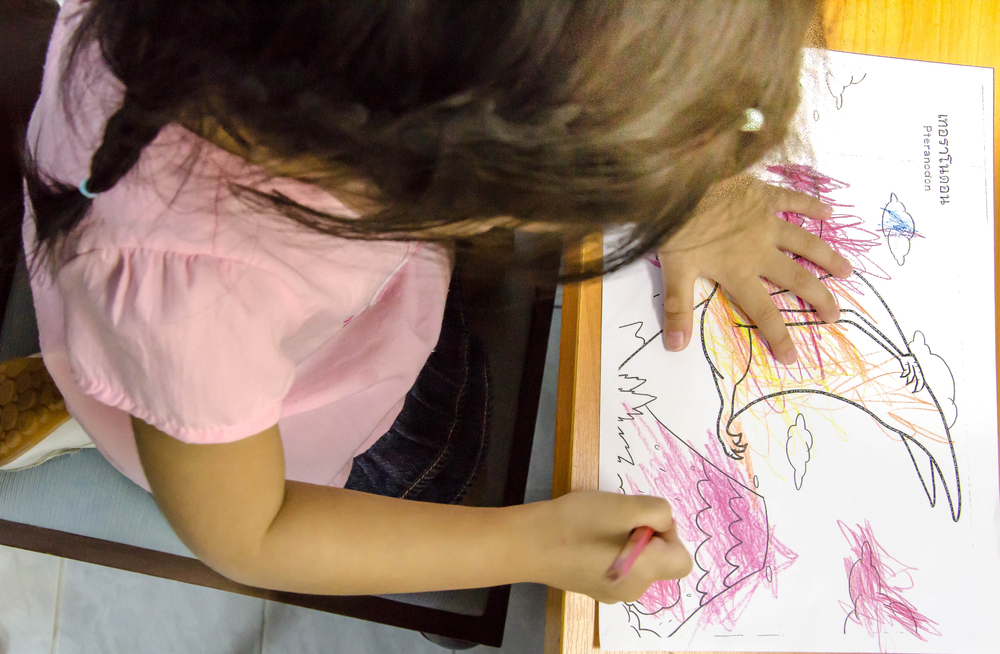

Animal identification math for ages 3-6 is a vital educational tool because it seamlessly integrates cognitive development with engaging content. First, young children are naturally curious about animals, making the subject matter intriguing and relatable. By coupling this interest with math concepts, educators can maintain students' attention and enhance their learning experience.
Recognizing and categorizing animals not only introduce scientific concepts but also build early math skills. For example, activities that involve counting animals, identifying differences between species, or sorting them by various characteristics (such as size or habitat) cultivate foundational number sense, categorization, and logical reasoning skills. These activities lay the groundwork for more complex problem-solving and critical thinking tasks in the future.
Additionally, animal identification aids in teaching patterns, sequencing, and spatial awareness. Understanding patterns—like stripes on a tiger or spots on a leopard—helps children grasp predictive and repetitive sequences, essential skills for math and daily life. Sorting activities can also enhance fine motor skills and coordination, vital for writing and other tasks.
Parents and teachers who integrate animal identification math in their curriculum promote a multidisciplinary approach to learning that can inspire a lifelong interest in both mathematics and natural sciences, thereby nurturing well-rounded, curious individuals.








