Place Value Worksheets for Ages 3-6 - Page 2
44 filtered results
-
From - To
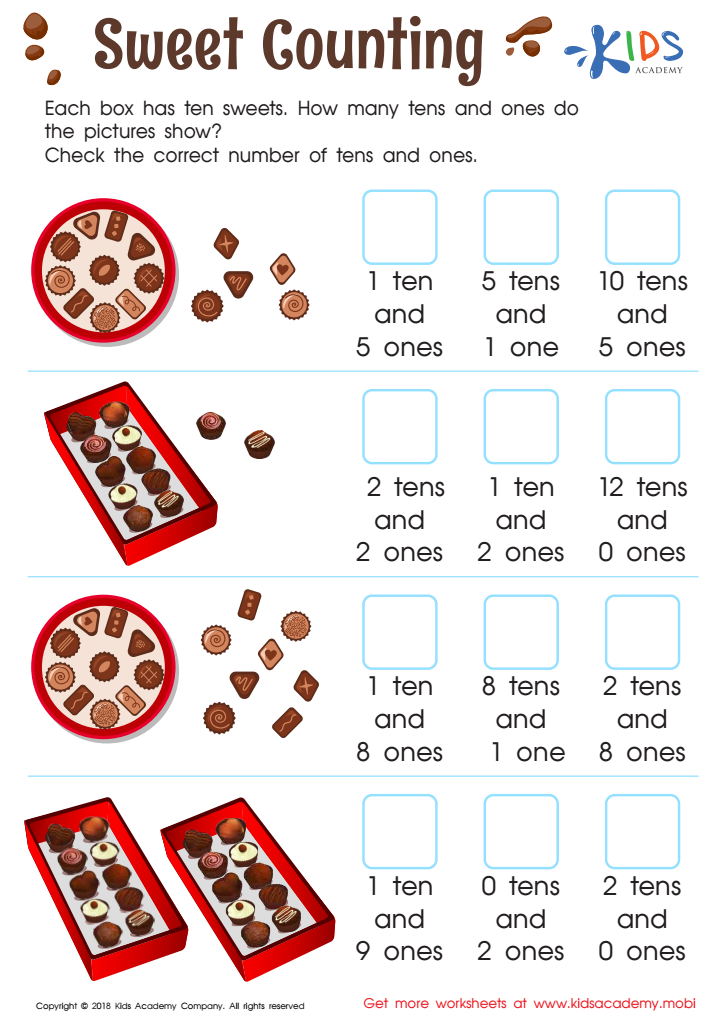
Sweet Counting - Part 2 Worksheet
 Assign to My Students
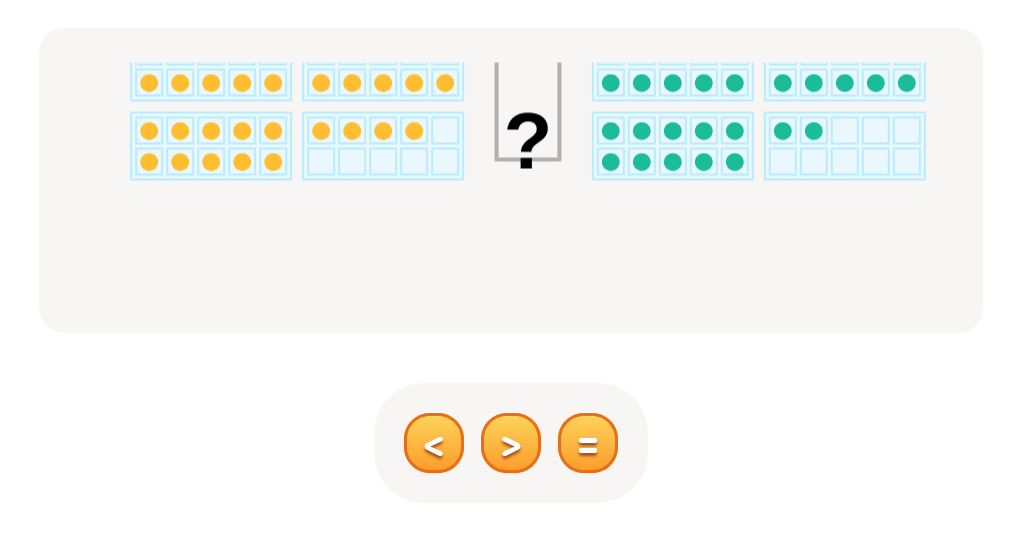

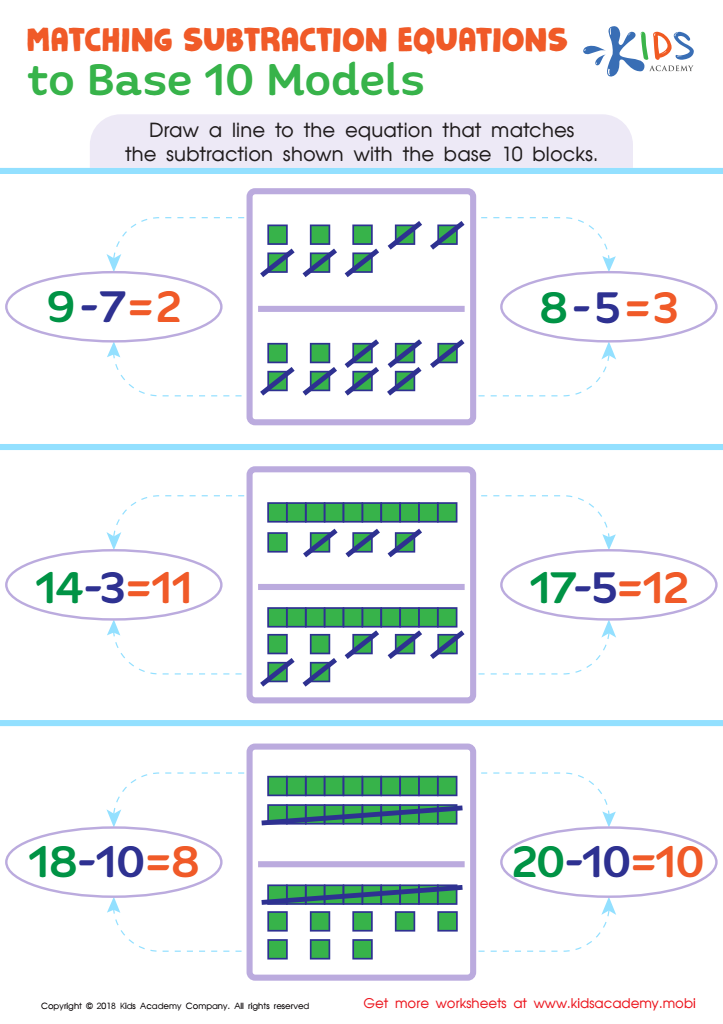
Matching Subtraction Equations To Base 10 Models Worksheet
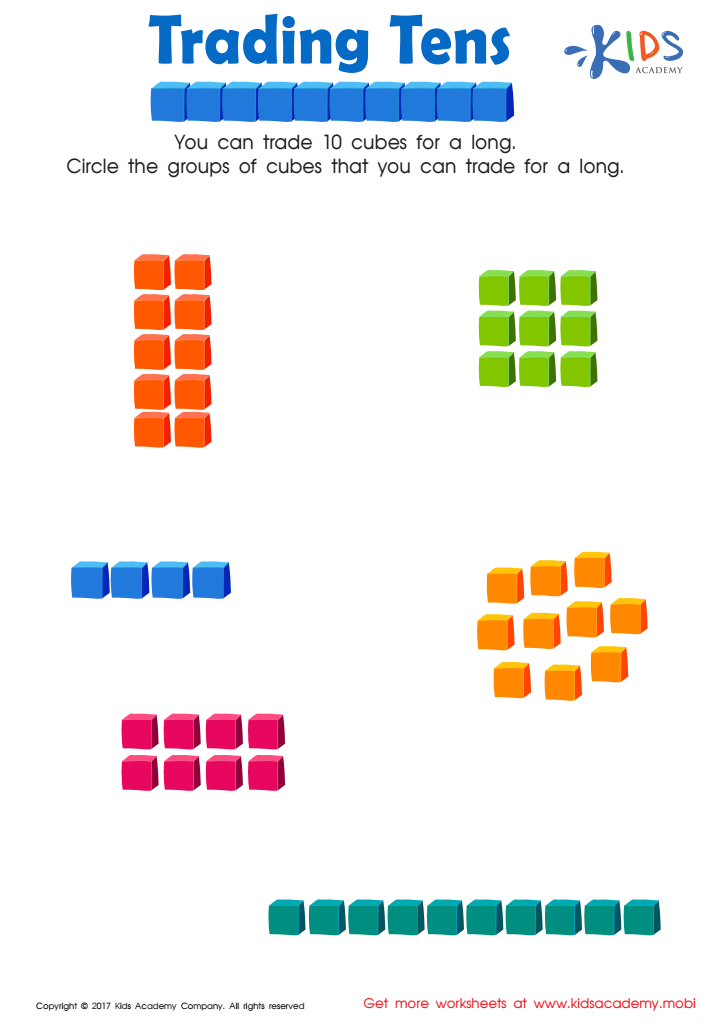
Trading Tens Worksheet
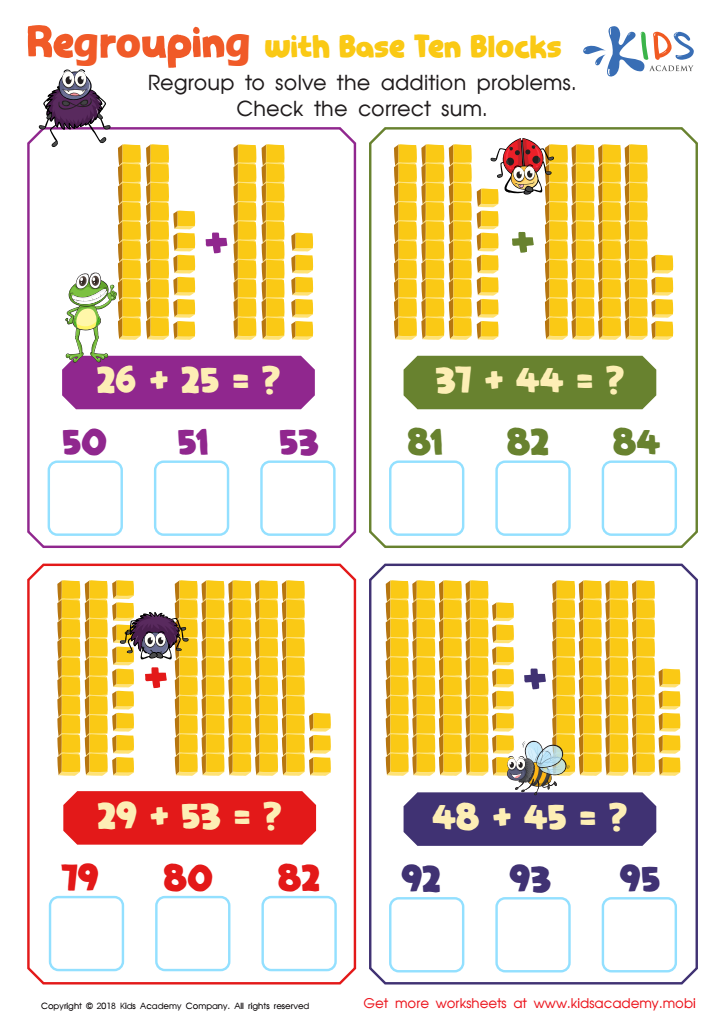
Regrouping With Base Ten Blocks Worksheet
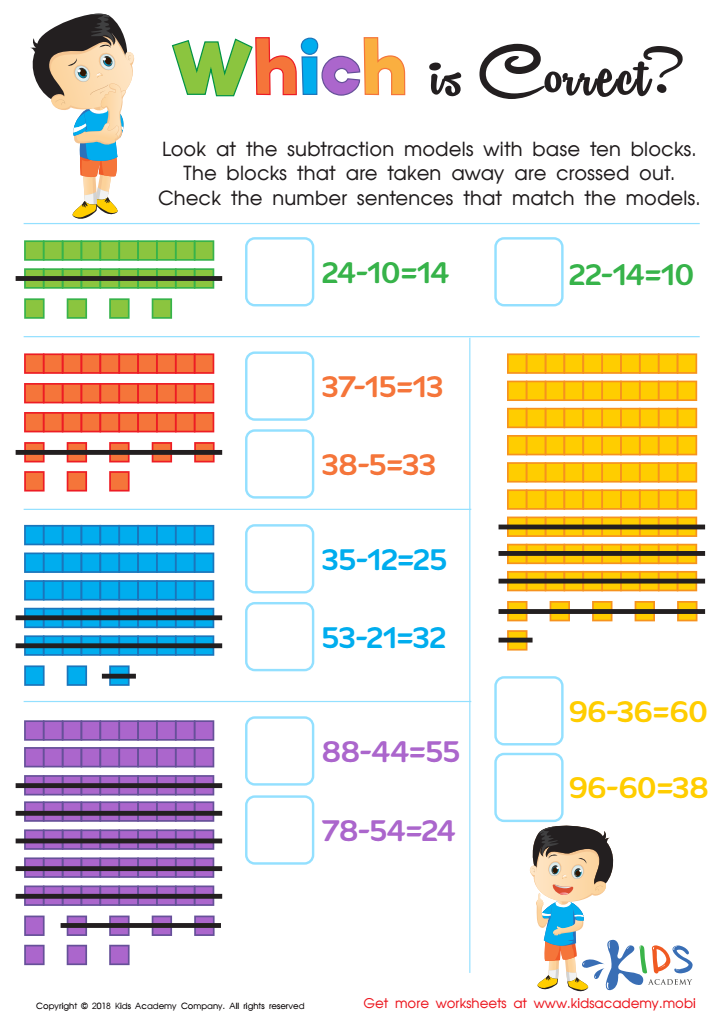
Which Is Correct? Math Worksheet
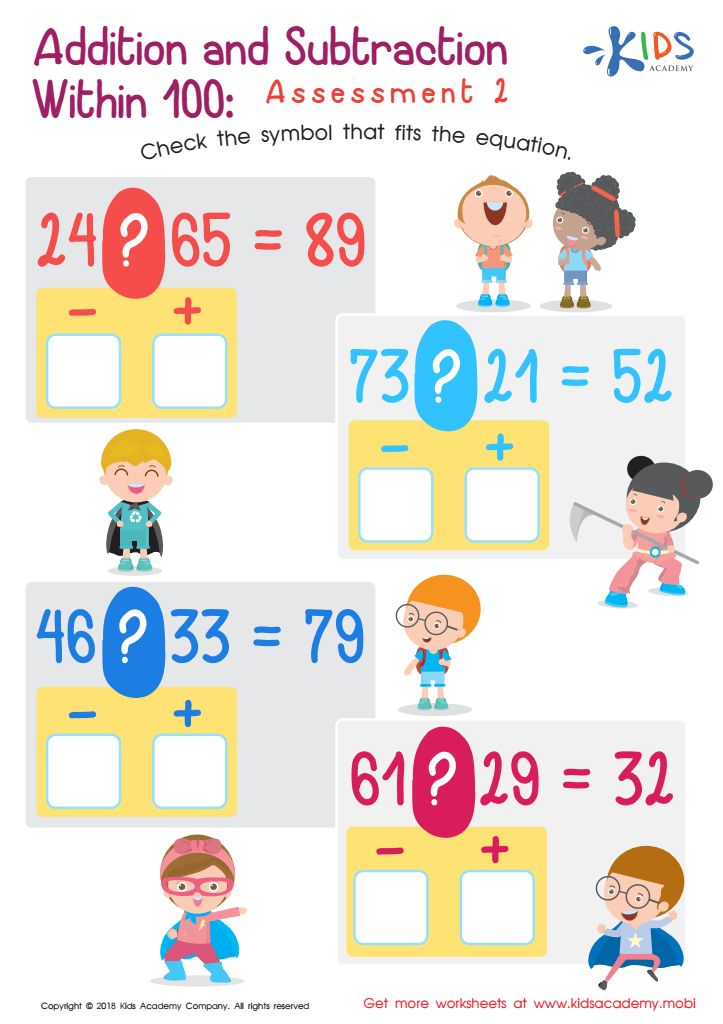
Addition and Subtraction Within 1: Assessment 2 Worksheet
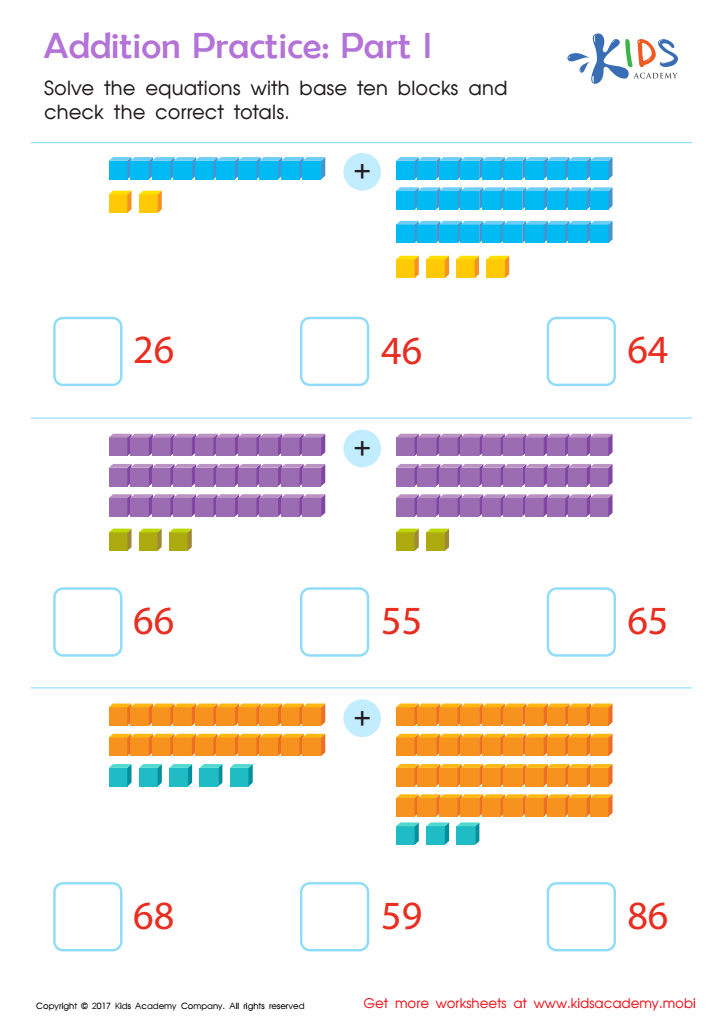
Addition Practice Sheet: Part 1
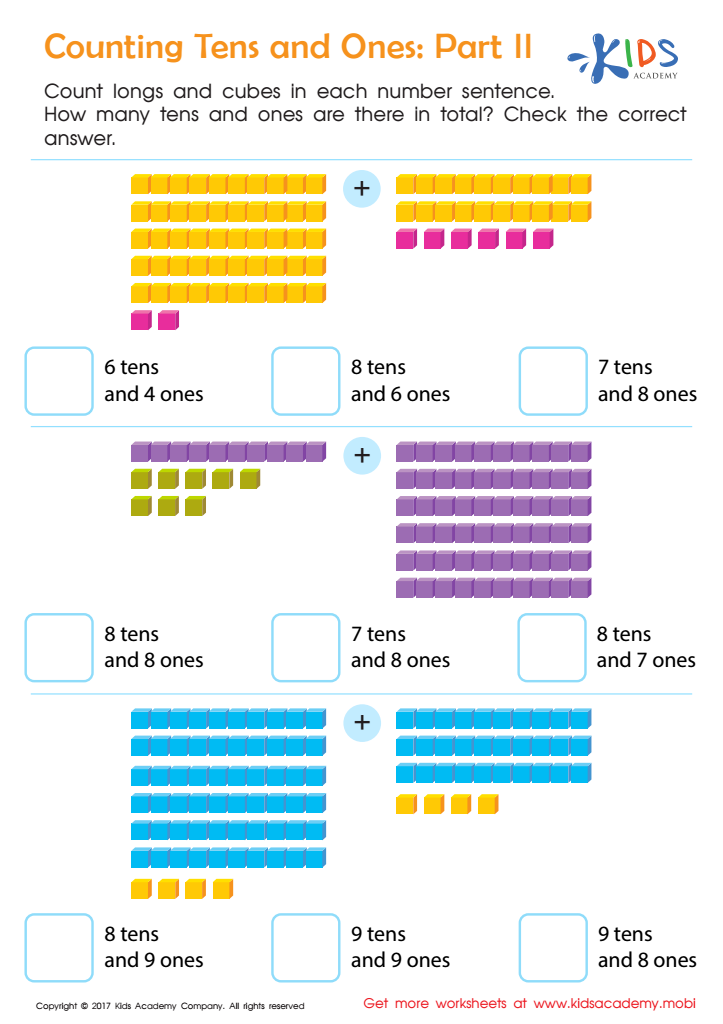
Counting Tens and Ones: Part 2 Worksheet
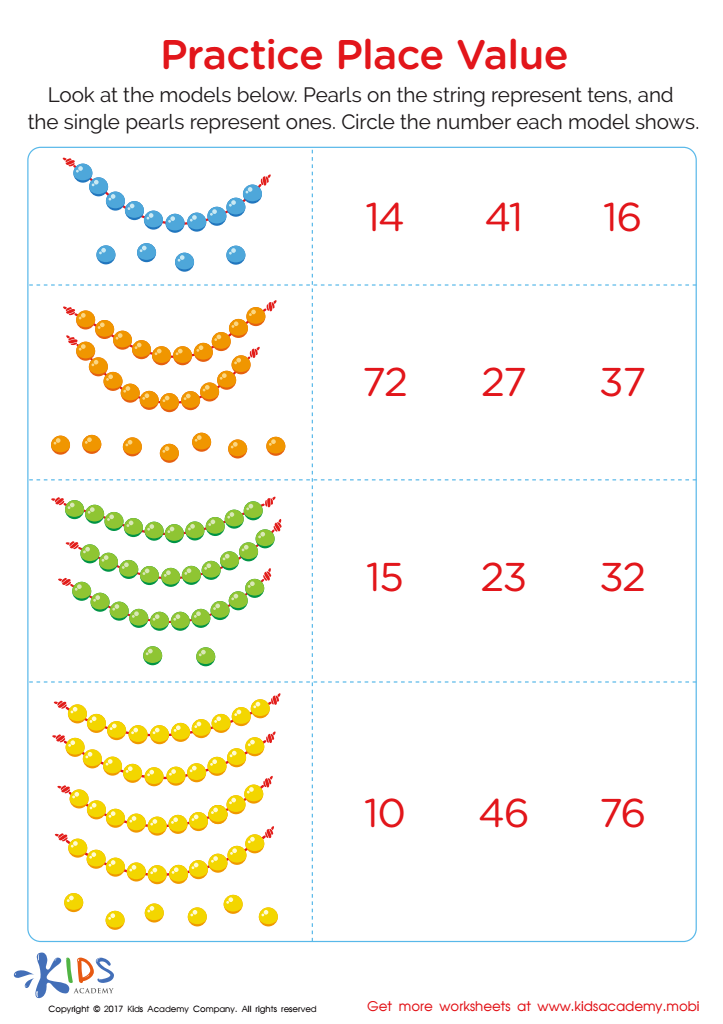
Practice Place Value Printable
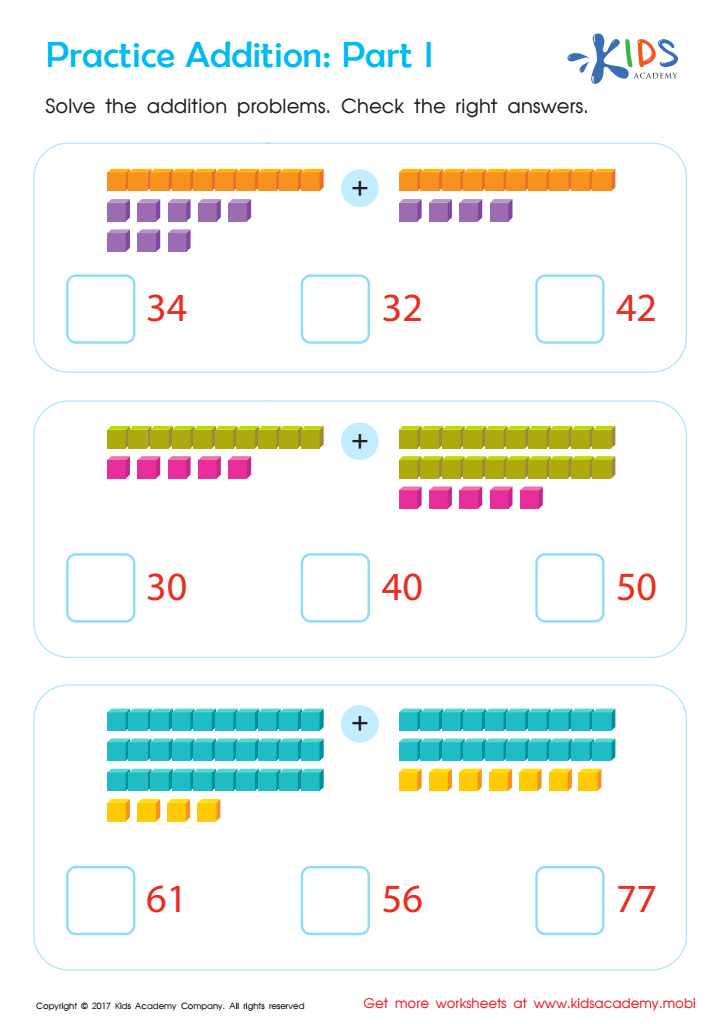
Practice Addition: Part 1 Worksheet
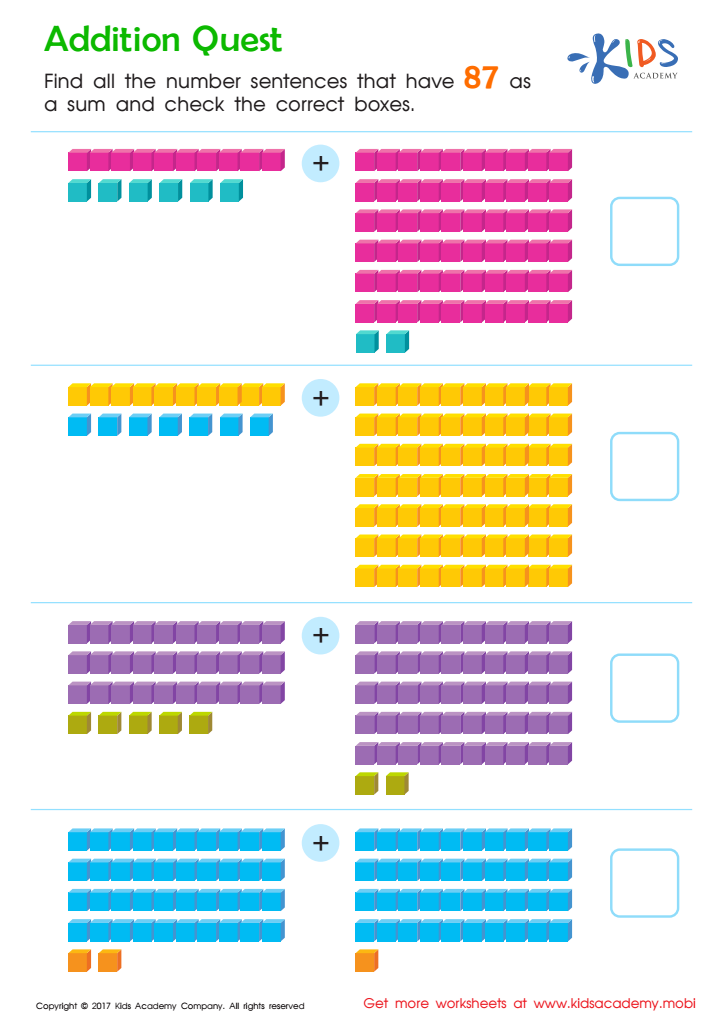
Addition Quest Worksheet: Part 1
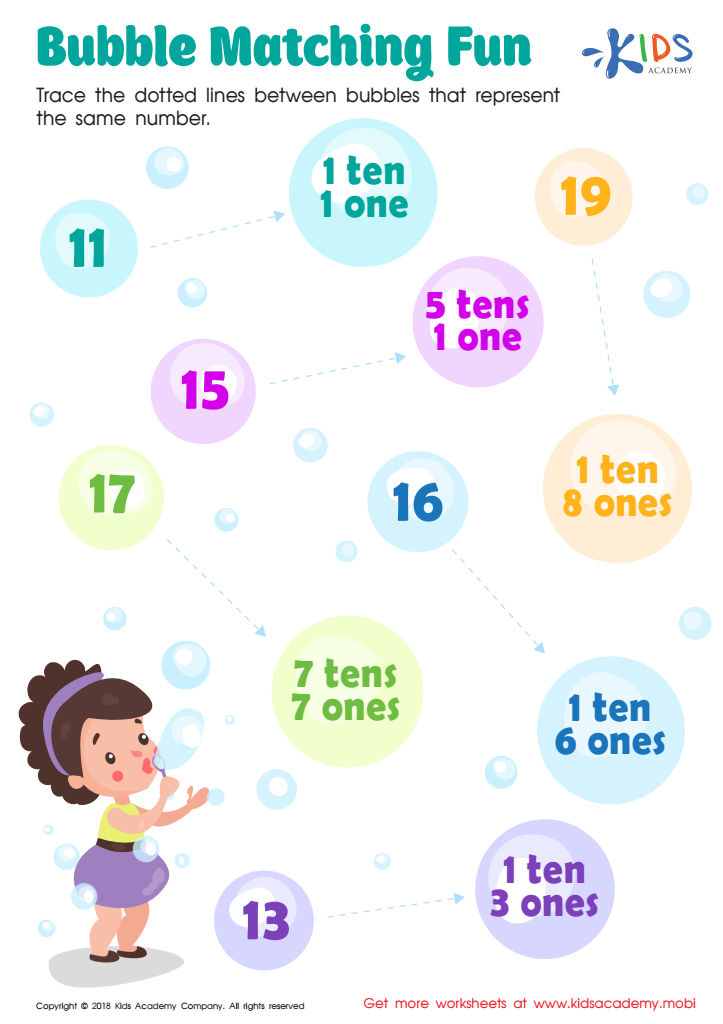
Bubble Matching Fun Worksheet
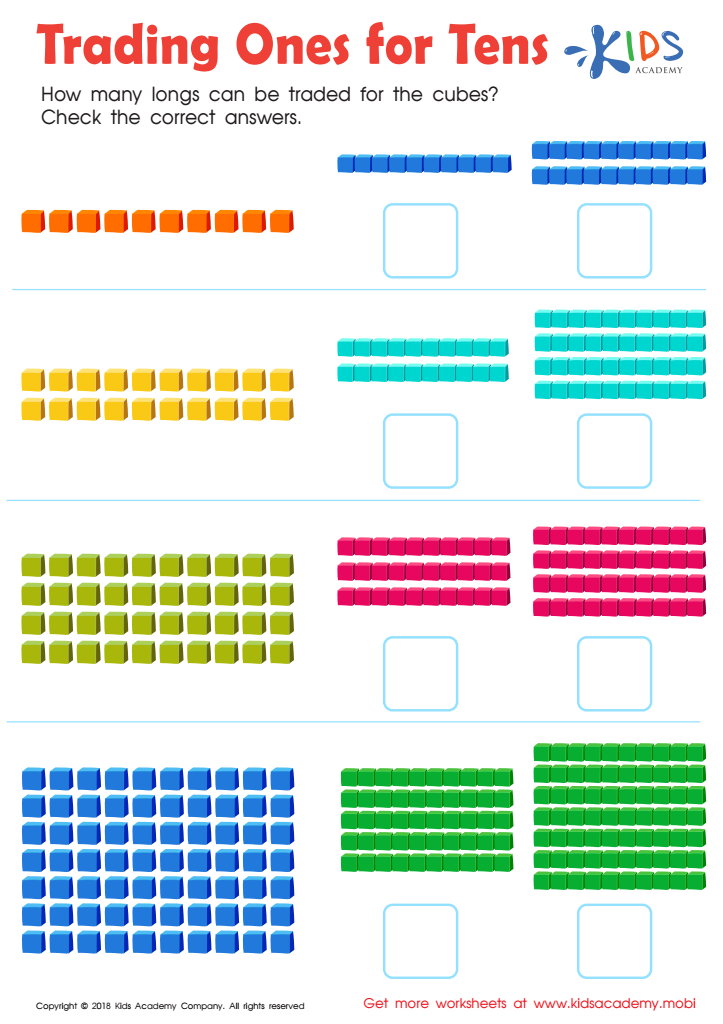
Trading Ones for Tens Worksheet: Part 2
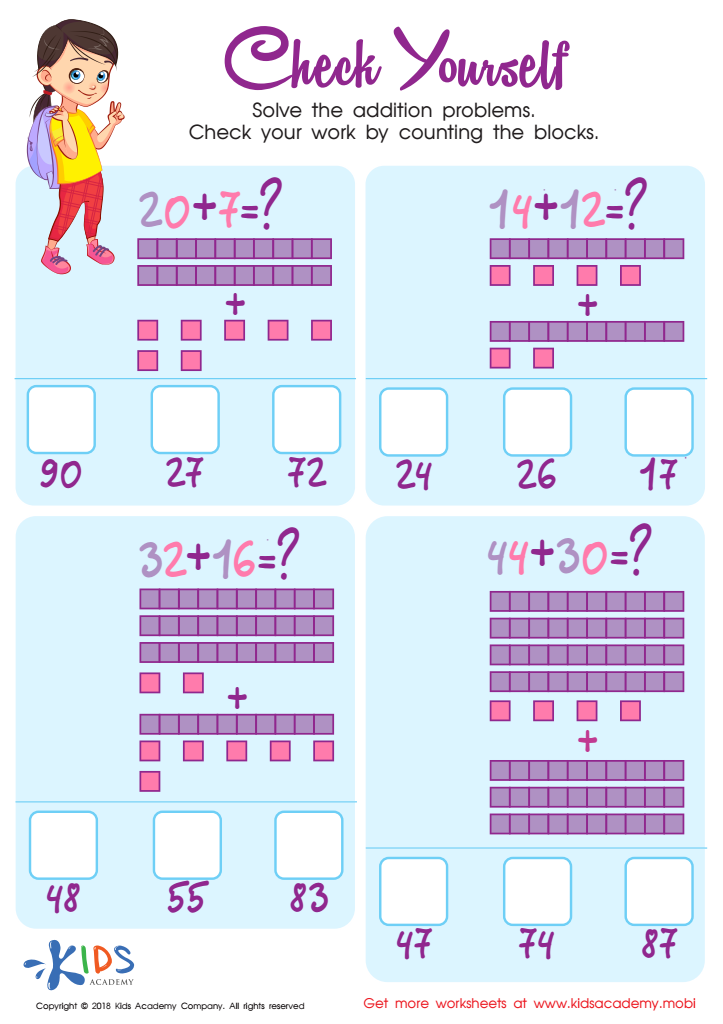
Adding with Base 1 Blocks Worksheet: Check Yourself
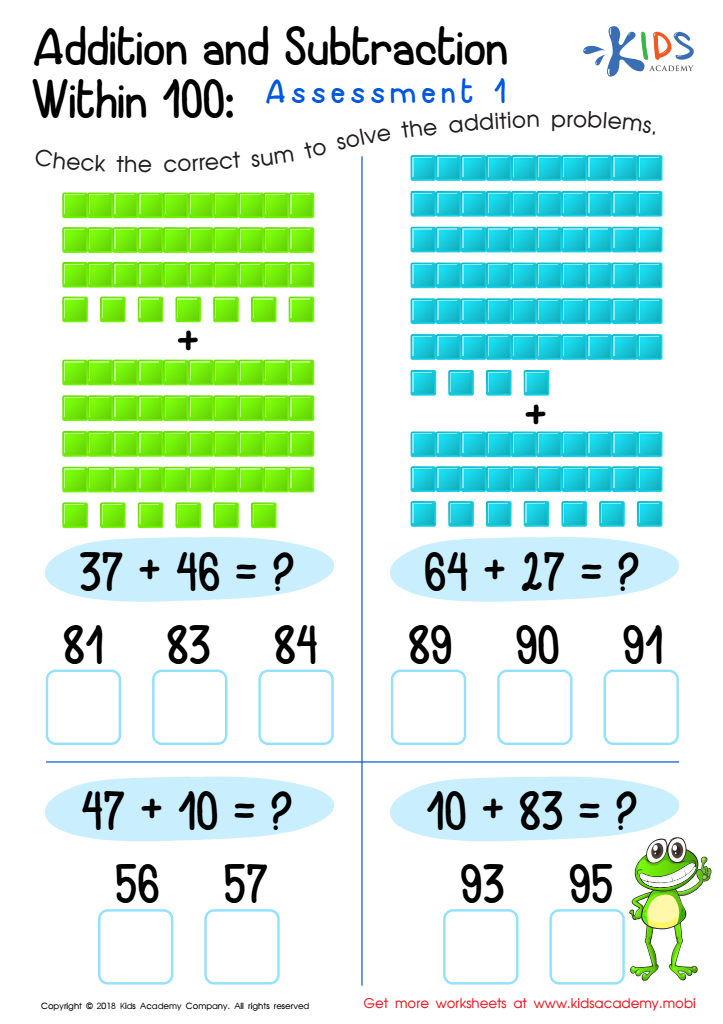
Addition and Subtraction Within 1: Assessment 1 Worksheet
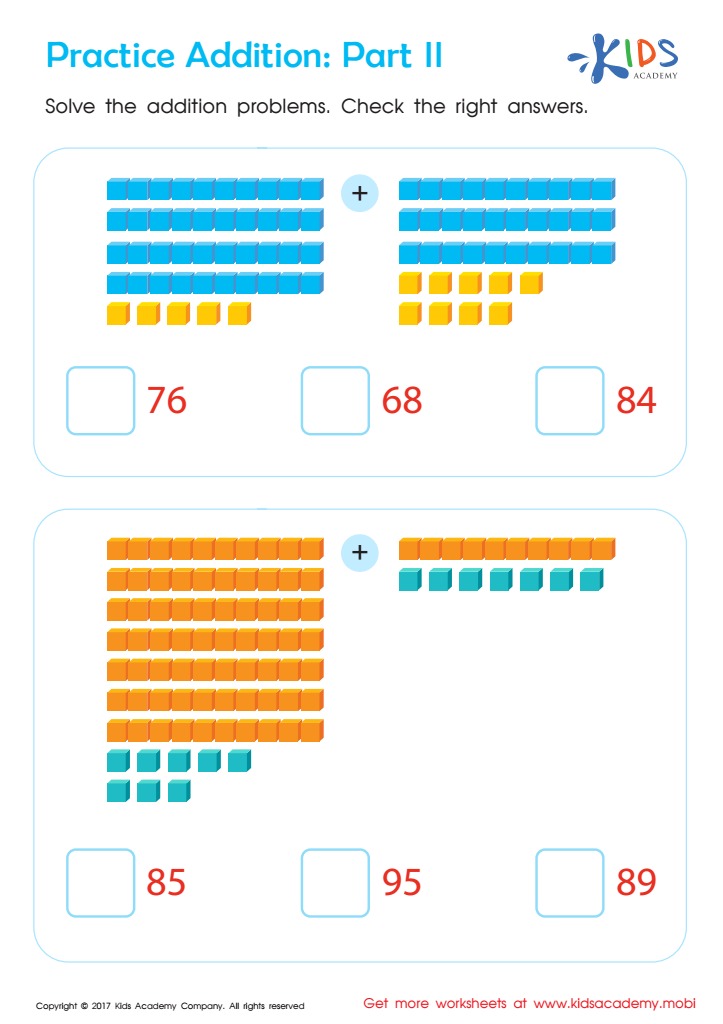
Practice Addition: Part 2 Worksheet
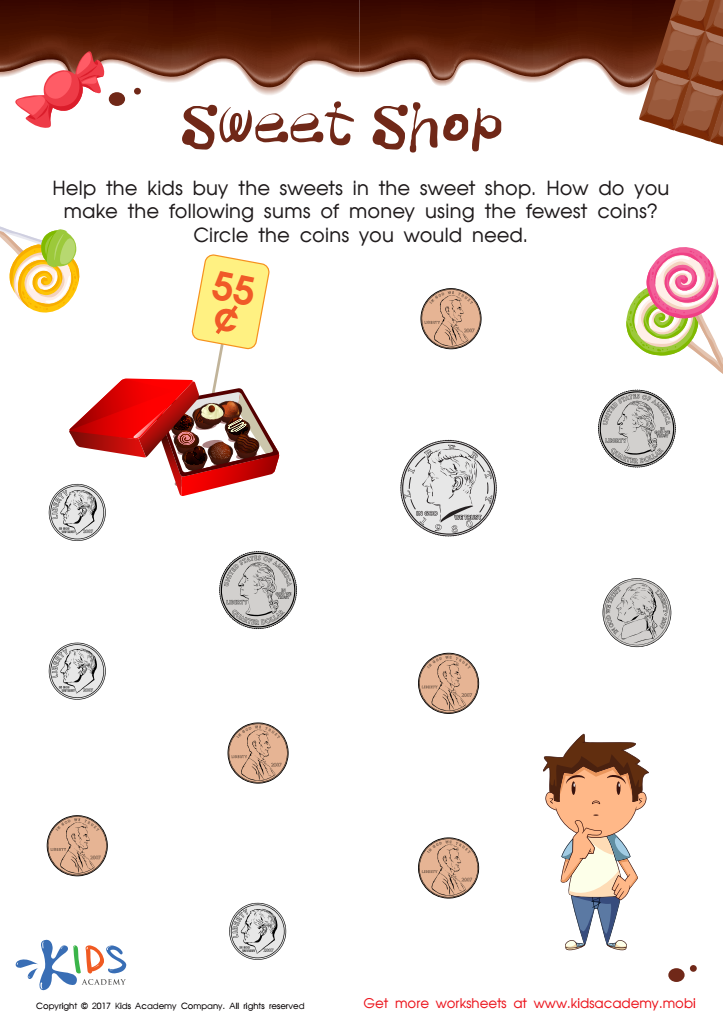
Sweet Shop – Counting Coins Worksheet
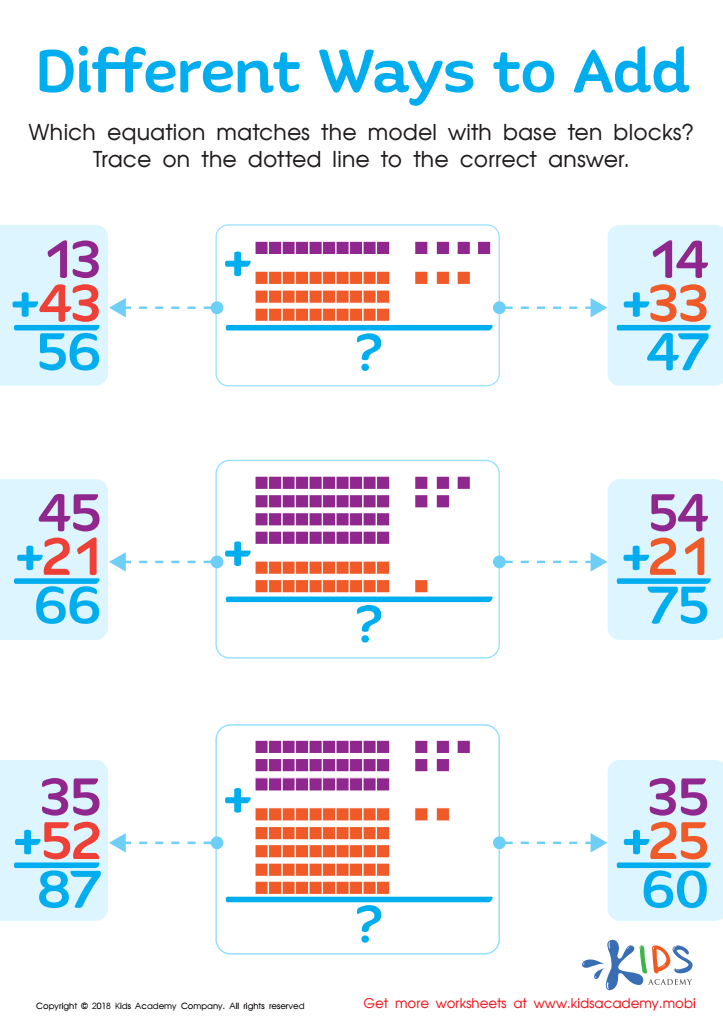
Different Ways to Add Worksheet
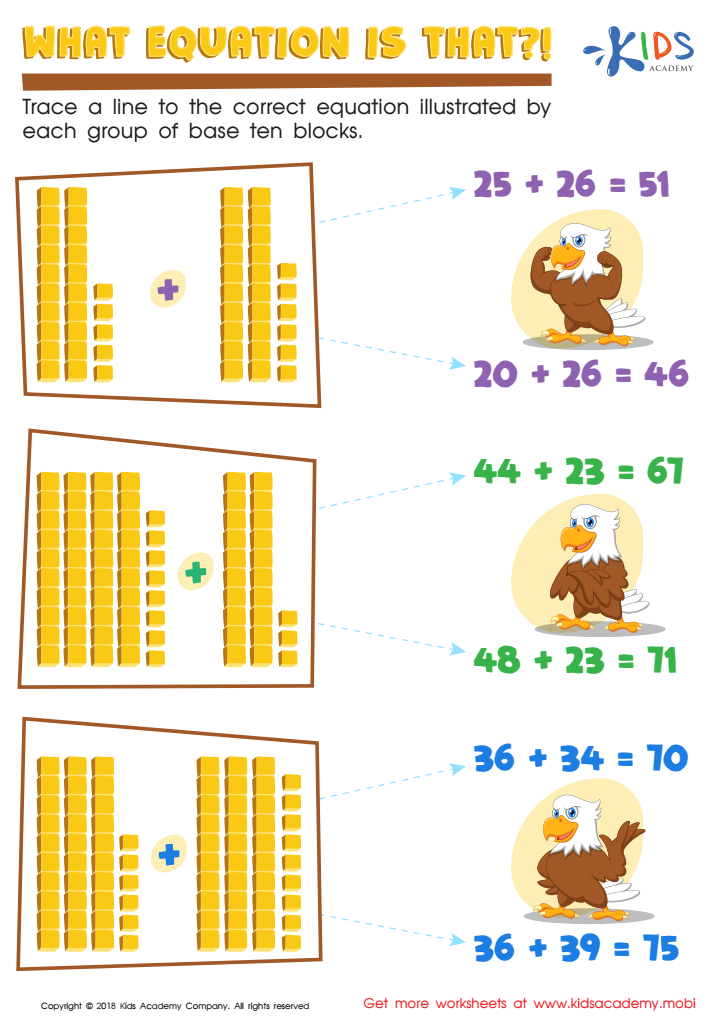
What Equation Is That? Worksheet
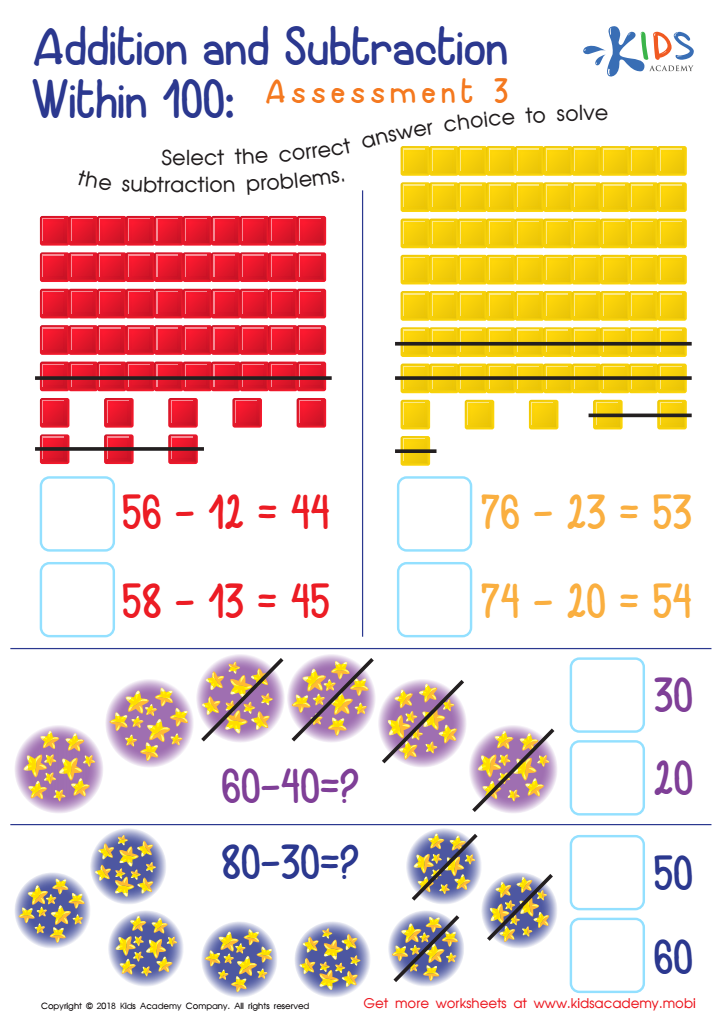
Addition and Subtraction Within 1: Assessment 3 Worksheet








Place value is a fundamental concept in early mathematics that lays the groundwork for children's future mathematical understanding. For parents and teachers working with children ages 3-6, grasping this concept is crucial for several reasons.
First, place value forms the basis for number comprehension. Understanding that digits represent different values based on their position (units, tens, hundreds) helps children recognize and work with larger numbers, making it easier for them to perform addition and subtraction in later years.
Secondly, learning place value enhances children's problem-solving skills. When children comprehend that numbers can be broken down into parts (e.g., 23 as 20 and 3), they become more adept at tackling mathematical problems creatively and flexibly.
Moreover, place value supports the development of critical thinking. Children learn to categorize and organize numbers, which sharpens their analytical skills. Engaging with place value through hands-on activities and playful learning encourages curiosity and confidence in mathematical exploration.
Lastly, early familiarity with place value can significantly improve numerical literacy, preparing children not just for academic success but for daily life skills, such as budgeting and understanding time, as they grow older. Therefore, prioritizing place value education for young learners is essential for their overall mathematical journey.