Cognitive Development Tracing Shapes Worksheets for Ages 3-6
4 filtered results
-
From - To
Enhance your child's cognitive development with our engaging tracing shapes worksheets designed for ages 3-6. These fun and interactive activities help young learners shape their understanding of basic geometric concepts while improving fine motor skills and hand-eye coordination. With vibrant illustrations and easy-to-follow tracing exercises, children will enjoy practicing shapes like circles, squares, and triangles. Our worksheets not only promote essential early math skills but also stimulate critical thinking and problem-solving abilities. Perfect for at-home learning or classroom use, these cognitive development tools lay a strong foundation for future academic success. Explore our collection and watch your child flourish!
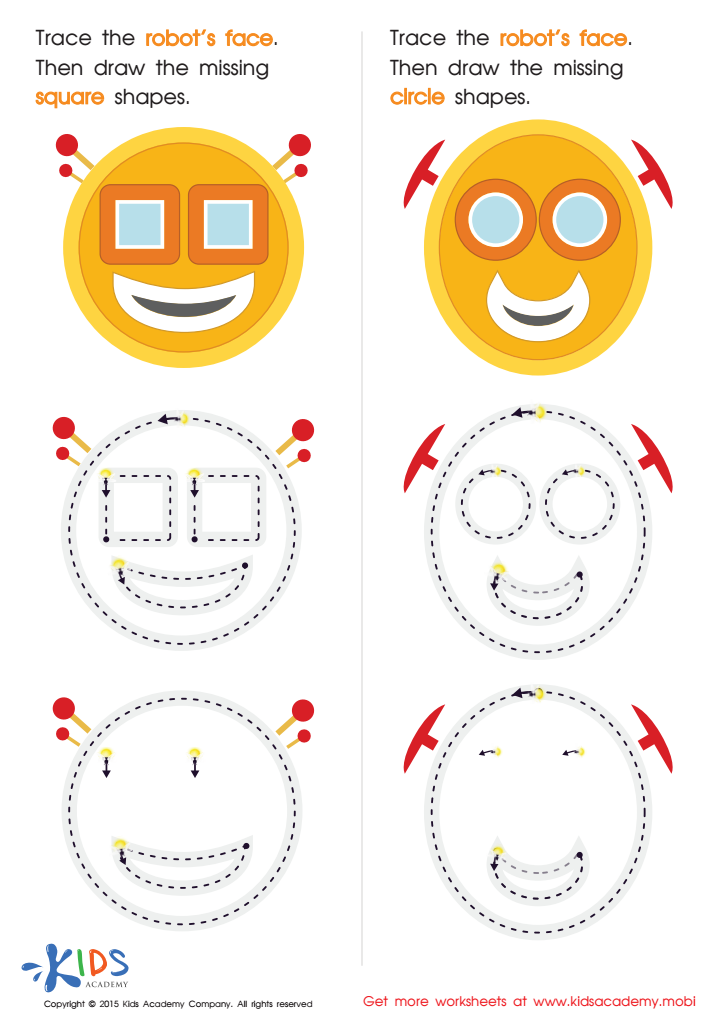
Practicing to Draw Circles And Squares Printable
 Assign to My Students
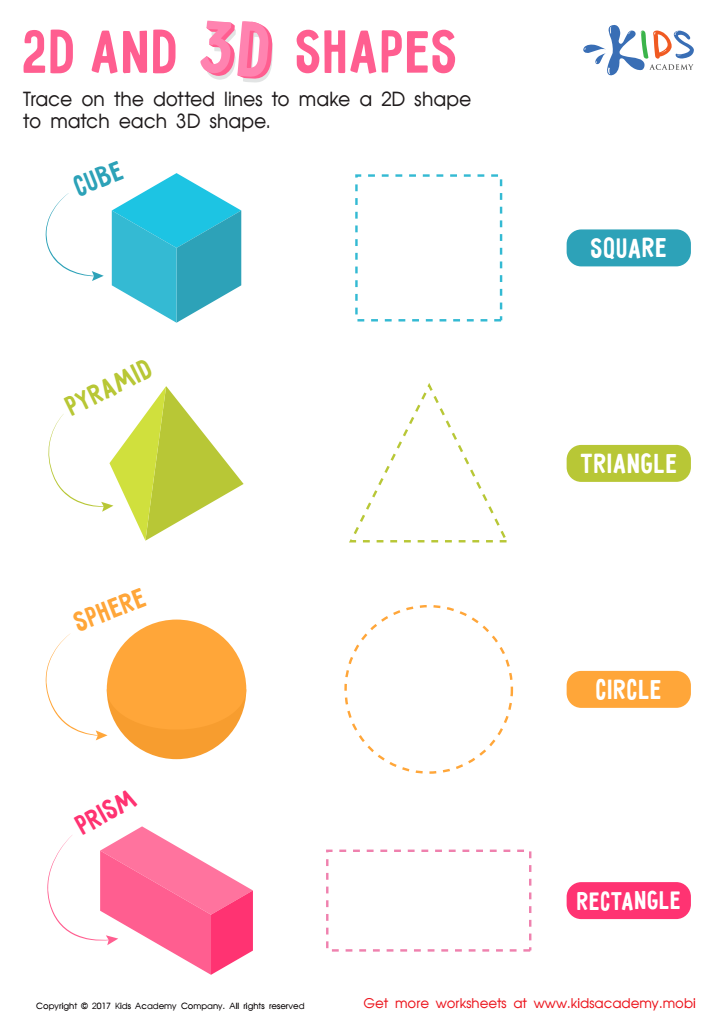
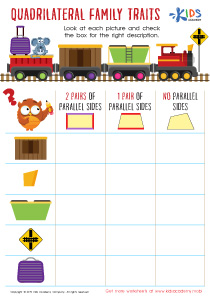
2D and 3D Shapes Worksheet
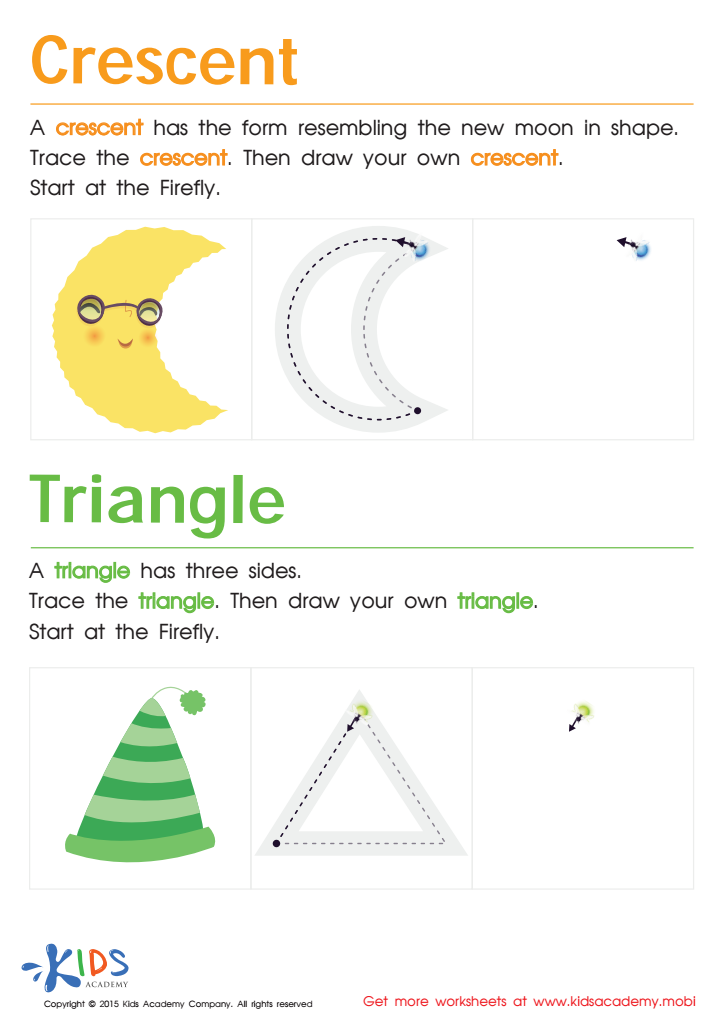
Learning to Draw Crescents And Triangles Worksheet
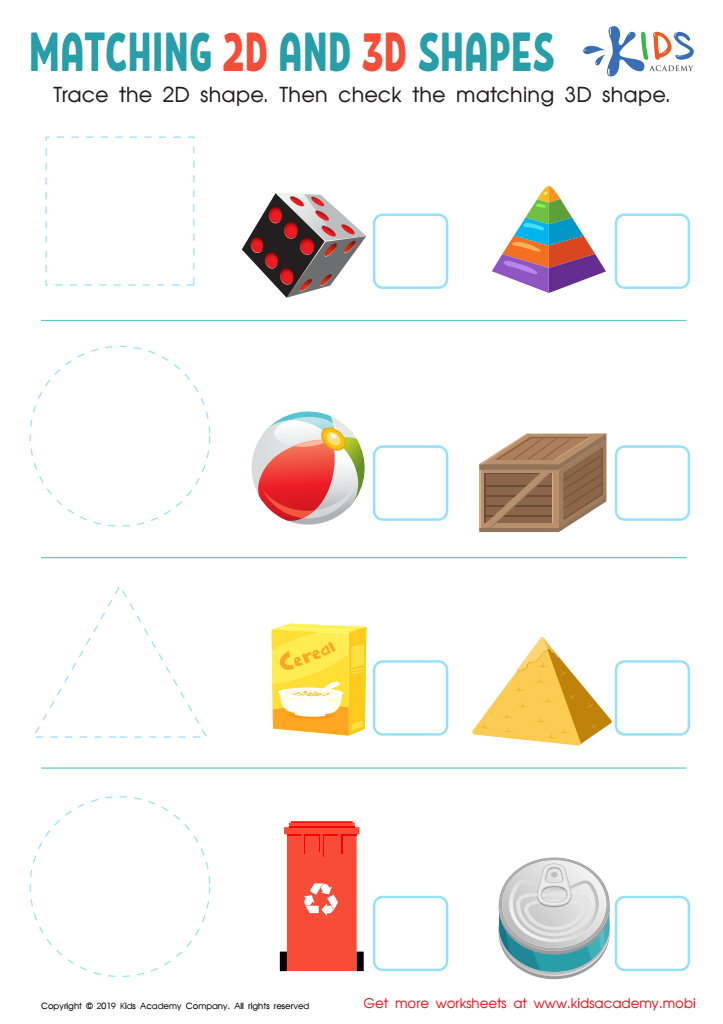
Matching 2D and 3D Shapes Worksheet








Cognitive development through tracing shapes is a crucial aspect of early childhood education, especially for children aged 3 to 6. During these formative years, children engage in critical brain-building activities that lay the foundation for future academic success. Tracing shapes aids in the development of fine motor skills, enhancing hand-eye coordination and dexterity, which are essential for writing and other complex tasks later on.
Additionally, this activity promotes spatial awareness and helps children understand relationships between objects, such as size and orientation. As they focus on the contours of shapes, they begin to recognize patterns and differentiate between different geometric figures. This recognition is not only fundamental to math skills but also enhances problem-solving abilities, fostering critical thinking.
Moreover, tracing shapes can be a fun and engaging way for parents and teachers to bond with children, leading to a positive reinforcement of learning experiences. It encourages creativity and allows for individual expression while providing a structured learning environment. By prioritizing activities that promote cognitive development, parents and teachers can help guide children towards becoming confident learners and problem-solvers, ultimately setting them on a path to success in both school and life.