Introducing our "Comparing Fractions Reading Worksheets" tailored for ages 3-6! These engaging, colorful worksheets guide young learners through the foundational concepts of fractions in a fun and interactive way. Each activity is designed to develop early math skills and critical thinking, making fractions easy for little ones to understand. With simple instructions and playful themes, our worksheets make learning about fractions enjoyable and accessible. Perfect for both classroom and at-home learning, these resources will help your child master the basics of comparing fractions, setting a strong mathematical foundation for their future education. Explore now and watch your child’s math confidence soar!
Check out this FREE Trial Lesson on Reading for age 3-6!

L

Favorites
With answer key
Interactive
  • 3-6
  • Comparing Fractions
  • Reading
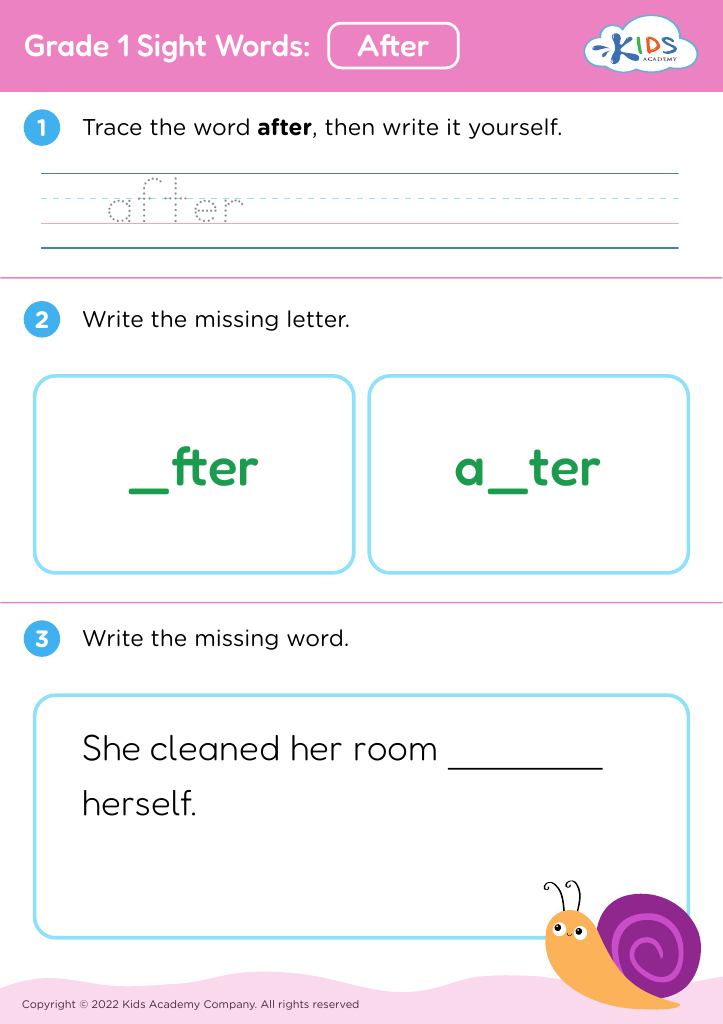
Grade 1 Sight Words: After

Grade 1 Sight Words: After

Grade 1 Sight Words: After
Worksheet
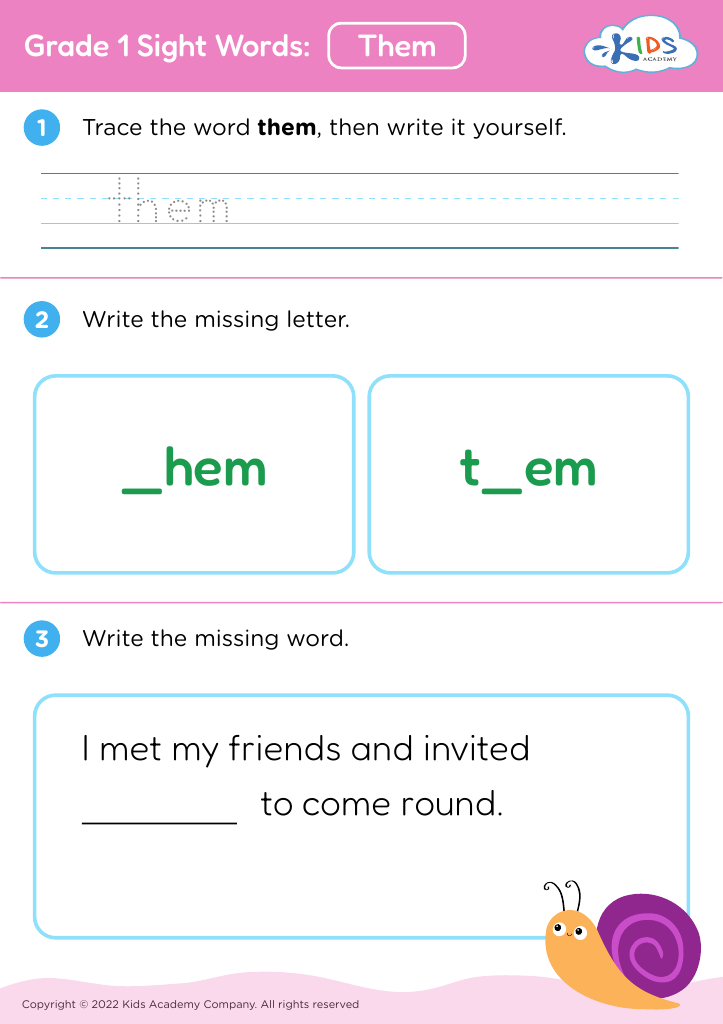
Grade 1 Sight Words: Them

Grade 1 Sight Words: Them

Grade 1 Sight Words: Them
Worksheet
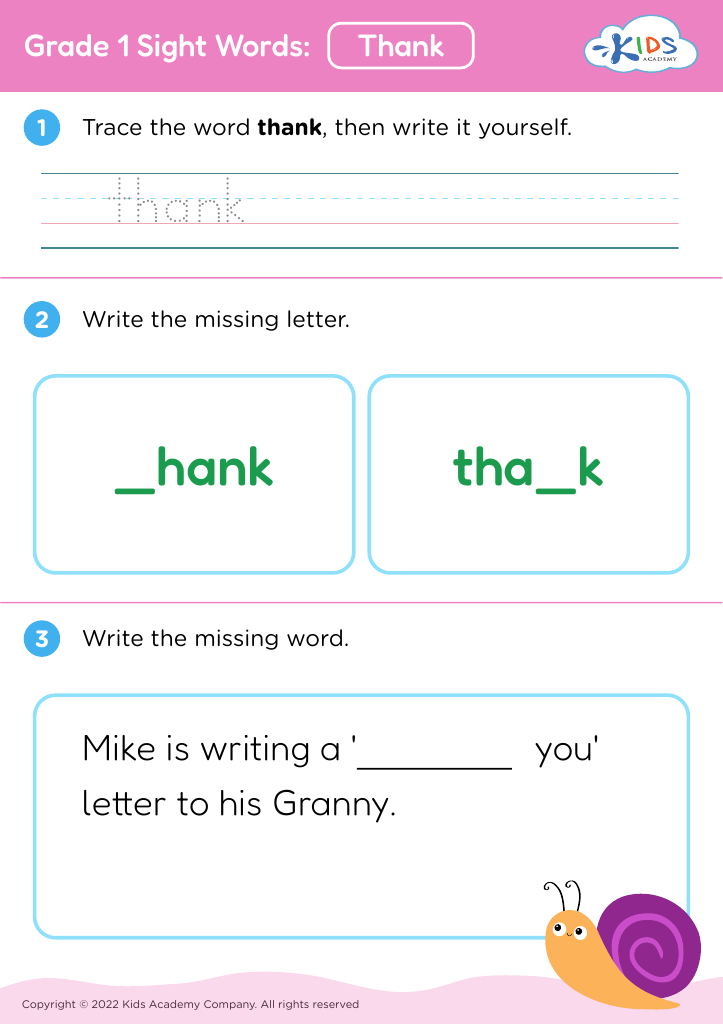
Grade 1 Sight Words: Thank

Grade 1 Sight Words: Thank

Grade 1 Sight Words: Thank
Worksheet
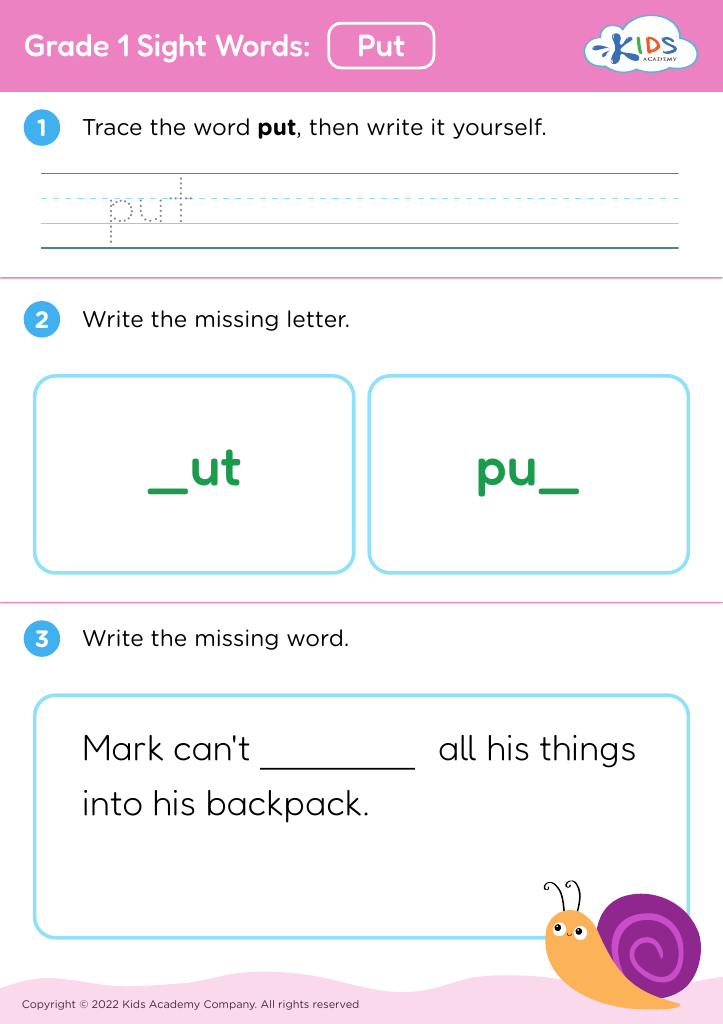
Grade 1 Sight Words: Put

Grade 1 Sight Words: Put

Grade 1 Sight Words: Put
Worksheet
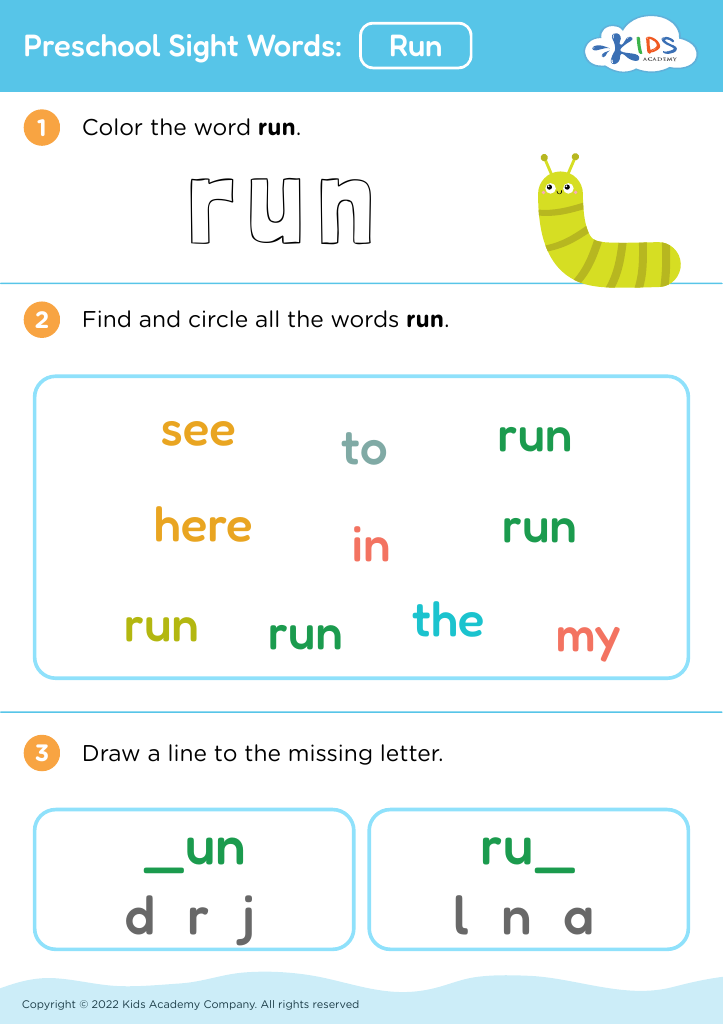
Preschool Sight Words: Run

Preschool Sight Words: Run

Preschool Sight Words: Run
Worksheet
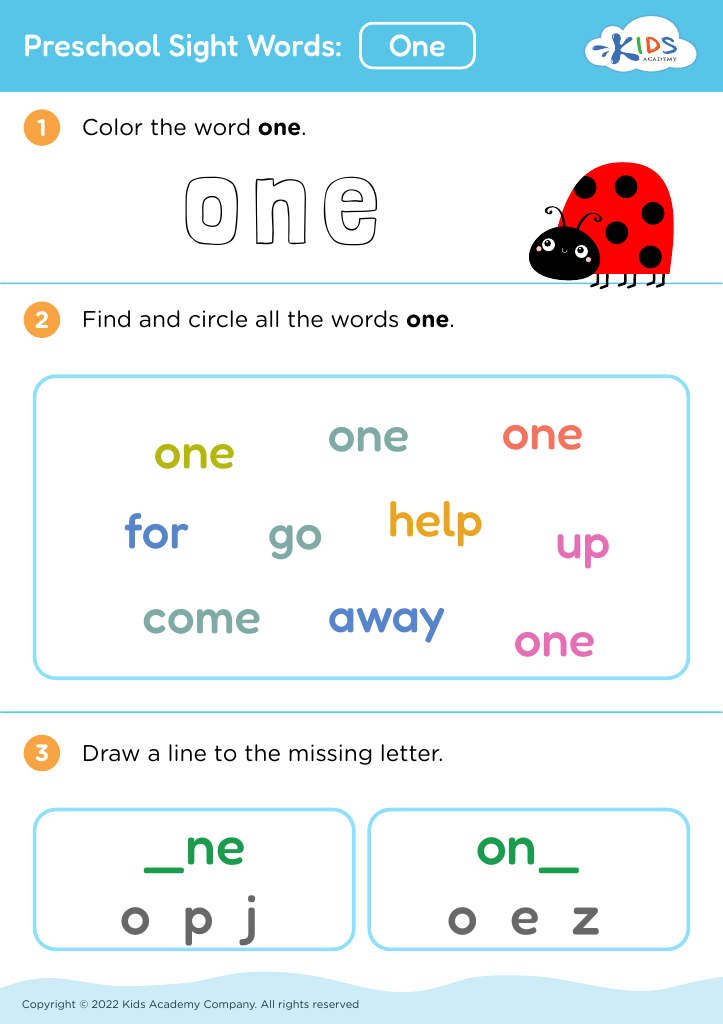
Preschool Sight Words: One

Preschool Sight Words: One

Preschool Sight Words: One
Worksheet
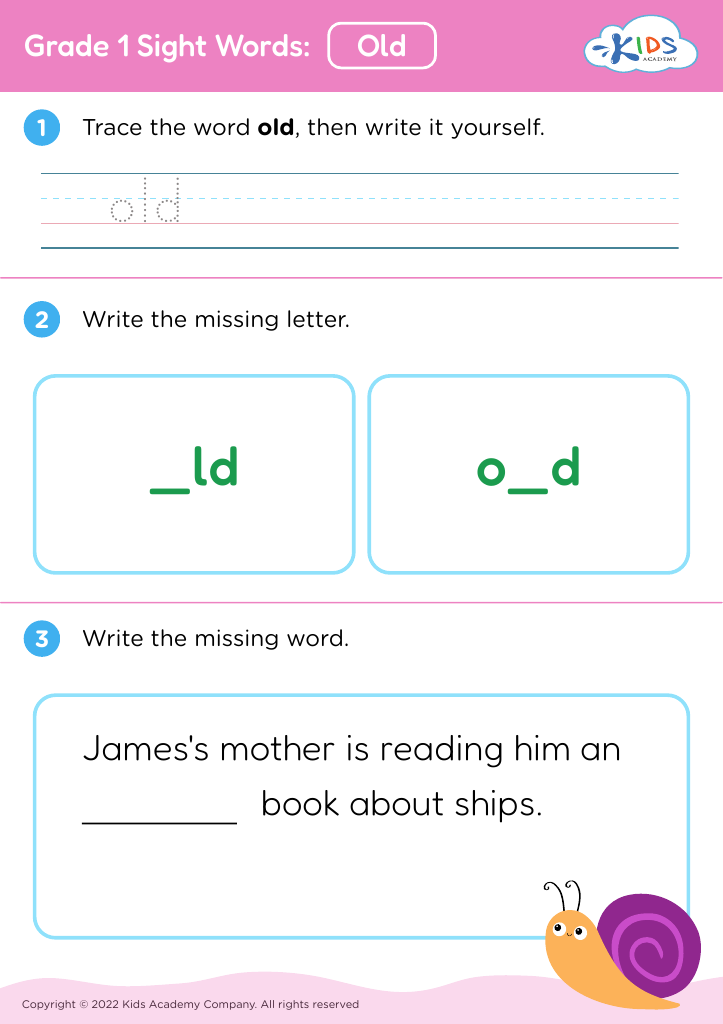
Grade 1 Sight Words: Old

Grade 1 Sight Words: Old

Grade 1 Sight Words: Old
Worksheet
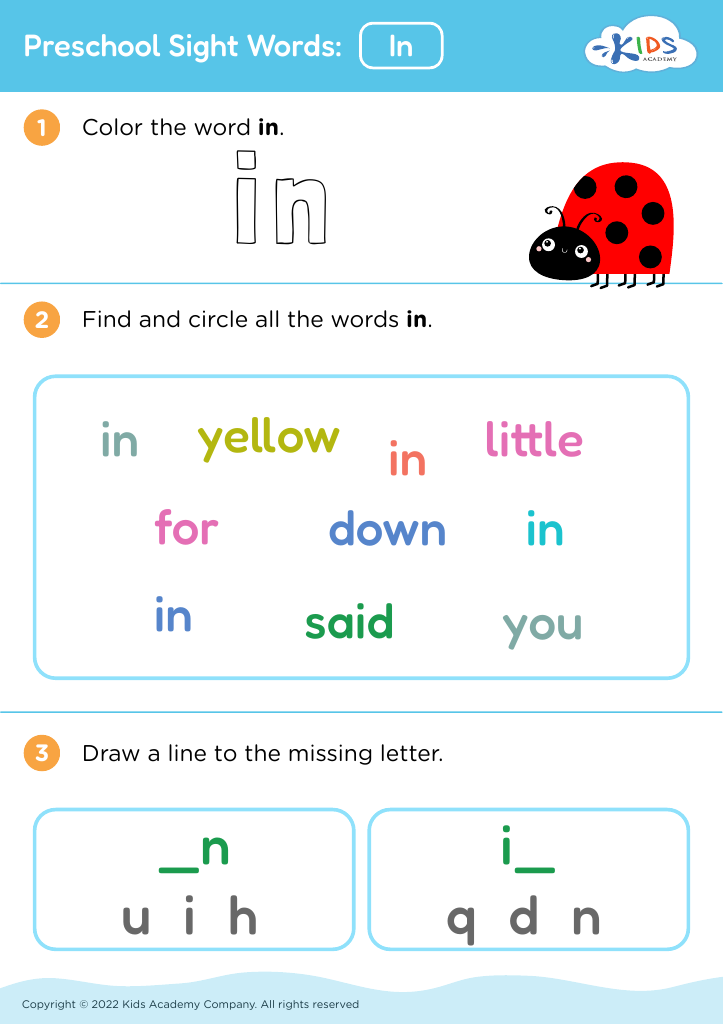
Preschool Sight Words: In

Preschool Sight Words: In

Preschool Sight Words: In
Worksheet
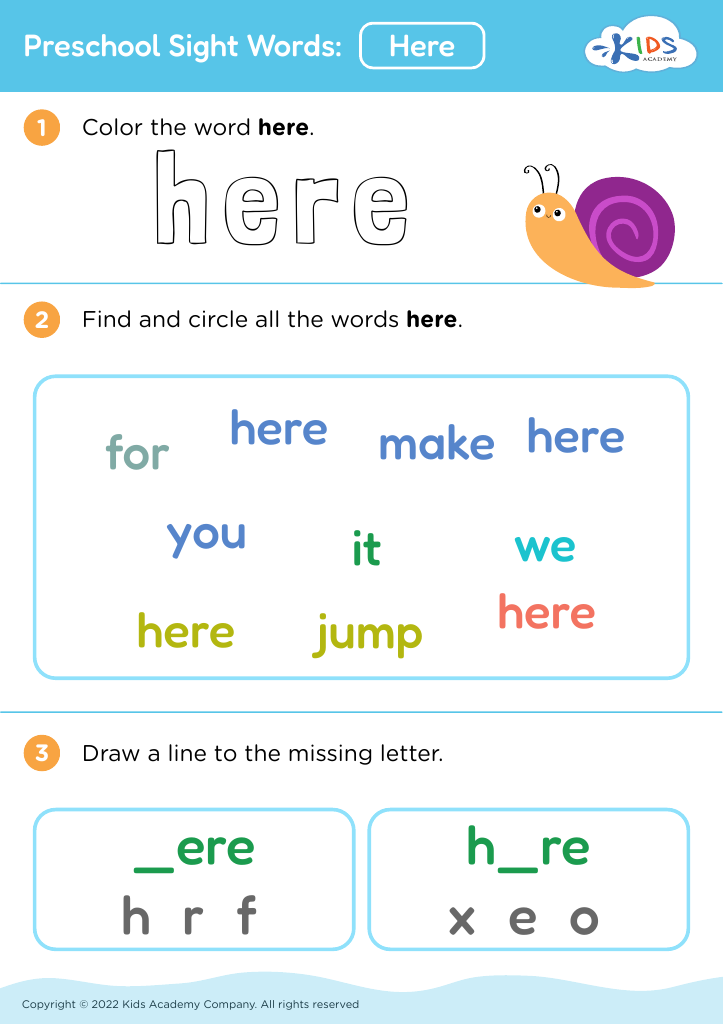
Preschool Sight Words: Here

Preschool Sight Words: Here

Preschool Sight Words: Here
Worksheet
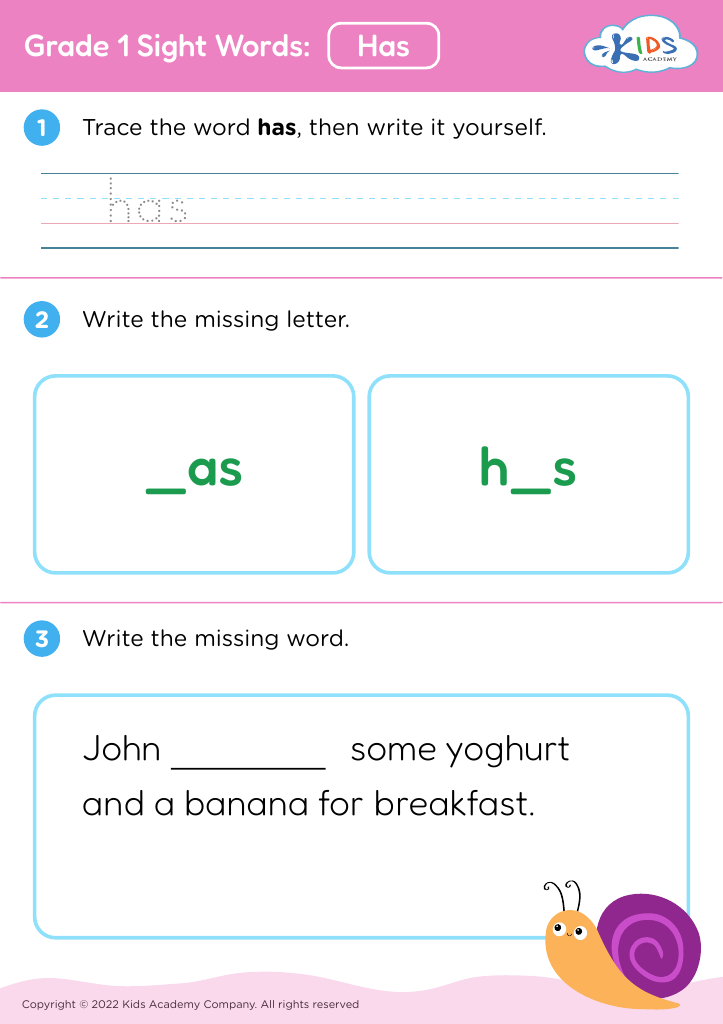
Grade 1 Sight Words: Has

Grade 1 Sight Words: Has

Grade 1 Sight Words: Has
Worksheet
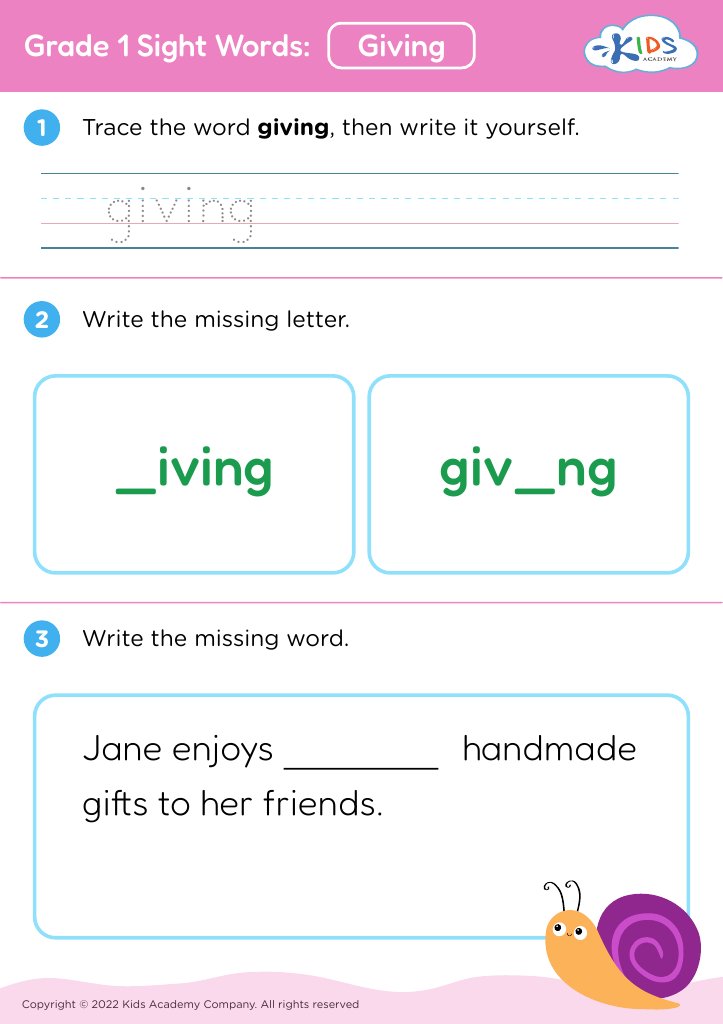
Grade 1 Sight Words: Giving

Grade 1 Sight Words: Giving

Grade 1 Sight Words: Giving
Worksheet
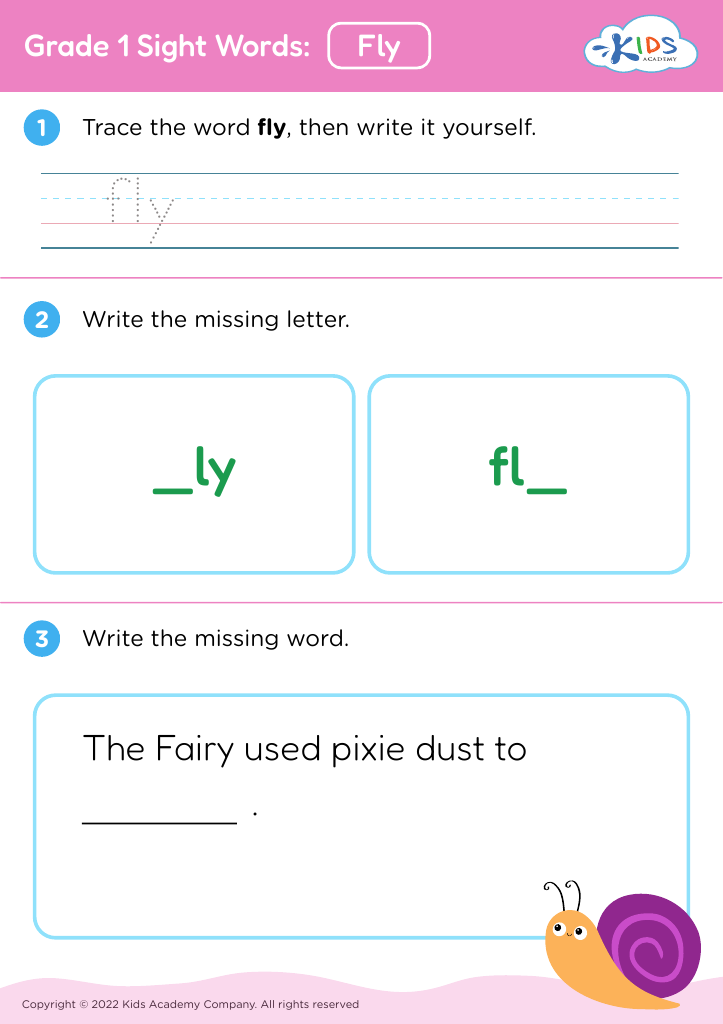
Grade 1 Sight Words: Fly

Grade 1 Sight Words: Fly

Grade 1 Sight Words: Fly
Worksheet
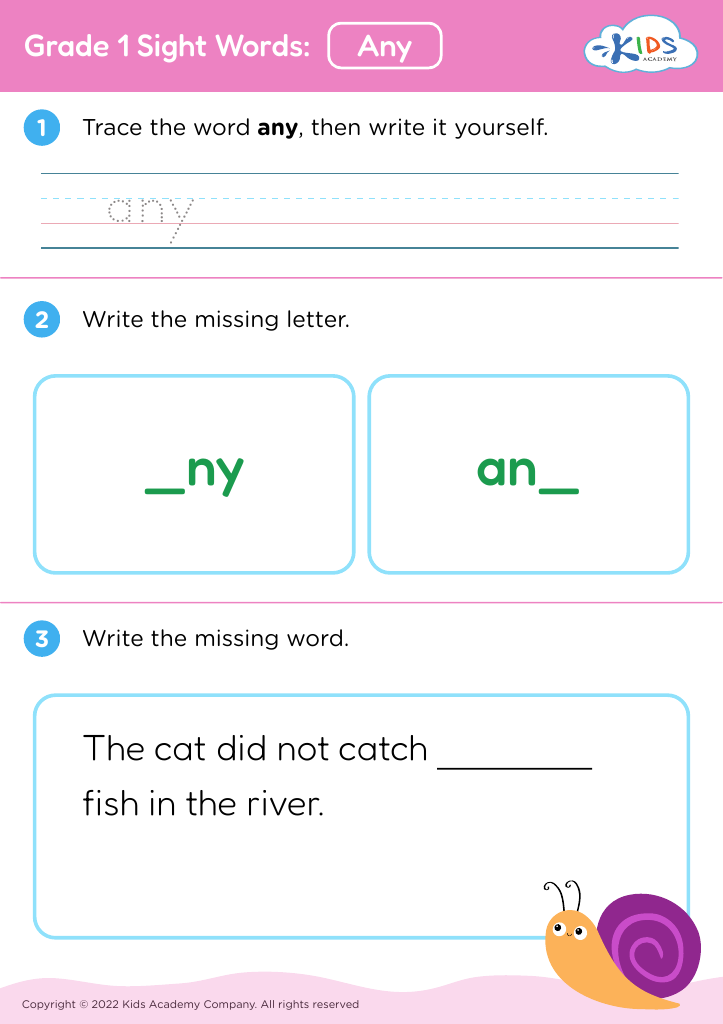
Grade 1 Sight Words: Any

Grade 1 Sight Words: Any

Grade 1 Sight Words: Any
Worksheet
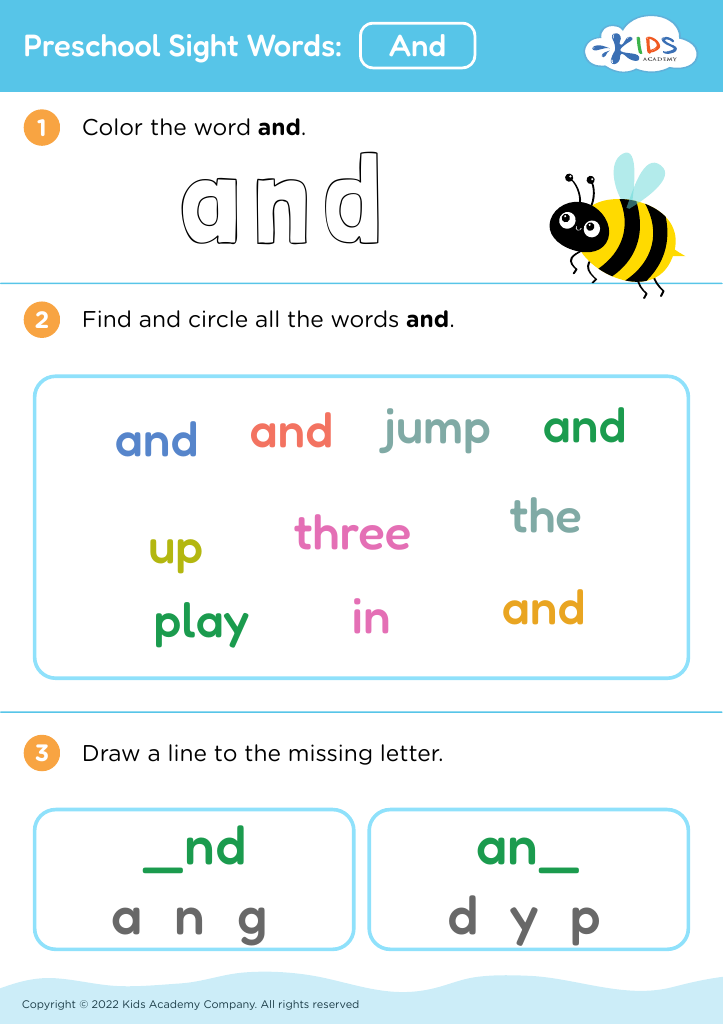
Preschool Sight Words: And

Preschool Sight Words: And

Preschool Sight Words: And
Worksheet
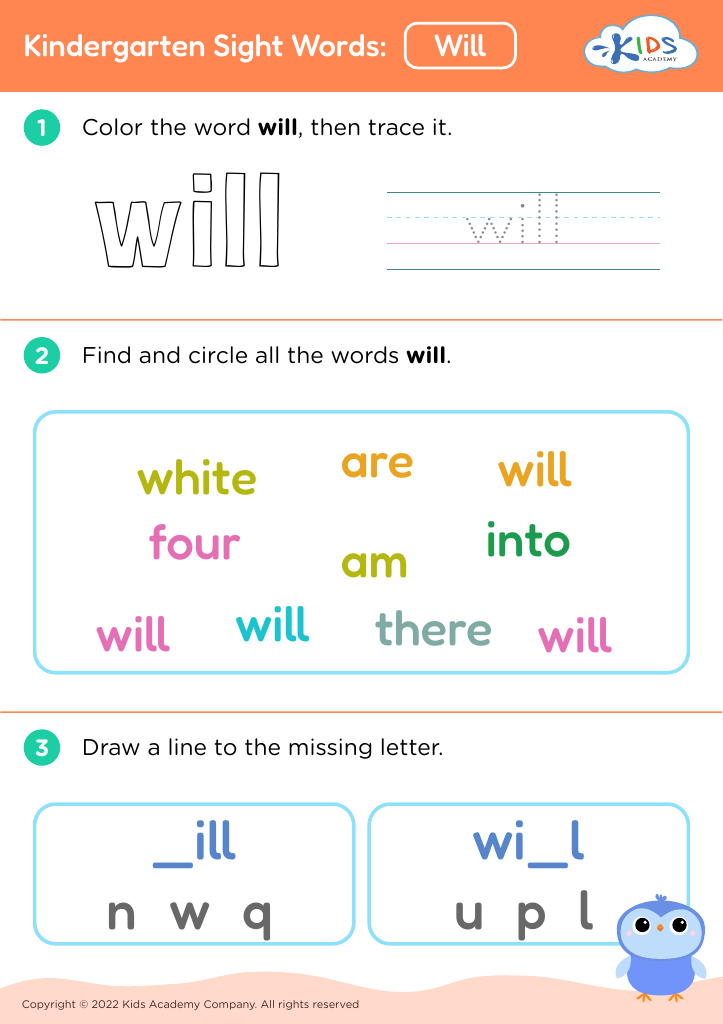
Kindergarten Sight Words: Will

Kindergarten Sight Words: Will

Kindergarten Sight Words: Will
Worksheet
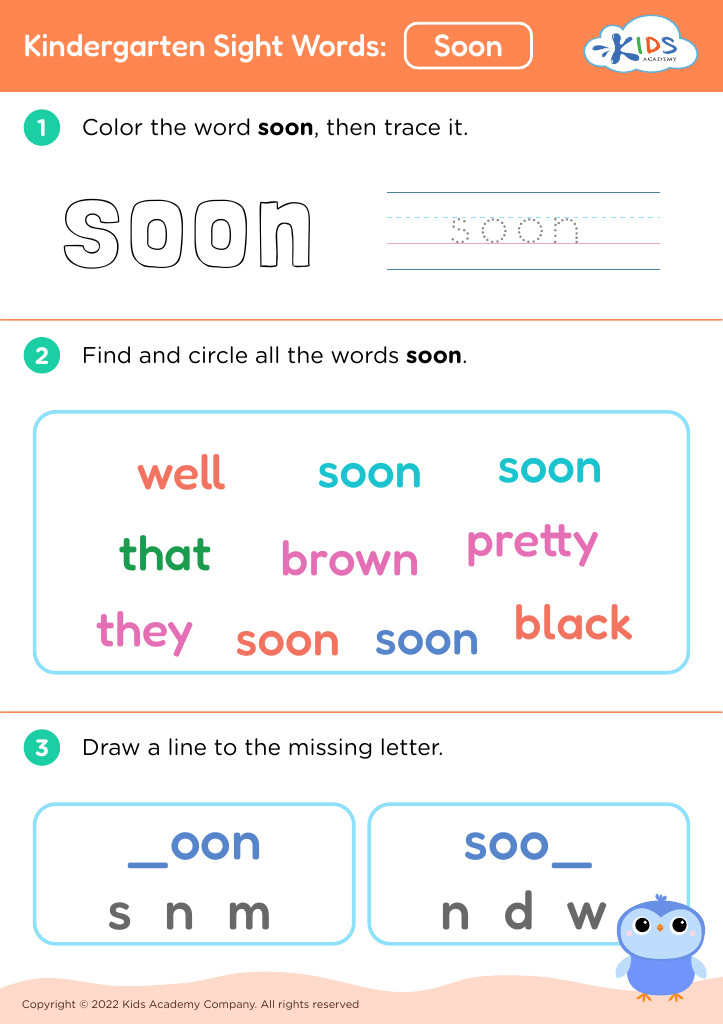
Kindergarten Sight Words: Soon

Kindergarten Sight Words: Soon

Kindergarten Sight Words: Soon
Worksheet
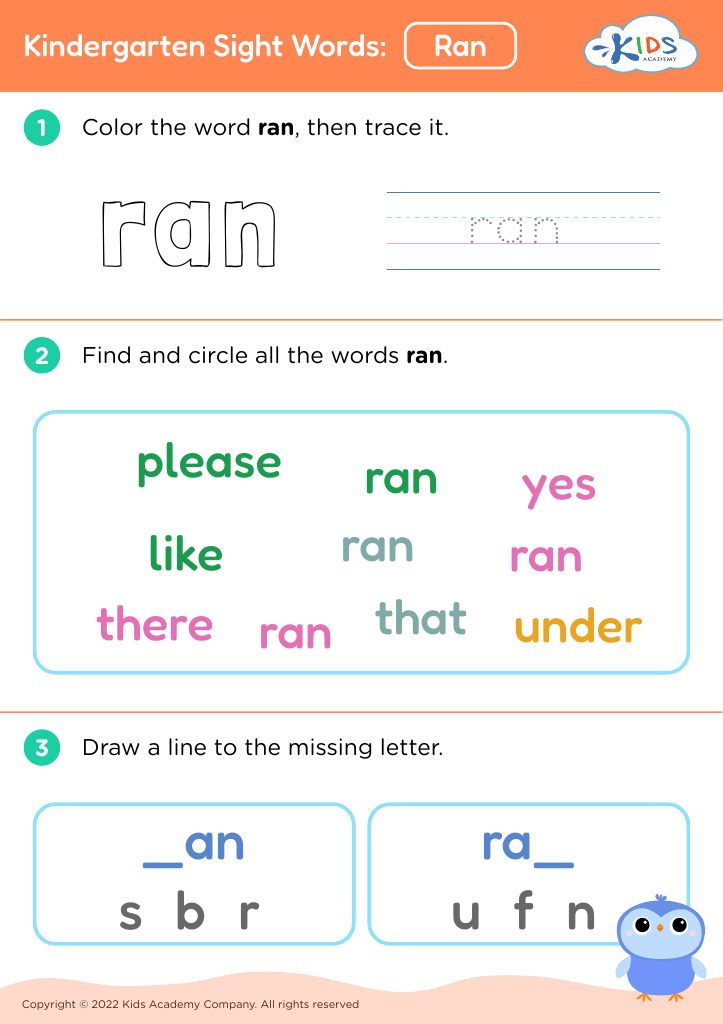
Kindergarten Sight Words: Ran

Kindergarten Sight Words: Ran

Kindergarten Sight Words: Ran
Worksheet
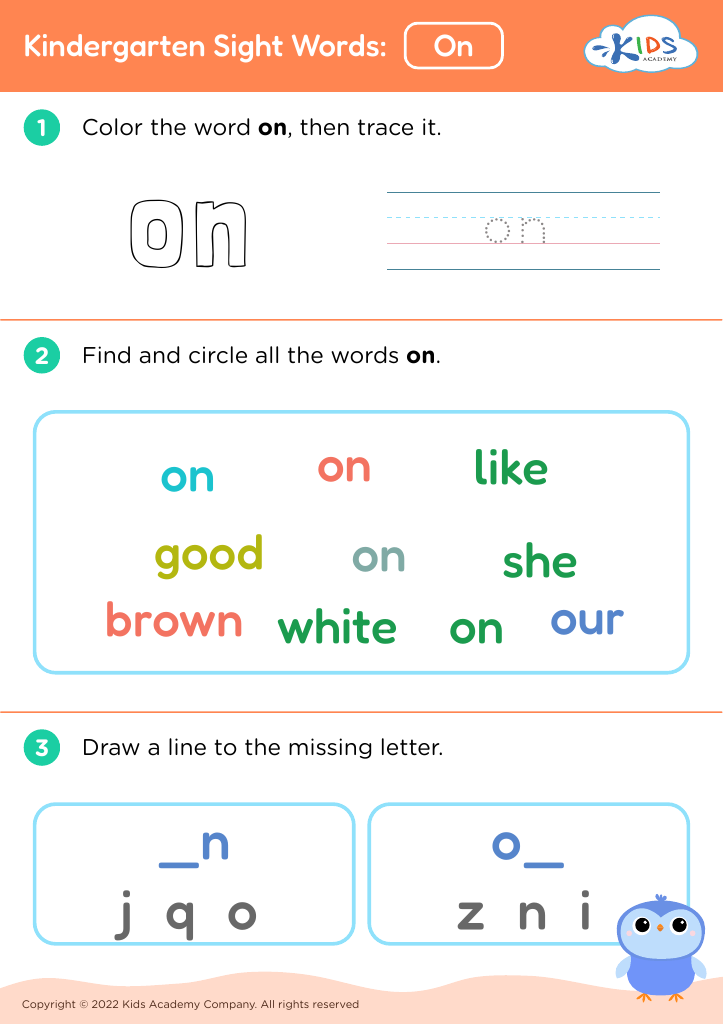
Kindergarten Sight Words: On

Kindergarten Sight Words: On

Kindergarten Sight Words: On
Worksheet
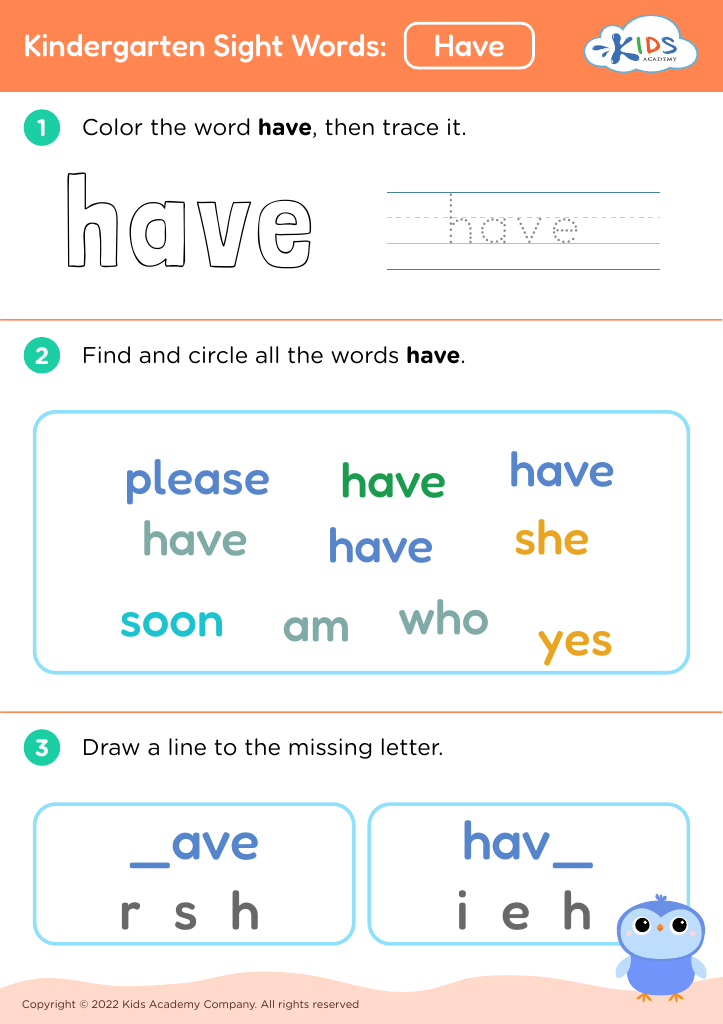
Kindergarten Sight Words: Have

Kindergarten Sight Words: Have

Kindergarten Sight Words: Have
Worksheet
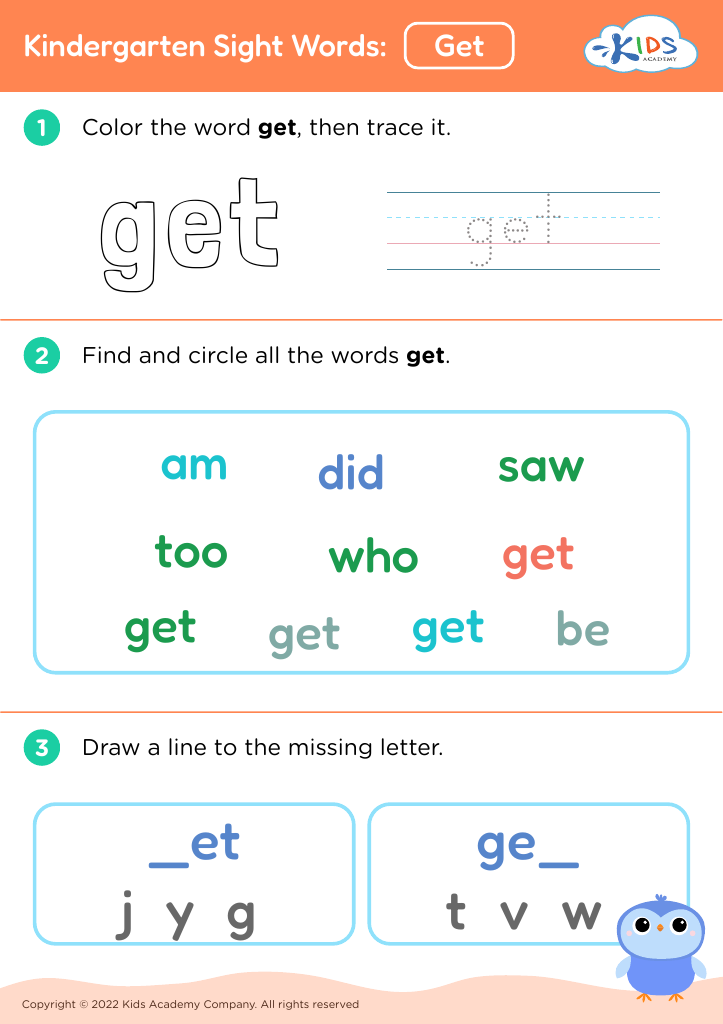
Kindergarten Sight Words: Get

Kindergarten Sight Words: Get

Kindergarten Sight Words: Get
Worksheet
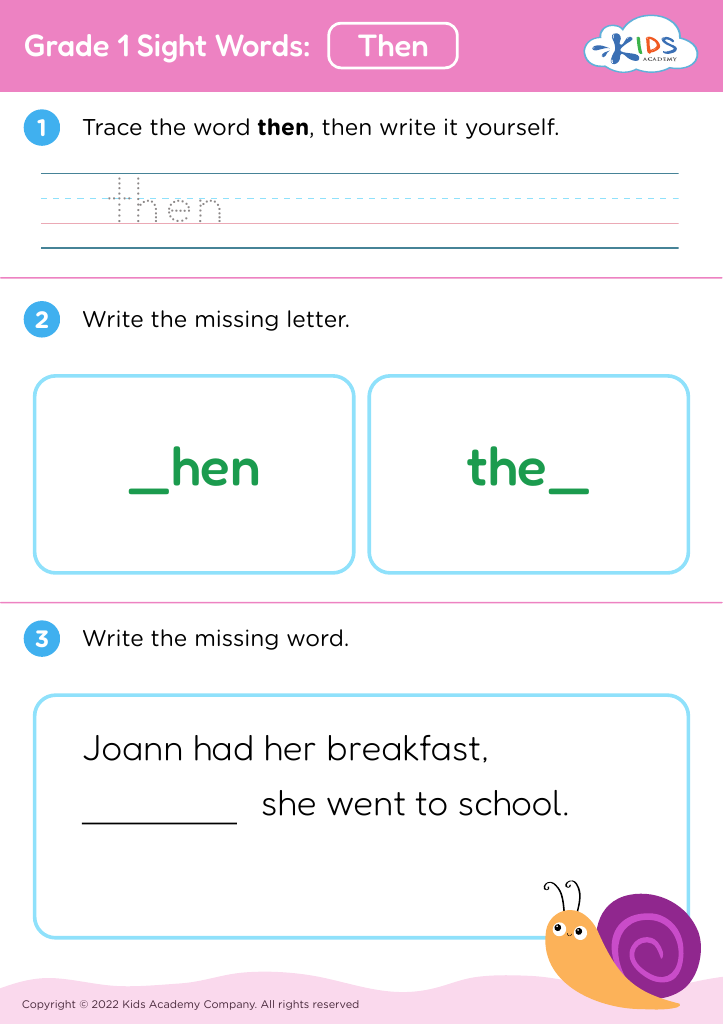
Grade 1 Sight Words: Then

Grade 1 Sight Words: Then

Grade 1 Sight Words: Then
Worksheet
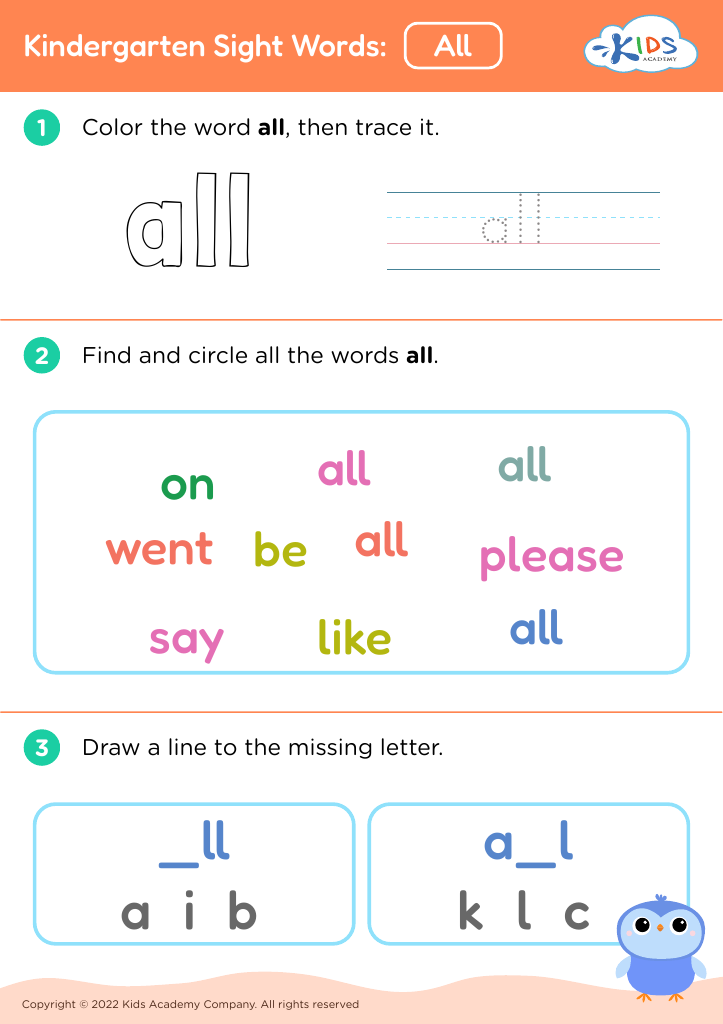
Kindergarten Sight Words: All

Kindergarten Sight Words: All

Kindergarten Sight Words: All
Worksheet


Understanding the basics of fractions is foundational to later success in mathematics, and the early years from ages 3-6 are crucial for developing these basic math skills. When parents and teachers focus on comparing fractions with young children, they are helping to establish key cognitive abilities that facilitate mathematical thinking, logical reasoning, and problem-solving.

Comparing fractions encourages children to engage in activities that involve counting, recognizing quantities, and identifying parts of a whole, which are integral components of early math literacy. These concepts are not only important for mathematics but also for everyday life, such as understanding portions in cooking or sharing equally.

Moreover, introducing fractions at an early age can boost children's confidence and interest in the subject, making them more likely to approach math with a positive attitude as they grow older. This early intervention can help prevent math anxiety and build a strong foundation for more complex mathematical concepts they'll encounter in later grades.

Parents and teachers caring about early fraction education are also promoting developmental skills such as spatial understanding, fine motor control through hands-on activities, and cooperative learning when children work in groups. This comprehensive approach to early math education benefits all aspects of children's development, paving the way for academic success and a lifelong interest in learning.