Letter recognition Reading Worksheets for Ages 3-6
12 filtered results
-
From - To
Our "Letter Recognition Reading Worksheets for Ages 3-6" are designed to give young learners a head start on literacy. These worksheets offer engaging and interactive activities that help children identify and differentiate letters, laying a strong foundation for reading and writing. With colorful graphics and fun exercises, each worksheet captures the attention of preschoolers and kindergarteners, making learning enjoyable. Ideal for classroom use or at-home practice, our resources foster critical early reading skills in an easy-to-follow format. Give your child a boost in their reading journey with our expertly crafted letter recognition worksheets.
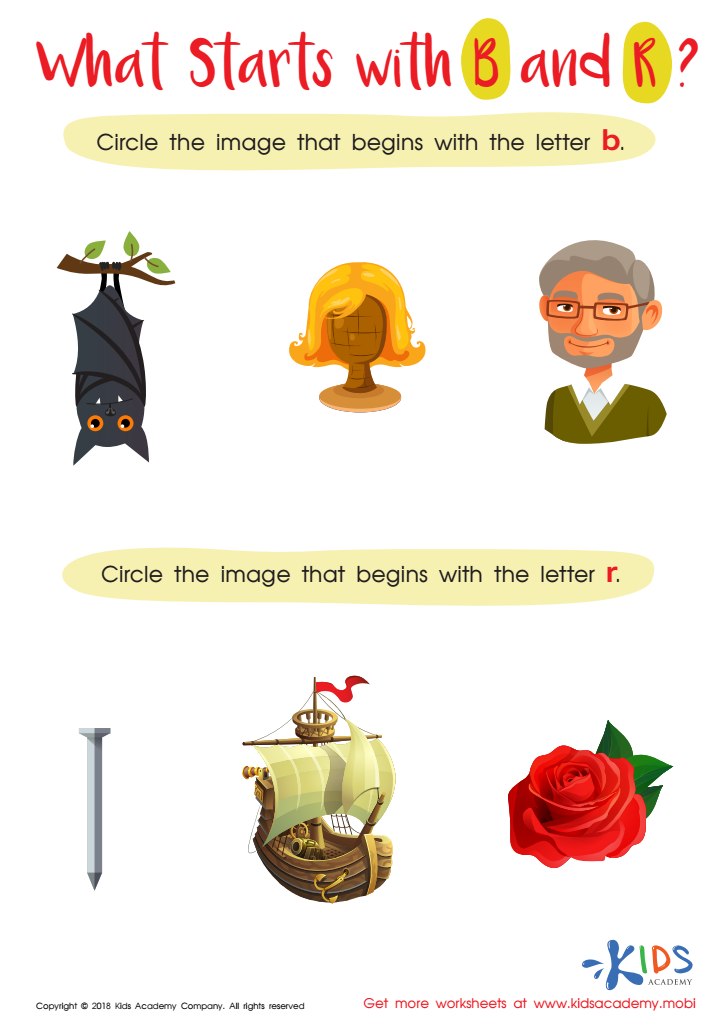
What Starts with B and R? Worksheet
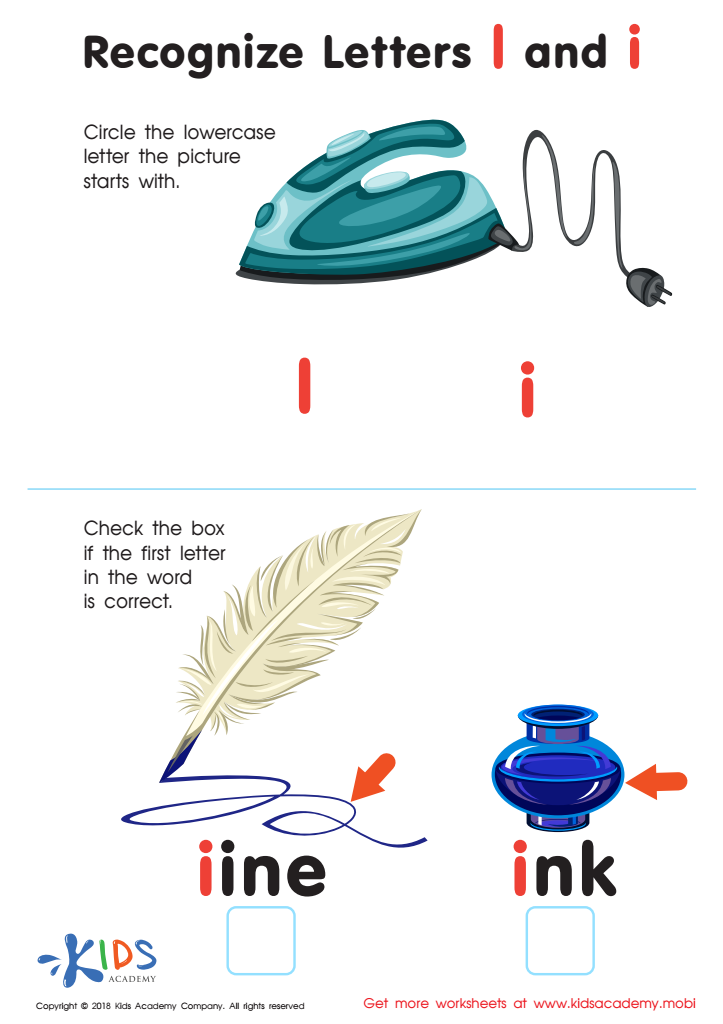
Recognize Letters l and i Worksheet

Long and Short U Worksheet
 Assign to My Students
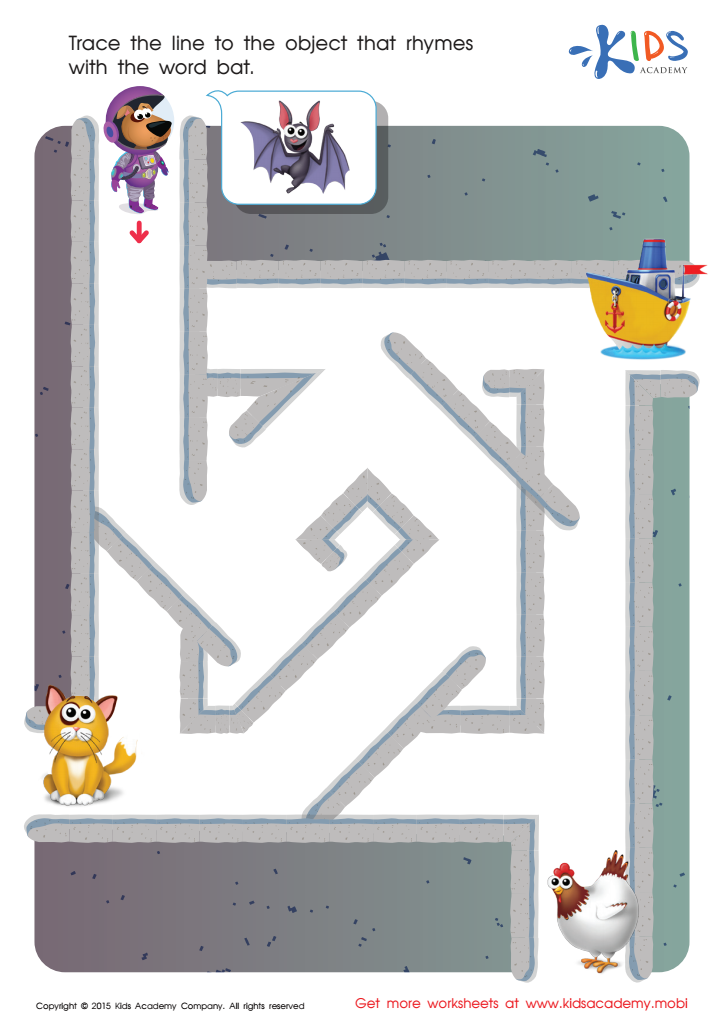
Bat Rhyming Words Worksheet
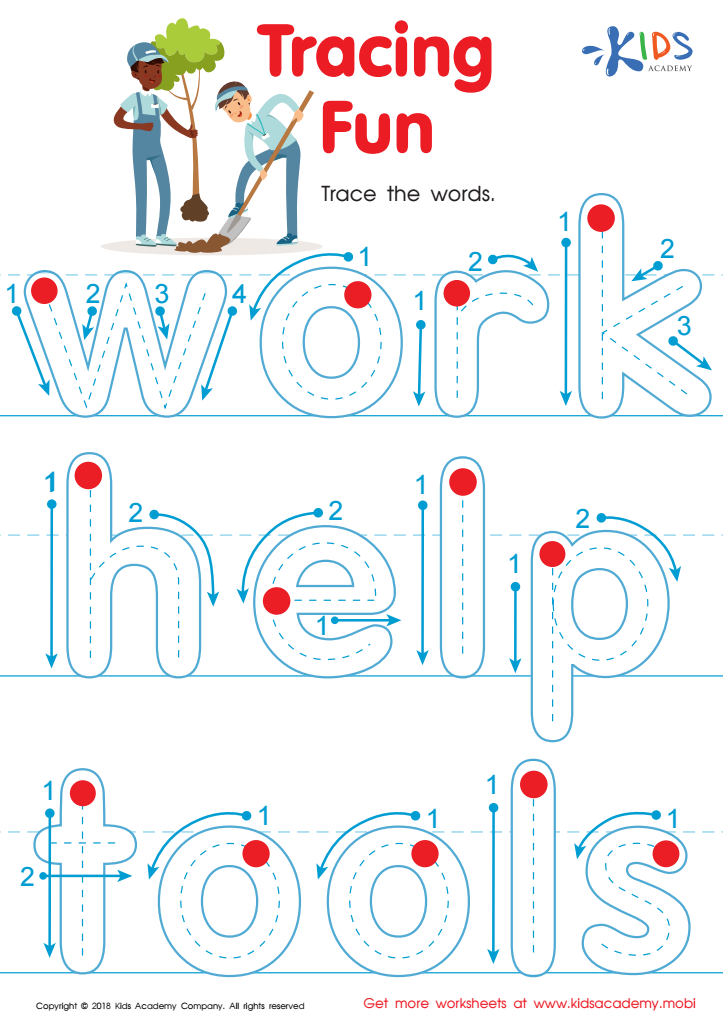
Tracing Fun Worksheet
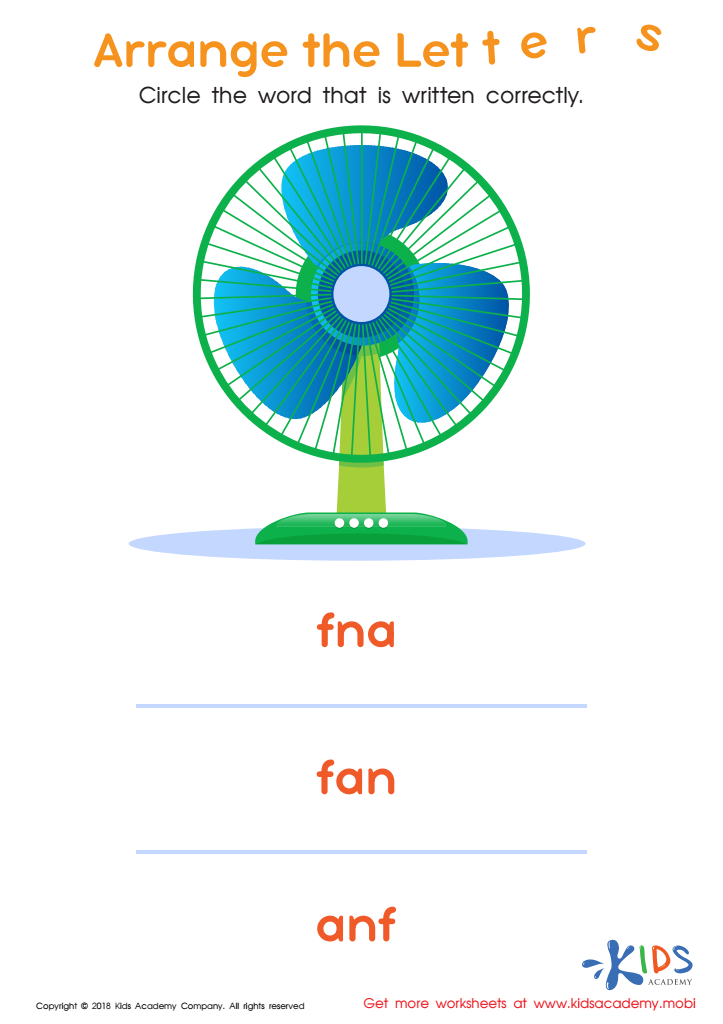
Arrange the Letters Worksheet
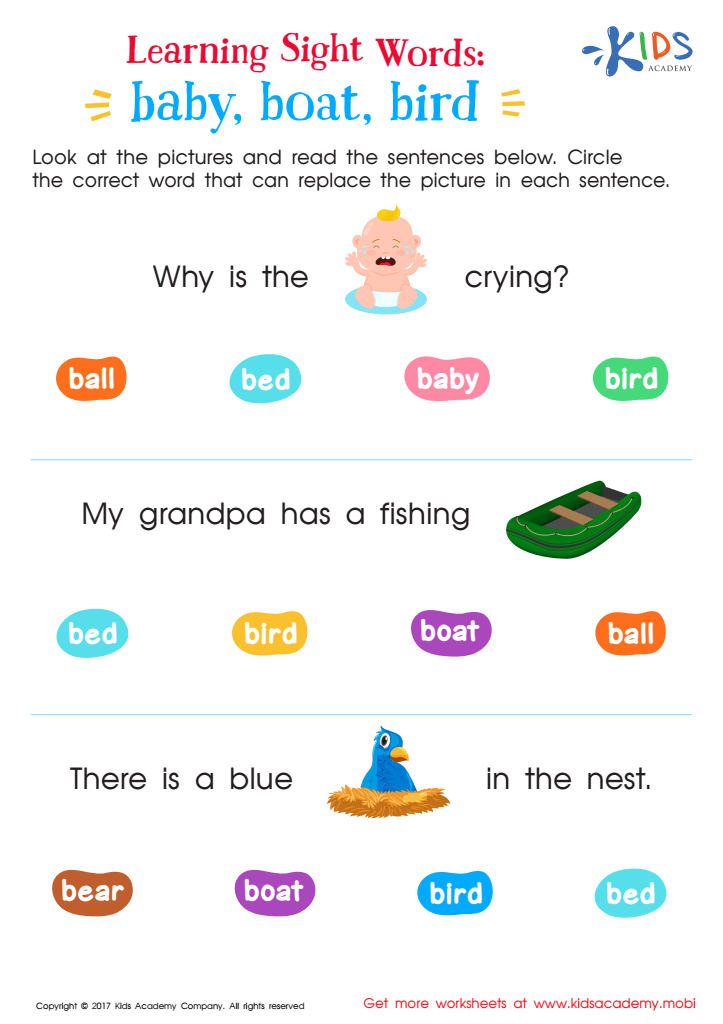
Baby, Boat, Bird Worksheet Sight Words Worksheet
First Words Worksheet
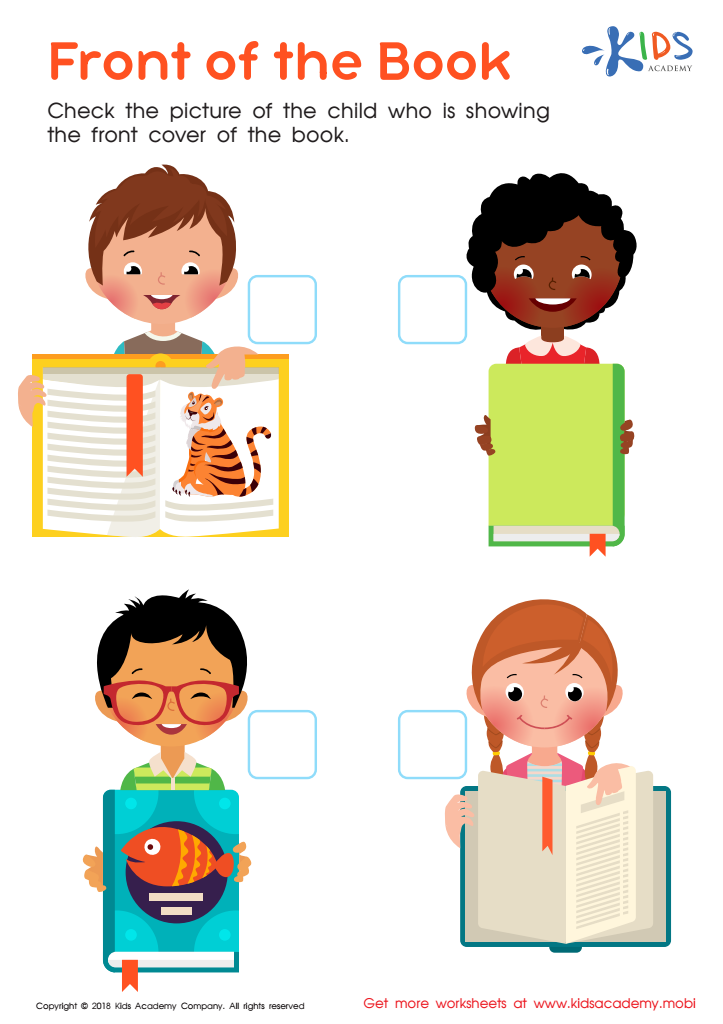
Front of the Book Worksheet

Long and Short E Worksheet
Assign to My Students
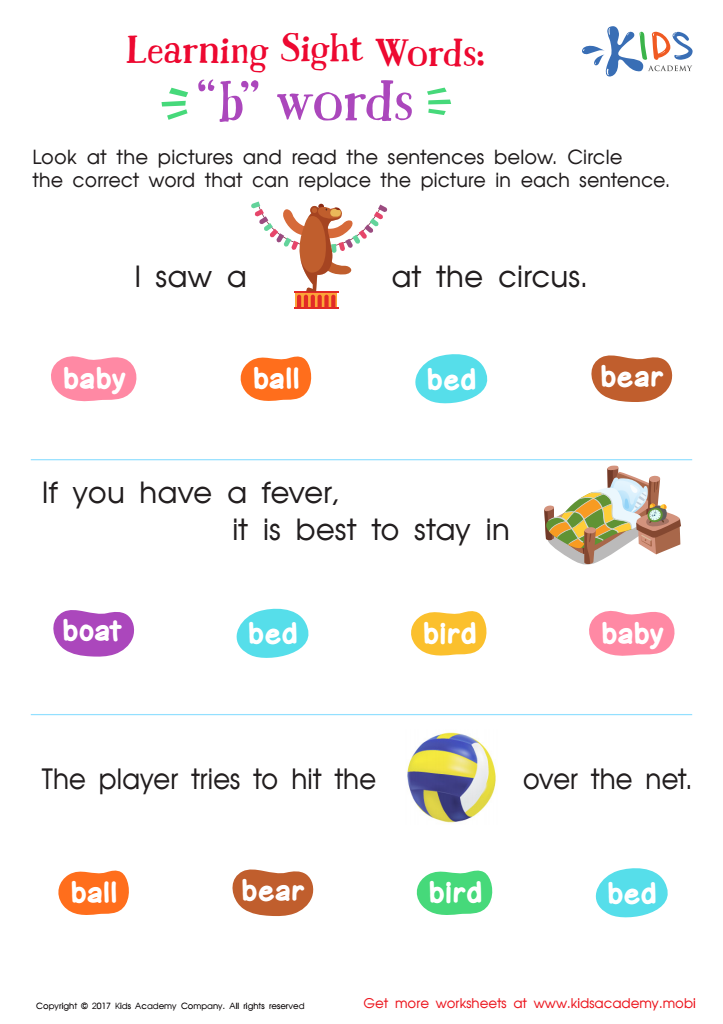
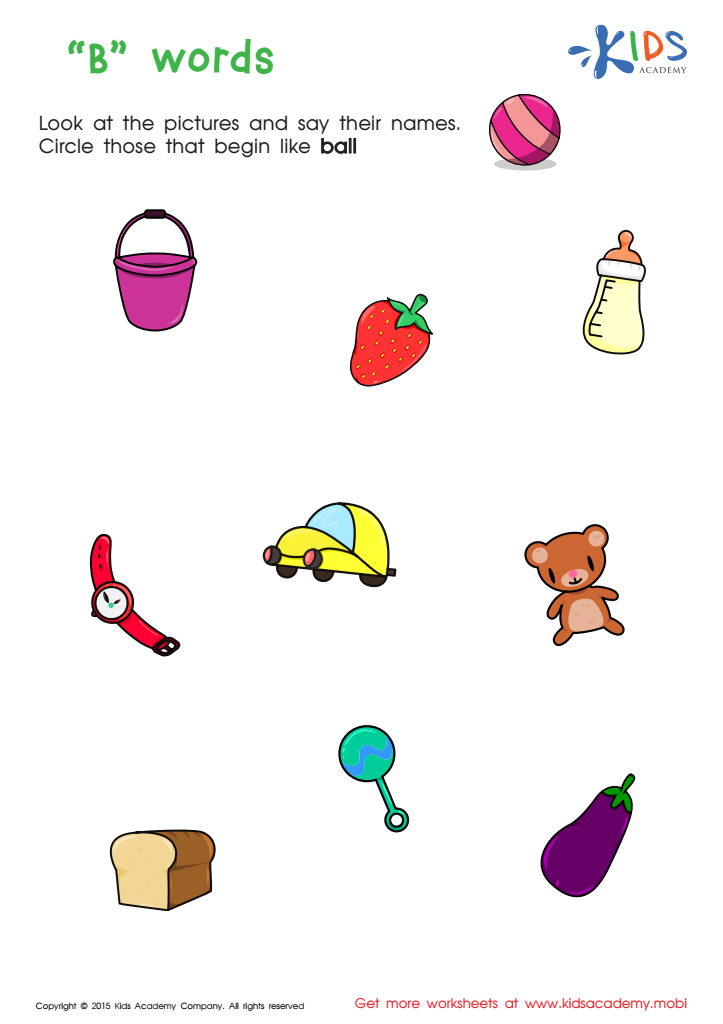
"B" Words Printable Sight Words Worksheet
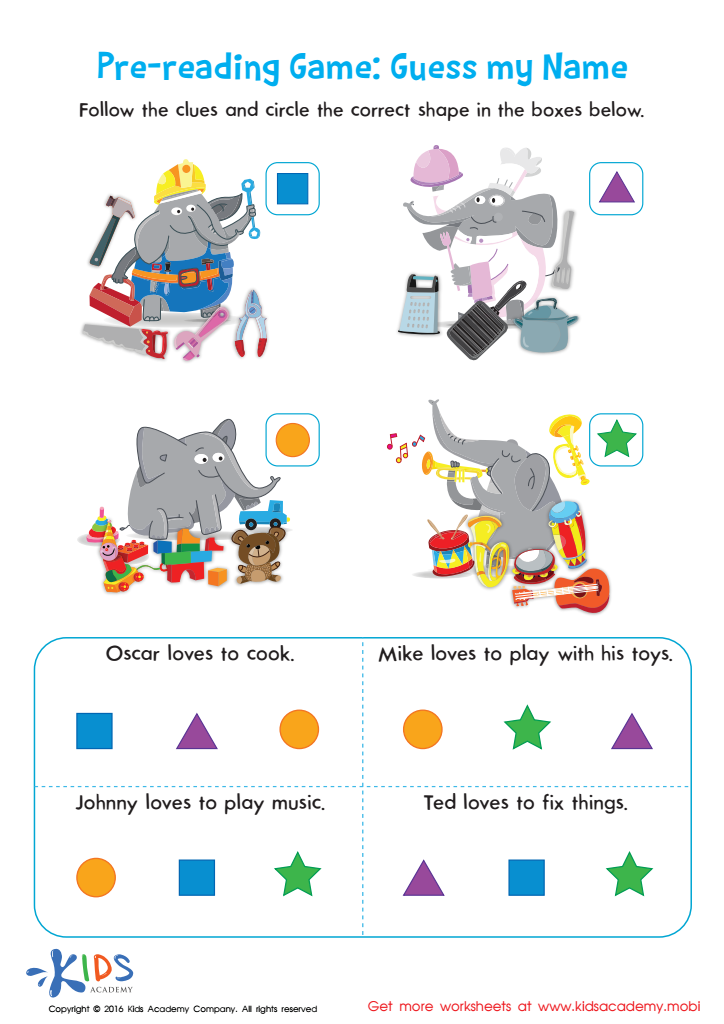
Pre Reading Worksheet Guess My Name







Letter recognition is a critical foundational skill for young children ages 3-6, both for parents and teachers to focus on for several compelling reasons. Firstly, understanding letter names and sounds is the precursor to phonemic awareness, helping children decode words when they begin formal reading. Early familiarity with letters builds confidence and interest in literacy activities, making reading more enjoyable and less daunting.
Secondly, letter recognition is crucial for cognitive development as it nurtures essential skills like memory, attention, and categorization. Studies show that children who can quickly recognize letters and their associated sounds are more prepared for kindergarten and perform better academically in later years.
Furthermore, early literacy experiences, such as recognizing letters, support vocabulary development. When children connect letters to sounds and eventually to words, they expand their language arsenal, enhancing communication skills.
Early exposure promoted by parents and teachers fosters a nurturing environment where literacy is viewed as a desired and essential part of everyday life. Singing alphabet songs, reading picture books, and engaging in alphabet games can seamlessly integrate letter recognition into fun and interactive activities. By investing time in developing these skills, parents and teachers set children on a path of lifelong learning and academic success.








