Shape Recognition Reading Worksheets for Ages 3-6
8 filtered results
-
From - To
Discover our Shape Recognition Reading Worksheets designed for children ages 3-6! These engaging activities introduce young learners to key shapes while incorporating essential reading skills. Vibrantly illustrated and thoughtfully crafted, our worksheets make learning fun and interactive. Perfect for preschoolers and kindergarteners, each worksheet fosters fine motor skills, cognitive development, and early literacy. Help your child identify circles, squares, triangles, and more with exercises that blend visual recognition with fundamental reading practice. Set a strong educational foundation for your child with our expertly designed shape recognition worksheets. Start your child’s learning journey today!
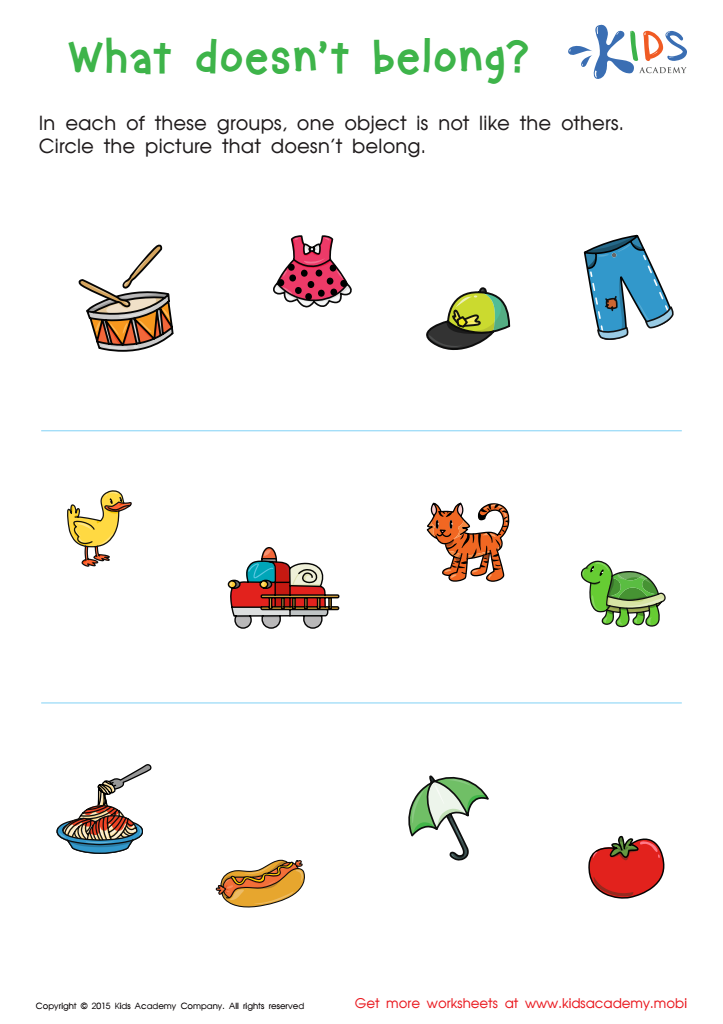
First Words: What Doesn't Belong Worksheet
 Assign to My Students
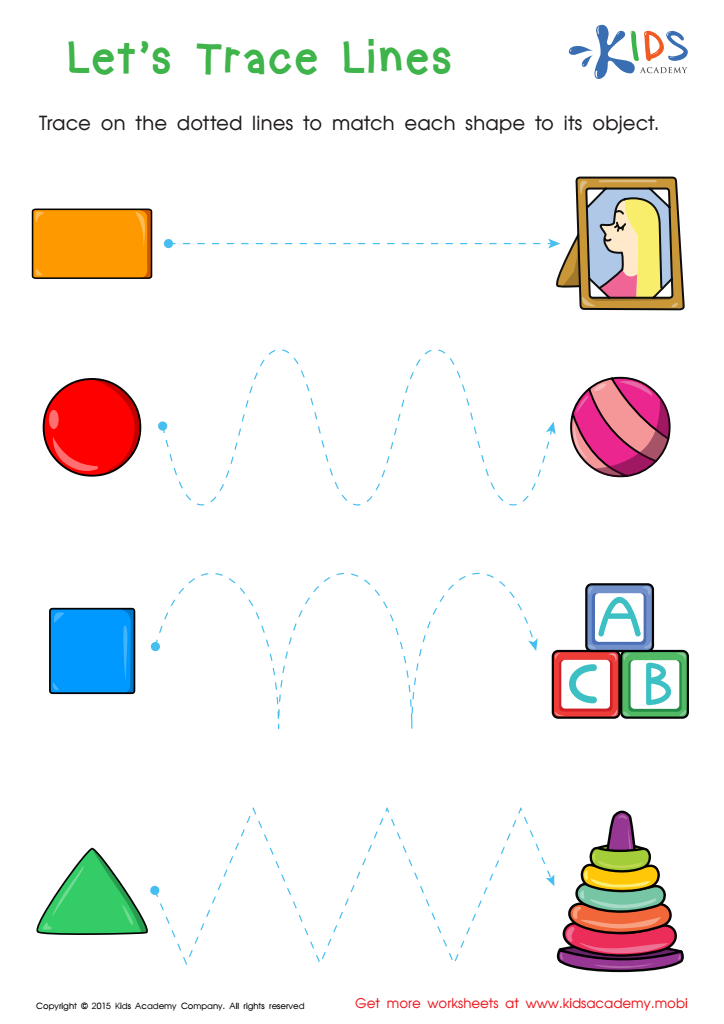
First Words: Let's Trace Lines Worksheet
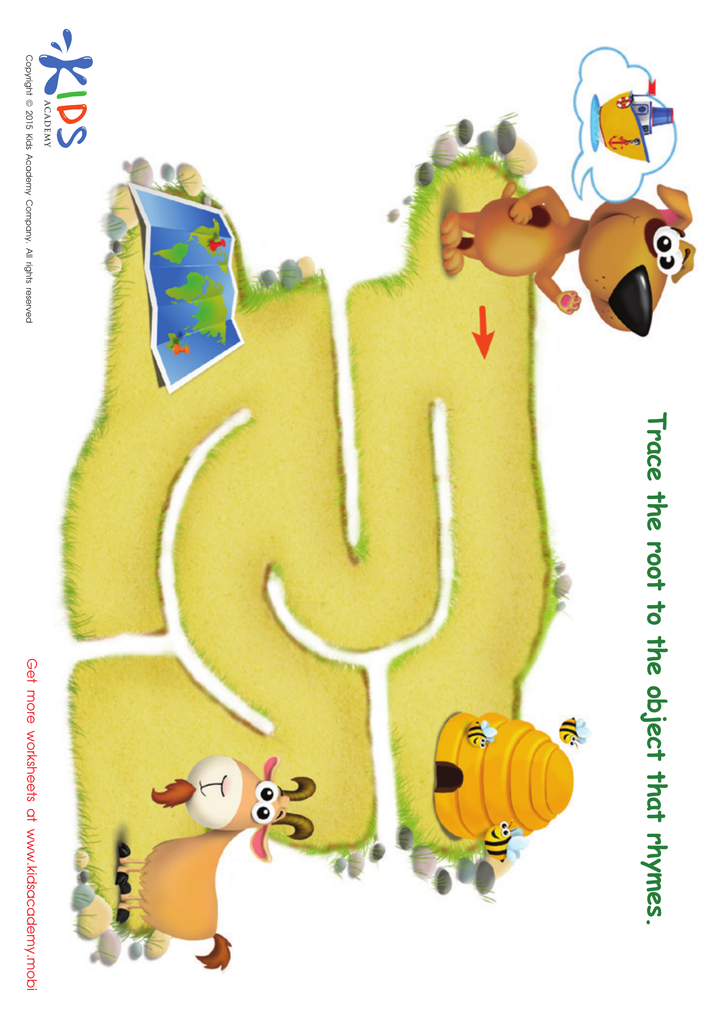
Boat Rhyming Words Worksheet
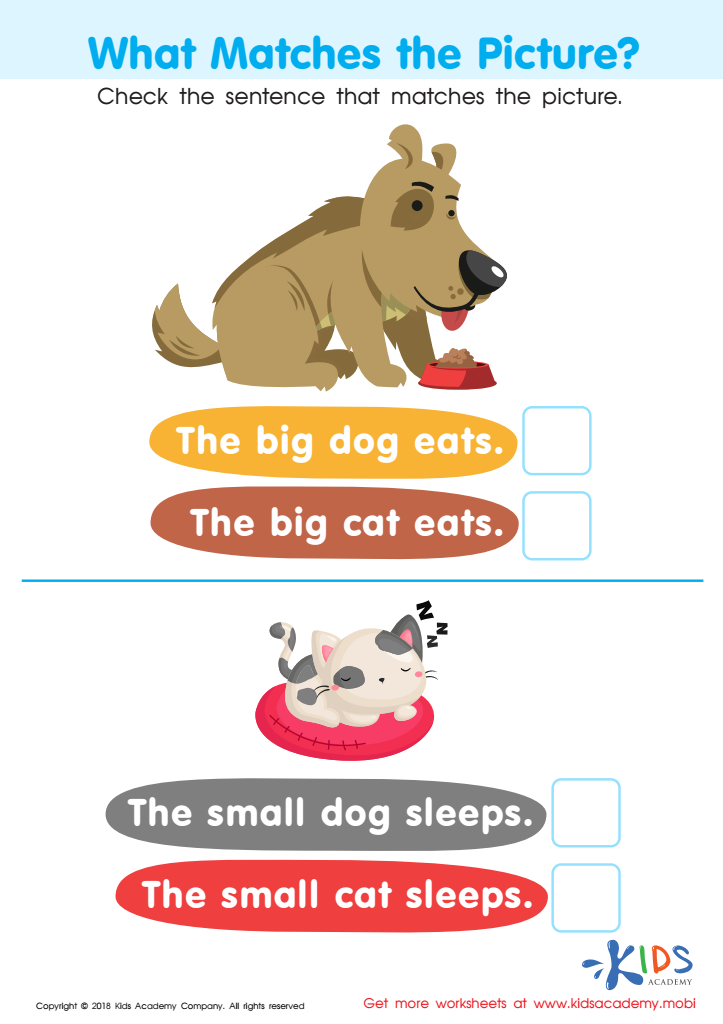
What Matches the Picture? Worksheet
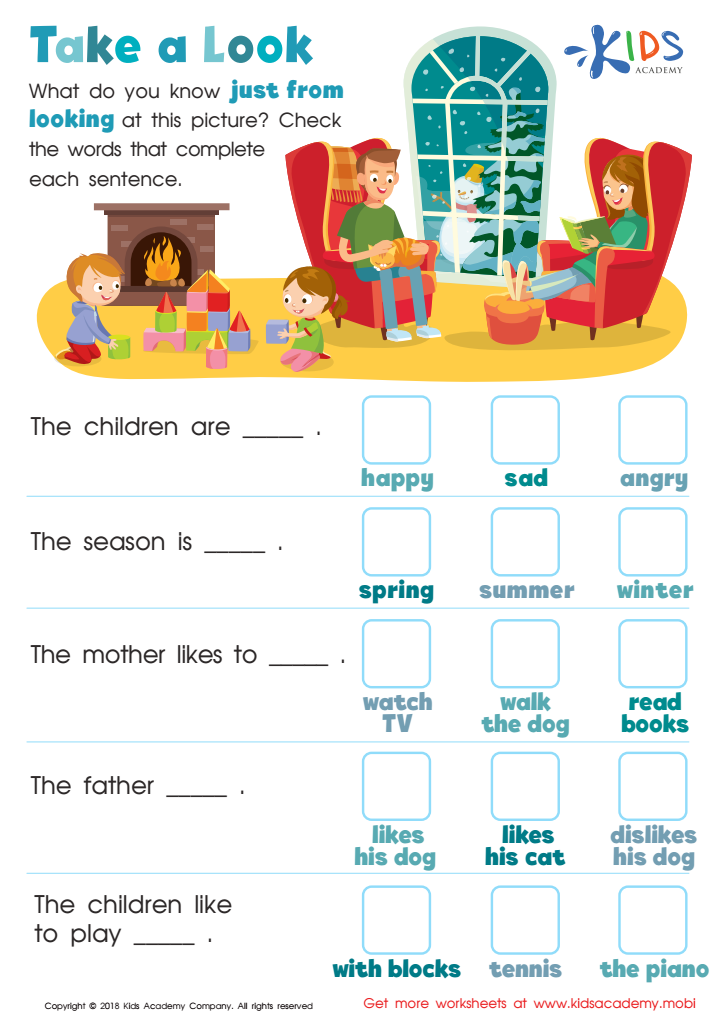
Take a Look - Part 1 Worksheet
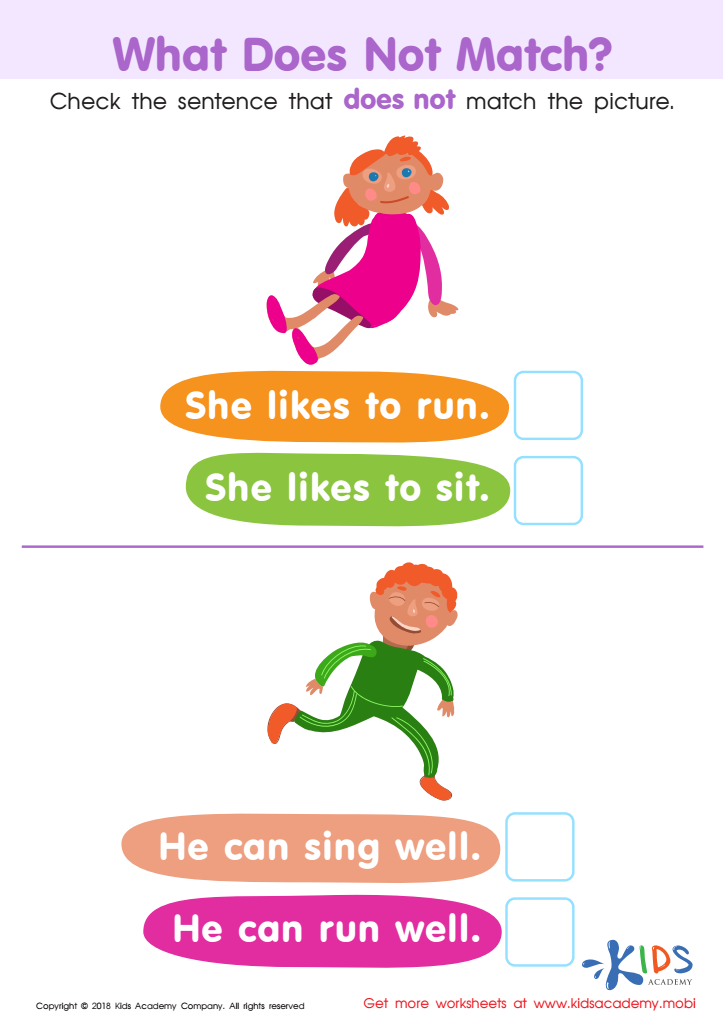
What Does Not Match? Worksheet
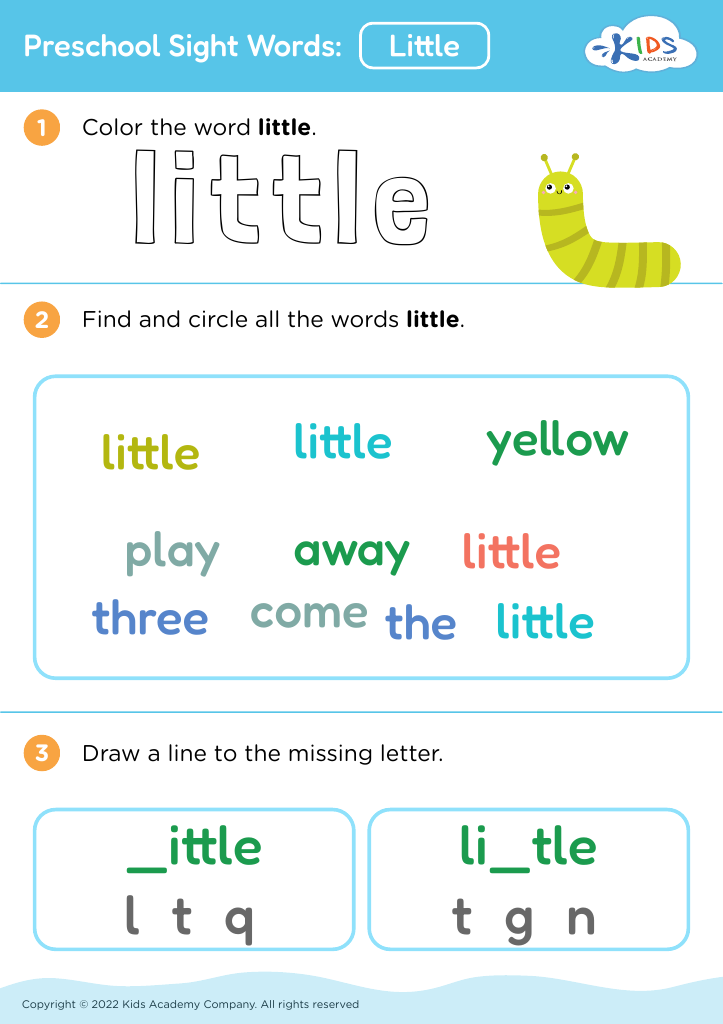
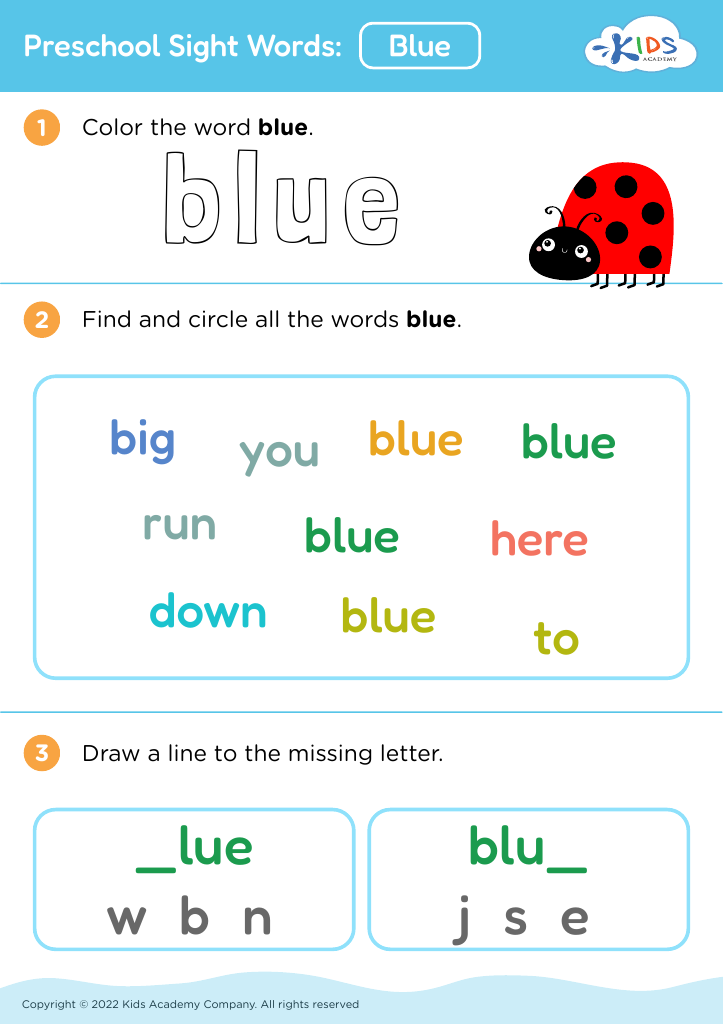








Shape recognition is a foundational skill in early childhood development, profoundly influencing a child's ability to understand and interact with their environment. For children aged 3 to 6, recognizing shapes is not just about identifying circles, squares, or triangles; it expands far beyond to essential cognitive and perceptual abilities.
For one, shape recognition lays the groundwork for critical thinking and problem-solving skills. By learning to identify, compare, and contrast different shapes, children develop their ability to observe details and categorize objects based on various attributes. This skill is crucial for later learning in subjects such as mathematics and science.
In literacy, shape recognition helps with the differentiation of letter forms. Recognizing the shape of letters is the first step toward being able to read and write. Understanding that a circle with a line through it forms the letter "Q" but an oval shape might be an "O" or a "0," exemplifies how shape recognition aids in early reading skills.
Socially and emotionally, mastering shape recognition builds confidence. Confidence is built as children come to understand and articulate their world more clearly, fostering independence. It also enhances fine motor skills as children draw and manipulate shapes, which prepares them for writing.
Therefore, parents and teachers should nurture shape recognition skills to establish a solid foundation for academic success and lifelong skills.








