
Subtraction practice Reading Worksheets for Ages 3-6
4 filtered results
Difficulty Level
Grade
Age
-
From - To
Subject
Activity
Standards
Introduce your young learner to the fundamental world of math! Our Subtraction Practice Reading Worksheets for ages 3-6 are expertly designed to make foundational arithmetic both engaging and manageable. Combining colorful visuals with simple problems, these worksheets help children grasp the concept of subtraction in a fun and interactive way. Perfect for early grades, they cater to various learning paces, enabling each child to build confidence and improve their skills progressively. By introducing subtraction through play, your little one will develop critical thinking and math fluency, laying a strong foundation for future learning. Join us and watch your child excel today!
Favorites
With answer key
Interactive
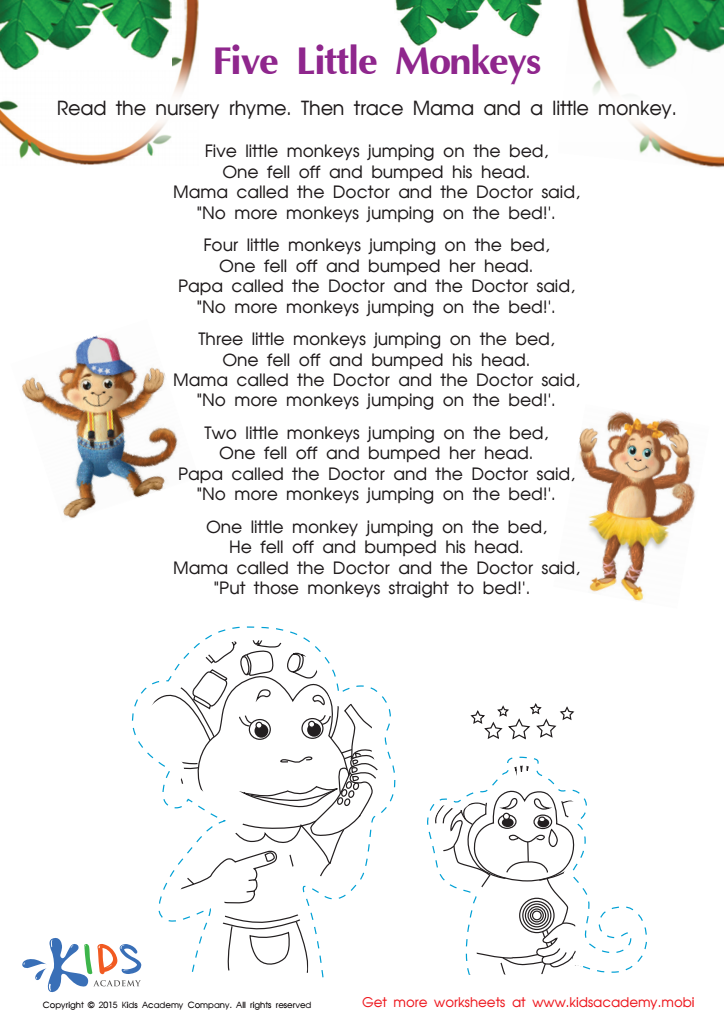
The Five Little Monkeys Nursery Rhyme Worksheet
Sing the beloved nursery rhyme "Five Little Monkeys" with your child, and add a finger play for extra fun! After a few times, encourage them to join in and fill the songs with laughter. Also, have fun coloring the worksheet featuring the monkeys and their Mama.
 Assign to My Students
The Five Little Monkeys Nursery Rhyme Worksheet
Worksheet
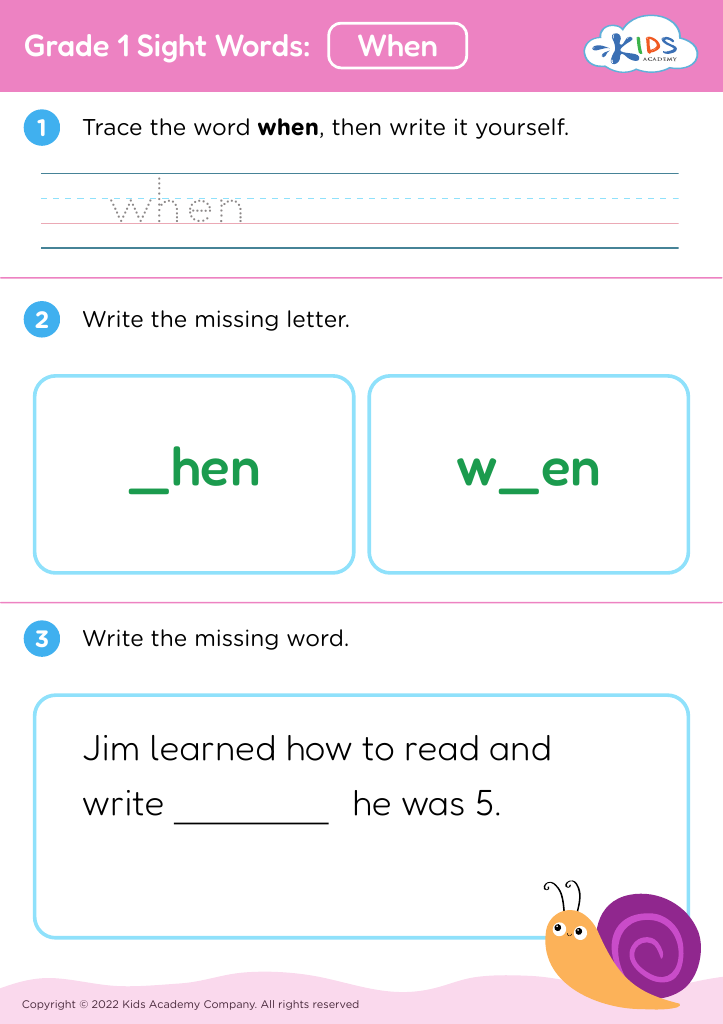
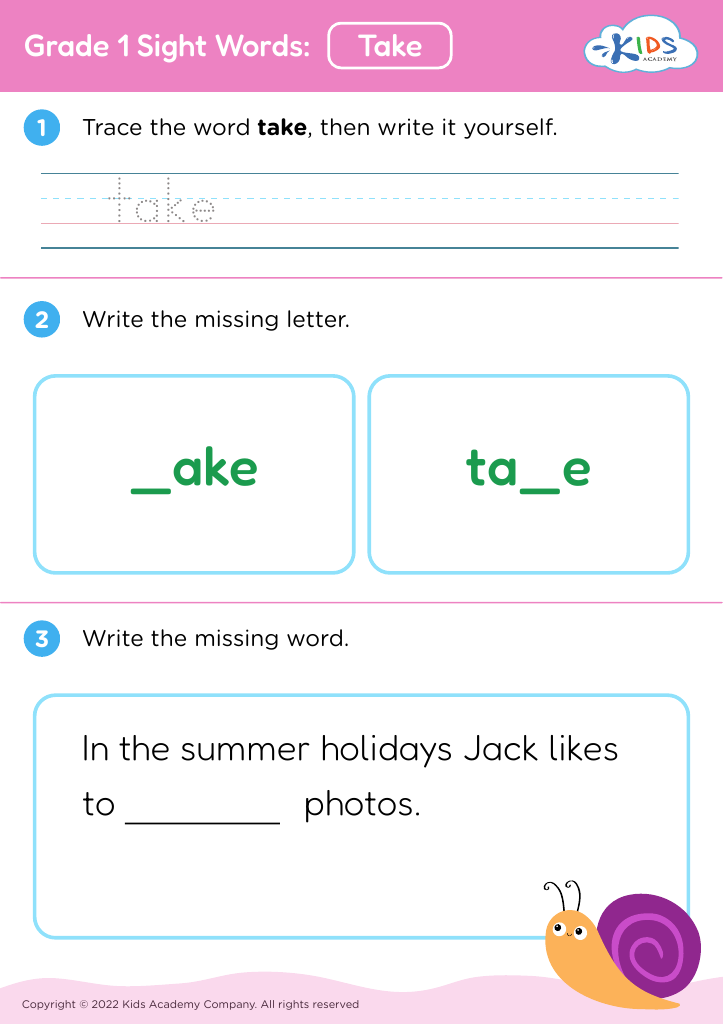
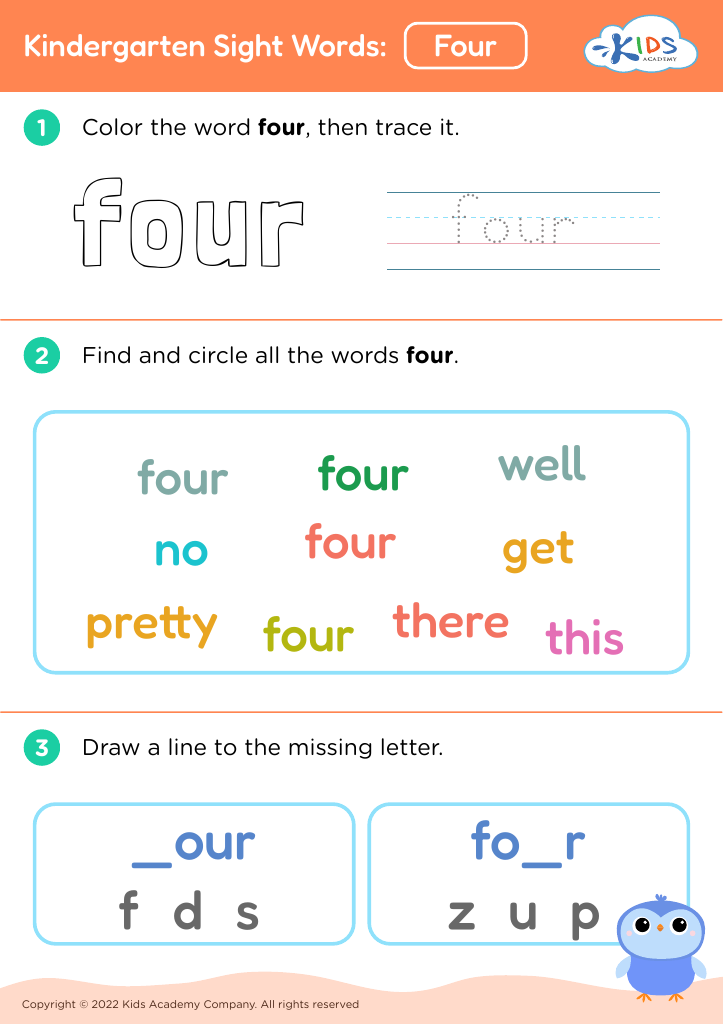
Join Kids Academy for Free
Who is primarily going to use this learning content?







Subtraction practice is vital for children ages 3-6 because it lays the foundation for essential math skills and cognitive development. At this early stage, young minds are incredibly absorbent and primed to grasp new concepts. Learning subtraction helps develop number sense, which is the understanding of numbers and their relationships to each other. This basic numeracy skill is pivotal as it influences future math success, including more complex arithmetic, algebra, and problem-solving capabilities.
Moreover, mastering subtraction helps develop critical thinking and logical reasoning. When children engage in subtraction, they learn to make connections, recognize patterns, and solve problems methodically. These skills extend beyond math and foster overall academic achievement, boosting confidence and encouraging a love for learning.
Incorporating subtraction into everyday reading and activities can make math feel less abstract and more concrete. For instance, using storybooks or interactive games that include subtraction problems enables children to see math in real-world contexts, making the learning process engaging and enjoyable. This multidisciplinary approach nurtures a holistic development where literacy and numeracy skills enhance one another.
Parents and teachers should prioritize subtraction practice to ensure children build a strong mathematical foundation, essential for lifelong learning and academic success. By doing so, they're investing in the child's intellectual growth and future opportunities.








