Color Identification Science Worksheets for Ages 3-6
3 filtered results
-
From - To
Discover the exciting world of color with our engaging Color Identification Science Worksheets, tailored for children ages 3-6! These printable resources provide an interactive way to help young learners identify, categorize, and explore different colors through fun activities and science concepts. Each worksheet is designed to spark curiosity and enhance fine motor skills as children color, match, and sort colorful images. Perfect for classrooms or at-home learning, these worksheets promote early childhood education by integrating color recognition into hands-on science exploration. Encourage your child’s understanding of the vibrant world around them today with our dynamic and educational color identification worksheets!
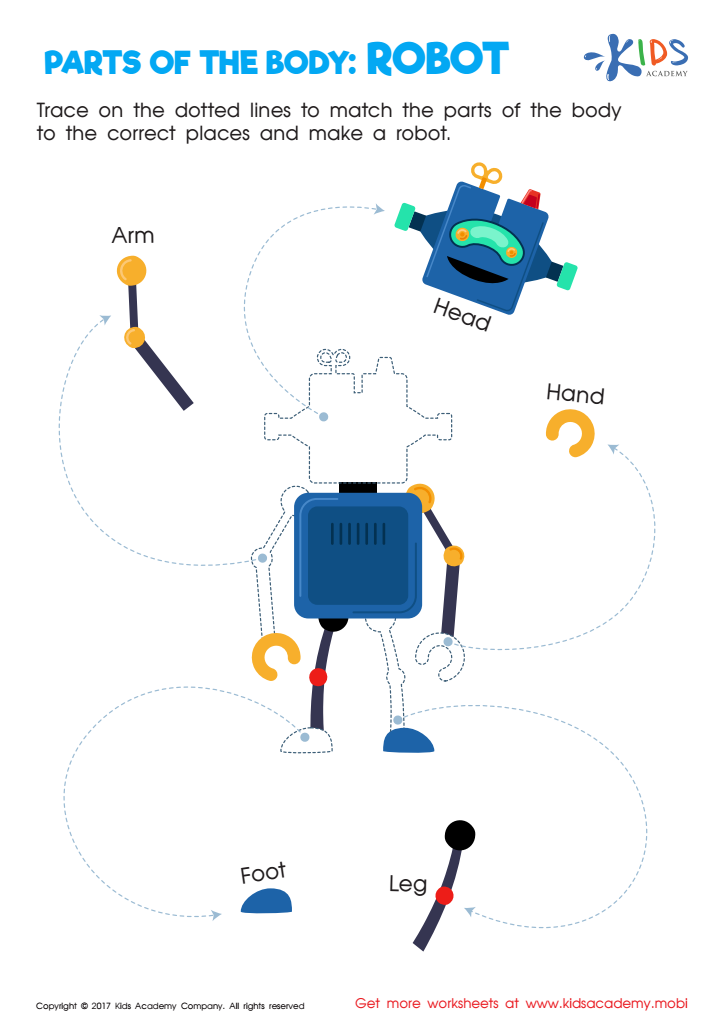
Robot Printable
 Assign to My Students
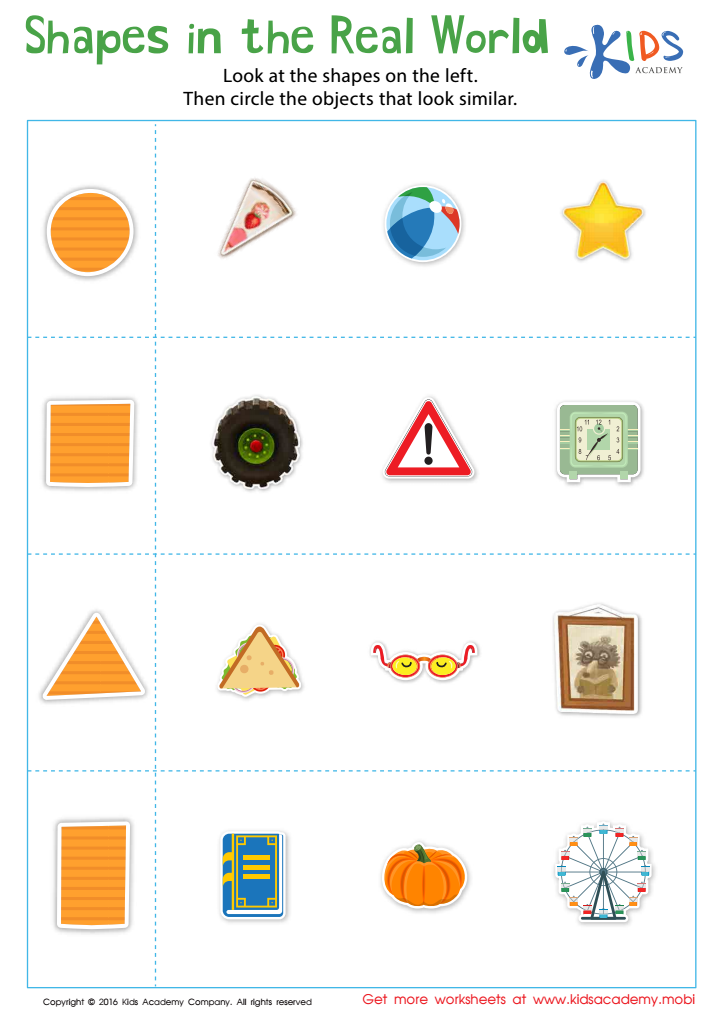
Shapes in the Real World Worksheet
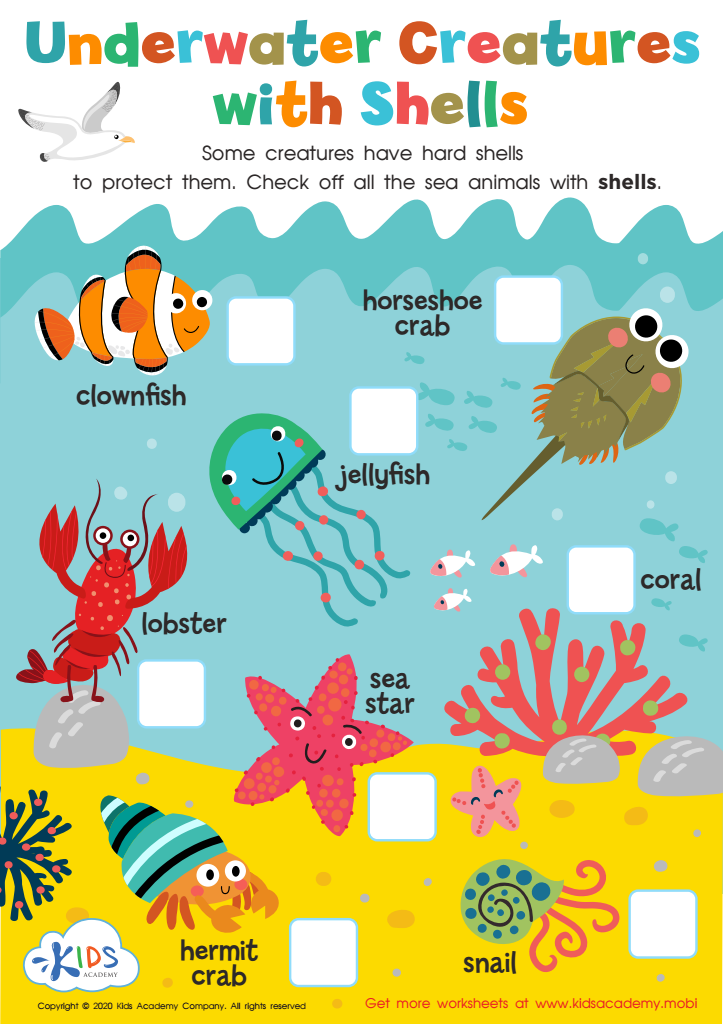
Underwater Creatures with Shells Worksheet


%20(1).jpg)
.jpg)



Color identification is a fundamental aspect of early childhood education that lays the groundwork for children's cognitive development. For children ages 3-6, understanding colors enhances their ability to categorize and make sense of the world around them. Knowing colors supports language development, as children learn to articulate their observations and experiences regarding different hues. This skill promotes effective communication and vocabulary expansion.
In addition, color identification plays a crucial role in visual perception and artistic expression. By recognizing colors, children become better equipped to identify similarities and differences, fostering critical thinking skills. Engaging in activities that emphasize color, such as sorting games, art projects, or nature walks, encourages sensory exploration and creativity.
Furthermore, color identification relates strongly to emotional growth. Colors often evoke specific feelings, and discussing these associations can enhance emotional intelligence and empathy among young children.
For parents and teachers, incorporating color identification into daily activities and structured learning can create a rich, supportive environment that nurtures social, intellectual, and emotional skills. Ultimately, promoting color recognition contributes significantly to a child's overall development and readiness for future learning opportunities.







