Logical Reasoning Science Worksheets for Ages 3-6
9 filtered results
-
From - To
Explore our engaging Logical Reasoning Science Worksheets designed specifically for children ages 3-6! These worksheets foster critical thinking and problem-solving skills while introducing essential scientific concepts in a fun and interactive way. Each worksheet is crafted to enhance cognitive development, encouraging young learners to explore patterns, relationships, and logical connections. With vibrant visuals and age-appropriate activities, children will enjoy practicing their reasoning skills through matching, sorting, and sequence-building exercises. Perfect for home or classroom use, our worksheets make learning about science both enjoyable and educational. Download and inspire the little scientist in your child today!
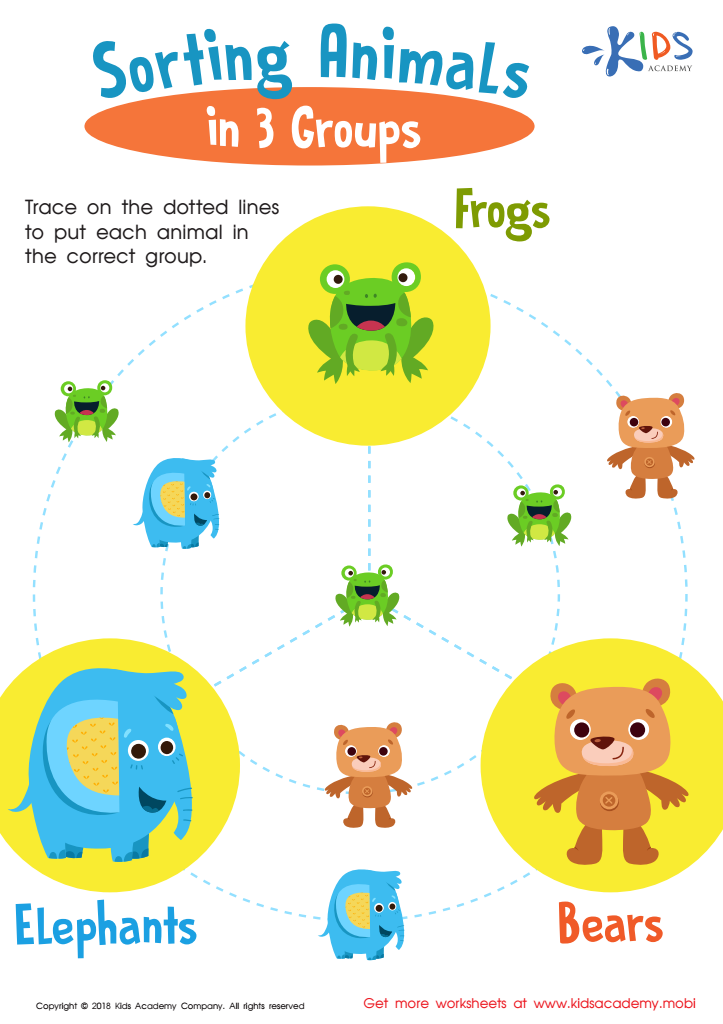
Sorting Animals in 3 Groups Worksheet
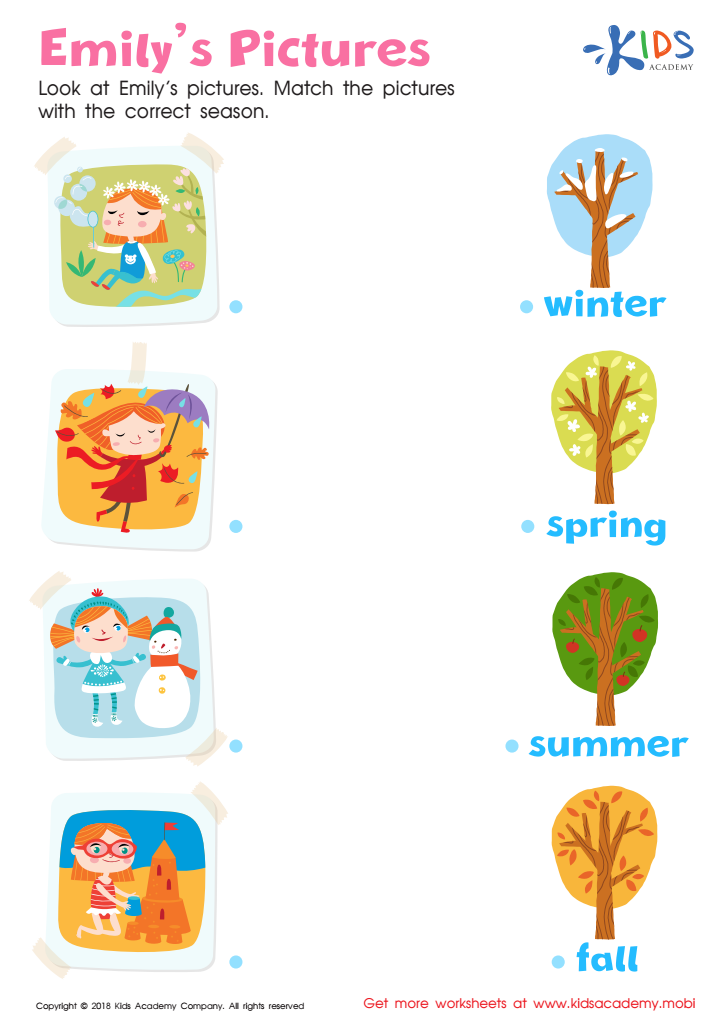
Emily's Pictures Worksheet
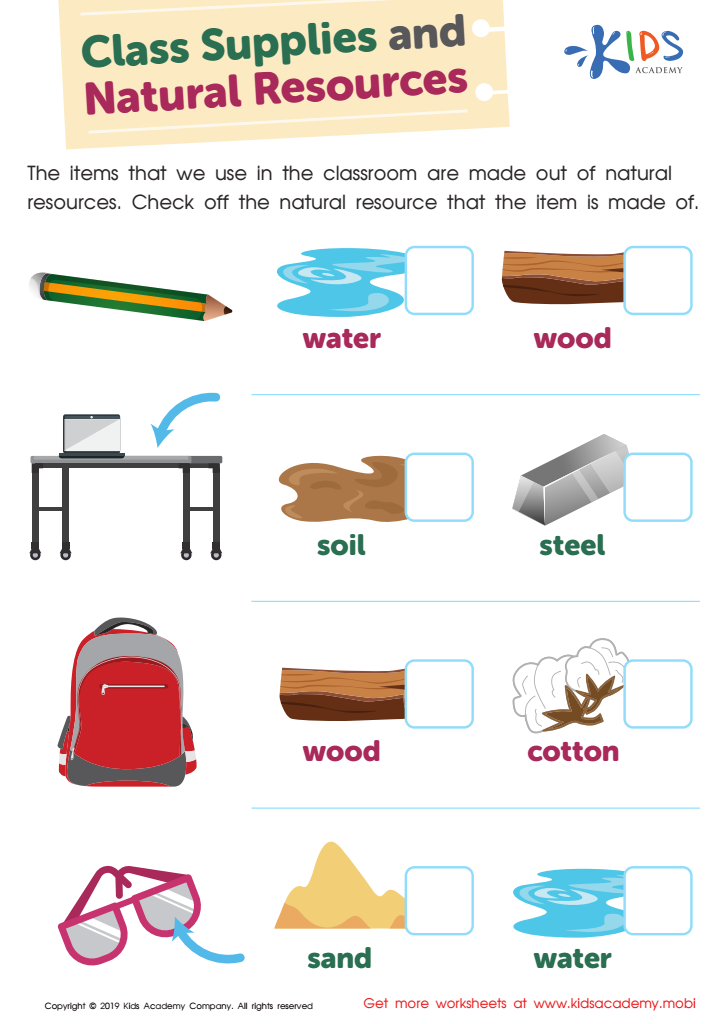
Class Supplies and Natural Resources Worksheet
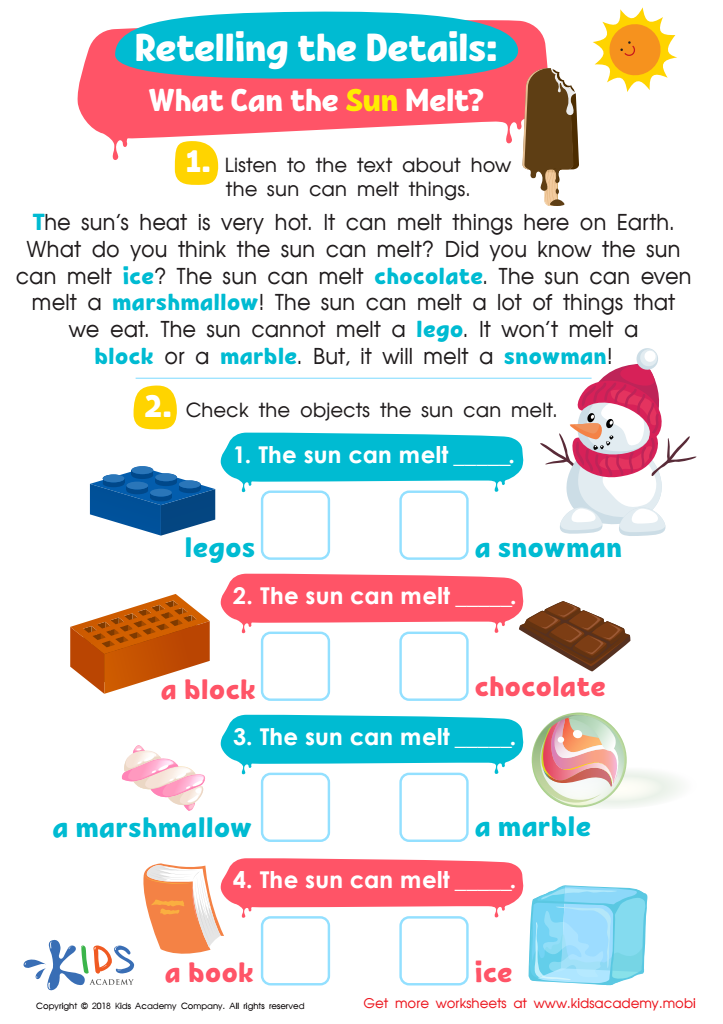
Retelling the Details: What Can the Sun Melt? Worksheet
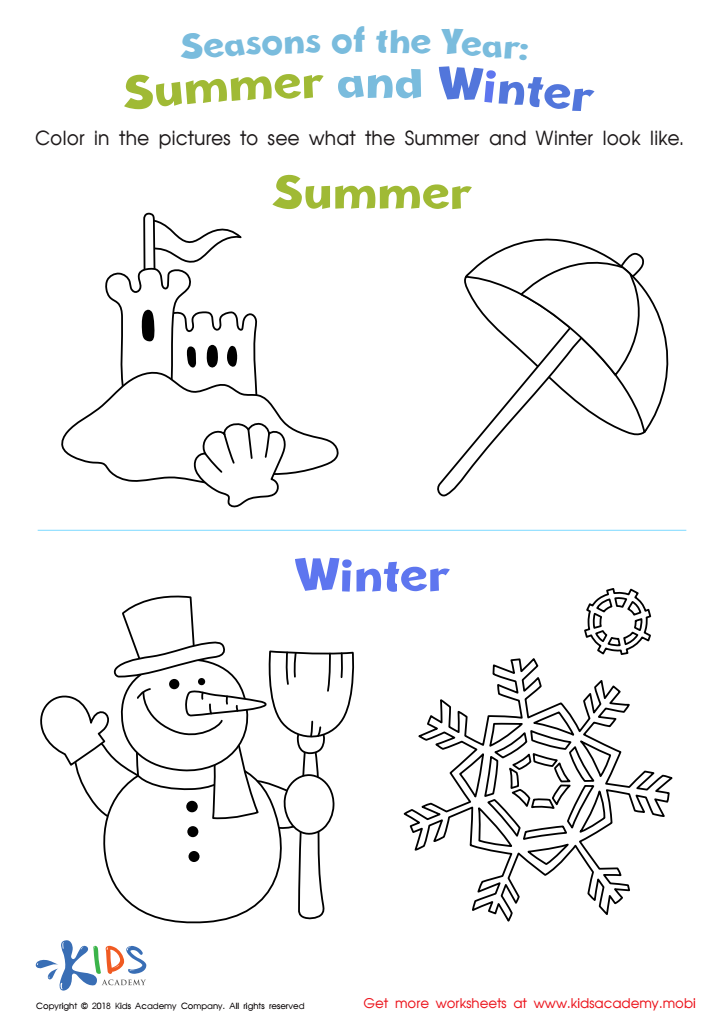
Summer and Winter Worksheet
 Assign to My Students
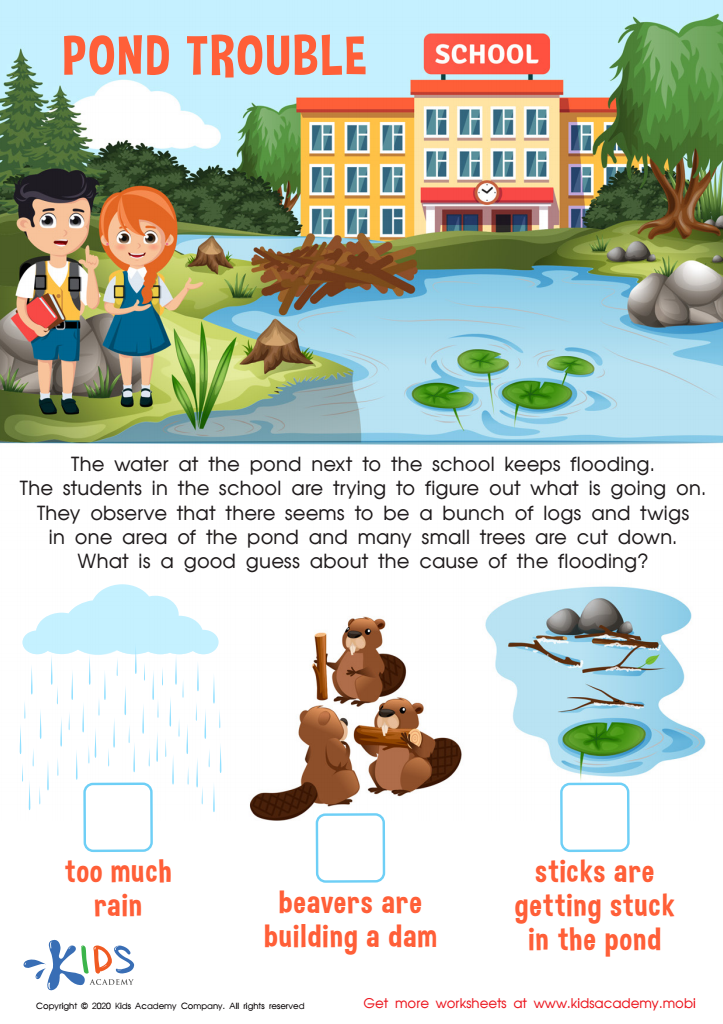
Pond Trouble Worksheet
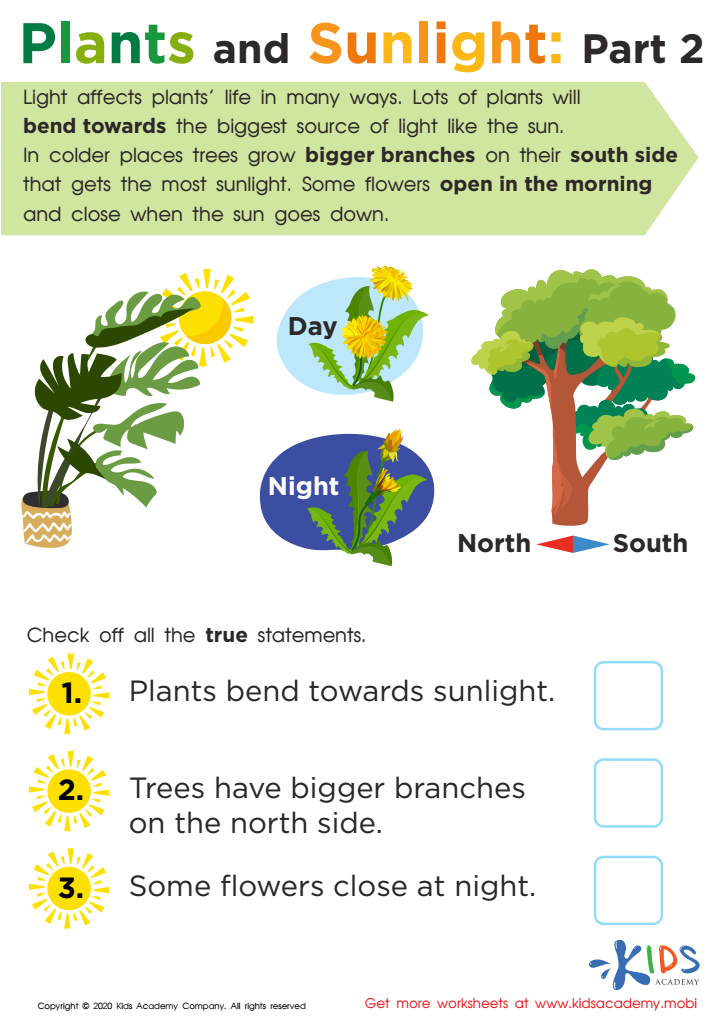
Plants and Sunlight: Part 2 Worksheet
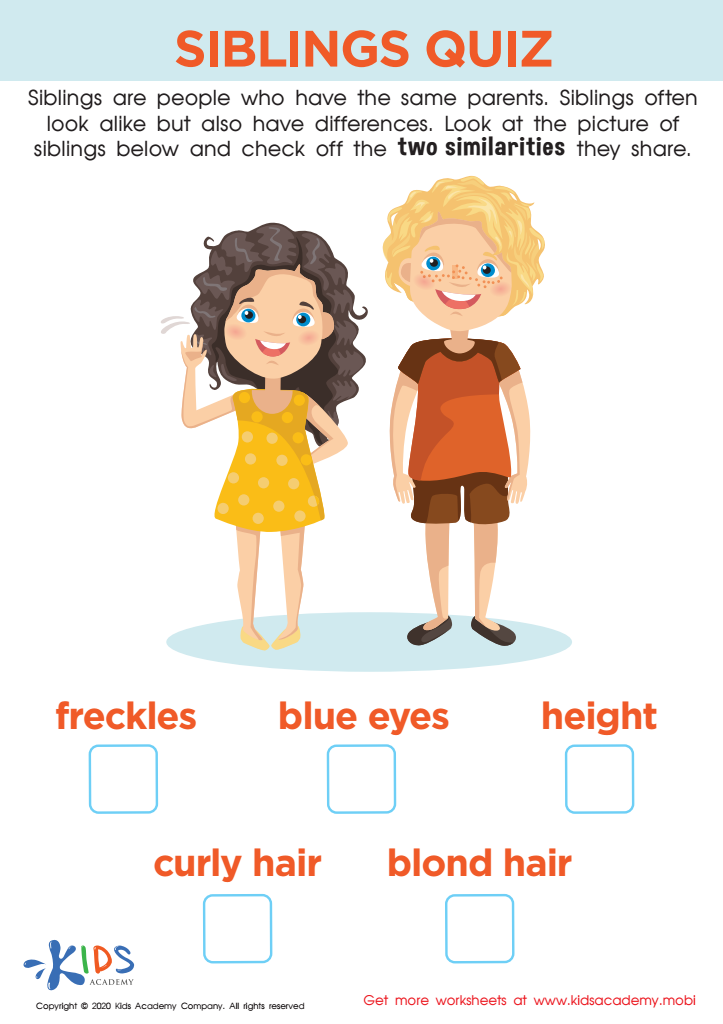
Siblings Quiz Worksheet
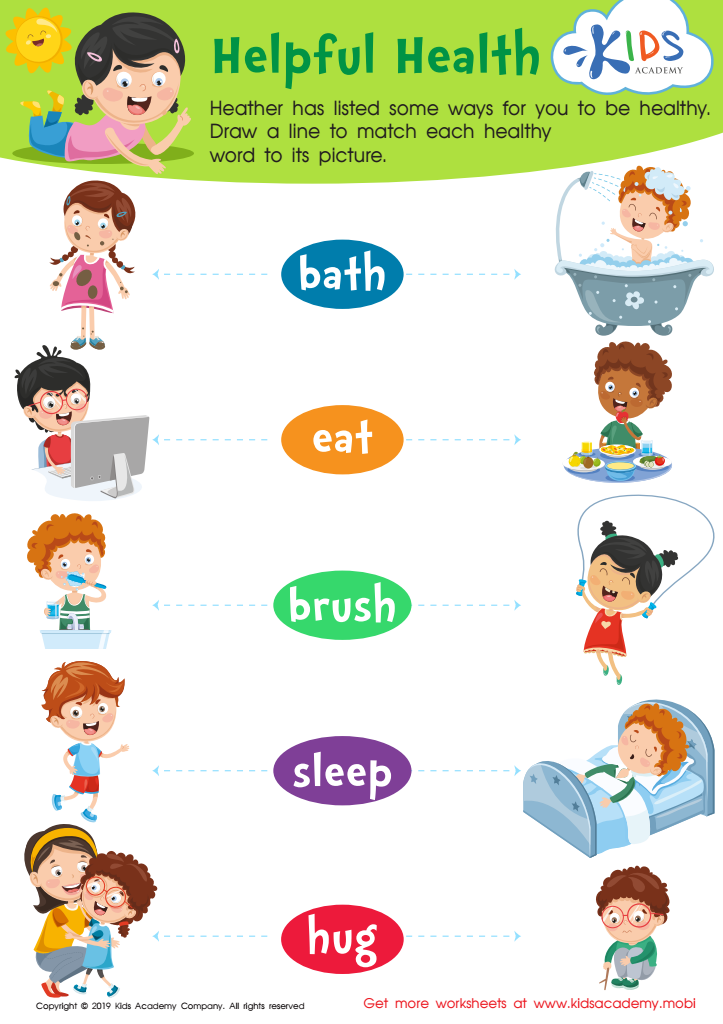
Helpful Health Worksheet






Logical reasoning science for ages 3-6 plays a vital role in a child's early development, laying a strong foundation for critical thinking and problem-solving skills. At this young age, children are naturally curious and eager to explore their surroundings. Introducing them to logical reasoning through age-appropriate activities fosters analytical thinking, encouraging them to ask questions, make observations, and draw conclusions based on evidence.
Parents and teachers should care about this aspect of learning because these early experiences significantly contribute to cognitive development. Engaging children in logical reasoning tasks—like sorting objects, completing patterns, or solving simple puzzles—boosts their ability to think sequentially and enhances their mathematical understanding. Moreover, these skills are essential not just for academic success but also for everyday life decisions.
Additionally, a focus on logical reasoning nurtures creativity in children, as they learn to approach problems from different angles. It encourages persistence and resilience when they encounter challenges, fostering a growth mindset that will benefit them throughout their educational journey. Ultimately, supporting logical reasoning in early childhood equips children with tools to navigate their world effectively, setting the stage for lifelong learning and development.







