Understanding habitats Science Worksheets for Ages 3-6
5 filtered results
-
From - To
Explore the fascinating world of habitats with our engaging science worksheets designed for children aged 3-6. These educational resources help young learners understand different environments, from forests to oceans, through interactive activities and vibrant visuals. Each worksheet promotes critical thinking, enhances observational skills, and encourages creativity as kids discover the unique characteristics of various habitats and the animals that call them home. Perfect for classrooms or at-home learning, our understanding habitats worksheets make learning fun and accessible. Nurture your child’s curiosity about nature and the ecology around them while laying the foundation for scientific skills in an enjoyable way!
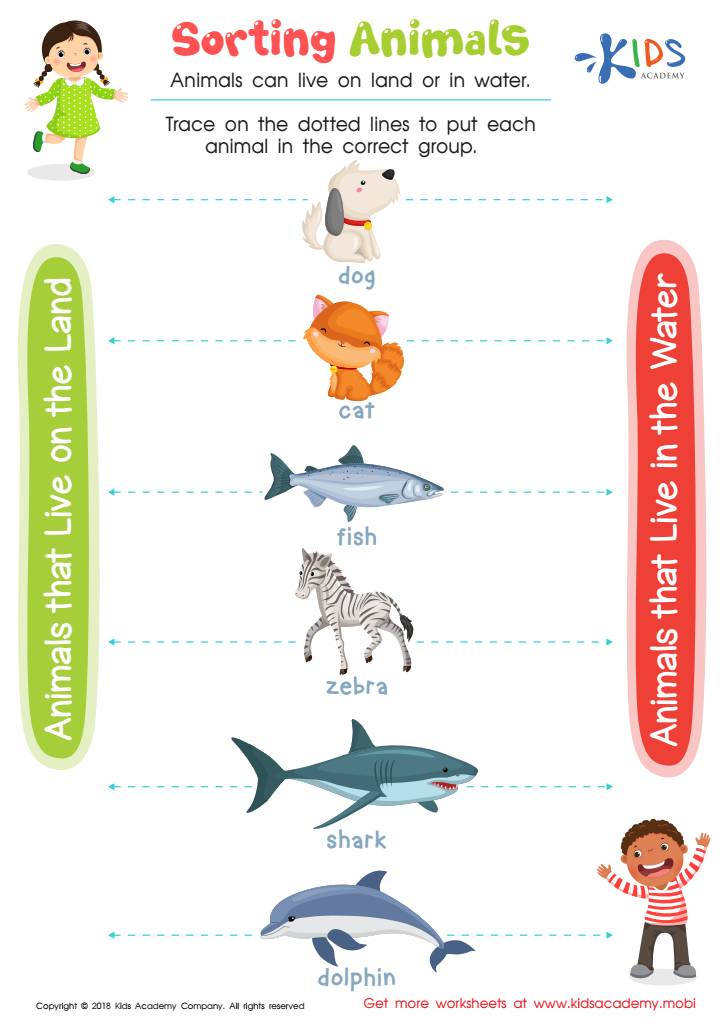
Sorting Animals Worksheet
 Assign to My Students
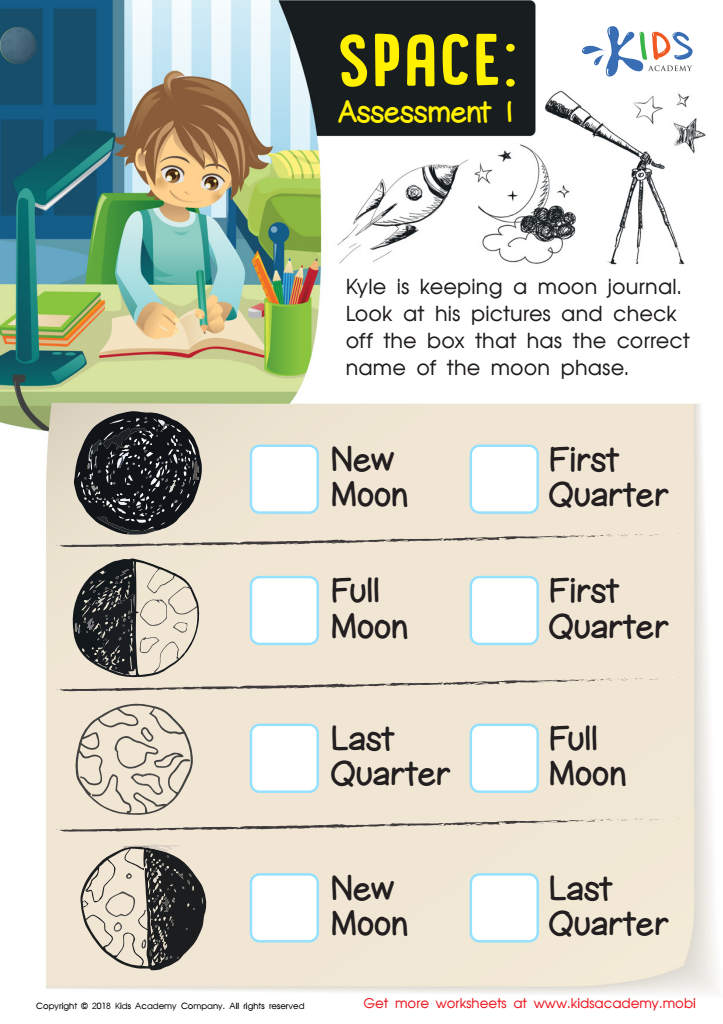
Space: Assessment 1 Worksheet
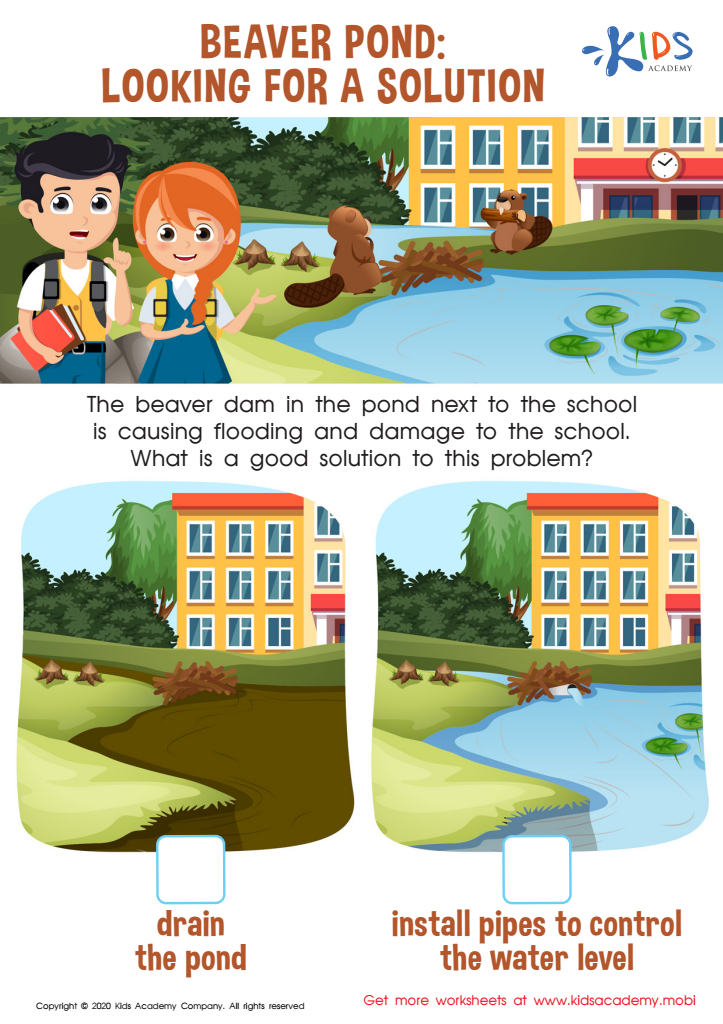
Beaver Pond: Looking for a Solution Worksheet
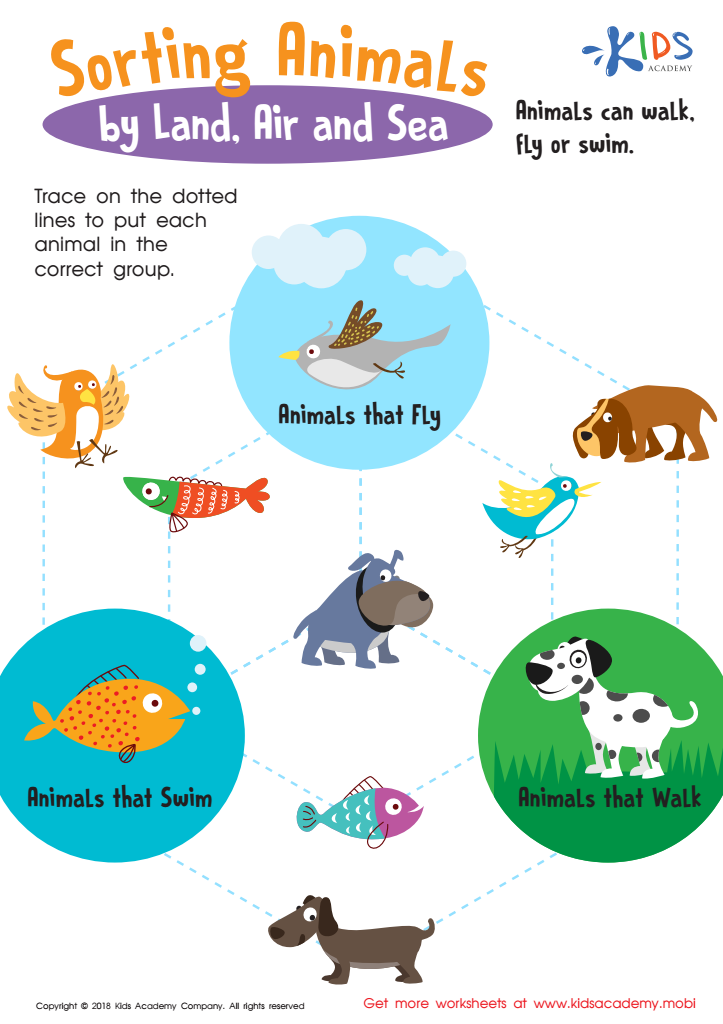
Sorting Animals by Land, Air and Sea Worksheet
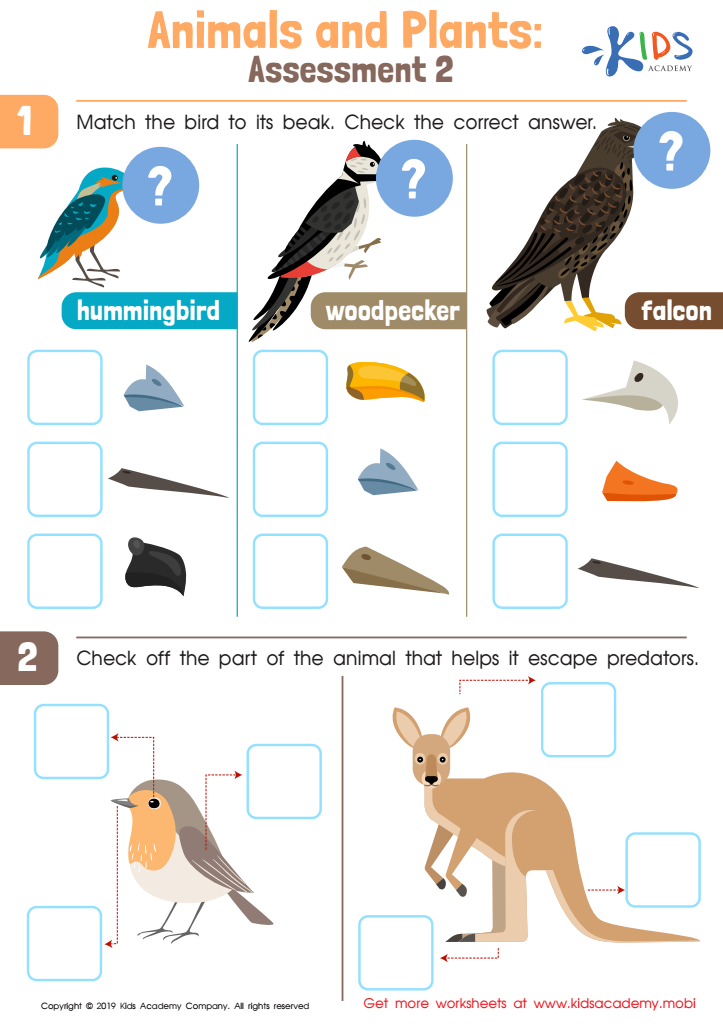
Animals and Plants: Assessment 2 Worksheet


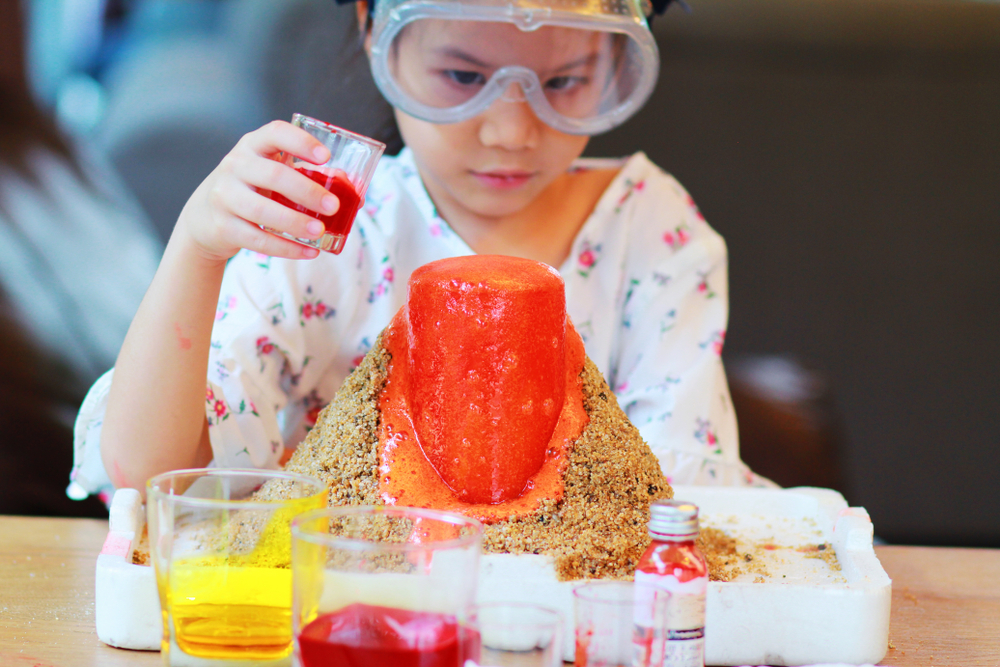




Understanding habitats is crucial for children aged 3-6, as it lays the foundation for their appreciation of the natural world. At this tender age, children are naturally curious, and engaging them with habitats—homes of plants and animals—enriches their learning experiences. By understanding different environments, children can begin to grasp the interconnectedness of life, fostering respect for living things.
Parents and teachers should realize that learning about habitats stimulates vital cognitive development. Activities that explore forests, oceans, or deserts encourage critical thinking and observational skills, helping young learners ask questions and seek answers. These concepts also promote environmental stewardship. When children learn about where animals live and the importance of biodiversity, they develop a sense of responsibility toward their surroundings.
Moreover, discussing habitats can enhance children's vocabulary and communication skills, as they learn new words related to nature. It nurtures creativity through play and exploration, whether through storytelling or hands-on activities like creating habitat dioramas.
Ultimately, fostering an understanding of habitats prepares young learners for a lifetime of curiosity, respect for nature, and a commitment to protecting the environment, making it a vital area of focus for parents and educators alike.







