Understanding life cycles Science Worksheets for Ages 3-6
4 filtered results
-
From - To
Introducing our "Understanding Life Cycles Science Worksheets" designed for children ages 3-6! These engaging and interactive worksheets lay the foundation for young learners to explore the fascinating concept of life cycles in nature. Through colorful illustrations and simple activities, kids will discover the life cycles of common animals like butterflies, frogs, and plants. Each worksheet not only enhances scientific understanding but also develops critical thinking and fine motor skills. Ideal for preschool and early grade classrooms, our resources help young minds connect with the world around them while making learning about life cycles fun and accessible! Dive into science with us today!
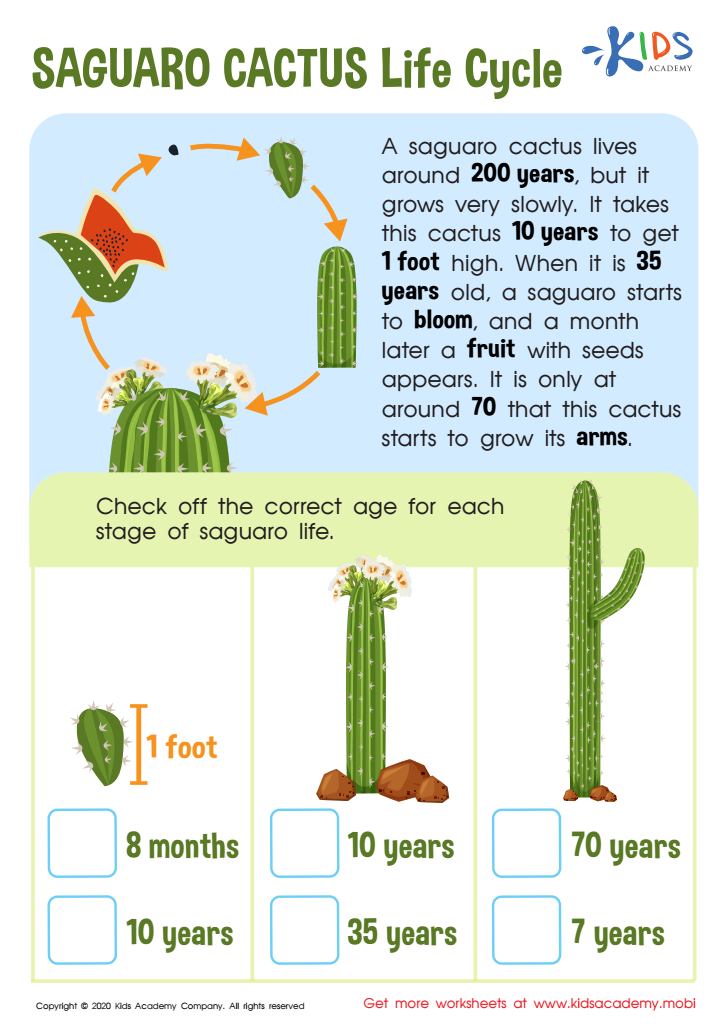
Saguaro Cactus Life Cycle Worksheet
 Assign to My Students
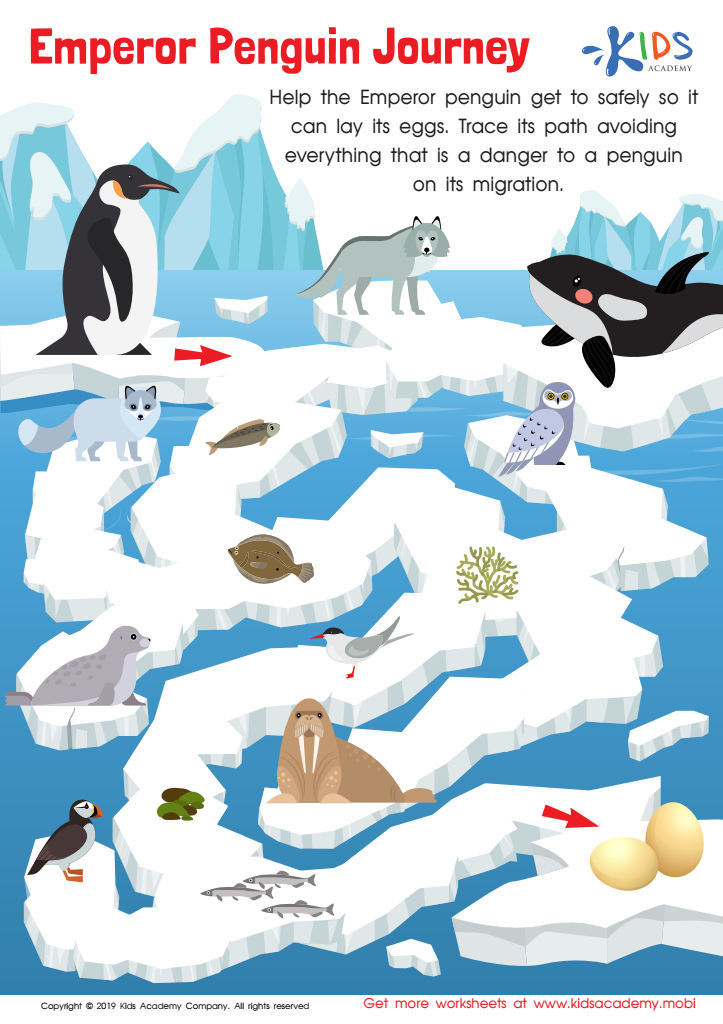
Emperor Penguin Journey Worksheet
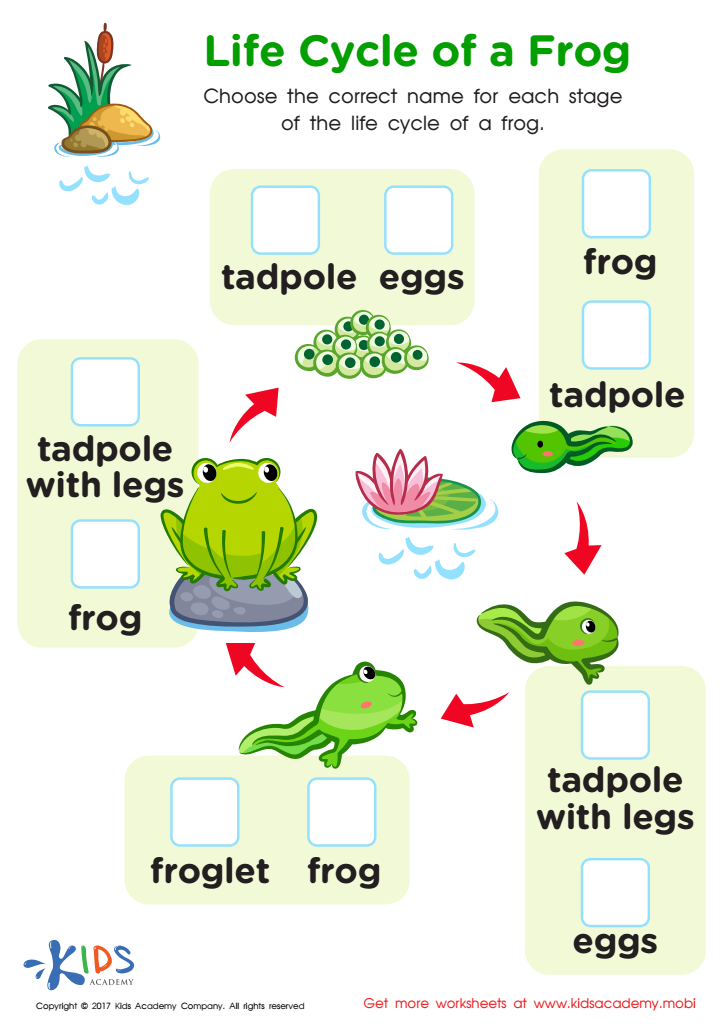
Life Cycle Frog Printable
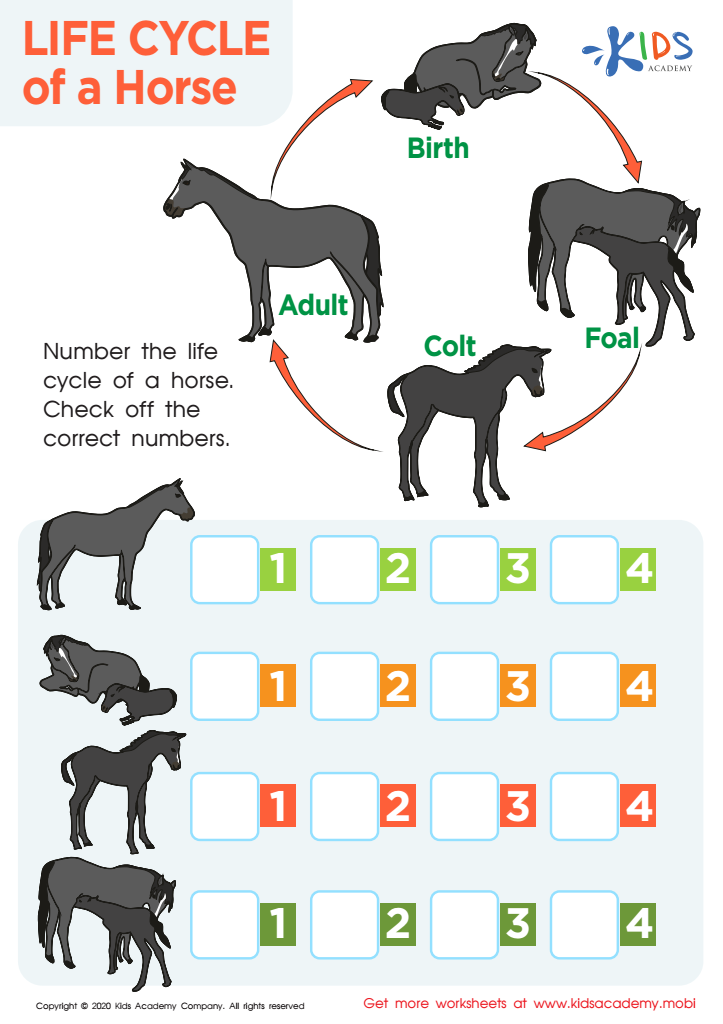
Life Cycle of a Horse Worksheet





Understanding life cycles is vital for children aged 3-6 as it lays the foundation for their scientific literacy and holistic development. Engaging with life cycles fosters curiosity about the natural world, encouraging children to explore concepts such as growth, change, and interconnectedness. This exploration can enhance their observational skills and critical thinking as they participate in hands-on activities like planting seeds or observing insects.
Moreover, early exposure to life cycles helps children grasp essential biological concepts, such as reproduction and the roles different life stages play within ecosystems. This knowledge nurtures respect for living things and underscores the importance of conservation.
Additionally, learning about life cycles is deeply integrated with various disciplines, including math (measuring growth), art (illustrating stages), and language development (discussing findings). Such interdisciplinary connections support cognitive skills and language acquisition.
Lastly, understanding life cycles also nurtures emotional intelligence as children witness changes and understand mortality through natural processes. By supporting developmentally appropriate activities about life cycles, parents and teachers instill a love for learning, instilling lasting values about nature and responsibility toward the environment. Overall, life cycle education is a crucial step in fostering well-rounded, thoughtful individuals.







