Logical Reasoning Plants and Animals Worksheets for Ages 3-6
4 filtered results
-
From - To
Discover our engaging Logical Reasoning Worksheets focused on plants and animals, designed for young learners aged 3-6! These fun and interactive activities help children develop critical thinking skills by encouraging them to categorize, compare, and make connections between various plants and animals. With vibrant illustrations and user-friendly designs, each worksheet offers a unique opportunity for your child to explore the natural world while enhancing their reasoning abilities. Perfect for at-home learning or classroom use, our resources make science fun and educational. Start your child's journey into the wonders of plants and animals today with our exciting worksheets!
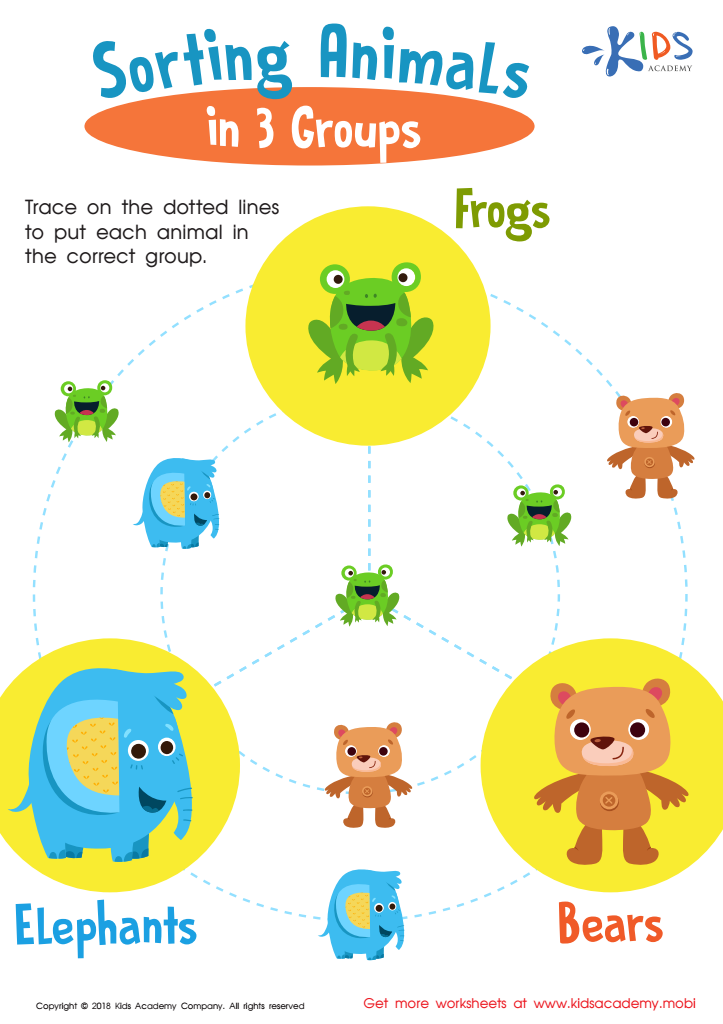
Sorting Animals in 3 Groups Worksheet
 Assign to My Students











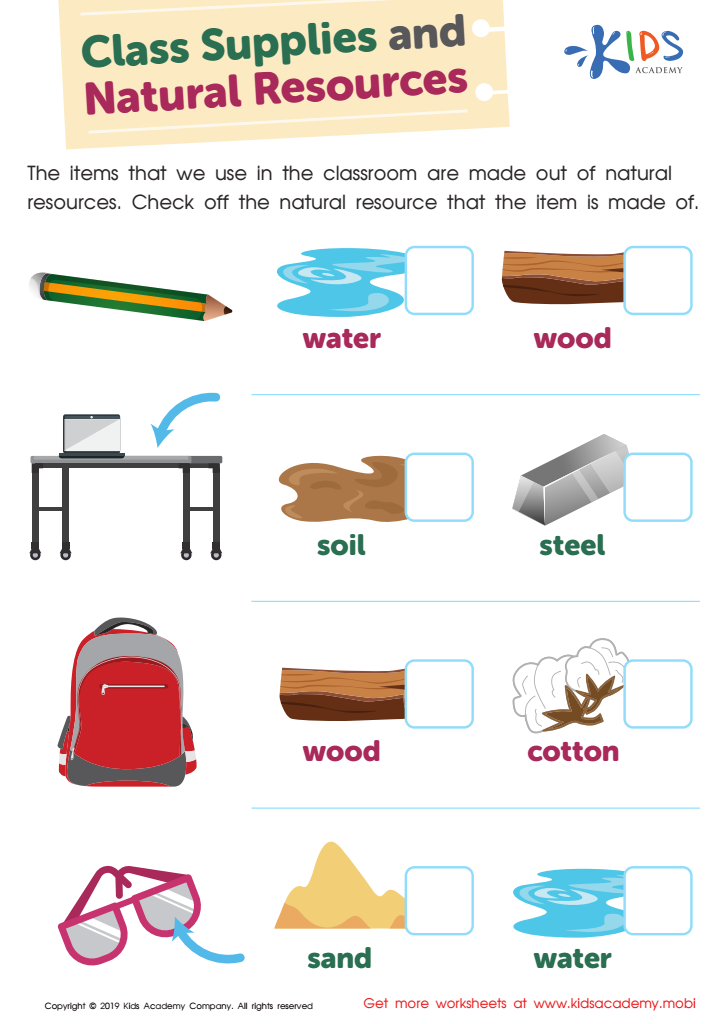
Class Supplies and Natural Resources Worksheet
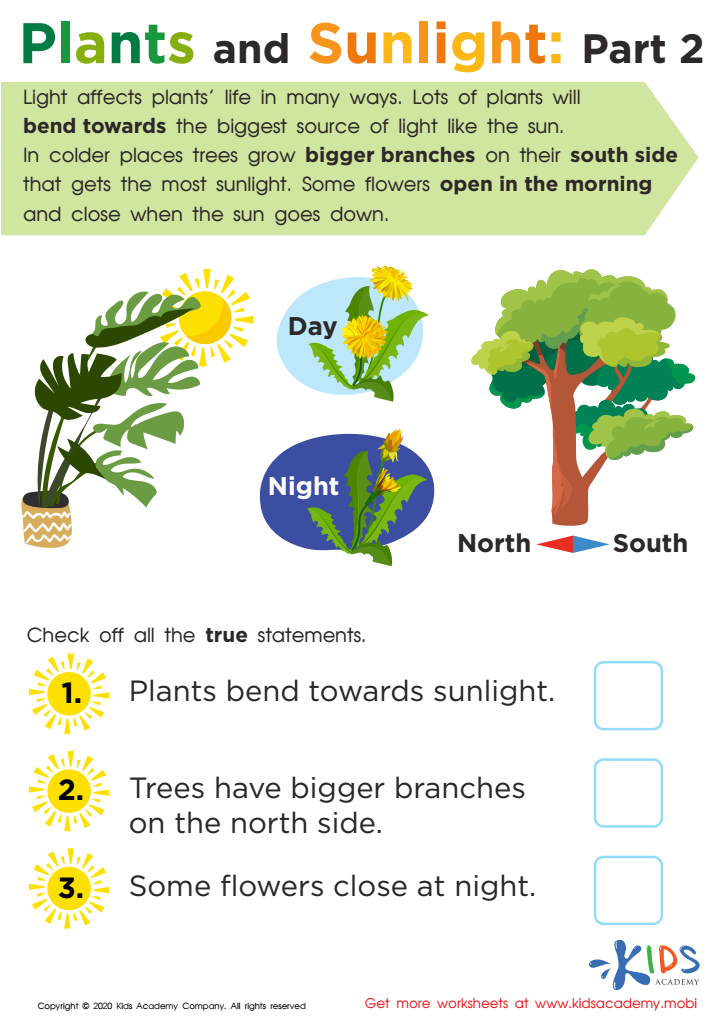
Plants and Sunlight: Part 2 Worksheet
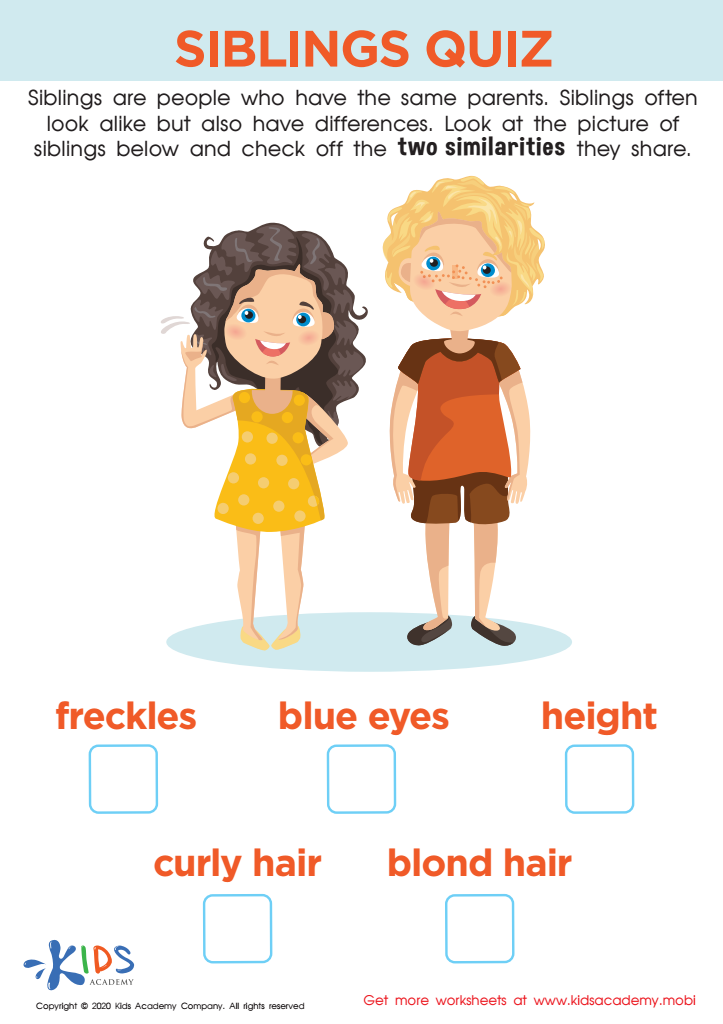
Siblings Quiz Worksheet








Logical reasoning is a crucial cognitive skill that forms the foundation for problem-solving, decision-making, and critical thinking in young children. Introducing logical reasoning activities focused on plants and animals for ages 3-6 engages children in understanding their natural environment while fostering important skills.
Parents and teachers should care about this because integrating reasoning with subjects like biology makes learning both fun and meaningful. Activities such as classifying animals, analyzing plant growth, or exploring ecosystems encourage curiosity and observation. These activities promote exploratory play, which is essential for cognitive and social development at this age.
Moreover, reasoning exercises involving plants and animals help children grasp essential scientific concepts early on, laying groundwork for future studies in ecology, biology, and environmental science. It develops skills like categorization, pattern recognition, and hypothesis testing, which are valuable beyond academics.
Ultimately, fostering logical reasoning through engaging, nature-based education supports holistic development—cognitive, social, and emotional—ensuring children are better prepared for future learning experiences. By focusing on logical reasoning in the context of the natural world, adults can nurture a generation of critical thinkers who value both knowledge and the environment.








