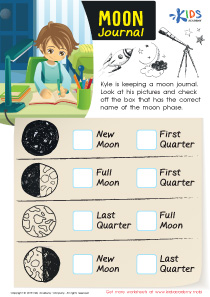
Understanding habitats Plants and Animals Worksheets for Ages 3-6
3 filtered results
Difficulty Level
Grade
Age
-
From - To
Subject
Activity
Standards
Explore the fascinating world of habitats with our "Understanding Habitats: Plants and Animals" worksheets, designed specifically for ages 3-6. These engaging resources help young learners discover the diverse environments where plants and animals thrive, fostering their love for nature and science. Through fun activities and interactive exercises, children will identify different habitats, learn about ecosystems, and recognize the unique flora and fauna within them. Perfect for home or classroom use, these worksheets promote essential skills in critical thinking, observation, and creativity, making learning enjoyable and effective. Encourage your little ones to connect with the natural world through our thoughtfully crafted worksheets!
Favorites
With answer key
Interactive
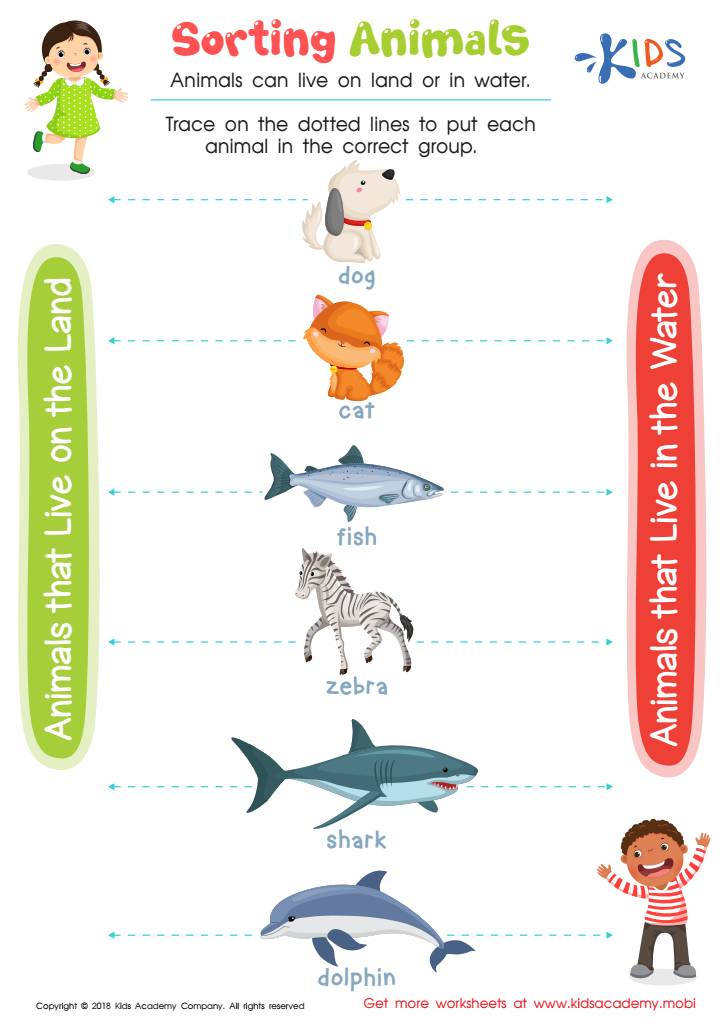
Sorting Animals Worksheet
Your kids will love this free, interactive worksheet! With image clues, they can read and trace the animal names, and then sort them into groups of land or water animals. It's an enjoyable way to boost their critical thinking, fine motor and prior knowledge skills.
 Assign to My Students
Sorting Animals Worksheet
Worksheet
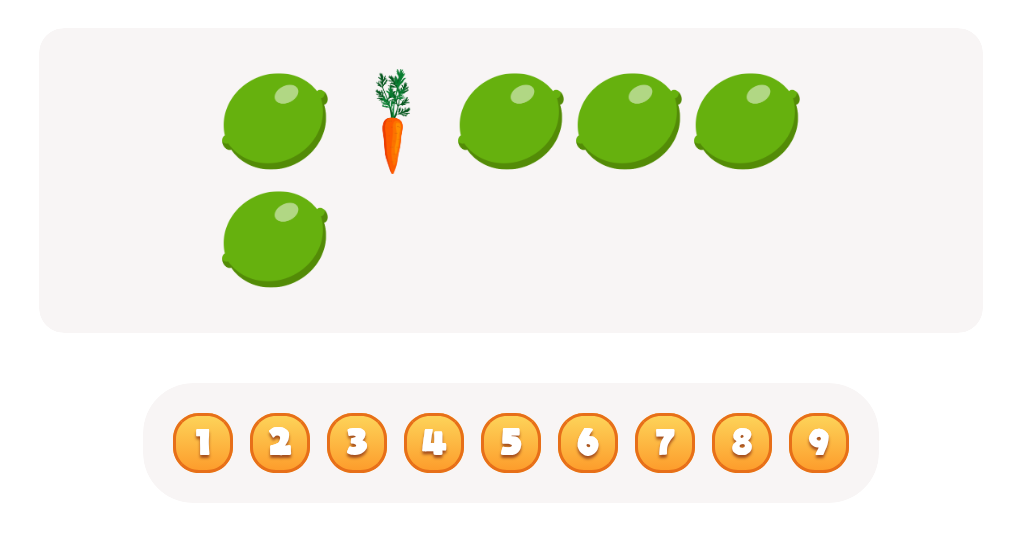

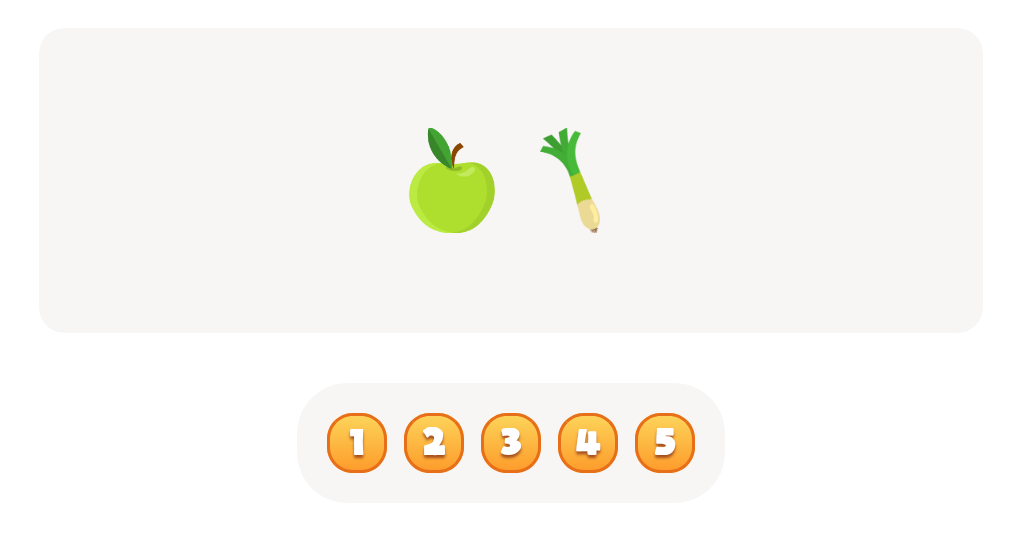
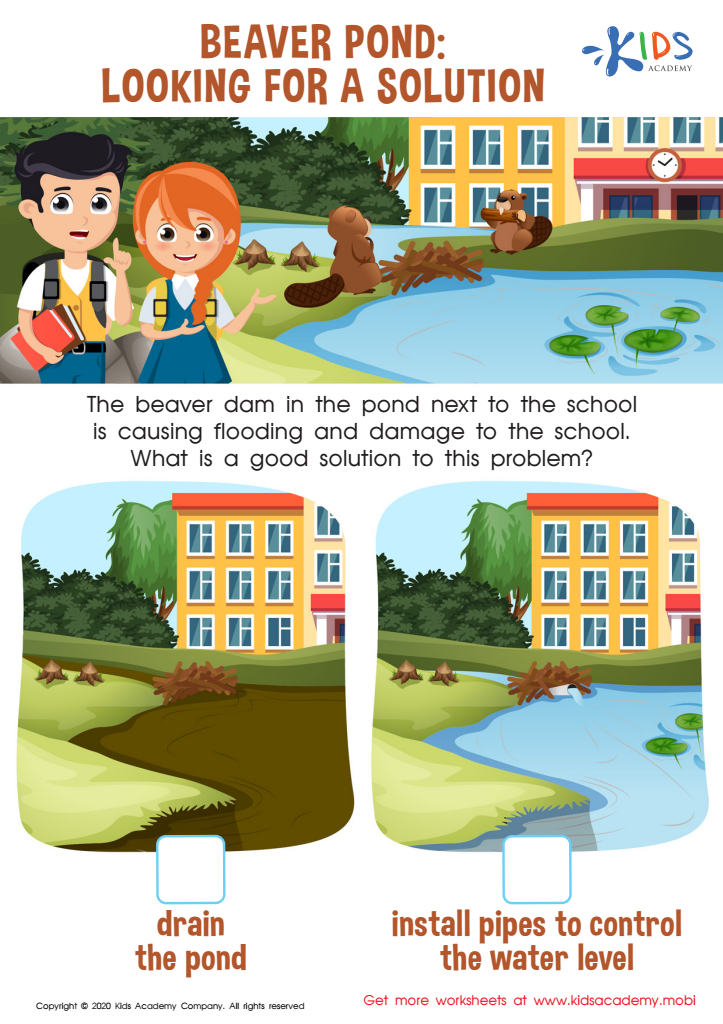
Beaver Pond: Looking for a Solution Worksheet
Beavers are building dams and flooding the local pond! Help your child practice problem-solving skills by reading through and selecting from possible solutions, with this fun PDF worksheet. See how your child's skills are improved!
Beaver Pond: Looking for a Solution Worksheet
Worksheet
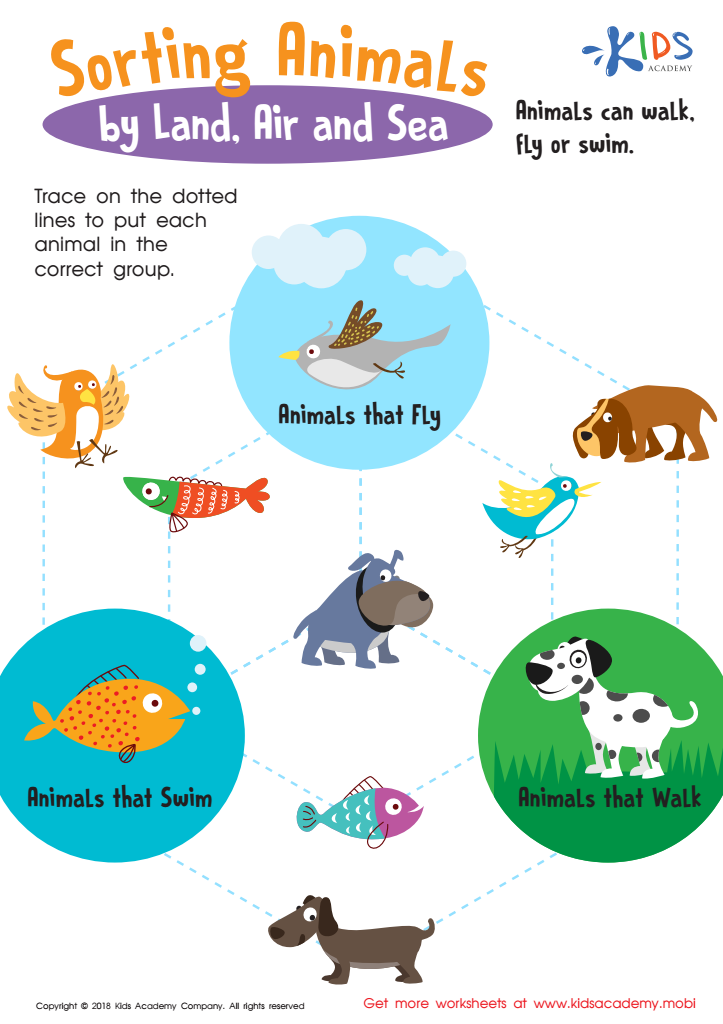
Sorting Animals by Land, Air and Sea Worksheet
Kids will use critical thinking and fine motor skills with this worksheet! They'll analyze animal traits and draw lines to sort them into groups of those that fly, swim, or walk. It's a fun way to hone skills and have a great time!
Sorting Animals by Land, Air and Sea Worksheet
Worksheet
Join Kids Academy for Free
Who is primarily going to use this learning content?








Understanding habitats and the relationship between plants and animals is vital for children aged 3-6, and parents and teachers should take an active interest in this subject for several reasons. Firstly, early exposure to nature fosters curiosity and wonder about the world, encouraging children to explore their environment and develop critical thinking skills. This exploration helps cultivate a lifelong love for nature and science.
Additionally, learning about habitats sets a foundation for environmental awareness and conservation. Children begin to understand the importance of ecosystems, biodiversity, and how living organisms are interconnected. Recognizing the role that both plants and animals play in their environment can instill a sense of responsibility towards protecting nature.
Moreover, this knowledge enhances various developmental areas, including cognitive (recognizing different species), social (engaging in group activities), and emotional development (developing empathy for living beings).
Incorporating hands-on activities, like nature walks or animal-themed crafts, can make learning engaging and memorable, ensuring that children grasp the concept effectively. Ultimately, nurturing an understanding of habitats in young learners shapes environmentally conscious individuals and promotes holistic learning experiences.