Vocabulary enhancement Plants and Animals Worksheets for Ages 3-6
14 filtered results
-
From - To
Unlock the wonders of nature with our engaging "Vocabulary Enhancement Plants and Animals Worksheets for Ages 3-6." Perfect for young learners, these worksheets are designed to boost vocabulary while exploring the fascinating world of plants and animals. Through fun and colorful activities, children will learn new words, discover amazing facts, and strengthen their understanding of the environment. Ideal for preschool and kindergarten classrooms, these worksheets encourage curiosity and a love for nature. Start your child's educational journey with tools that inspire both learning and imagination. Download today and watch their knowledge grow!
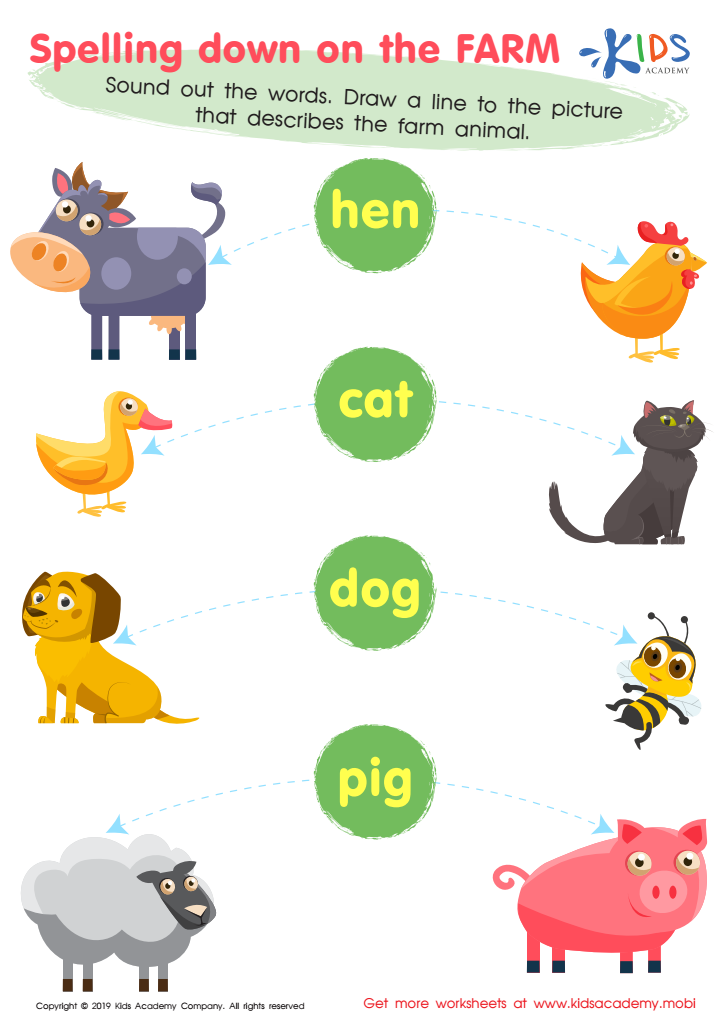
Spelling Down on the Farm Worksheet
 Assign to My Students











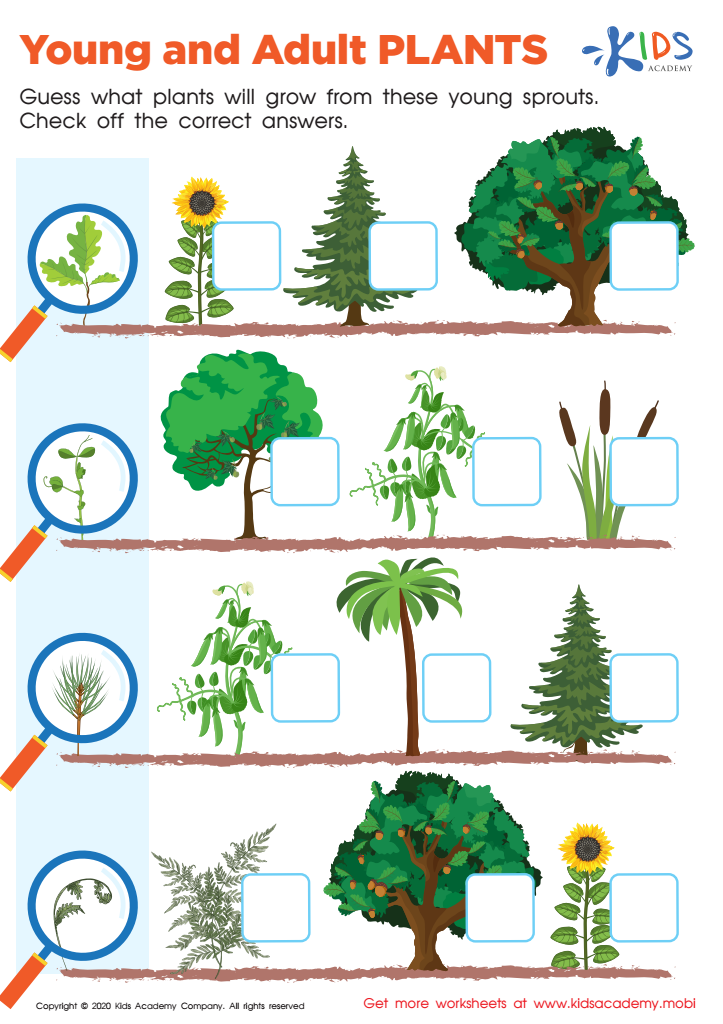
Young and Adult Plants Worksheet
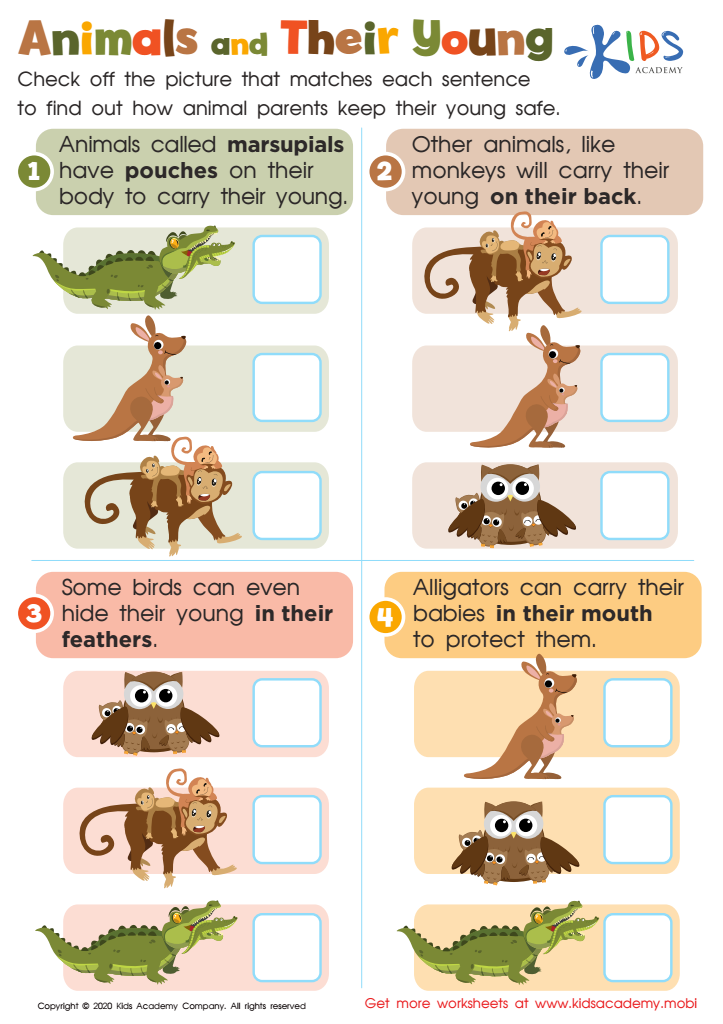
Animals and Their Young Worksheet
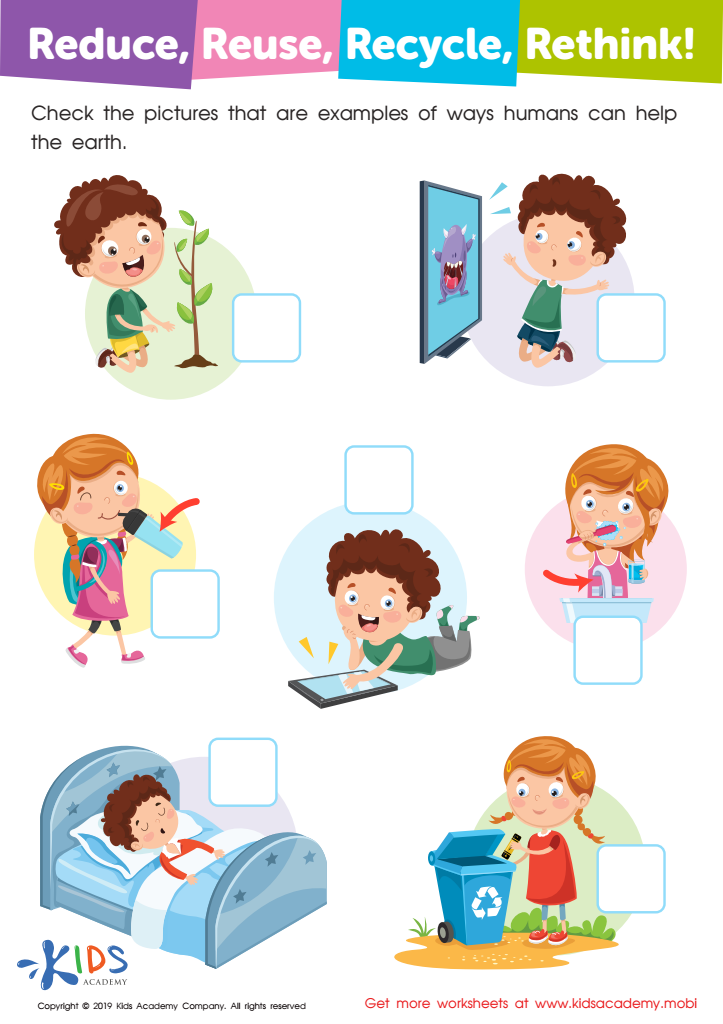
Reduce, Reuse, Recycle, Rethink Worksheet
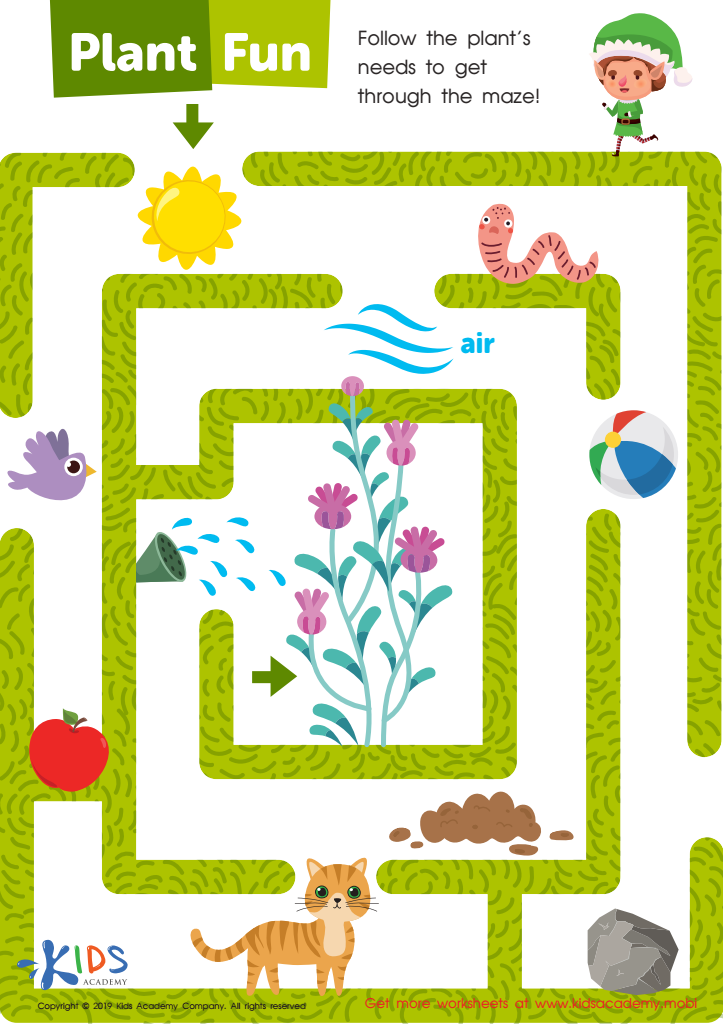
Plant Fun Worksheet
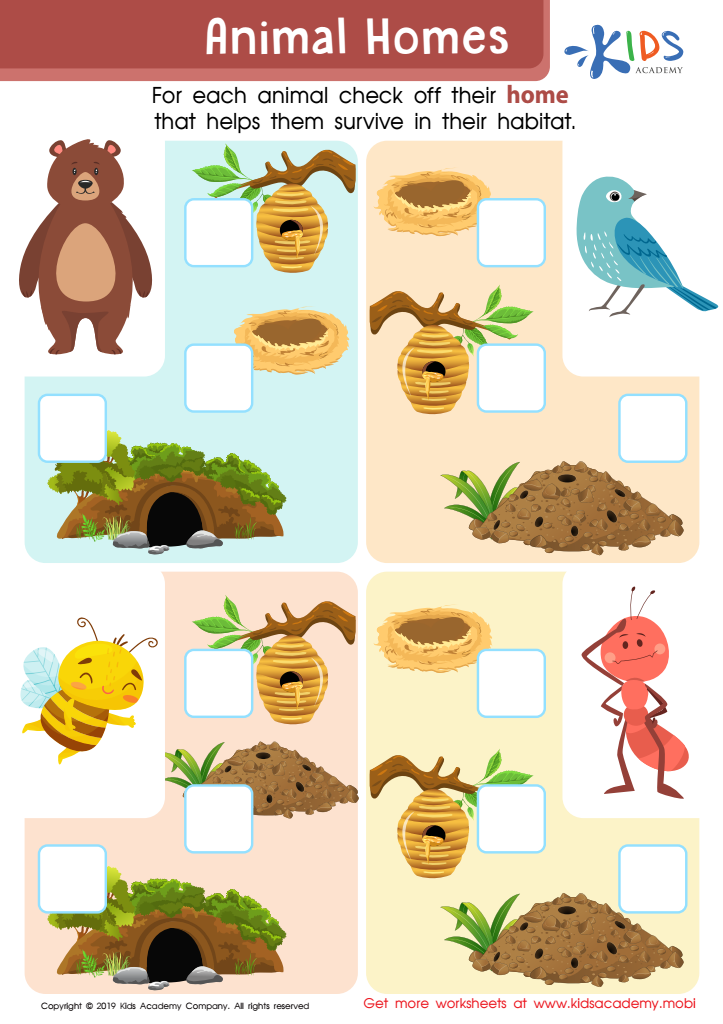
Animal Homes Worksheet
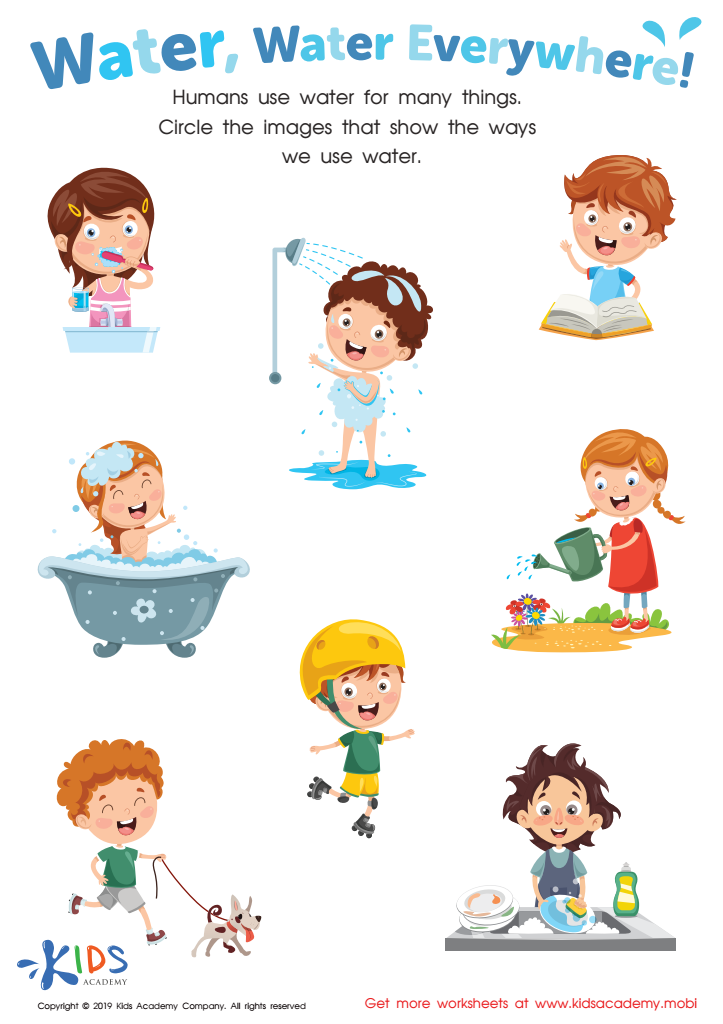
Water, Water Everywhere! Worksheet
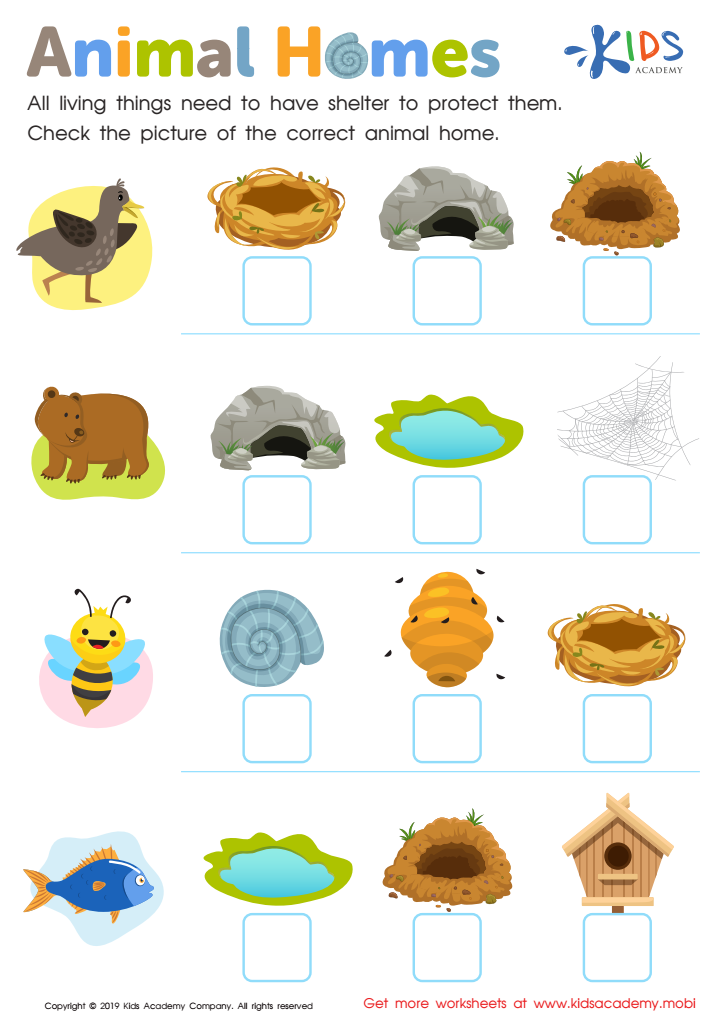
Animal Homes Worksheet
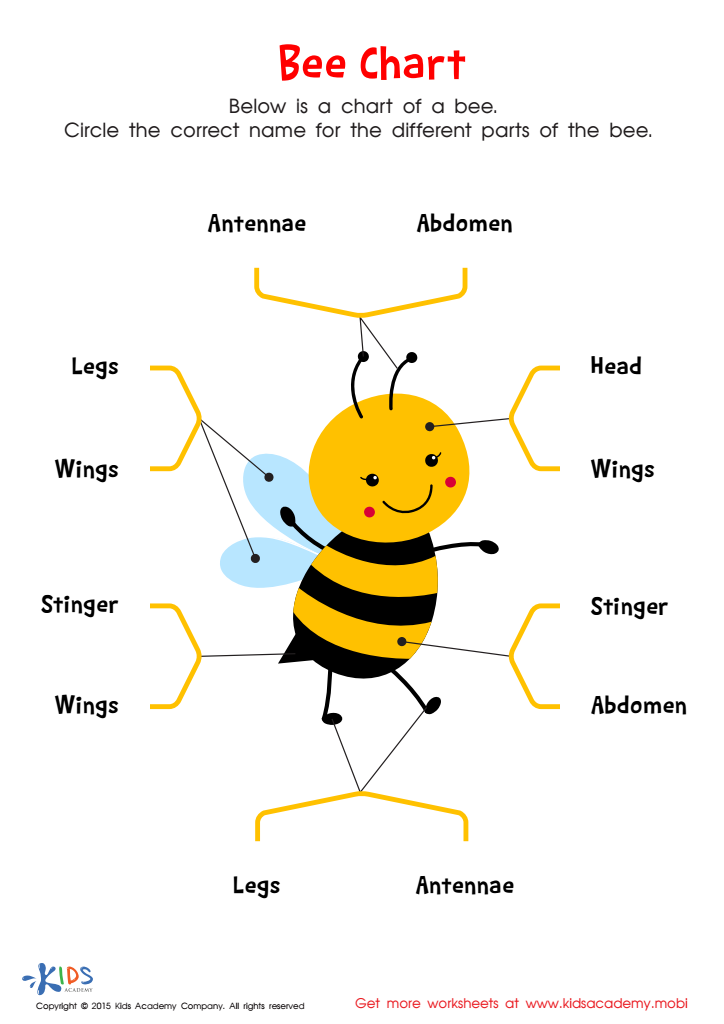
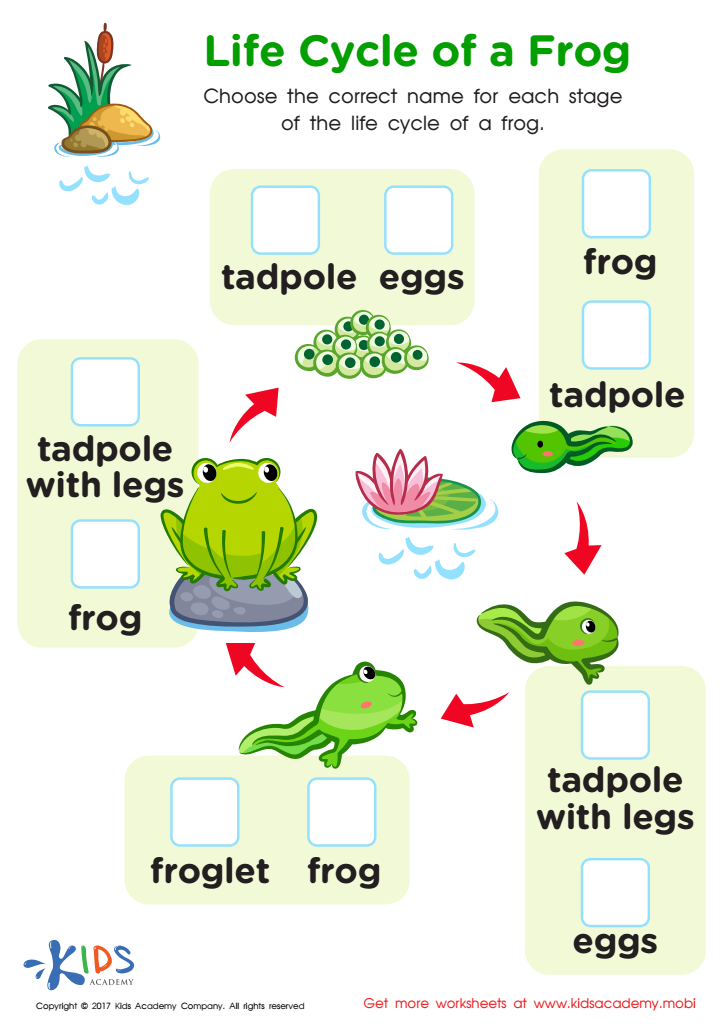
Life Cycle Frog Printable
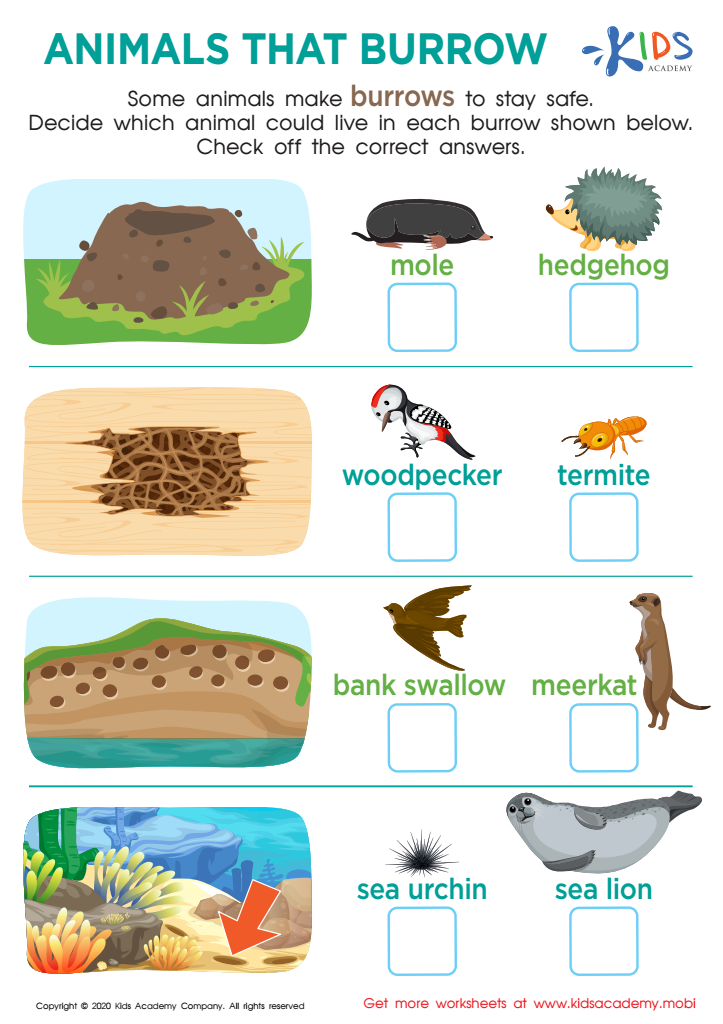
Animals That Burrow Worksheet
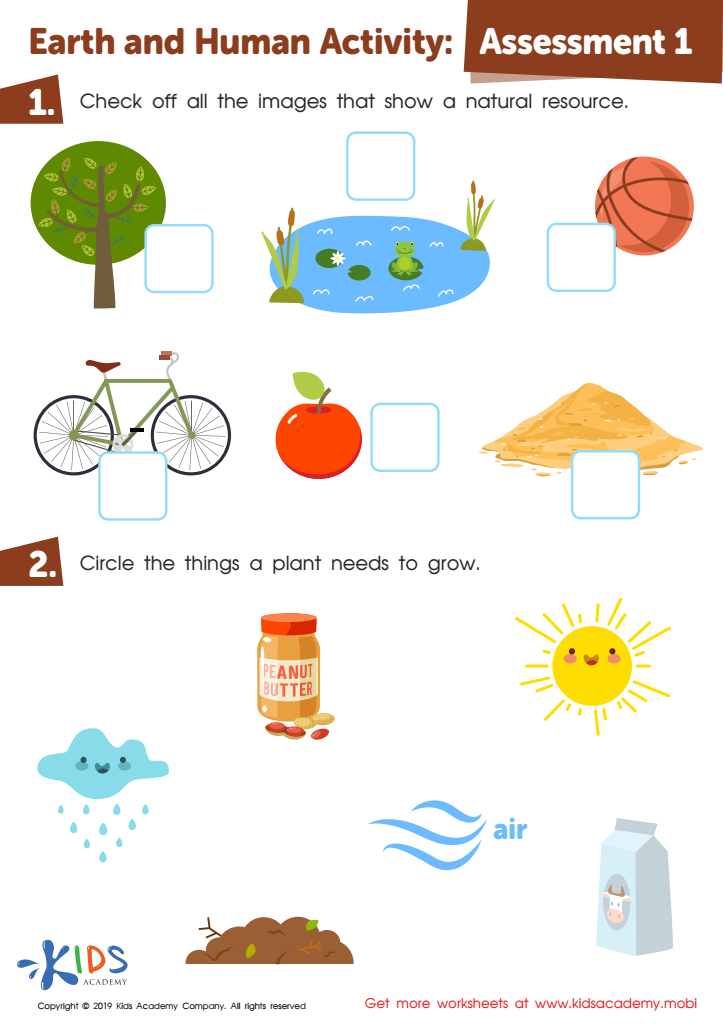
Earth and Human Activity: Assessment 1 Worksheet
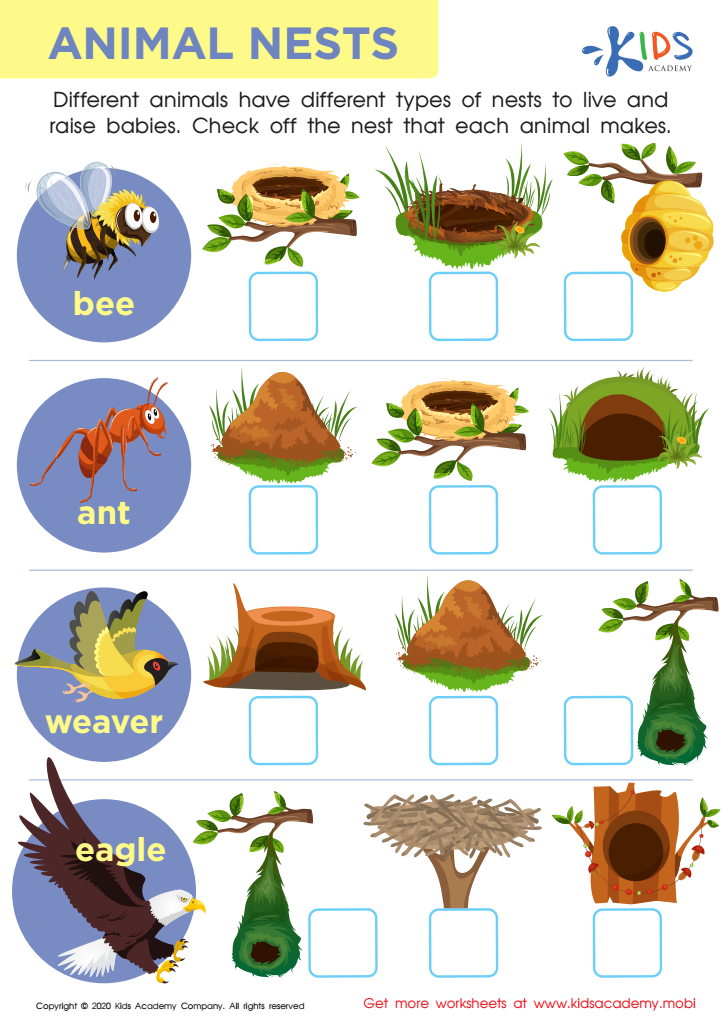
Animal Nests Worksheet
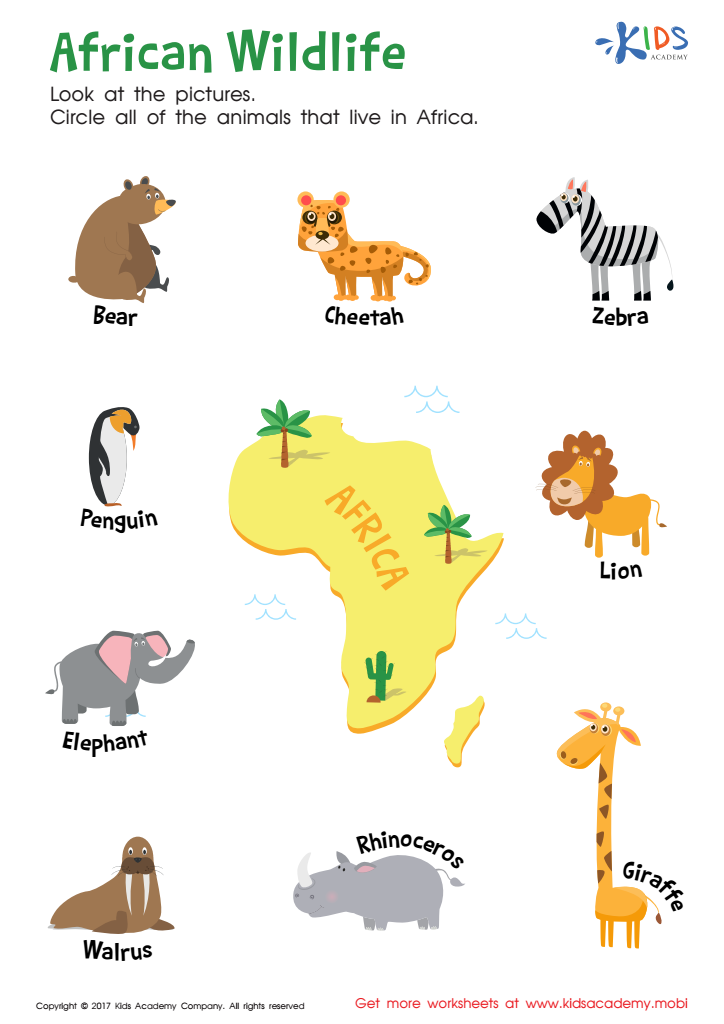







Vocabulary enhancement for children aged 3-6 is crucial, as this period is a vital window for language development. Introducing vocabulary related to plants and animals holds particular significance for several reasons.
Firstly, these topics are inherently engaging and relatable. Many young children naturally show interest in the world around them, especially in living things. This curiosity makes them more receptive to learning new words and concepts.
Secondly, a strong vocabulary foundation in these areas supports cognitive development. Understanding terms like "flower," "leaf," "bird," and "insect" allows children to categorize and differentiate between various natural elements, fostering critical thinking and observational skills.
Moreover, vocabulary building in these areas often comes with sensory experiences that enrich learning. Visiting a park, planting seeds, or observing wildlife can tie words to tangible experiences. This multisensory approach reinforces memory and comprehension.
Additionally, early exposure to scientific vocabulary lays the groundwork for future academic success. As children transition into formal schooling, familiarity with basic biological concepts can ease their understanding of more complex subjects.
Most importantly, talking about plants and animals promotes environmental awareness and respect for nature. This early respect can translate into responsible behaviors and attitudes toward the environment as they grow older.
In summary, enhancing vocabulary related to plants and animals supports comprehensive language development, cognitive growth, and nurtures a lifelong appreciation for the natural world.








