Reading comprehension Community Worksheets for Ages 3-6
26 filtered results
-
From - To
Enhance your child's reading skills with our engaging "Reading Comprehension Community Worksheets" tailored for ages 3-6. Designed to foster early literacy, these worksheets offer a vibrant exploration of community themes while improving comprehension abilities. Children will enjoy fun activities that involve reading short passages and answering questions, promoting critical thinking and understanding of their surroundings. These resources align with developmental benchmarks, ensuring children build a strong foundation for future learning. Perfect for parents and educators alike, our worksheets stimulate curiosity about community roles and relationships while making reading an enjoyable adventure. Download and watch your child's comprehension skills thrive!
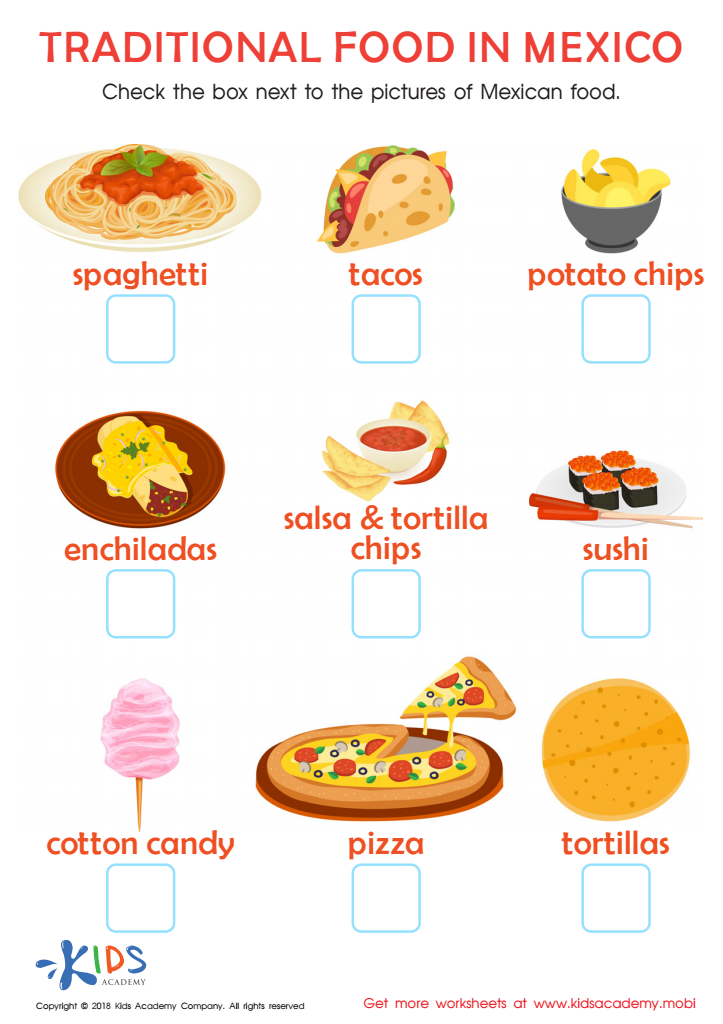
Traditional Food in Mexico Worksheet
 Assign to My Students
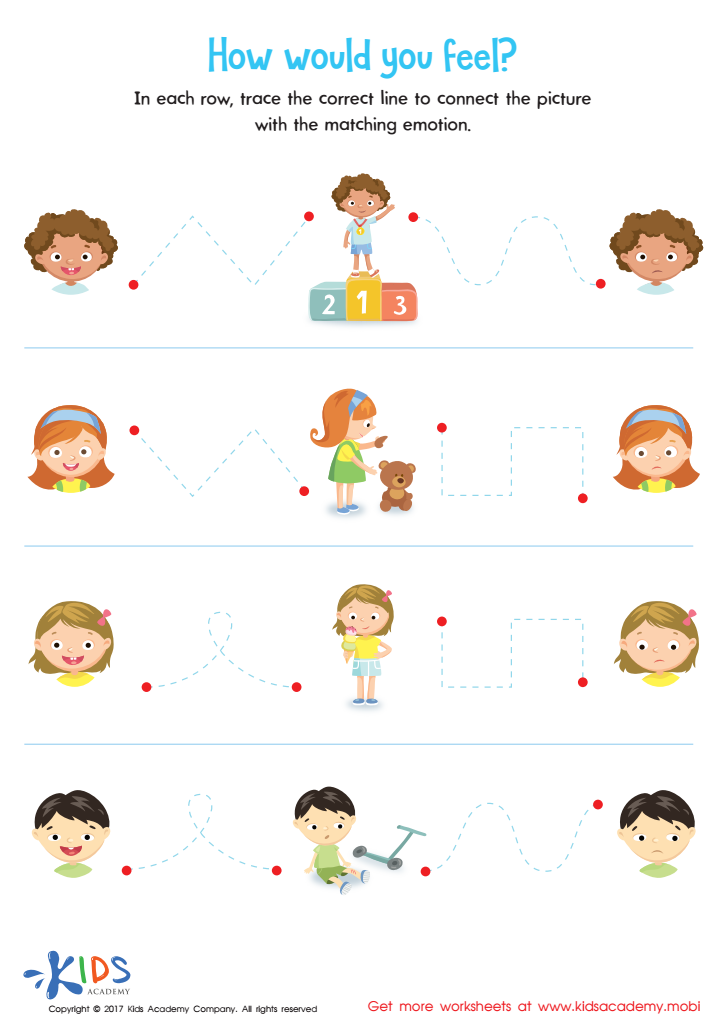
Feelings and Emotions Worksheet
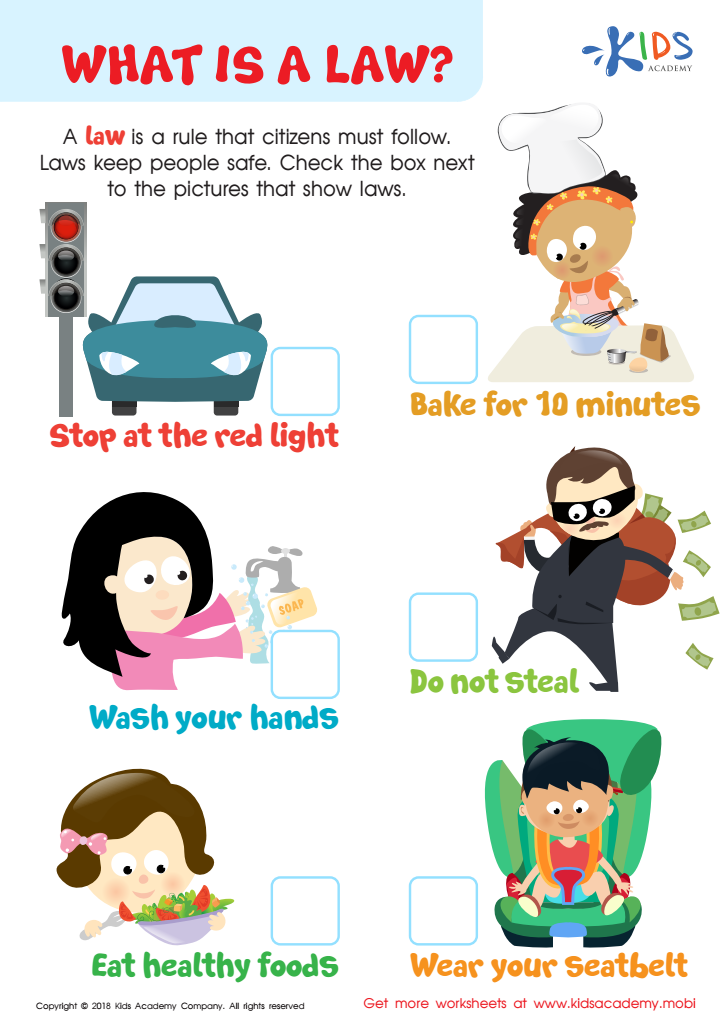
What is a Law? Worksheet
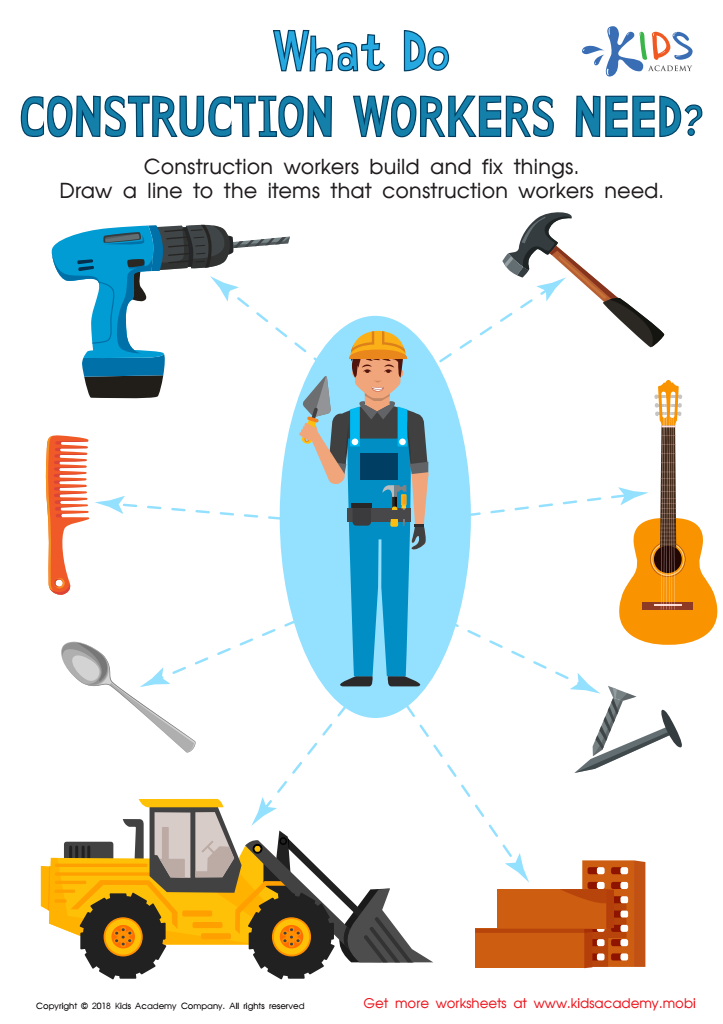
What Do Construction Workers Need? Worksheet
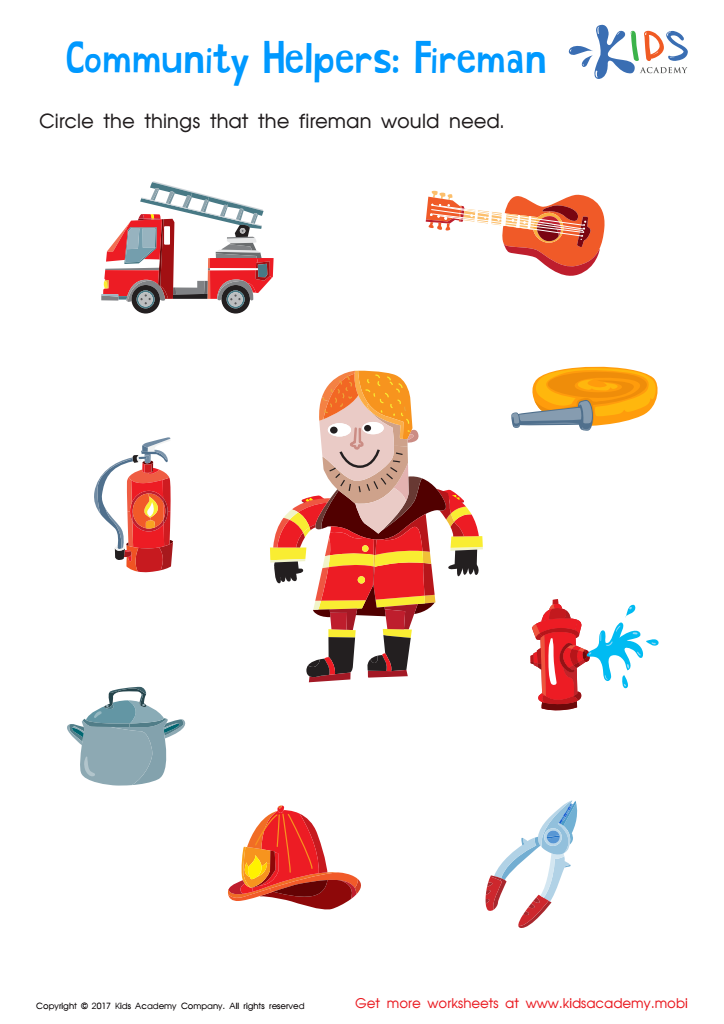
Fireman Worksheet
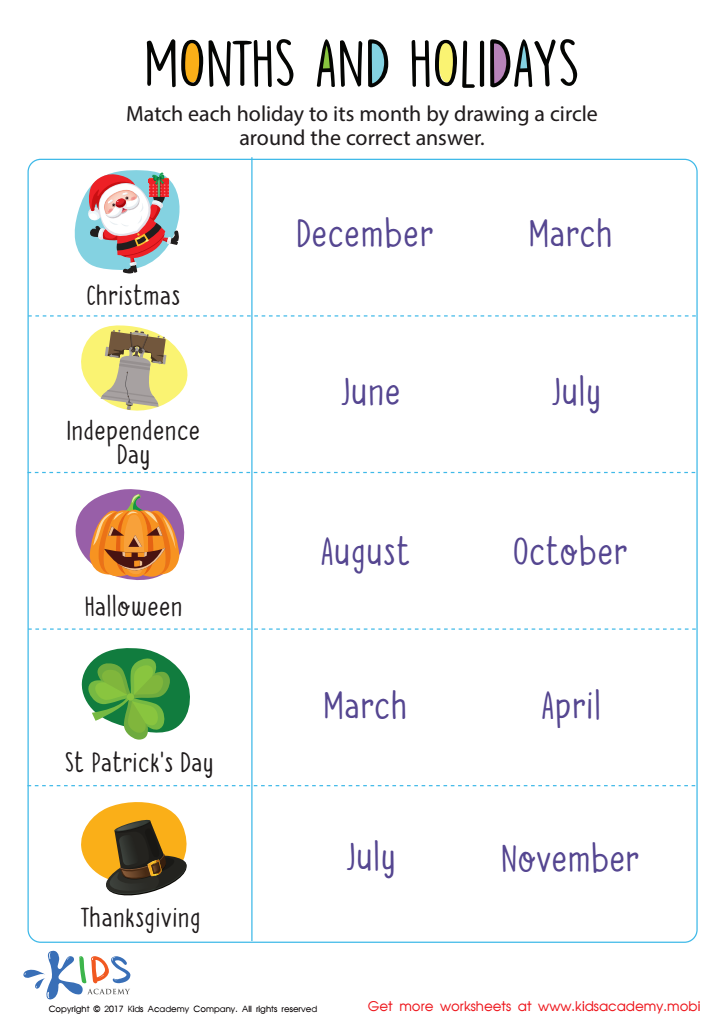
Months and Holidays Worksheet
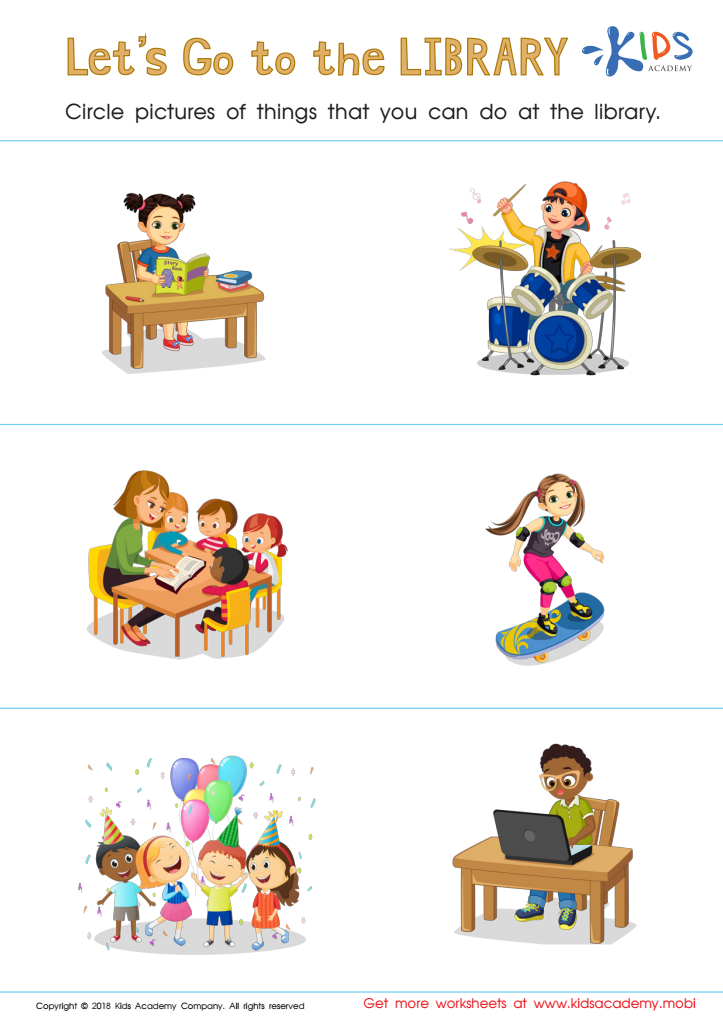
Let's Go to the Library! Worksheet
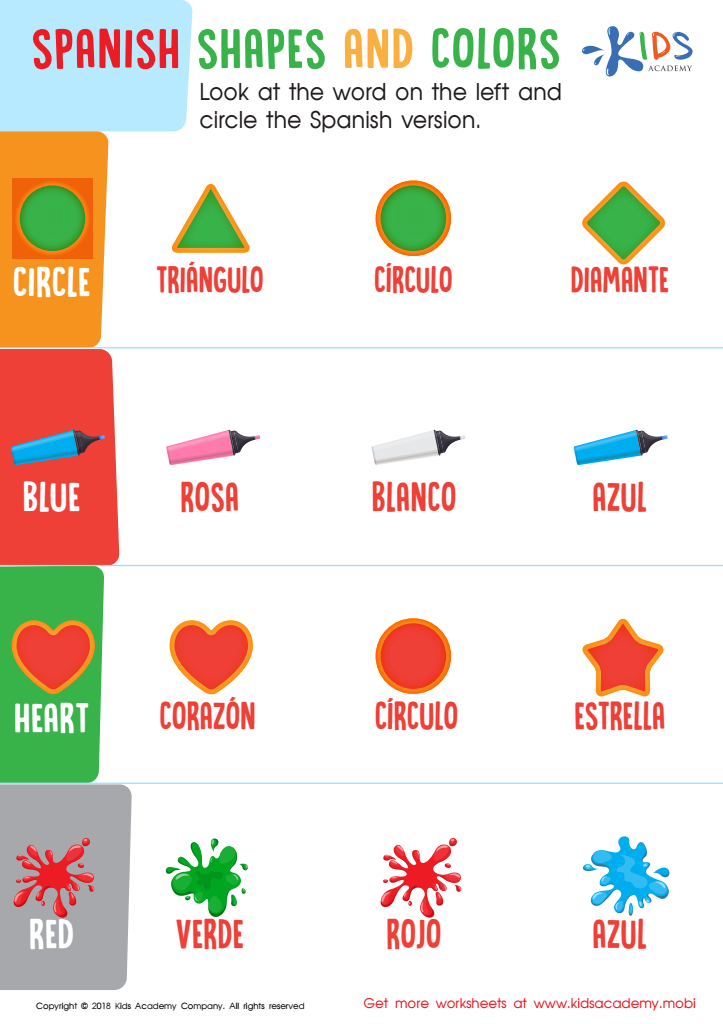
Spanish Shapes and Colors Worksheet
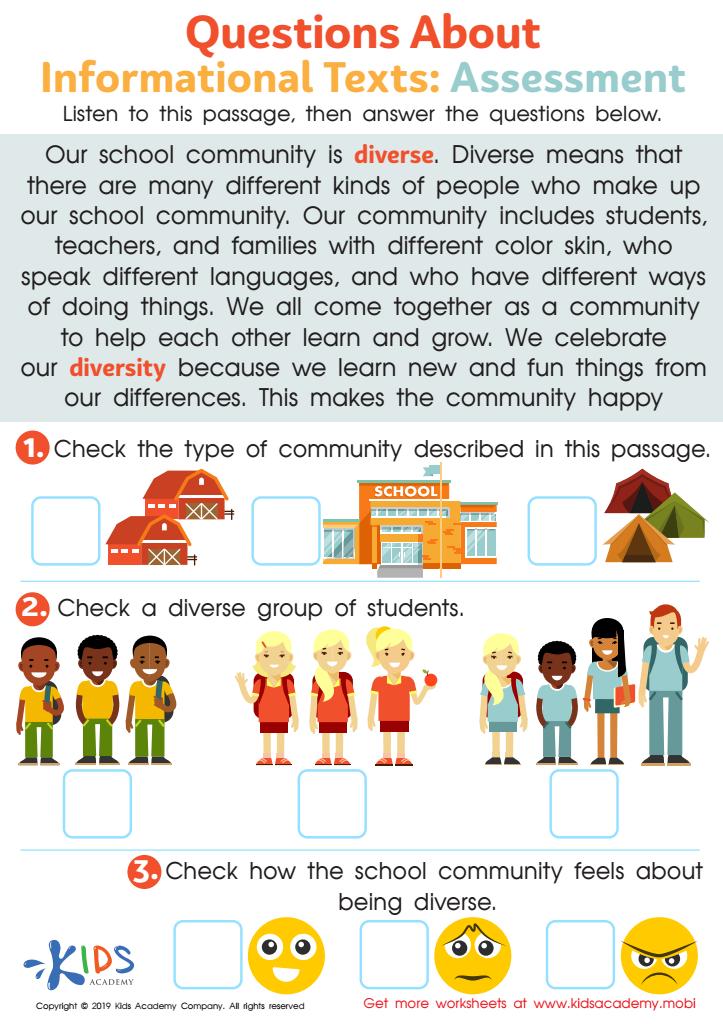
Questions About Informational Texts: Assessment 1 Worksheet
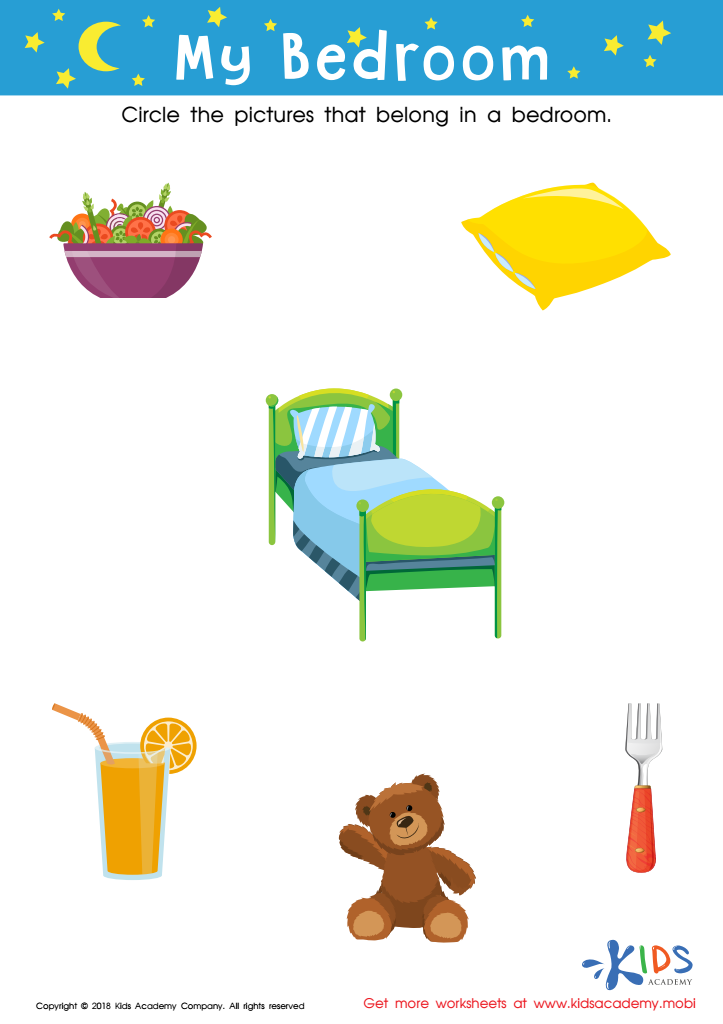
My Bedroom Worksheet
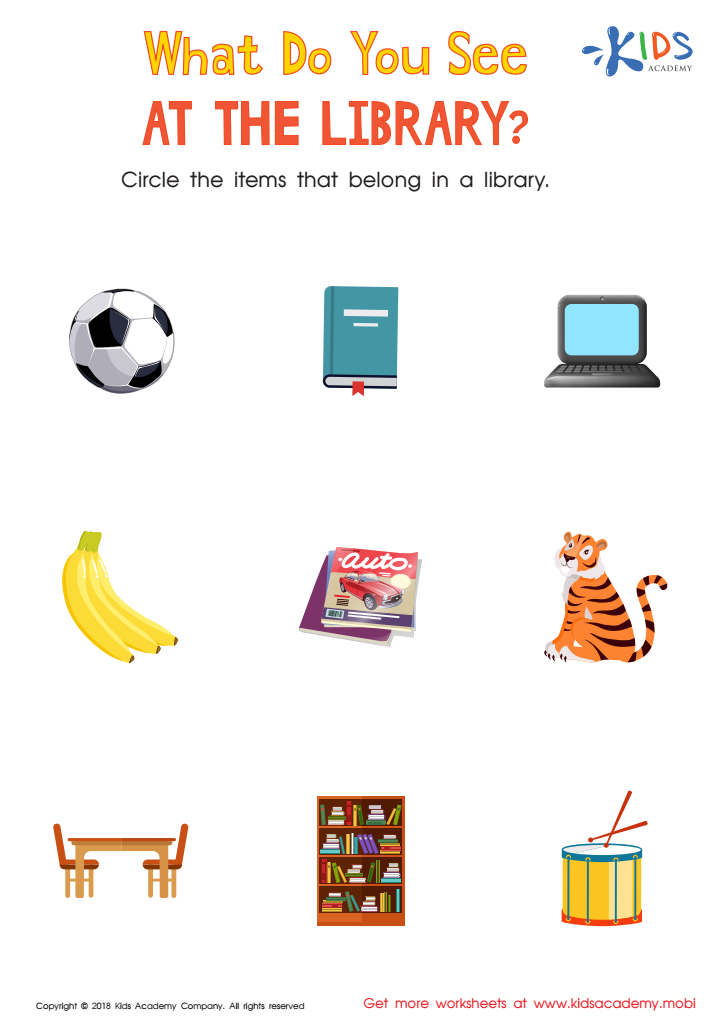
What Do you See at the Library? Worksheet
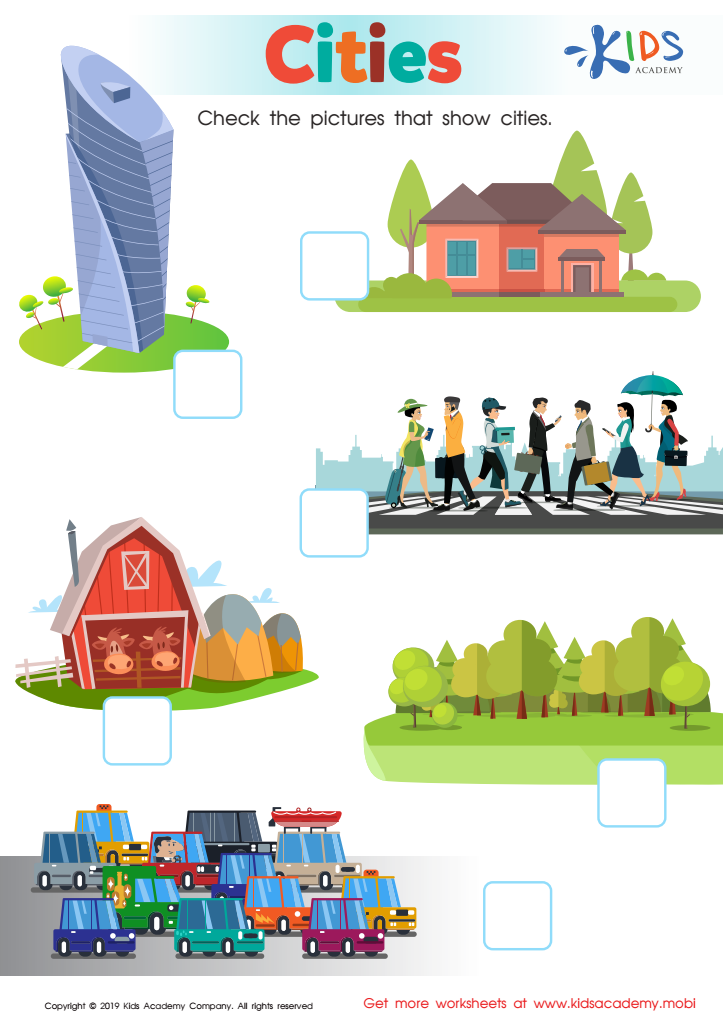
Cities Worksheet
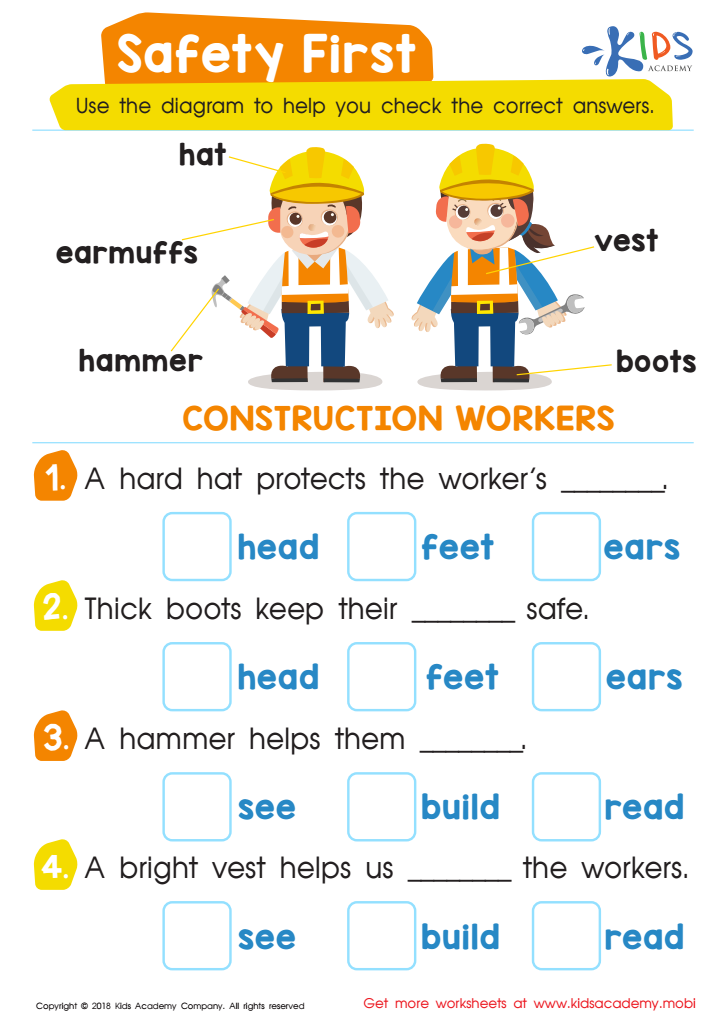
Safety First Worksheet
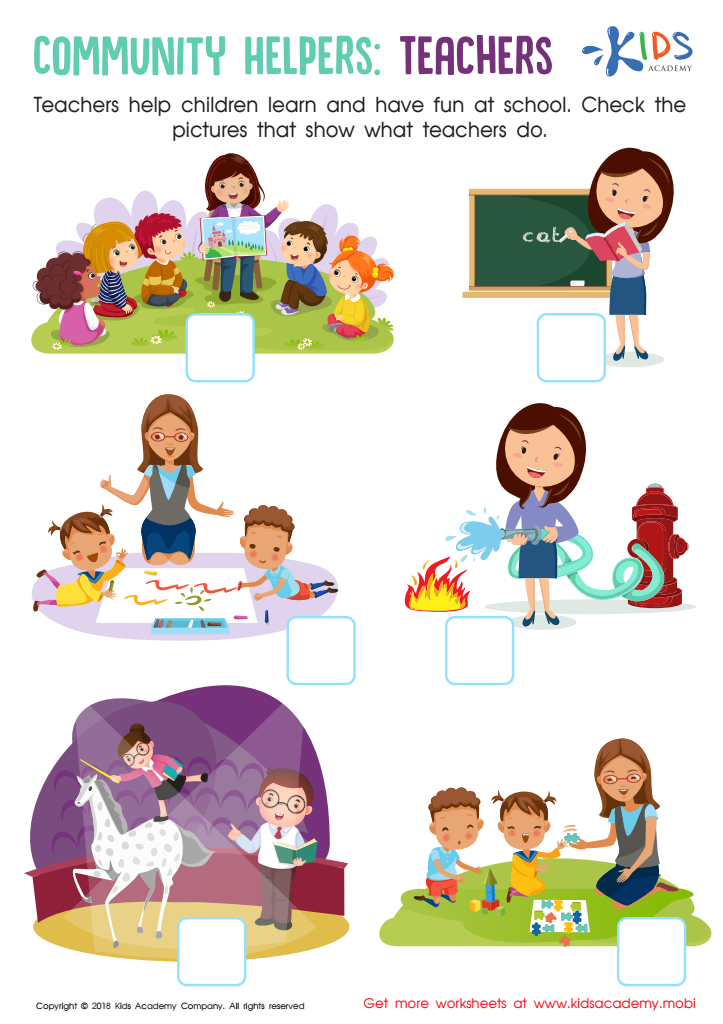
Teachers Community Helpers Worksheet
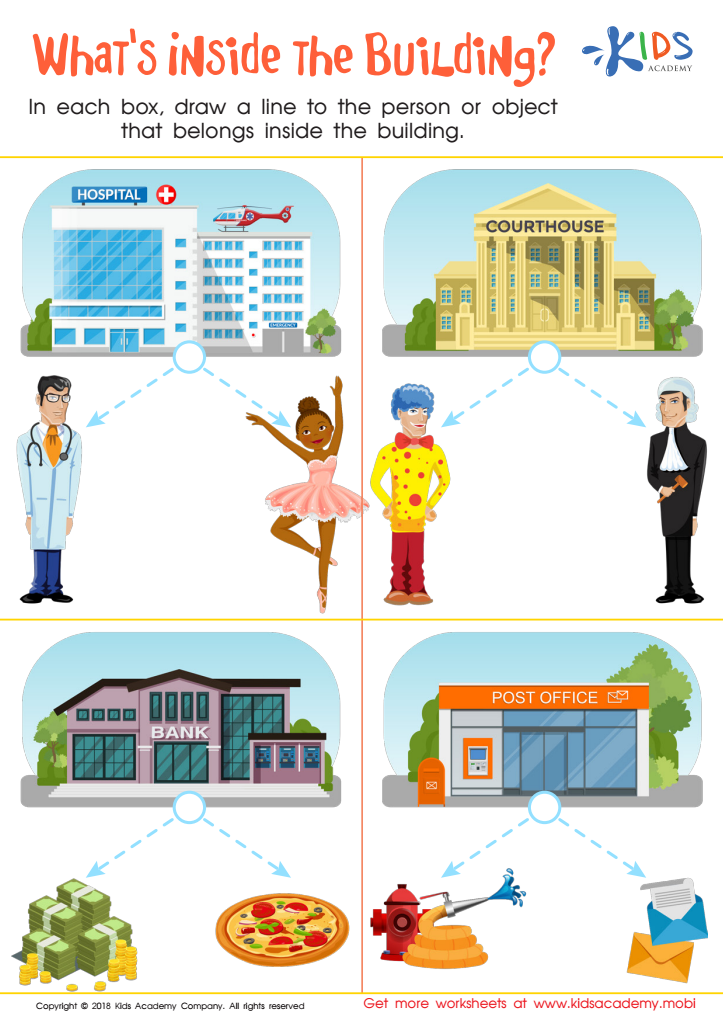
What's Inside the Building? Worksheet
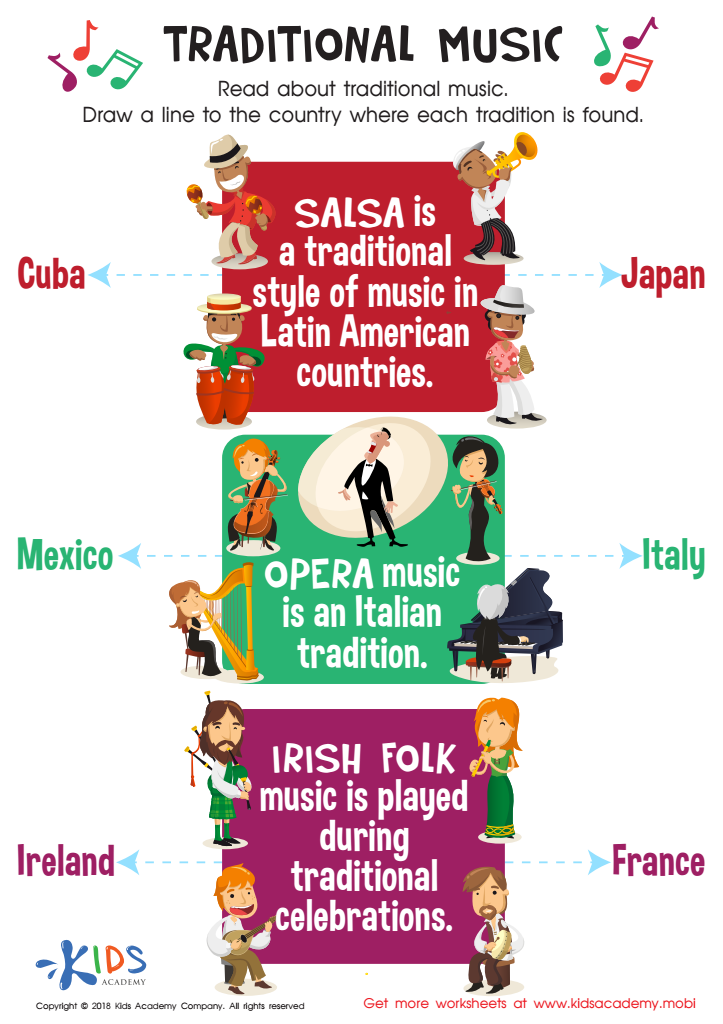
Traditional Music Worksheet
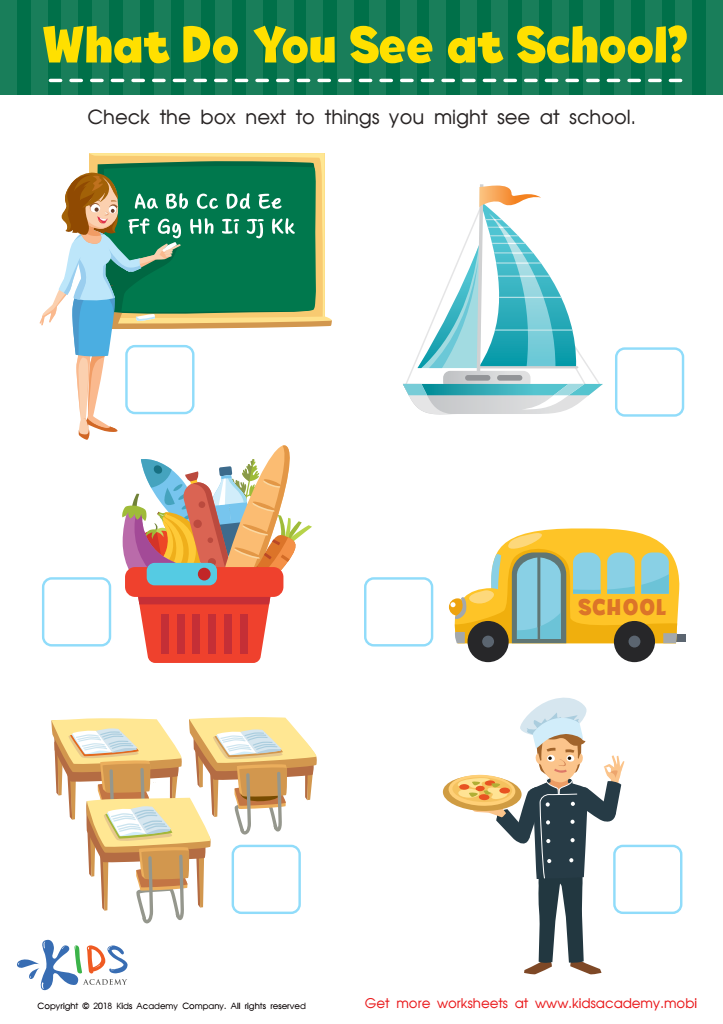
What Do you See at School? Worksheet
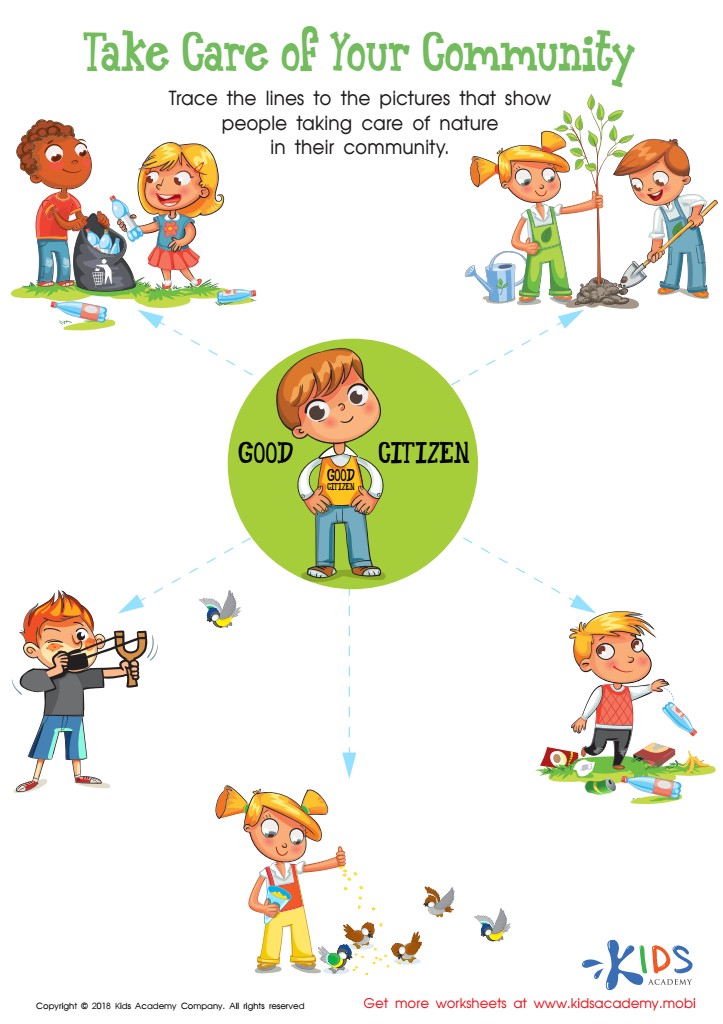
Take Care of your Community Worksheet
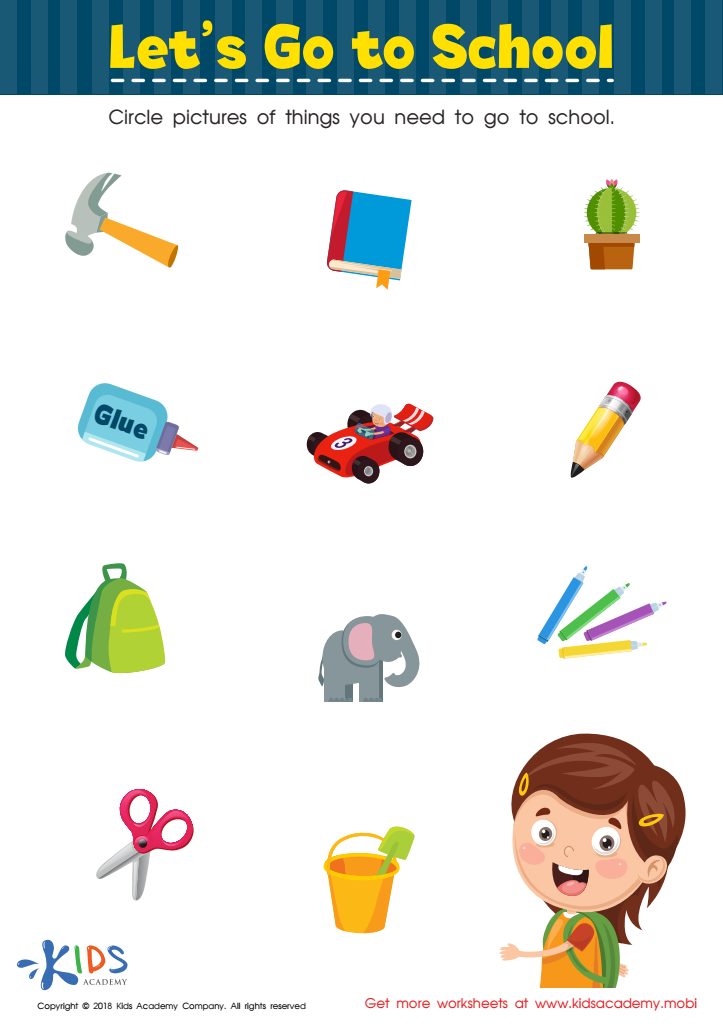
Let's Go to School! Worksheet
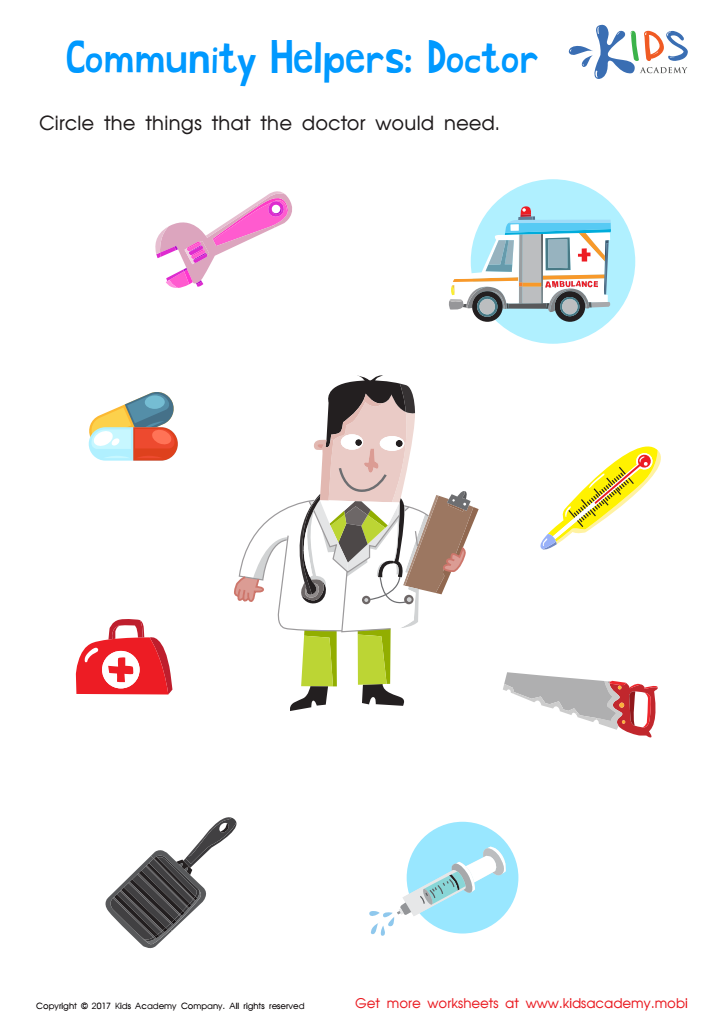
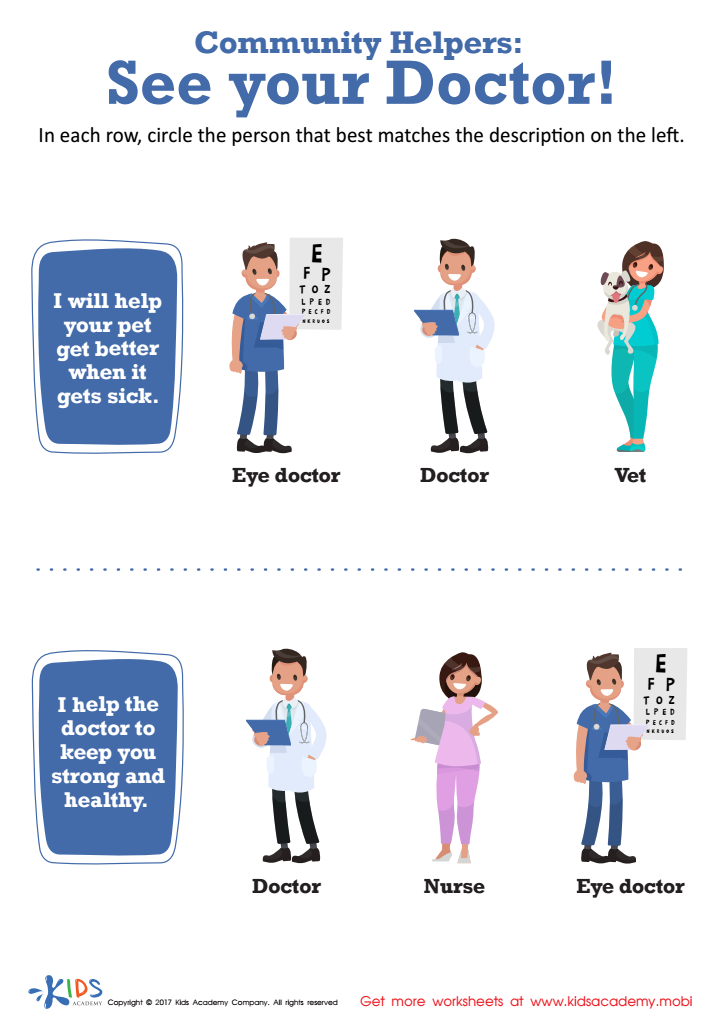
See Your Doctor (Part 2) Printable
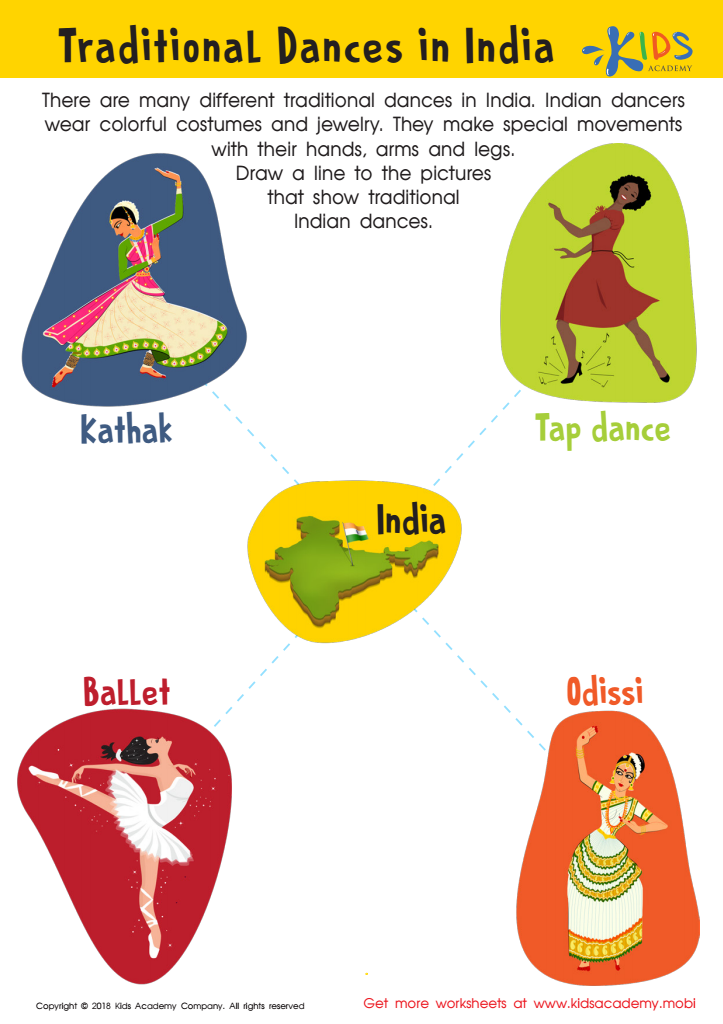
Traditional Dances in India Worksheet
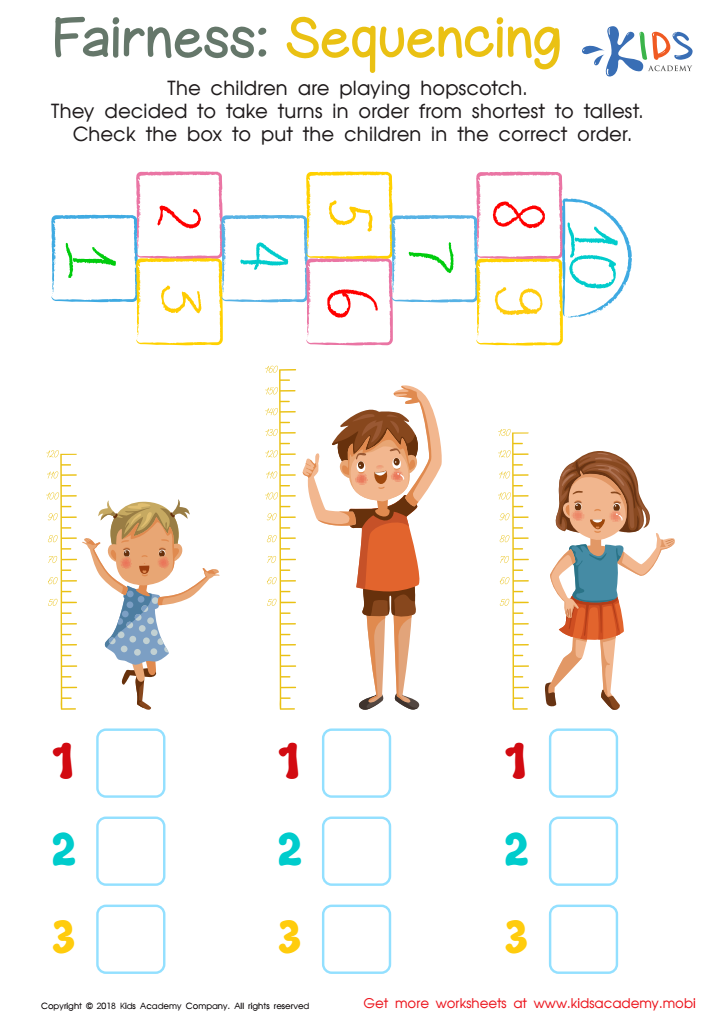
Fairness: Sequencing Worksheet
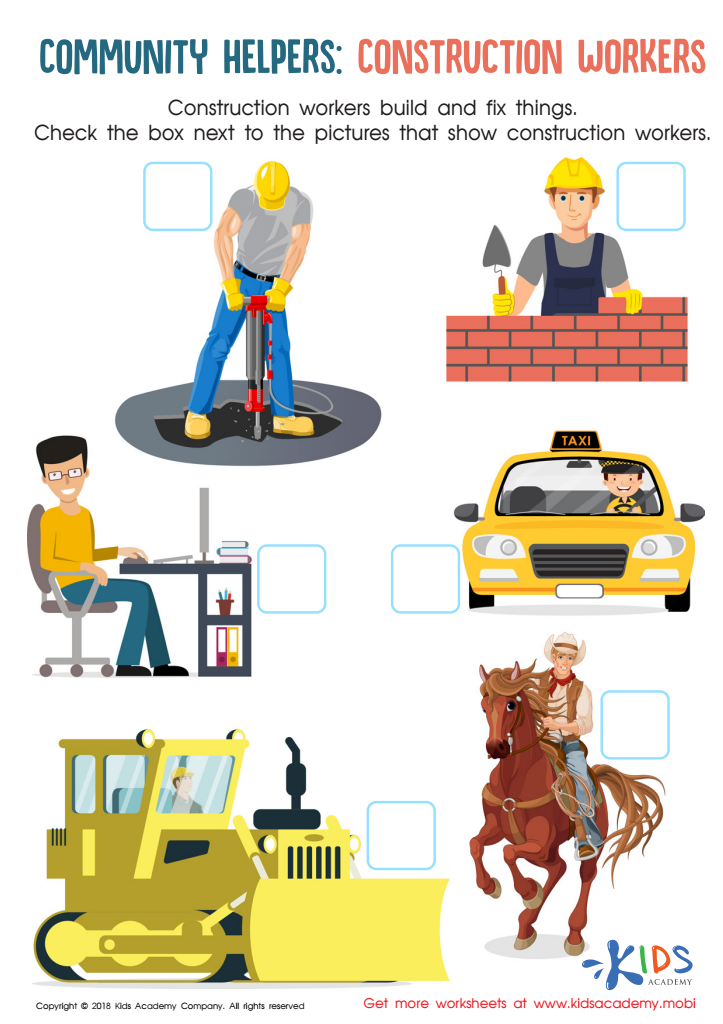
Construction Workers Community Helpers Worksheet








Reading comprehension is a fundamental skill that lays the groundwork for a child’s future academic success, and the ages of 3 to 6 are critical for fostering this ability. During these formative years, children are like sponges, rapidly absorbing language and learning concepts that will serve them throughout their lives. A strong reading comprehension community offers tailored activities, resources, and support to promote literacy skills in interactive and engaging ways.
Parents and teachers play a vital role in this community, as they can encourage a love for reading by providing access to diverse materials, participating in shared reading experiences, and modeling comprehension strategies. This engagement not only enhances children’s understanding of texts but also builds vocabulary, critical thinking, and a sense of curiosity about the world.
Moreover, a strong reading comprehension community creates opportunities for collaboration among families, educators, and local resources. It cultivates an environment where best practices can be shared, fostering a network of support that empowers both children and adults. Investing in reading comprehension from an early age sets children on a path to becoming confident, capable readers, equipped with the skills necessary to tackle more complex texts as they grow. Therefore, engaging in and supporting such communities is crucial for nurturing lifelong learners.








