Reading comprehension World Around Us Worksheets for Ages 3-6 - Page 2
32 filtered results
-
From - To
 Assign to My Students
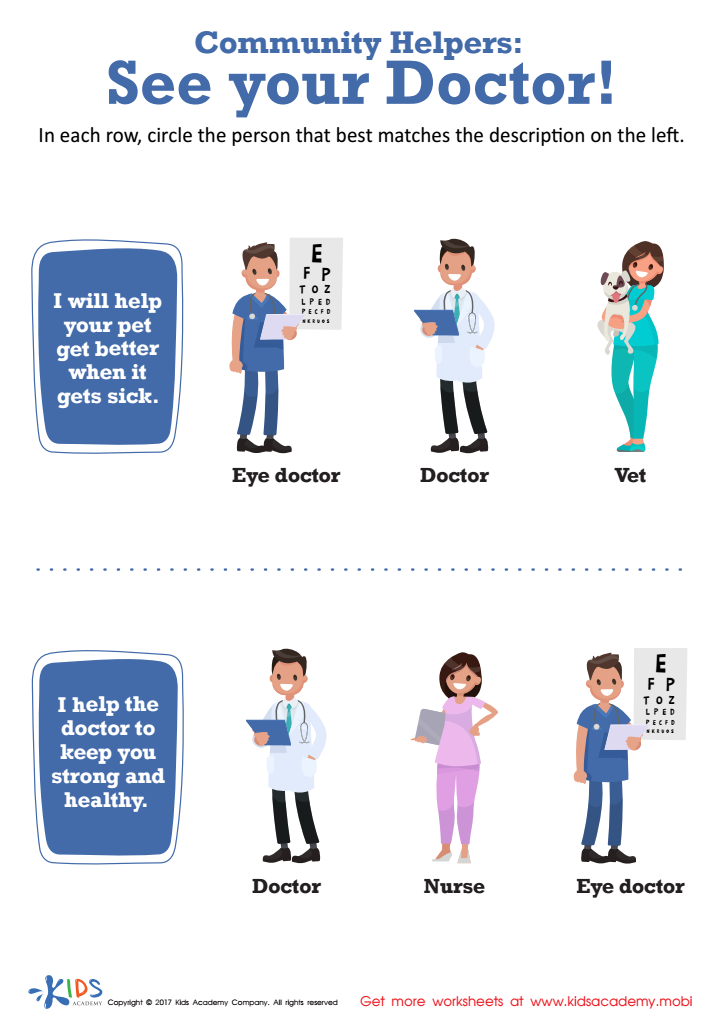
See Your Doctor (Part 2) Printable
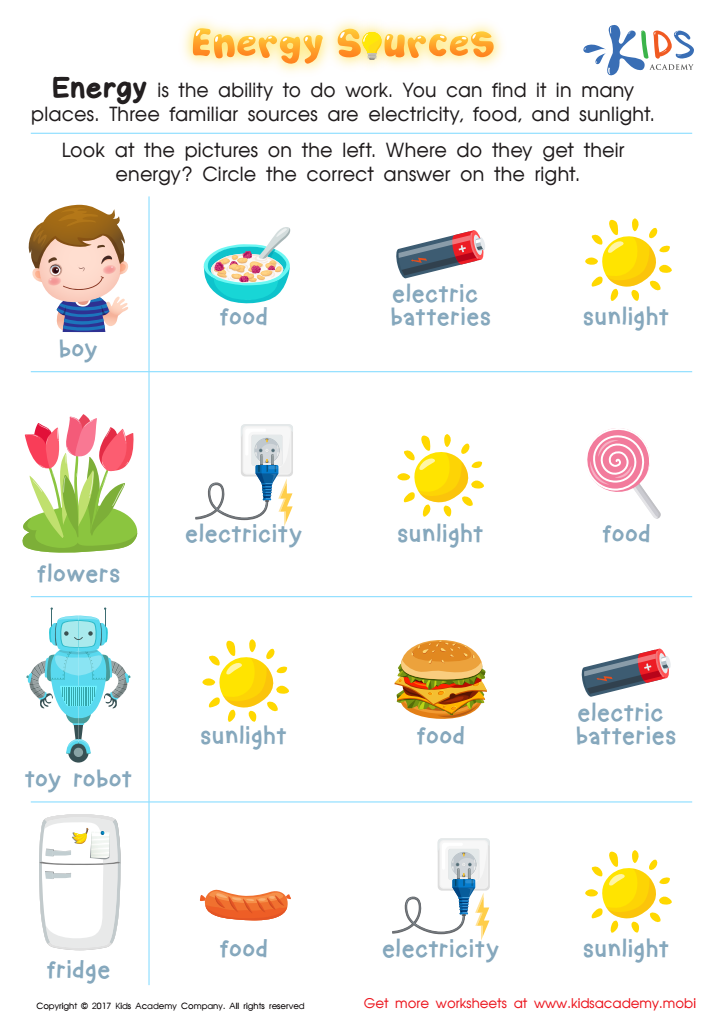
Energy Sources Printable
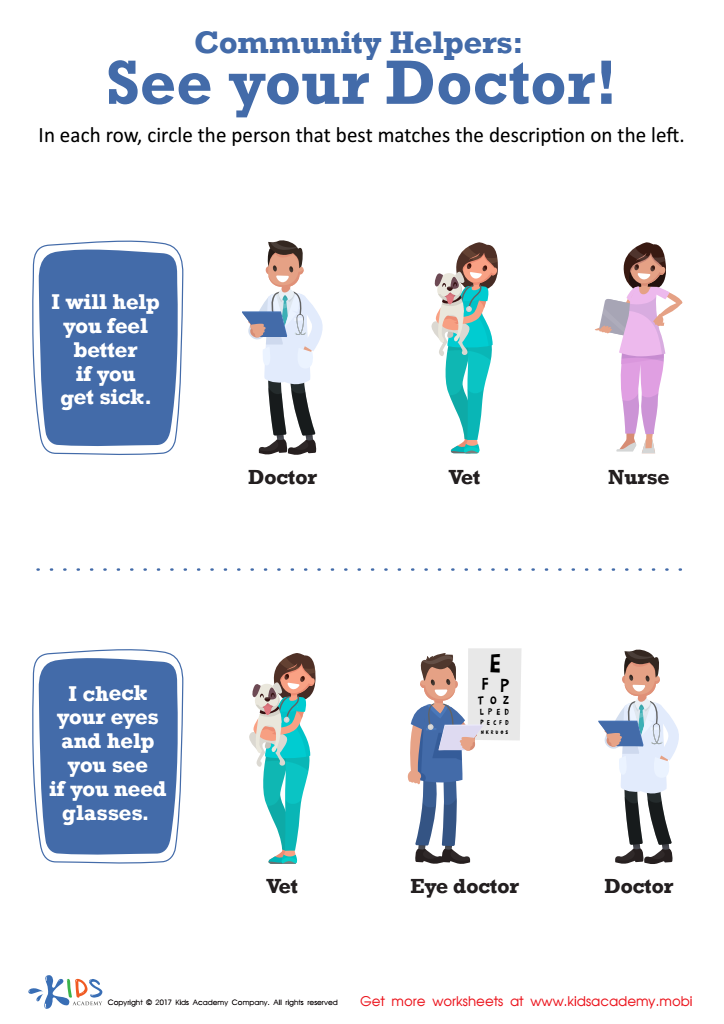
See Your Doctor (Part 1) Printable
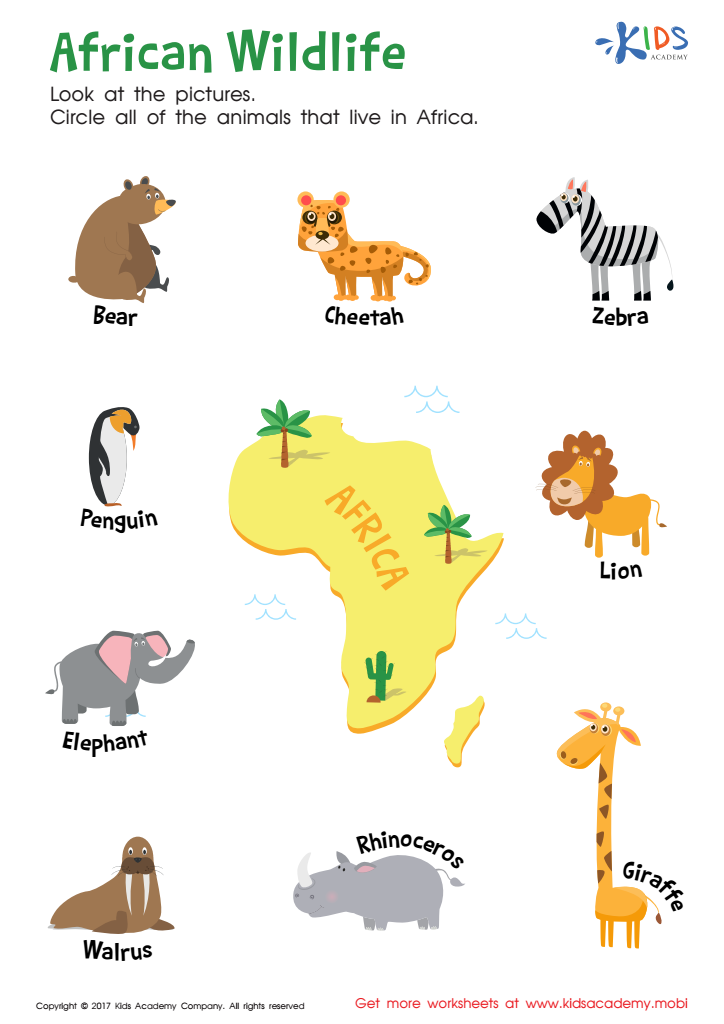
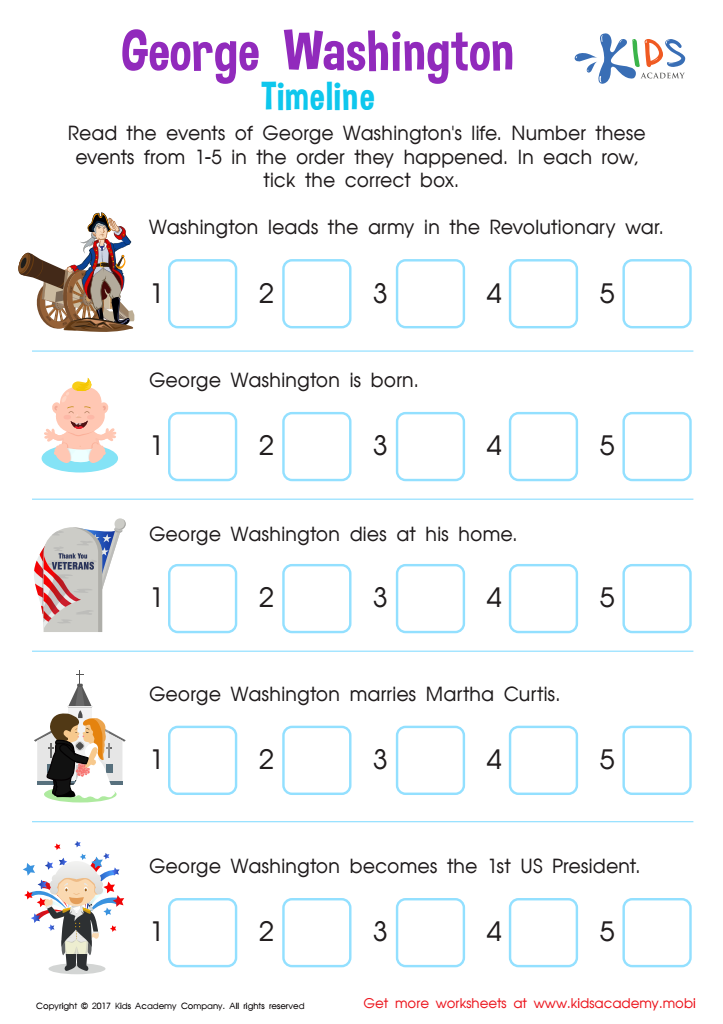
George Washington Timeline Worksheet
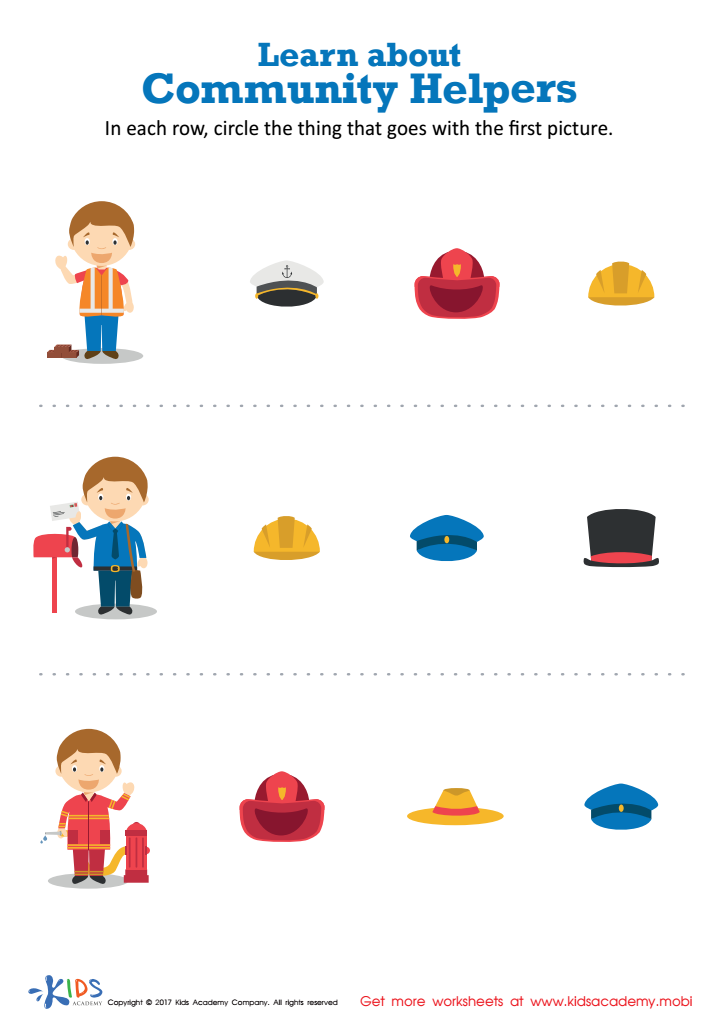
Learn about Community Helpers Printable




.jpg)


Introducing and nurturing reading comprehension skills in children aged 3-6 is crucial for several reasons. At this developmental stage, children are highly receptive and curious about the world around them. Engaging with reading comprehension activities such as storytelling, picture books, and interactive reading exercises helps establish a strong foundation for literacy. This early exposure promotes vocabulary development, listening skills, and cognitive abilities essential for future learning.
Moreover, understanding stories and texts aids in building children's imagination and creativity. When they comprehend the material, they are better able to ask questions, make predictions, and connect the content to their own experiences, all of which enhance their critical thinking skills and overall cognitive development.
Reading comprehension also has significant social-emotional benefits. Through stories, children can learn about emotions, empathy, and diverse perspectives, fostering greater emotional intelligence and social awareness. It enables them to comprehend and articulate their feelings and thoughts more effectively, improving their interpersonal communication.
Lastly, fostering a love for reading through comprehension at an early age can contribute to lifelong learning and academic success. Children who enjoy and understand reading are typically more motivated to pursue knowledge and are more likely to excel in school. Thus, parents and teachers should prioritize reading comprehension to support holistic child development.