Vocabulary development Alphabet Worksheets for Ages 3-7
19 filtered results
-
From - To
Enhance your child's language skills with our engaging vocabulary development alphabet worksheets for ages 3-7. Featuring a variety of fun and educational activities, these worksheets help young learners strengthen their vocabulary by identifying, understanding, and using new words. Tailored to early-grade students, our resources make learning interactive and enjoyable while promoting essential reading and writing readiness. Encourage your kids to explore the alphabet in a creative way, laying the foundation for strong communication skills and lifelong learning. Foster a love of language from a young age with Kids Academy's high-quality, expertly designed printables.
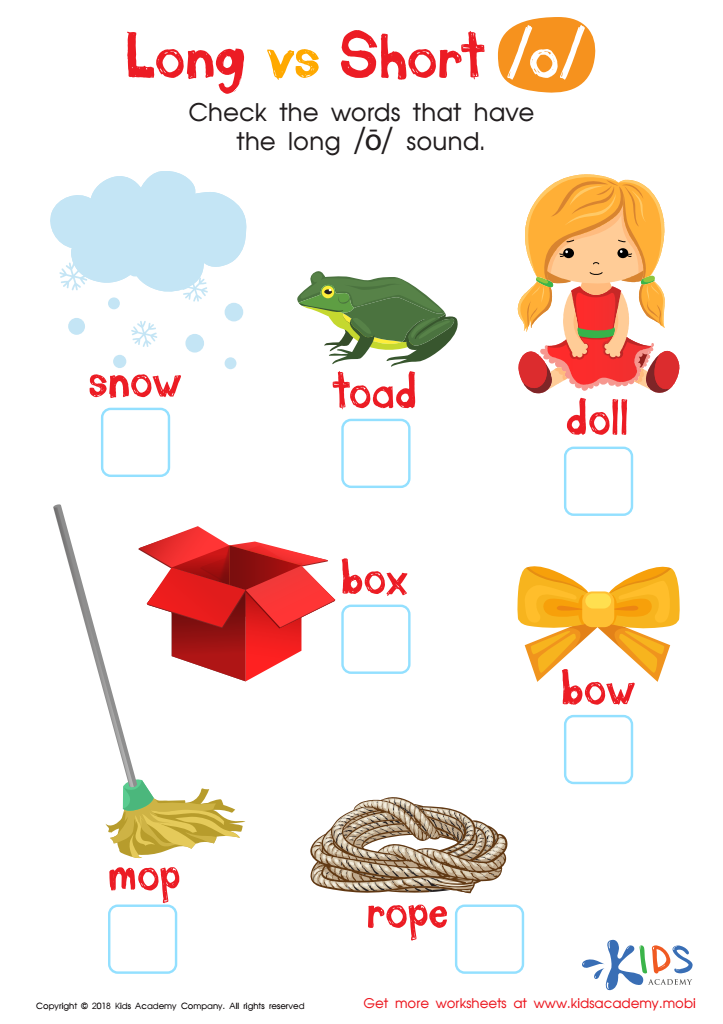
Long vs Short O Reading Worksheet
 Assign to My Students
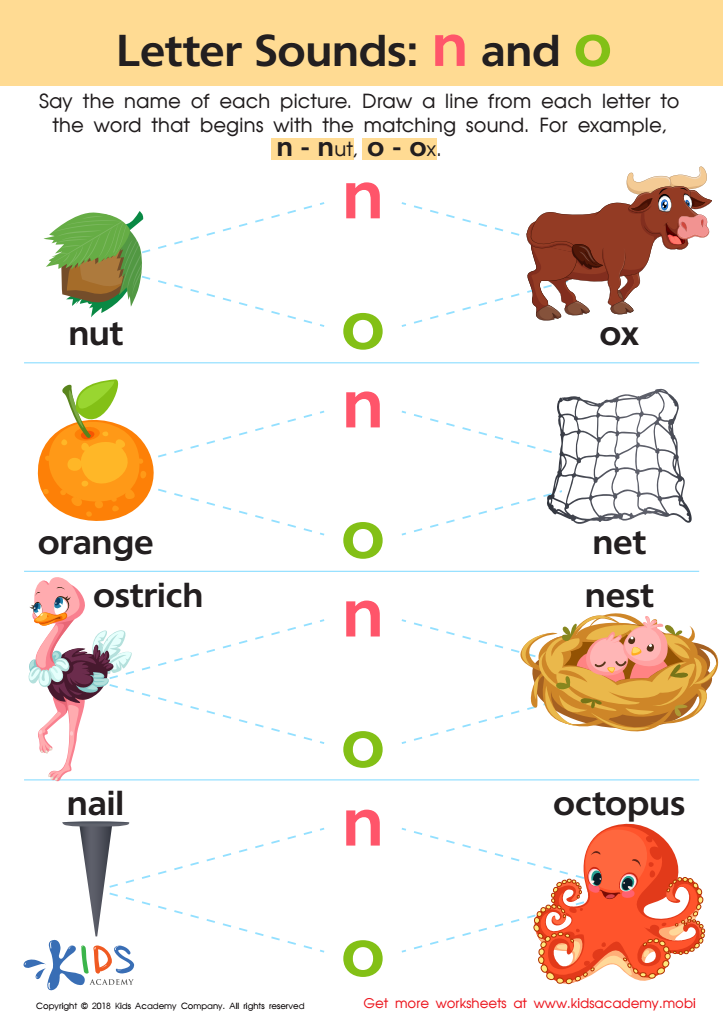
Letter N and O Sounds Worksheet
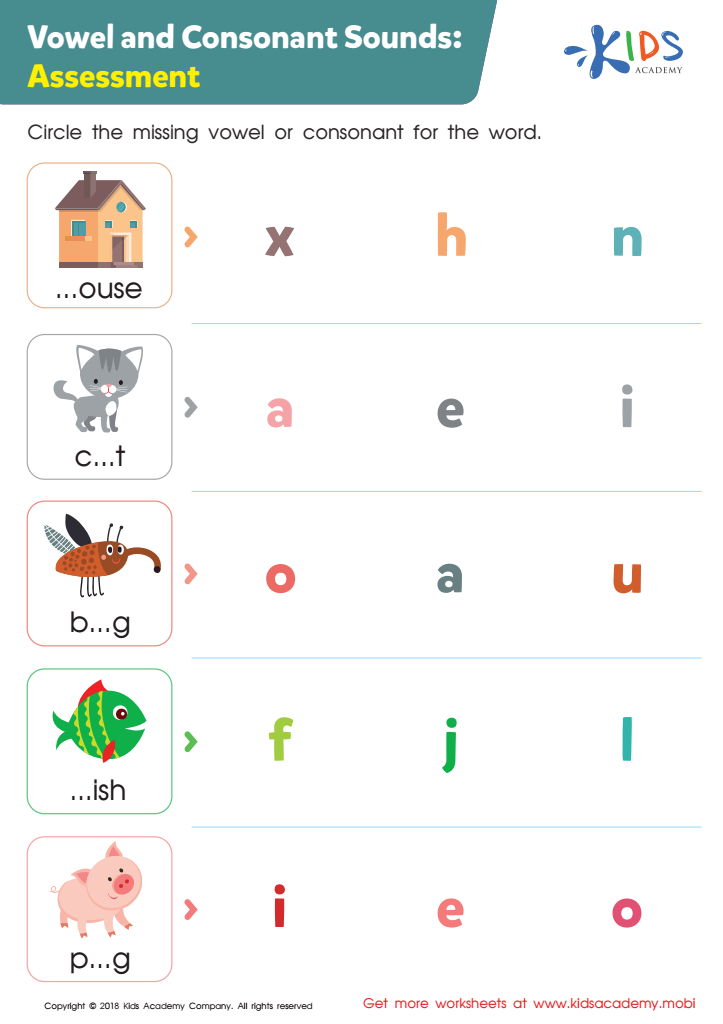
Vowel and Consonant Sounds: Assessment Worksheet
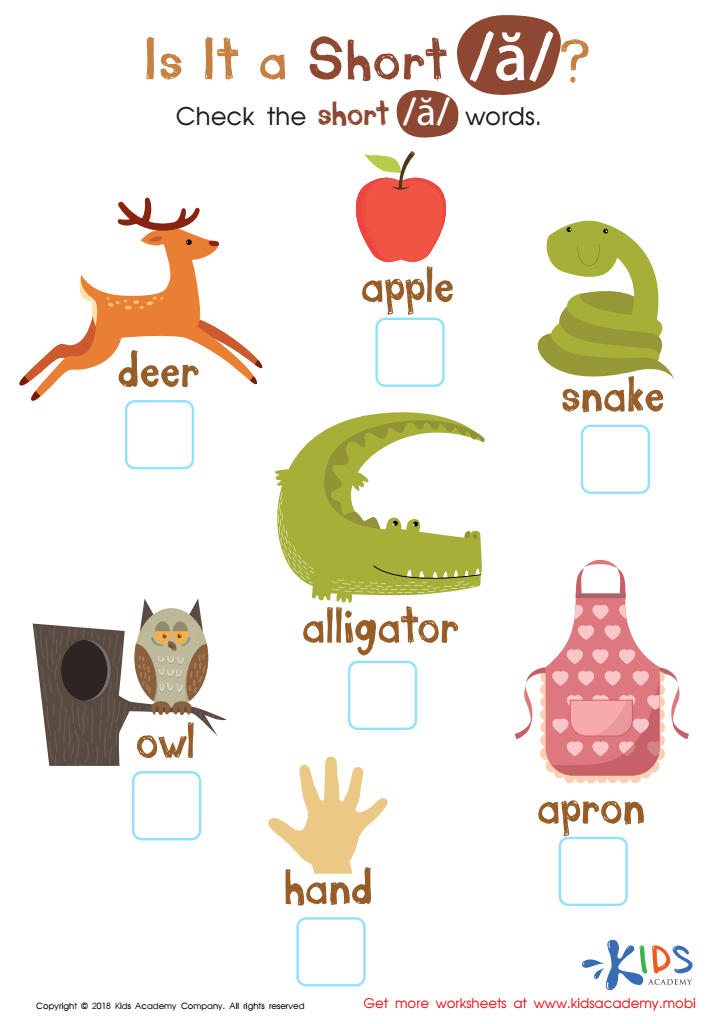
Is It Short A? Reading Worksheet
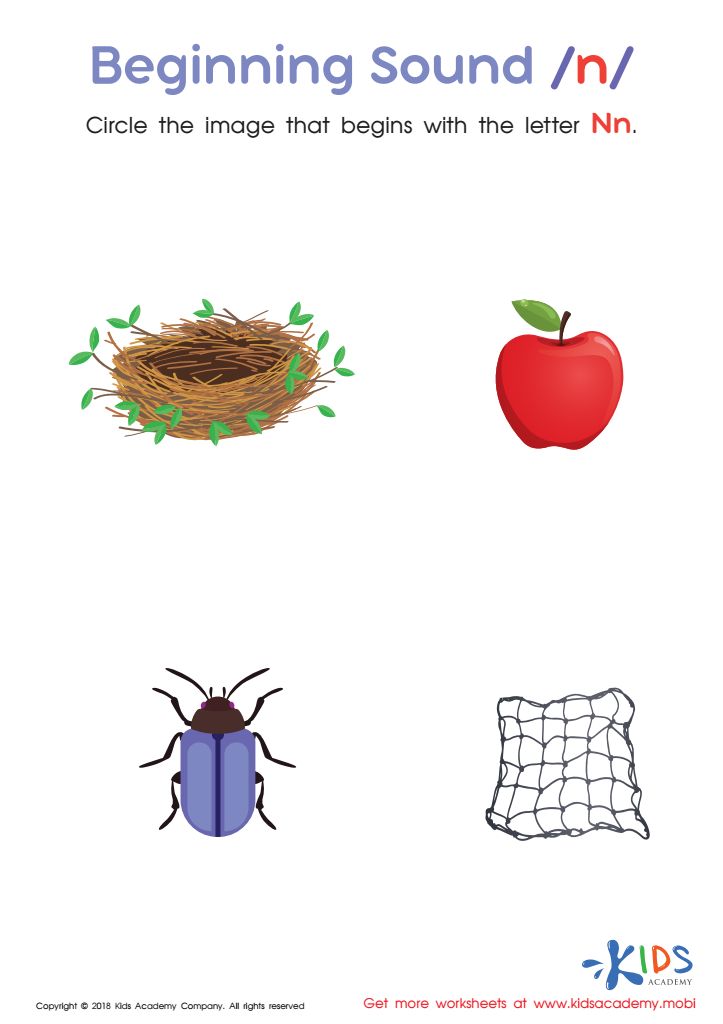
Beginning Sound «n» Worksheet
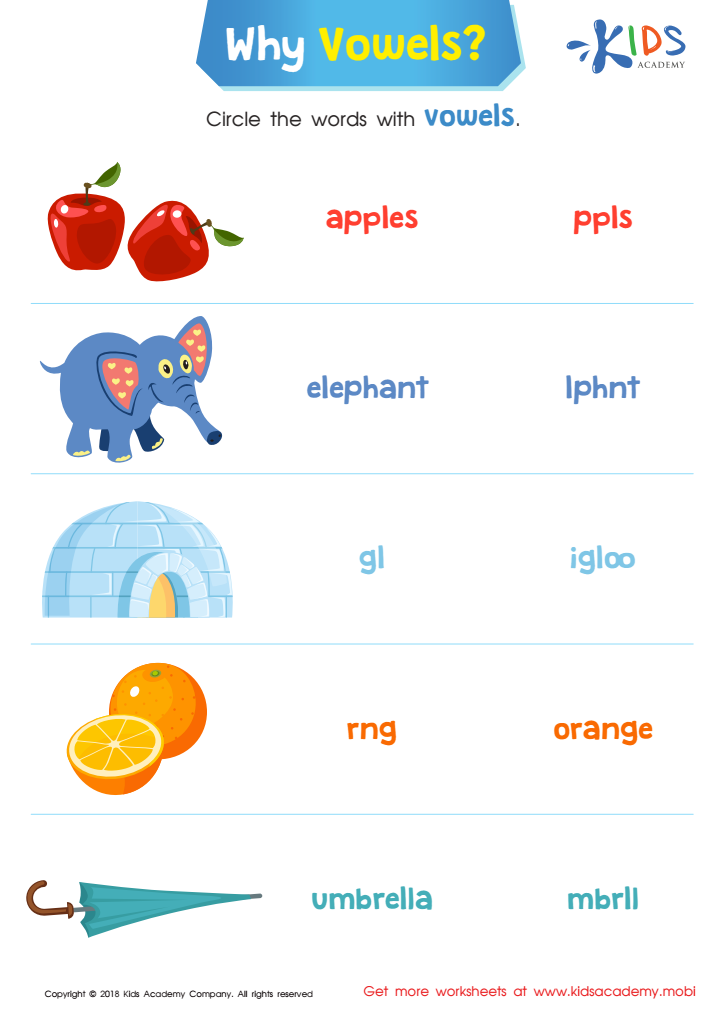
Why Vowels? Reading Worksheet
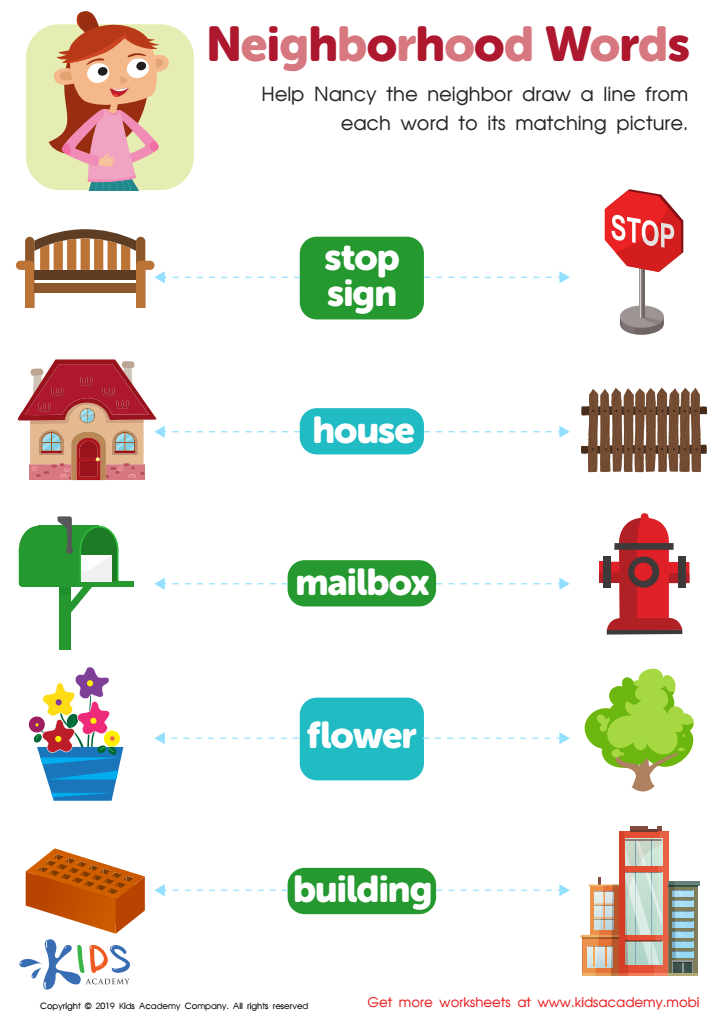
Neighborhood Words Worksheet
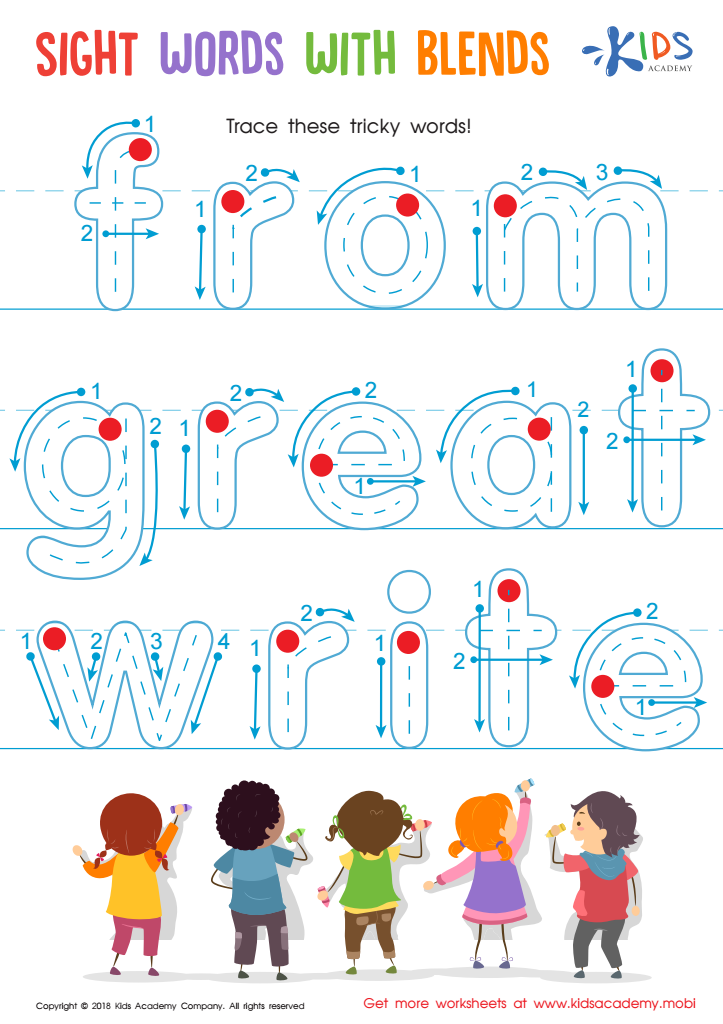
Sight Words with Blends Worksheet
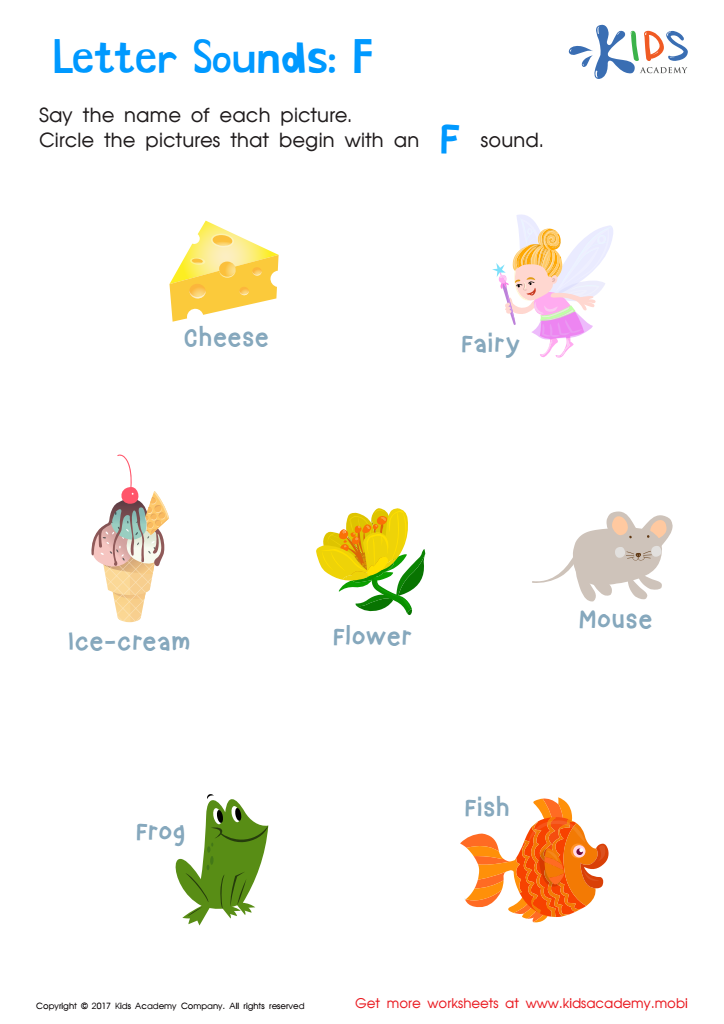
Letter F Sounds Worksheet
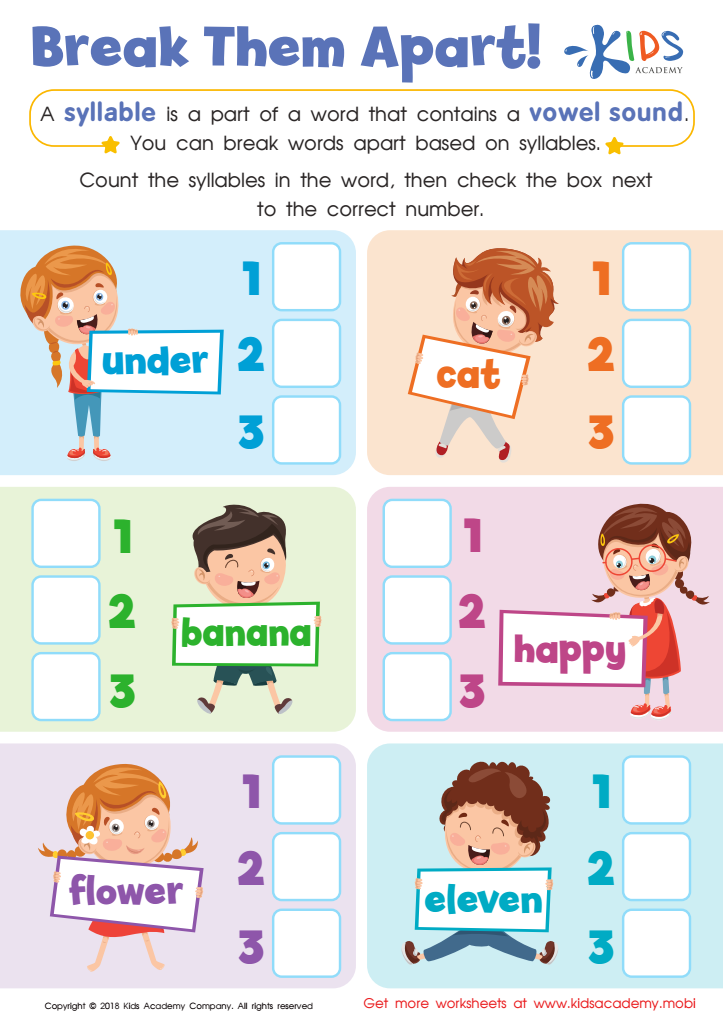
Reading: Break Them Apart Worksheet
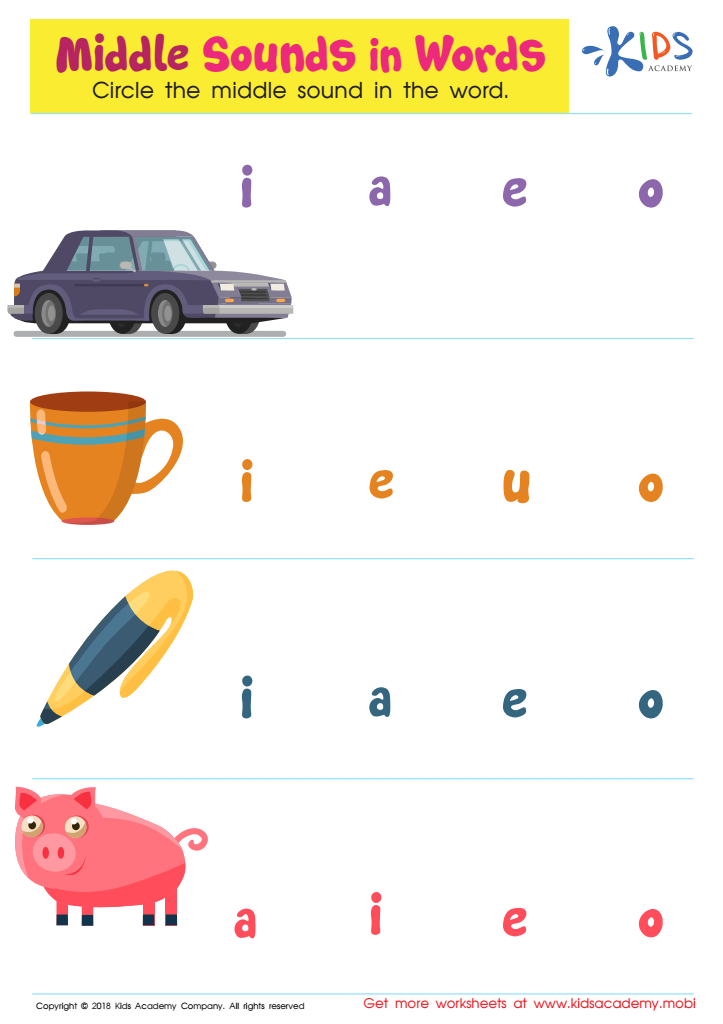
Middle Sounds in Words Worksheet
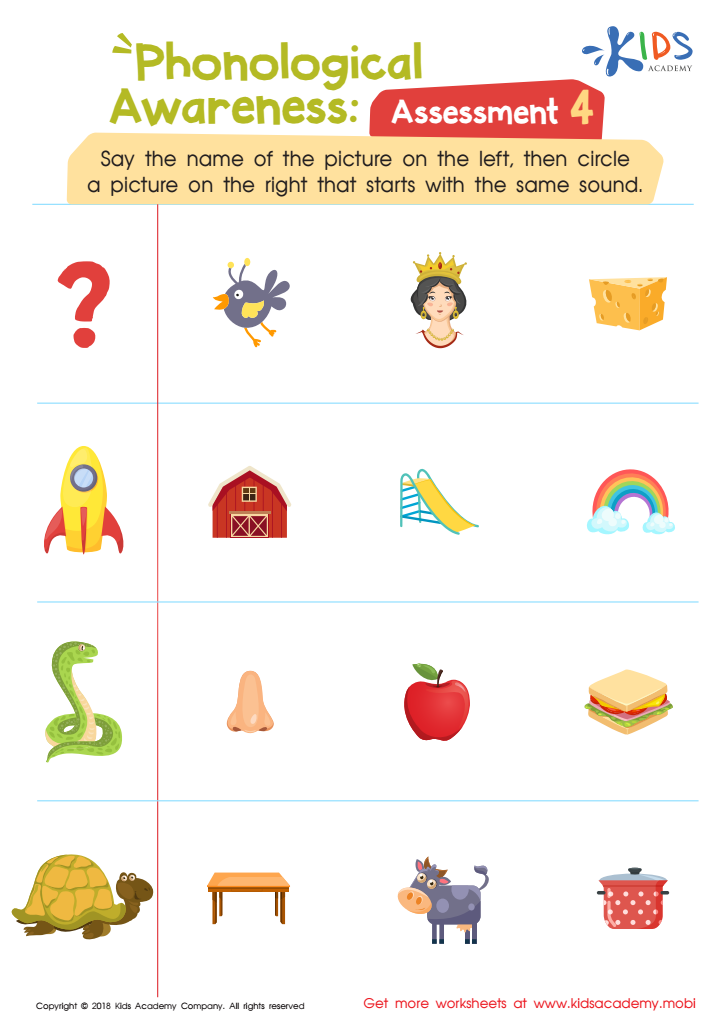
Phonological Awareness: Assessment 4 Worksheet
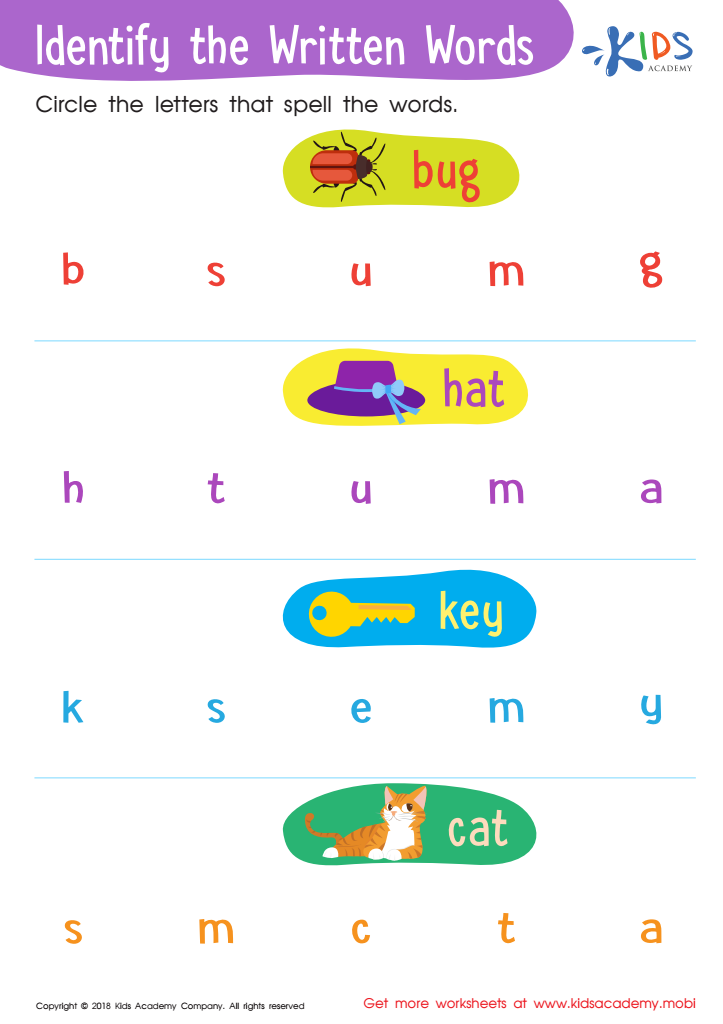
Identify the Written Words Worksheet
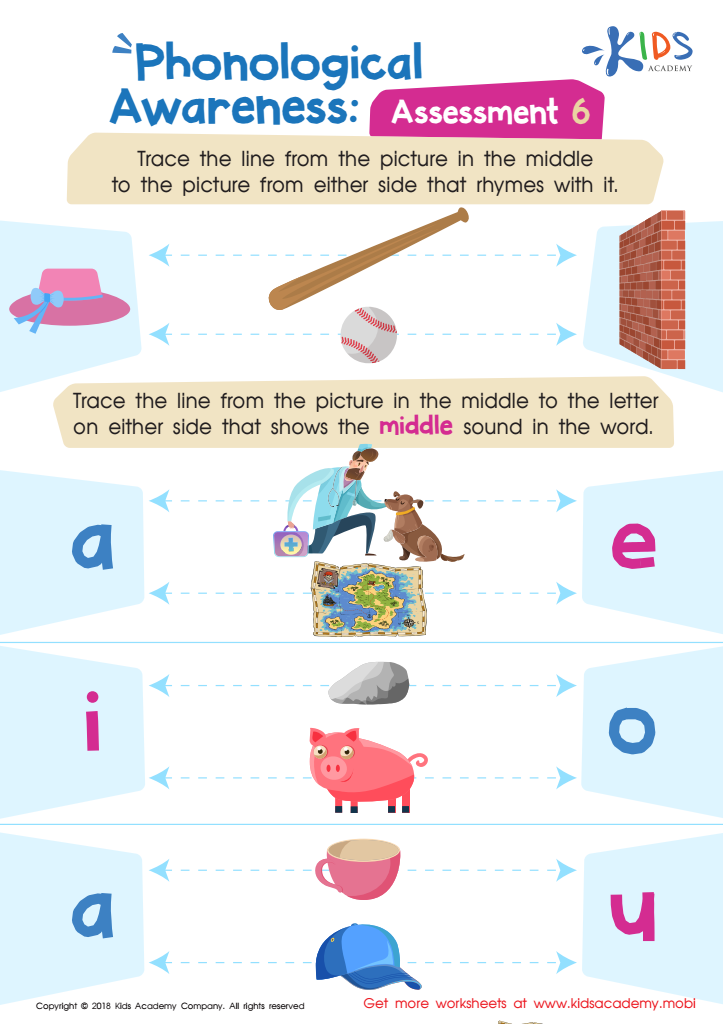
Phonological Awareness: Assessment 6 Worksheet
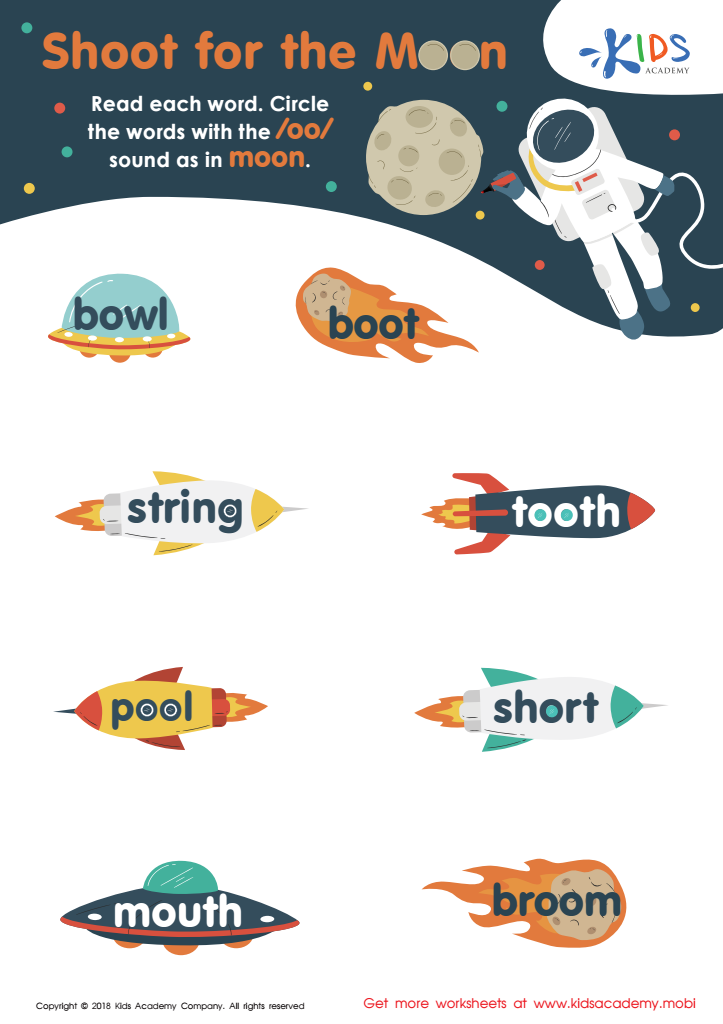
Reading: Shoot for the Moon Worksheet
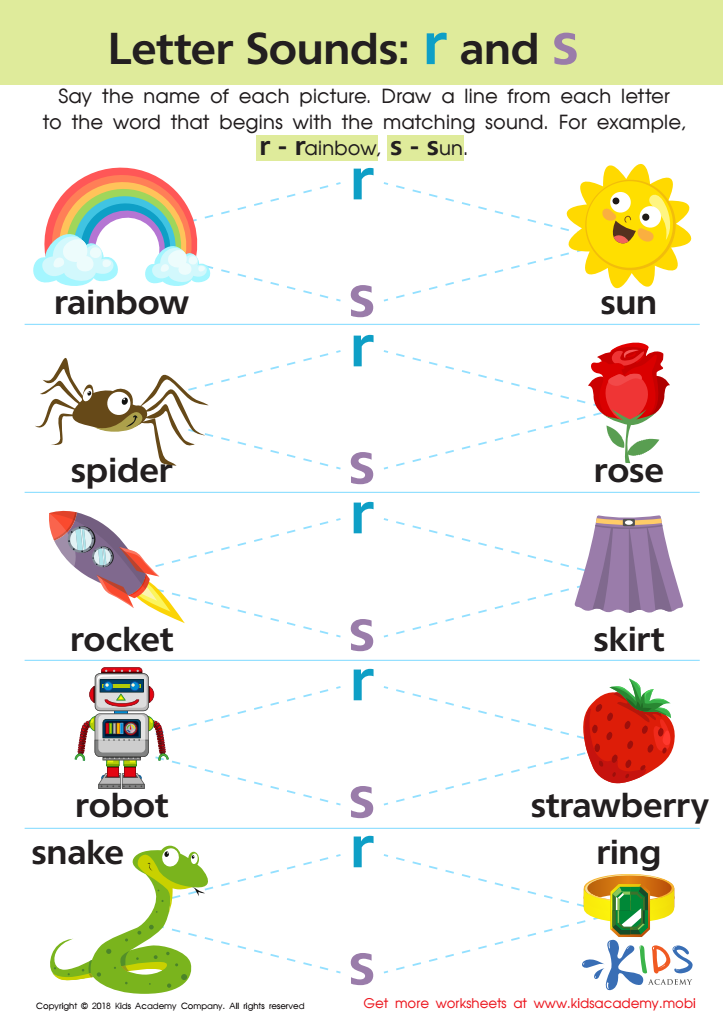
Letter R and S Sounds Worksheet
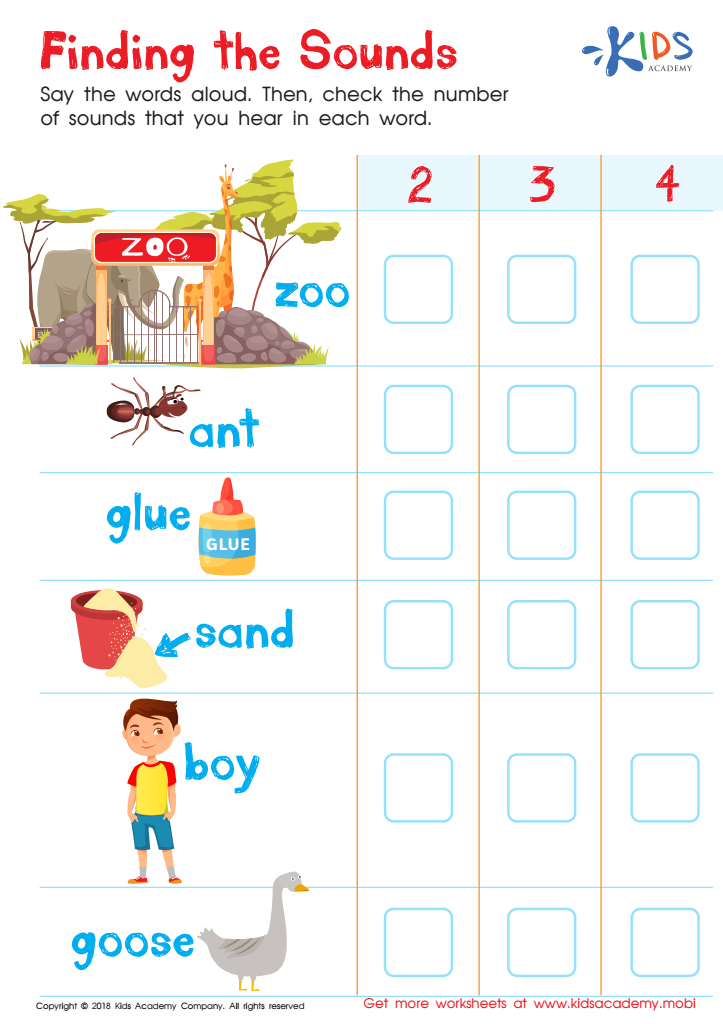
Finding the Sounds Worksheet
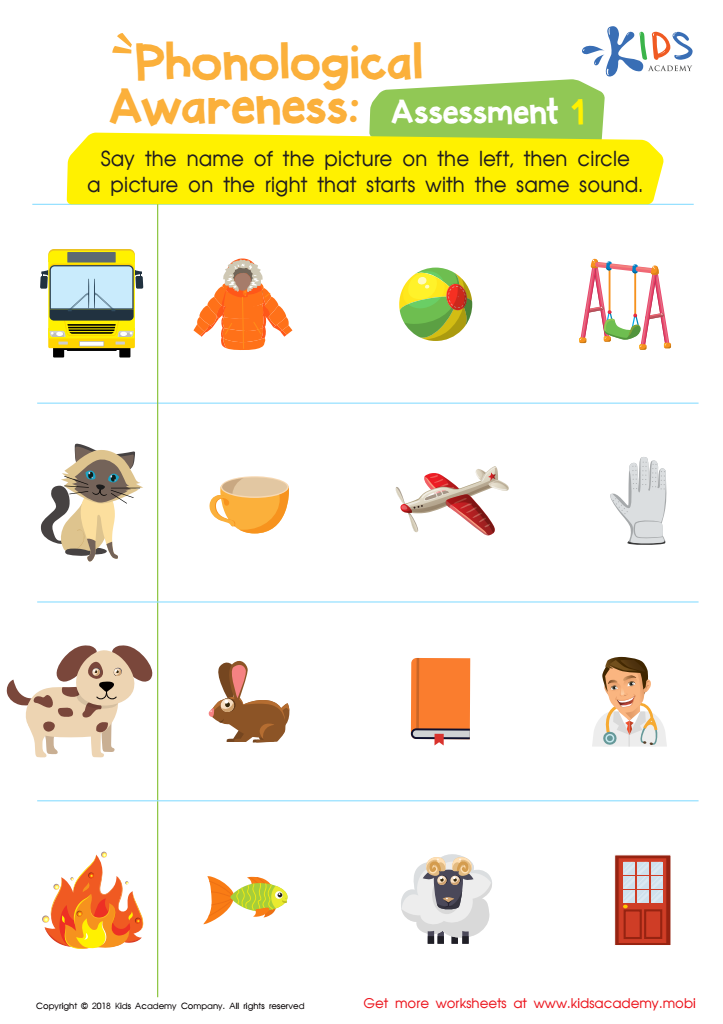
Phonological Awareness: Assessment 1 Worksheet
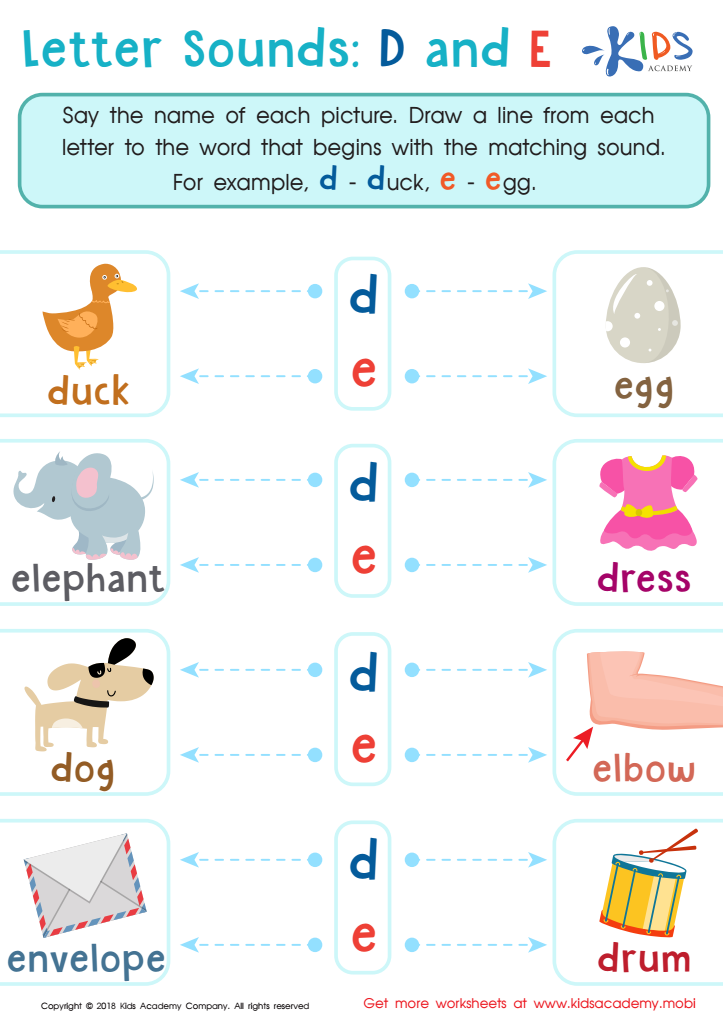
Letter D and E Sounds Worksheet








Vocabulary development is crucial for children ages 3-7 as it forms the foundation for their language skills, literacy, and overall academic success. During these formative years, children's brains are especially receptive to learning new words and concepts. Having a rich vocabulary improves their ability to communicate effectively, express themselves clearly, and understand others. This period of growth significantly influences reading skills, as a broad vocabulary aids in comprehension and fluency when encountering new texts.
Familiarity with the alphabet is a key aspect of vocabulary development. Knowing the letters and their corresponding sounds (phonics) is essential for reading and writing. Alphabet knowledge helps children decode words, understand their meanings, and construct small sentences, paving the way for more complex literacy skills.
Parents and teachers play critical roles in fostering this development. Engaging children in conversations, reading books aloud, and incorporating playful activities such as alphabet games and songs can make learning enjoyable and effective. A strong early vocabulary equips children to perform better academically, increases their confidence in learning environments, and enhances their cognitive abilities in the long run. By focusing on vocabulary and alphabet skills, parents and teachers can set children on a path to continuous learning and achievement.







