Reading comprehension Long Vowels Worksheets for Ages 3-7
19 filtered results
Difficulty Level
Grade
Age
-
From - To
Subject
Activity
Standards
Our "Reading Comprehension Long Vowels Worksheets for Ages 3-7" are designed to boost young learners' reading skills by focusing on essential long vowel sounds. These engaging and educational worksheets offer interactive exercises that make spotting and understanding long vowel words easy and fun. By combining playful illustrations with foundational reading practices, these activities help kids enhance their reading comprehension and vocabulary. Perfect for preschoolers and early elementary students, these worksheets are a powerful tool for teachers and parents looking to build strong reading foundations effortlessly and enjoyably. Start your child's reading journey today!
Favorites
With answer key
Interactive
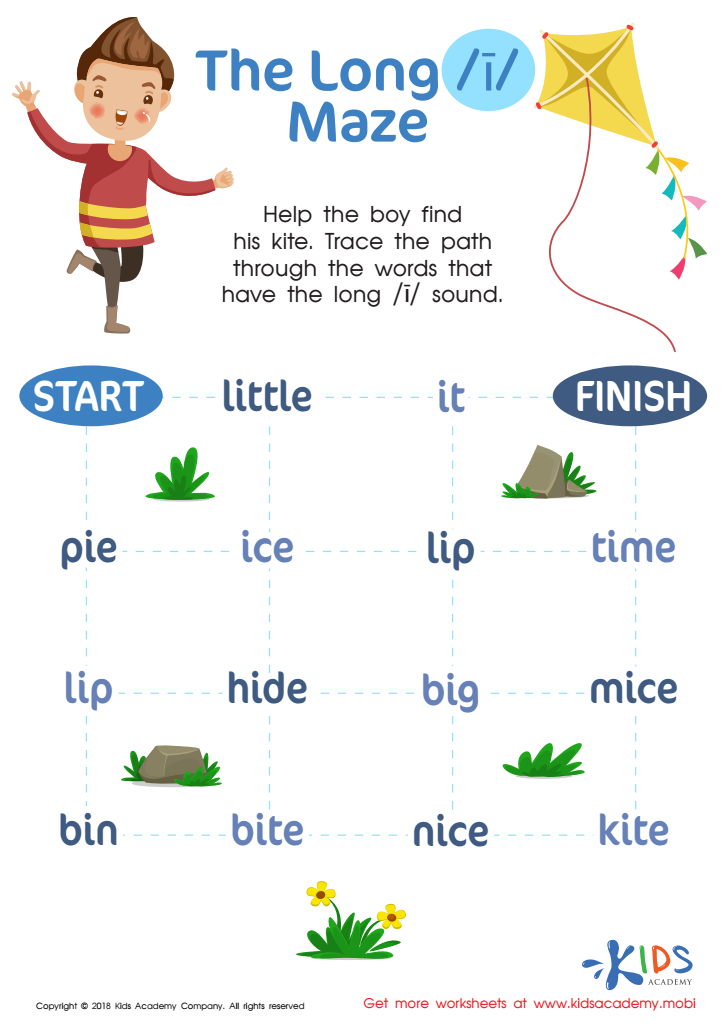
The Long I Maze Reading Worksheet
Help your child learn phonics to help them read. Show them the difference between long and short "i" sounds. Guide them as they use a pencil to trace words with the long "i:" sound in the "Help the Boy in the Picture" worksheet exercise. This will help them find the kite in the picture.
The Long I Maze Reading Worksheet
Worksheet
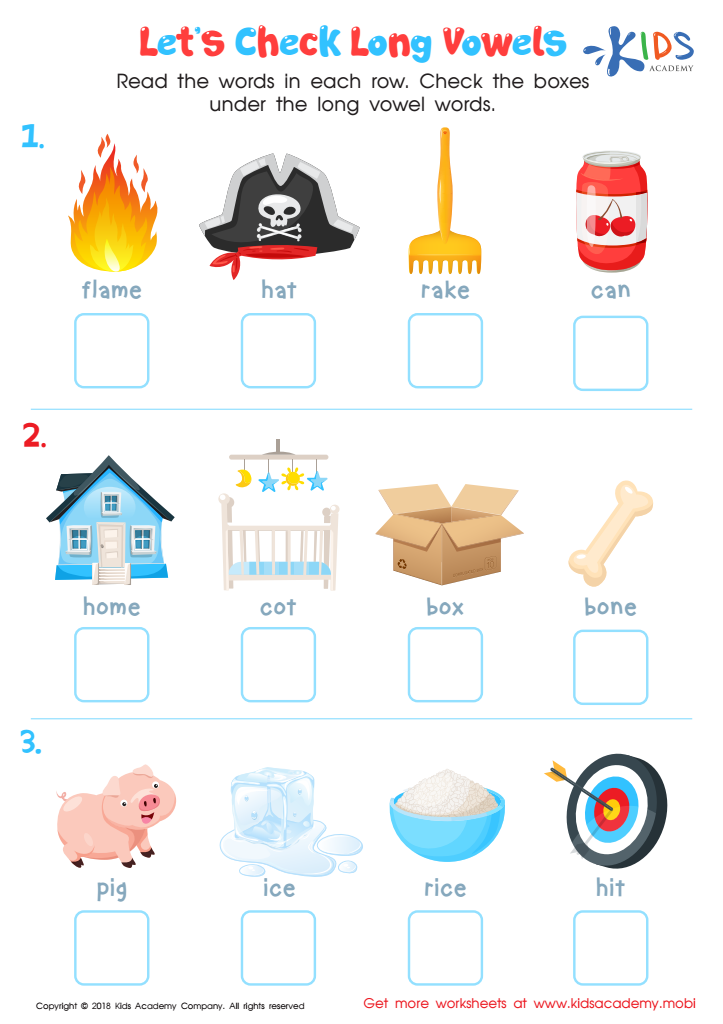
Let's Check Long Vowels: Assessment Worksheet
This worksheet helps your child identify objects and learn long vowel sounds. Ask them to say the names of the four objects in each row. Then, help them check the boxes to confirm they know the long vowel sounds. This will help them develop their reading skills.
Let's Check Long Vowels: Assessment Worksheet
Worksheet
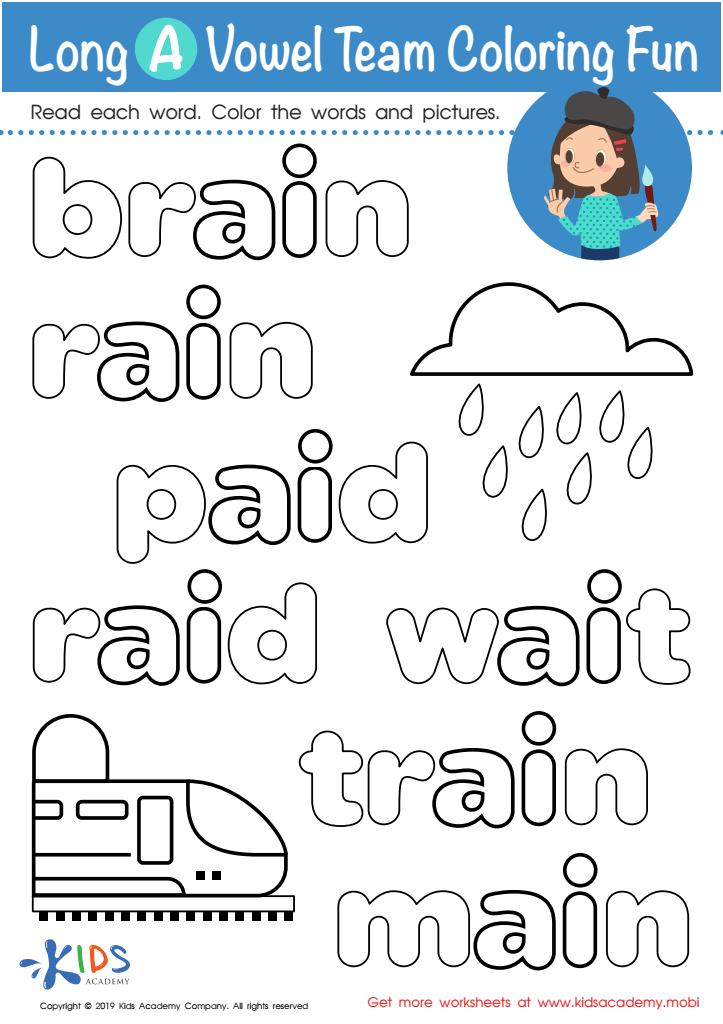
Long A Vowel Team Coloring Fun Worksheet
Divide your class into teams, give each a printout, then have them read aloud words with a long "A" sound (e.g. brain, paid). As they listen, let them reinforce this lesson by coloring in the words and pictures. Make phonics fun and interactive with this great coloring page!
Download (PDF)
 Assign to My Students
Assign to My Students
Long A Vowel Team Coloring Fun Worksheet
Worksheet
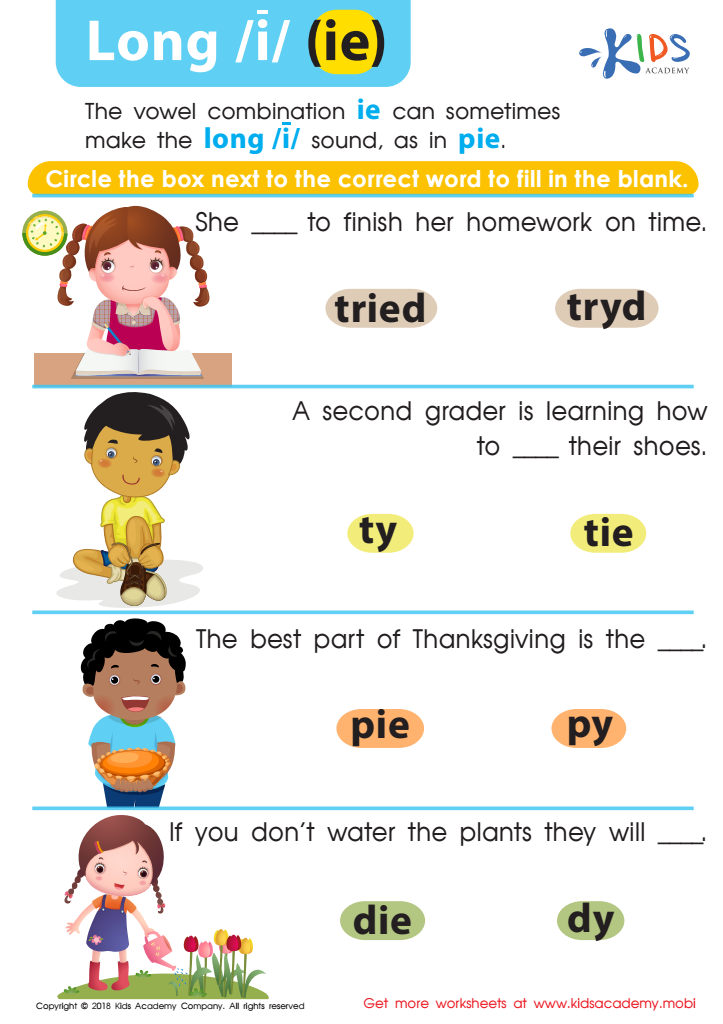
Reading: Long I and IE Worksheet
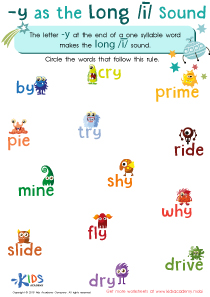
Have your child list words with the long /i/ sound (eg. 'pie'), and if needed, help them out with some examples. Read each word in the worksheet together and check their answer by having them circle the correct word.
Reading: Long I and IE Worksheet
Worksheet
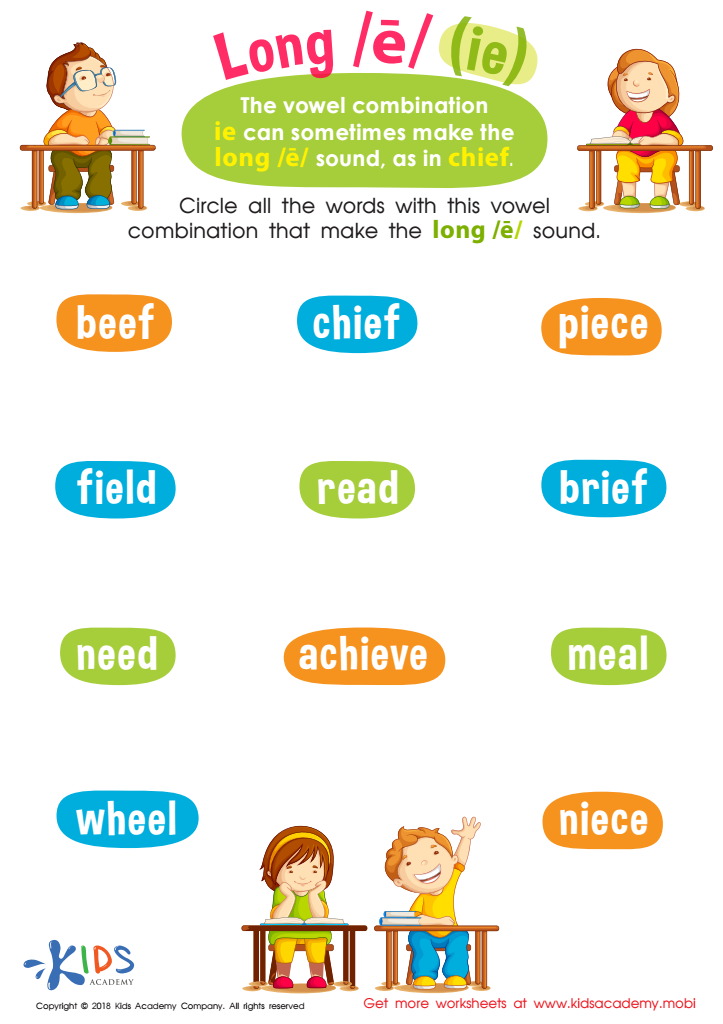
Reading: Long E and IE Worksheet
Ask your child to name some words with the long /e/ sound they hear every day. Then, read aloud all the words in the worksheet with them. Ask them to circle the words containing ie that make this sound.
Reading: Long E and IE Worksheet
Worksheet
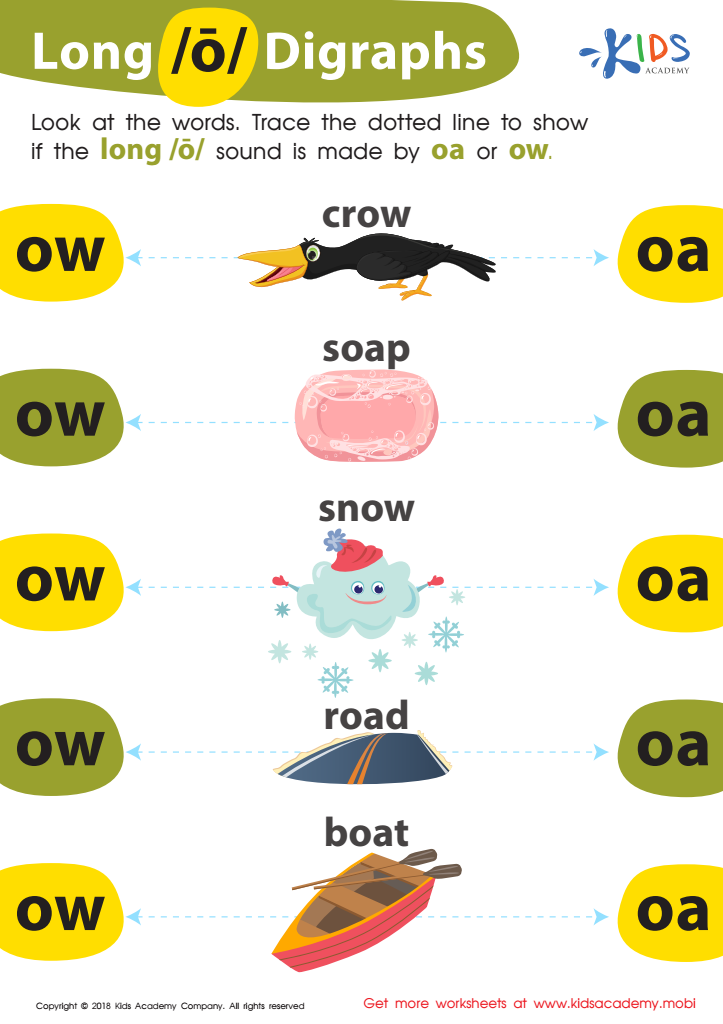
Reading: Long O Digraphs Worksheet
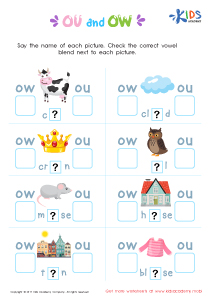
Reading and decoding words can be complex for learners when they start studying digraphs, two letters that make one sound. This worksheet focuses on the long O sound, /oa/ and /ow/. With the understanding of digraphs, students can decode more words and build their reading confidence.
Reading: Long O Digraphs Worksheet
Worksheet
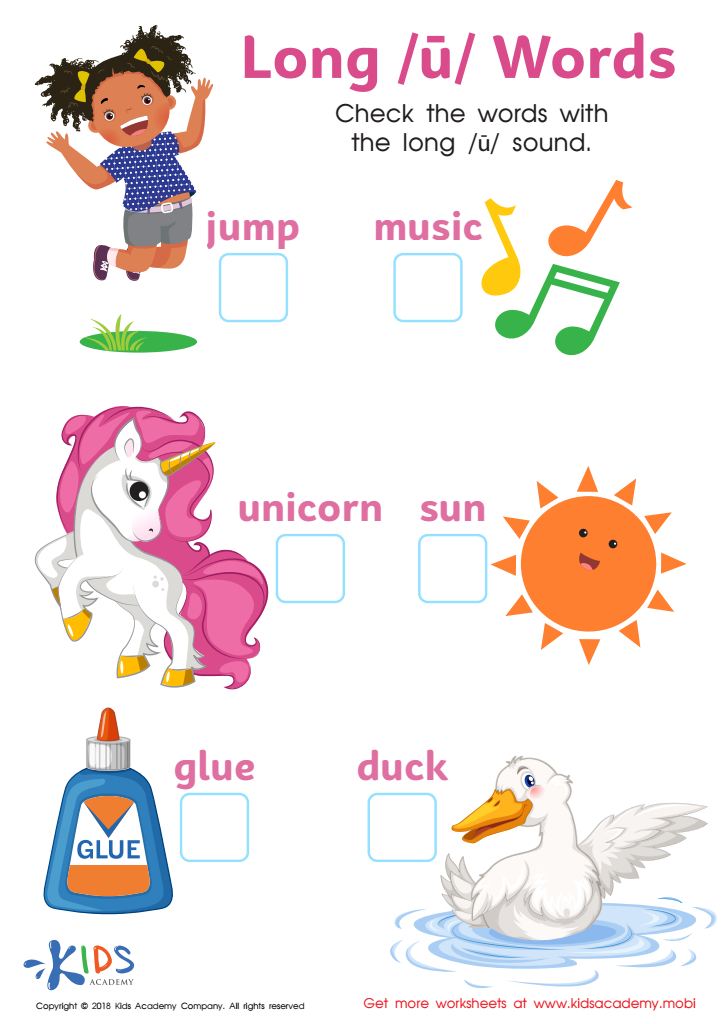
Long U Words Reading Worksheet
Emerging readers will love this free worksheet! It's a great way to practice distinguising between long and short vowel sounds, while identifying high-frequency words. They'll also get to develop fine motor skills and gain confidence in decoding and reading skills.
Long U Words Reading Worksheet
Worksheet
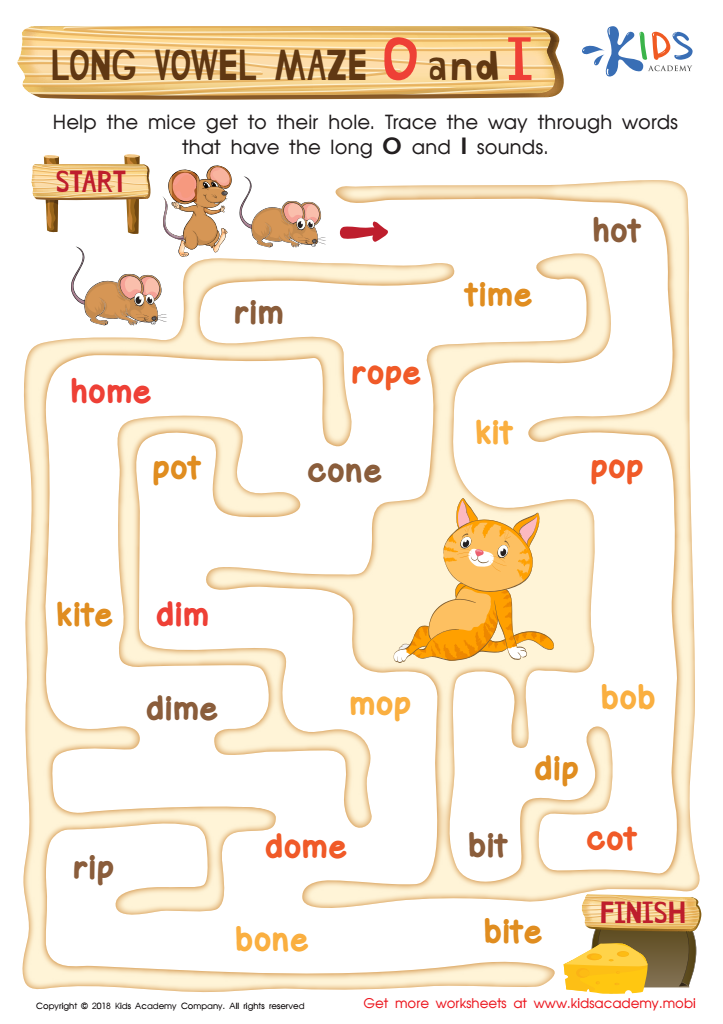
Long Vowel Maze /o/ and /i/ Worksheet
Help your new readers have fun and build their sight word vocabulary! Guide the mice to their prize cheese by having them trace the route on the worksheet, using words with the long o and long i sounds. But watch out for the kitty!
Long Vowel Maze /o/ and /i/ Worksheet
Worksheet
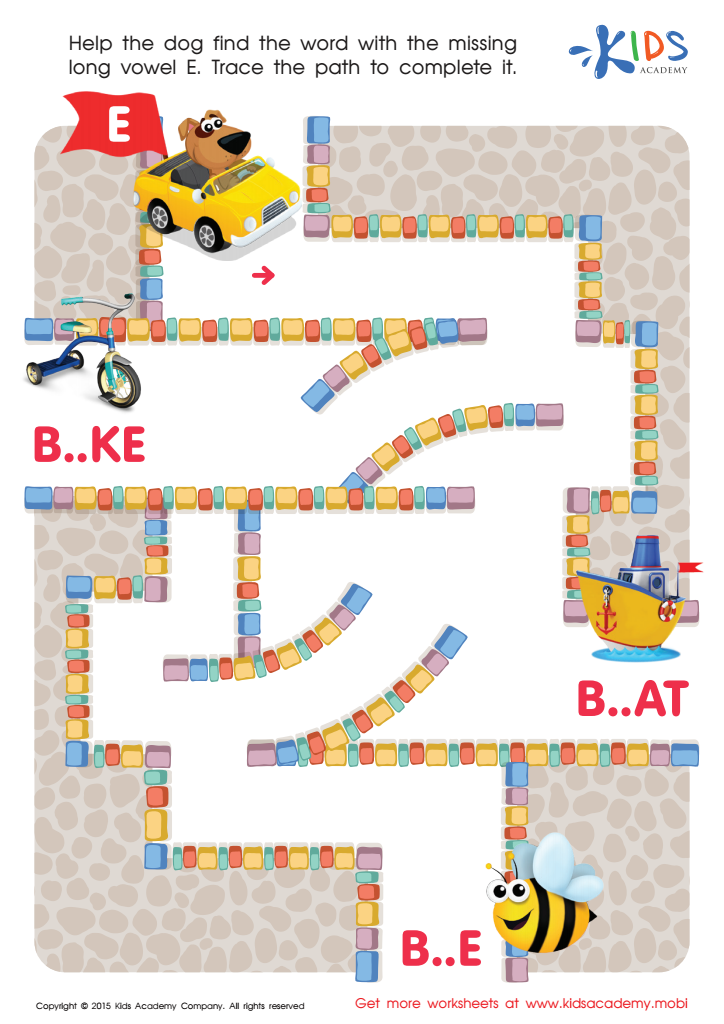
Long Vowel Sound E Worksheet
Practice distinguishing long and short vowel sound E with this free printable! Kids must complete the word “bee” by tracing the maze and adding the missing letter E. Remind them to say the word aloud to help sharpen their phonics ear. Get more phonics fun with the vowel sound E here.
Long Vowel Sound E Worksheet
Worksheet
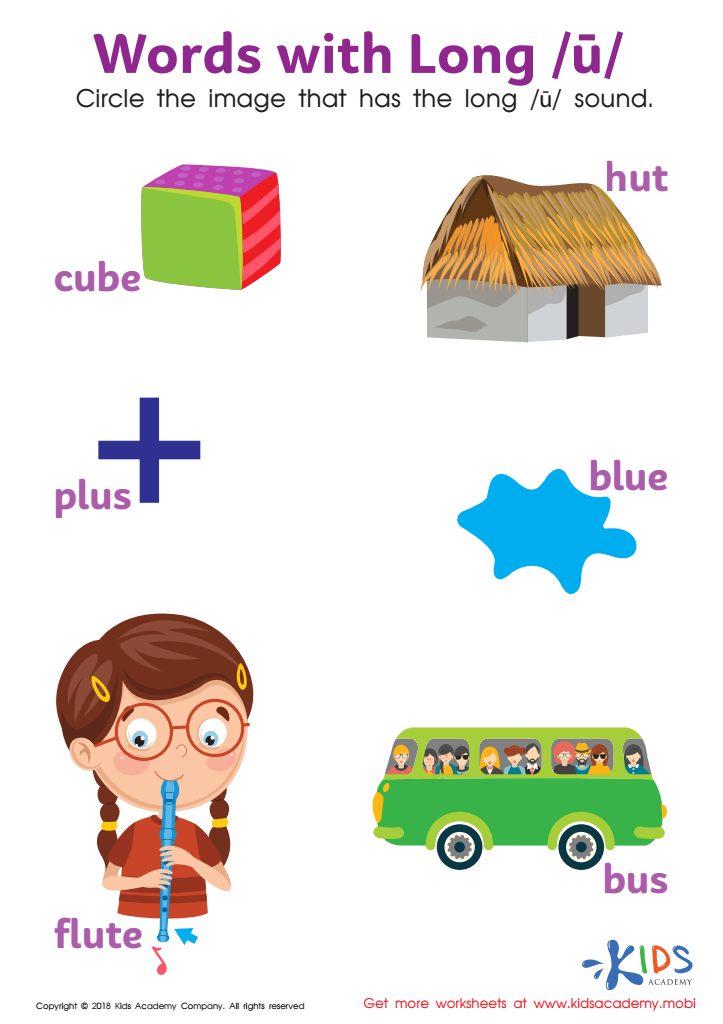
Words with Long U Reading Worksheet
Help your new reader master vowel recognition with this fun worksheet. By using picture clues and practicing fine motor skills, they'll learn to differentiate between words with the long and short «u» sound. Your learner will also get to practice vowel discrimination in high-frequency words. It's a great way to learn the importance of vowels in reading!
Words with Long U Reading Worksheet
Worksheet
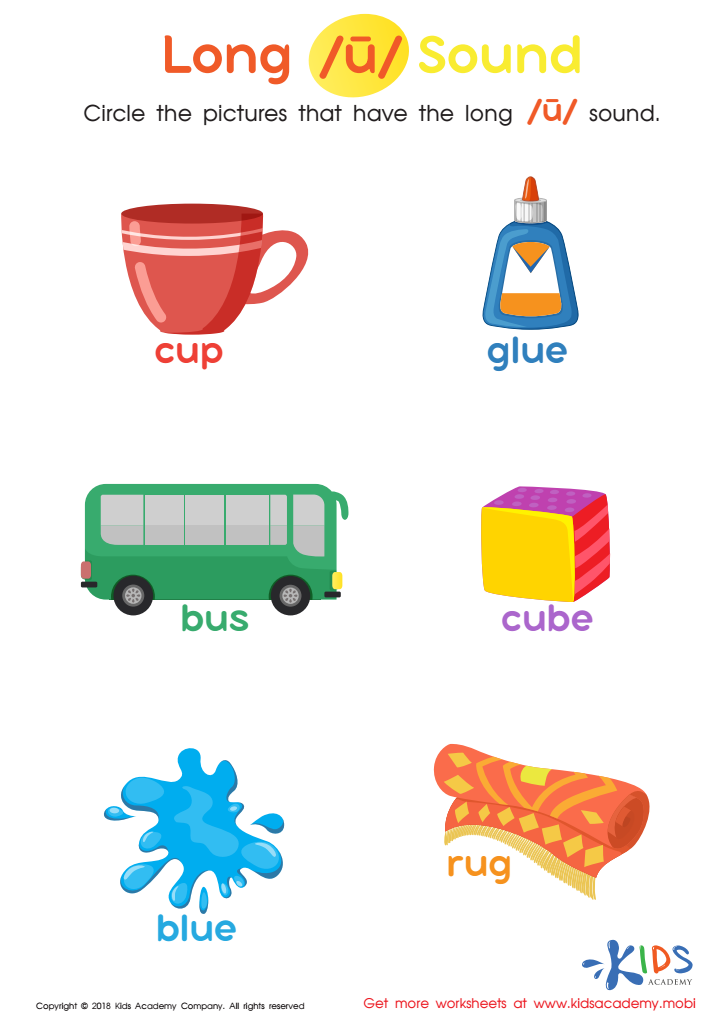
Long «u» Sound Worksheet
This fun and engaging free PDF worksheet teaches kids to differentiate between long and short «u» sounds. Through tracing circles around the correct words, they'll practice their fine motor skills while also recognizing patterns (silent-e for «ū» sound) in closed-syllable words. Bright and cheery pictures make it a great confidence booster for new readers!
Long «u» Sound Worksheet
Worksheet
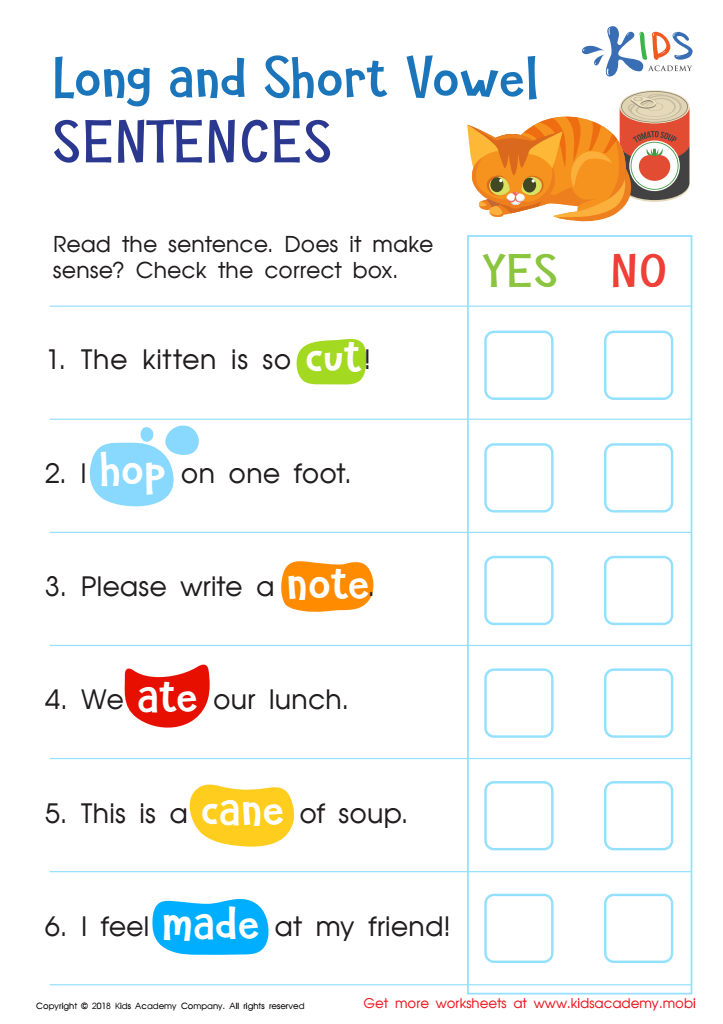
Long and Short Vowel Sentences: Assessment Worksheet
This printable worksheet helps kids practice differentiating between short and long vowel sounds. They'll use context clues to figure out which words make sense in simple sentences. A great way to build reading and writing skills!
Long and Short Vowel Sentences: Assessment Worksheet
Worksheet
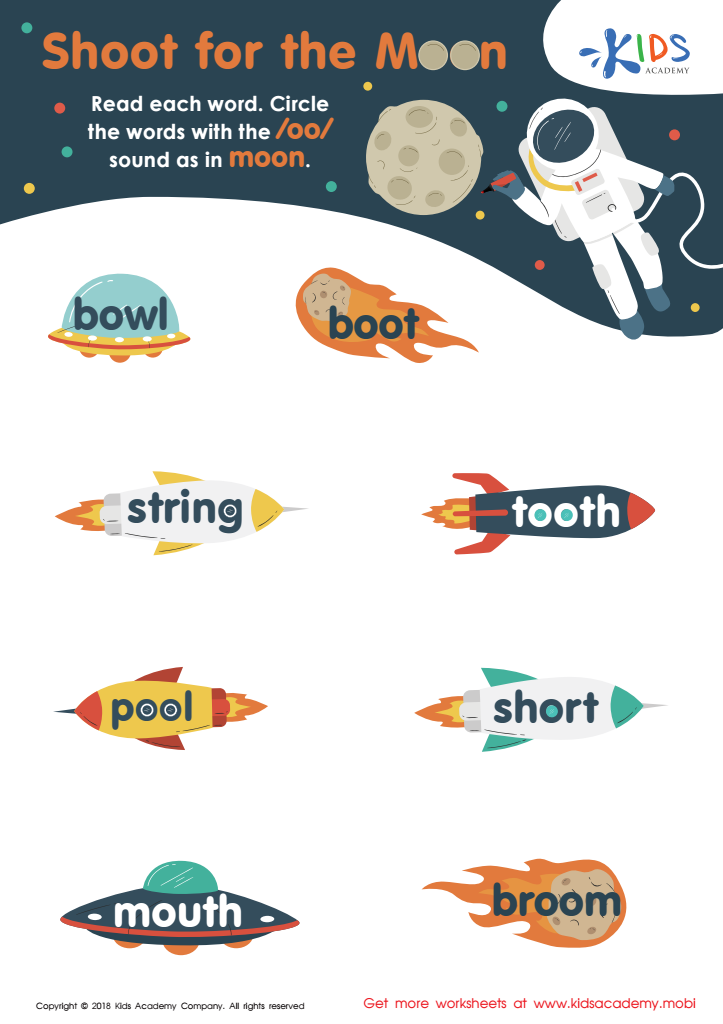
Reading: Shoot for the Moon Worksheet
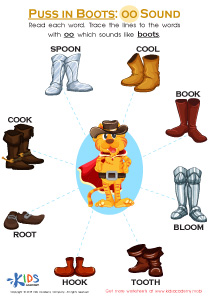
Ask your kids if they can name any common words with the /oo/ sound. Read each word with them and help them pronounce it. Then, have them circle the words that have the /oo/ sound as in moon.
Reading: Shoot for the Moon Worksheet
Worksheet

Long and Short E Worksheet
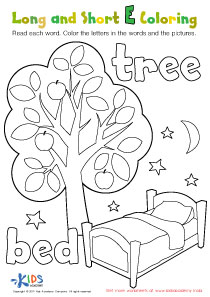
This fun printout makes learning phonics enjoyable for Grade 3 students. Get them to read the words “tree” and “bed” to recognize the different sounds of the letter “E”. After hearing the words they can color the words and the pictures to understand differences between long and short vowels.
Download (PDF)
Assign to My Students
Assign to My Students
Long and Short E Worksheet
Worksheet
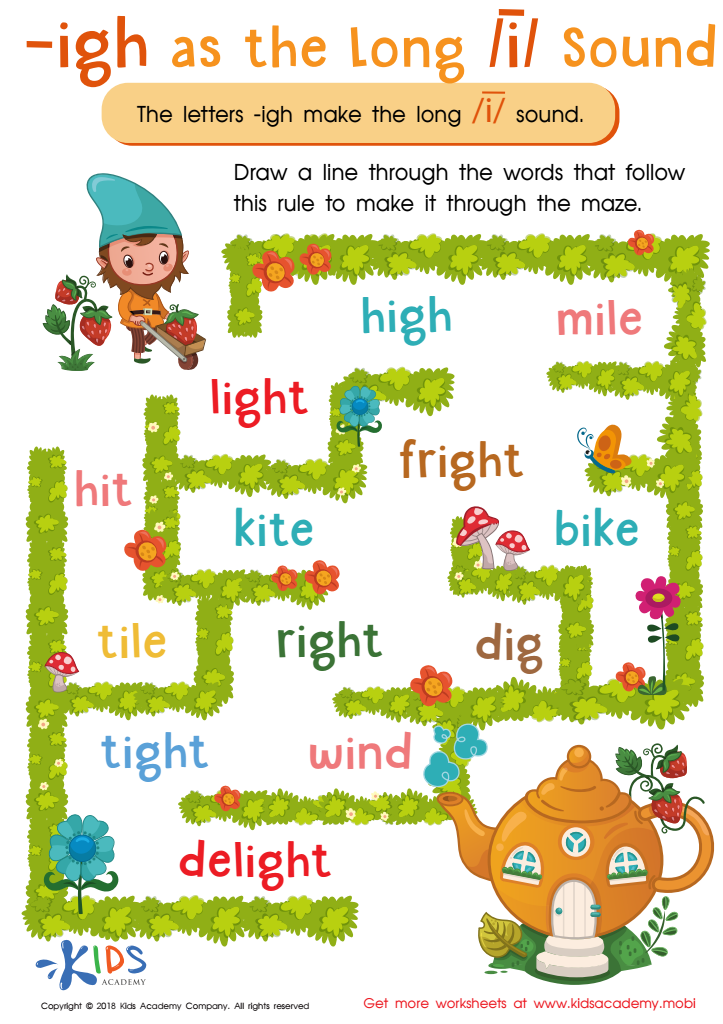
Reading: IGH as Long I Worksheet
Kids can have fun and learn with this maze! They'll look for and read words with the 'long I' sound spelled 'igh'. Most words ending with 'T' have this spelling. Decode words while learning about long vowel sounds and their spellings.
Reading: IGH as Long I Worksheet
Worksheet
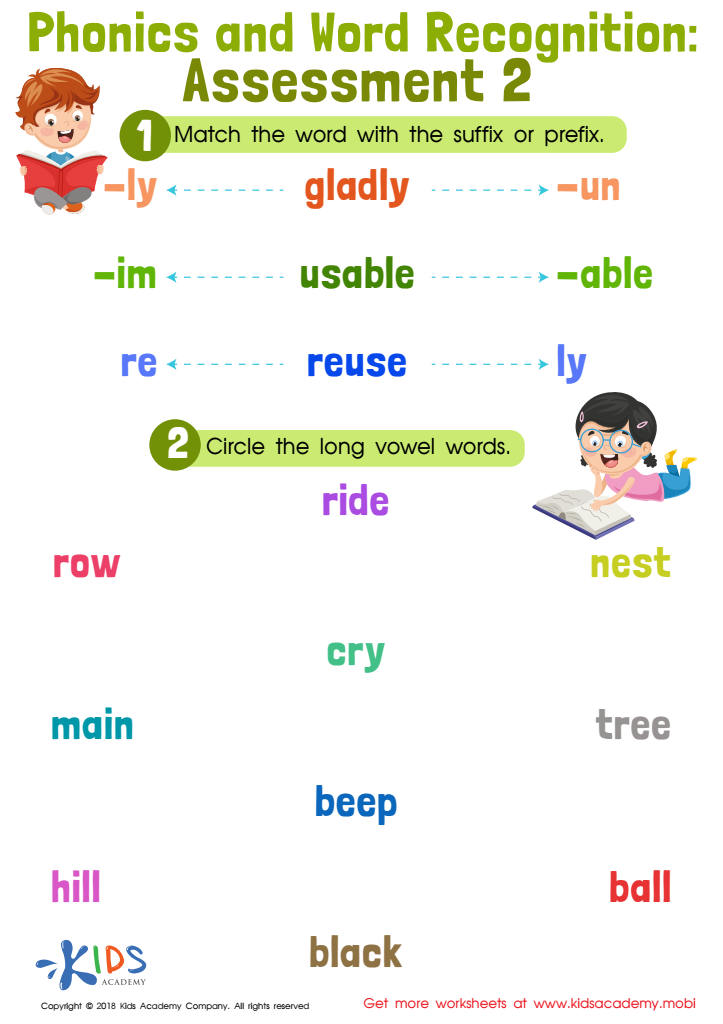
Phonics and Word Recognition: Assessment 2
Give kids common examples of suffixes and prefixes, such as "un-," "unhappy," "ness," "happyness." Ask them to match each word in the word recognition exercise to the correct suffix or prefix. Test phonetic understanding by having them circle the long vowel sounds.
Phonics and Word Recognition: Assessment 2
Worksheet
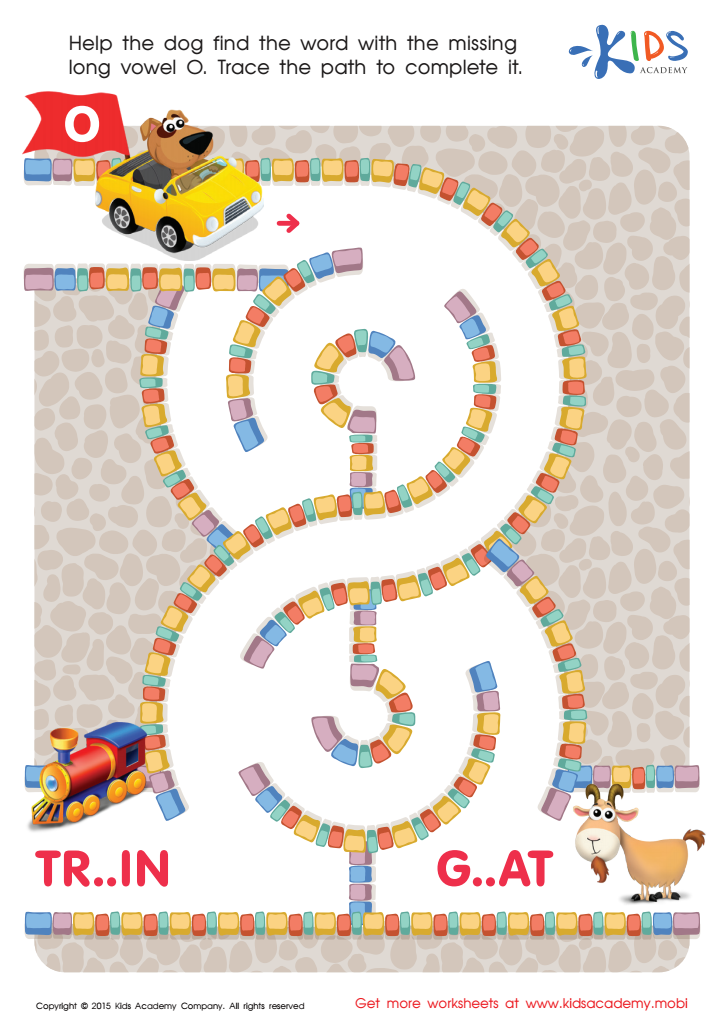
Long Vowel Sound O Worksheet
Help the goat find her missing O! Guide your little learner through this fun maze to help the goat get its vowel sound back. Make phonics learning engaging and enjoyable with this free printable worksheet.
Long Vowel Sound O Worksheet
Worksheet
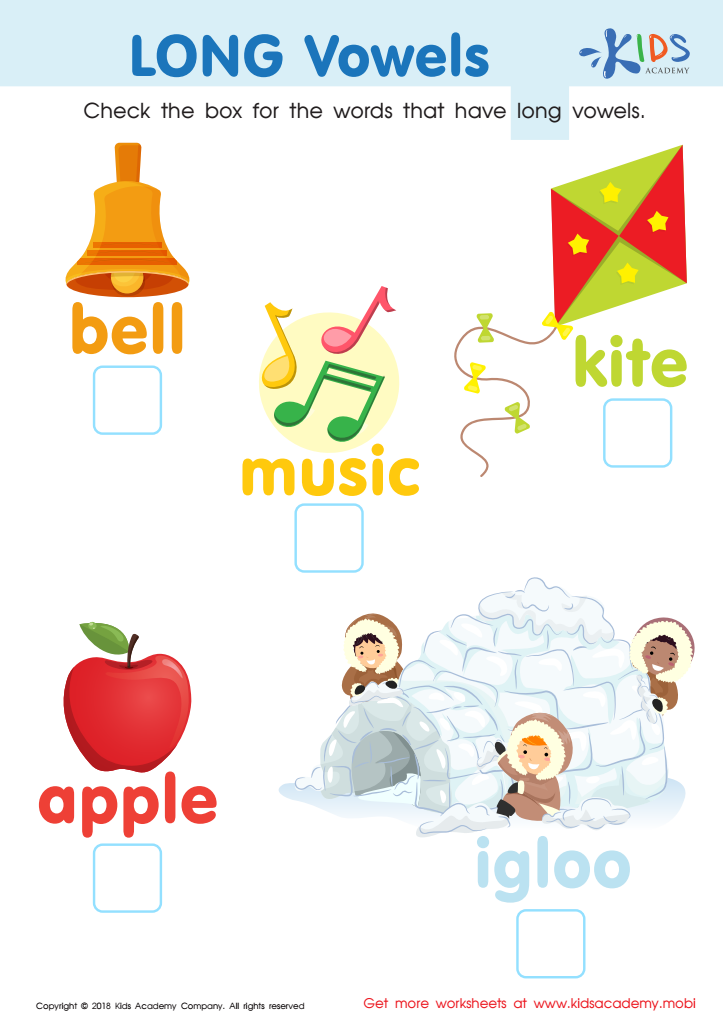
long vowels Worksheet
Have your early learner identify long vowels with this quick review. Ask them to name each picture aloud and listen out for the long vowel sounds to separate them from the shorter ones. Circle the ones that are long! Watch out for words with two vowels - they can be tricky!
long vowels Worksheet
Worksheet
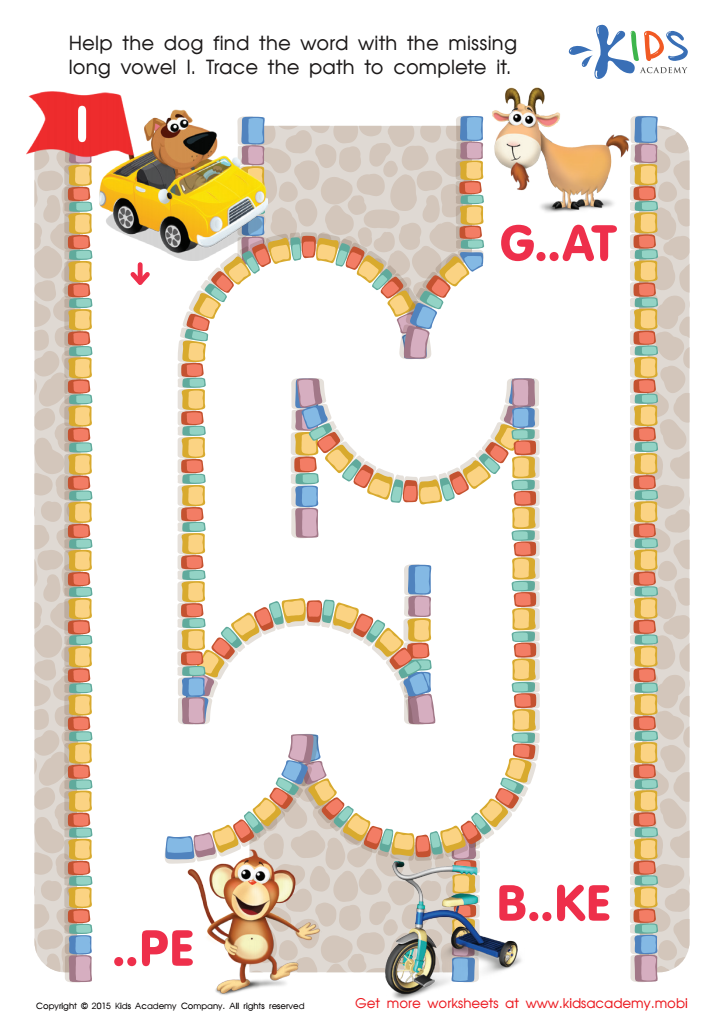
Long Vowel Sound I Worksheet
Learning long vowels is essential to becoming a good reader. Ask your child to distinguish between the long and short I vowel sounds. Remind them that the long I says its name, while the short I doesn't. With this fun printable phonics worksheet, your kid can practice writing and spelling while helping a dog find his way through a maze. Check out our phonics worksheets for more learning activities.
Long Vowel Sound I Worksheet
Worksheet
Join Kids Academy for Free
Who is primarily going to use this learning content?



Reading comprehension and long vowel recognition are foundational skills that deserve attention from both parents and teachers, especially for children ages 3-7. Early mastery of these skills sets the stage for strong reading and writing abilities, which are crucial for academic success and overall intellectual development.
Long vowels, such as the sounds in "cake," "bite," "boat," and "use," appear often in the English language and provide clear examples of how vowel sounds can change word meanings (e.g., "cap" vs. "cape"). Introducing these concepts early helps children decode words correctly, paving the way for better comprehension. When young learners understand how to read and pronounce long vowels, they can more easily understand stories, follow instructions, and absorb new information. This fluency boosts their confidence and fosters a love of learning.
Comprehension, the ability to understand and interpret what one reads, is equally critical. Without it, decoding words is meaningless. Focusing on reading comprehension at an early age helps children retain and think critically about information, building problem-solving and analytical skills that will benefit them in every academic subject.
In sum, caring about reading comprehension and long vowel awareness equips children with essential tools for literacy. This attention during the formative years forms the bedrock of future educational achievements, paving the way for a lifetime of learning and curiosity.