Vocabulary development Phonics Worksheets for Ages 3-7
18 filtered results
-
From - To
Explore our engaging vocabulary development phonics worksheets designed specifically for children ages 3-7. These interactive resources help young learners build essential reading skills while enhancing their word knowledge. Each worksheet is carefully crafted to support phonics learning through fun activities, including matching words to images, completing sentences, and practicing letter sounds. Promote language acquisition through vibrant visuals and engaging tasks that cater to different age groups and skill levels. Our worksheets emphasize phonemic awareness and vocabulary expansion, ensuring your child develops a strong foundation for early literacy. Start your child's journey to confident reading today with our thoughtfully designed worksheets!
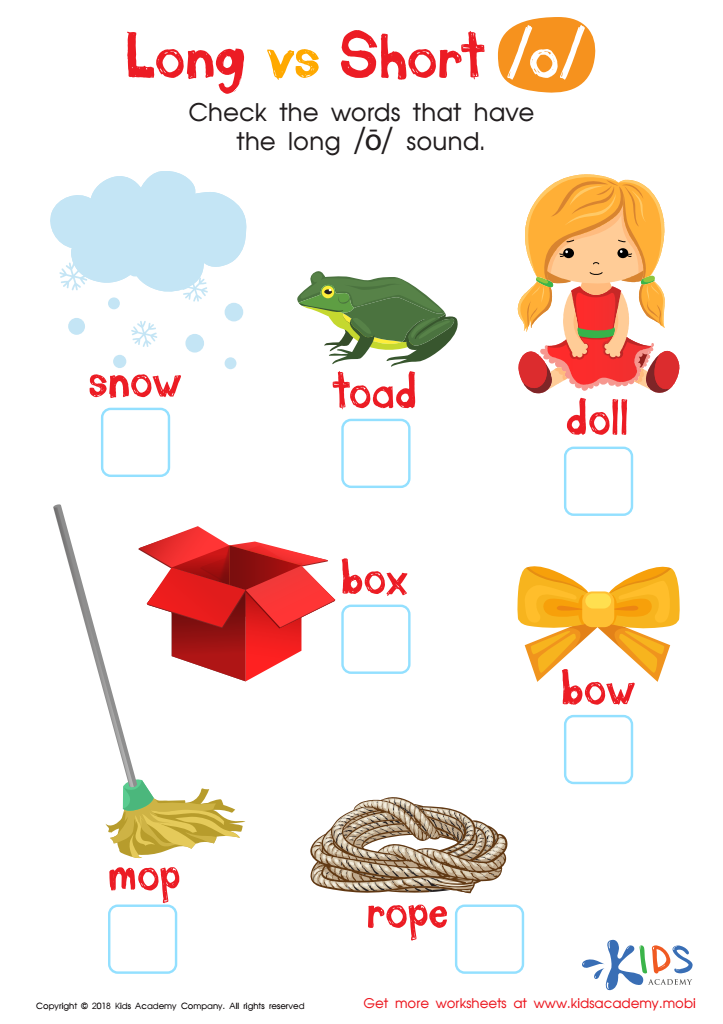
Long vs Short O Reading Worksheet
 Assign to My Students
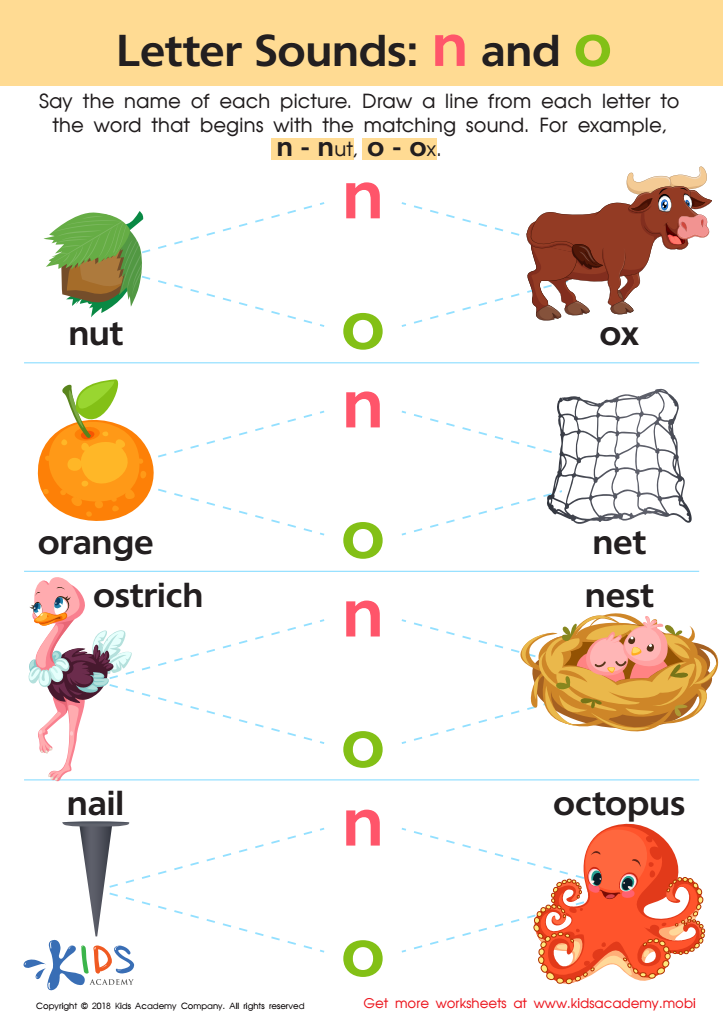
Letter N and O Sounds Worksheet
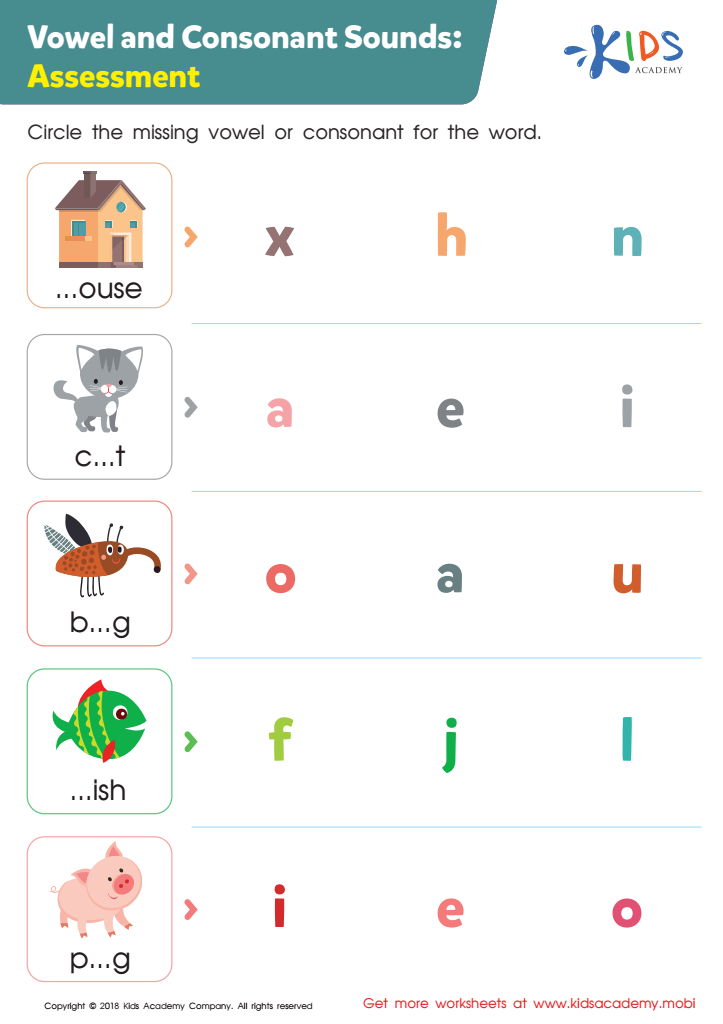
Vowel and Consonant Sounds: Assessment Worksheet
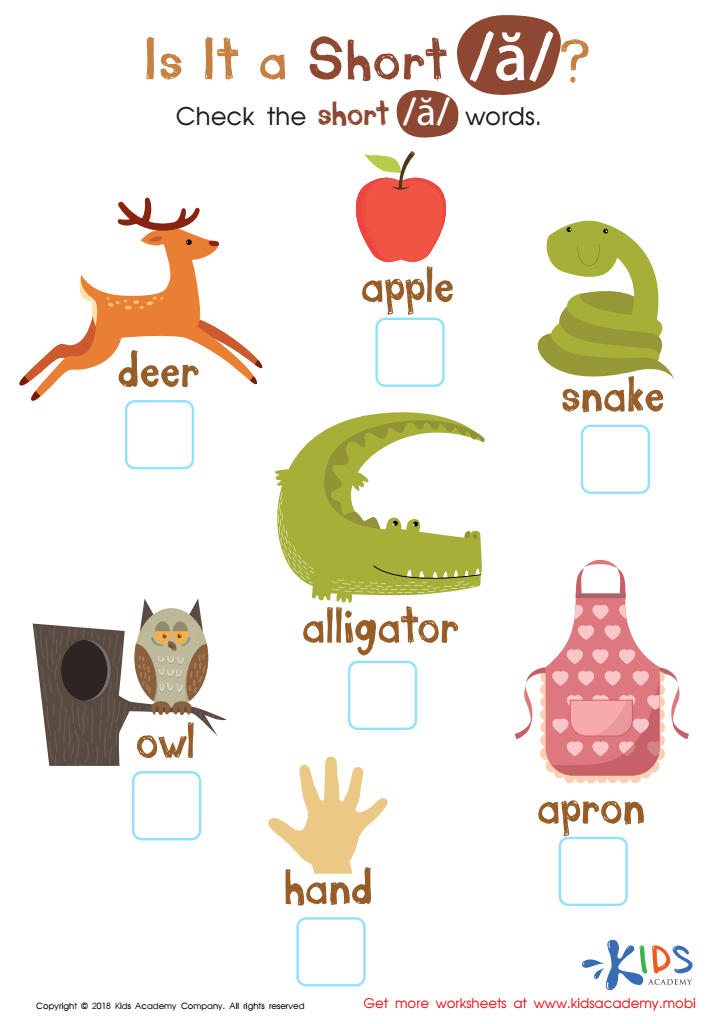
Is It Short A? Reading Worksheet
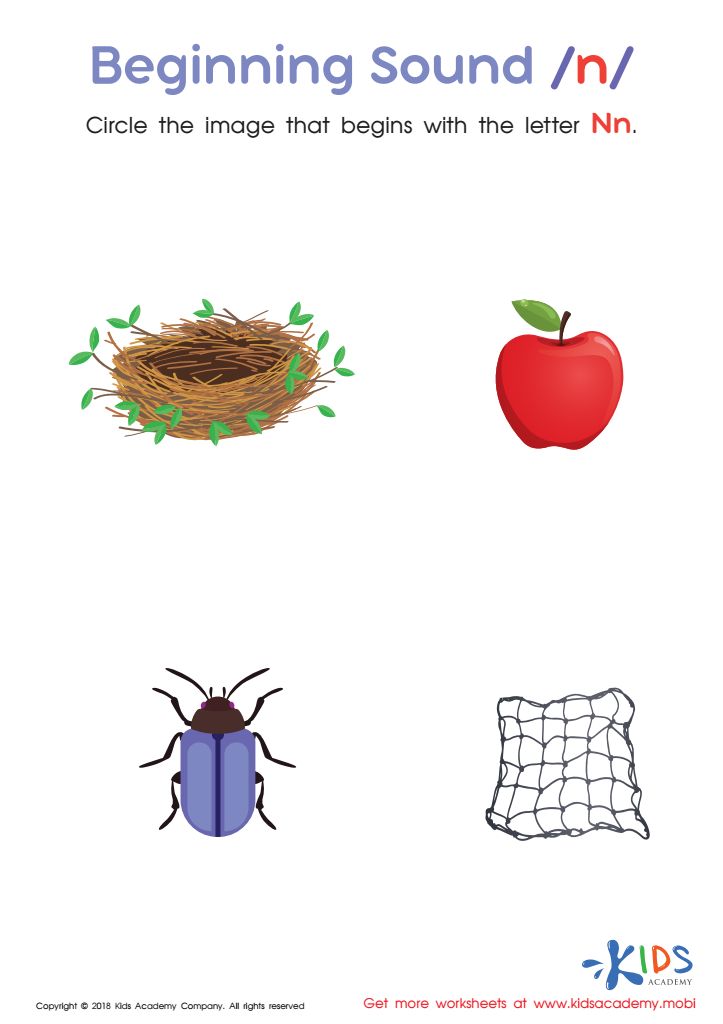
Beginning Sound «n» Worksheet
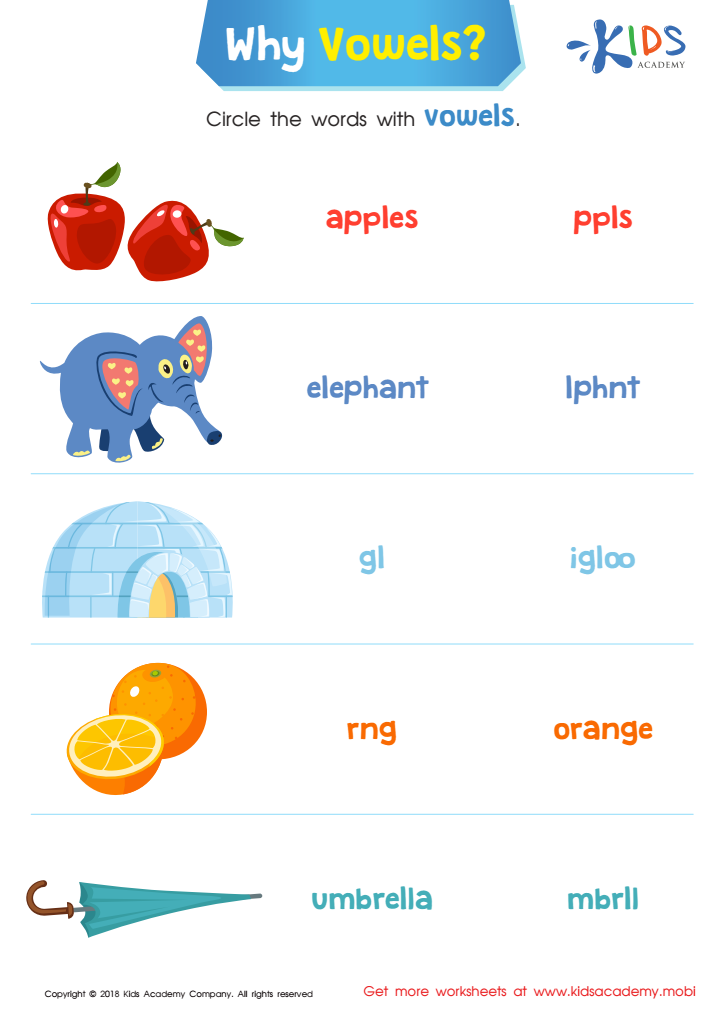
Why Vowels? Reading Worksheet
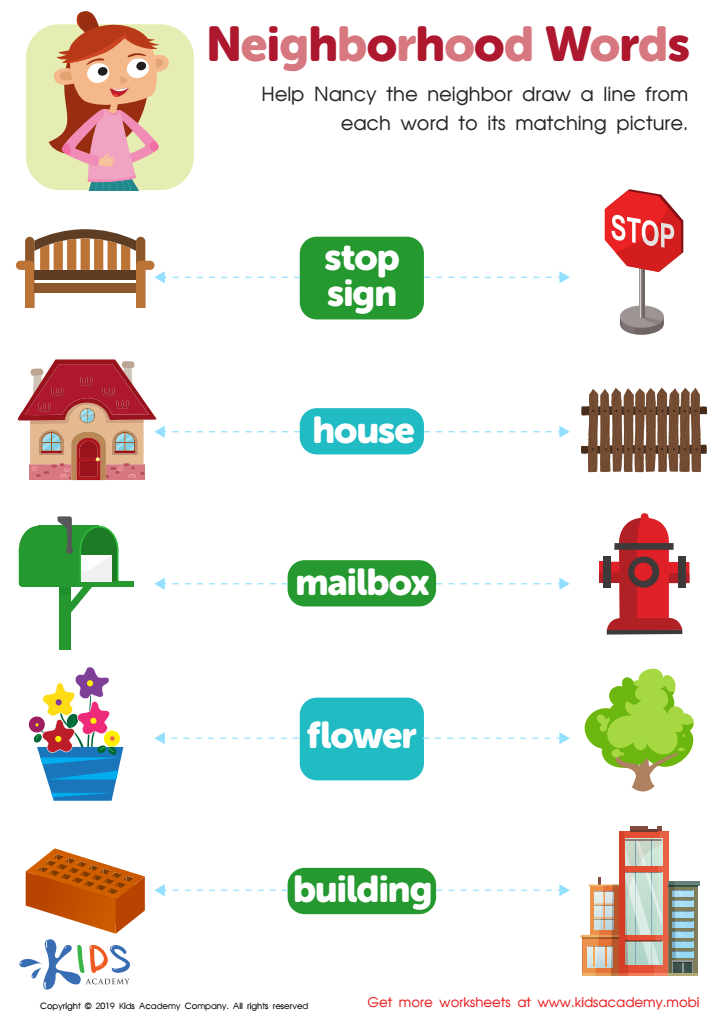
Neighborhood Words Worksheet
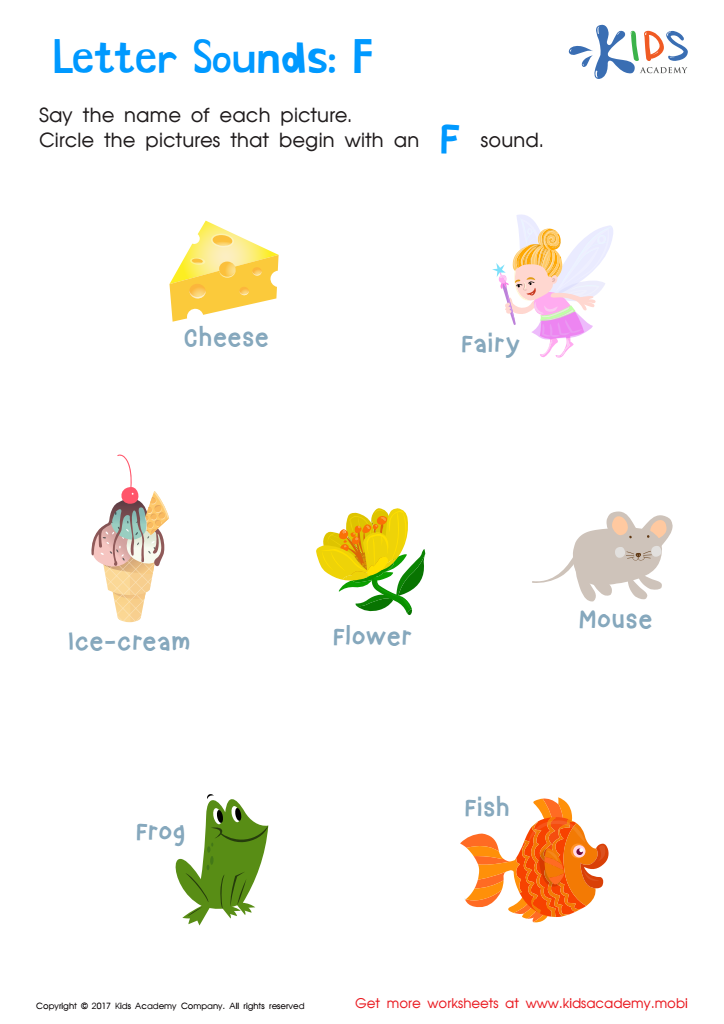
Letter F Sounds Worksheet
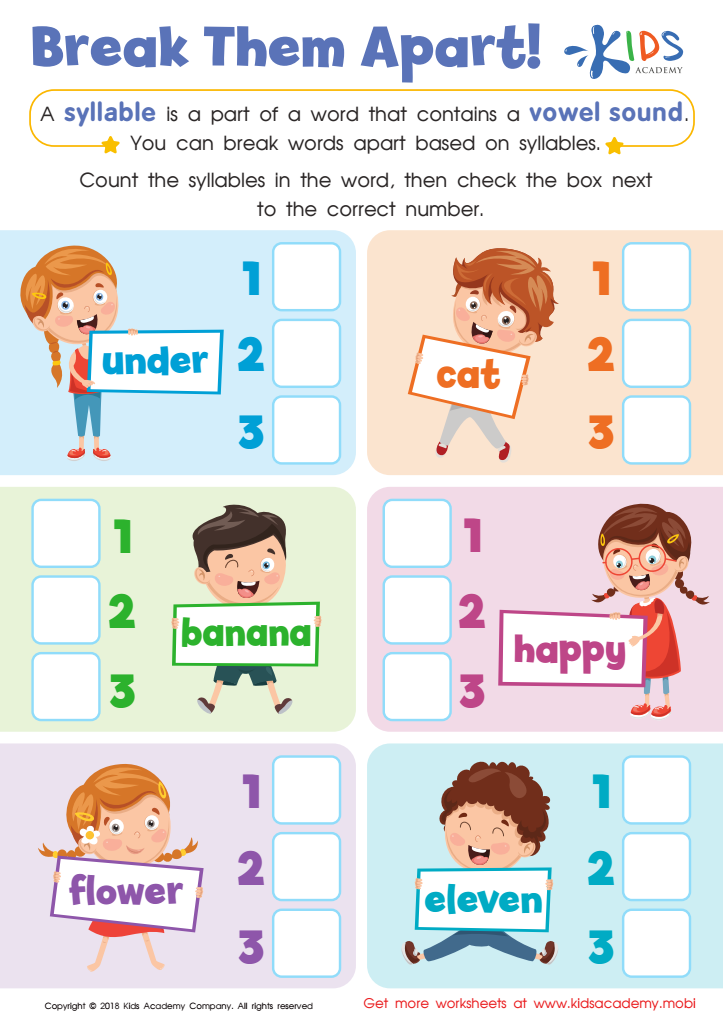
Reading: Break Them Apart Worksheet
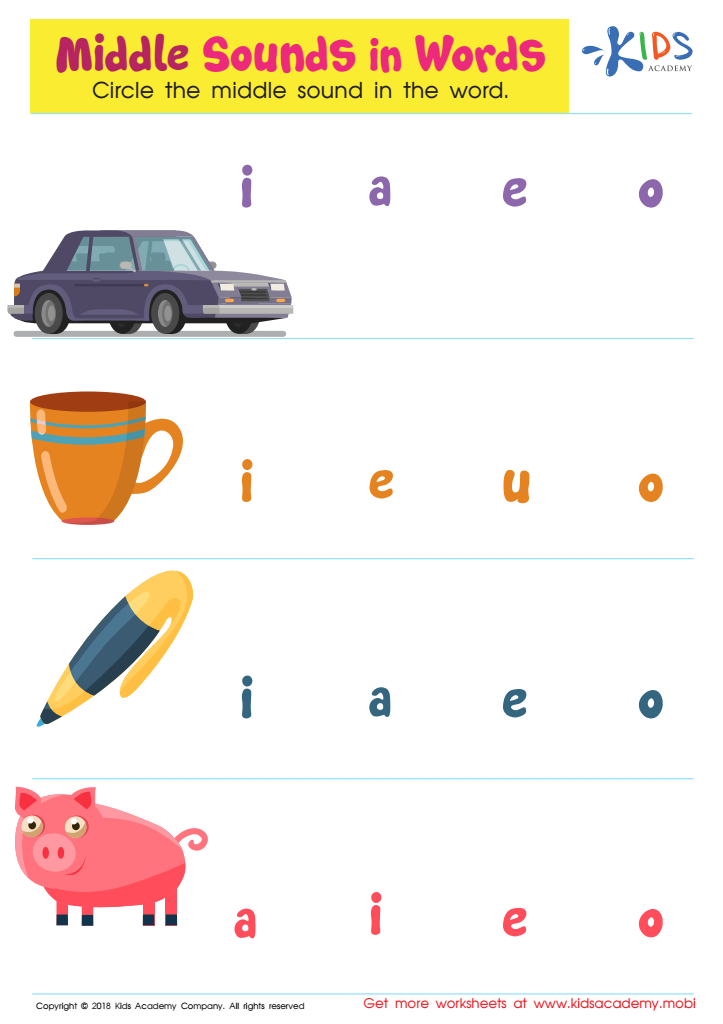
Middle Sounds in Words Worksheet
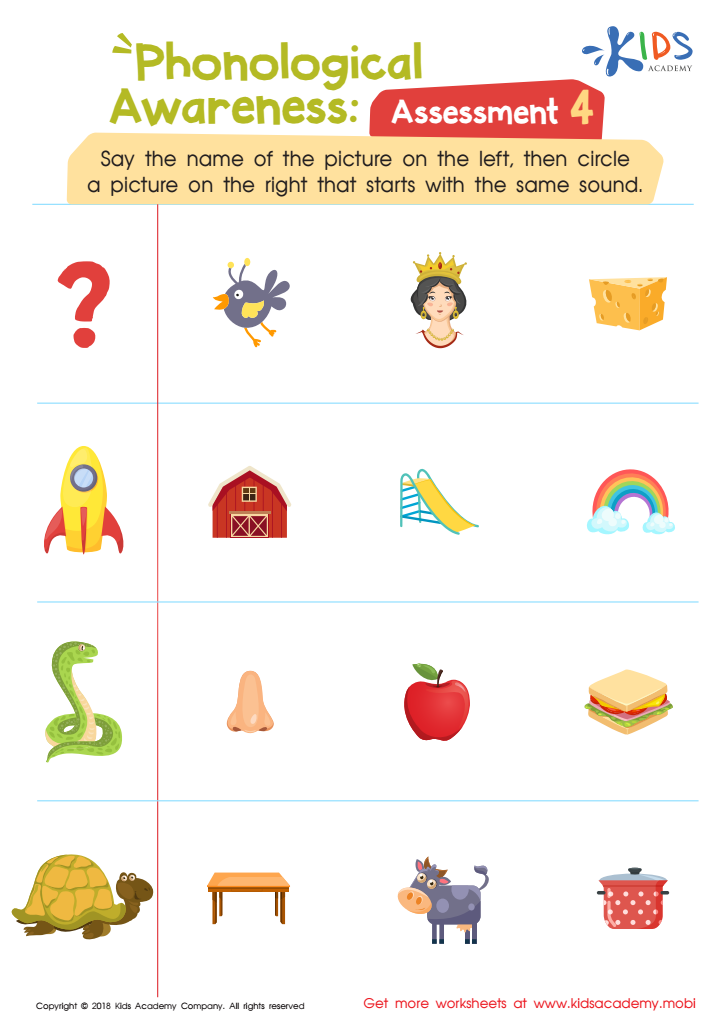
Phonological Awareness: Assessment 4 Worksheet
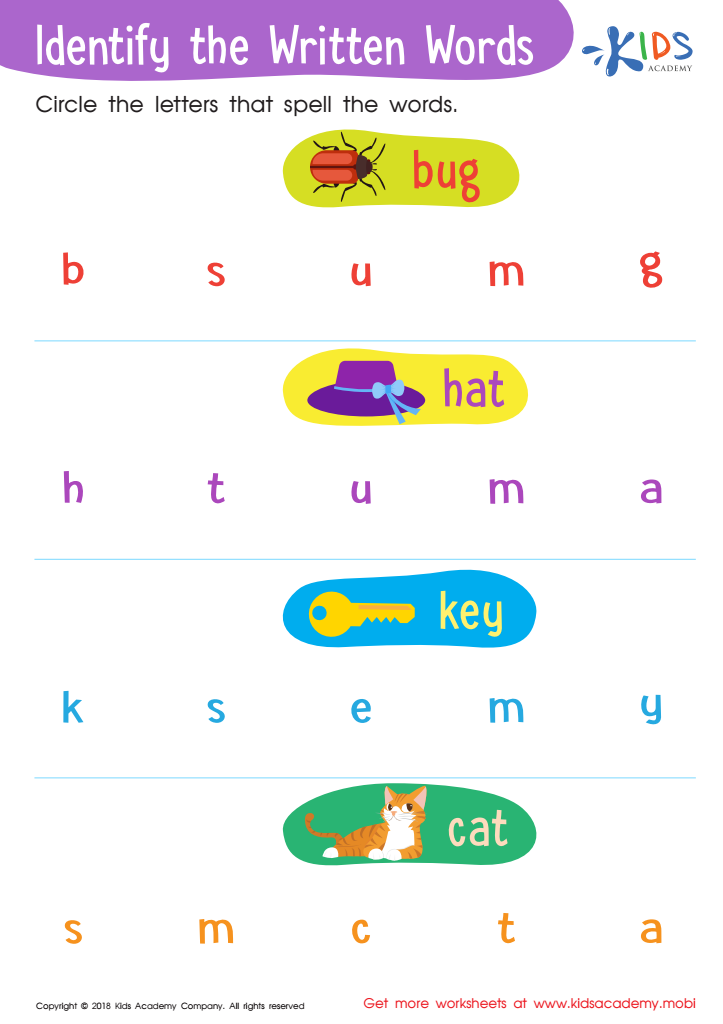
Identify the Written Words Worksheet
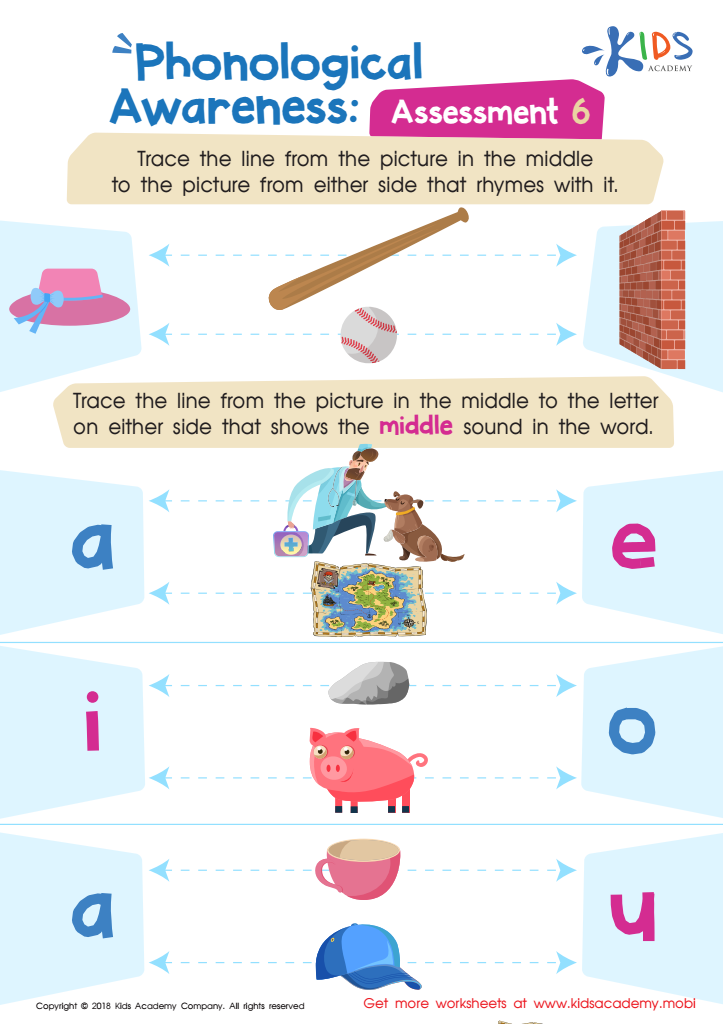
Phonological Awareness: Assessment 6 Worksheet
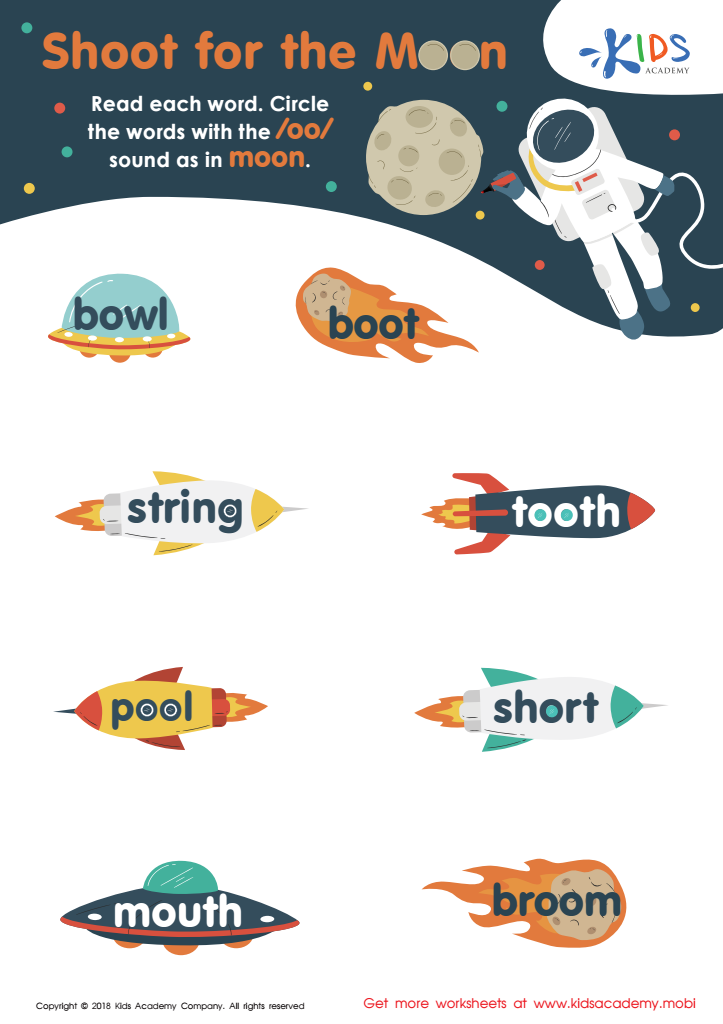
Reading: Shoot for the Moon Worksheet
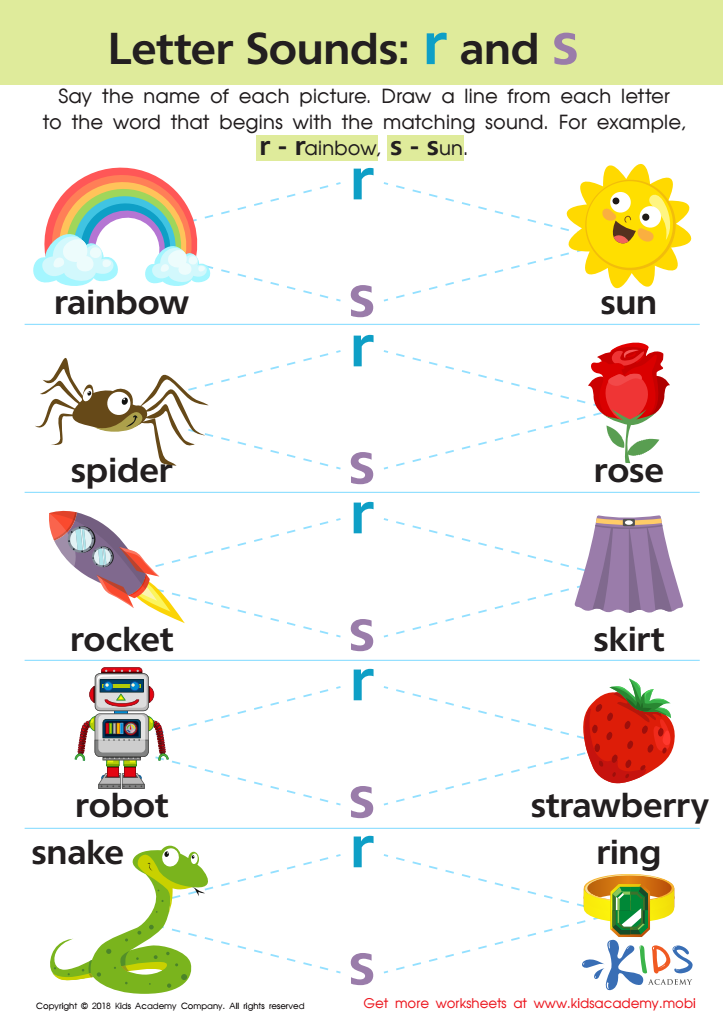
Letter R and S Sounds Worksheet
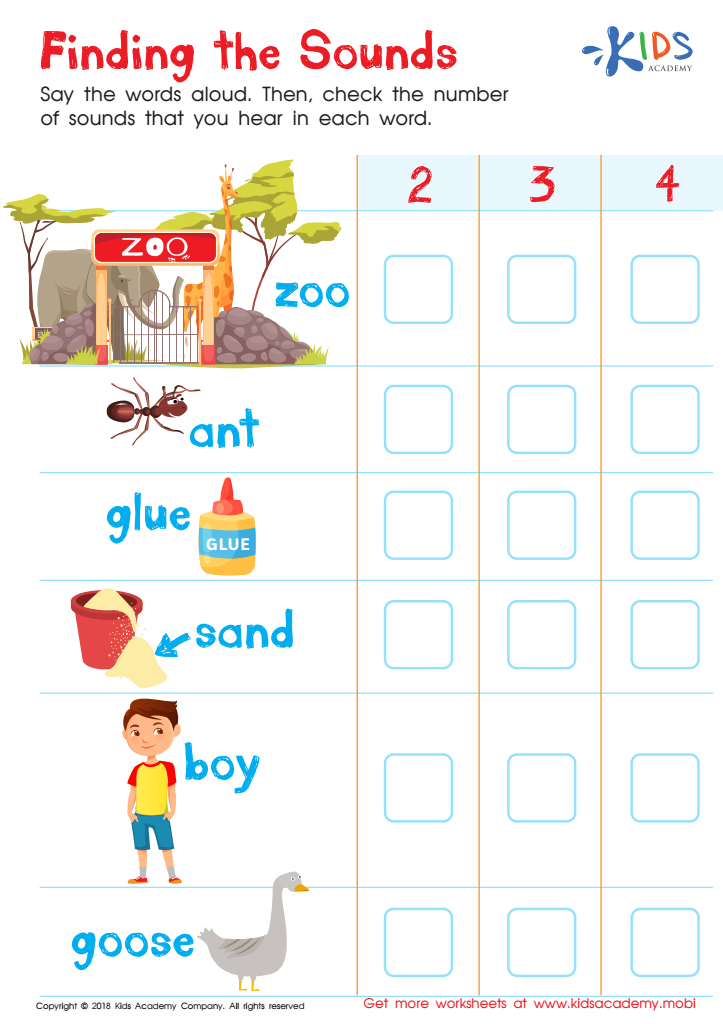
Finding the Sounds Worksheet
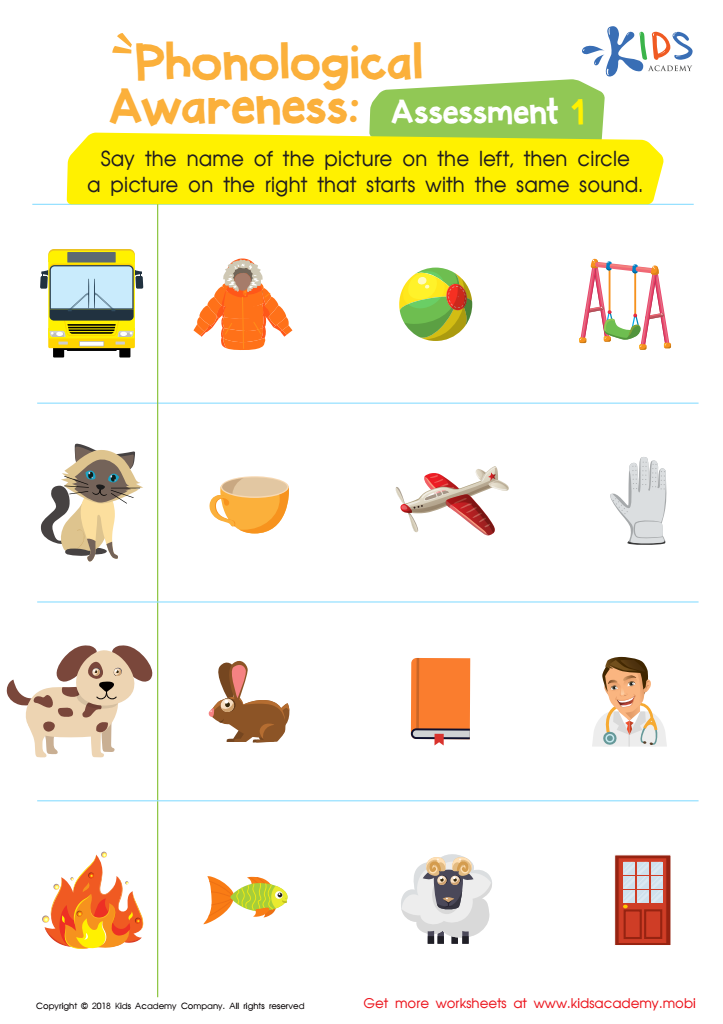
Phonological Awareness: Assessment 1 Worksheet
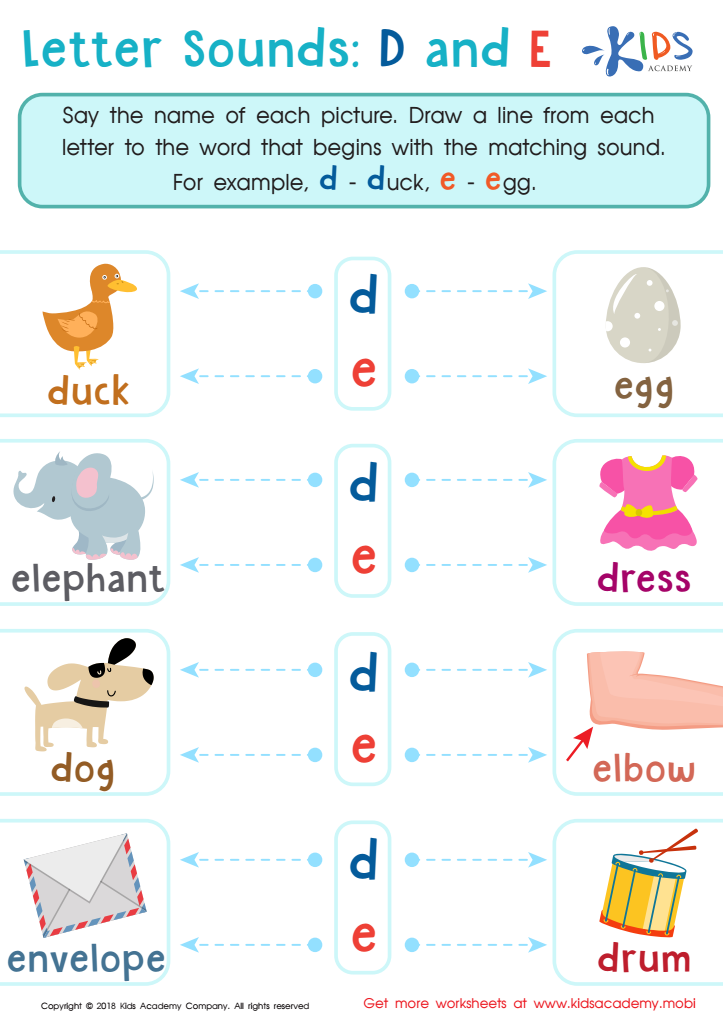
Letter D and E Sounds Worksheet








Vocabulary development and phonics are crucial for children ages 3-7 as they lay the foundation for effective communication and literacy skills. During these formative years, children's brains are highly receptive to language, making it the ideal time for vocabulary enrichment. A rich vocabulary enhances reading comprehension, writing skills, and overall educational success. It empowers children to express their thoughts and feelings clearly, fostering confidence in social interactions.
Phonics, the relationship between sounds and letters, is essential for reading proficiency. Mastering phonics allows young readers to decode unknown words, promoting greater fluency and comprehension. Engaging in phonics activities helps children grasp foundational reading skills, making the transition to independent reading smoother.
When parents and teachers prioritize vocabulary development and phonics, they are investing in a child’s future academic achievement. These skills not only contribute to literacy success but also build critical thinking abilities and language proficiency. Moreover, early interventions in these areas can mitigate future learning struggles.
Incorporating experiential learning through games, stories, and songs can make learning enjoyable, ensuring that children are motivated and engaged. By nurturing vocabulary and phonics, adults set children on a path toward lifelong learning and effective communication.







