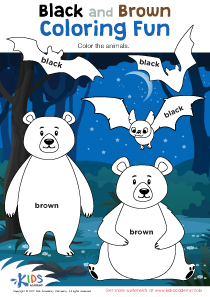
Counting skills English for Beginners Worksheets for Ages 3-7
10 filtered results
-
From - To
Enhance your child's counting skills with our English for Beginners worksheets designed for ages 3-7! Tailored for young learners, these engaging resources introduce basic counting concepts through colorful visuals and interactive activities. Our worksheets promote essential skills such as number recognition, sequencing, and one-to-one correspondence, making learning fun and effective. Each activity encourages children to practice their counting in a playful context, paving the way for future success in math and language development. Perfect for classroom use or at-home learning, these worksheets provide a strong foundation for early numeracy while reinforcing English language skills. Start counting with confidence today!
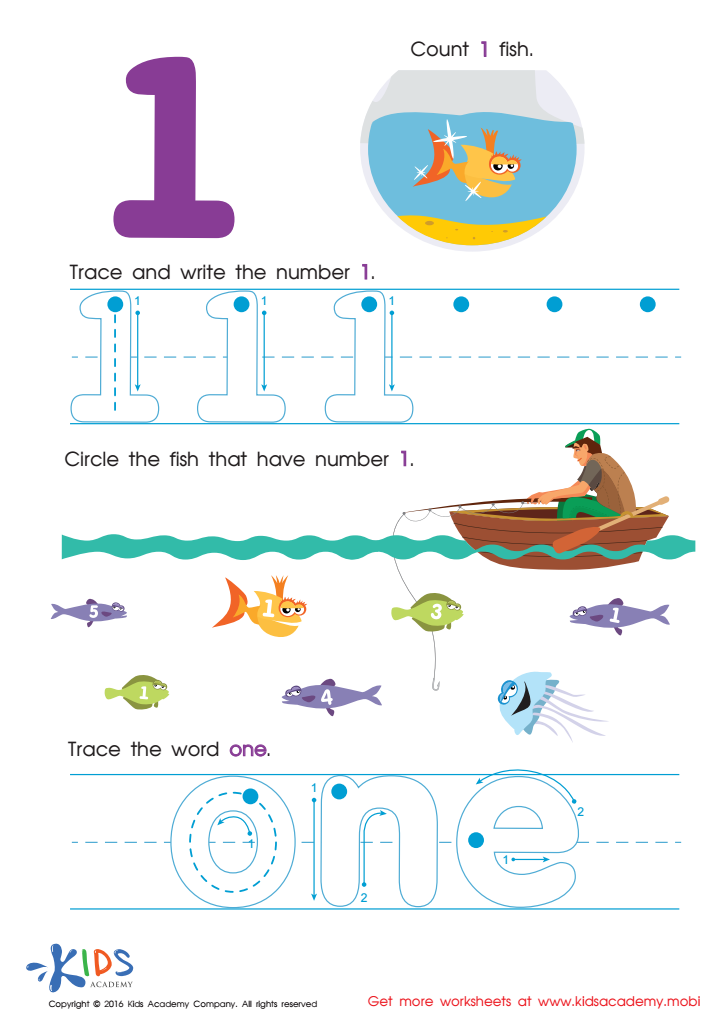
Learning to Write 1 Worksheet
 Assign to My Students
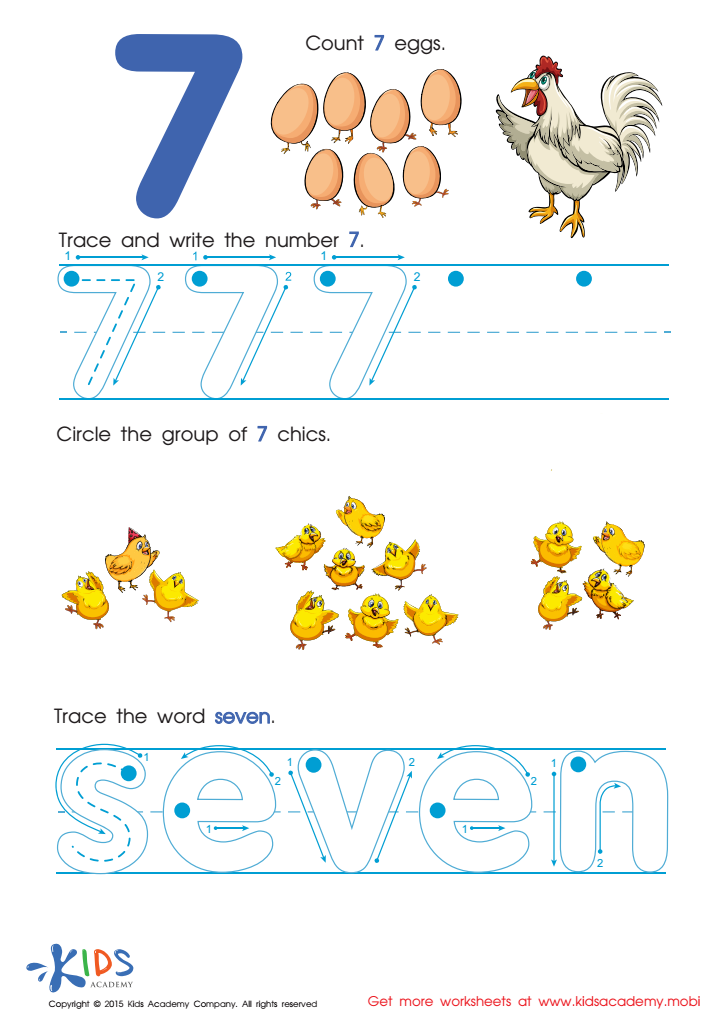
Trace And Write Number 7 with Fun Worksheet
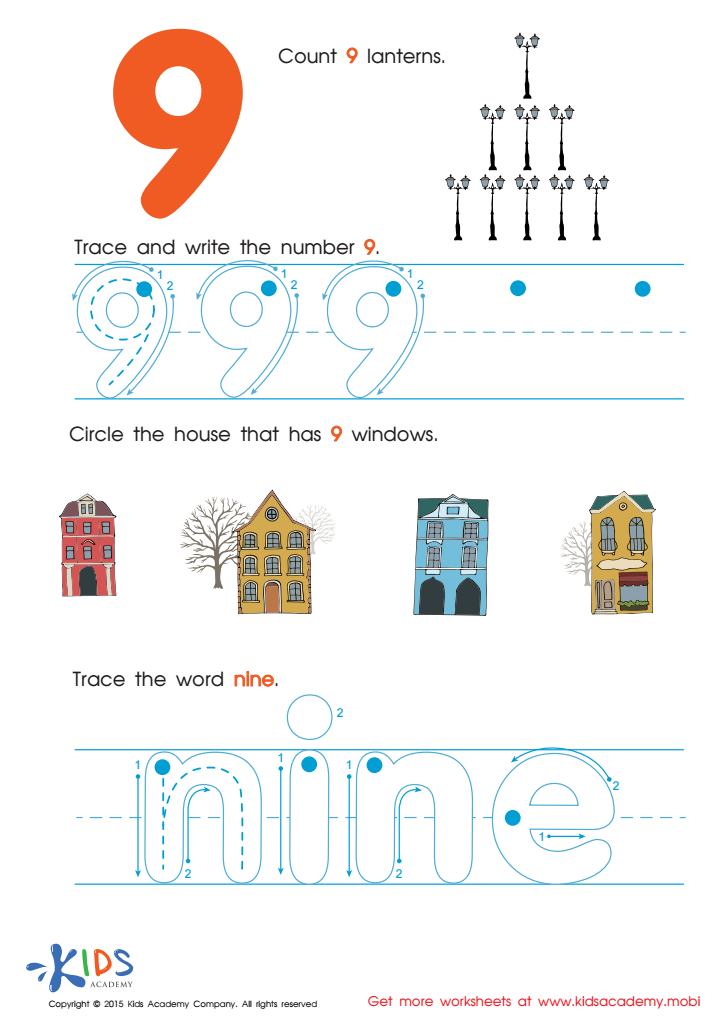
Tracing And Learning to Write Number 9 Worksheet
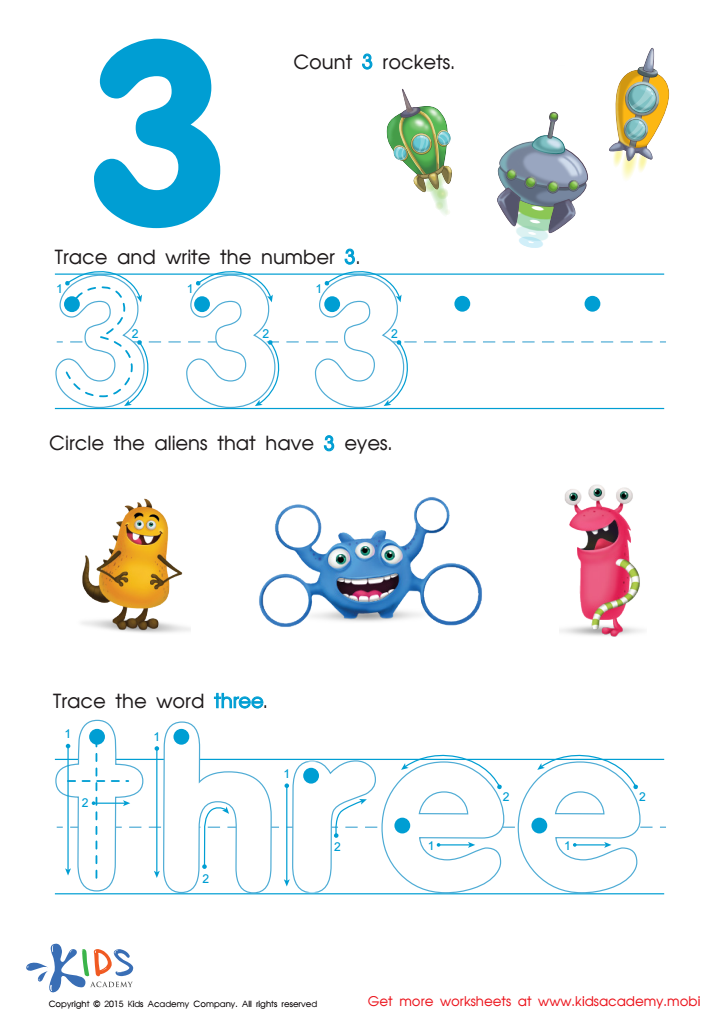
Learning Number Three Worksheet
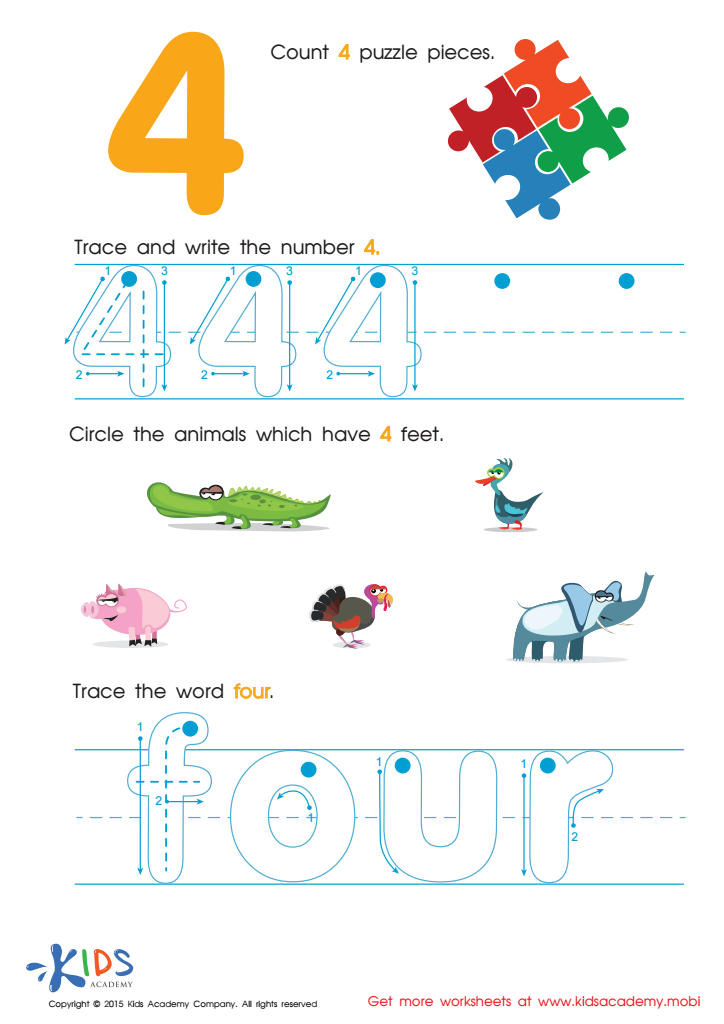
Teaching Children to Write Number 4 Worksheet
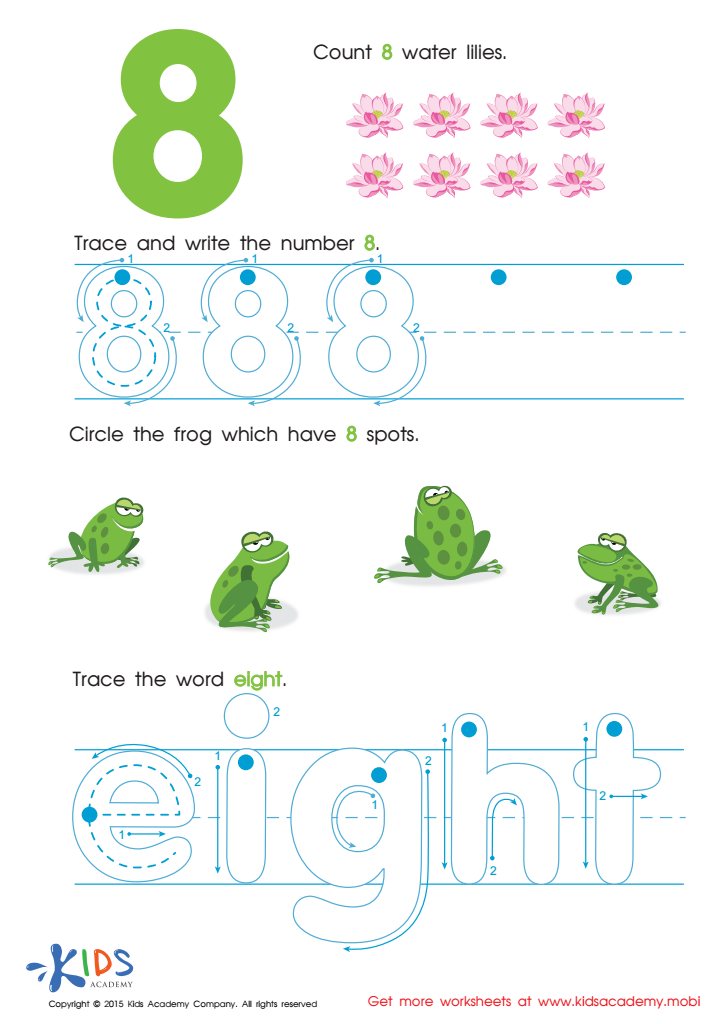
Learn Number 8 Easily Worksheet
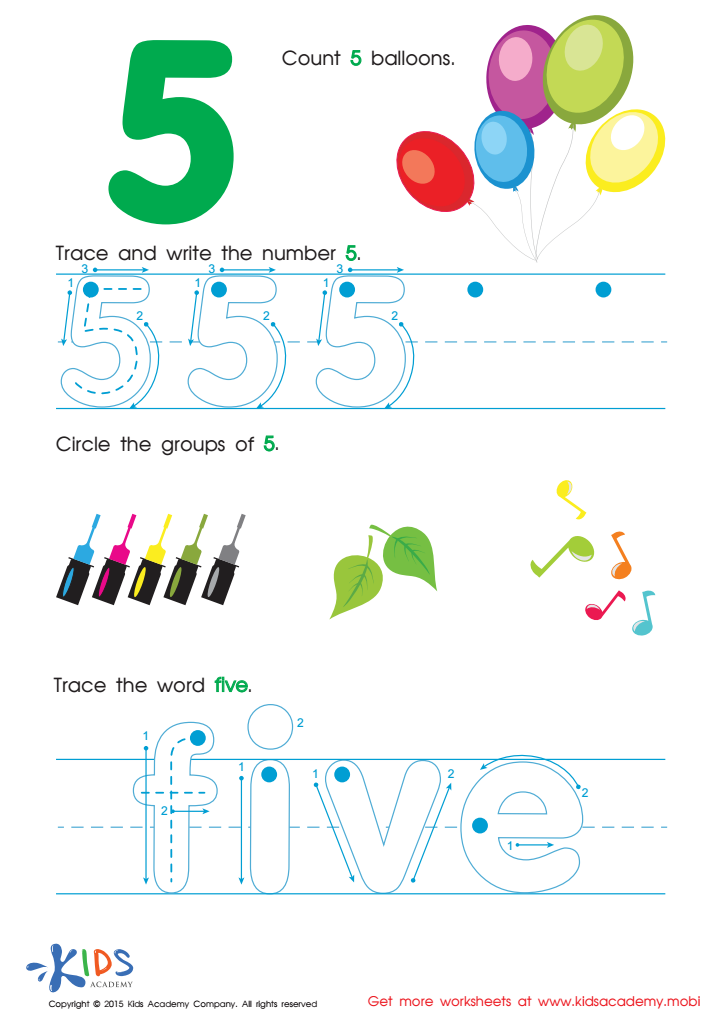
Practice Writing Number 5 Worksheet
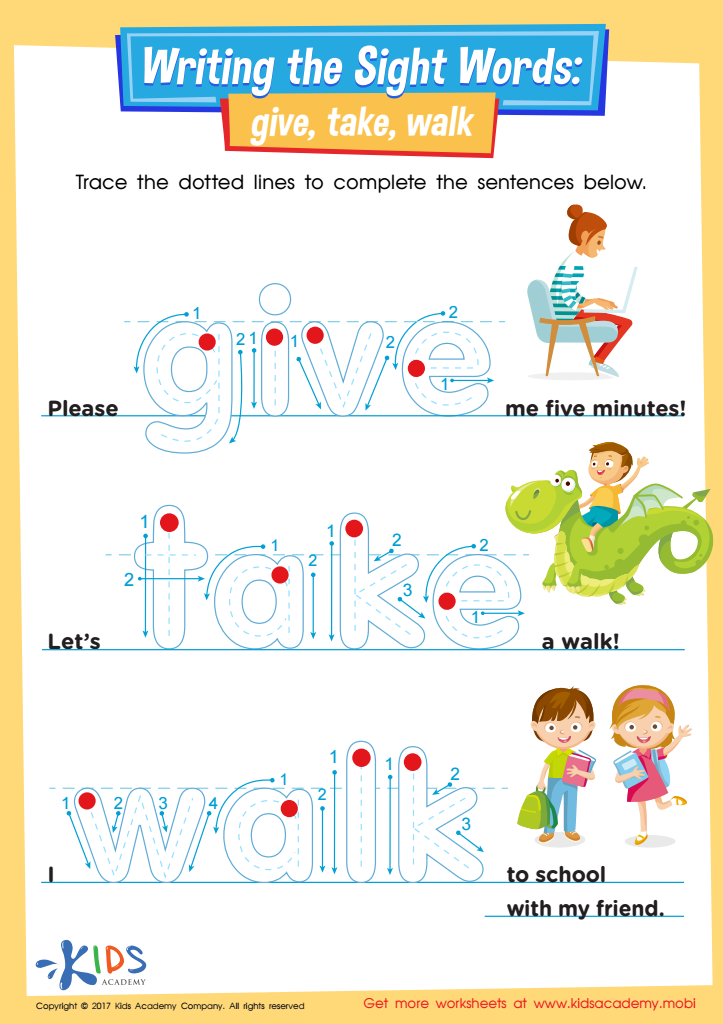
Give, Take, Walk Printable Sight Words Worksheet
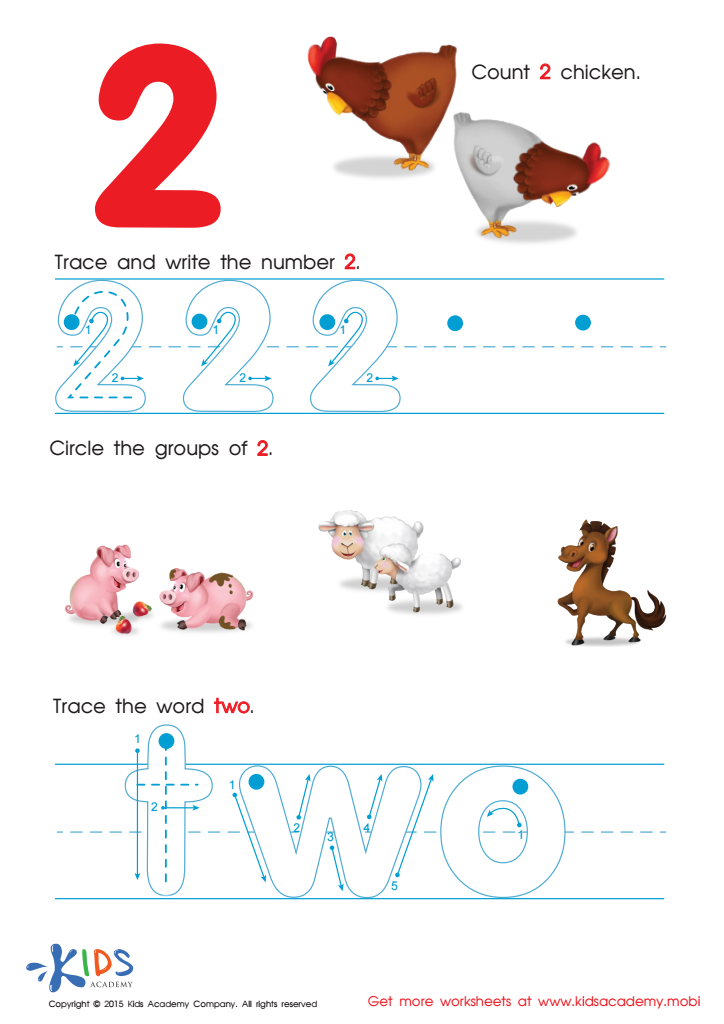
Learn to Write the Number 2 Worksheet
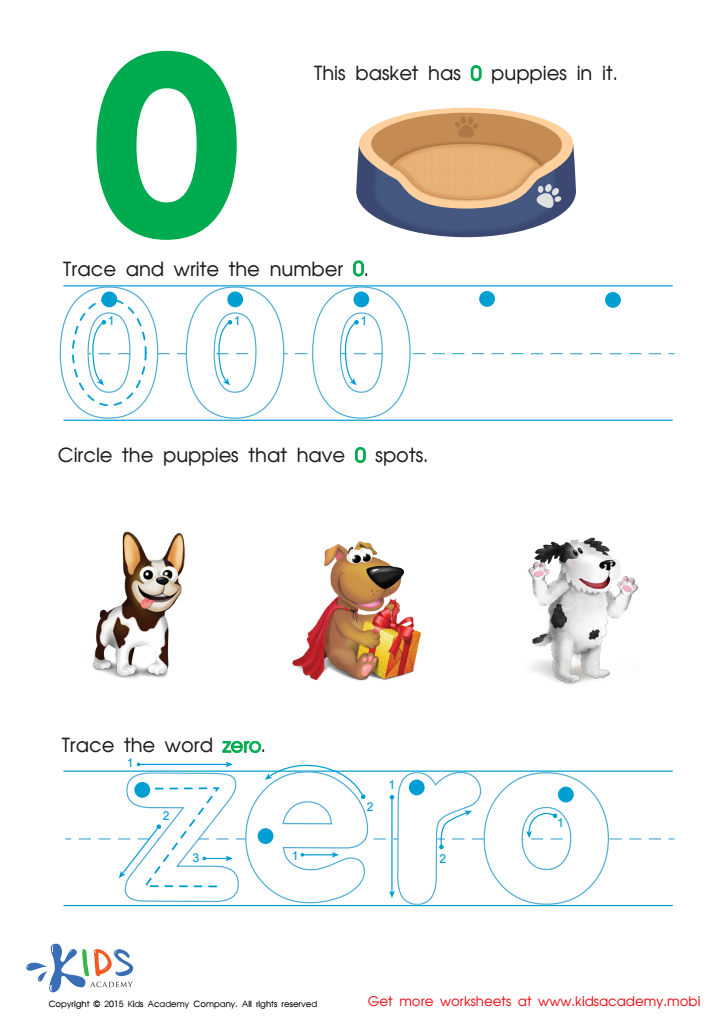
Trace And Write Number 0 Worksheet





Parents and teachers should prioritize counting skills for beginners aged 3-7 because these foundational tools are crucial for early math development and overall cognitive growth. Counting not only serves as the first step in math but also fosters critical thinking and problem-solving skills that are essential in everyday life. Children learn to recognize numbers, understand quantity, and develop number sense, all of which are key to their academic success.
Moreover, counting lays the groundwork for more advanced concepts such as addition, subtraction, and later, multiplication and division. Engaging children in fun counting activities, like counting objects or singing number songs, can make the learning process enjoyable and meaningful.
Additionally, counting activities promote fine motor skills and language development, enhancing coordination and communication as children express their thoughts and ideas about numbers. Encouraging an early love for numbers through playful interactions can create a positive attitude towards learning math in the future.
In summary, investing time and effort in developing counting skills for young learners not only benefits their immediate educational outcomes but also builds essential life skills, setting the stage for future learning in a variety of contexts.