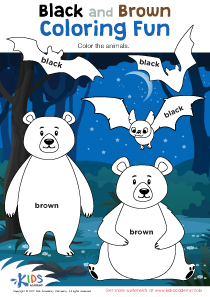
Number Recognition English for Beginners Worksheets for Ages 3-7
13 filtered results
-
From - To
Discover our engaging "Number Recognition English for Beginners Worksheets" designed specifically for children ages 3-7. These worksheets introduce young learners to fundamental number concepts through fun activities, such as counting exercises, number tracing, and interactive games. Each worksheet is crafted to captivate and motivate your child, fostering a love for learning while enhancing their English language skills. Carefully aligned with early education standards, our resources provide a solid foundation in number recognition and promote critical thinking. Perfect for homeschooling or supplementary classroom activities, these worksheets make learning numbers enjoyable and effective. Start your child's educational journey today!
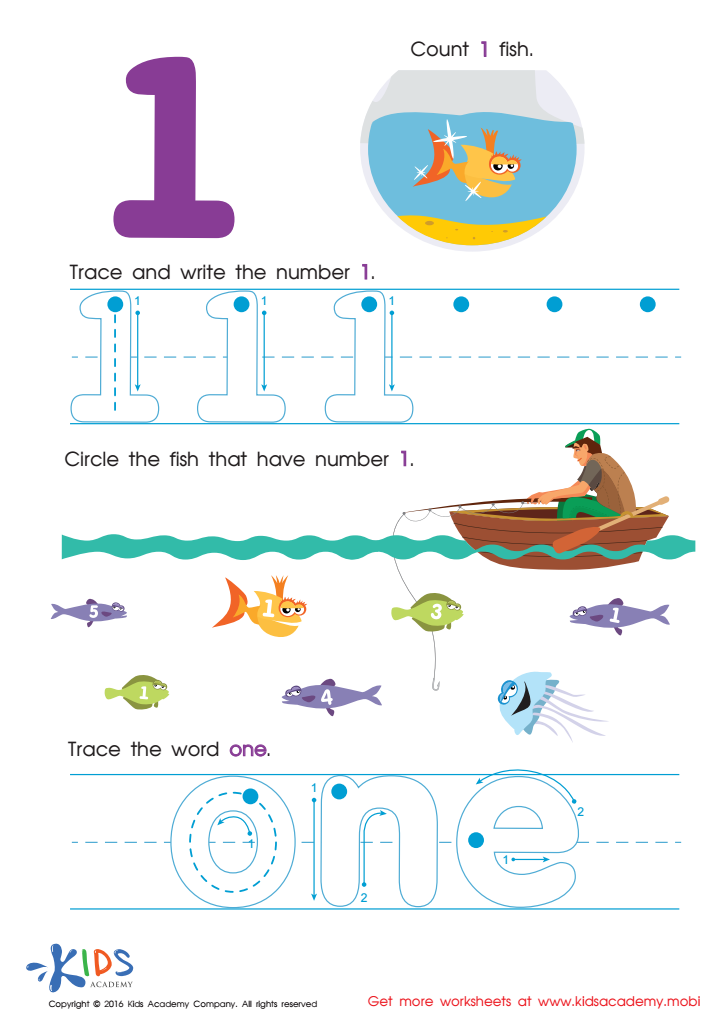
Learning to Write 1 Worksheet
 Assign to My Students
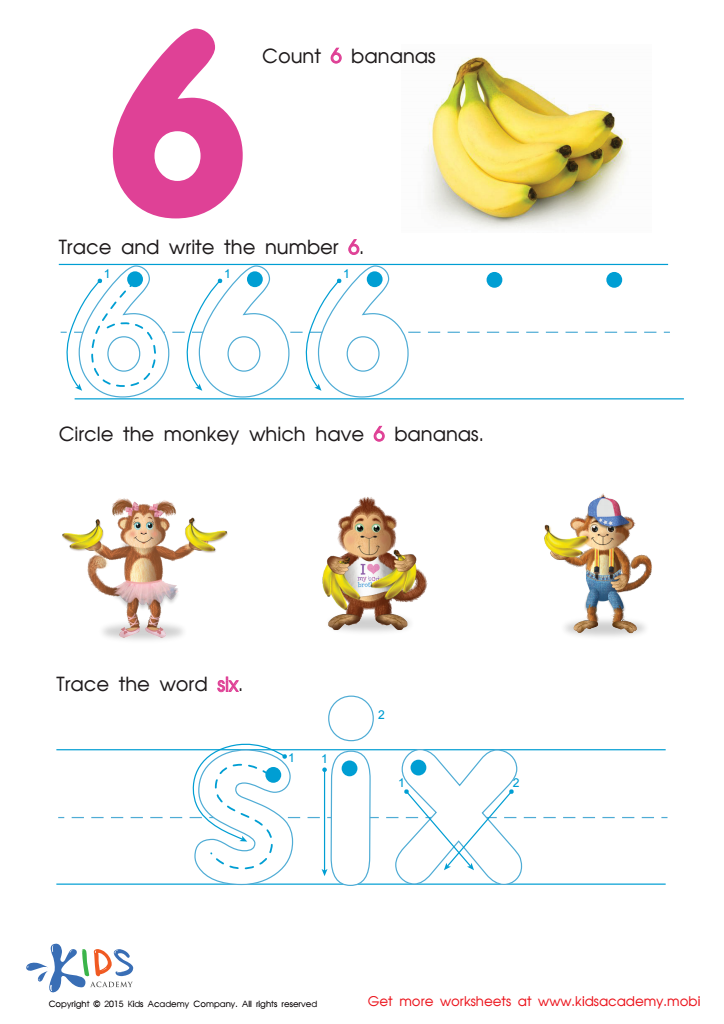
Tracing And Writing Number 6 Worksheet
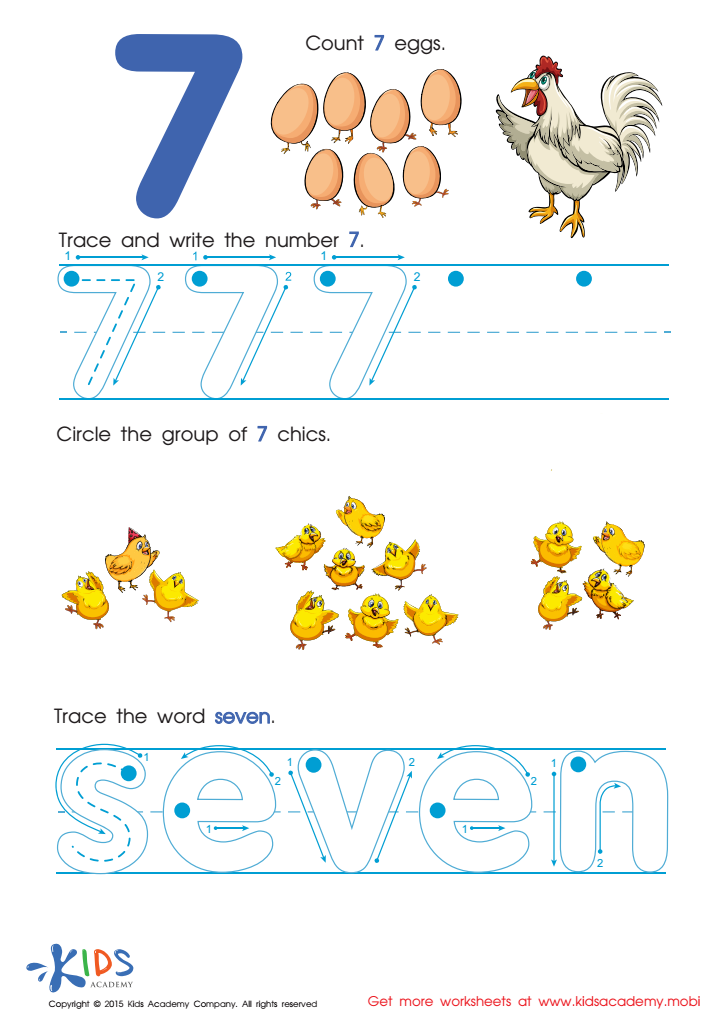
Trace And Write Number 7 with Fun Worksheet
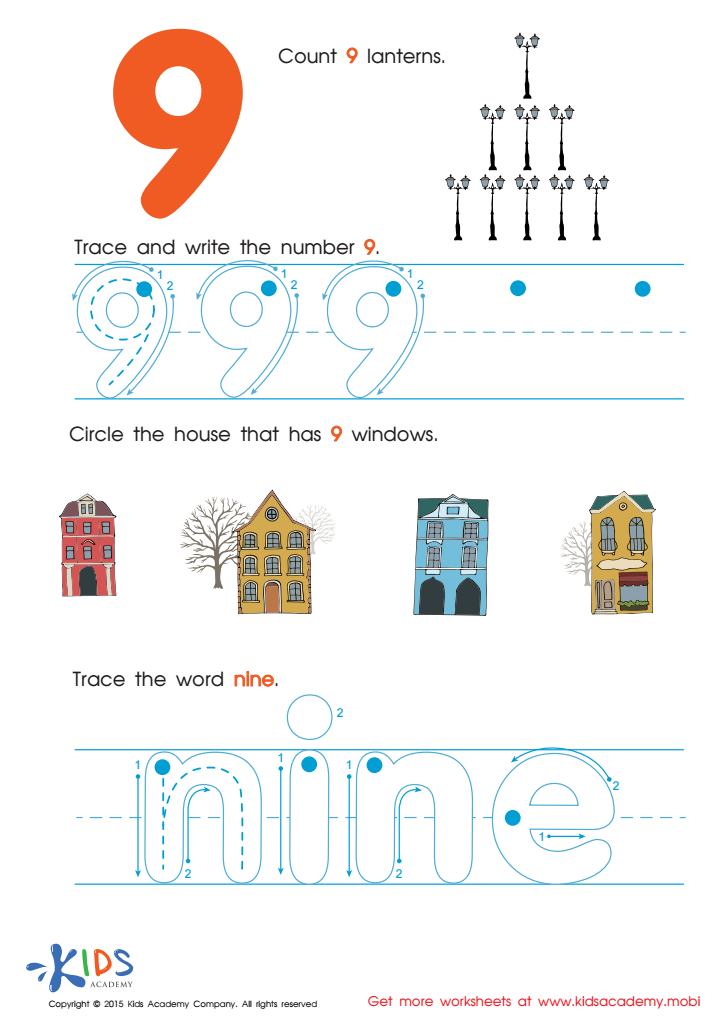
Tracing And Learning to Write Number 9 Worksheet
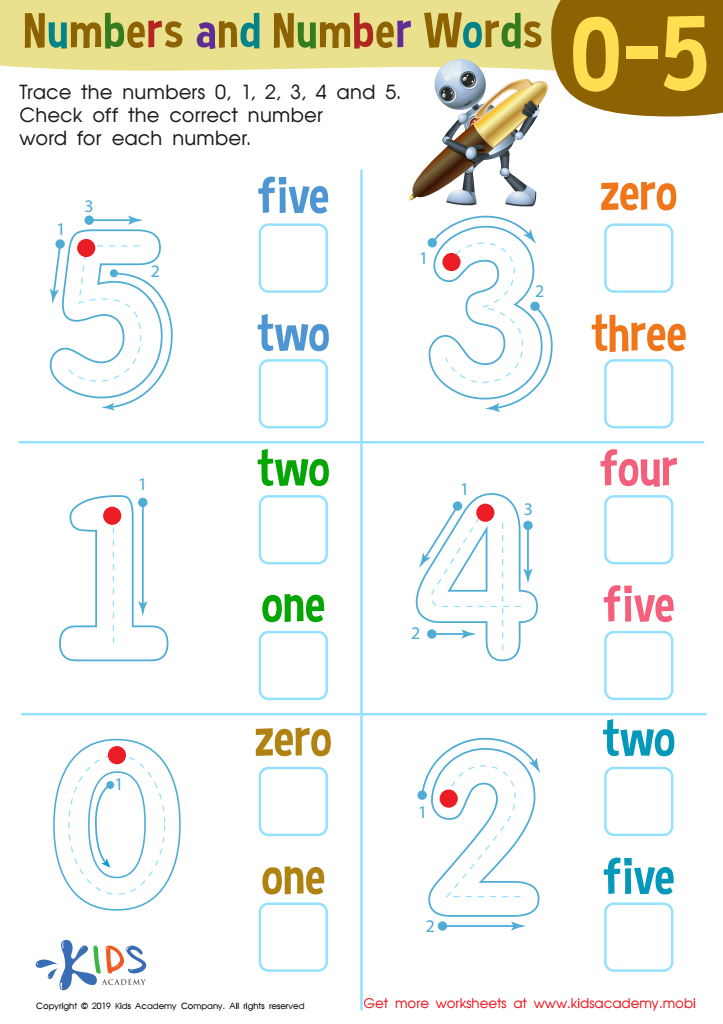
Numbers and Number Words Worksheet
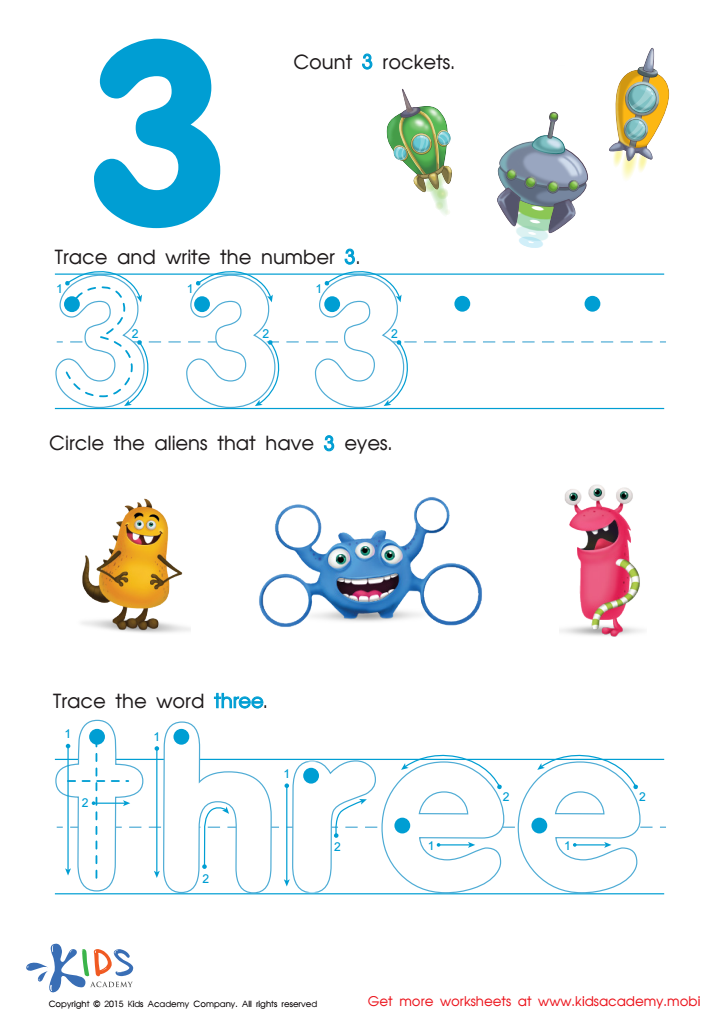
Learning Number Three Worksheet
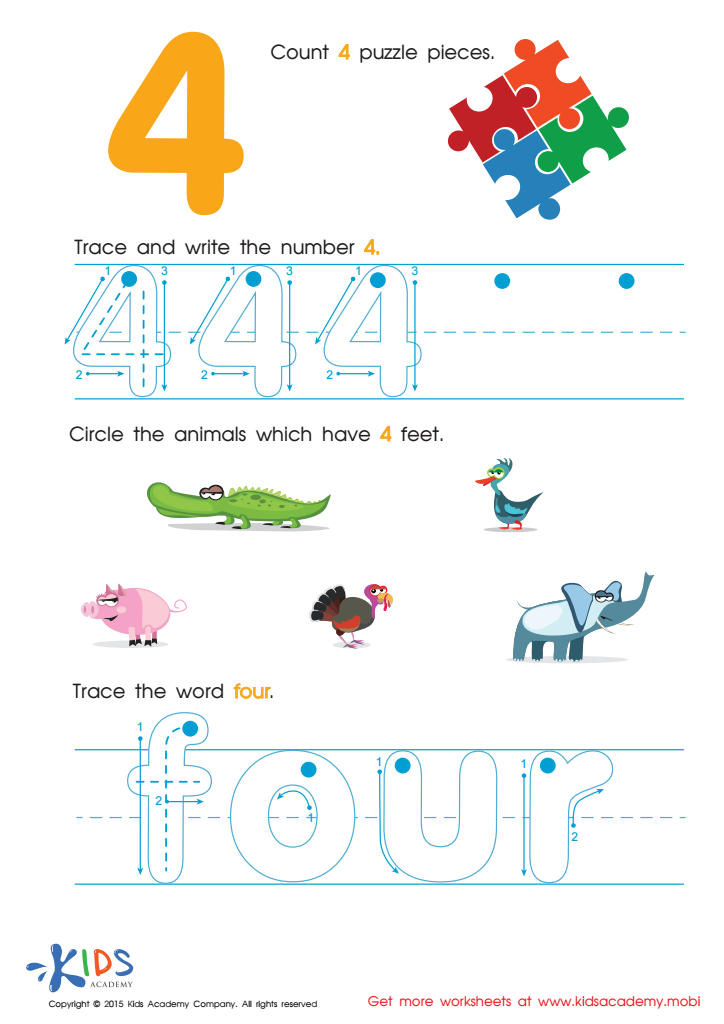
Teaching Children to Write Number 4 Worksheet
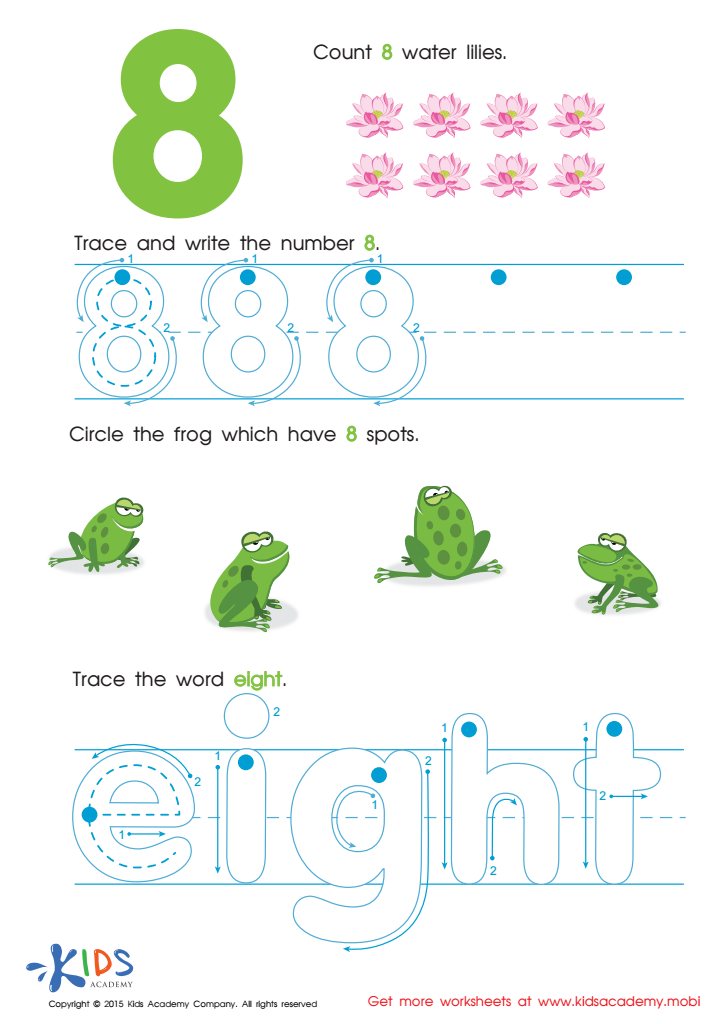
Learn Number 8 Easily Worksheet
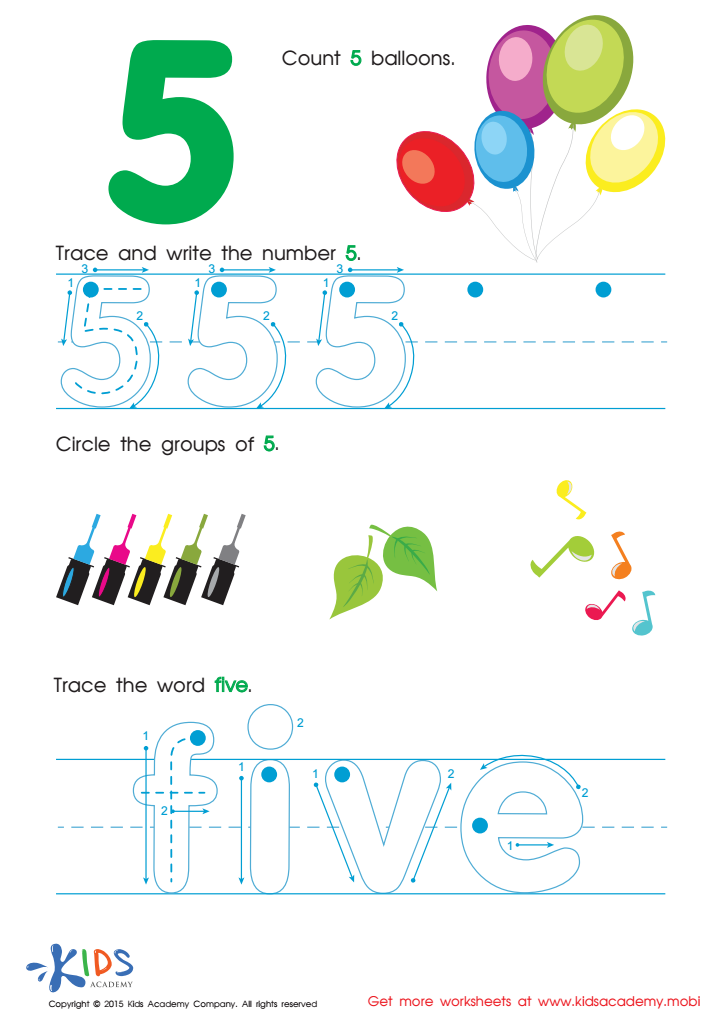
Practice Writing Number 5 Worksheet
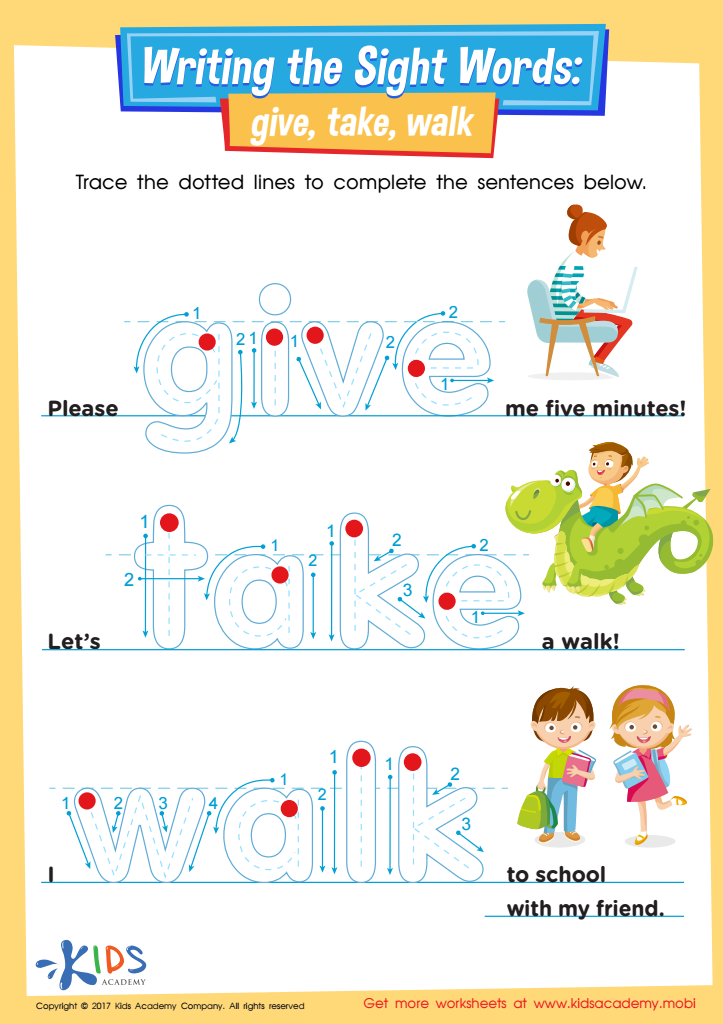
Give, Take, Walk Printable Sight Words Worksheet
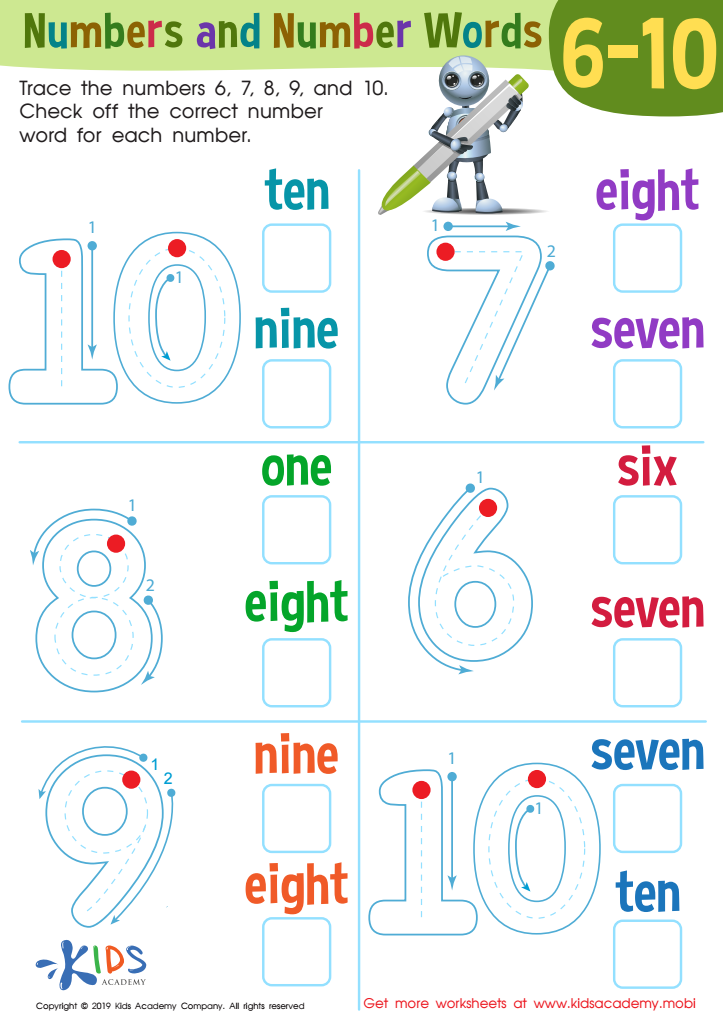
Numbers and Number Words 6–1 Worksheet
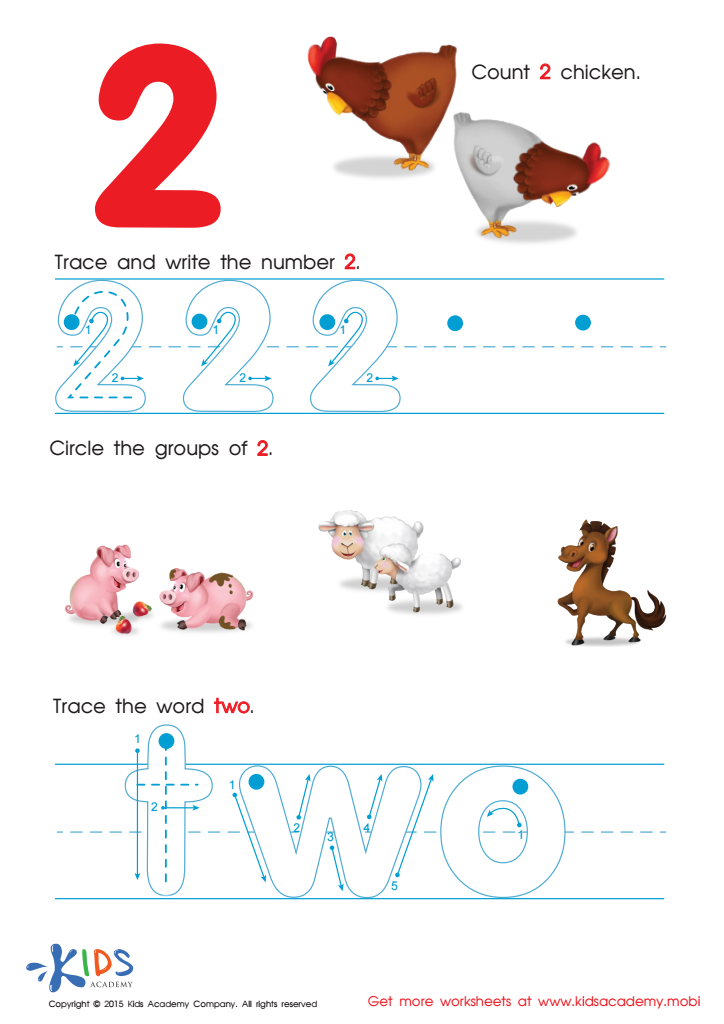
Learn to Write the Number 2 Worksheet
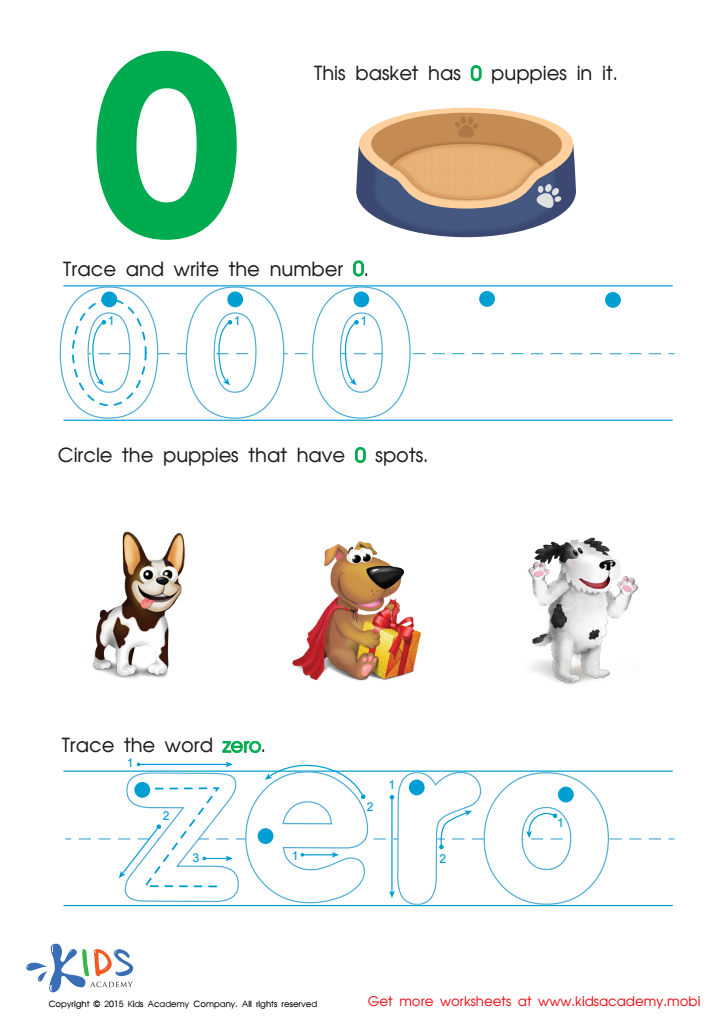
Trace And Write Number 0 Worksheet





Number recognition is a fundamental skill that lays the groundwork for mathematical understanding and overall cognitive development in children ages 3-7. For parents and teachers, fostering number recognition is crucial for several reasons.
Firstly, it enhances critical thinking and problem-solving skills. When children can identify numbers, they can engage in counting, basic arithmetic, and understanding sequences. This early math literacy supports their self-esteem and confidence as they advance through educational milestones.
Secondly, number recognition connects to various areas of learning, including language development, fine motor skills, and social interactions. Familiarity with numbers paves the way for learning mathematical language and concepts, allowing children to articulate their thoughts and experiences effectively.
Additionally, strong number recognition lays the foundation for future math skills, creating a smoother transition into more complex mathematical ideas as they grow. Early exposure to numbers and math in a fun, engaging way can spark a lifelong interest in these subjects.
Ultimately, by prioritizing number recognition in young learners, parents and teachers provide them with essential tools for success in both academic and real-world situations, making it a vital focus for early education.