Check out this FREE "Comparing Fractions" Trial Lesson for age 3-7!

Short and Long Vowel Sort

Favorites
With answer key
Interactive
  • 3-7
  • Comparing Fractions
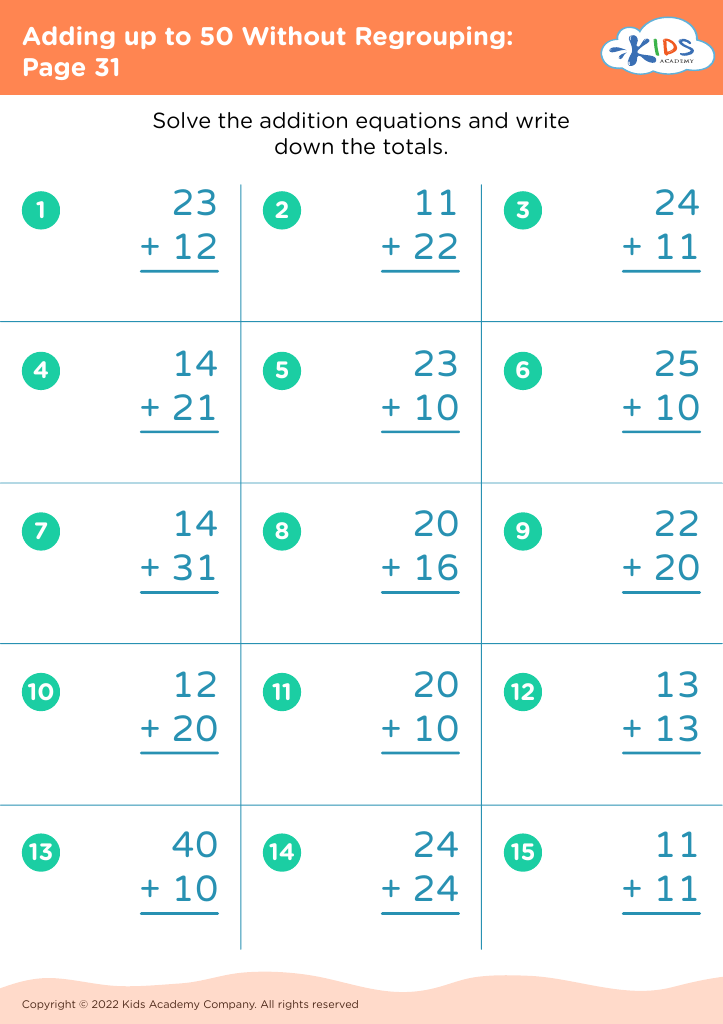
Adding up to 50 Without Regrouping: Page 31
Worksheet
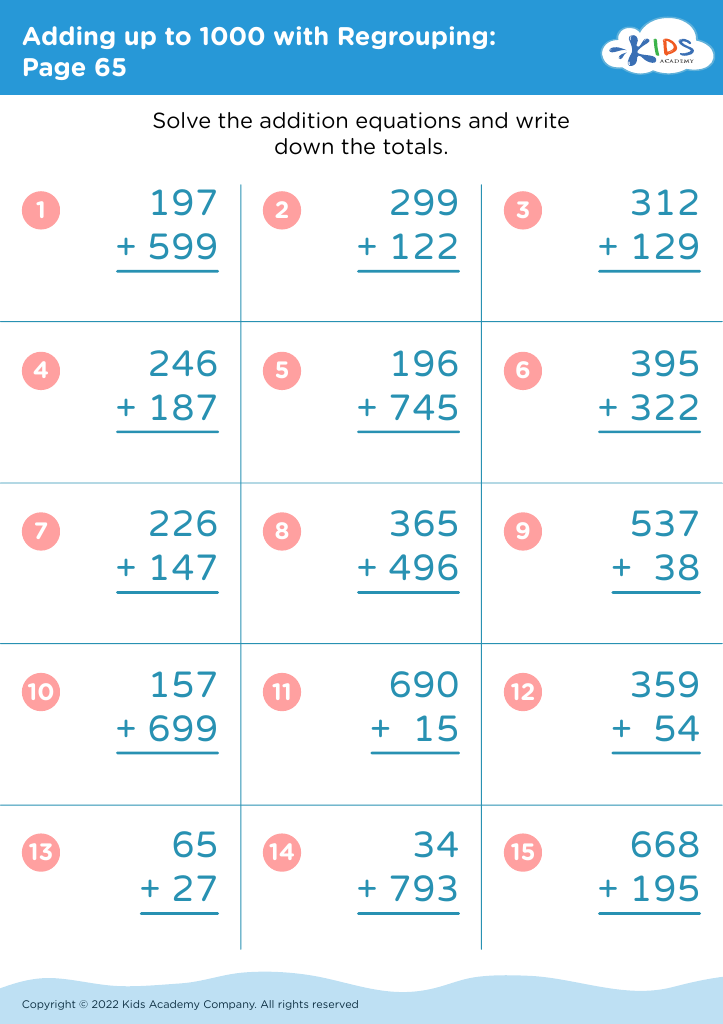
Adding up to 1000 with Regrouping: Page 65
Worksheet
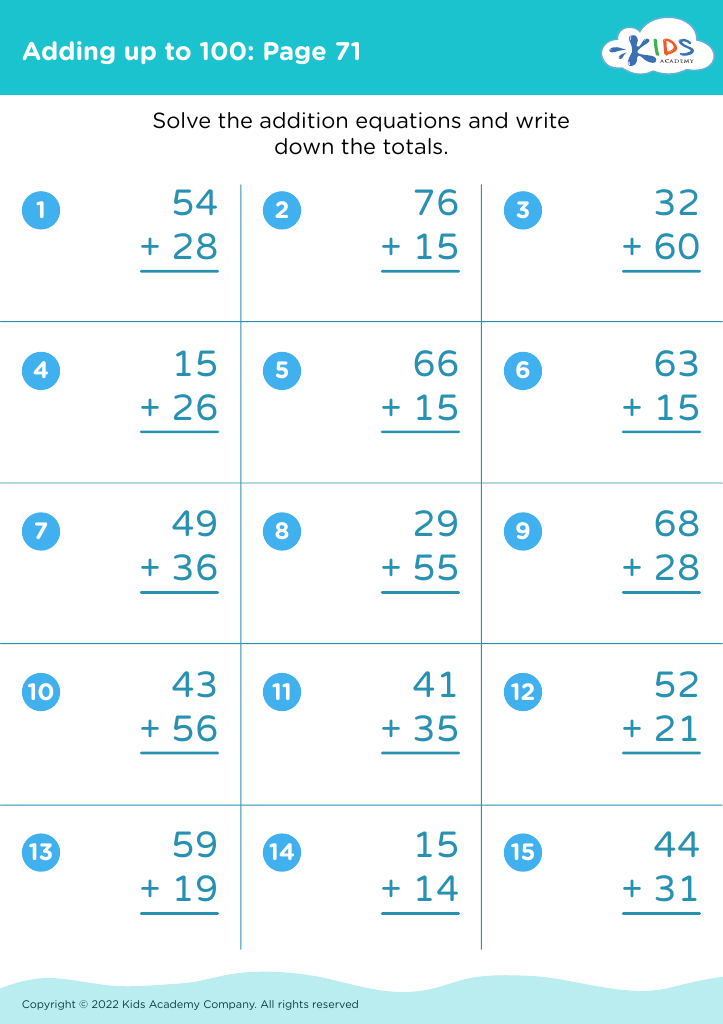
Adding up to 100: Page 71

Adding up to 100: Page 71

Adding up to 100: Page 71
Worksheet
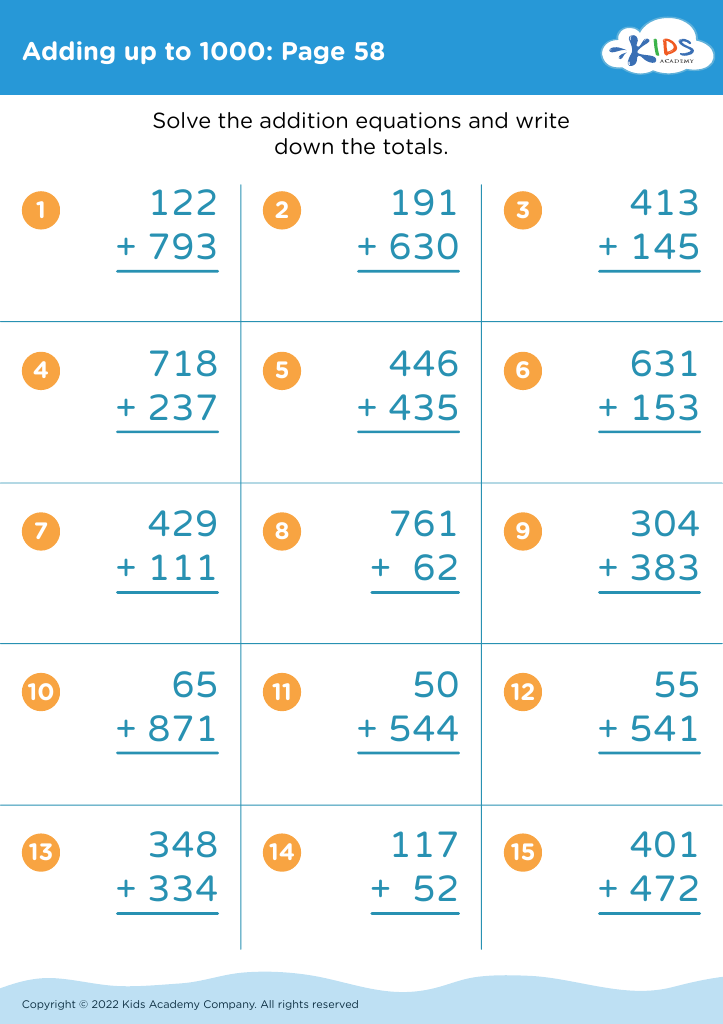
Adding up to 1000: Page 58

Adding up to 1000: Page 58

Adding up to 1000: Page 58
Worksheet
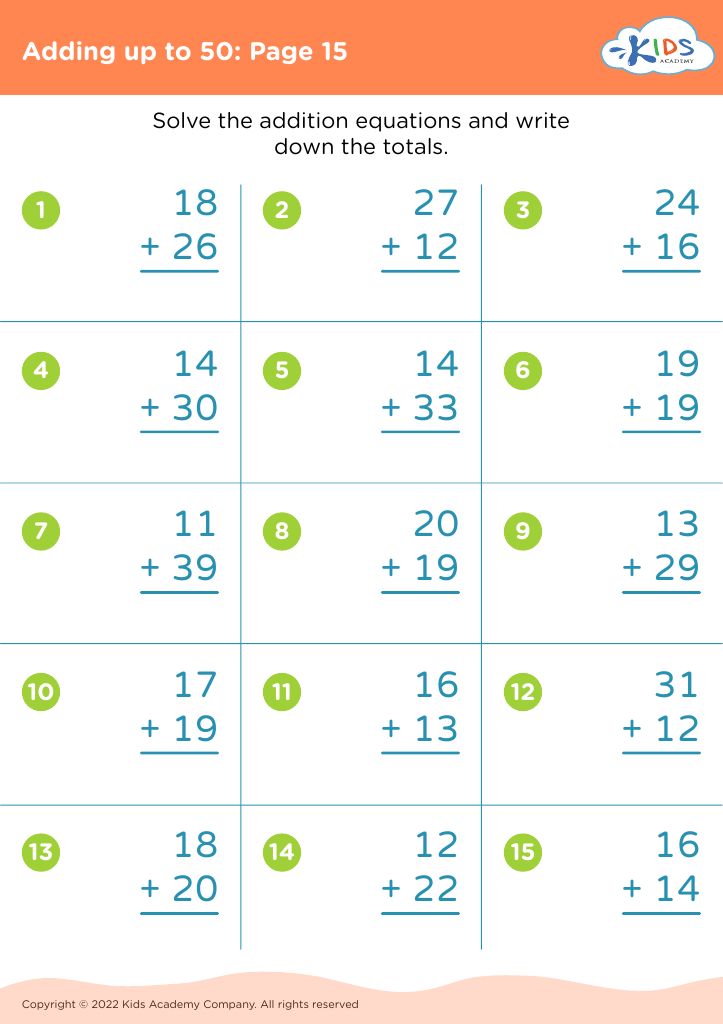
Adding up to 50: Page 15

Adding up to 50: Page 15

Adding up to 50: Page 15
Worksheet
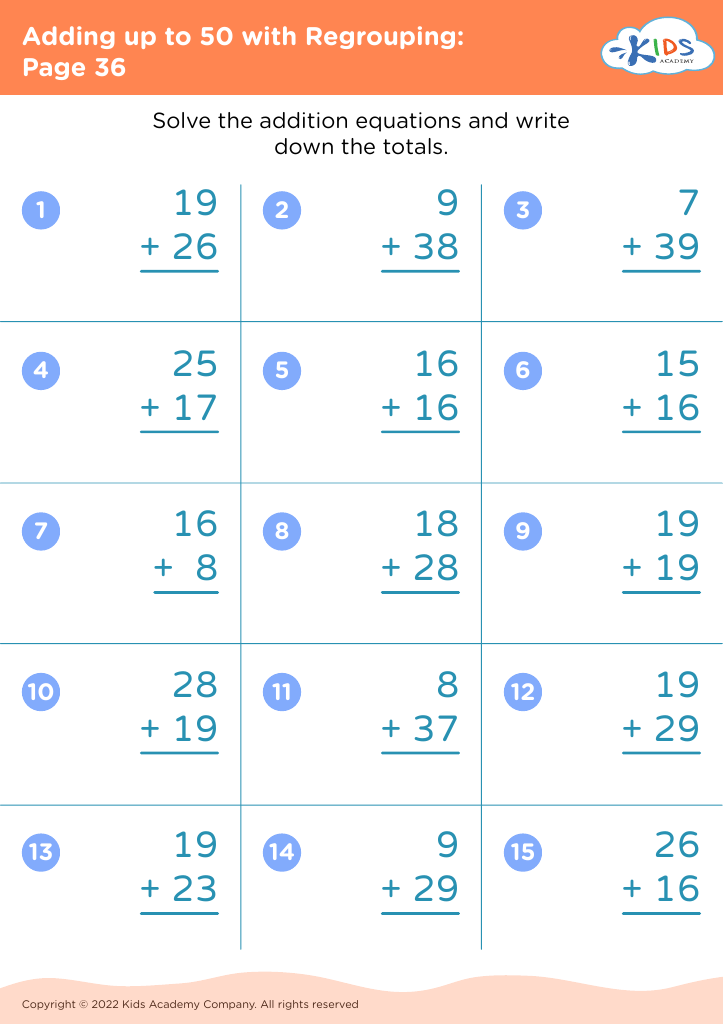
Adding up to 50 with Regrouping: Page 36
Worksheet
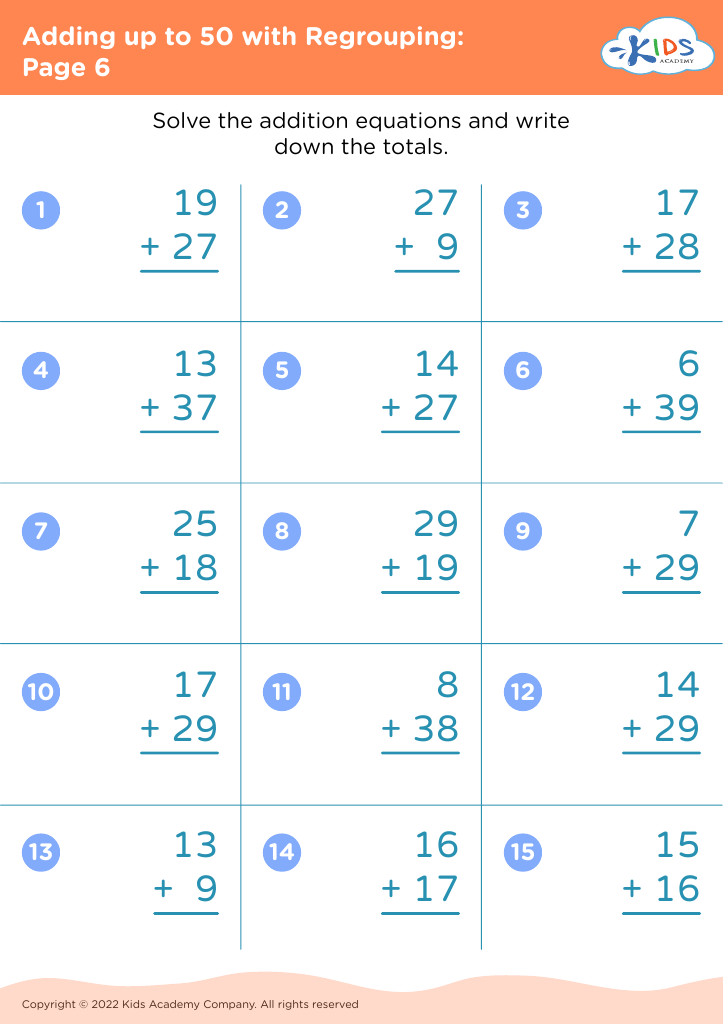
Adding up to 50 with Regrouping: Page 6
Worksheet
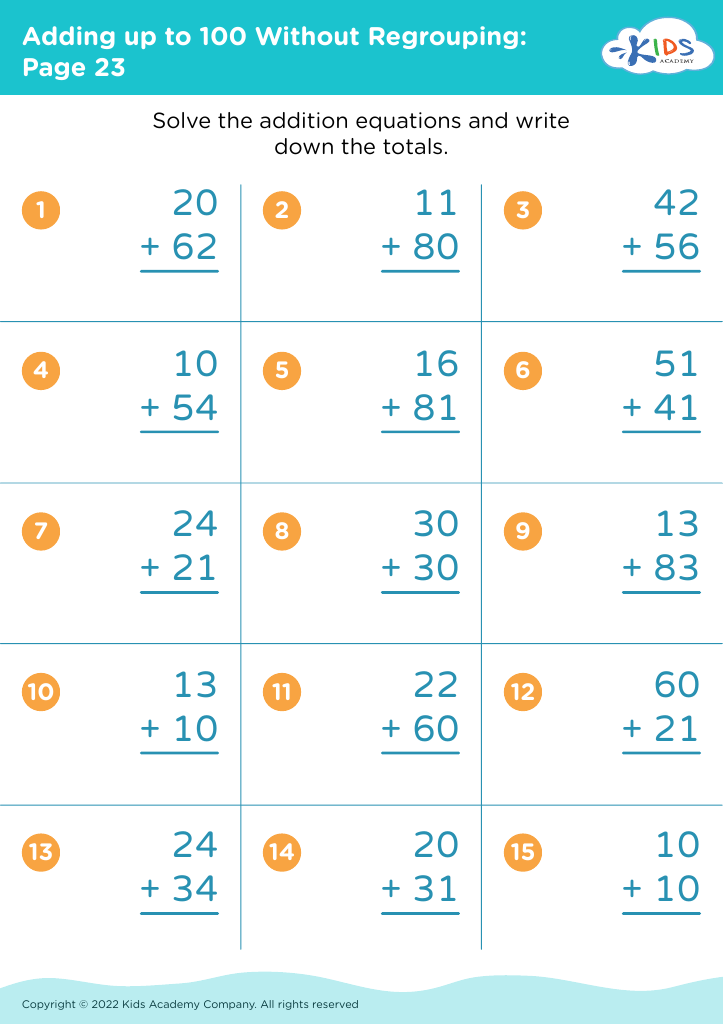
Adding up to 100 Without Regrouping: Page 23
Worksheet
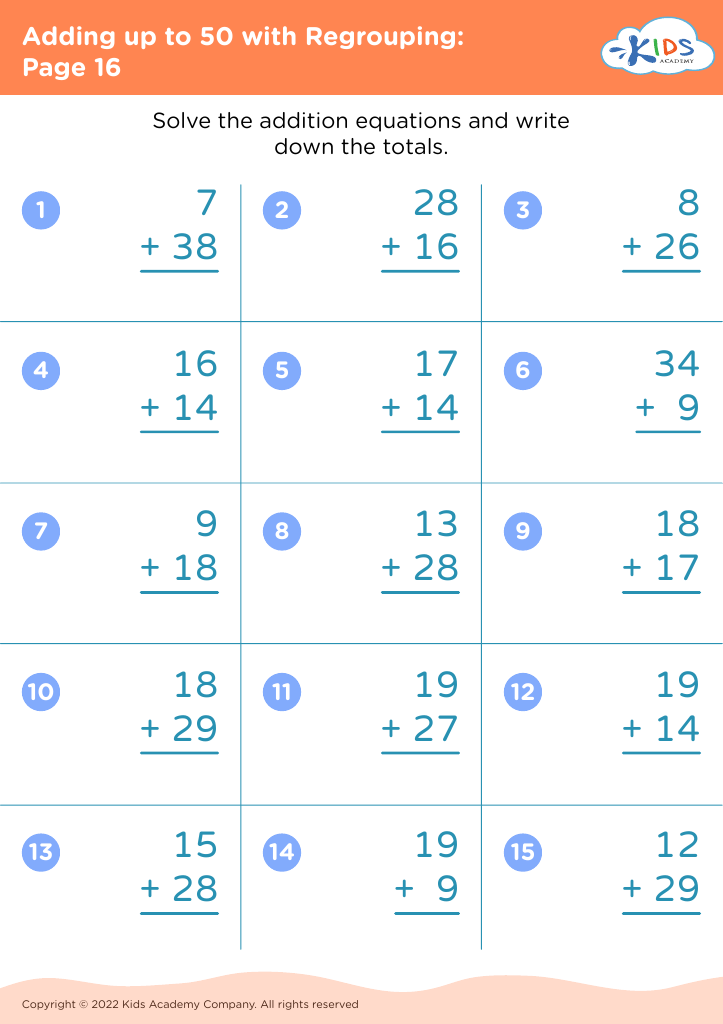
Adding up to 50 with Regrouping: Page 16
Worksheet
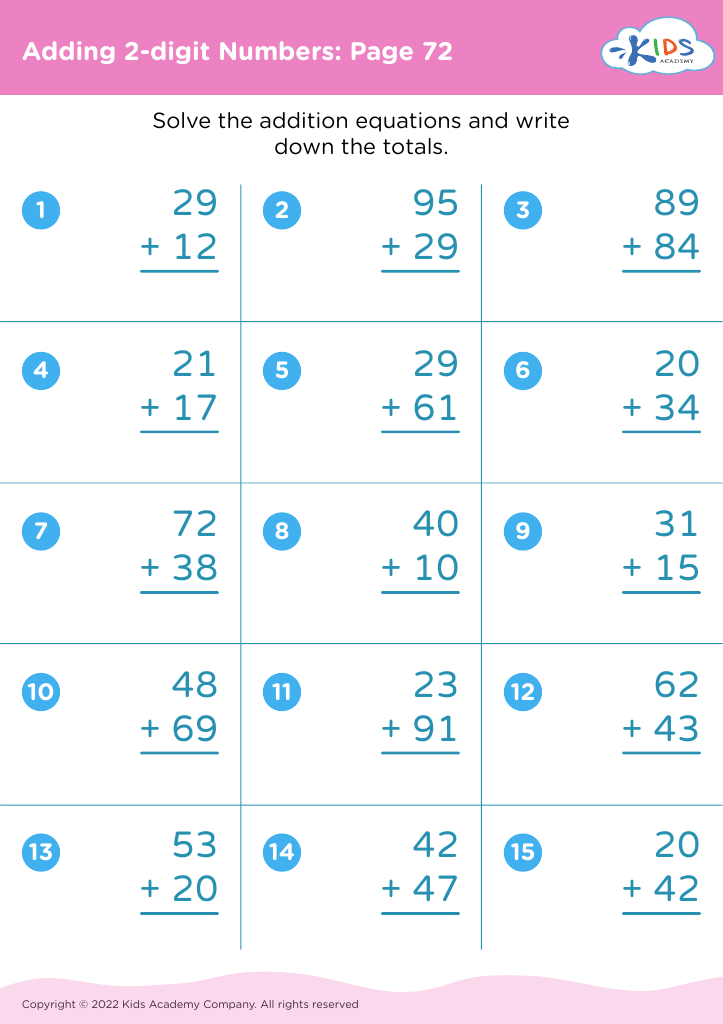
Adding 2-digit Numbers: Page 72

Adding 2-digit Numbers: Page 72

Adding 2-digit Numbers: Page 72
Worksheet
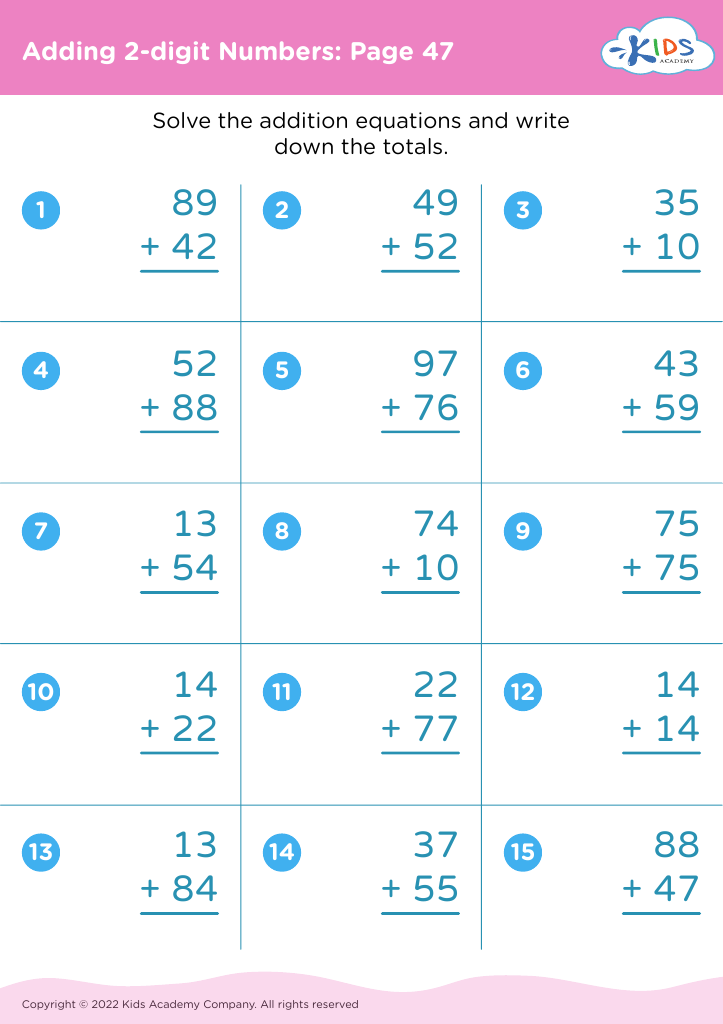
Adding 2-digit Numbers: Page 47

Adding 2-digit Numbers: Page 47

Adding 2-digit Numbers: Page 47
Worksheet
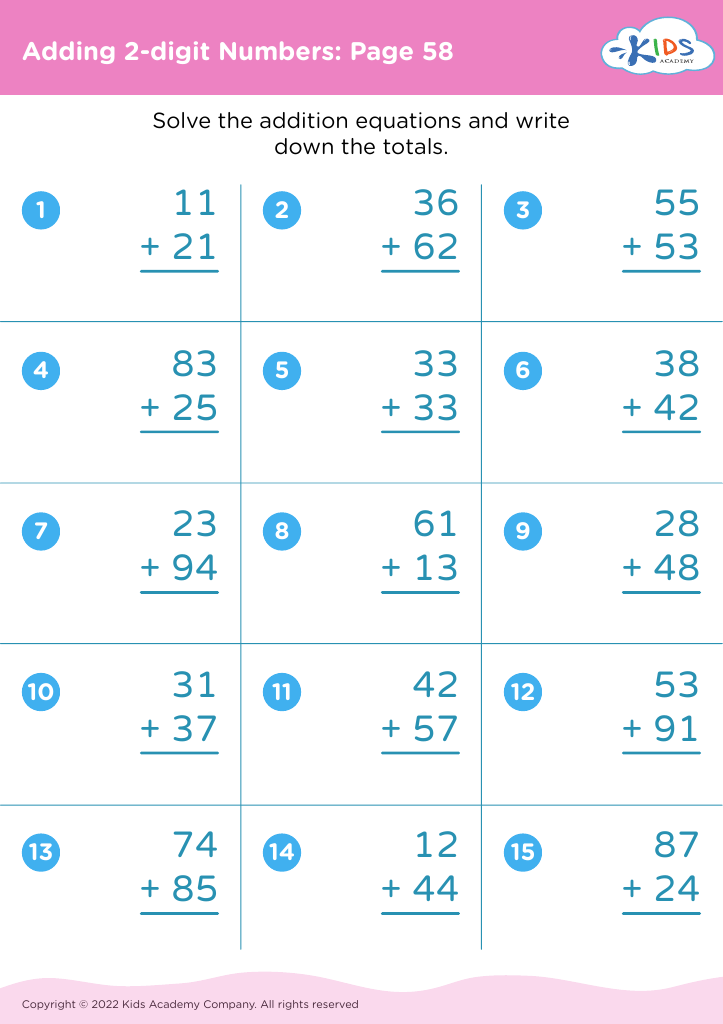
Adding 2-digit Numbers: Page 58

Adding 2-digit Numbers: Page 58

Adding 2-digit Numbers: Page 58
Worksheet
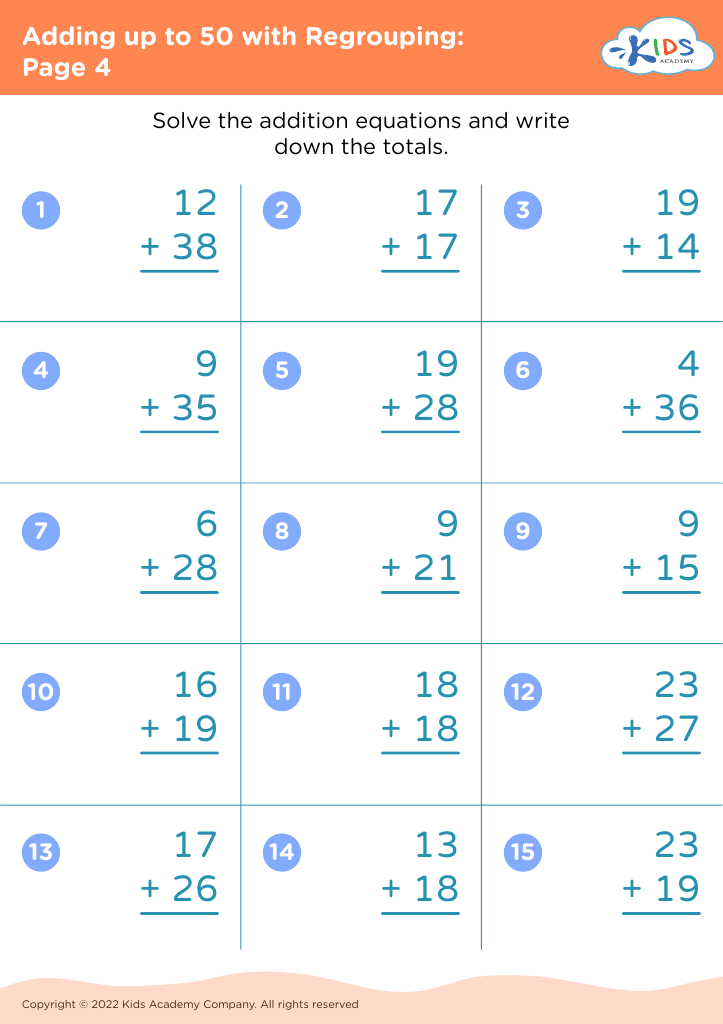
Adding up to 50 with Regrouping: Page 4
Worksheet
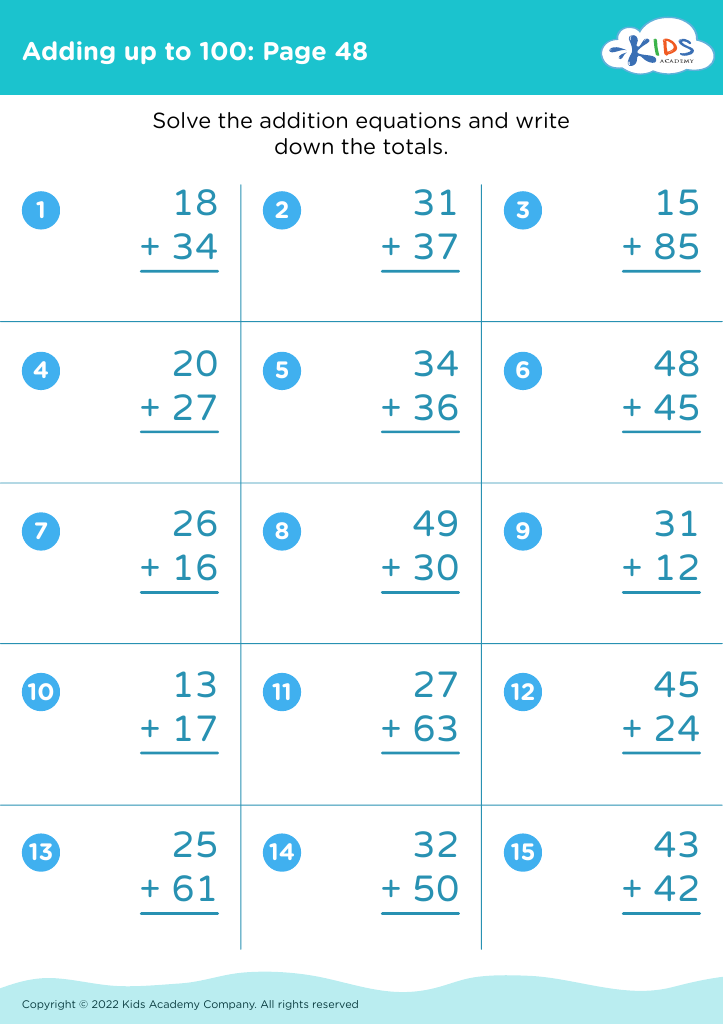
Adding up to 100: Page 48

Adding up to 100: Page 48

Adding up to 100: Page 48
Worksheet
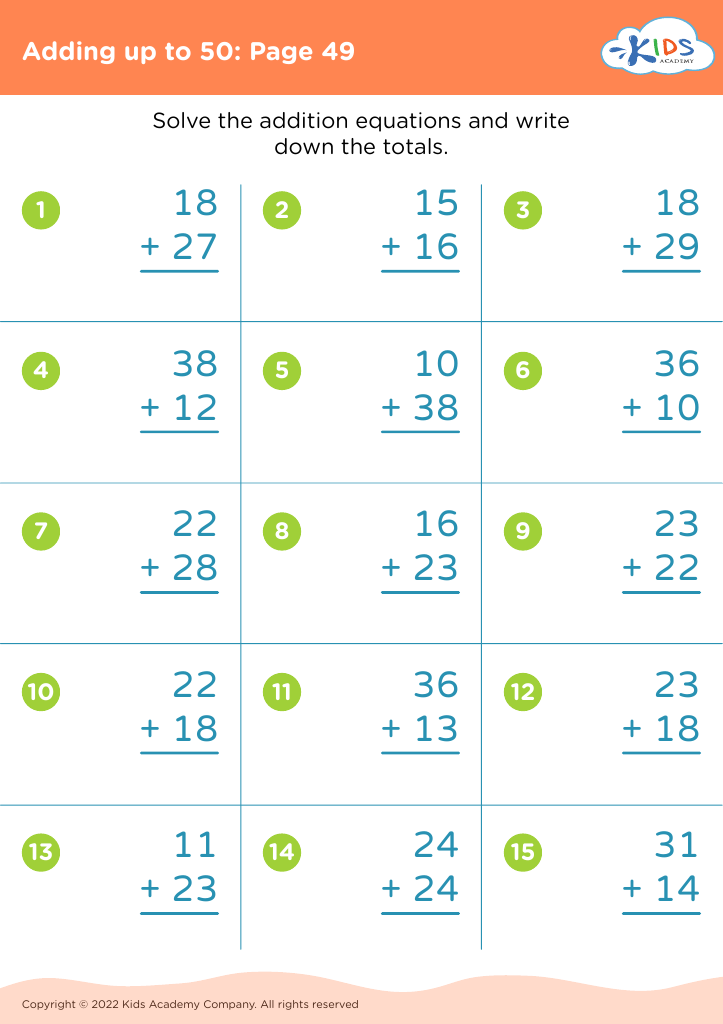
Adding up to 50: Page 49

Adding up to 50: Page 49

Adding up to 50: Page 49
Worksheet
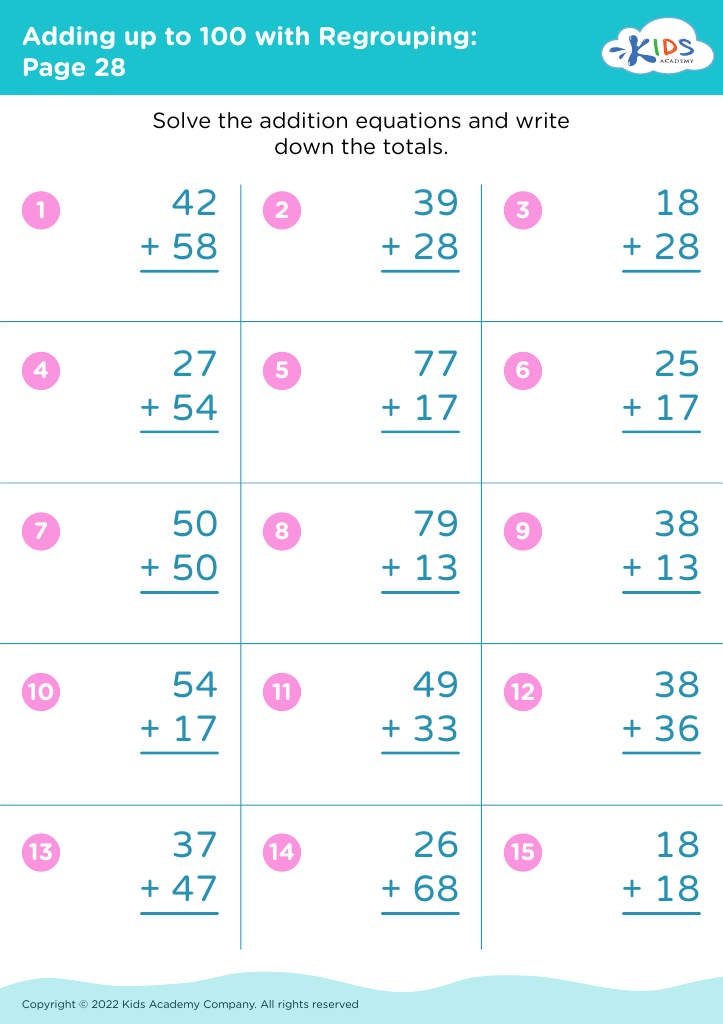
Adding up to 100 with Regrouping: Page 28
Worksheet
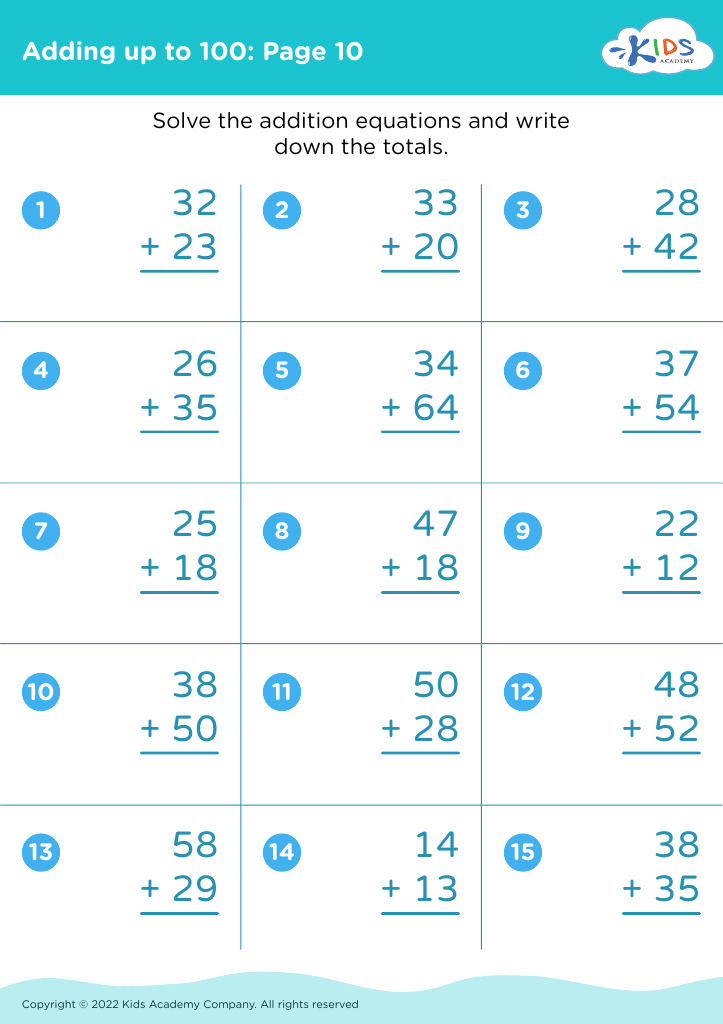
Adding up to 100: Page 10

Adding up to 100: Page 10

Adding up to 100: Page 10
Worksheet
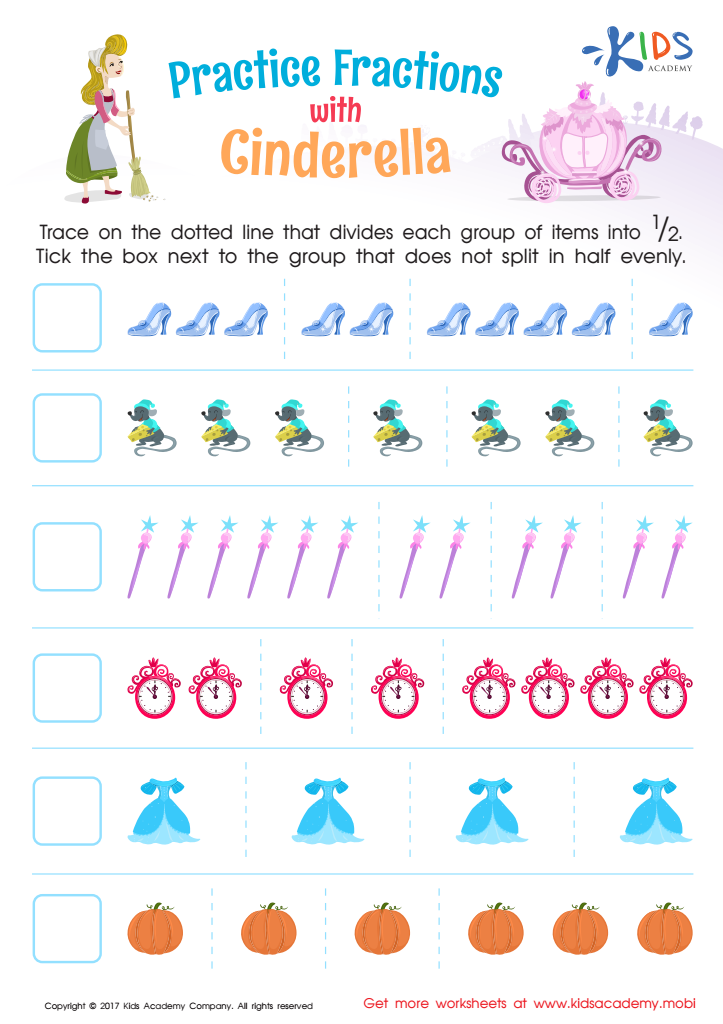
Cinderella Fraction Practice

Fractions: Cinderella Printable

Cinderella and ½ are the perfect pair to excite your child about learning fractions.
Fractions: Cinderella Printable
Worksheet
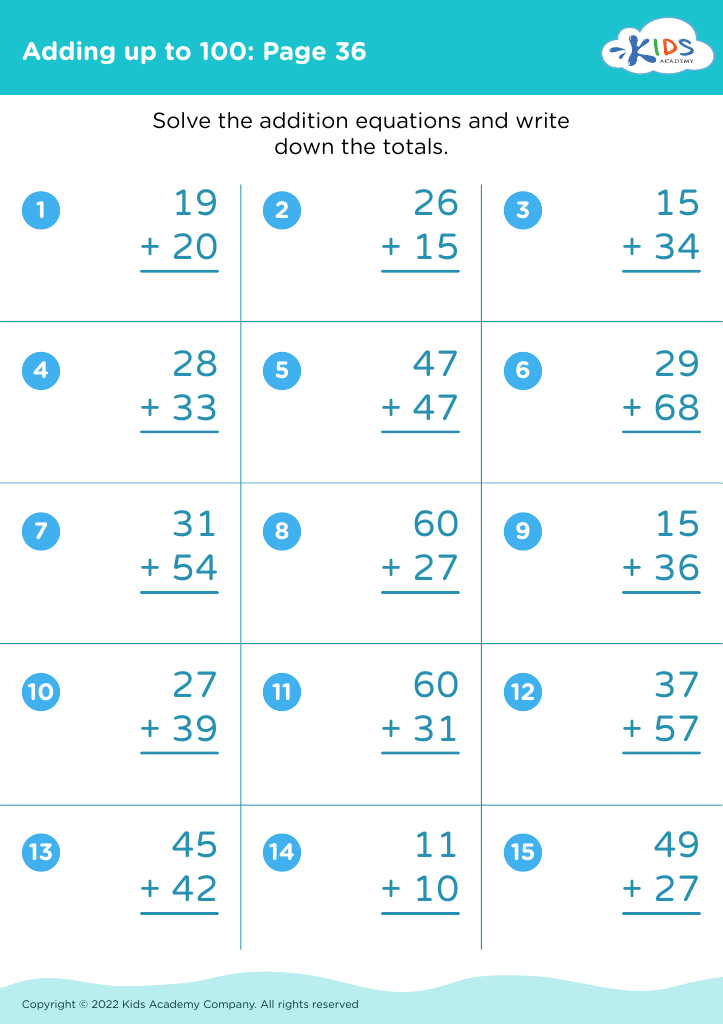
Adding up to 100: Page 36

Adding up to 100: Page 36

Adding up to 100: Page 36
Worksheet
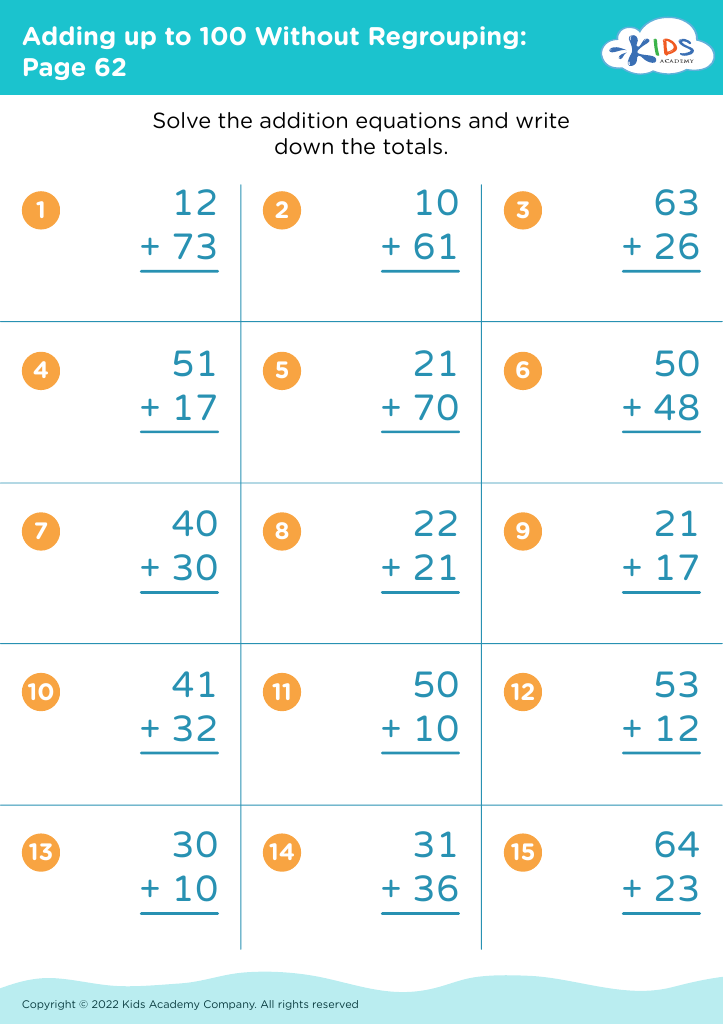
Adding up to 100 Without Regrouping: Page 62
Worksheet
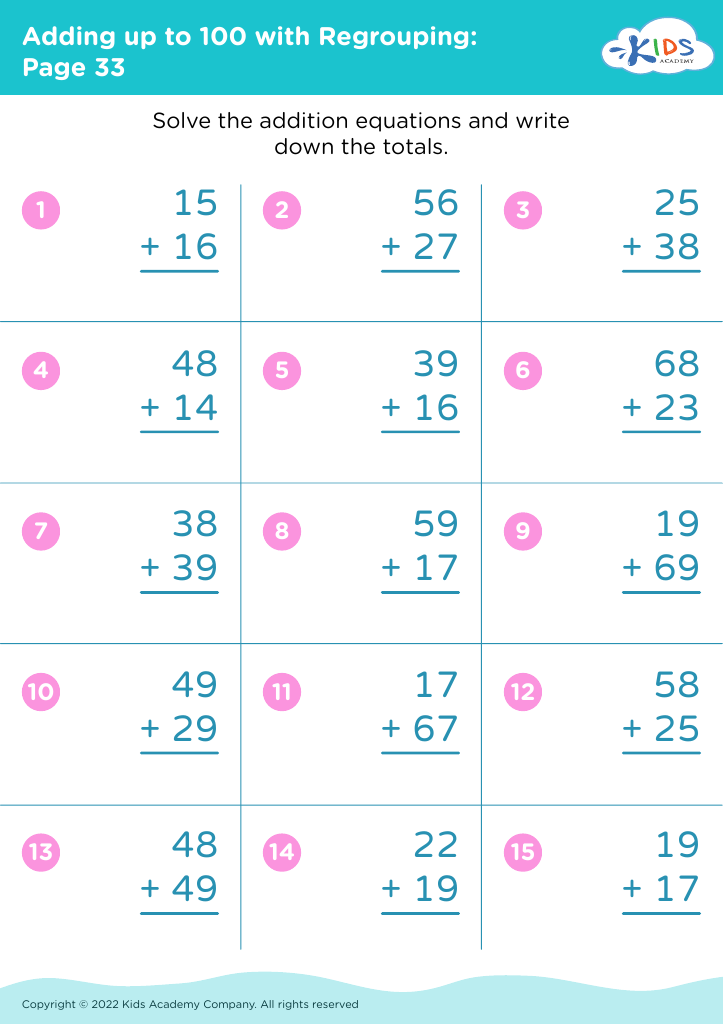
Adding up to 100 with Regrouping: Page 33
Worksheet
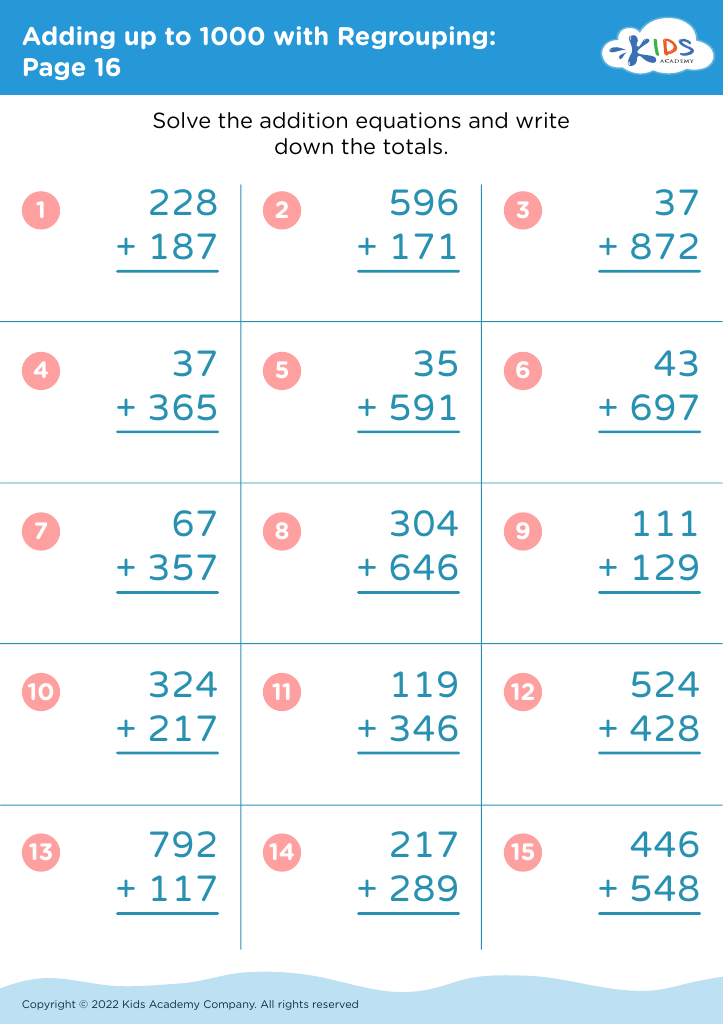
Adding up to 1000 with Regrouping: Page 16
Worksheet
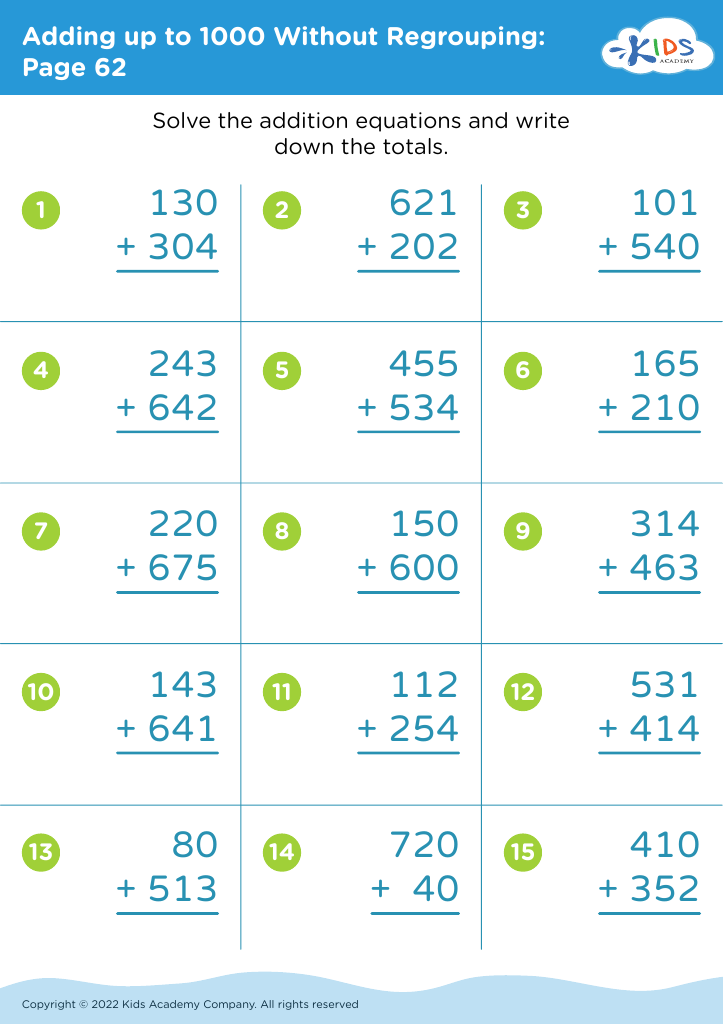
Adding up to 1000 Without Regrouping: Page 62
Worksheet
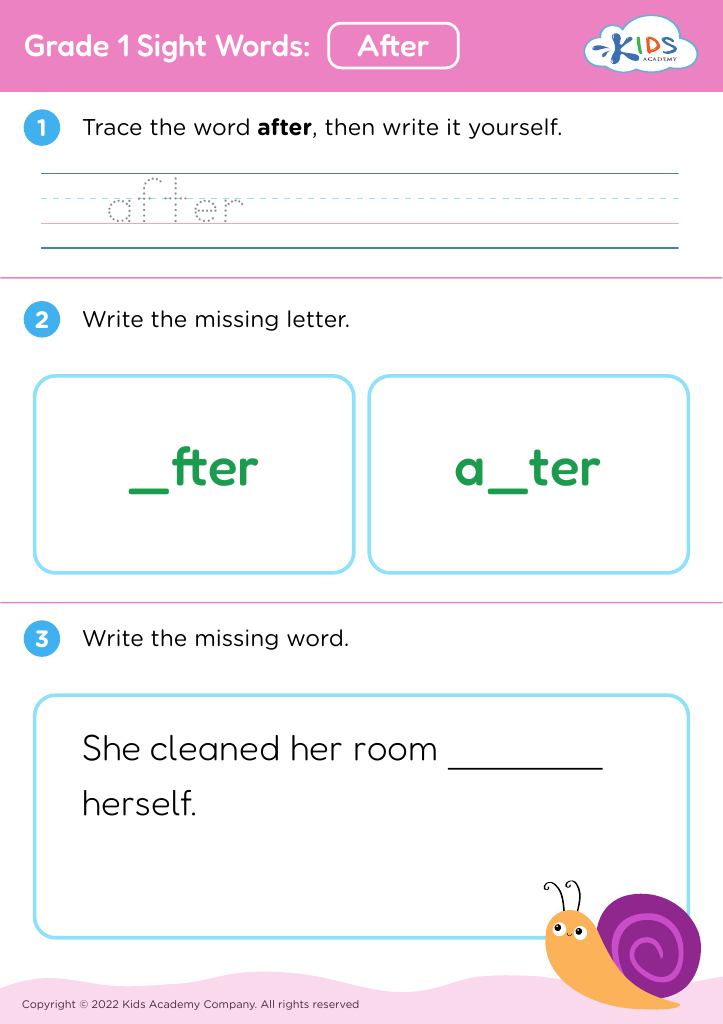
Grade 1 Sight Words: After

Grade 1 Sight Words: After

Grade 1 Sight Words: After
Worksheet


Parents and teachers should care about teaching children aged 3-7 how to compare fractions because it lays a foundational math skill that plays a pivotal role in their educational development. Introducing basic concepts of fractions early can help cultivate numerical literacy, critical thinking, and problem-solving skills. Understanding fractions also promotes a deeper grasp of portions, proportions, and ratios, which are essential across various real-life applications, such as cooking, sharing, and dividing resources evenly.

For young children, comparing fractions helps to develop their number sense, enabling them to comprehend that fractions represent parts of a whole. This early exposure can demystify complex mathematical concepts later on by building essential skills incrementally. It sets a stage for future topics like decimals, percentages, and even algebra.

Moreover, when young children learn about fractions through playful and hands-on methods, such as using visual aids and manipulatives, it fosters a positive attitude towards math. This positive early experience can reduce math anxiety, encourage confidence, and motivate continuous learning.

In sum, focusing on comparing fractions for children aged 3-7 is not just about learning fractions—it’s about ensuring that kids have the skills and confidence necessary to successfully navigate the broader mathematical landscape and beyond.