Comparing lengths Worksheets for Ages 3-7
17 filtered results
-
From - To
Explore our engaging "Comparing Lengths Worksheets" designed specifically for kids aged 3-7. These worksheets provide a fun and interactive way for young learners to understand and compare lengths through colorful visuals and relatable activities. With simple instructions, children will develop essential measurement skills by sorting objects, identifying longer and shorter items, and completing hands-on exercises. Ideal for home or classroom settings, our materials foster creativity and critical thinking, encouraging kids to explore the world around them. Boost your child's confidence in math while making learning enjoyable. Download and print our comparing lengths worksheets today for a playful educational experience!
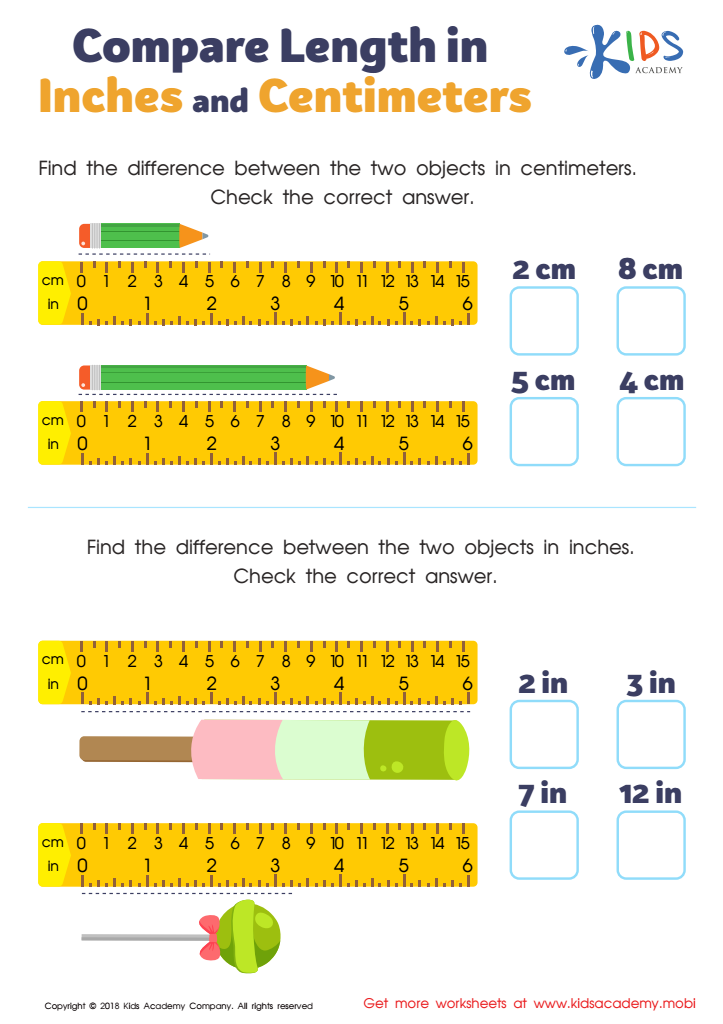
Compare Length in Inches and Centimeters Worksheet
 Assign to My Students
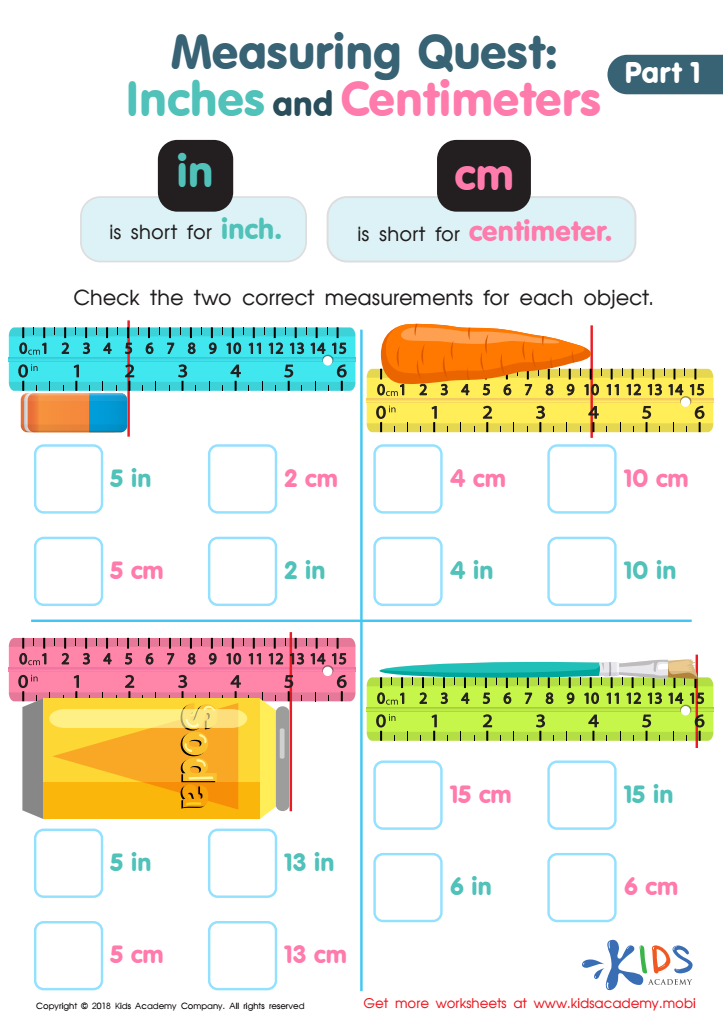
Measuring Quest: Inches and Centimeters Worksheet
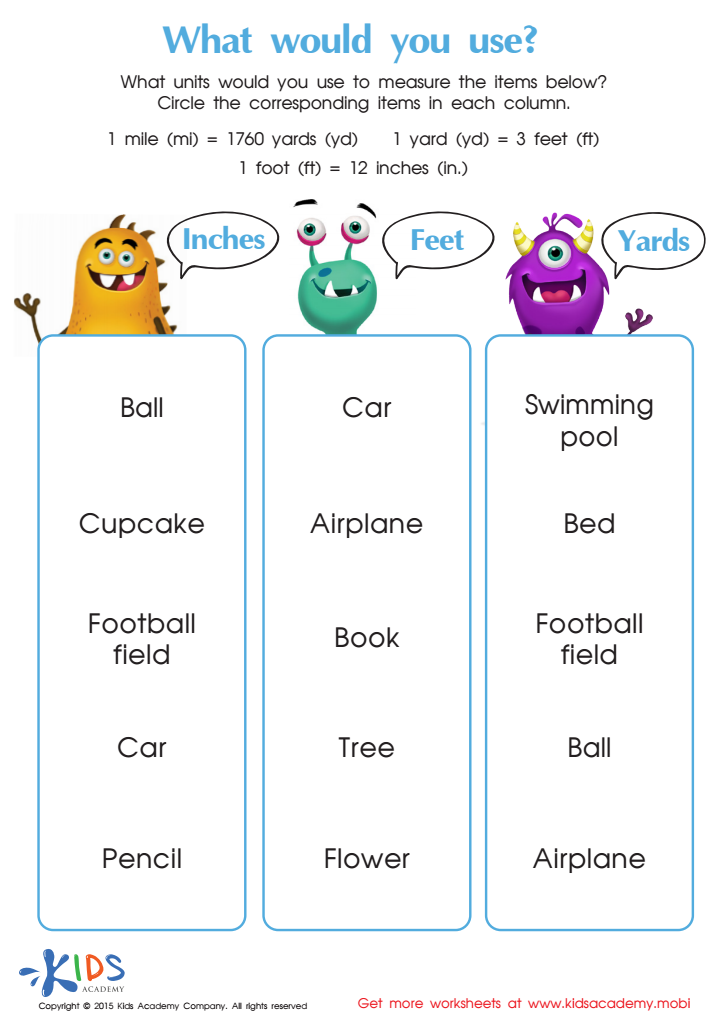
Learning about measuring objects in inches, feet and yards Worksheet
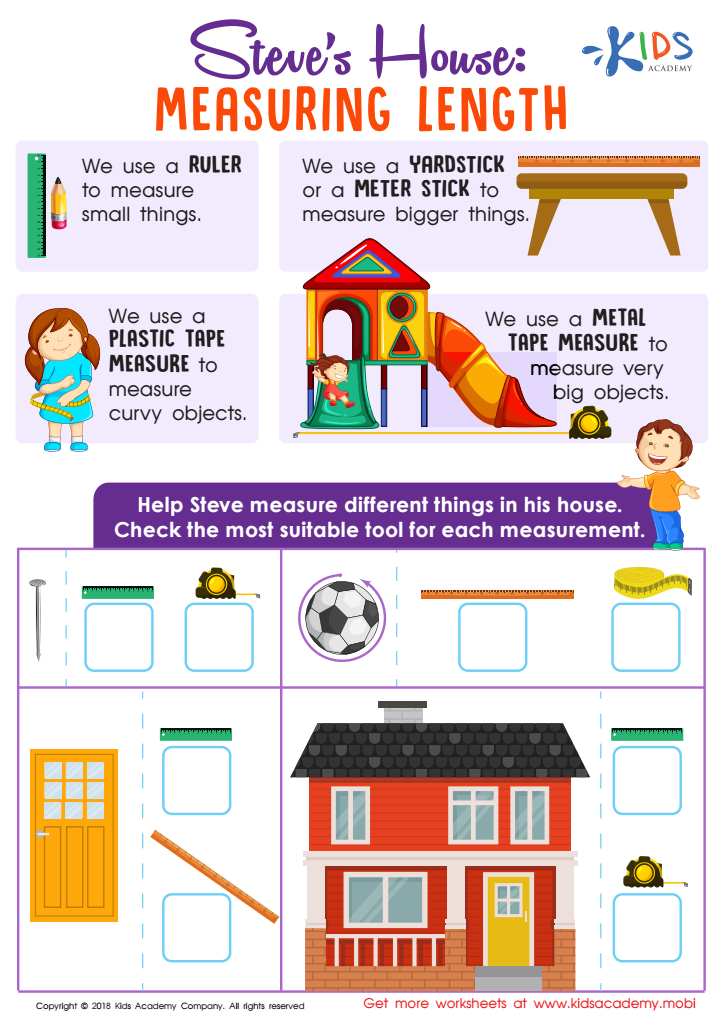
Steve's House: Measuring Length Worksheet
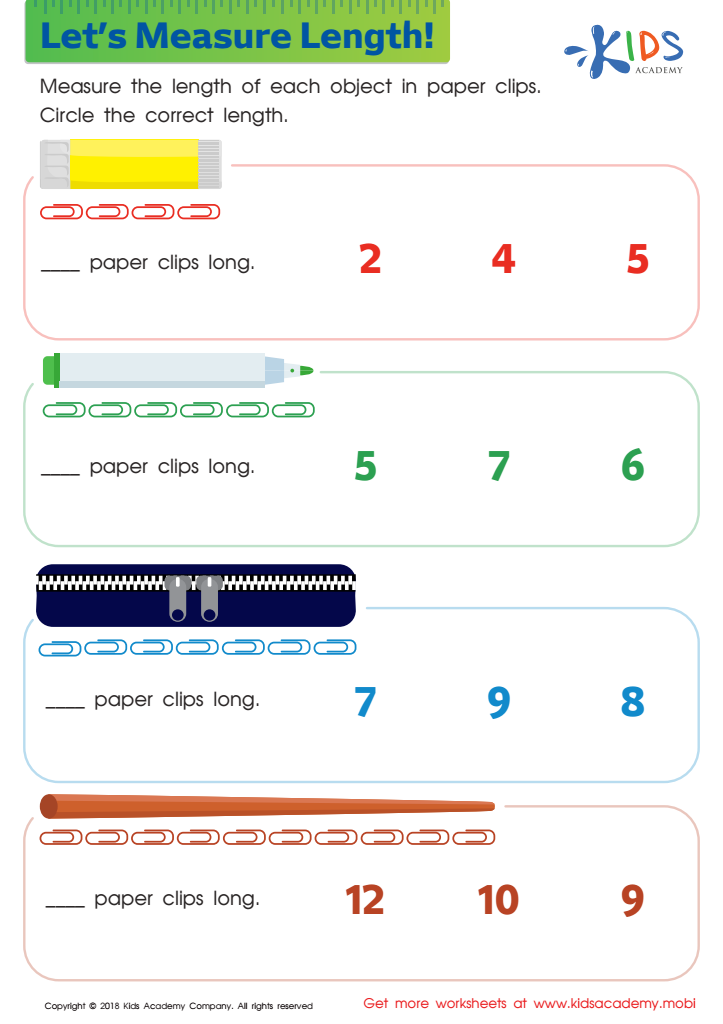
Lets Measure Length Worksheet
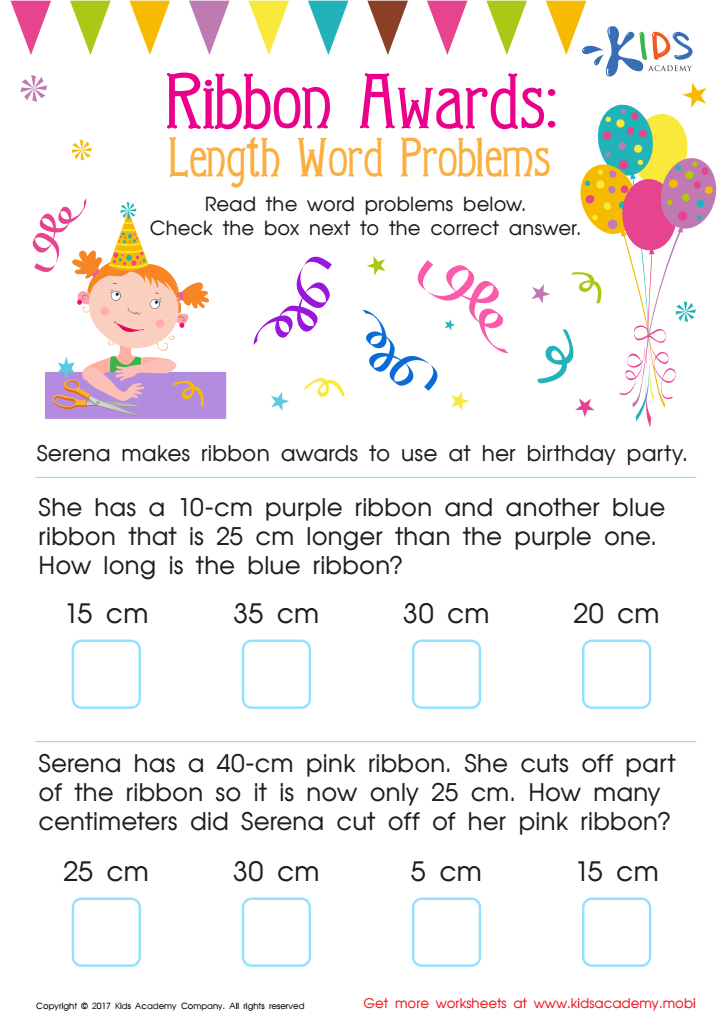
Length Word Problems Worksheet
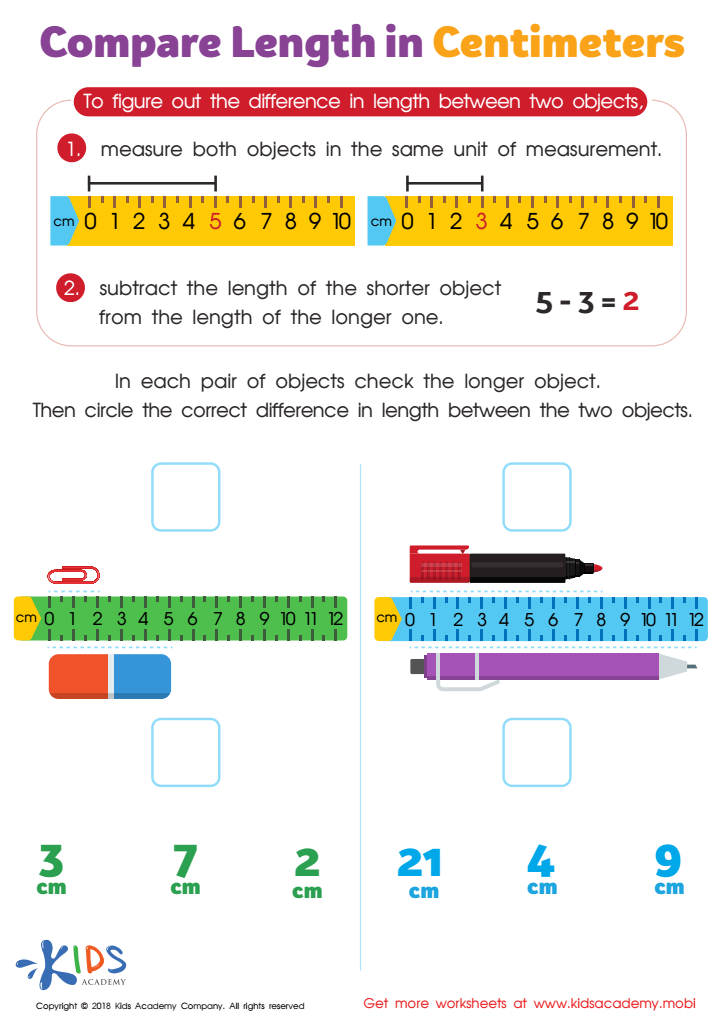
Compare Length in Centimeters Worksheet
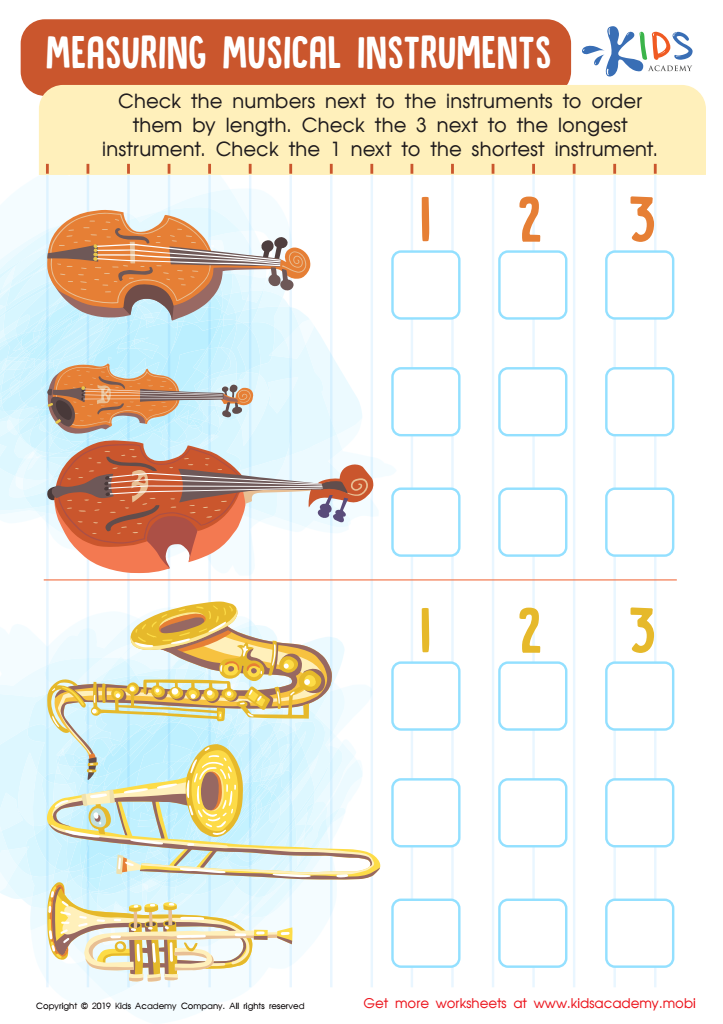
Measuring Musical Instruments Worksheet
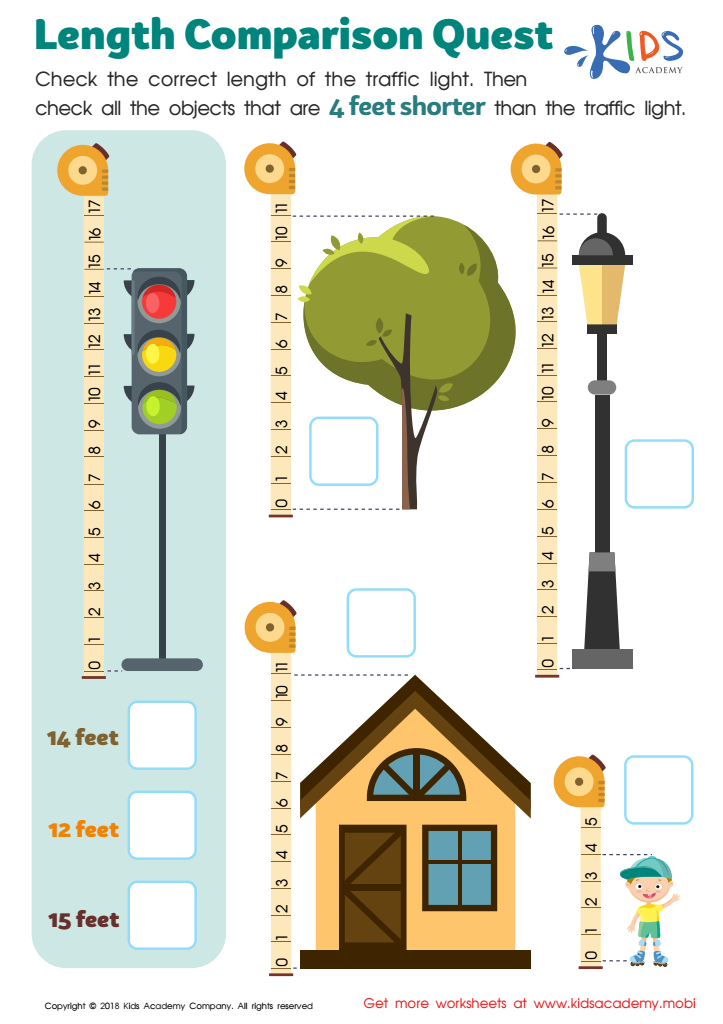
Length Comparison Quest Worksheet
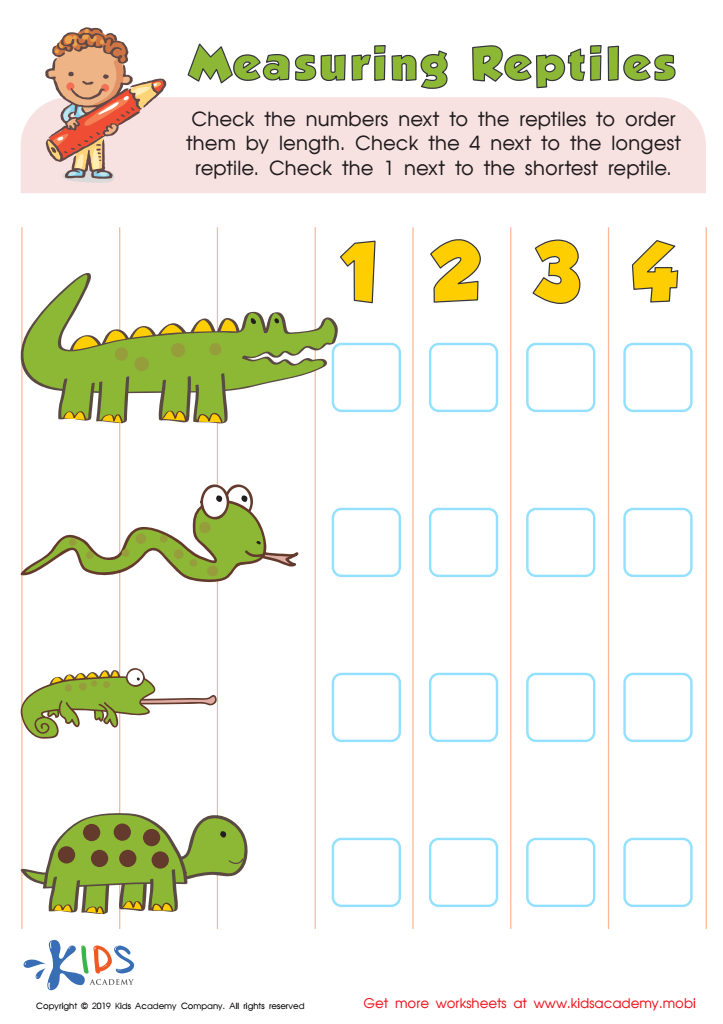
Measuring Reptiles Worksheet
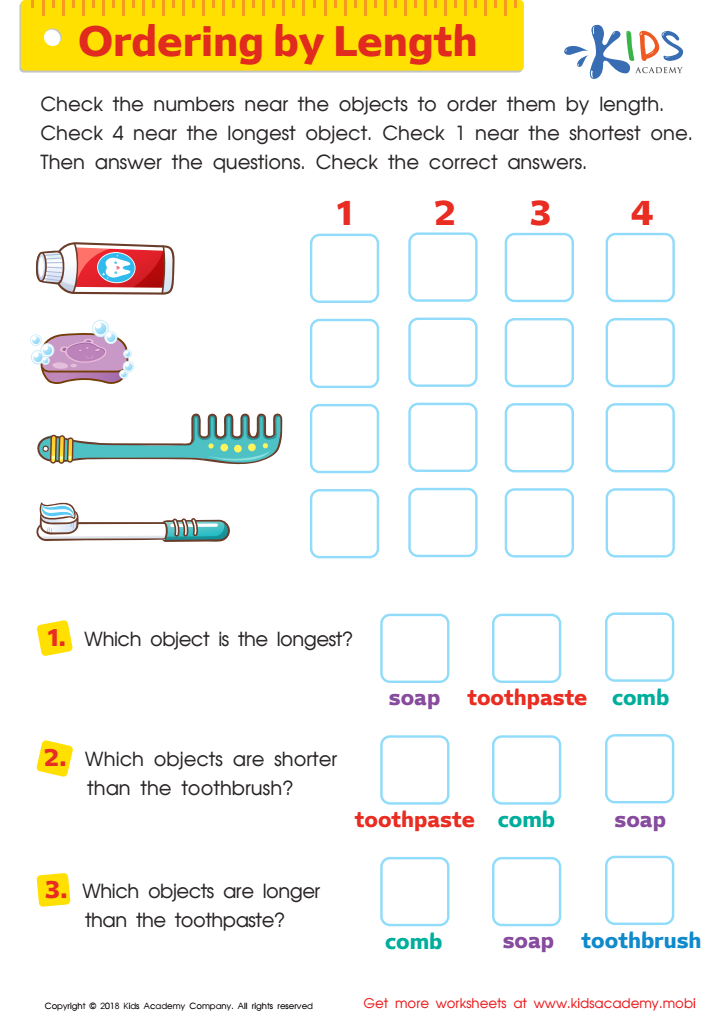
Ordering by Length Worksheet
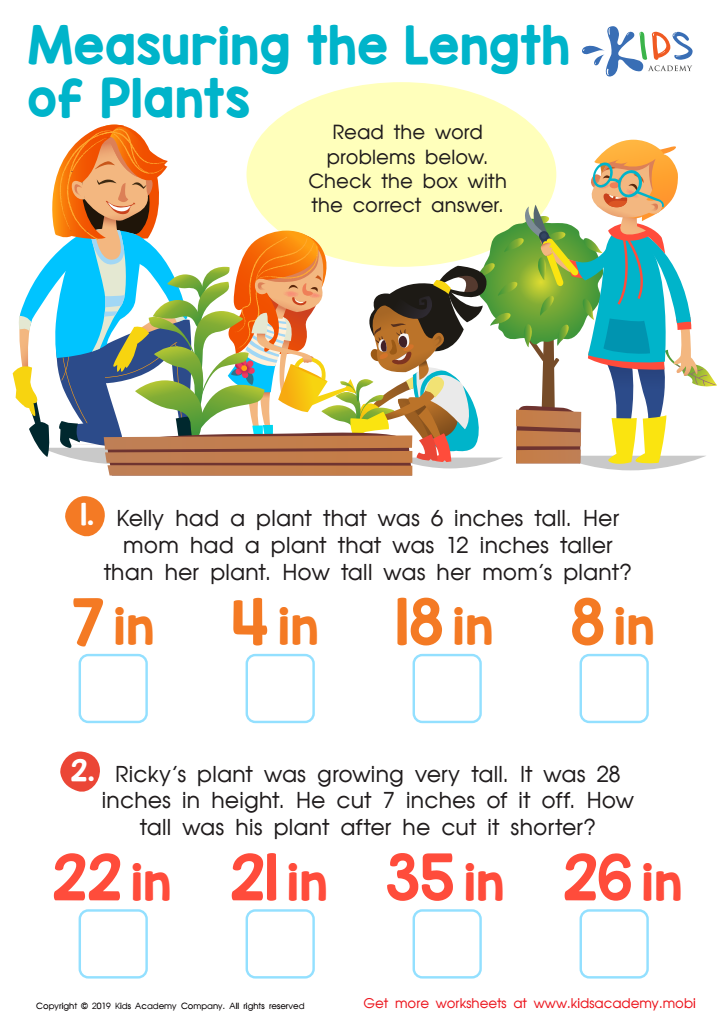
Measuring the Length of Plants Worksheet
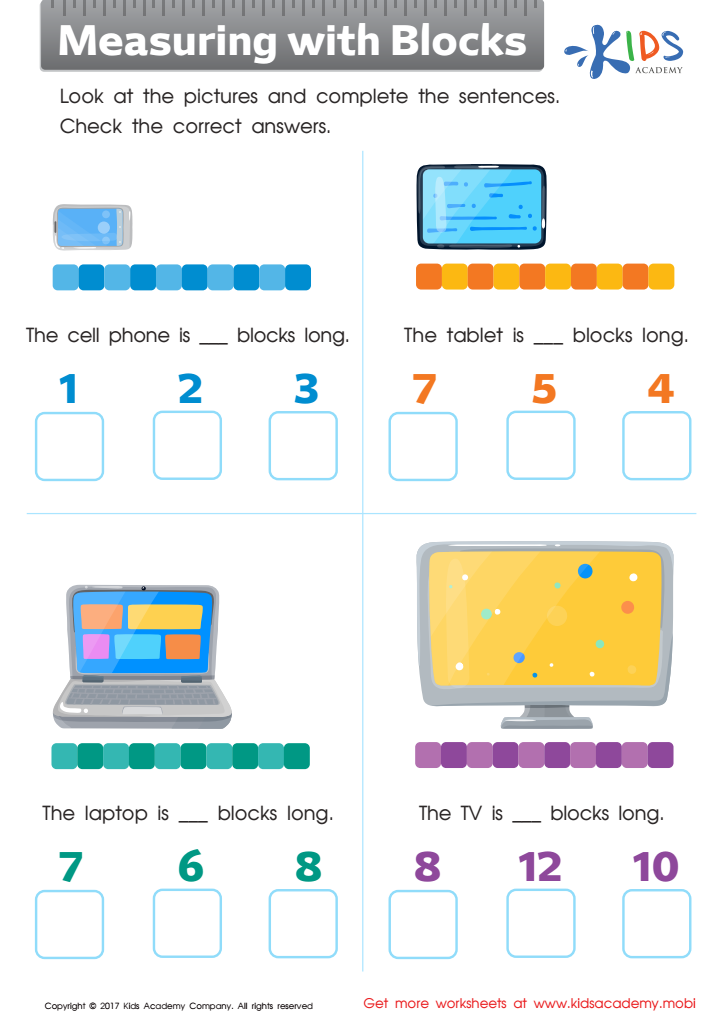
Measuring with Blocks Worksheet
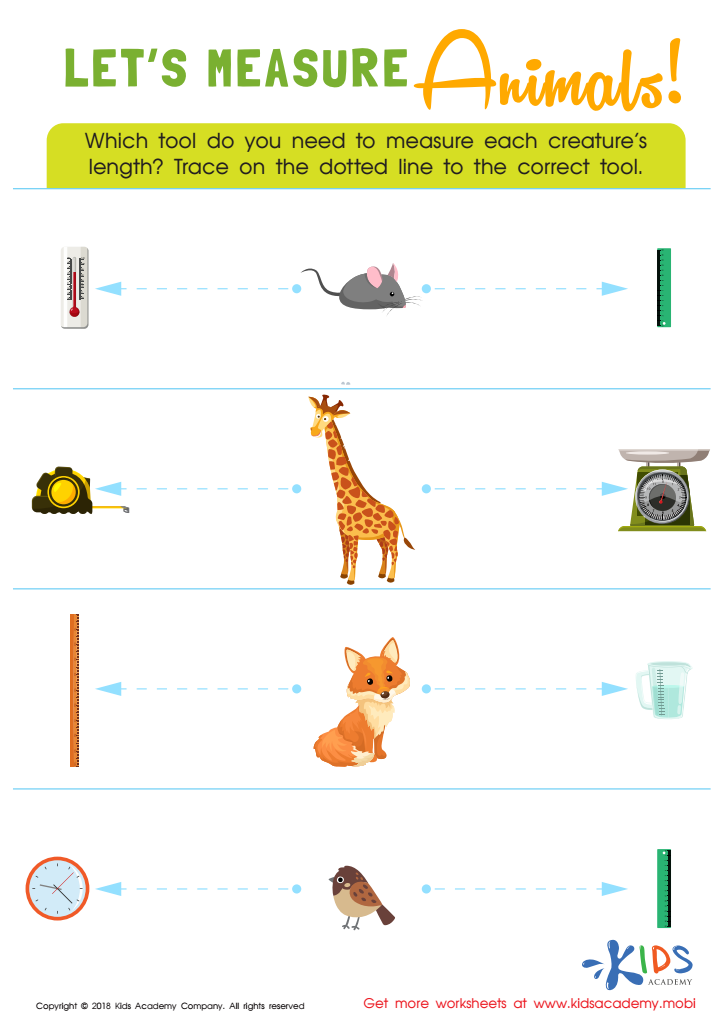
Let's Measure Animals! Worksheet
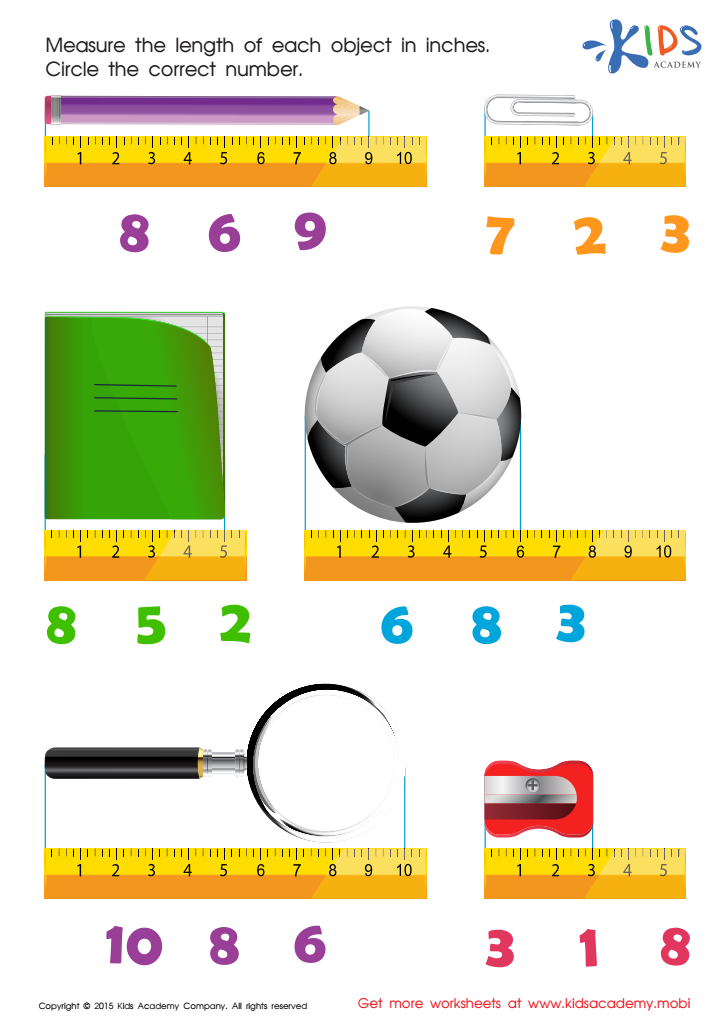
Learning measuring objects in inches Worksheet








Understanding comparing lengths is crucial for children ages 3-7 as it lays the foundation for essential mathematical skills. At this early age, children begin to explore the world around them through hands-on activities, and comparing lengths offers an engaging way to learn about measurement and differentiation.
Parents and teachers should care because this skill nurtures critical thinking and problem-solving abilities. When children compare lengths, they learn to make observations, develop an understanding of size and order, and ignite their interest in mathematics. These foundational skills are important not only in math but also in daily life contexts, such as measuring ingredients for cooking or determining how much space is needed for play activities.
Furthermore, comparing lengths introduces vocabulary related to measurement—such as longer, shorter, taller, or smallest—which enhances language development. This activity also promotes collaboration and communication, as children often work in pairs or groups to share findings, fostering social skills.
Moreover, fostering an interest in measurement early on can build a positive attitude towards math, shaping future learning. Overall, comparing lengths is not only a fundamental skill in mathematics but also contributes to broader cognitive development and everyday practical abilities that are vital as children grow.








