Filters

384 filtered results

Clear all filters
Favorites
With answer key
Interactive

384 filtered results

Difficulty Level

Grade


Discover our engaging counting practice worksheets designed specifically for children aged 3 to 7! These worksheets are perfect for nurturing early math skills, helping young learners master number recognition and counting through fun, interactive activities. Featuring vibrant illustrations and age-appropriate exercises, our counting worksheets encourage children to develop confidence as they practice one-to-one correspondence, counting to ten, and beyond. Ideal for both classroom and home use, these resources support early childhood development standards and make learning math enjoyable. Access our collection today and watch your child's counting skills blossom while having fun along the way!

Check out this FREE "Counting practice" Trial Lesson for age 3-7!

Counting to 5

Favorites
With answer key
Interactive
  • 3-7
  • Counting practice
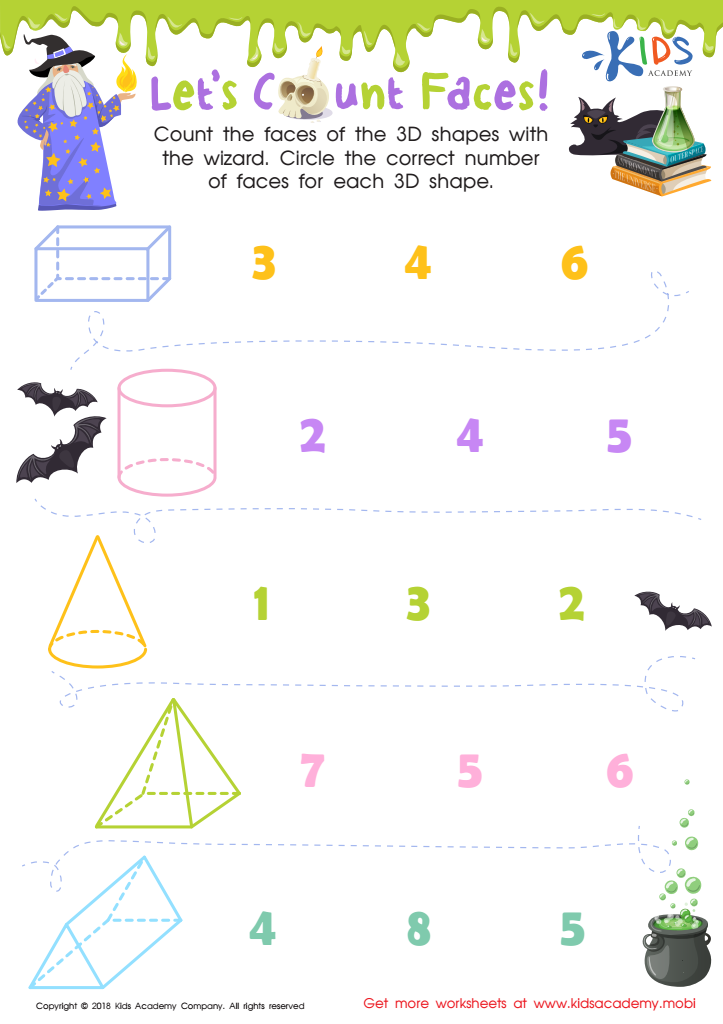
Let's Count Faces! Worksheet

Let's Count Faces! Worksheet

Help the wizard count the faces of 3D shapes! Ask your kids to identify the shapes before beginning, then have them circle the correct number of faces. Enjoy this fun wizard-themed worksheet with your kids!
Let's Count Faces! Worksheet
Worksheet
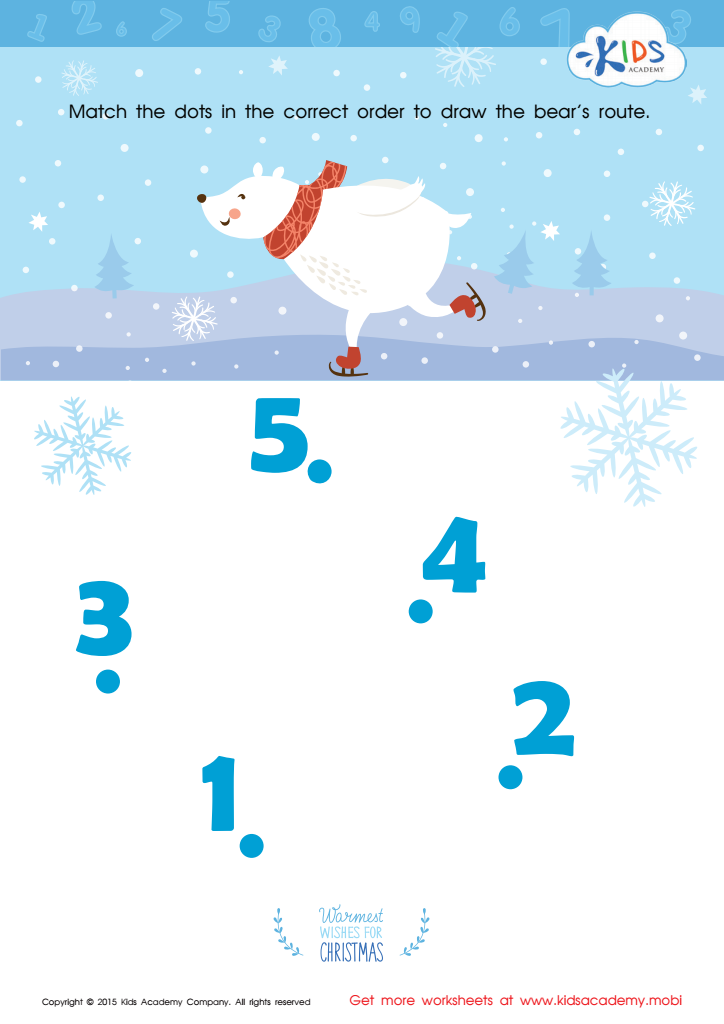
Math PDF Worksheet: Drawing the Bear’s Route by Number

Drawing the Bear's Route by Number Worksheet
This winter-themed math worksheet is perfect for counting practice. Have fun learning and celebrating the season with your kindergartener as they trace and recognize numbers. It also helps develop fine motor muscles. For more fun, check out the math worksheets on Kids Academy.
Drawing the Bear's Route by Number Worksheet
Worksheet
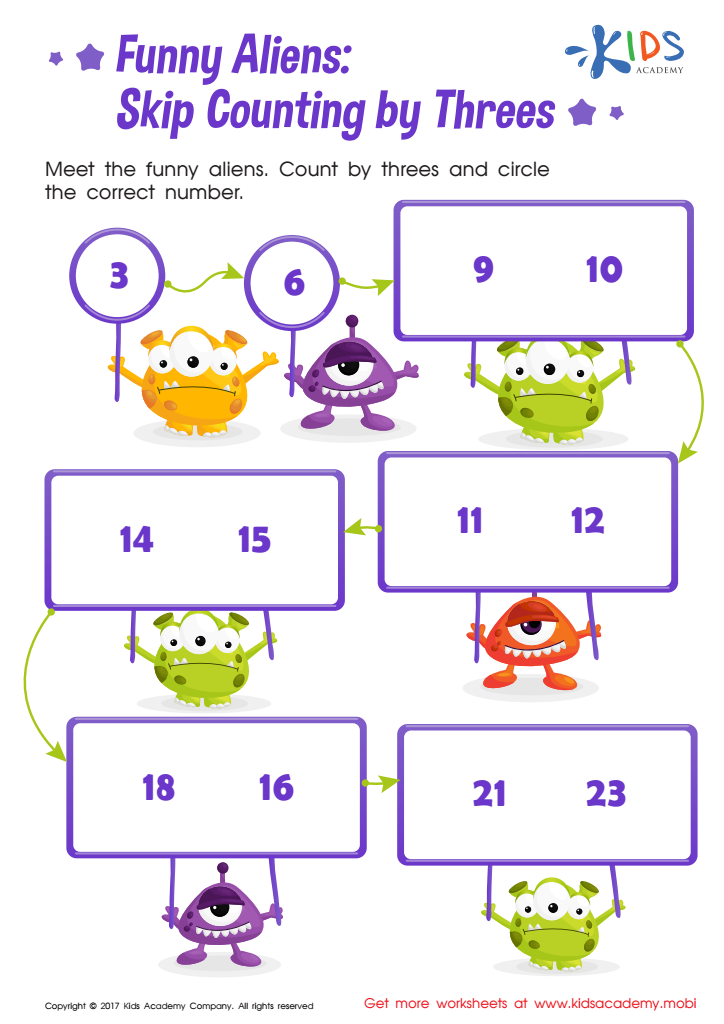
Skip Counting by Three

Skip Counting by 3s: Funny Aliens Printable
Blast off to outer space learning fun with this skip counting by 3 worksheet!
Skip Counting by 3s: Funny Aliens Printable
Worksheet
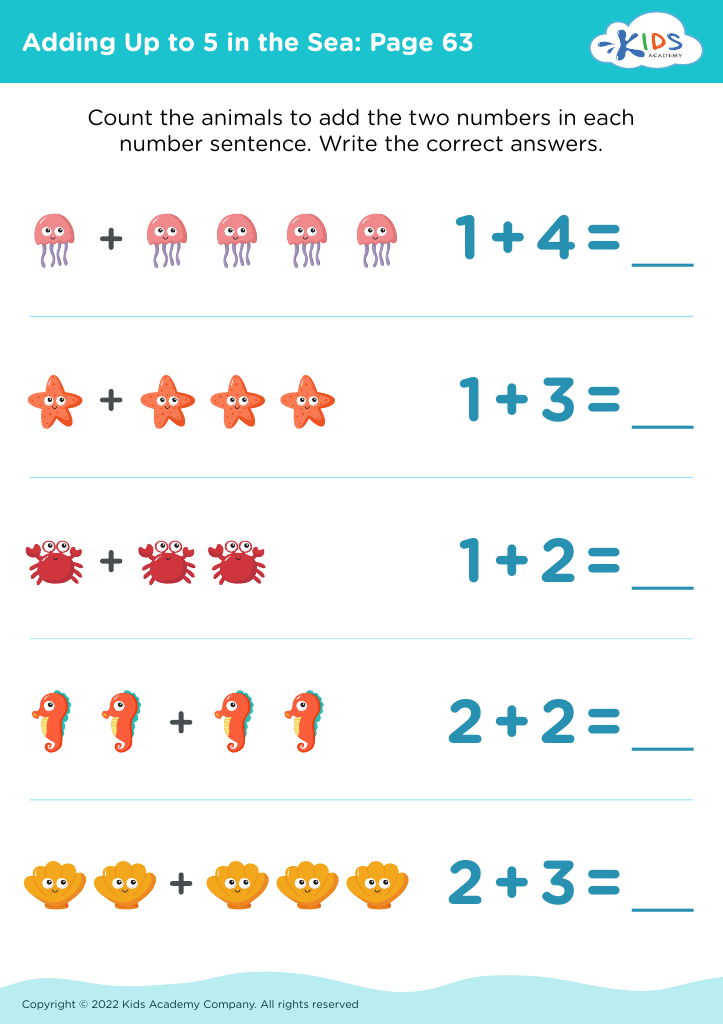
Adding Up to 5 in the Sea: Page 63
Worksheet
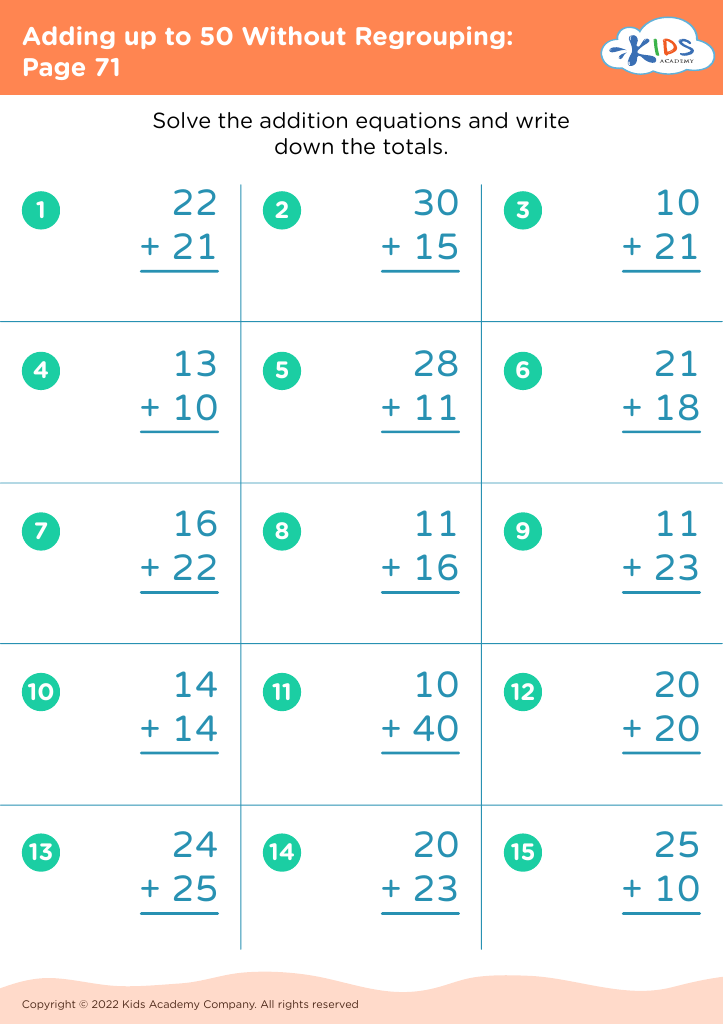
Adding up to 50 Without Regrouping: Page 71
Worksheet
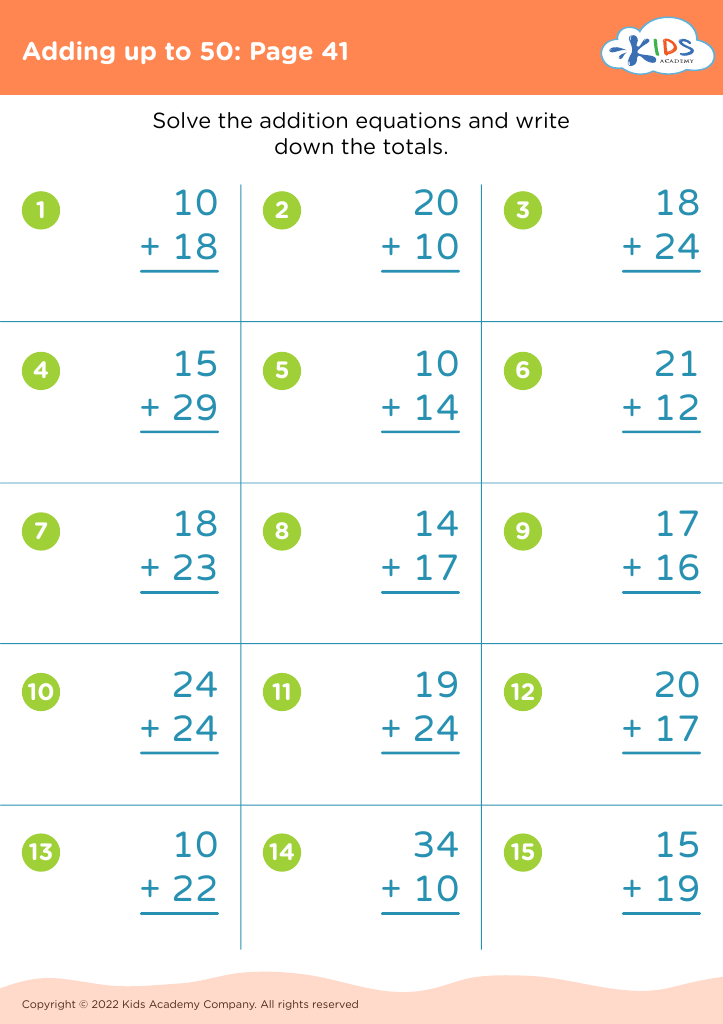
Adding up to 50: Page 41

Adding up to 50: Page 41

Adding up to 50: Page 41
Worksheet
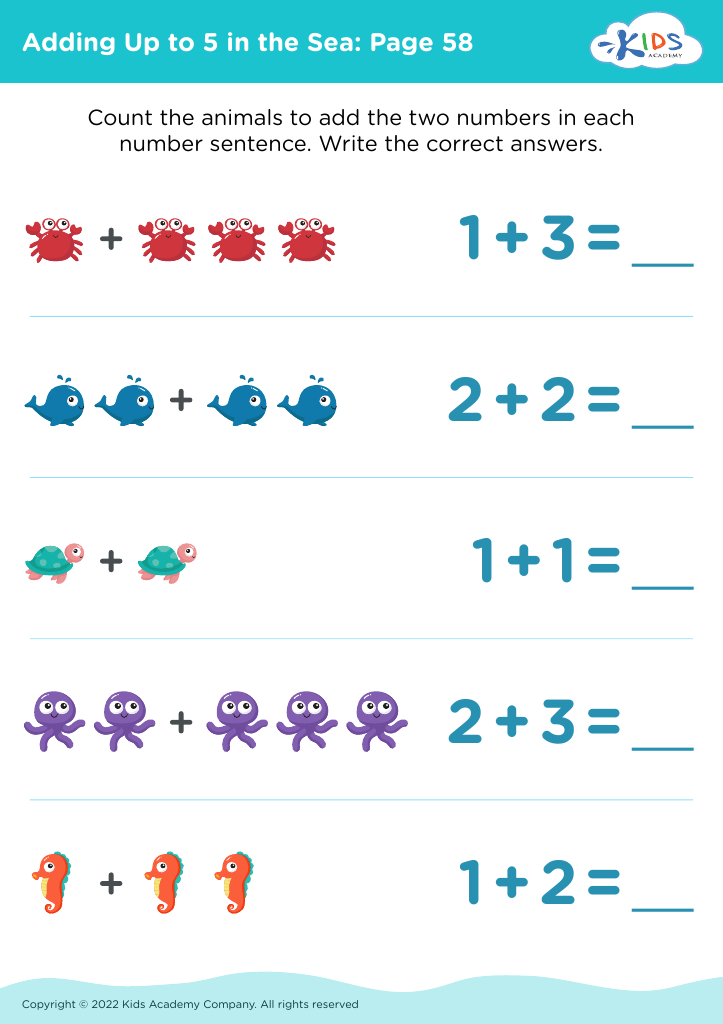
Adding Up to 5 in the Sea: Page 58
Worksheet
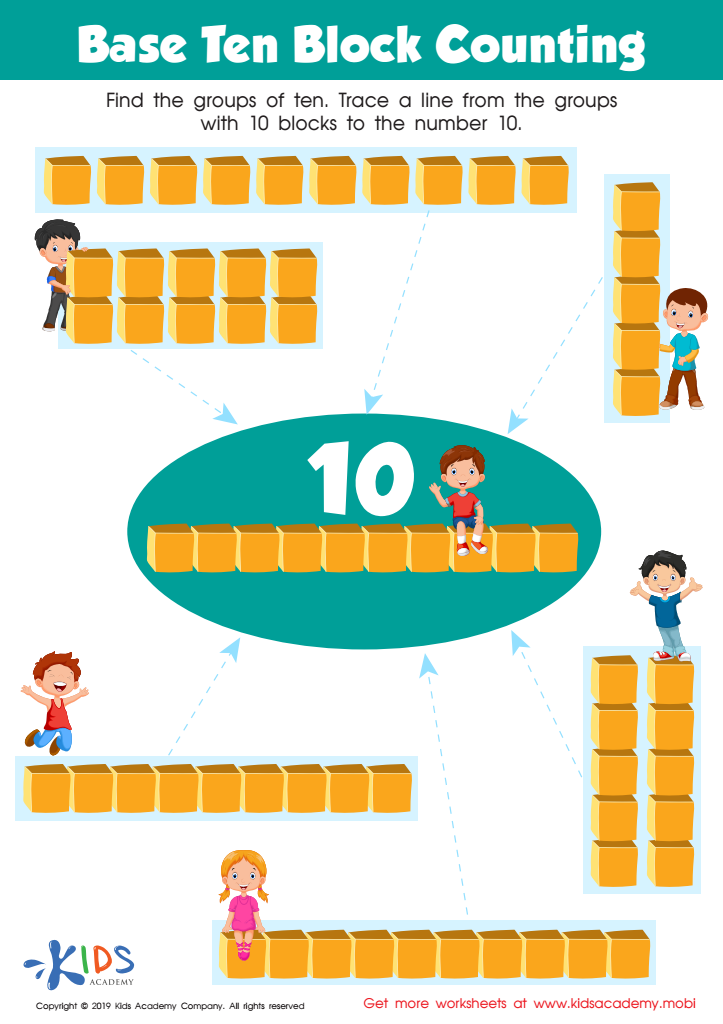
Base Ten Block Counting Worksheet

Base Ten Block Counting Worksheet

Introduce your kids to counting with educational DVDs and video games. Then use this worksheet: look at the picture and help them find the groups of ten; trace a line from the groups with 10 blocks to the number 10. This will help them practice and gain a better understanding of counting.
Base Ten Block Counting Worksheet
Worksheet
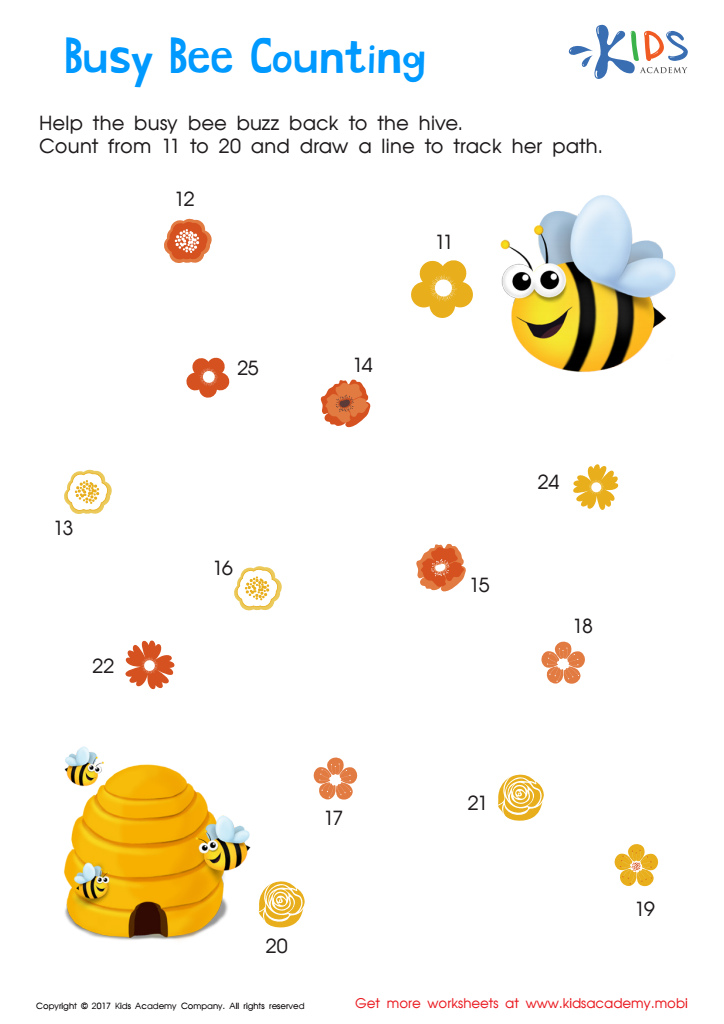
Сounting from 11 to 20 Worksheet

Ordering 11–20: Busy Bee Counting Worksheet
Help your child master counting from 11 to 20 with our connect the dot counting worksheet. Kids will have fun counting, drawing and problem-solving with this vibrant worksheet. With clear directions, adorable pictures and a sense of purpose, your child will develop crucial numeracy skills without even knowing it!
Ordering 11–20: Busy Bee Counting Worksheet
Worksheet
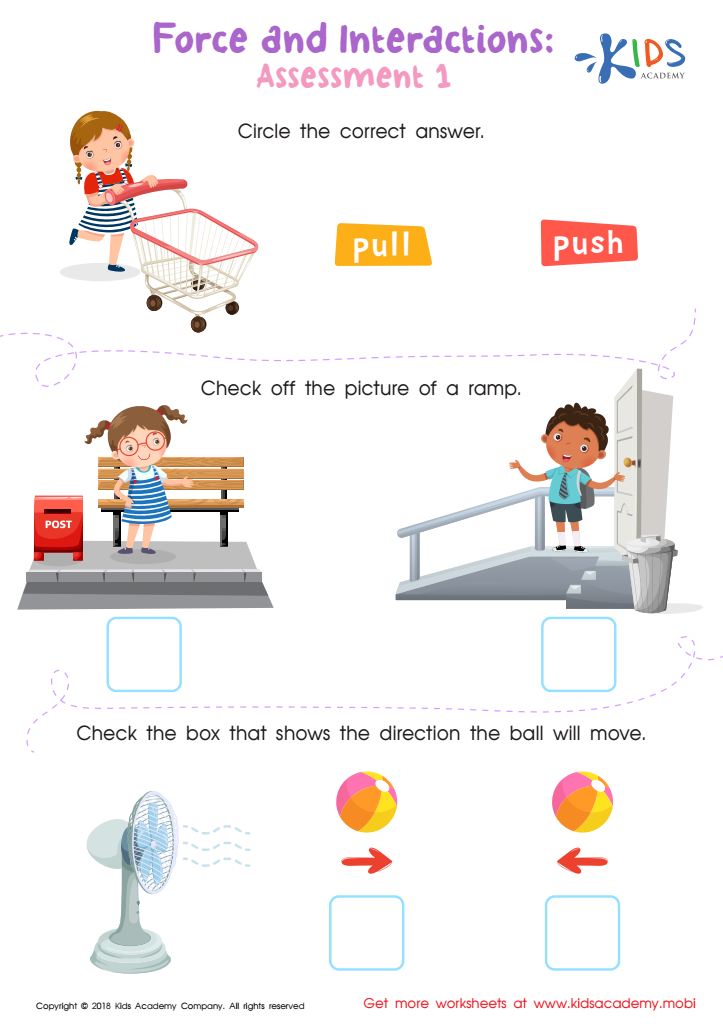
Force and Interactions: Assessment 1 Worksheet
Force and Interactions: Assessment 1 Worksheet
Test your students' knowledge of pushing, pulling, ramps and wind with this worksheet. The first task requires them to identify push or pull pictures. The second asks them to identify a ramp and the third to explain which direction a ball will move when exposed to wind.
Force and Interactions: Assessment 1 Worksheet
Worksheet
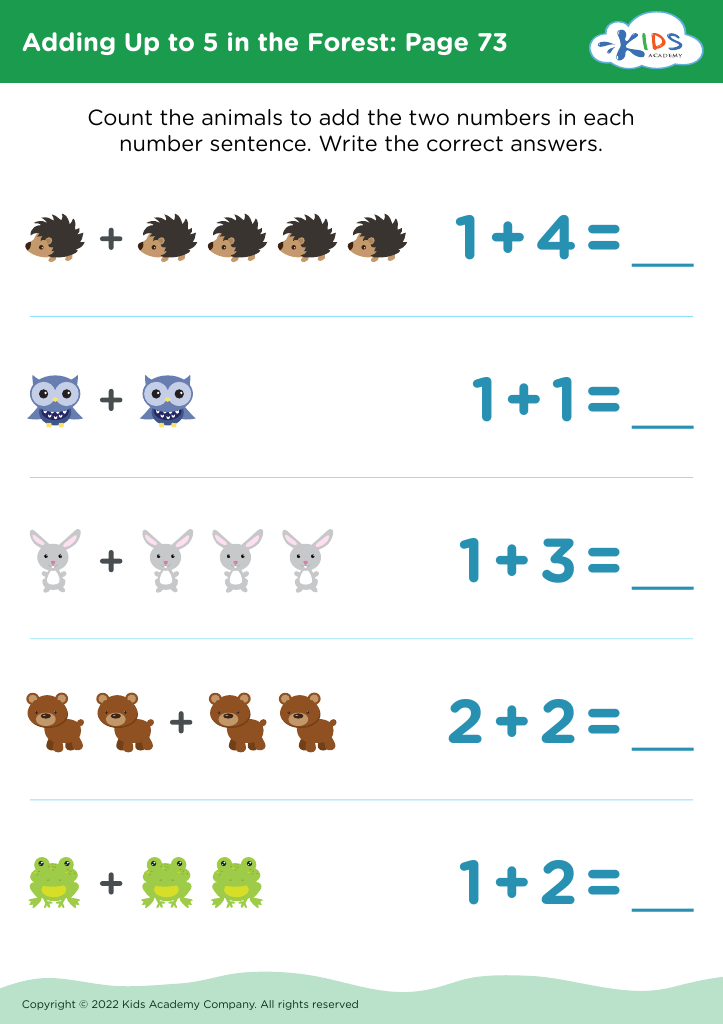
Adding Up to 5 in the Forest: Page 73
Worksheet
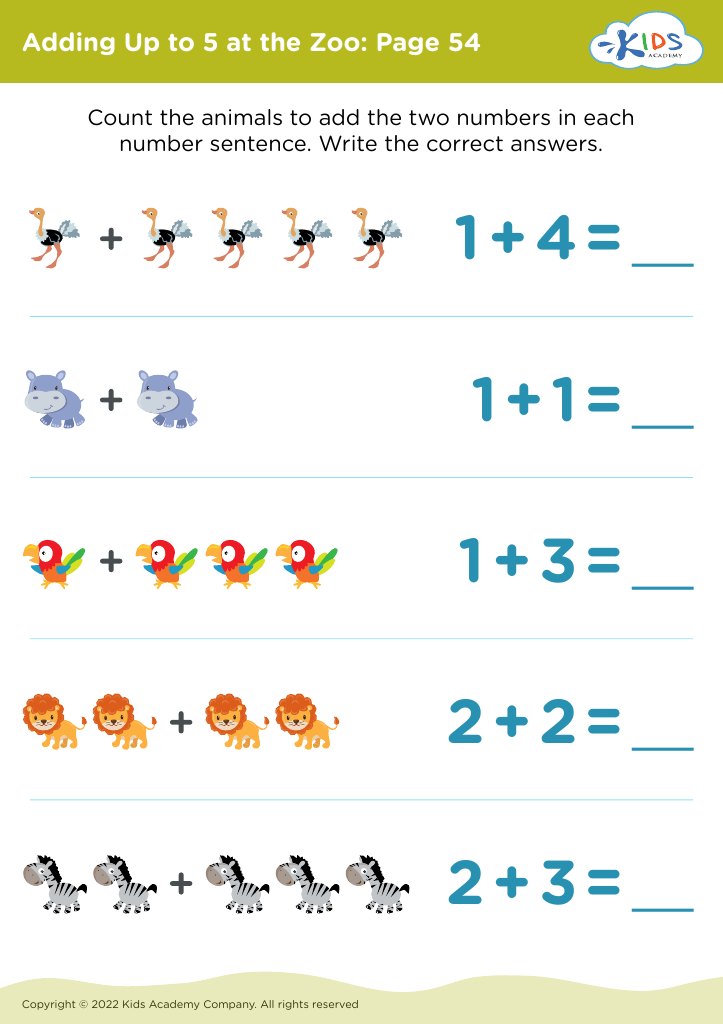
Adding Up to 5 at the Zoo: Page 54
Worksheet
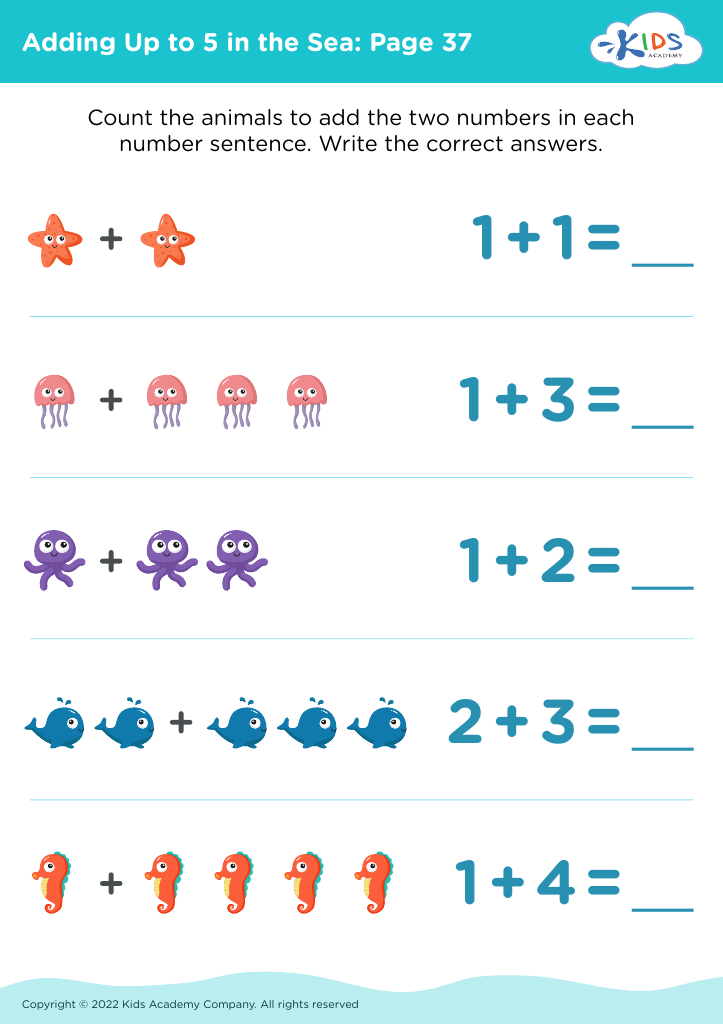
Adding Up to 5 in the Sea: Page 37
Worksheet
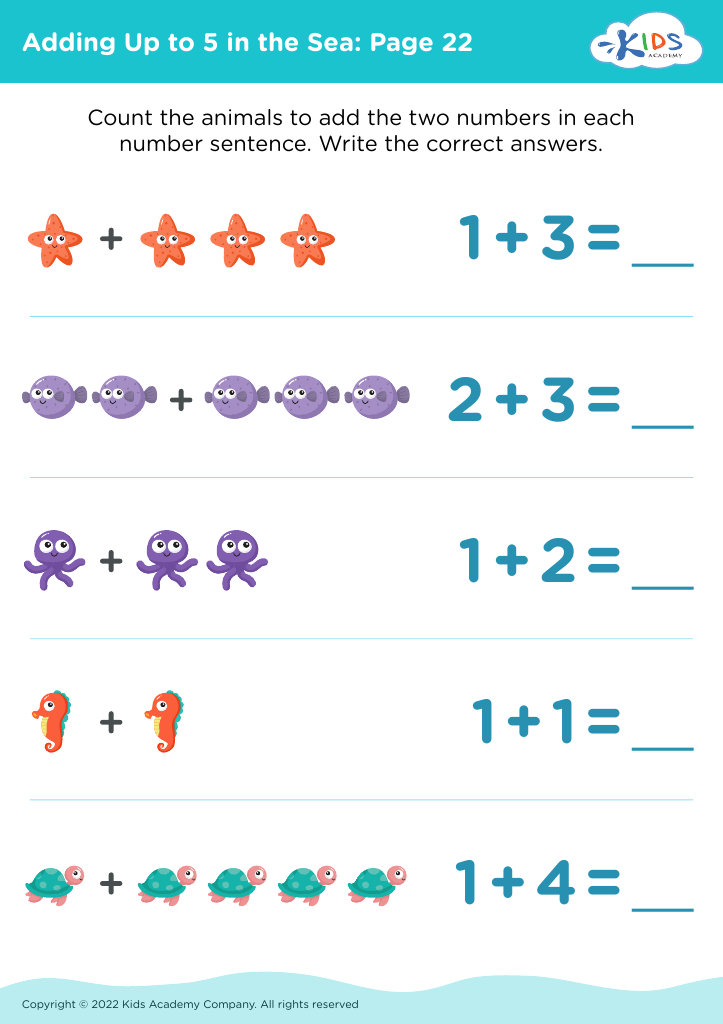
Adding Up to 5 in the Sea: Page 22
Worksheet
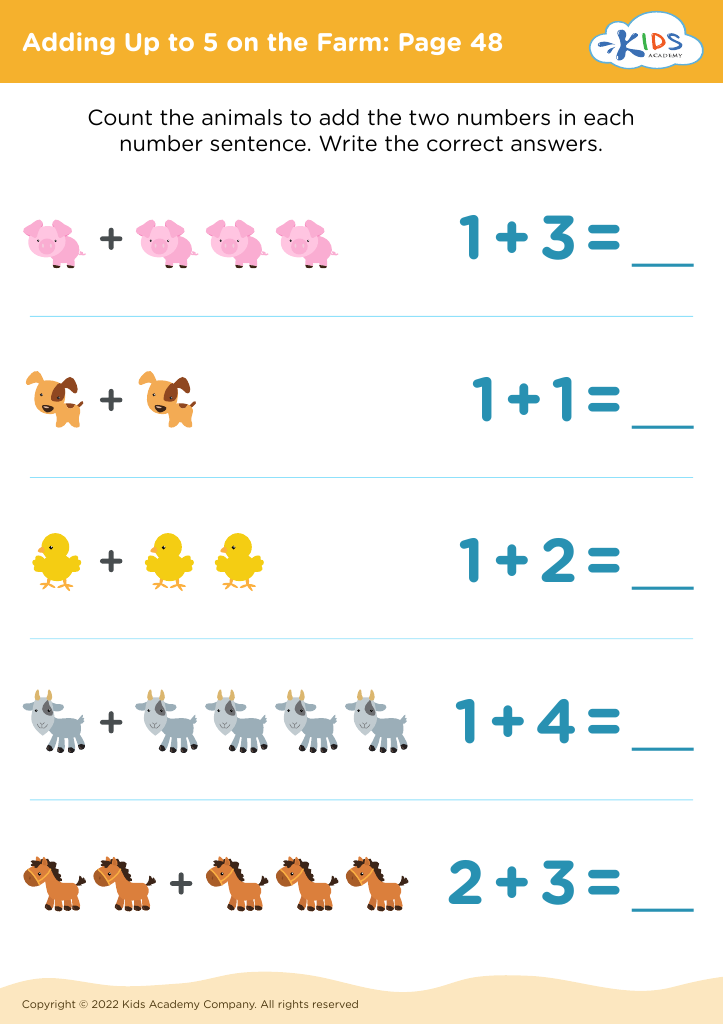
Adding Up to 5 on the Farm: Page 48
Worksheet
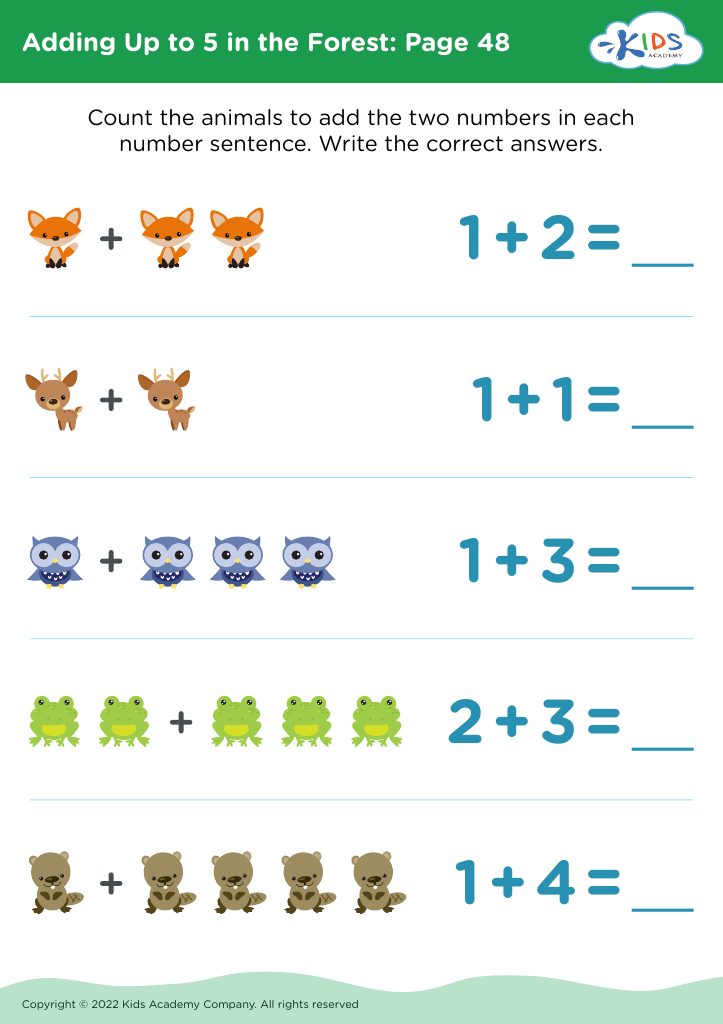
Adding Up to 5 in the Forest: Page 48
Worksheet
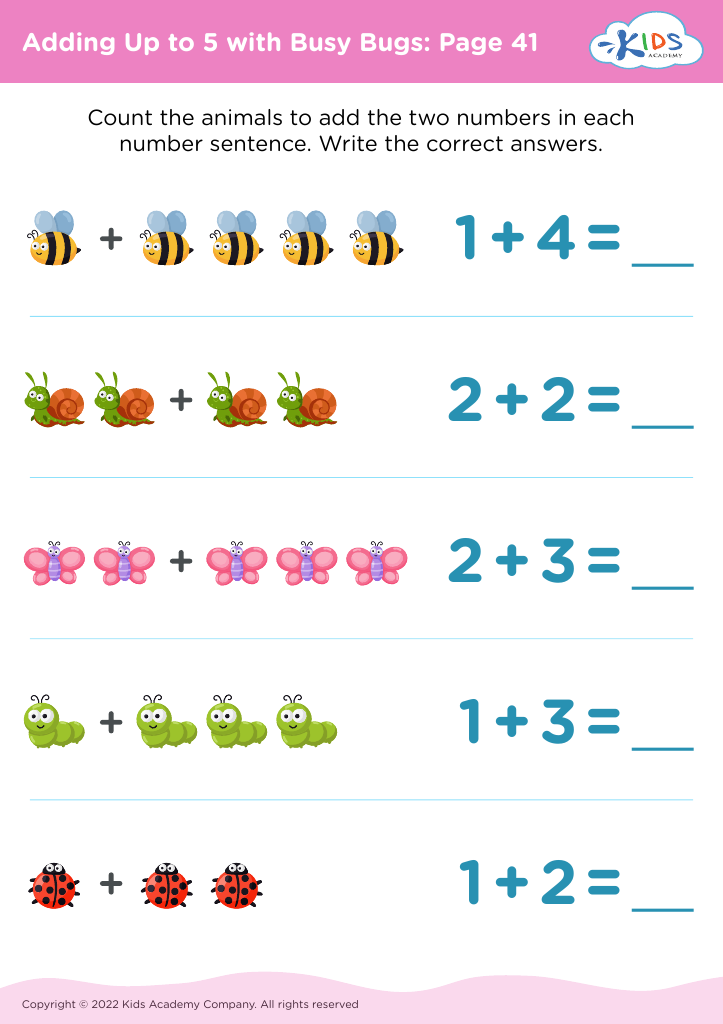
Adding Up to 5 with Busy Bugs: Page 41
Worksheet
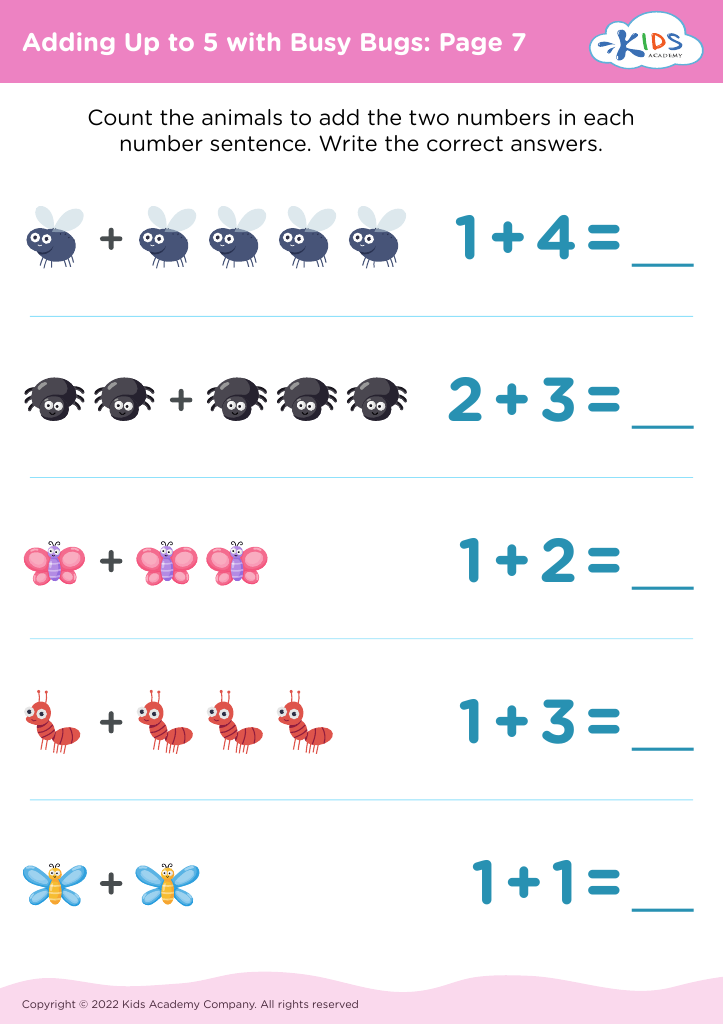
Adding Up to 5 with Busy Bugs: Page 7
Worksheet
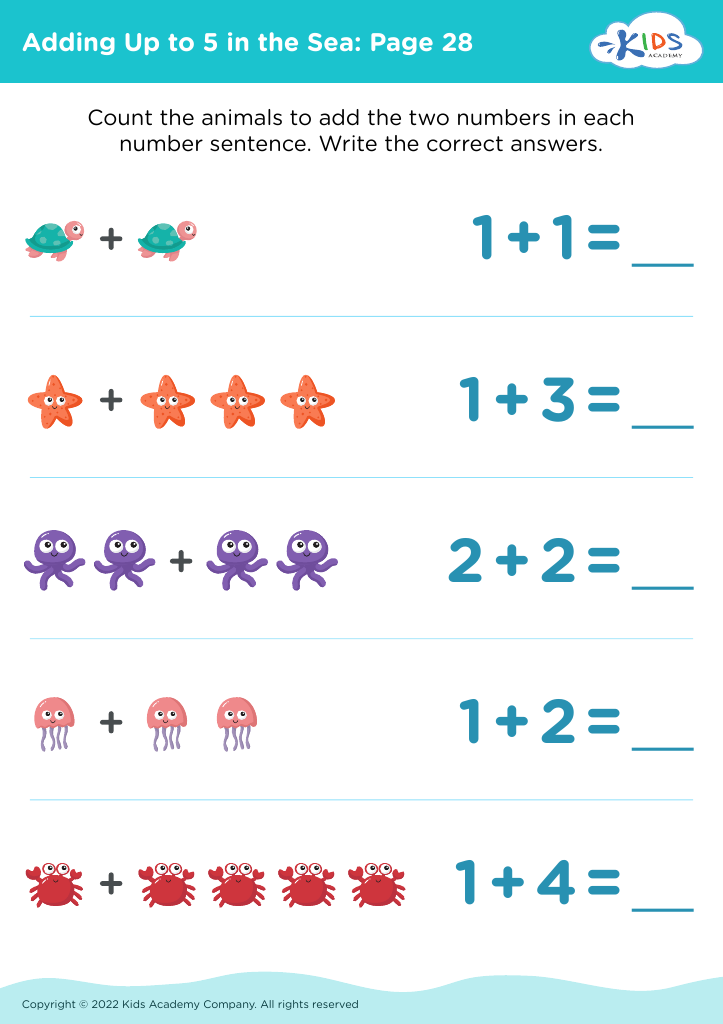
Adding Up to 5 in the Sea: Page 28
Worksheet
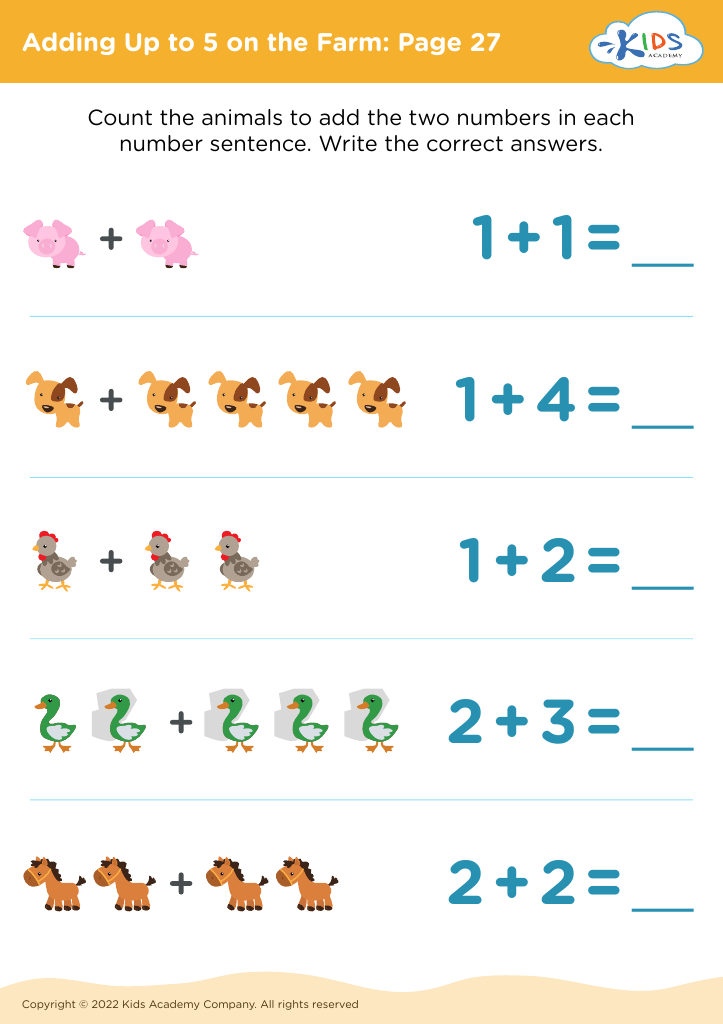
Adding Up to 5 on the Farm: Page 27
Worksheet
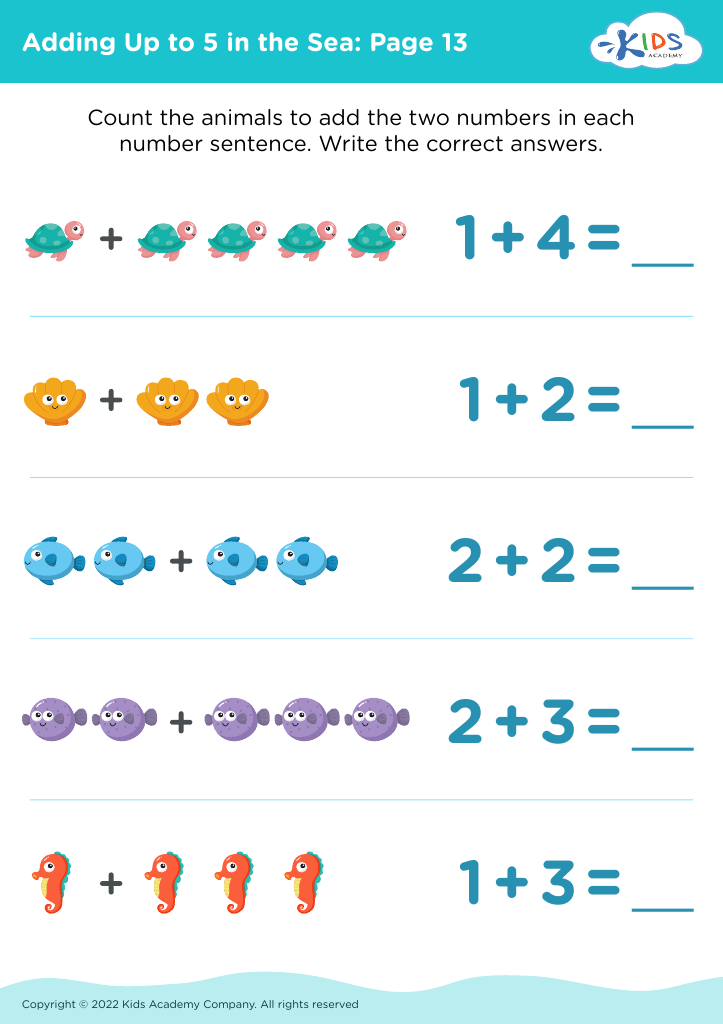
Adding Up to 5 in the Sea: Page 13
Worksheet
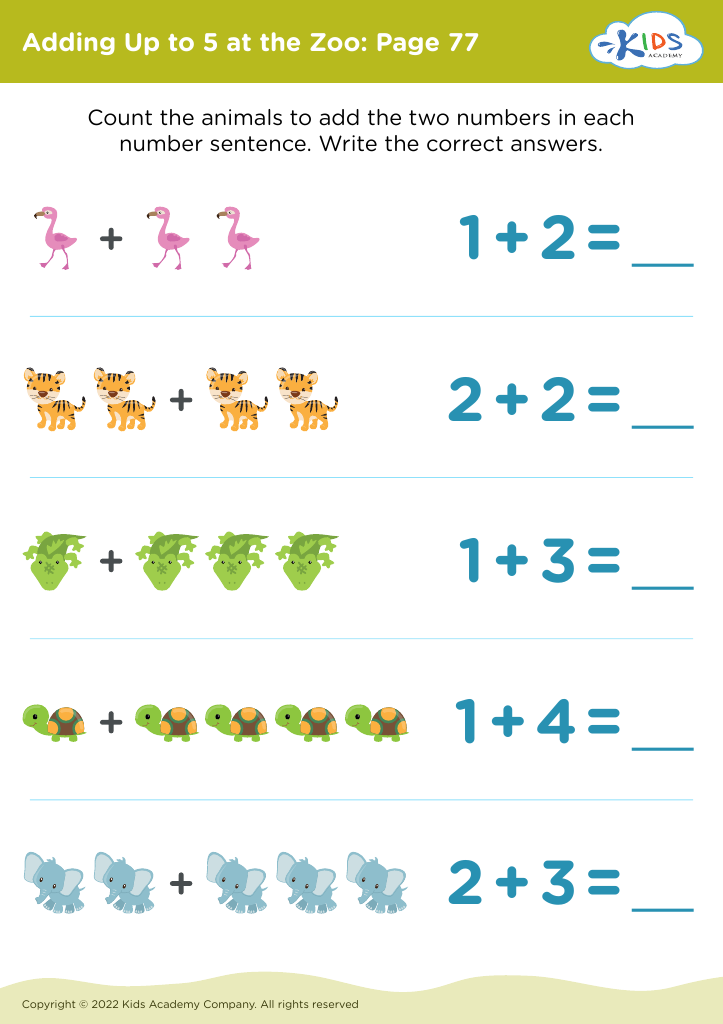
Adding Up to 5 at the Zoo: Page 77
Worksheet
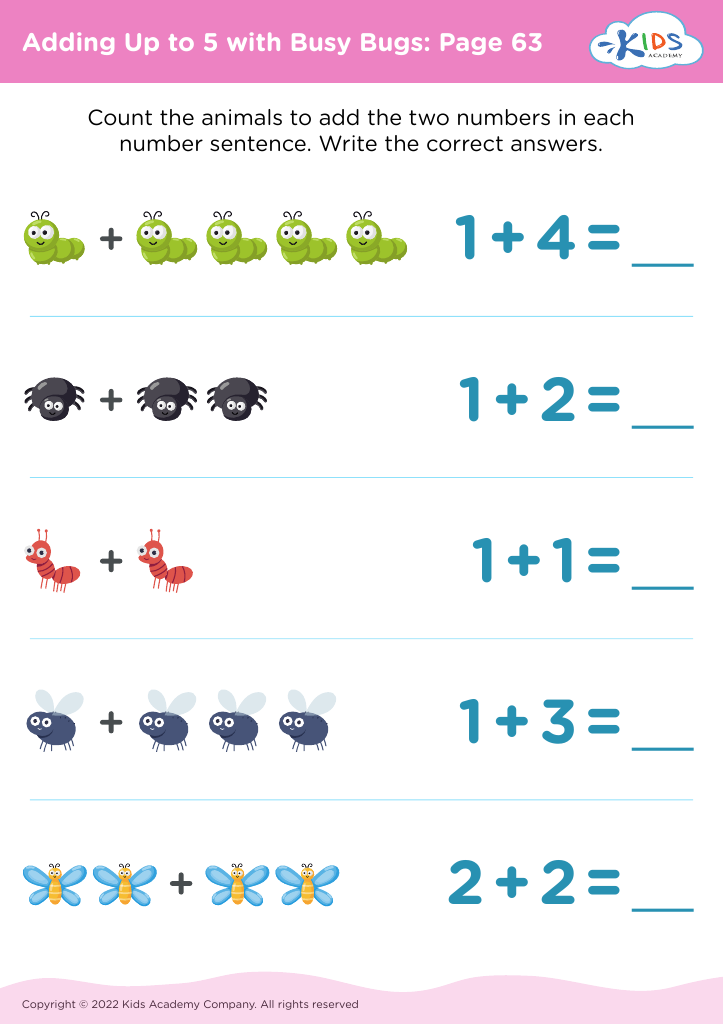
Adding Up to 5 with Busy Bugs: Page 63
Worksheet
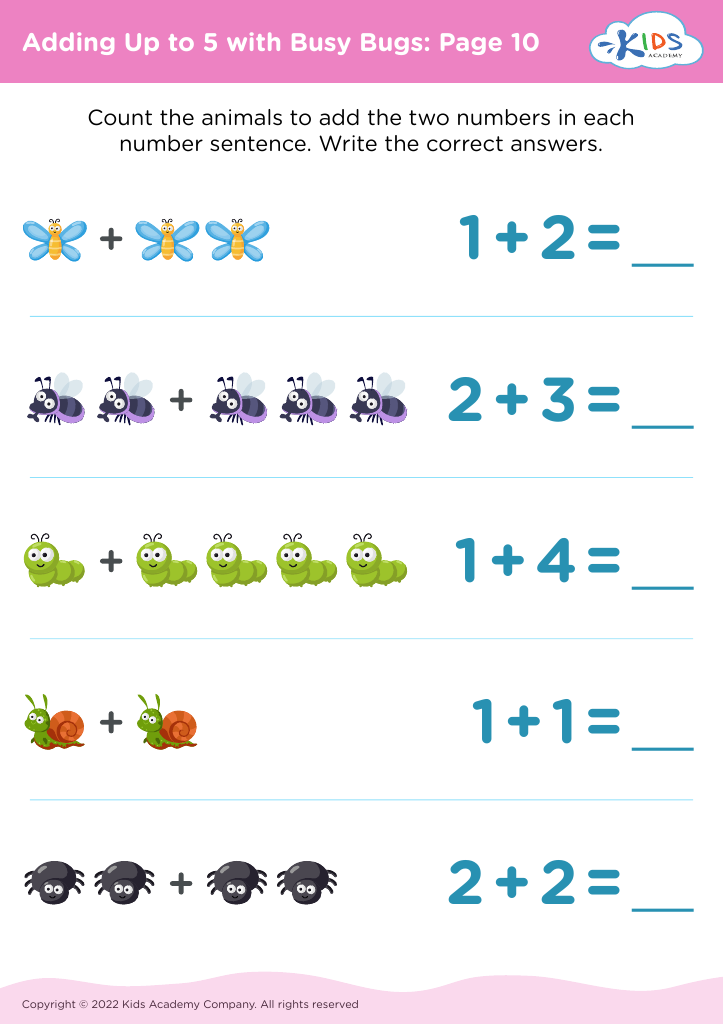
Adding Up to 5 with Busy Bugs: Page 10
Worksheet


Counting practice for children aged 3-7 is crucial for early cognitive development and lays the foundation for future math skills. During these formative years, children are naturally curious and eager to explore numbers. Engaging in counting activities enriches their understanding of one-to-one correspondence, quantity recognition, and number sequencing.

Parents and teachers should recognize that counting is more than just memorizing numbers; it encourages critical thinking and problem-solving skills. Through counting, children learn to classify objects, which enhances their organizational skills and mathematical reasoning. Additionally, incorporating counting into daily routines, such as counting toys or snacks, makes learning fun and relevant.

Moreover, regular counting practice fosters a sense of accomplishment and confidence in children. As they master counting skills, they gain a positive attitude towards math, which can help alleviate math anxiety in later years. Early engagement with numbers also supports language development, as children learn to articulate numbers and quantities.

In summary, counting practice is essential for fostering a strong numerical foundation, promoting cognitive and social skills, and building a positive relationship with mathematics, making it a priority for both parents and teachers in a child's learning journey.