Develop problem-solving abilities Worksheets for Ages 3-7
6 filtered results
-
From - To
Unlock your child's potential with our "Develop Problem-Solving Abilities Worksheets" designed specifically for ages 3-7! These engaging and interactive worksheets aim to enhance critical thinking skills through fun and age-appropriate activities. Children will navigate puzzles, patterns, and scenario-based challenges that foster creativity and analytical reasoning. Our resource is perfect for busy parents and educators seeking to cultivate essential problem-solving abilities while keeping learning enjoyable. Each worksheet is curated to match developmental milestones, ensuring a meaningful learning experience. Explore this essential tool today and empower your little ones to tackle challenges confidently and creatively! Perfect for classroom or home use.
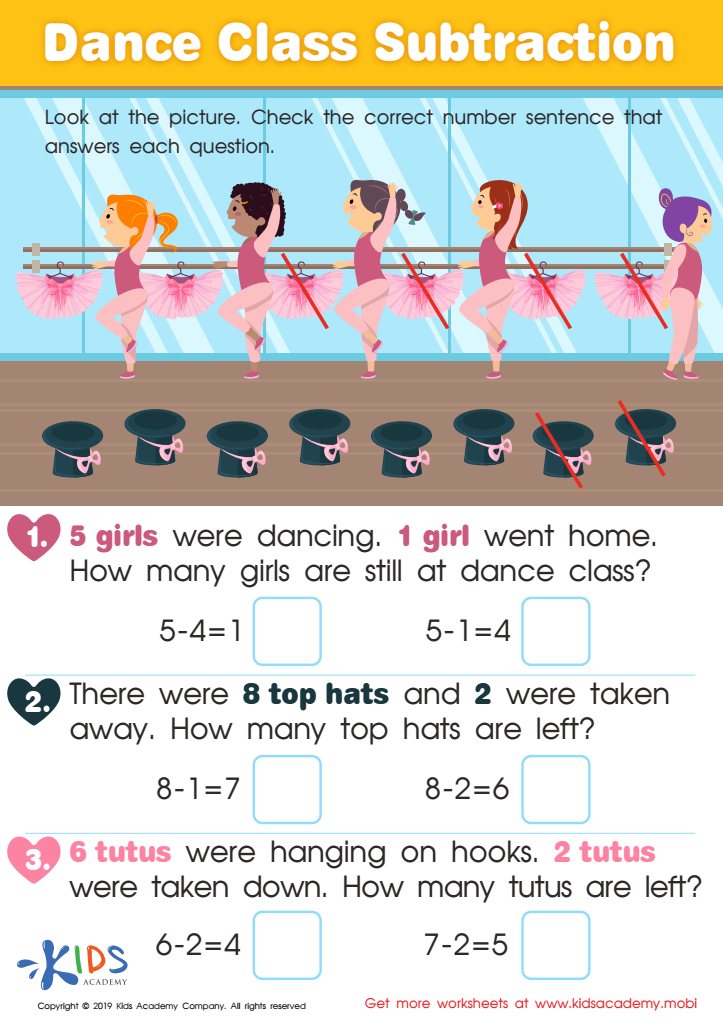
Dance Class Subtraction Worksheet
 Assign to My Students
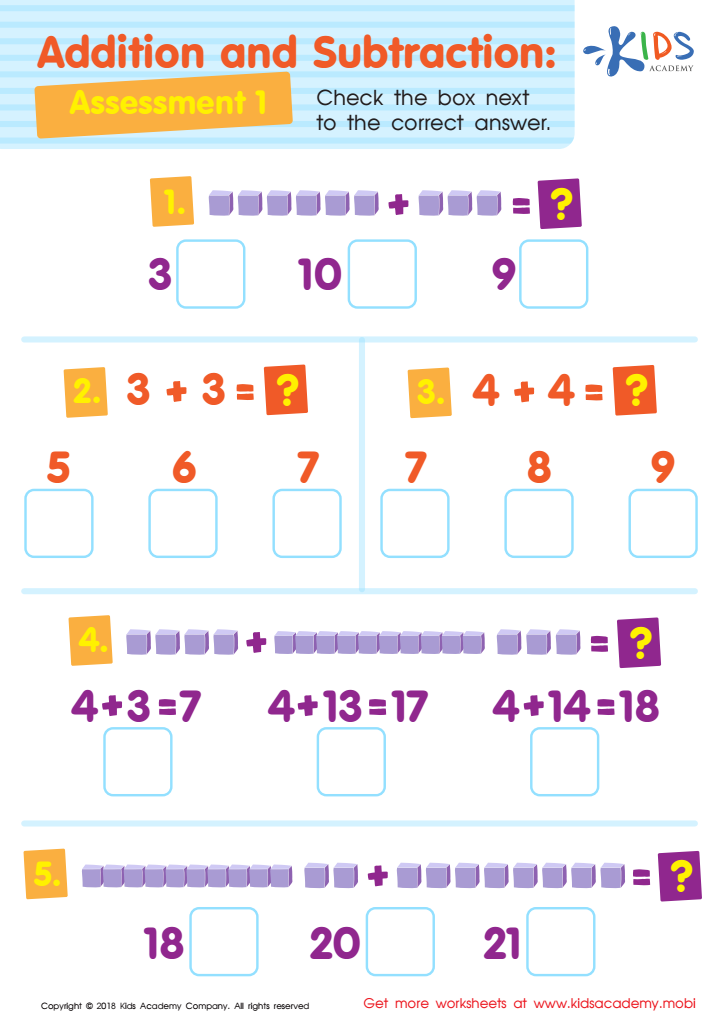
Addition and Subtraction Assessment 1 Worksheet
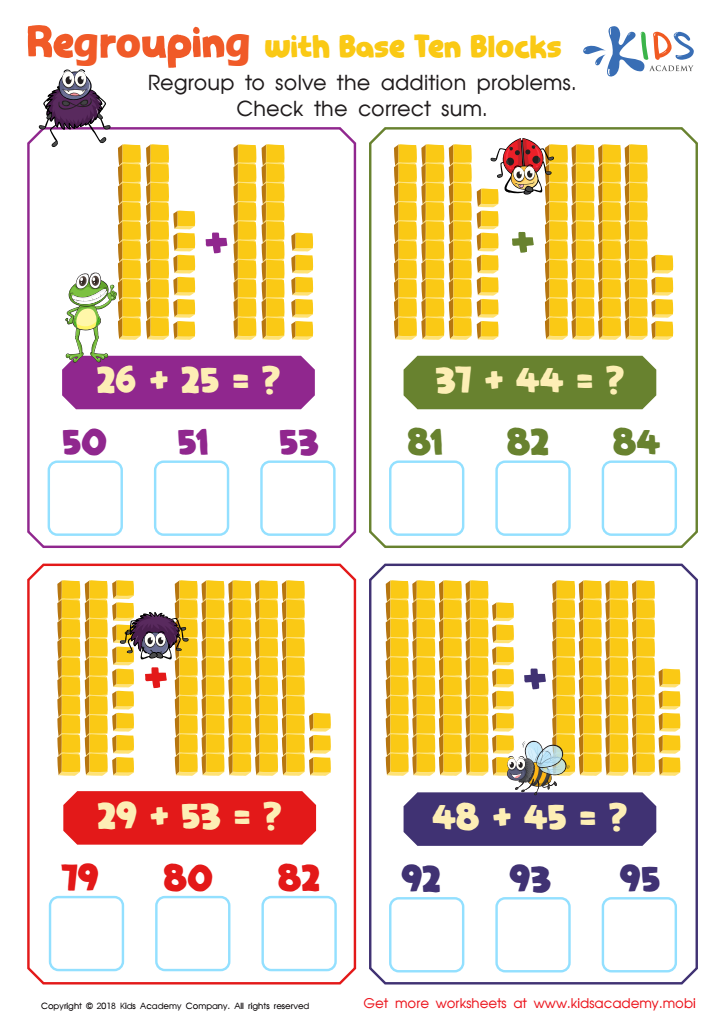
Regrouping With Base Ten Blocks Worksheet
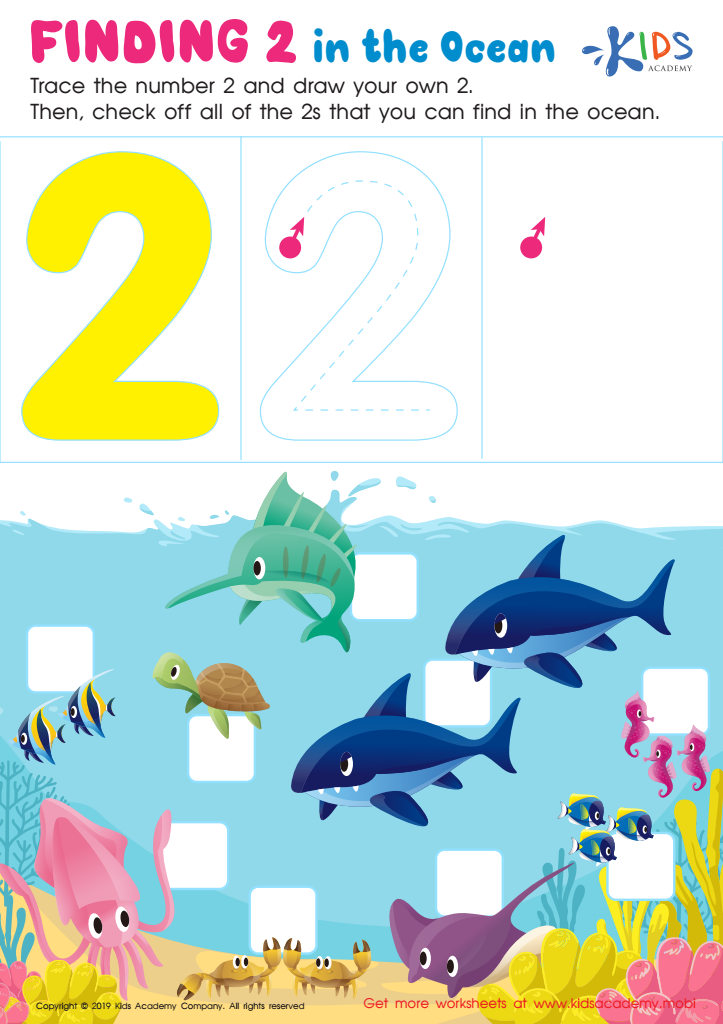
Finding 2: In the Ocean Worksheet






Developing problem-solving abilities in children aged 3-7 is essential for several reasons. Firstly, early problem-solving skills foster cognitive development, helping children to think critically and independently. By engaging in activities that require them to identify problems, analyze situations, and explore solutions, children learn how to approach challenges creatively and effectively.
Moreover, these skills promote emotional intelligence. As children navigate obstacles, they enhance their emotional regulation, learning to cope with frustration and manage emotions positively. This resilience builds confidence, encouraging them to take on new challenges and embrace learning opportunities.
Parents and teachers also play a crucial role in guiding children through problem-solving processes. By creating supportive environments and providing opportunities for exploration, they empower children to think through situations logically and develop persistence. These skills build a foundation for future success in academics and real-life situations.
Lastly, fostering problem-solving abilities early on prepares children for social interactions. Working through conflicts or group projects with peers enhances their collaboration skills, making them more effective communicators and team players. In summary, promoting problem-solving in young children cultivates essential life skills necessary for their personal, social, and academic growth.








