Identification skills Worksheets for Ages 3-7
10 filtered results
-
From - To
Unlock your child's potential with our Identification Skills Worksheets for Ages 3-7! Designed to support early learners, these engaging and interactive worksheets help children develop essential skills in recognizing and categorizing objects, shapes, colors, and patterns. Perfect for home or classroom use, our worksheets feature vivid illustrations that boost engagement and make learning fun. By refining their observational skills, children will enhance their critical thinking and boost their confidence in early education. Explore our extensive collection, tailored to different learning styles, and watch your little ones thrive while they play, learn, and discover. Start nurturing identification skills today!
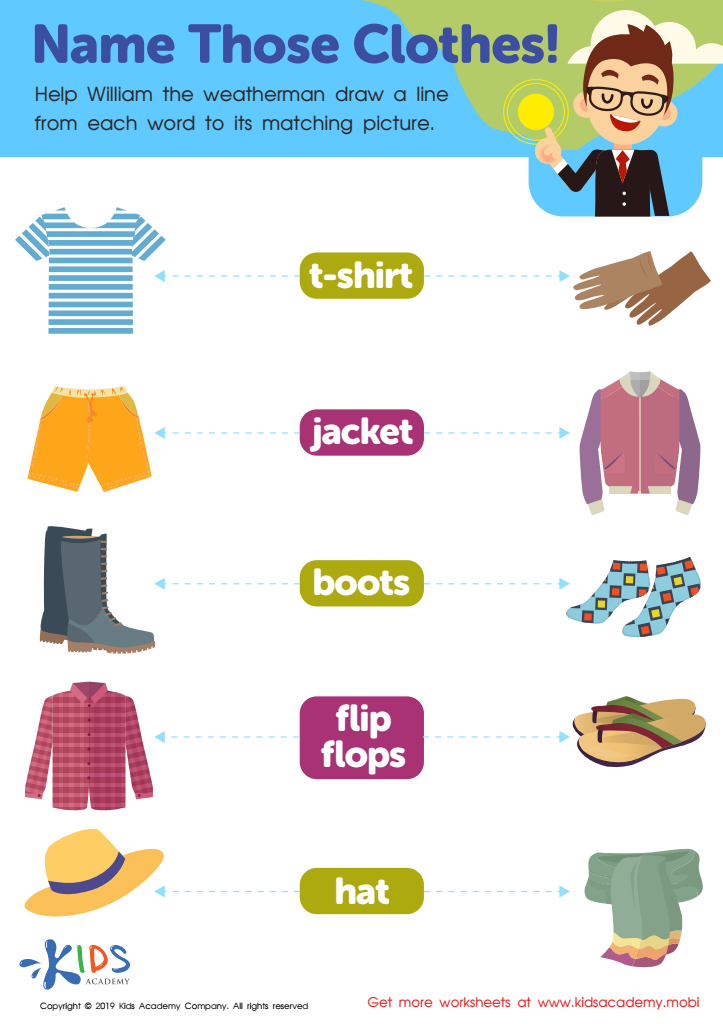
Name Those Clothes Worksheet
 Assign to My Students
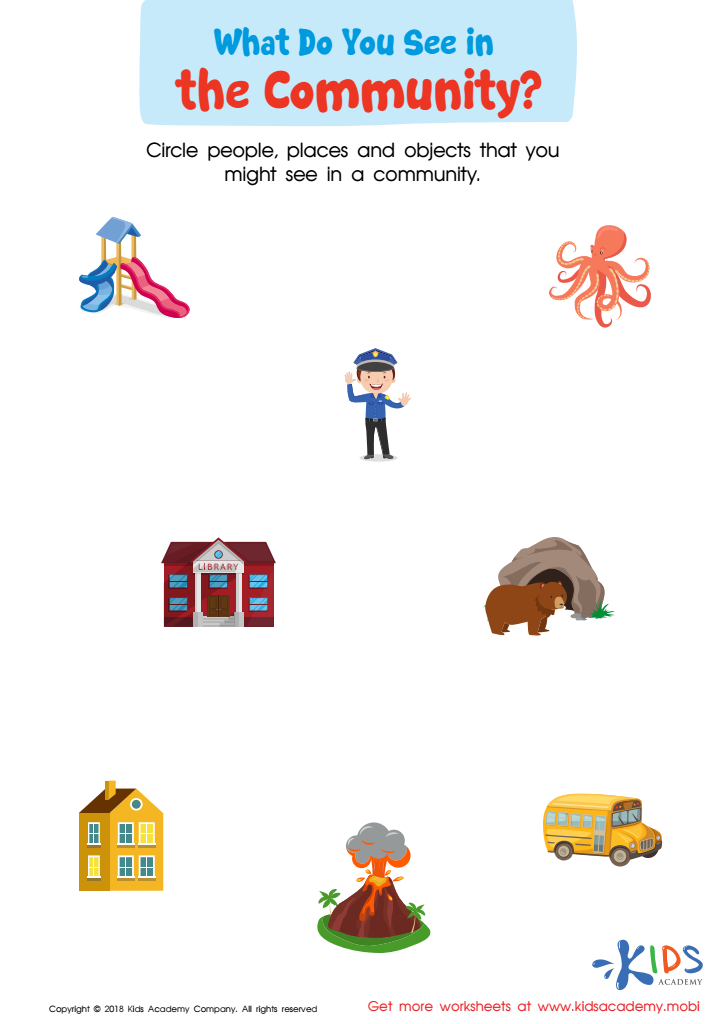
What Do You See in the Community Worksheet
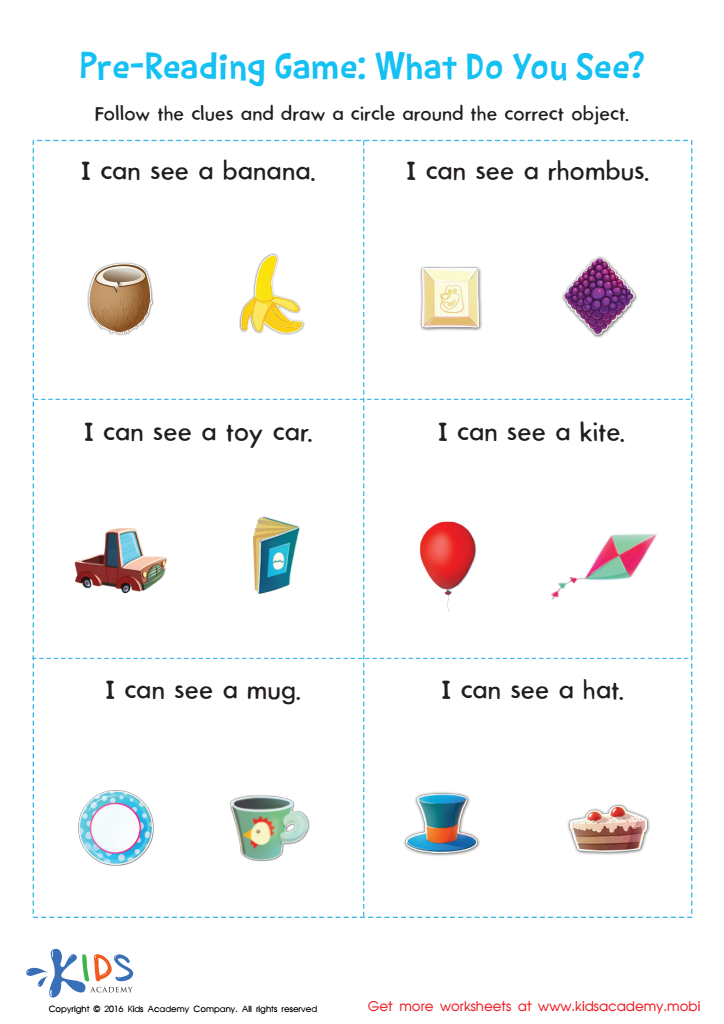
Pre–reading Worksheet: What Do You See?
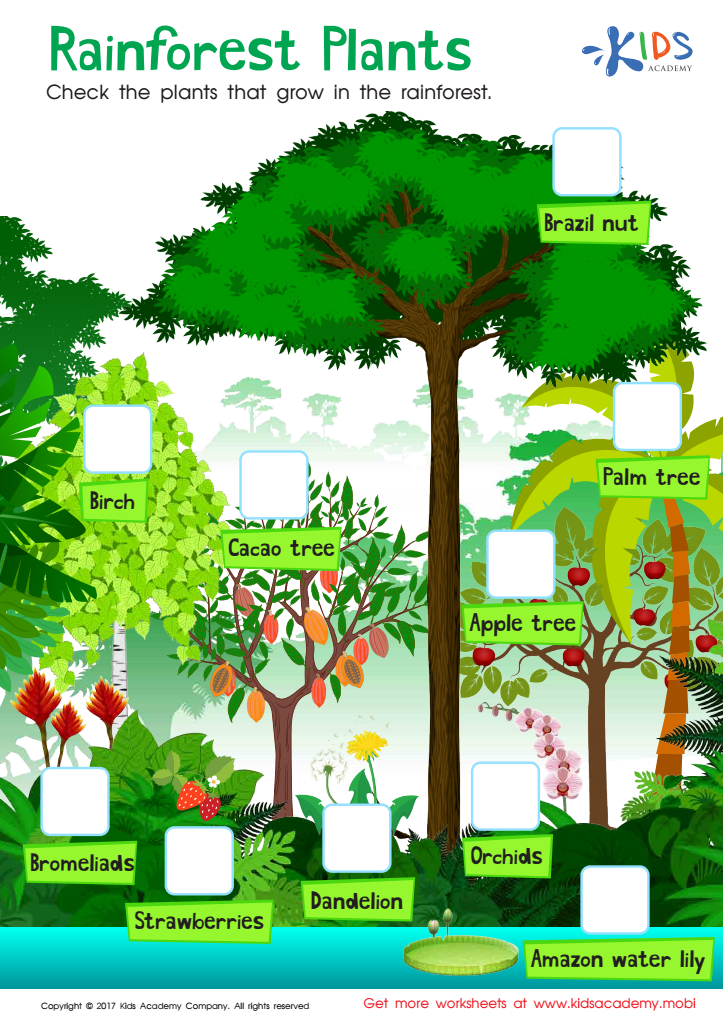
Rainforest Plants Worksheet
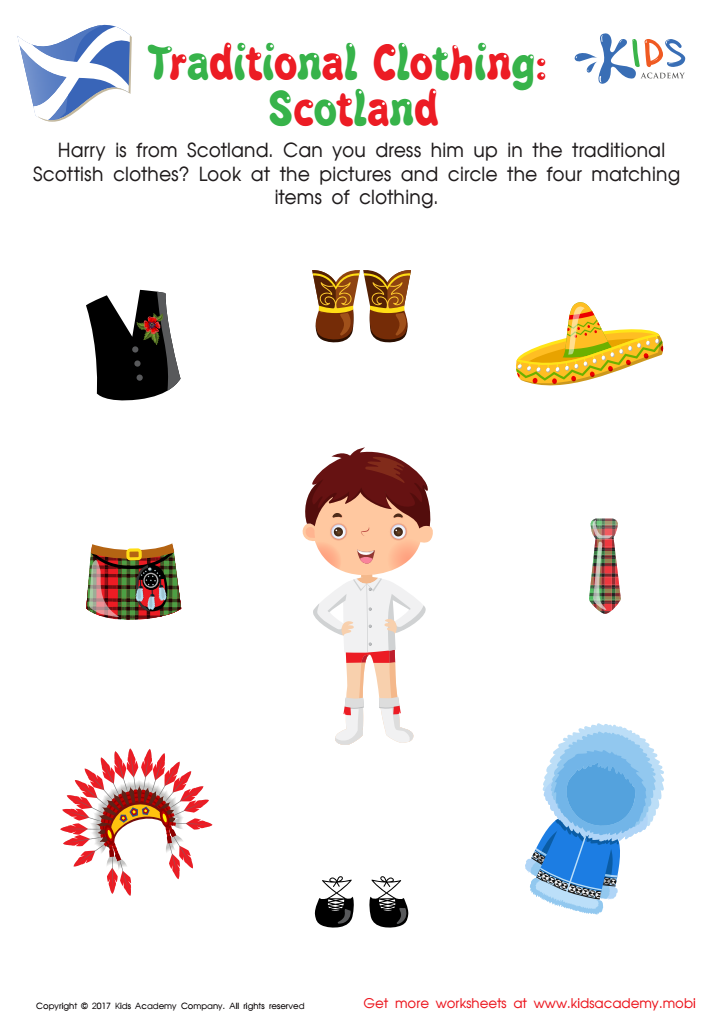
Traditional Clothing in Scotland Worksheet
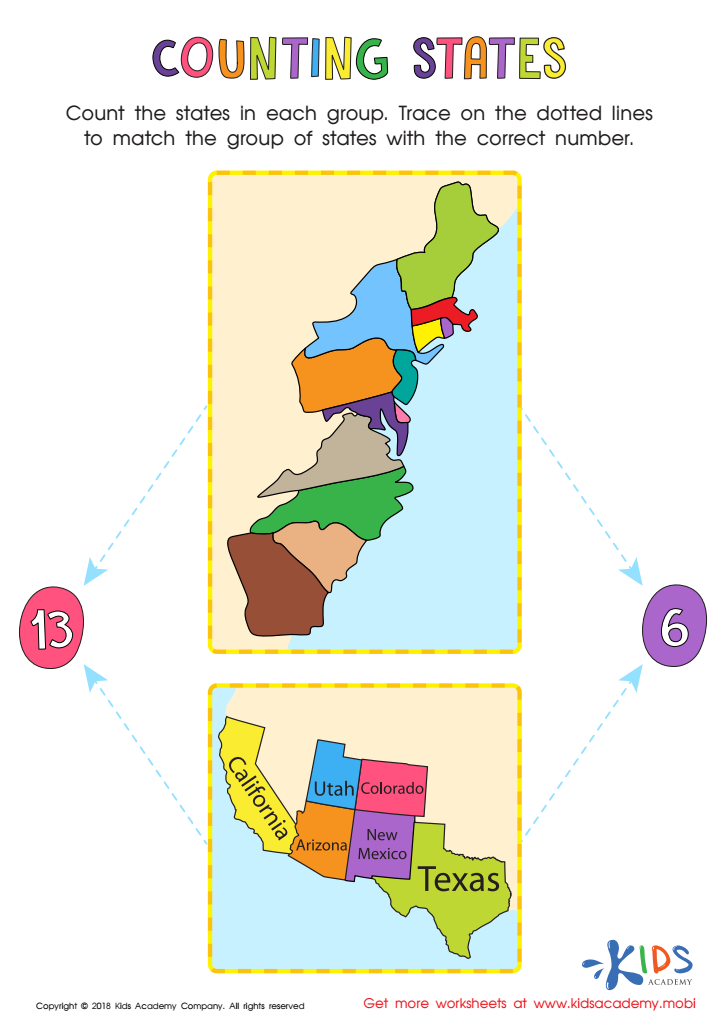
Counting States Worksheet
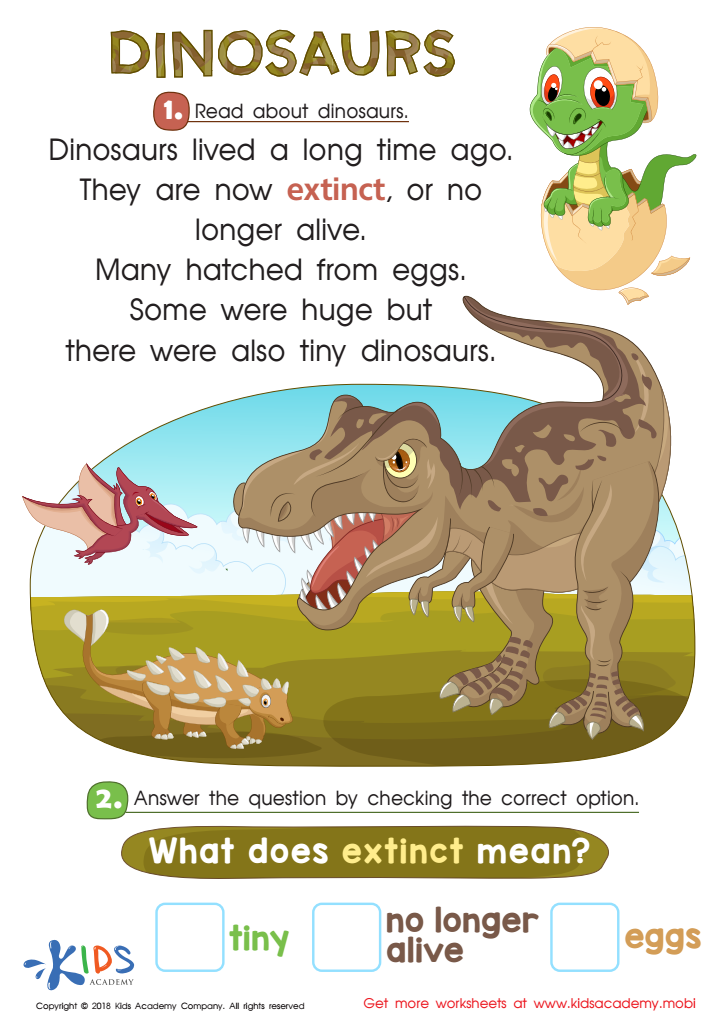
Dinosaurs Worksheet
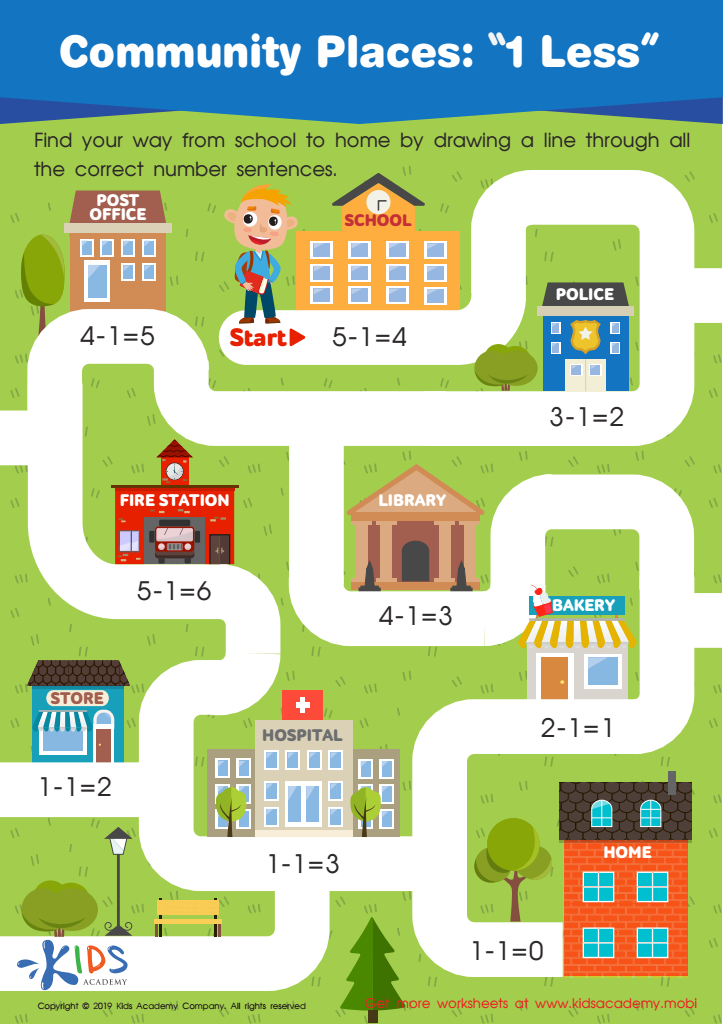
Community Places: 1 Less Worksheet
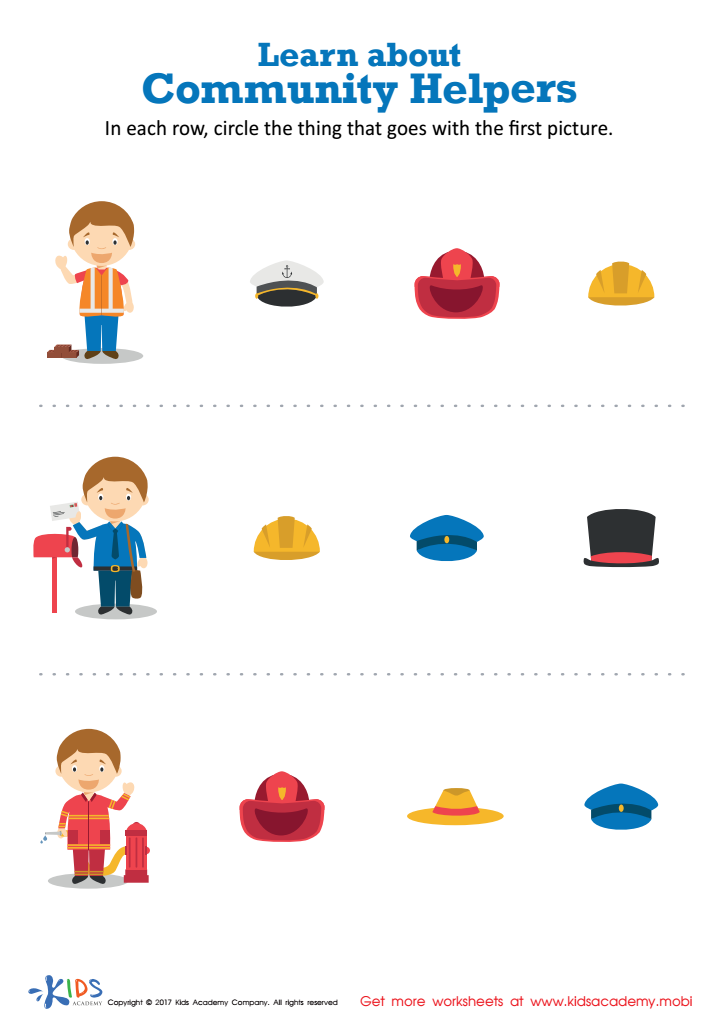
Learn about Community Helpers Printable








Identification skills are crucial for children ages 3-7 as they serve as foundational components for later learning and development. During these formative years, children learn to recognize and categorize various aspects of their environment, such as shapes, colors, animals, and letters, which enhances their cognitive abilities. This process not only supports their academic growth but also fosters confidence and curiosity.
For parents and teachers, nurturing identification skills lays the groundwork for literacy and numeracy. As children identify letters and numbers, they begin to connect sounds and symbols, which is essential for reading and writing. Additionally, recognizing patterns and categorizing objects strengthens problem-solving skills and critical thinking.
Furthermore, working on identification skills encourages social interaction. Sharing learning experiences fosters communication and teamwork, helping children develop emotional intelligence and relationships with peers. Establishing a supportive learning environment, whether at home or in the classroom, can significantly influence a child's motivation to explore and engage with the world around them.
Overall, fostering identification skills from an early age equips children with vital tools for lifelong learning, enhancing their educational journey and personal development. Parents and teachers play a pivotal role in this foundational process, influencing children's attitudes toward learning and discovery.








