Logic development Worksheets for Ages 3-7
4 filtered results
-
From - To
Unleash your child's cognitive potential with our Logic Development Worksheets for Ages 3-7! Carefully designed by educational experts, these engaging activities foster important thinking skills and problem-solving abilities. From pattern recognition to sequencing and categorizing, our vibrant worksheets make learning fun and captivating. Tailored to suit early learners' unique developmental stages, each worksheet promotes critical thinking, logical reasoning, and decision-making. Ideal for use at home or in the classroom, our worksheets provide a solid foundation for future academic success. Spark your child's curiosity and boost their confidence with every completed challenge. Discover educational fun with Logic Development Worksheets!
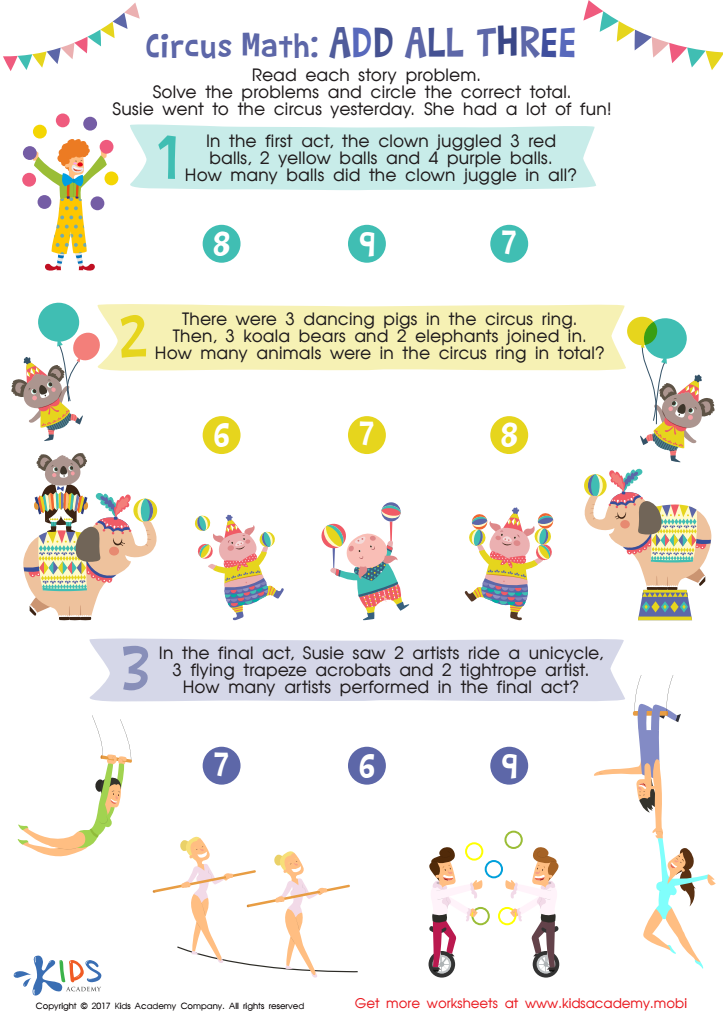
Circus Math Printable
 Assign to My Students
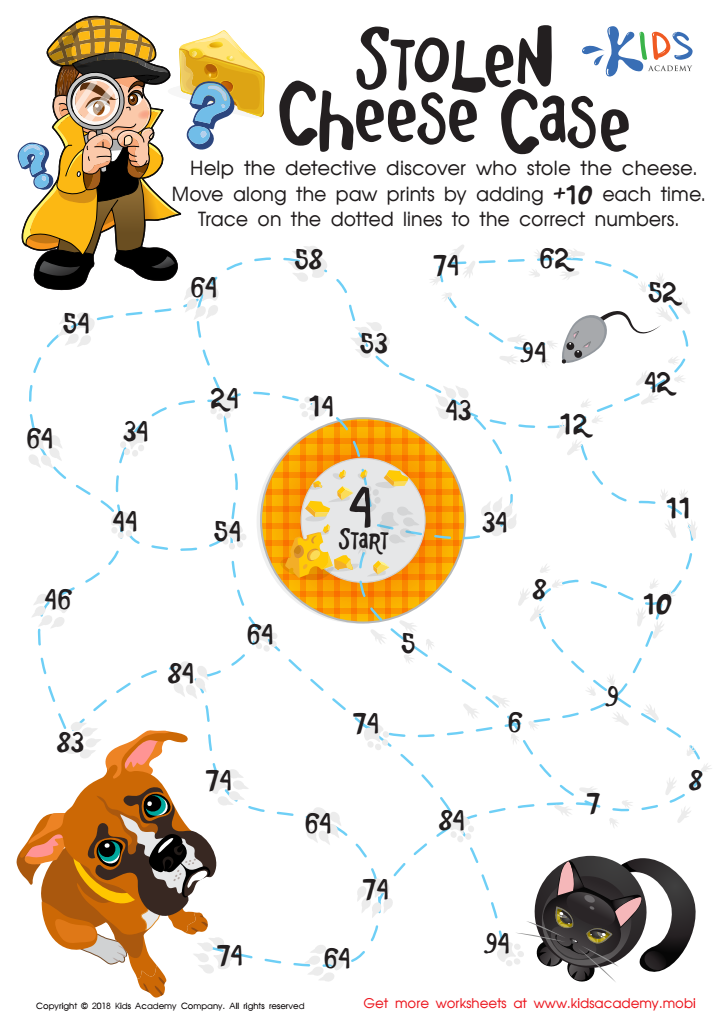
Stolen Cheese Case Maze Worksheet
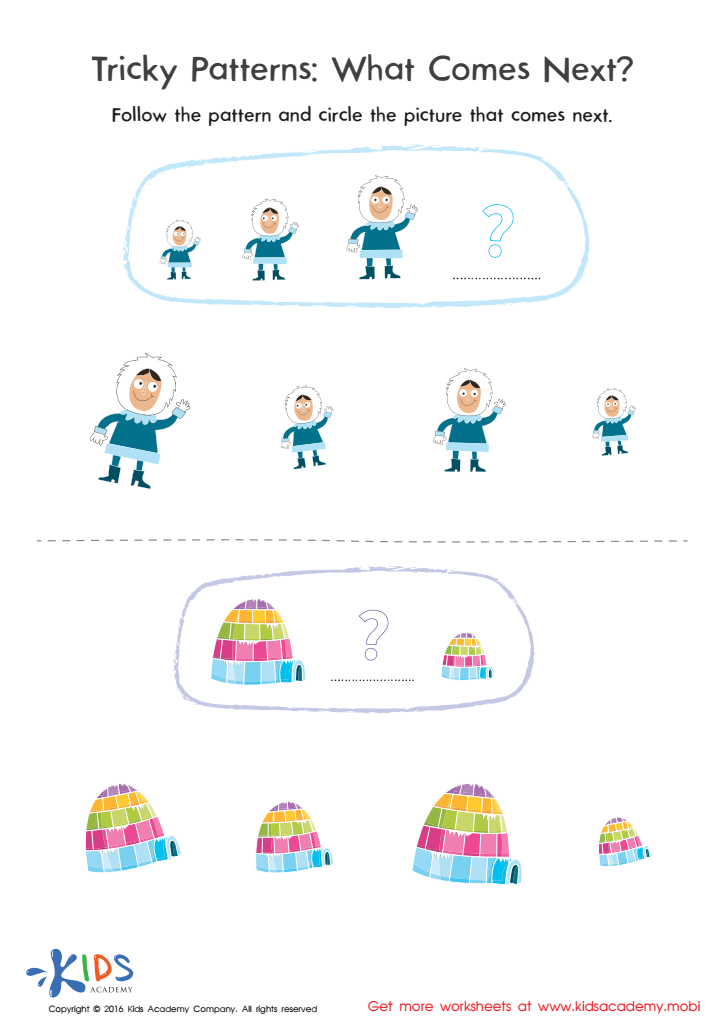
Tricky Patterns Size Worksheet








Parents and teachers play a crucial role in the foundational years of children's development, and fostering logical thinking from ages 3-7 is particularly important. During this period, children's brains are highly receptive and rapidly developing. Encouraging logic helps enhance problem-solving skills, which form the basis for effective learning and daily decision-making.
Logical thinking nurtures cognitive abilities by teaching children how to reason, analyze situations, and understand cause-and-effect relationships. These skills are essential across all subjects, from mathematics to reading comprehension. When children understand basic logical sequences, they can better grasp the fundamentals of mathematical problem-solving and the patterns within stories.
Moreover, developing logic fosters critical thinking and independence. Children become more adept at assessing situations, predicting outcomes, and making informed choices rather than impulsive decisions. This helps build their confidence and autonomy in navigating the world around them.
Socially, logical reasoning can improve children's communication skills. When they learn to organize their thoughts coherently, they articulate their ideas more clearly, leading to better interactions with peers and adults.
Ultimately, investing in logic development during these formative years lays a strong foundation for lifelong learning, equipping children with the essential skills to adapt and thrive in an ever-changing environment.








