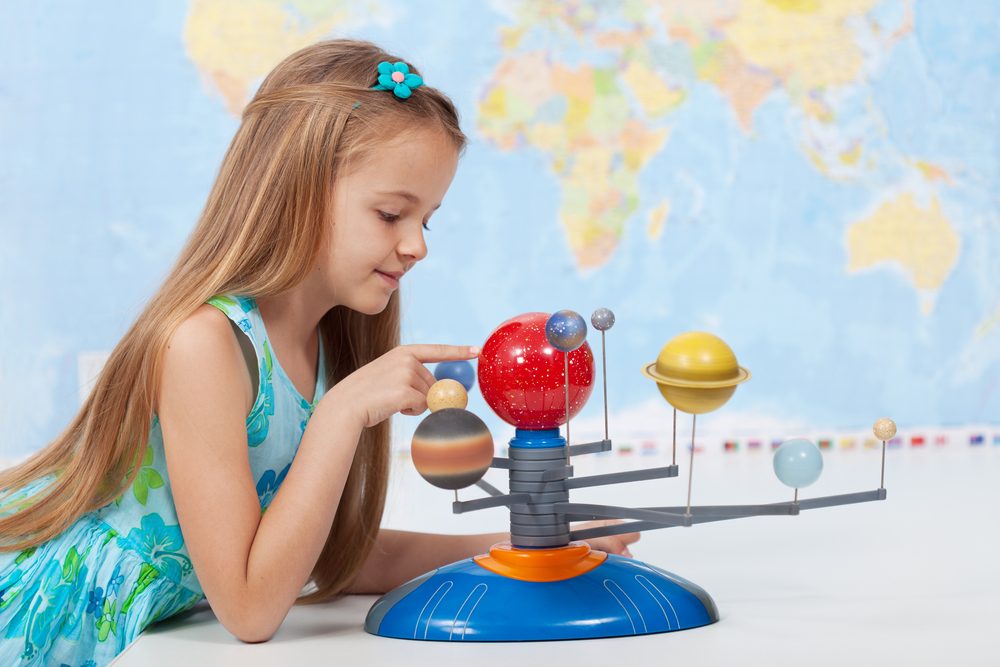
Check out this FREE "Recognizing shapes" Trial Lesson for age 3-7!

Match Exactly the Same

Favorites
With answer key
Interactive
  • 3-7
  • Recognizing shapes
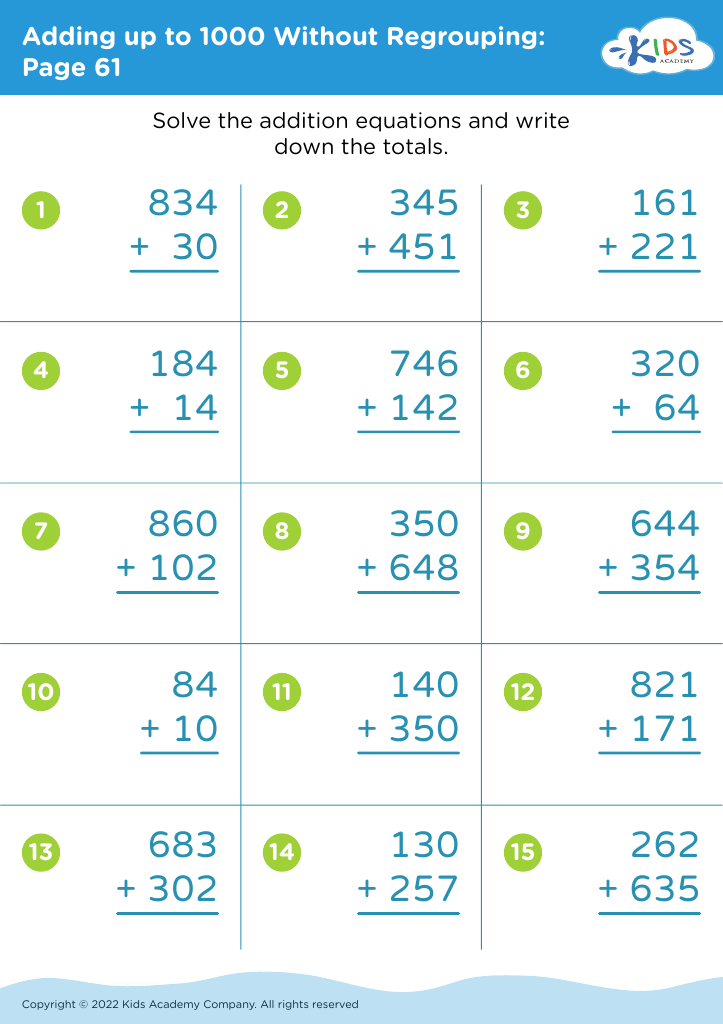
Adding up to 1000 Without Regrouping: Page 61
Worksheet
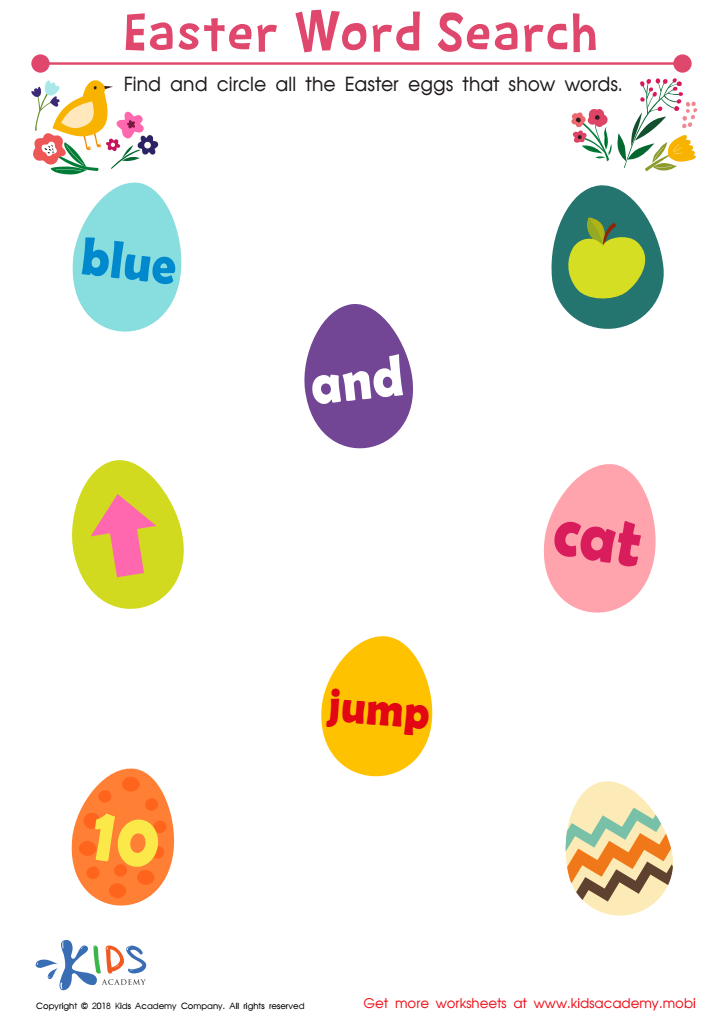
Easter Word Search Worksheet

Easter Word Search Worksheet

Kids love Easter - food, picnics, games - and the egg hunt! Does your family celebrate Easter? Get your kids to find some of the Easter egg words in this word search. Ask them to read each word and circle the eggs. It's a fun way to celebrate the holiday!
Easter Word Search Worksheet
Worksheet
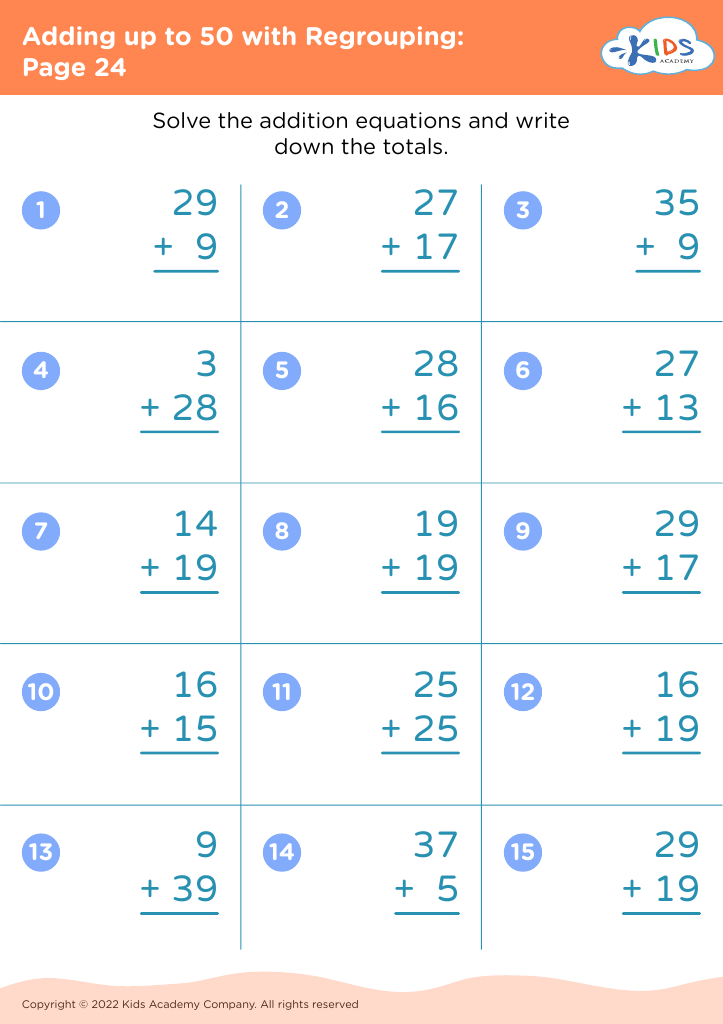
Adding up to 50 with Regrouping: Page 24
Worksheet
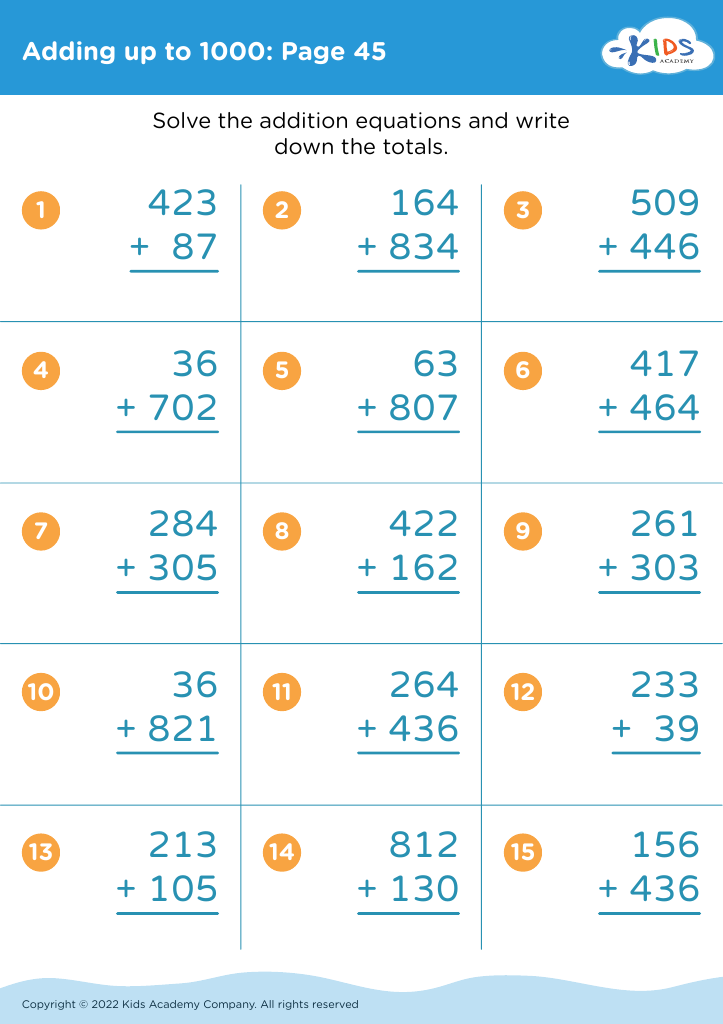
Adding up to 1000: Page 45

Adding up to 1000: Page 45

Adding up to 1000: Page 45
Worksheet
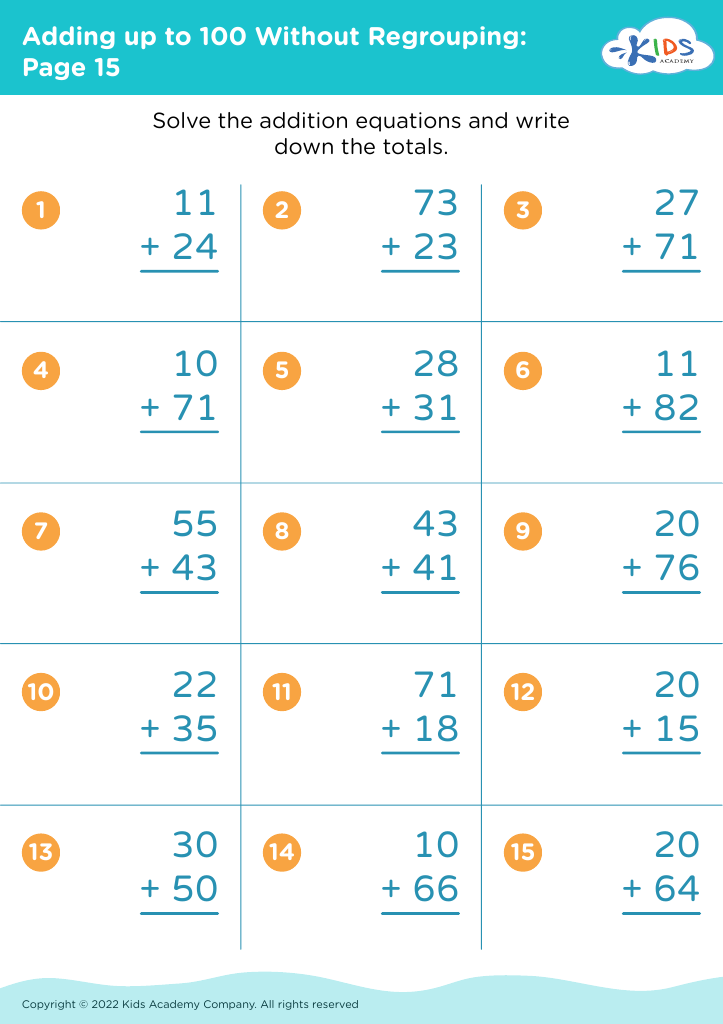
Adding up to 100 Without Regrouping: Page 15
Worksheet
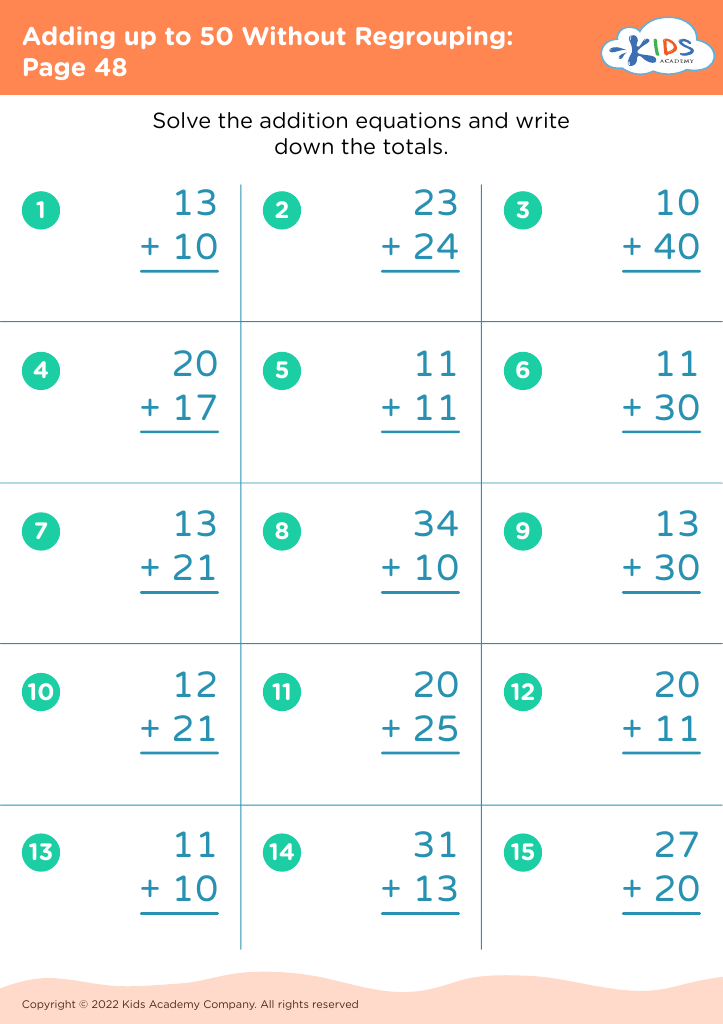
Adding up to 50 Without Regrouping: Page 48
Worksheet
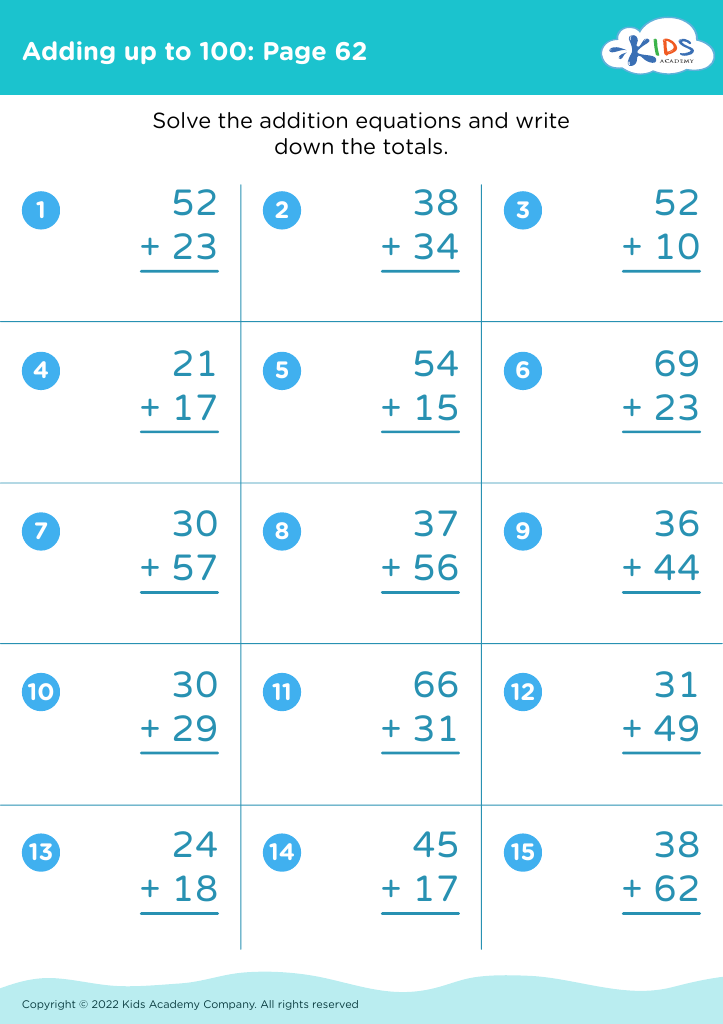
Adding up to 100: Page 62

Adding up to 100: Page 62

Adding up to 100: Page 62
Worksheet
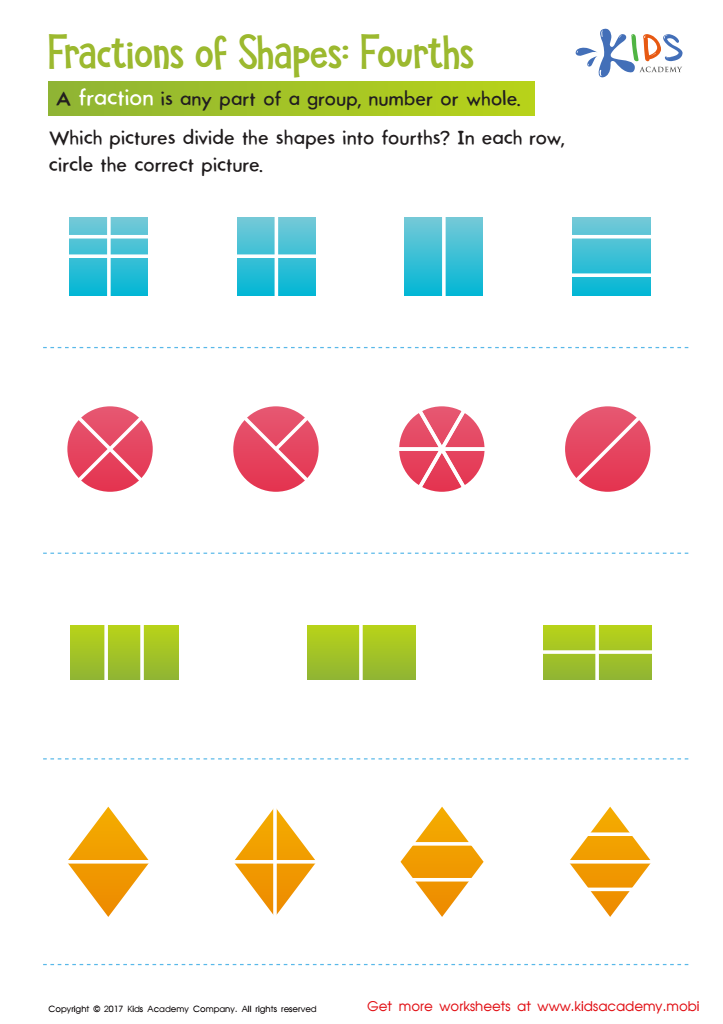
Fractions of Shapes Printable Worksheet

Fractions of Shapes Worksheet
It will also show them how fractions are represented in everyday shapes.
Fractions of Shapes Worksheet
Worksheet
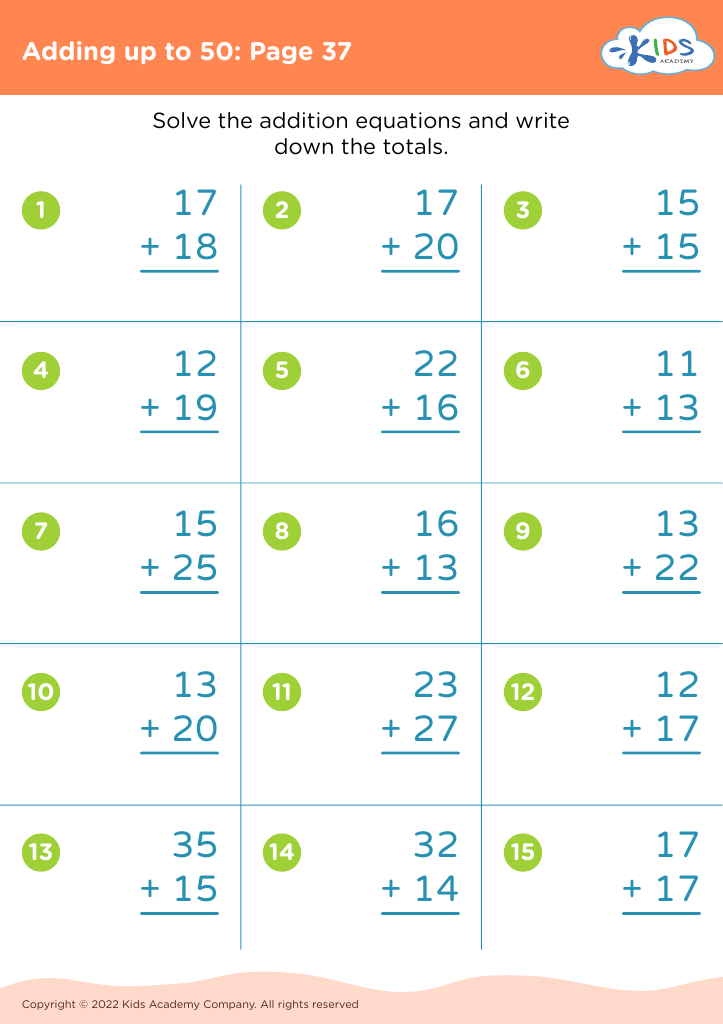
Adding up to 50: Page 37

Adding up to 50: Page 37

Adding up to 50: Page 37
Worksheet
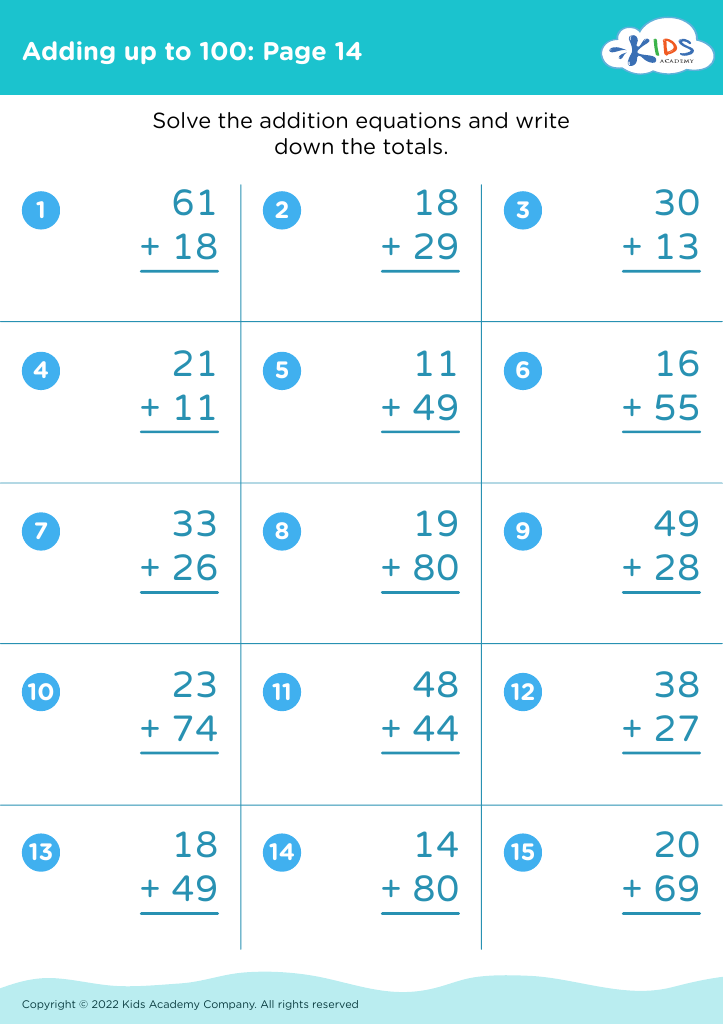
Adding up to 100: Page 14

Adding up to 100: Page 14

Adding up to 100: Page 14
Worksheet
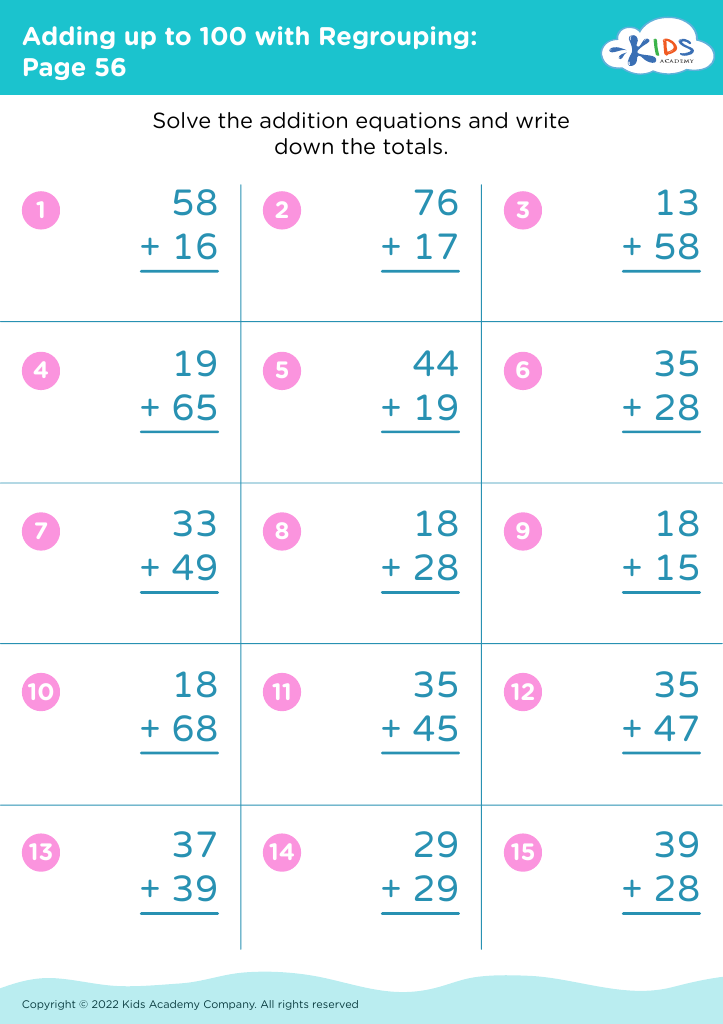
Adding up to 100 with Regrouping: Page 56
Worksheet
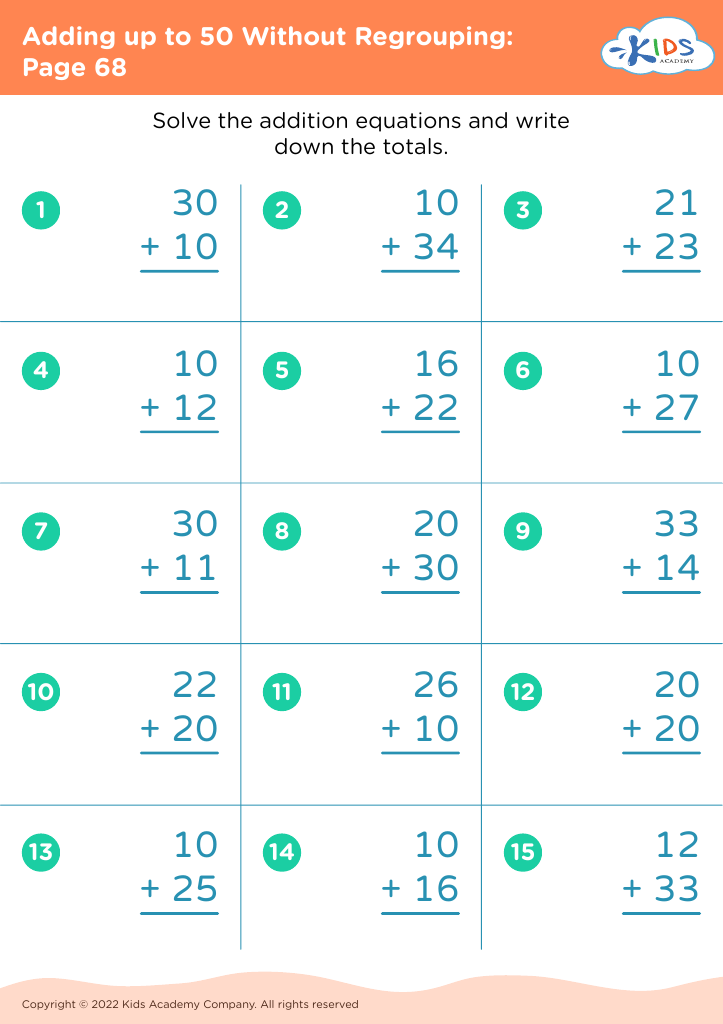
Adding up to 50 Without Regrouping: Page 68
Worksheet
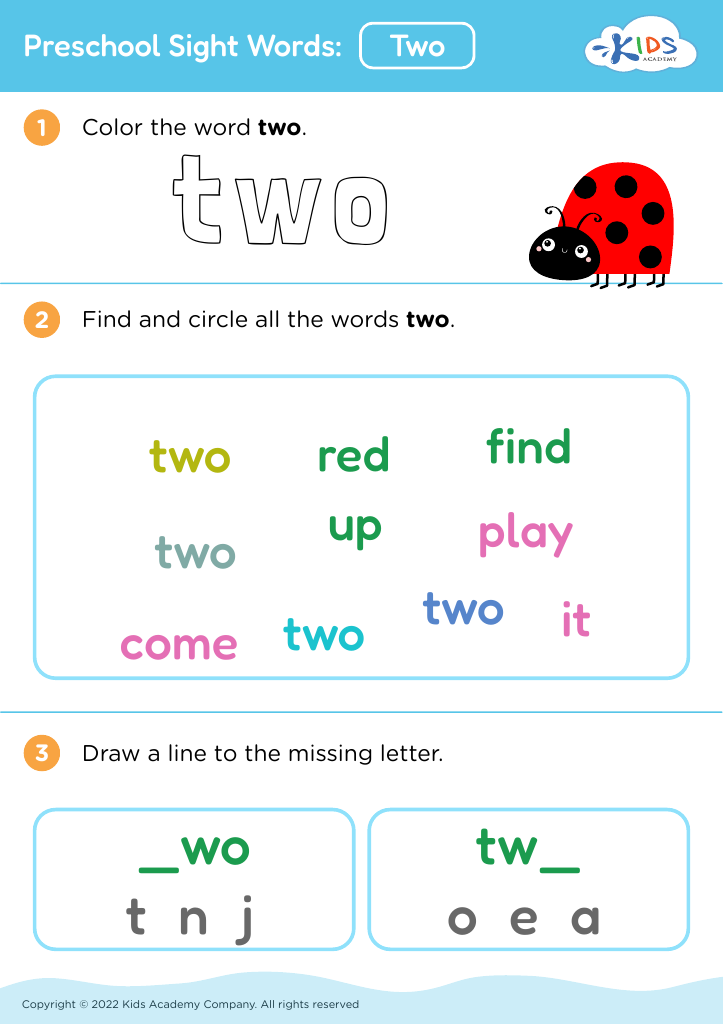
Preschool Sight Words: Two

Preschool Sight Words: Two

Preschool Sight Words: Two
Worksheet
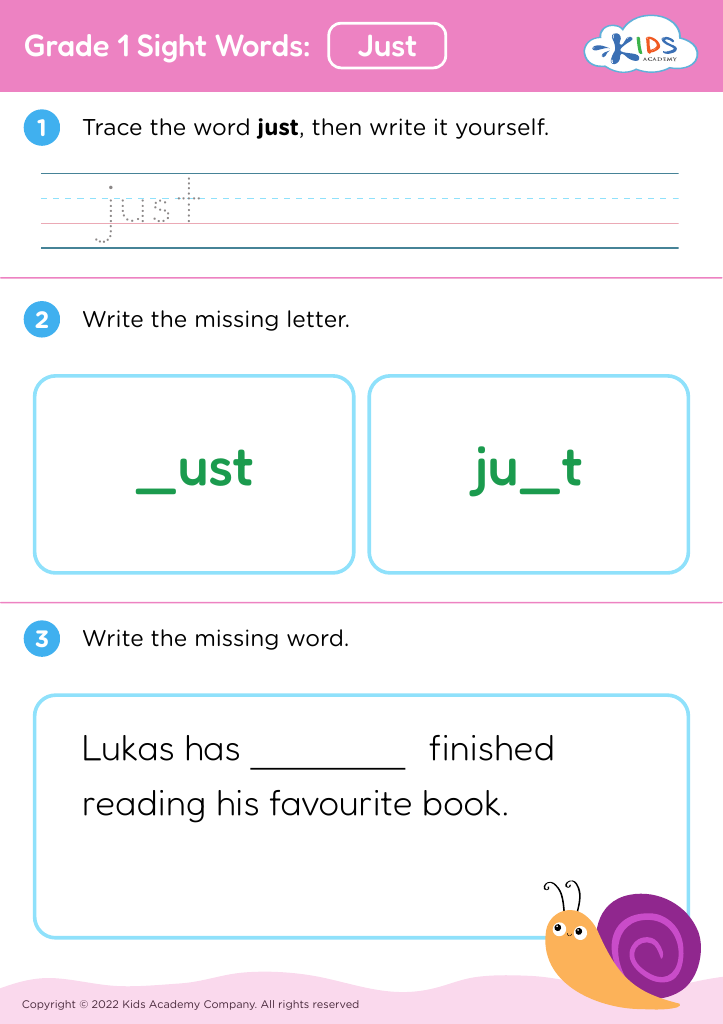
Grade 1 Sight Words: Just

Grade 1 Sight Words: Just

Grade 1 Sight Words: Just
Worksheet
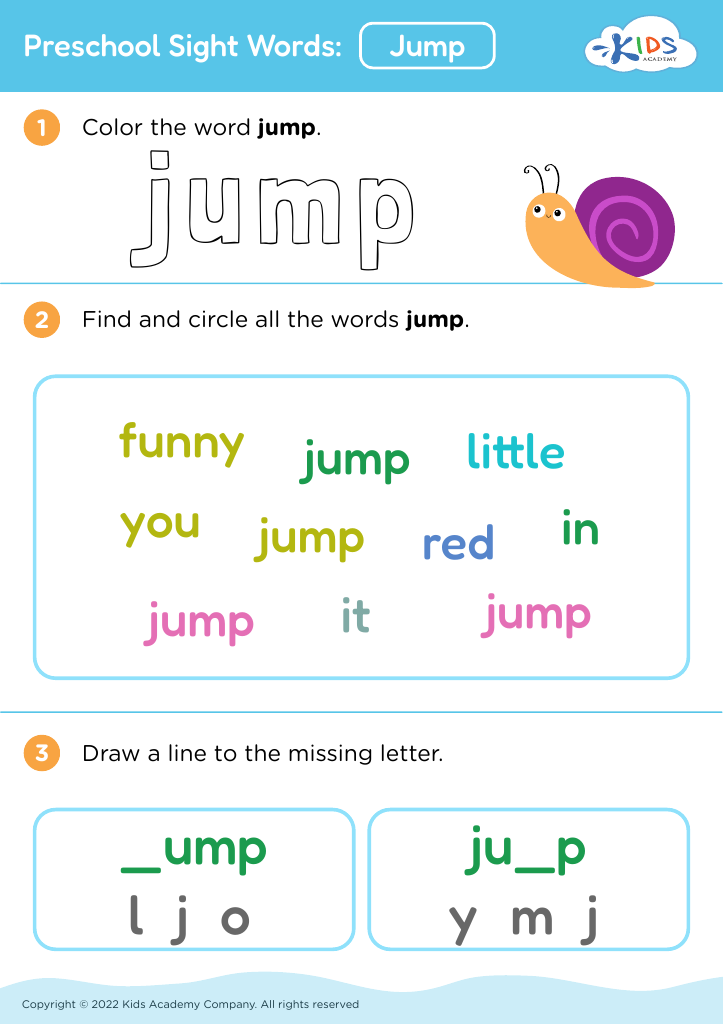
Preschool Sight Words: Jump

Preschool Sight Words: Jump

Preschool Sight Words: Jump
Worksheet
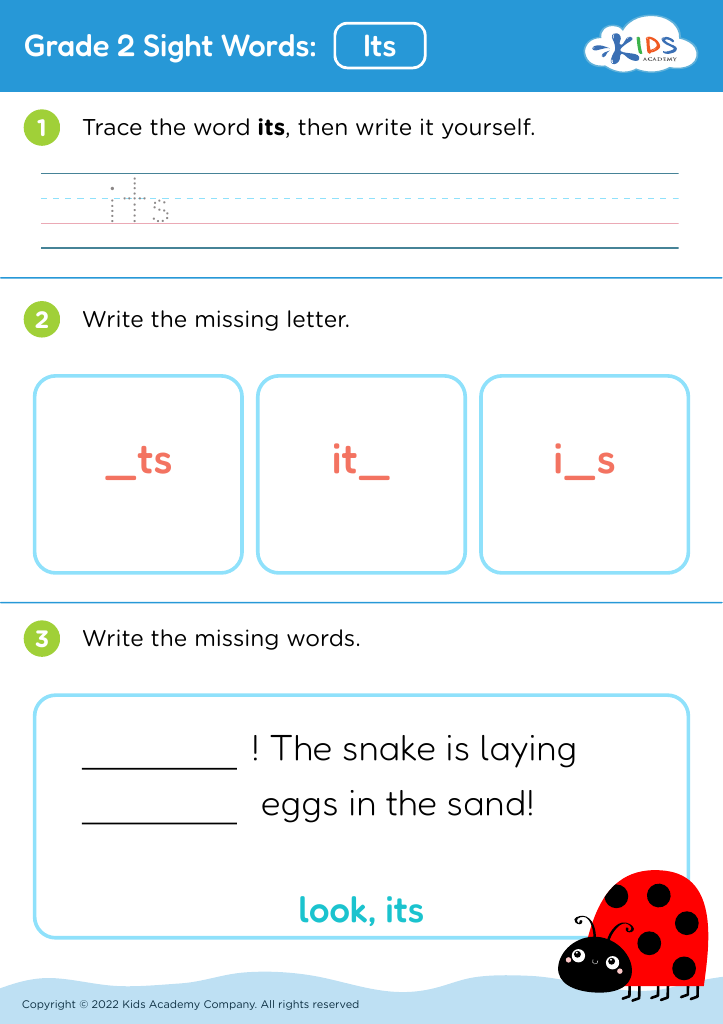
Grade 2 Sight Words: Its

Grade 2 Sight Words: Its

Grade 2 Sight Words: Its
Worksheet
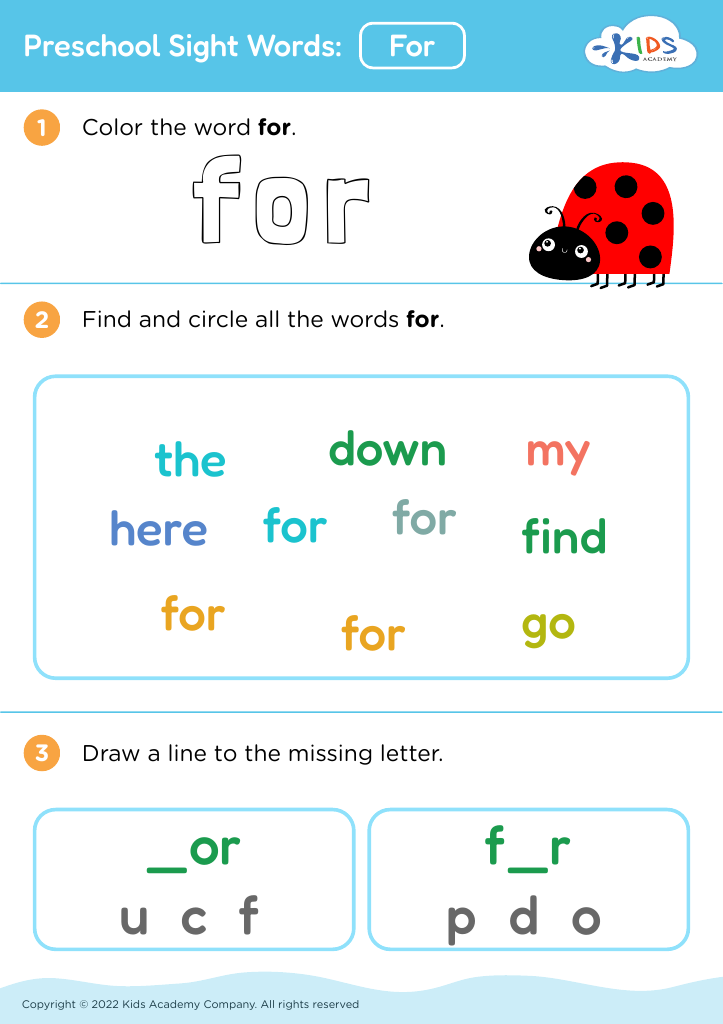
Preschool Sight Words: For

Preschool Sight Words: For

Preschool Sight Words: For
Worksheet
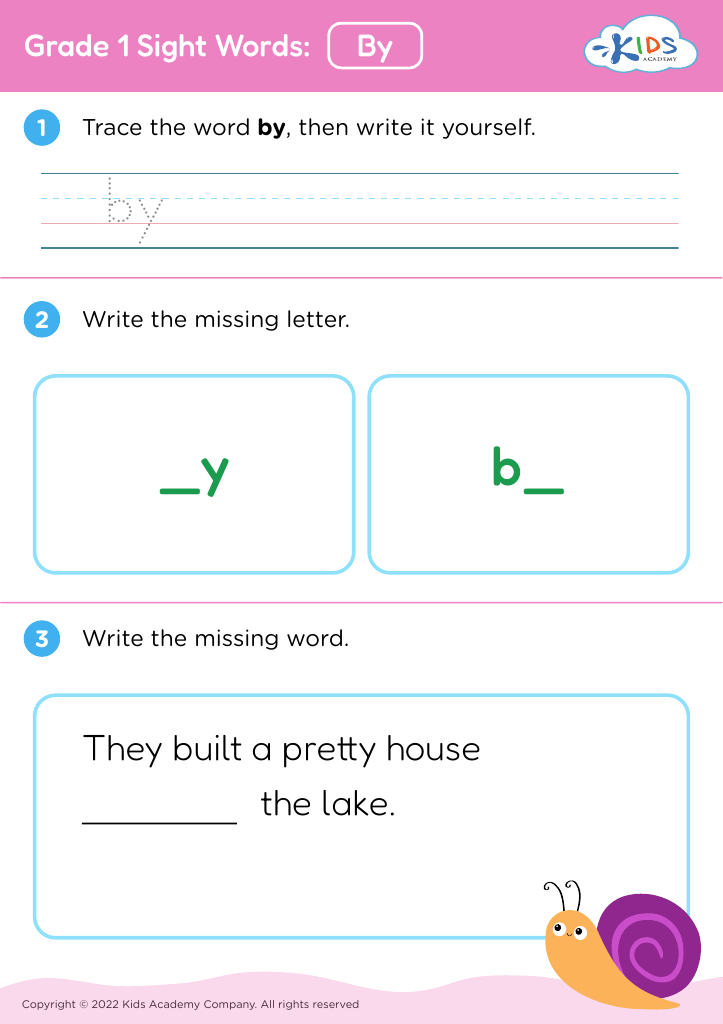
Grade 1 Sight Words: By

Grade 1 Sight Words: By

Grade 1 Sight Words: By
Worksheet
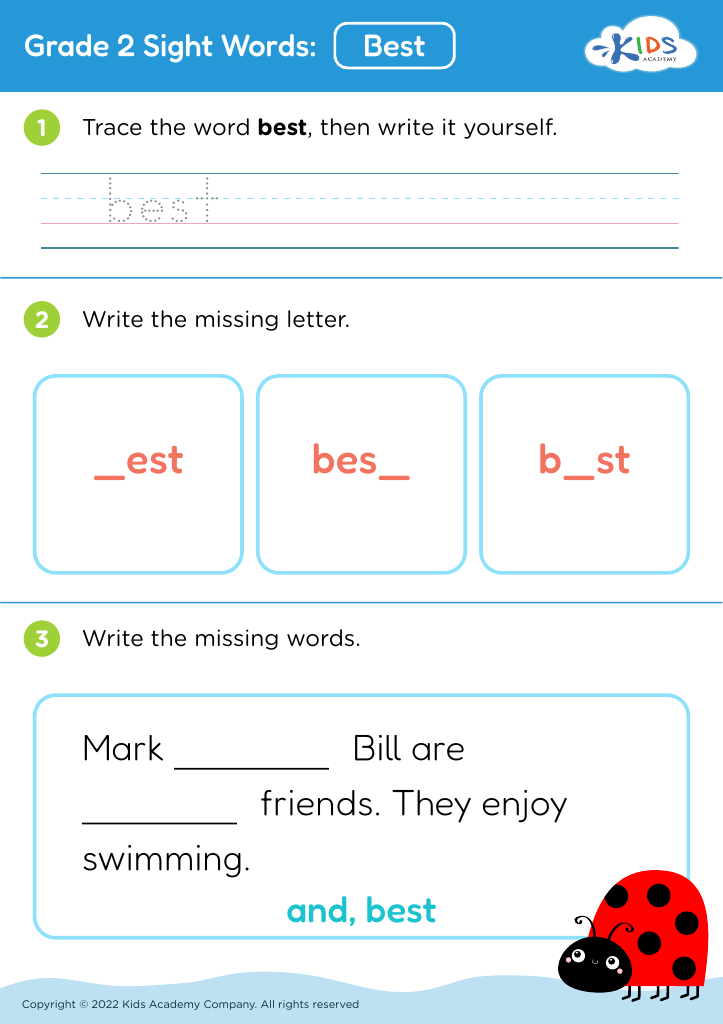
Grade 2 Sight Words: Best

Grade 2 Sight Words: Best

Grade 2 Sight Words: Best
Worksheet
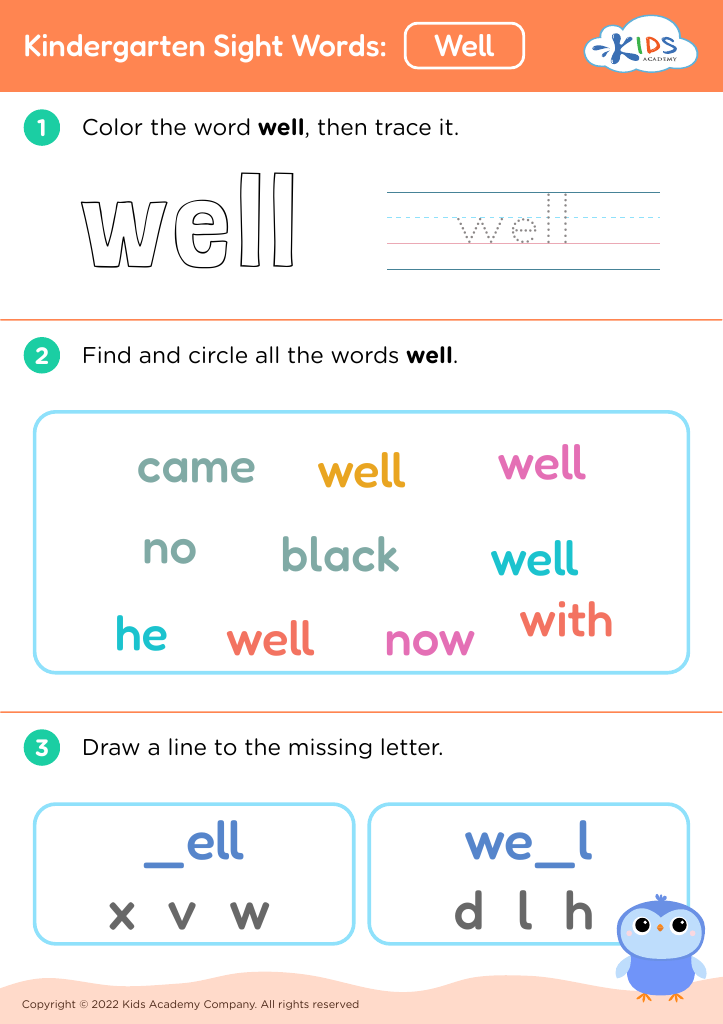
Kindergarten Sight Words: Well

Kindergarten Sight Words: Well

Kindergarten Sight Words: Well
Worksheet
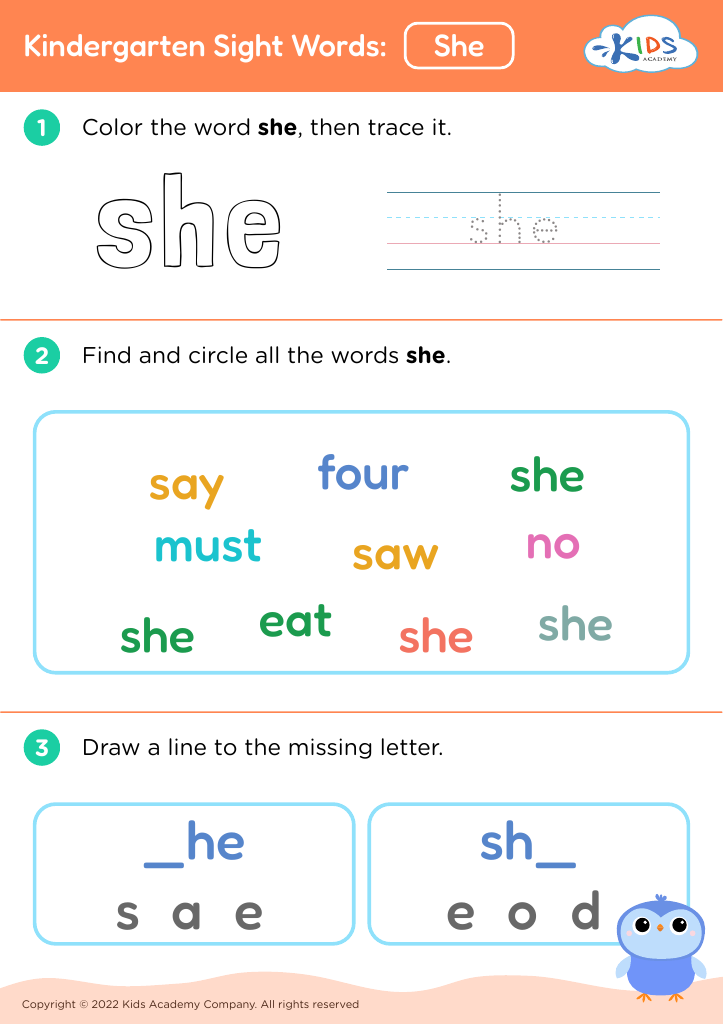
Kindergarten Sight Words: She

Kindergarten Sight Words: She

Kindergarten Sight Words: She
Worksheet


Recognizing shapes is a foundational skill for children ages 3-7, playing a crucial role in their cognitive development. This skill fosters spatial awareness, enhances problem-solving abilities, and boosts mathematical understanding. When children identify and categorize shapes, they begin to understand the world around them, recognizing both geometric forms and the real-life objects corresponding to those shapes.

Additionally, shape recognition helps to develop critical thinking. As children engage in activities such as sorting, classifying, and comparing shapes, they learn how to identify similarities and differences, a skill that extends beyond mathematics into everyday life. Furthermore, recognizing shapes is often linked to reading readiness. Many letters and numbers are based on shapes, thus early proficiency in this area can facilitate stronger literacy and numeracy skills.

For parents and teachers, emphasizing shape recognition through engaging activities, such as puzzles, art projects, or outdoor scavenger hunts, can make learning fun and interactive. Moreover, this early learning foundation sets children up for future academic success, paving the way for more complex concepts in math and science. Therefore, fostering shape recognition in young learners is essential for their holistic development and long-term educational journey.