Sequence Understanding Worksheets for Ages 3-7
7 filtered results
-
From - To
Discover our engaging Sequence Understanding Worksheets designed specifically for children ages 3 to 7! These worksheets help young learners grasp the concept of sequencing, enhancing their cognitive skills and logical thinking. Through fun and interactive activities, kids will learn to order events, understand stories, and complex sequences in everyday life. Perfect for both classroom and home learning, our worksheets cater to various learning styles, ensuring every child can thrive. Parents and educators alike will appreciate these thoughtfully crafted resources that promote early literacy and foundational skills. Explore our collection and watch your child’s understanding of sequence grow!
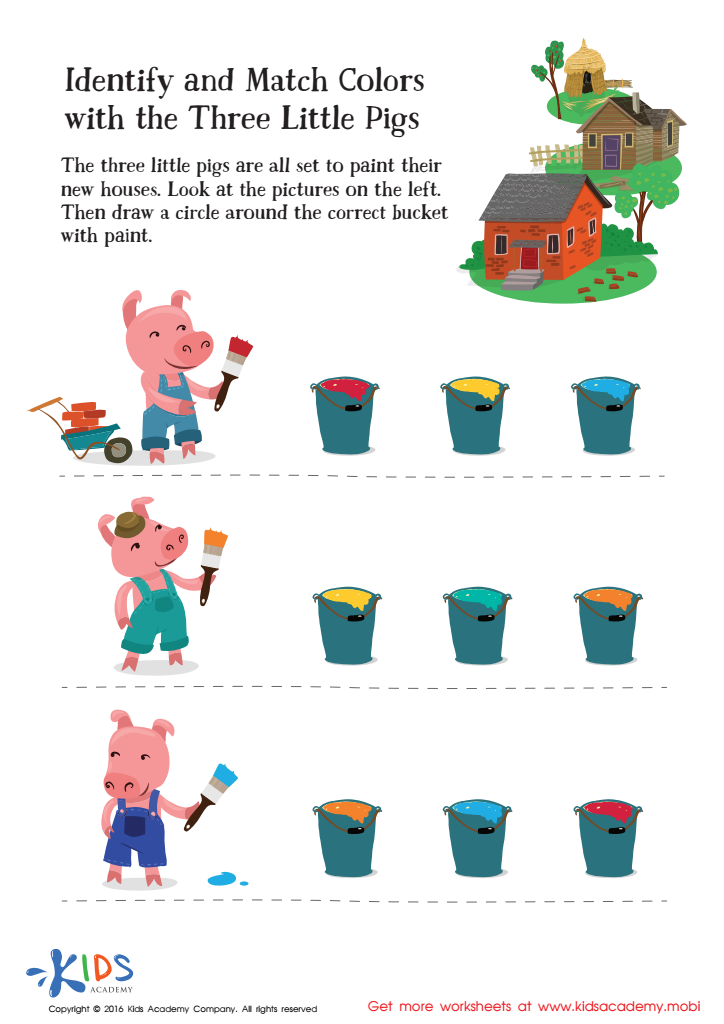
Fairy Tale Worksheet: Identify and Match Colors with Three Little Pigs
 Assign to My Students
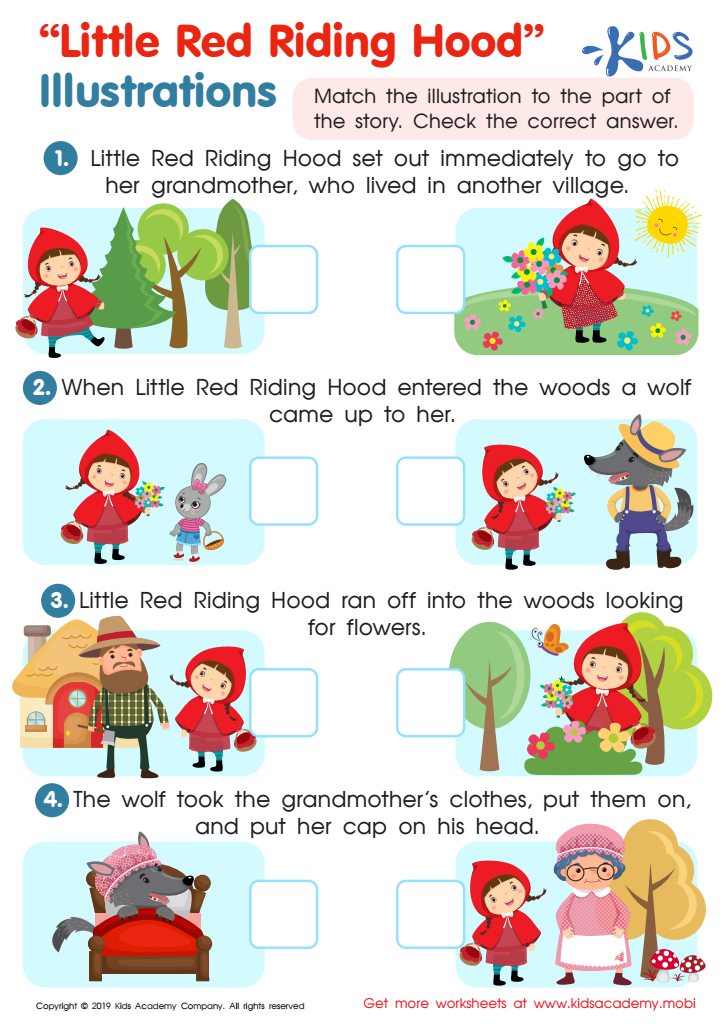
Little Red Riding Hood: Illustrations Worksheet
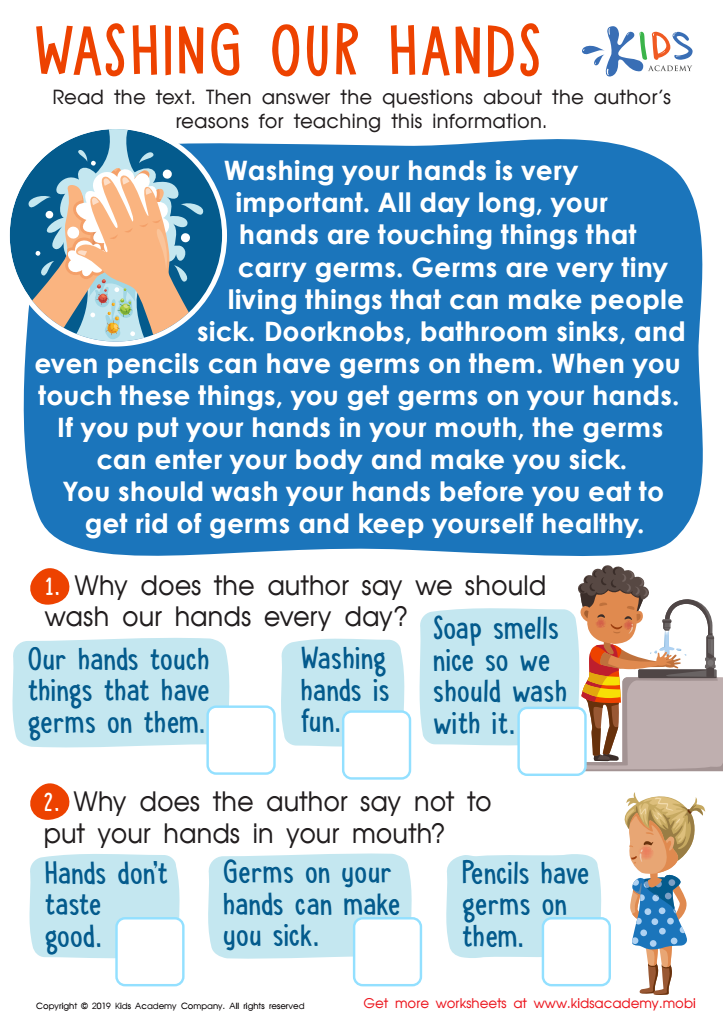
Washing Our Hands Worksheet
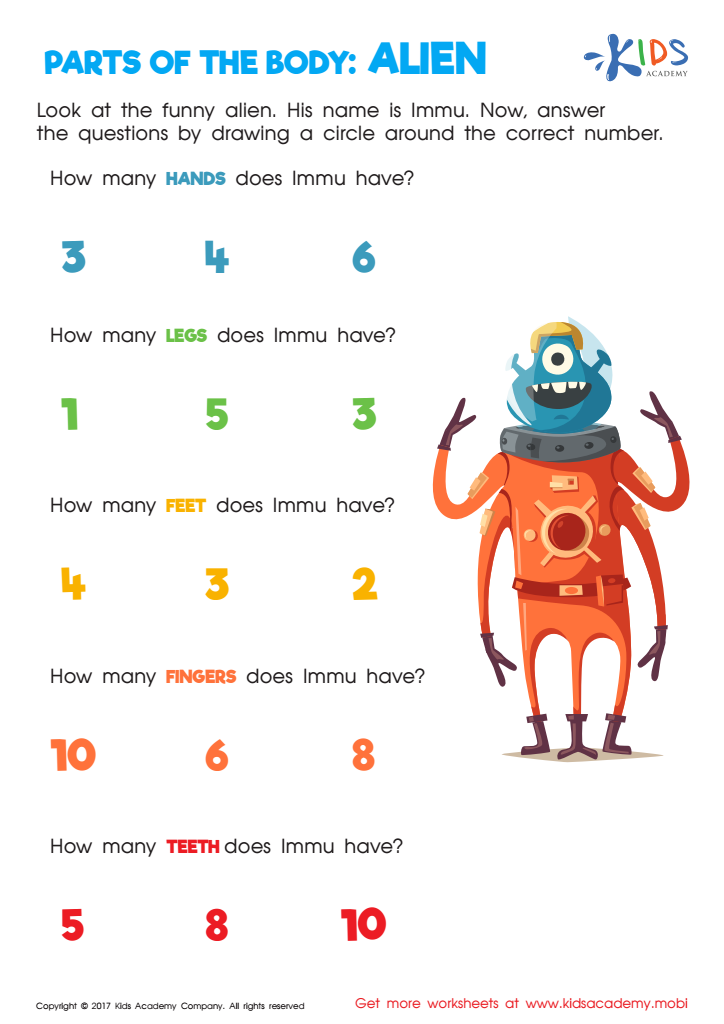
Alien Worksheet
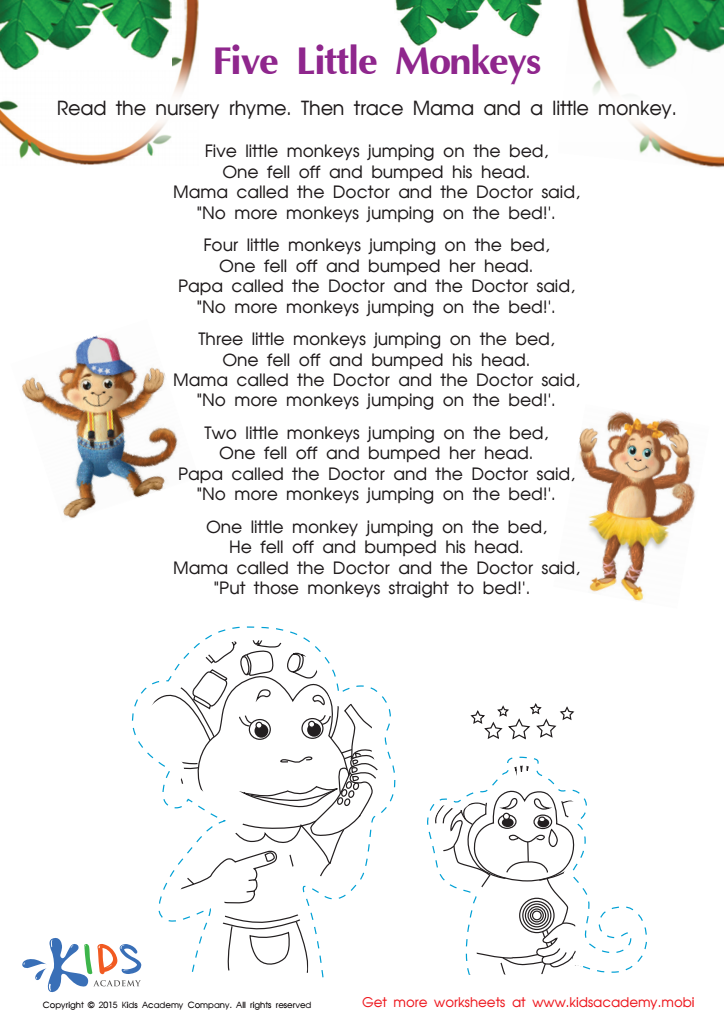
The Five Little Monkeys Nursery Rhyme Worksheet
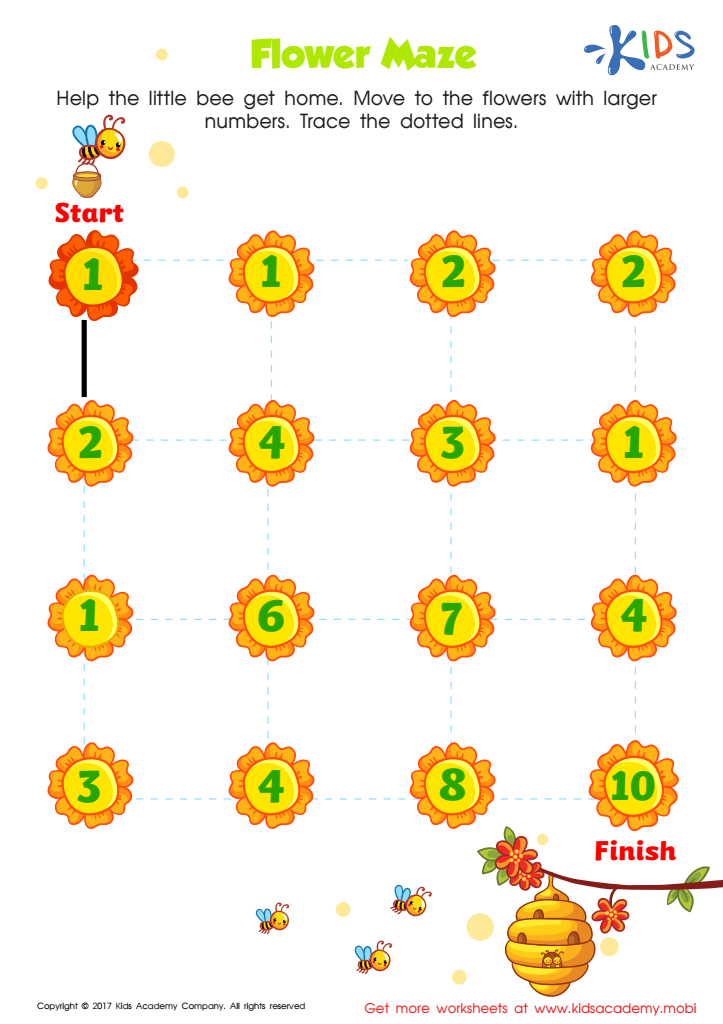
Number Maze For Kindergarten Printable
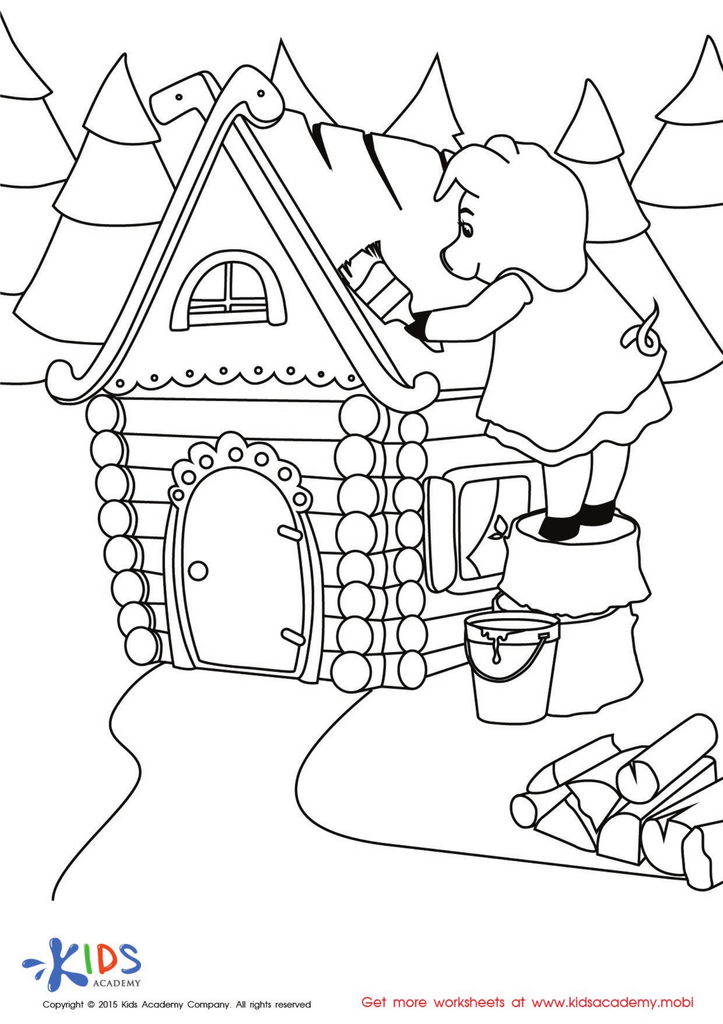
The Three Little Pigs Worksheet








Sequence understanding is vital for children ages 3-7 as it lays the foundation for critical cognitive skills. During these formative years, children are developing their ability to recognize and create order, which is essential for problem-solving, storytelling, and overall comprehension. For parents and teachers, fostering sequence understanding helps children make sense of the world around them and enhances their ability to follow and create narratives.
Understanding sequences supports tasks such as following directions, completing multi-step problems, and developing literacy skills. It encourages logical thinking, as children learn to anticipate what comes next in stories, routines, or activities. Engaging in sequencing activities—such as arranging pictures to tell a story or placing daily routines in order—can be both educational and fun.
Furthermore, sequence understanding plays a crucial role in social skills, as it enables children to navigate interactions and understand others' perspectives by recognizing the sequence of events in social scenarios.
Ultimately, promoting sequence understanding in early education not only equips children with essential academic skills but also nurtures their emotional intelligence and social development, paving the way for lifelong learning and interpersonal success. Parents and teachers play a critical role in facilitating these skills in various engaging and meaningful ways.








