Simplifying Fractions Worksheets for Ages 3-7
25 filtered results
-
From - To
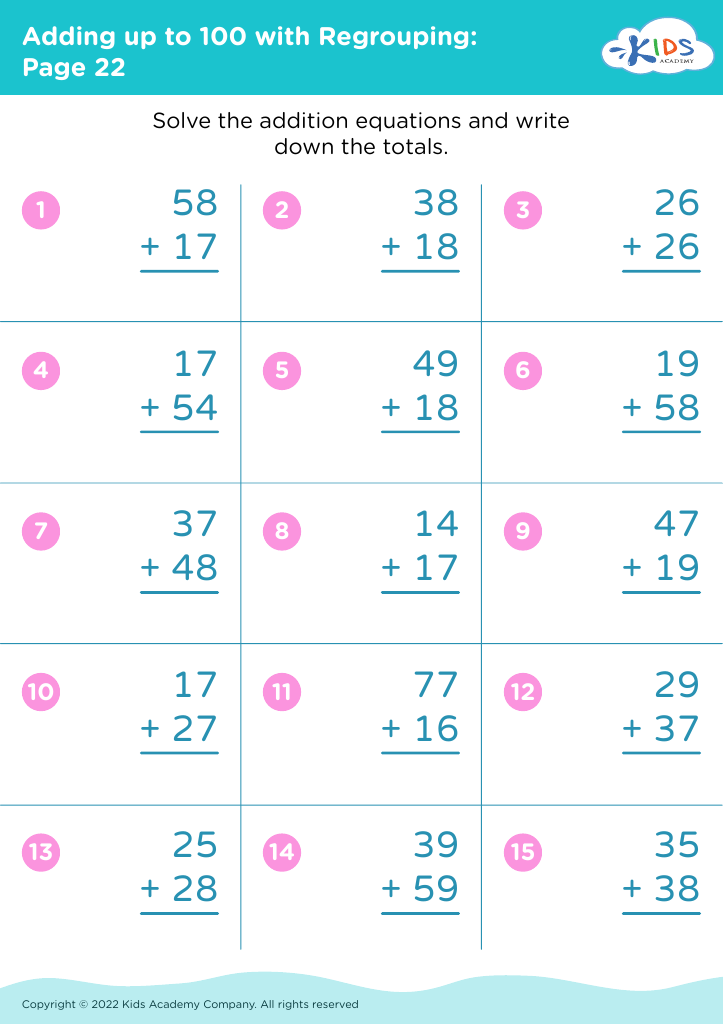
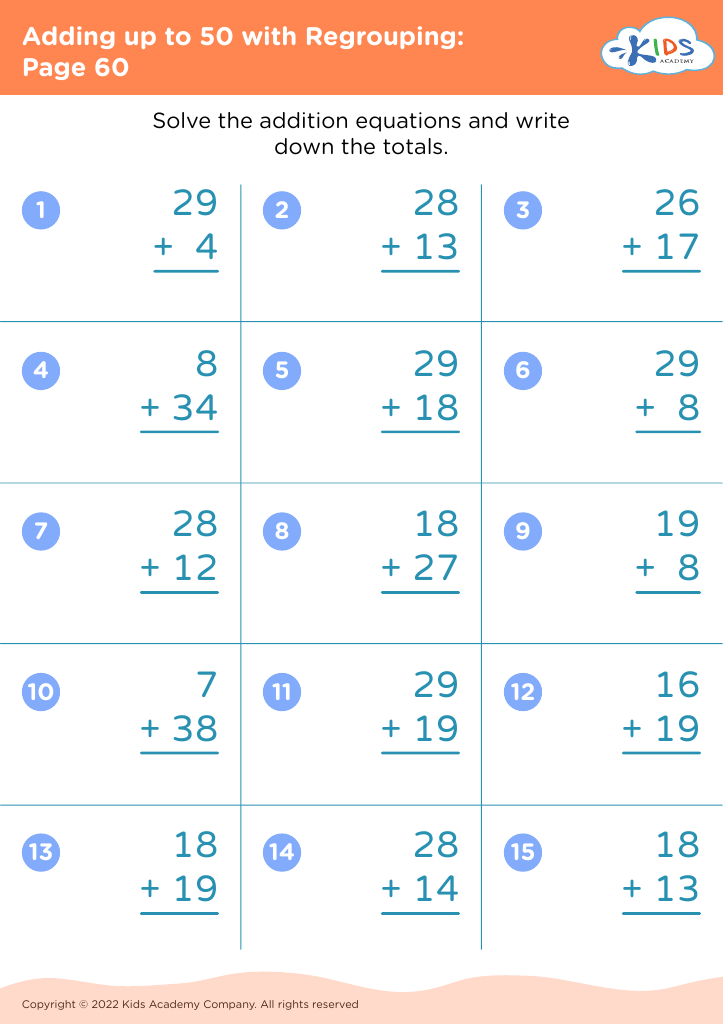
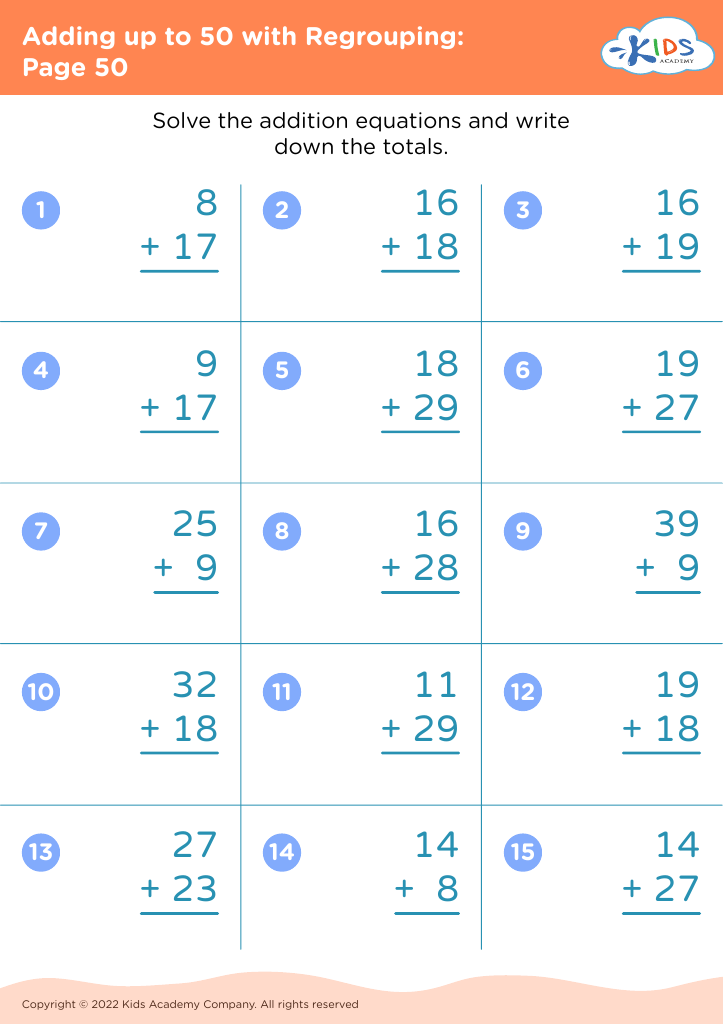
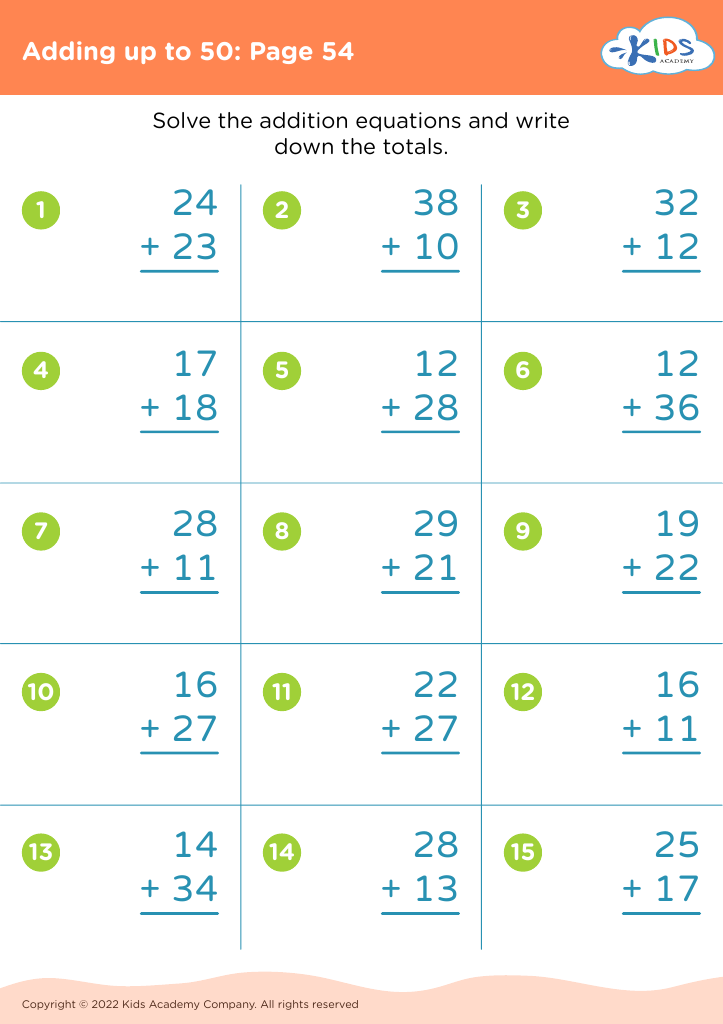
Welcome to our "Simplifying Fractions Worksheets" page, designed specifically for children aged 3-7! These engaging and interactive worksheets help young learners grasp the concept of fractions in a fun and approachable way. Our activities include colorful visuals and easy-to-follow instructions, making it perfect for early math exploration. Kids will practice recognizing and simplifying fractions through various creative exercises. These worksheets not only boost mathematical skills but also enhance critical thinking and problem-solving abilities. Ideal for parents and educators, our resources transform learning fractions into an enjoyable adventure. Dive in today and watch your child build a strong foundation in mathematics!







Simplifying fractions is an essential concept for young learners aged 3-7, laying a solid foundation for mathematical understanding. For parents and teachers, fostering early comprehension of this topic is crucial for several reasons. Firstly, simplifying fractions introduces children to the idea of part-to-whole relationships, an early step in understanding proportionality. This relationship forms the basis for many mathematical concepts in later grades.
One of the key benefits of teaching simplifying fractions early is that it encourages critical thinking and problem-solving skills. When children learn to simplify, they begin to recognize patterns in numbers and understand the concept of equivalent values. This can help them approach more complex math problems with confidence in the future.
Additionally, using visual aids like pie charts or blocks can make this concept engaging and relatable. By making learning fun and interactive, children are more likely to retain information. Furthermore, an early understanding of fractions is beneficial in real-world contexts, such as cooking or dividing items, helping students appreciate the practicality of math. Ultimately, incorporating this topic into learning not only enhances mathematical skills but also fosters a lifelong love for the subject.








