Sound Association Worksheets for Ages 3-7 - Page 2
39 filtered results
-
From - To
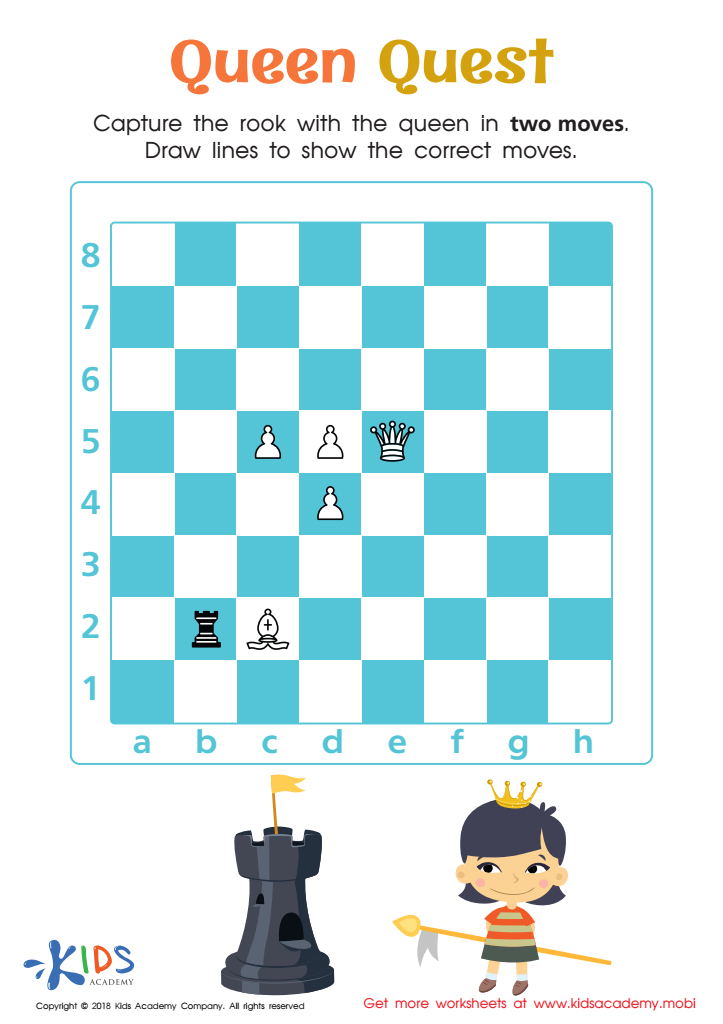
Queen Quest Worksheet
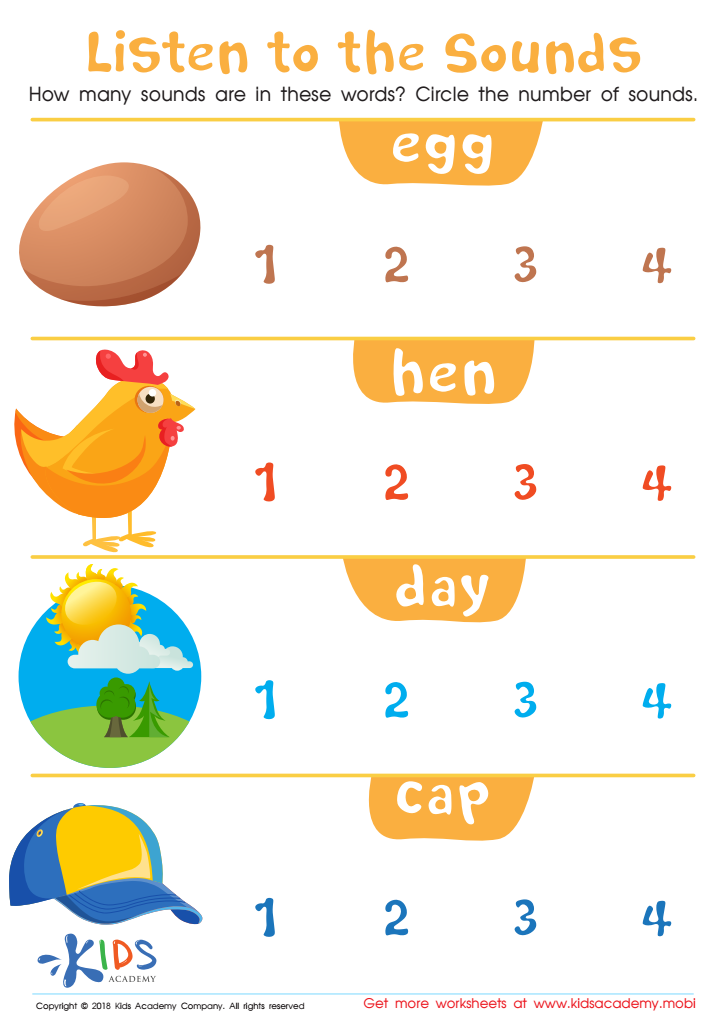
Listen to the Sounds Worksheet
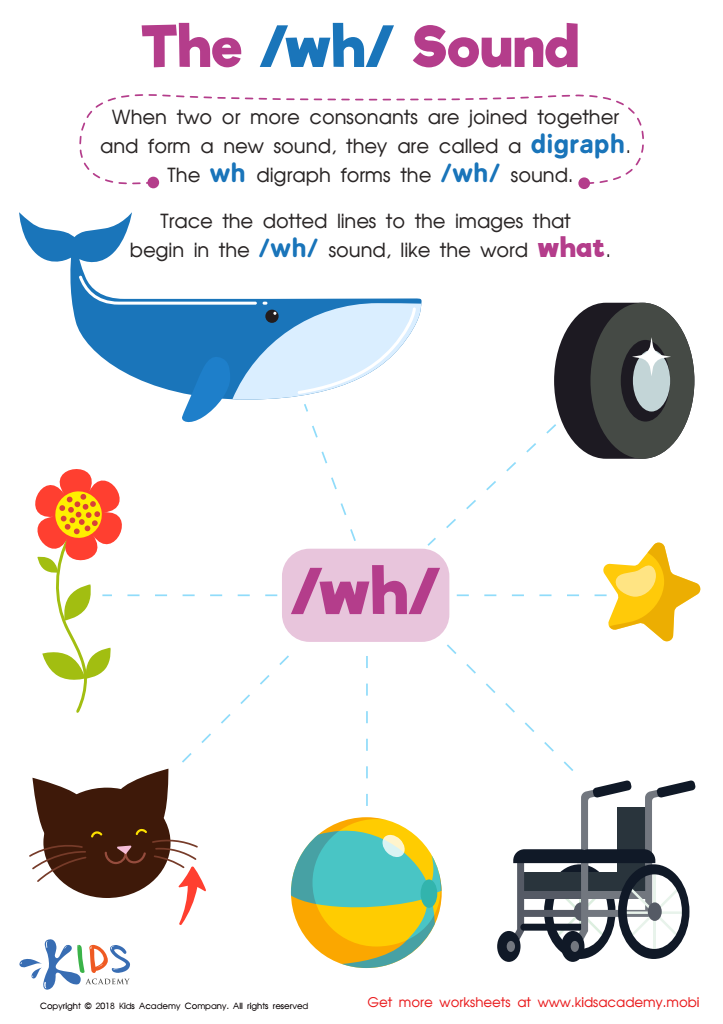
The /wh/ Sound Worksheet
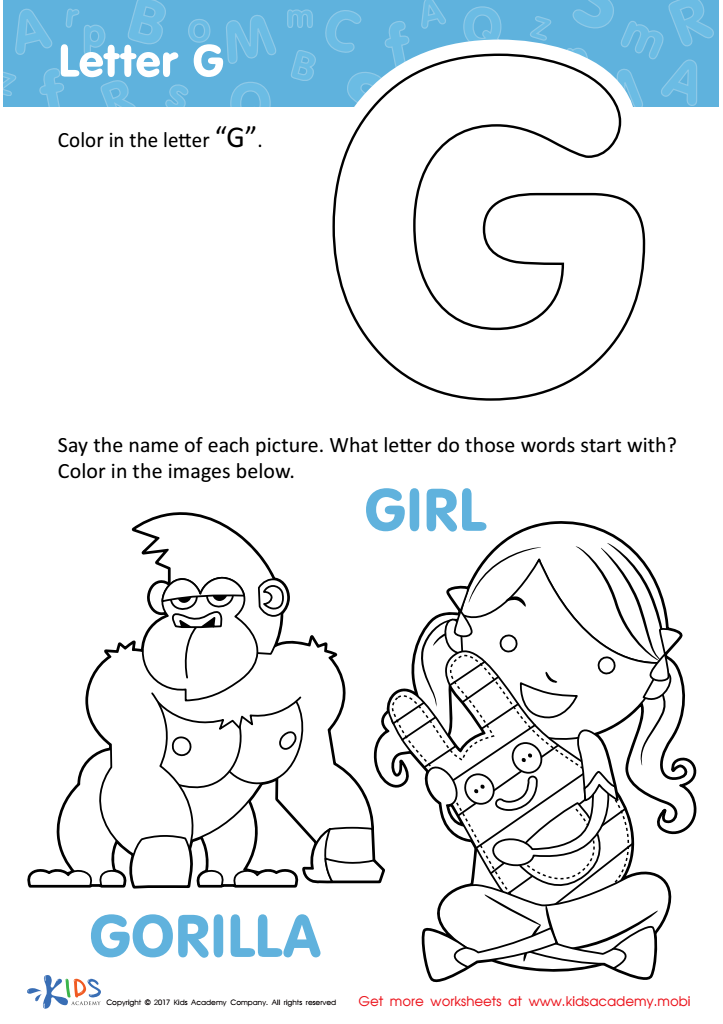
Letter G Coloring Sheet
 Assign to My Students
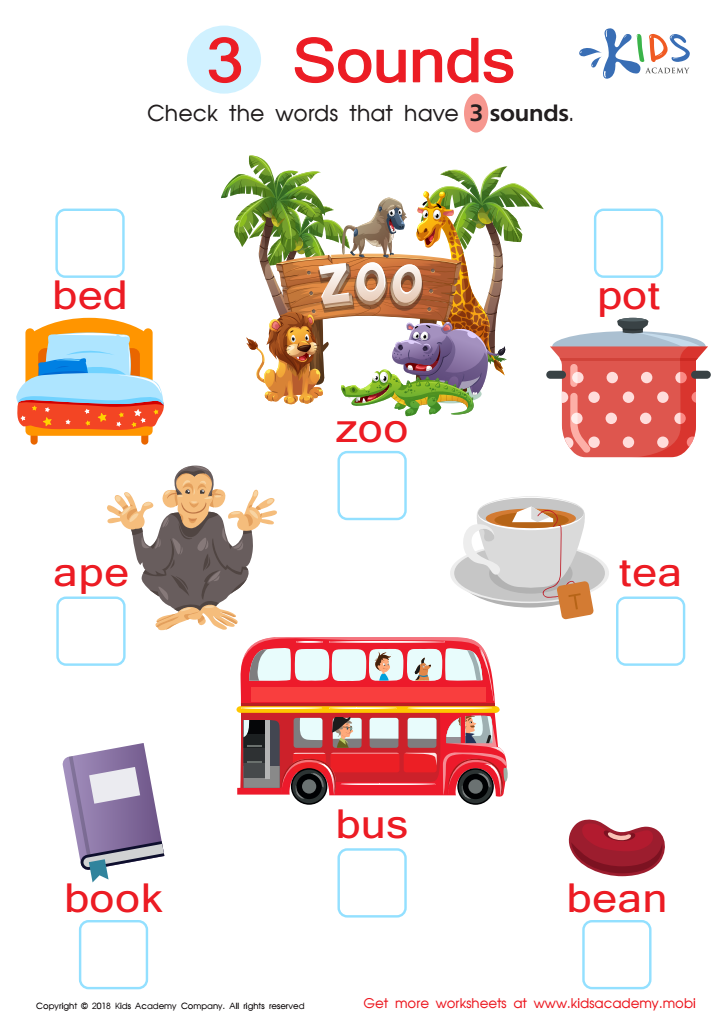
3 Sounds Worksheet
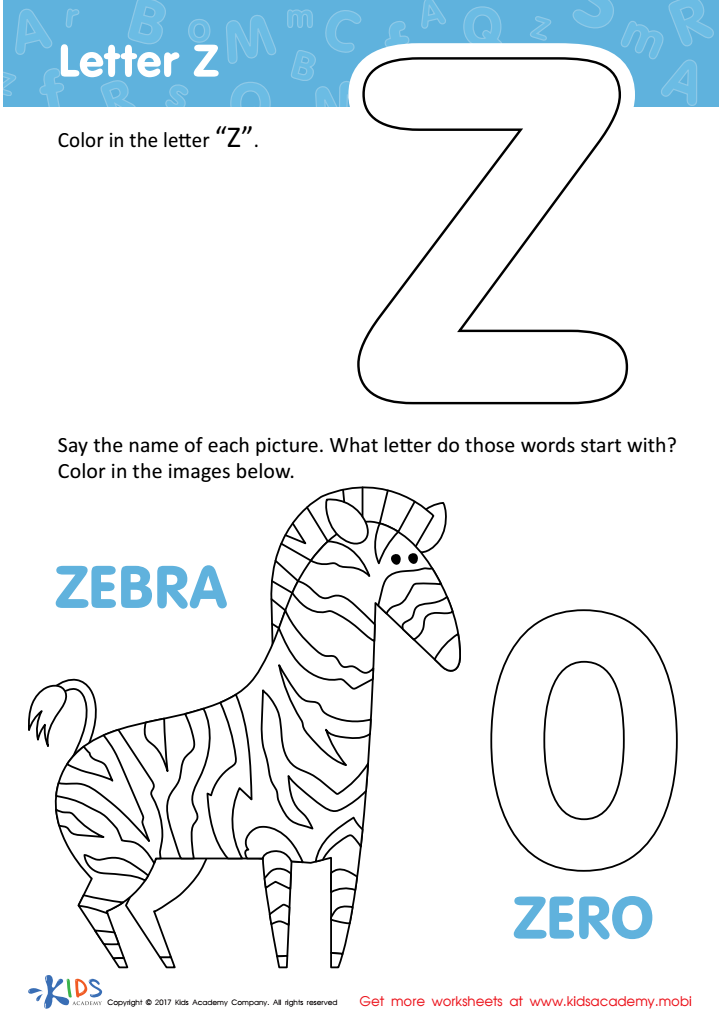
Letter Z Coloring Sheet
Assign to My Students
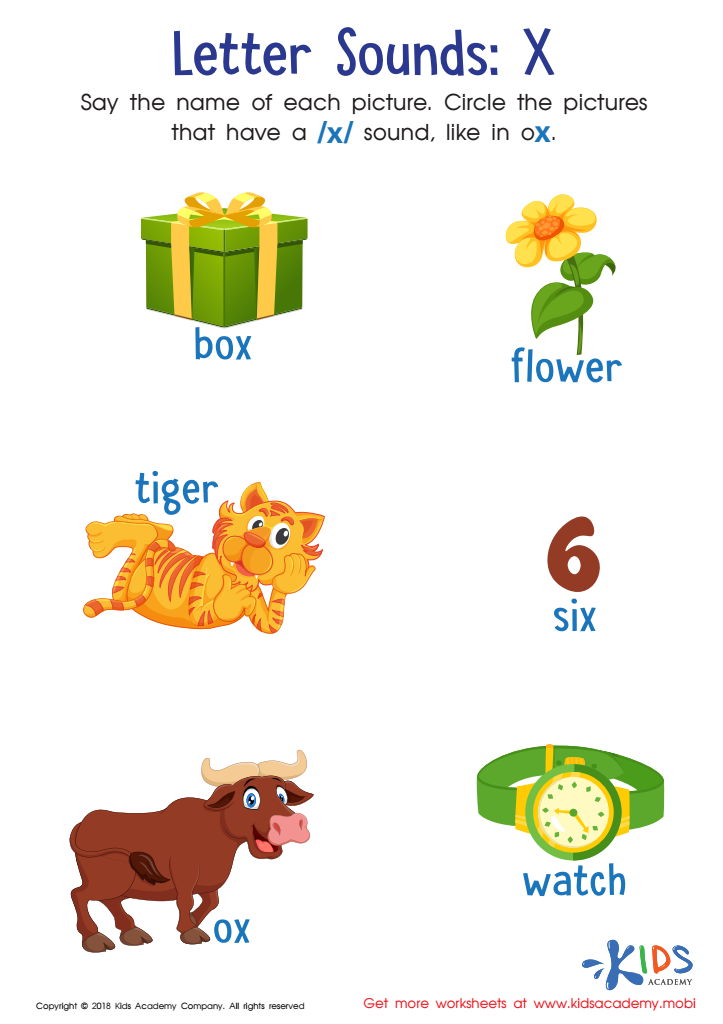
Letter X Sounds Worksheet
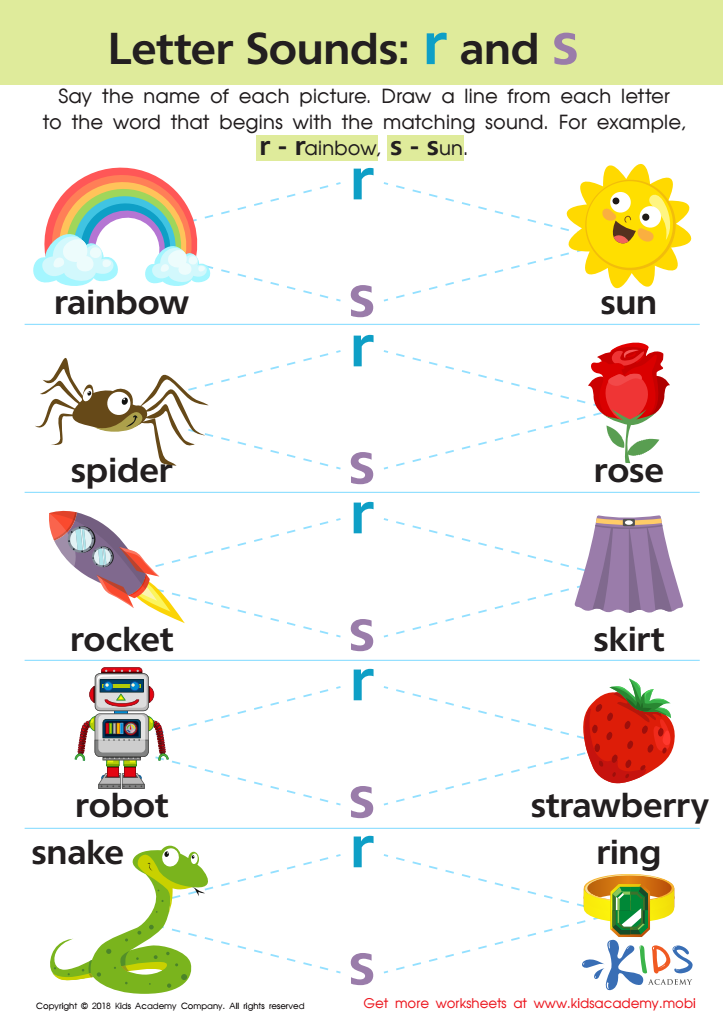
Letter R and S Sounds Worksheet
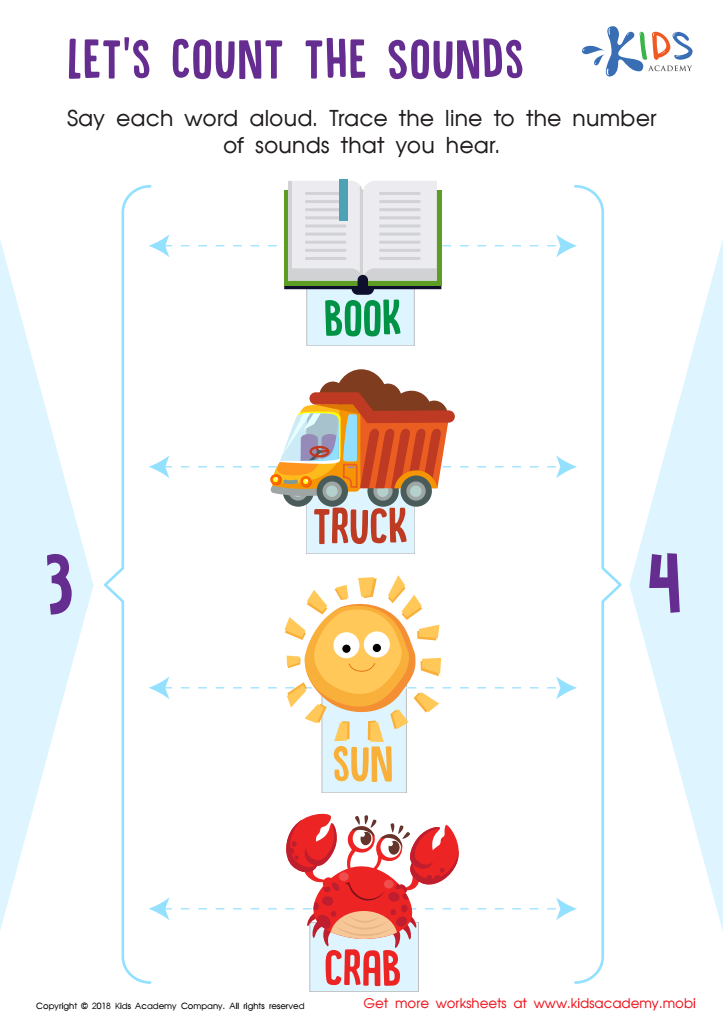
Let's Count the Sounds Worksheet
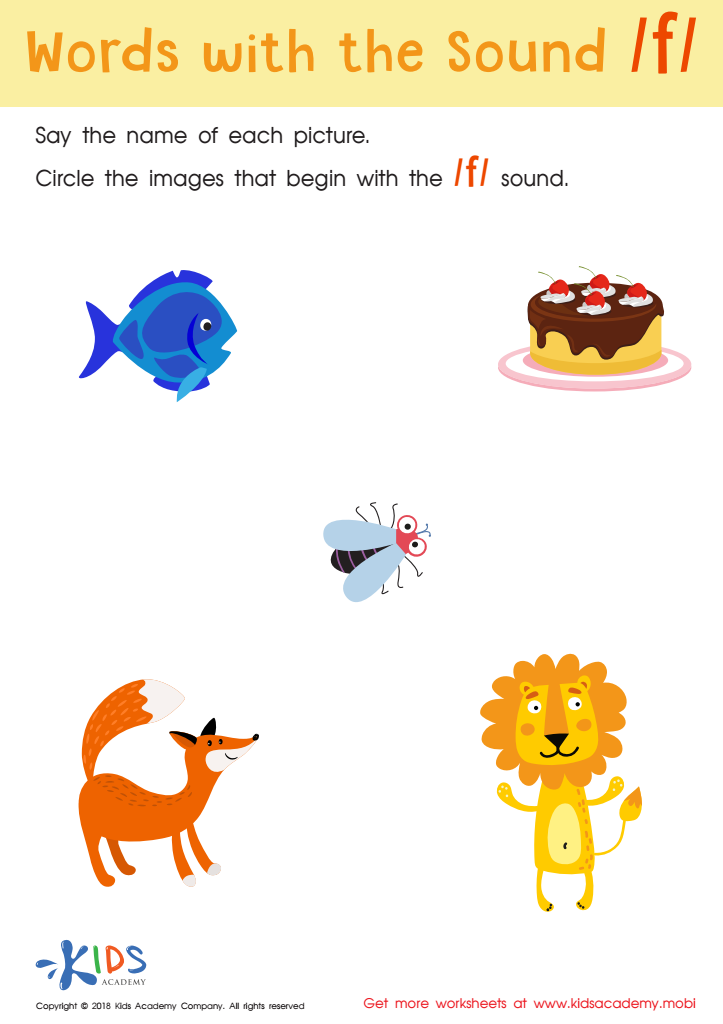
Words with sound f Reading Worksheet
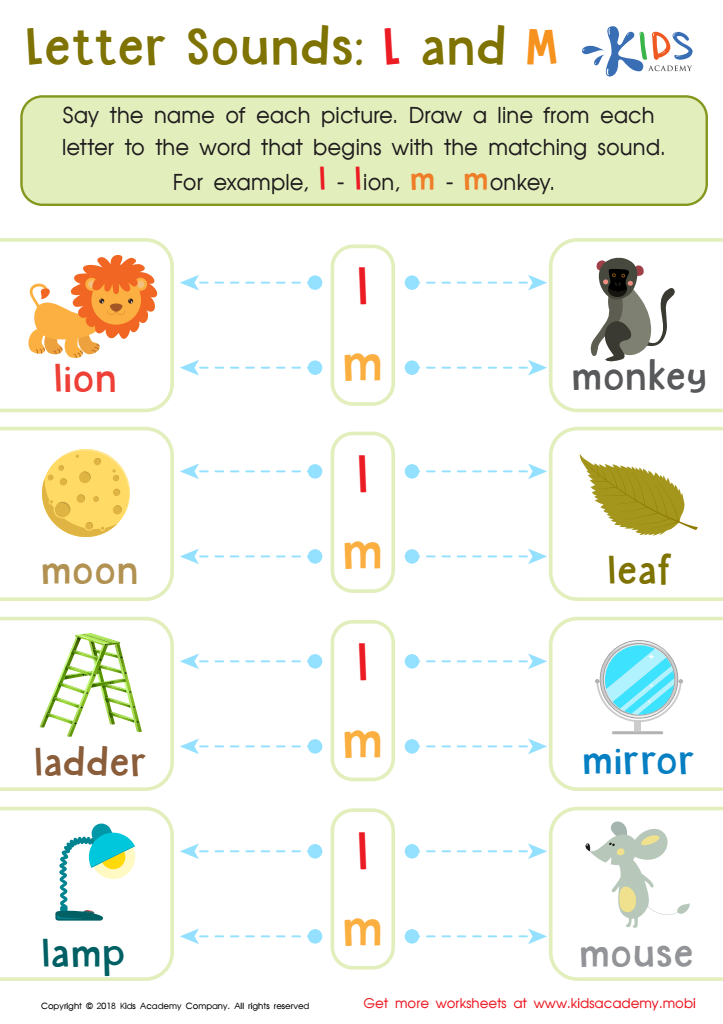
Letter l and M Sounds Worksheet
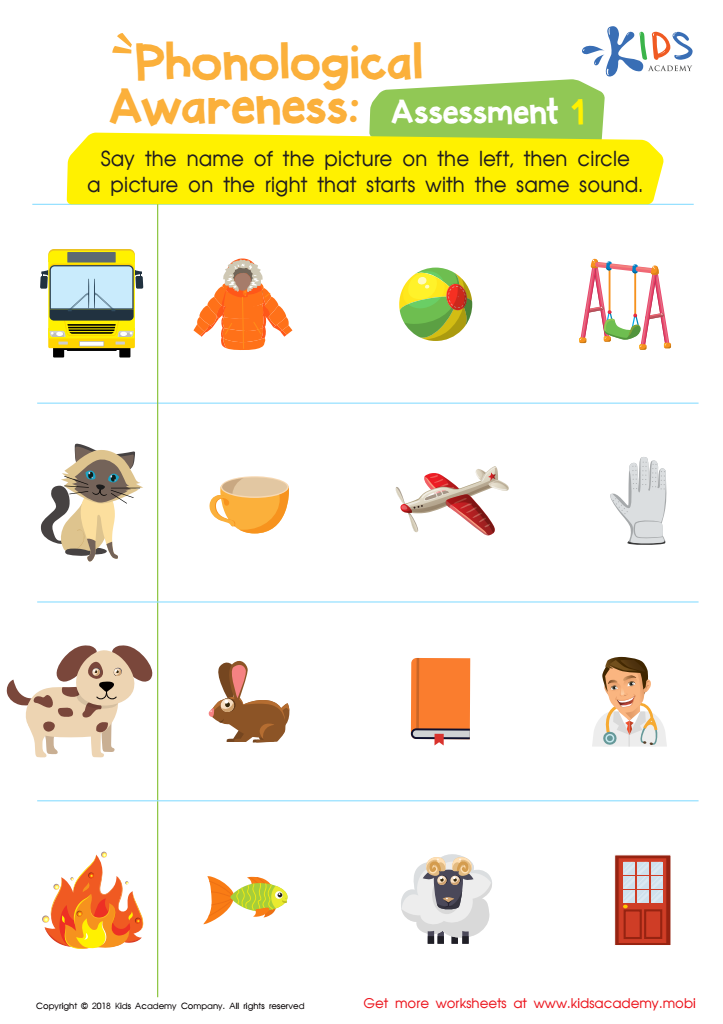
Phonological Awareness: Assessment 1 Worksheet
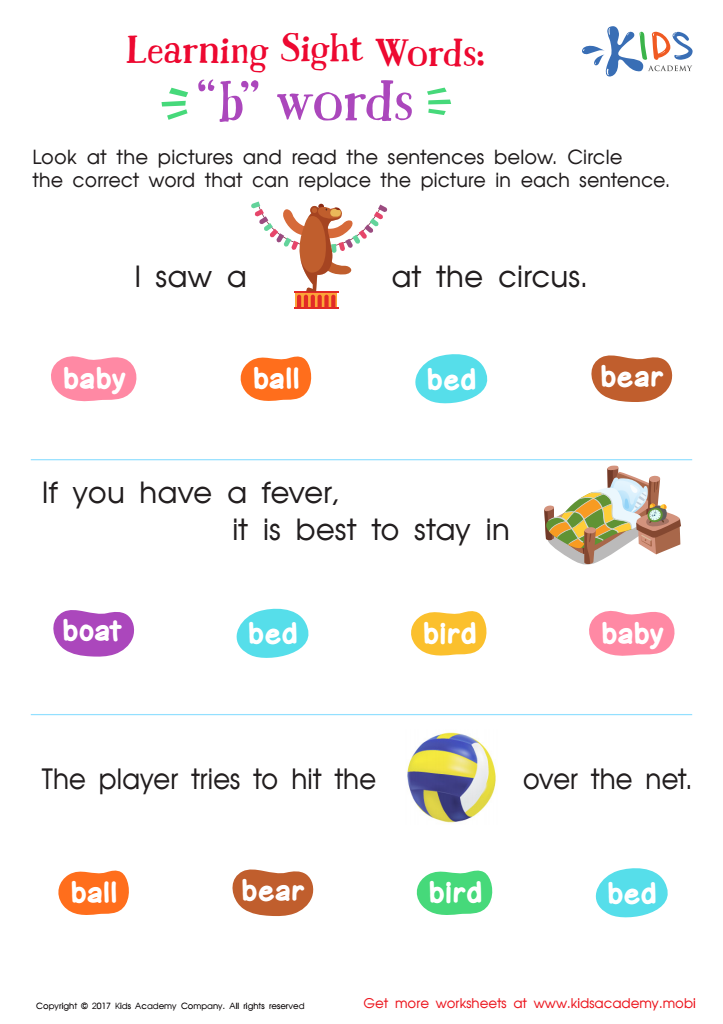
"B" Words Printable Sight Words Worksheet
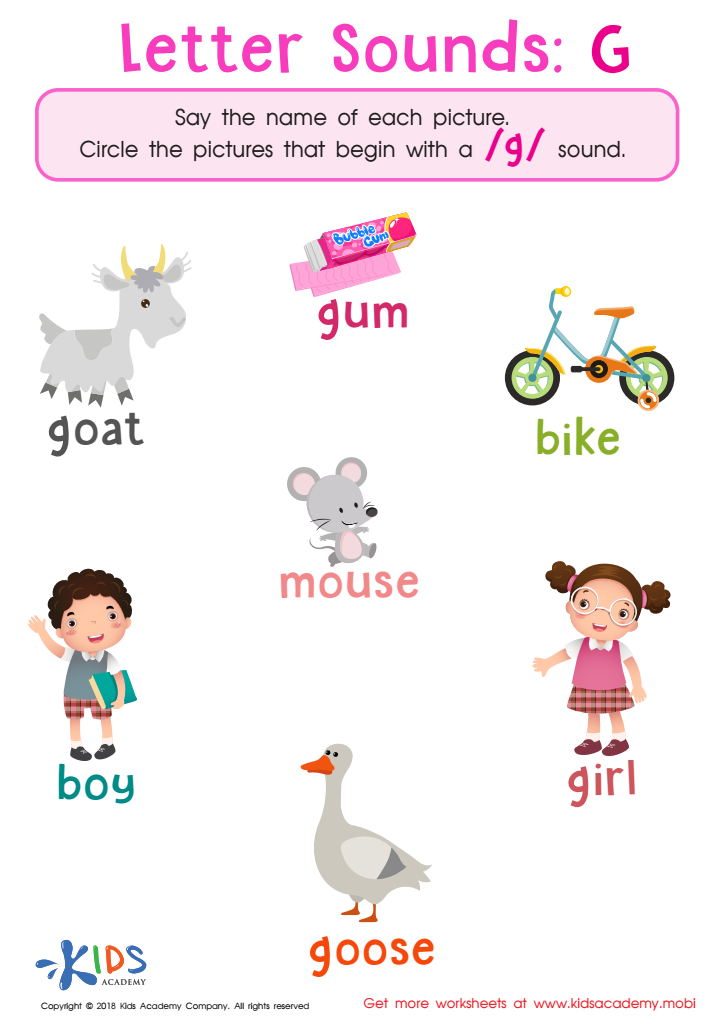
Letter G Sounds Worksheet
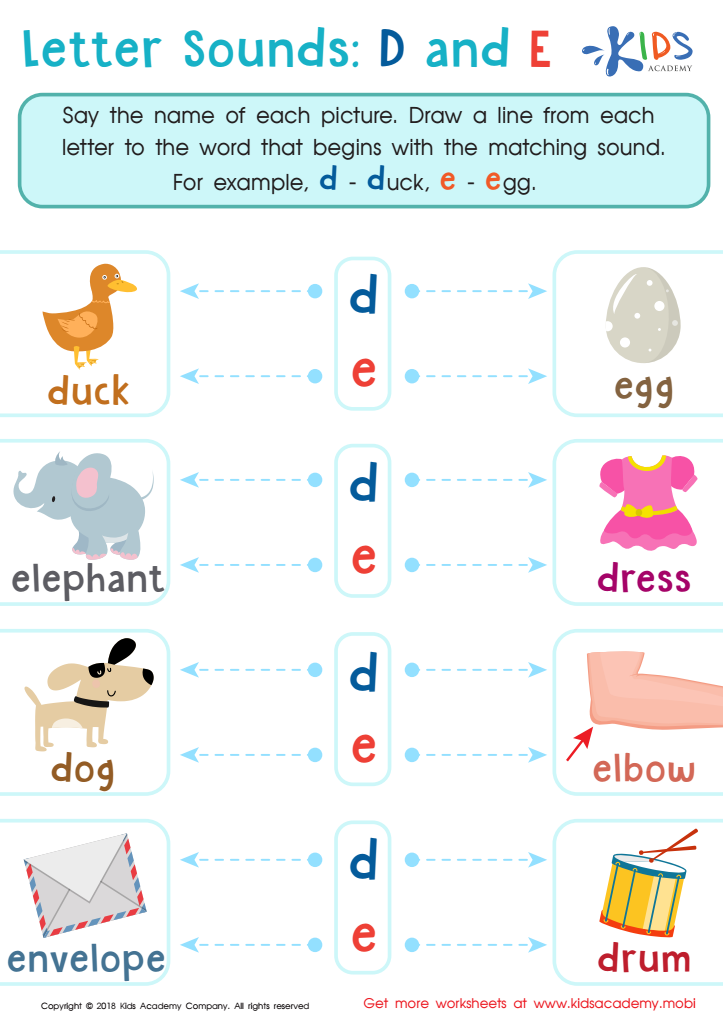
Letter D and E Sounds Worksheet





Sound association is a crucial aspect of early literacy development for children aged 3-7. It involves connecting sounds to letters, words, and concepts, laying the groundwork for reading and writing skills. Parents and teachers should prioritize this skill for several reasons.
Firstly, sound association helps children start recognizing and producing phonemes, or the smallest units of sound in speech. This understanding enhances their ability to decode words, making reading more accessible as they progress through early education. Improved phonemic awareness often correlates with better overall reading proficiency.
Secondly, sound association supports vocabulary development. When children associate sounds with words, they can better comprehend meanings, enabling more enriched communication and language skills. This facet of literacy is vital for academic regularity and achievement.
Moreover, engaging in activities that promote sound association—like rhyming games, songs, or storytime—can foster a love of learning and reading. Such early experiences can instill confidence in children’s literacy abilities, motivating them to explore books independently.
Finally, sound association contributes to cognitive development, as children learn to categorize and classify sounds in their environment. By emphasizing sound association, parents and teachers can equip children with a robust foundation for lifelong literacy success.








