Spatial reasoning Worksheets for Ages 3-7
11 filtered results
-
From - To
Enhance your child's cognitive abilities with our engaging Spatial Reasoning Worksheets designed for ages 3-7. These printable activities boost essential skills such as recognizing shapes, understanding spatial relationships, and developing problem-solving capabilities. Perfect for young learners, our worksheets combine fun and education to help children better grasp concepts needed for mathematics and everyday tasks. Tailored to various skill levels, each activity encourages exploration through hands-on learning, making abstract concepts accessible and enjoyable. Foster your child's growth and confidence with our expertly crafted, easy-to-use resources, making learning an exciting adventure right at home!
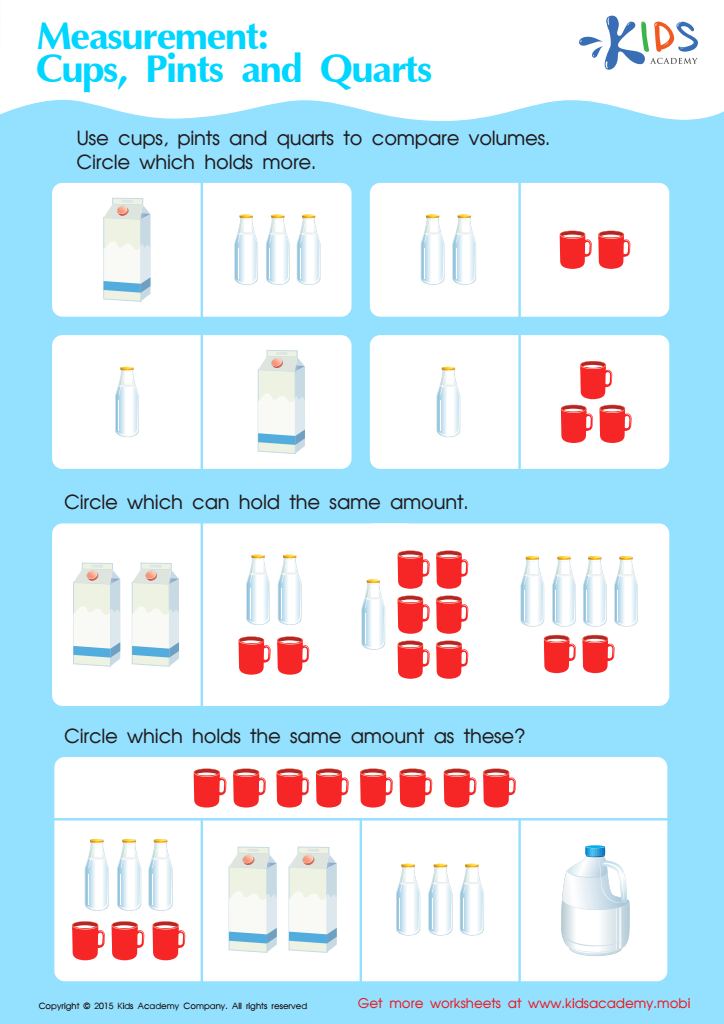
Measurement: Compare Volumes Worksheet
 Assign to My Students
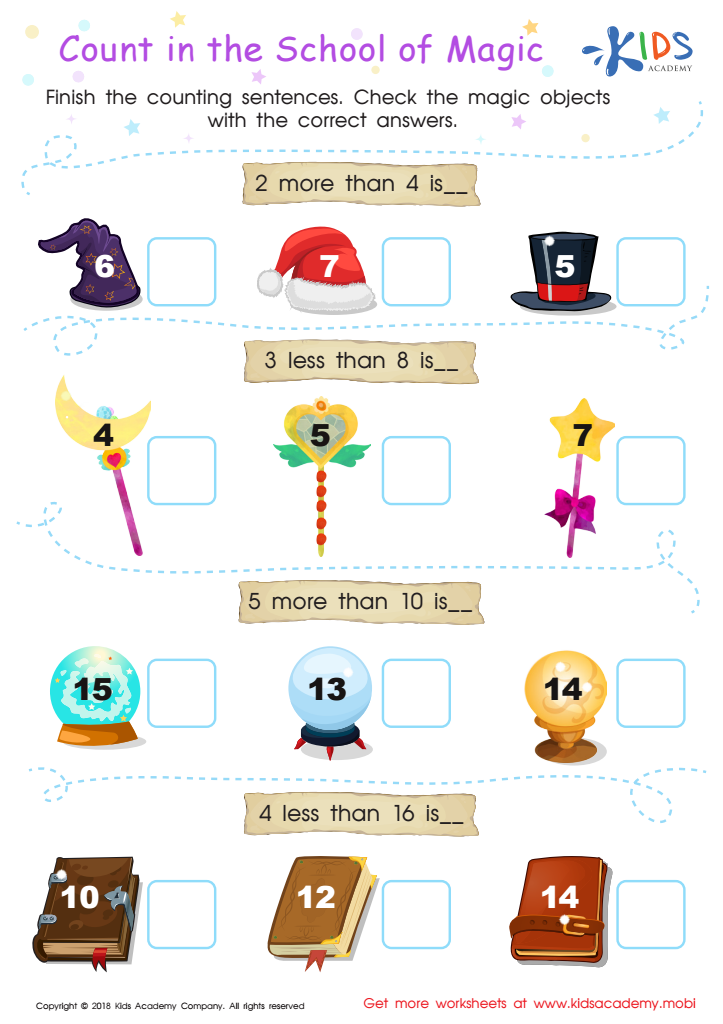
Count in the School of Magic Worksheet
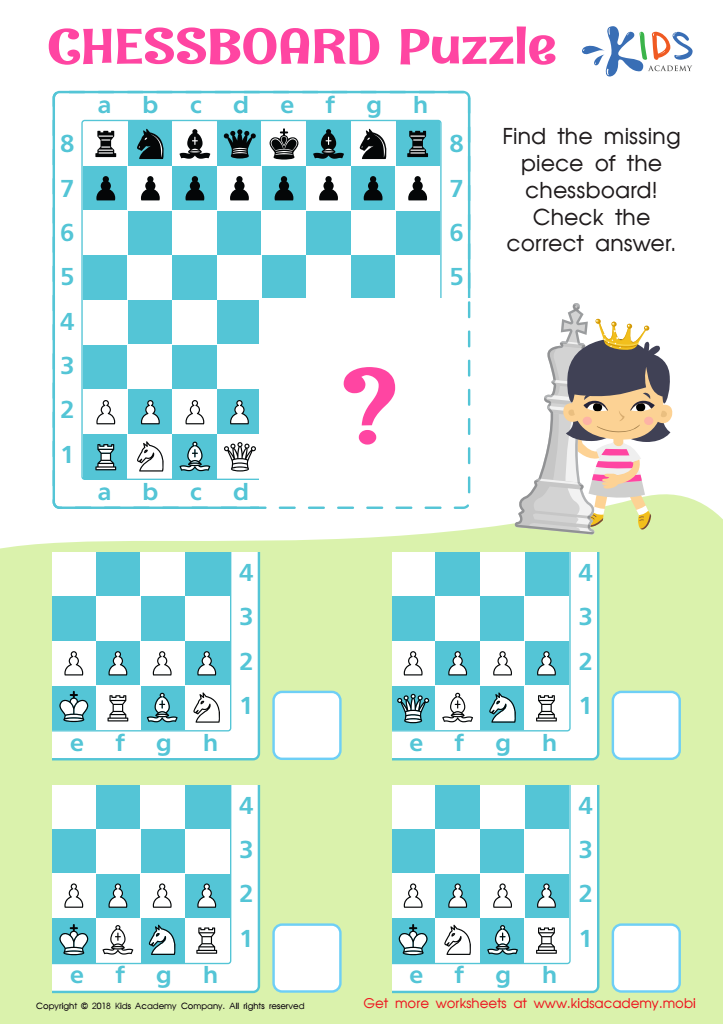
Chessboard Puzzle Worksheet
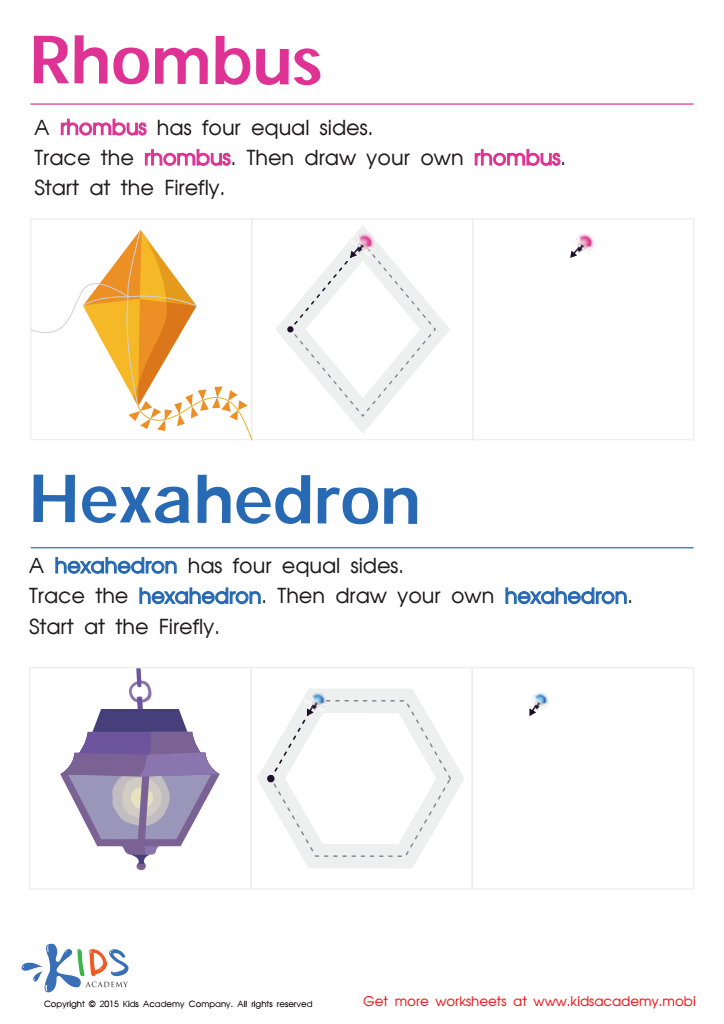
Draw a Rhombus And a Hexahedron Printable
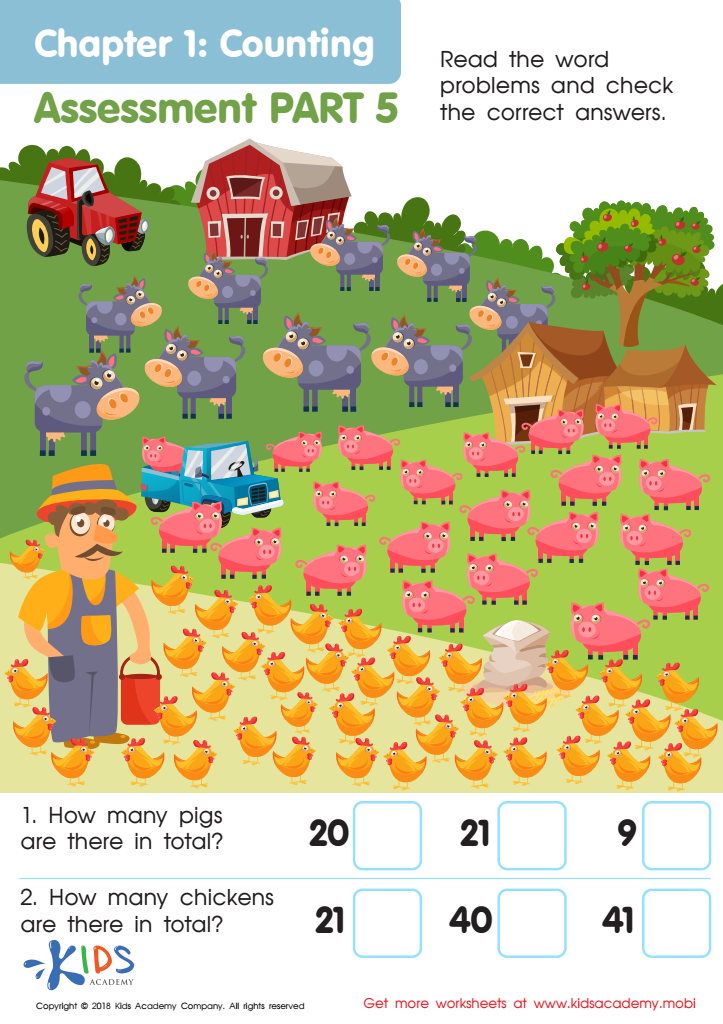
Counting: Assessment 5 Worksheet
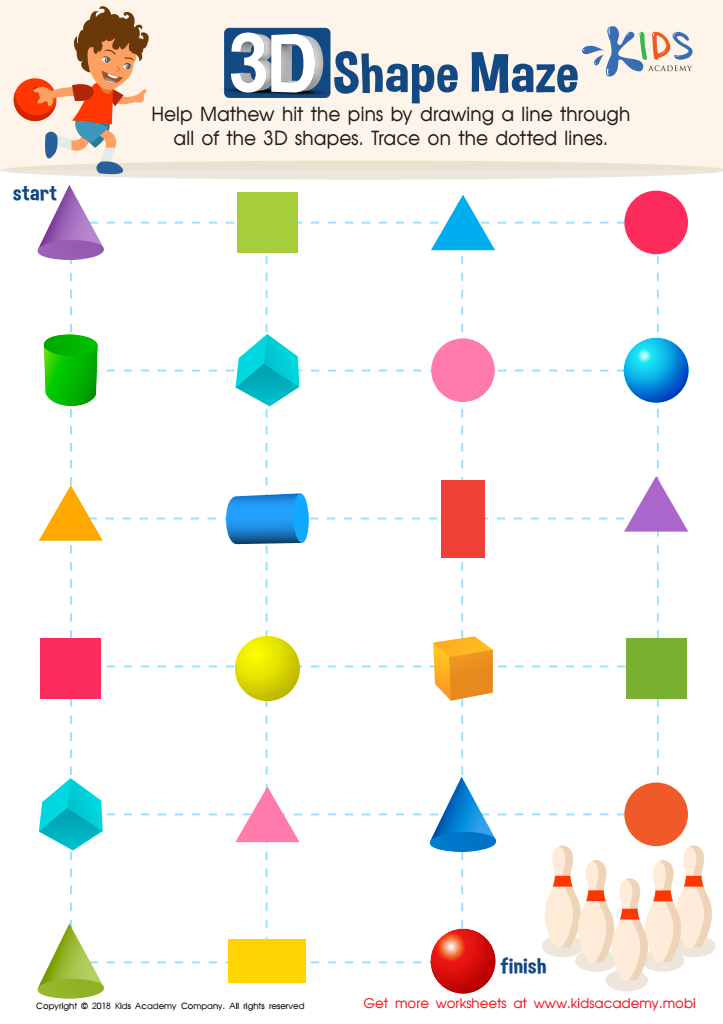
Shapes Maze Geometry Worksheet
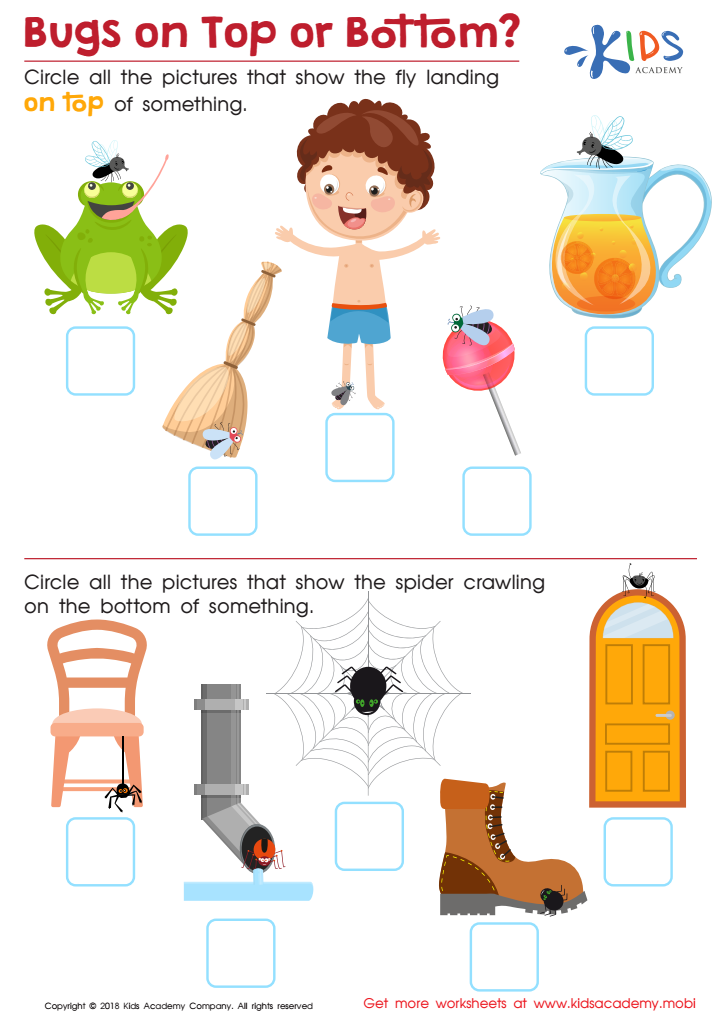
Bugs on Top or Bottom? Worksheet
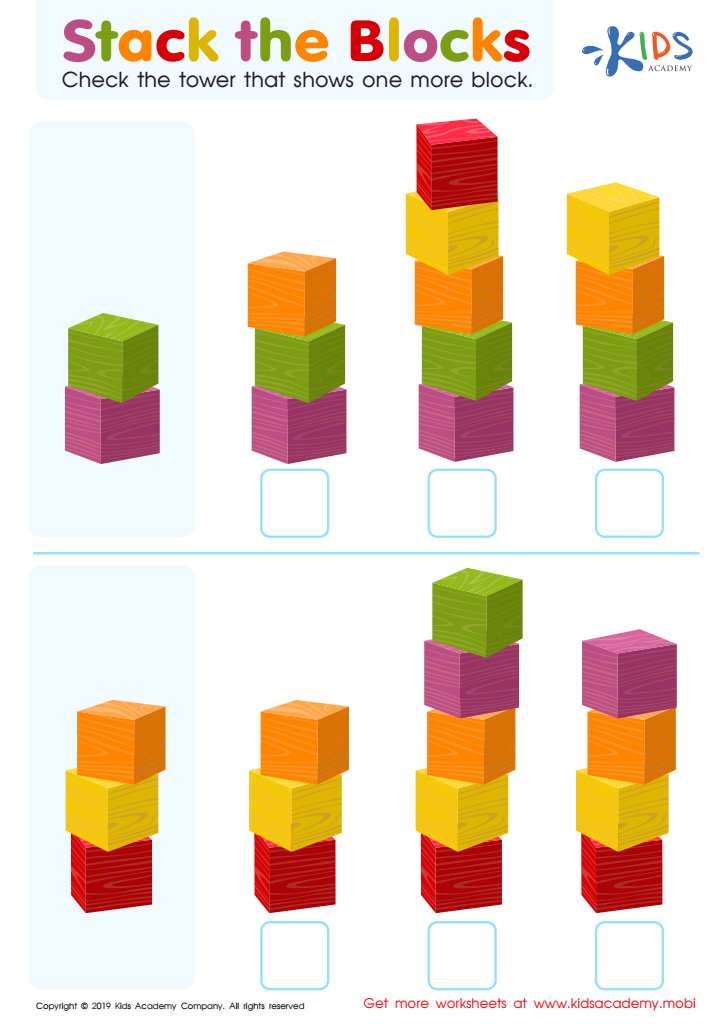
Stack the Blocks Worksheet
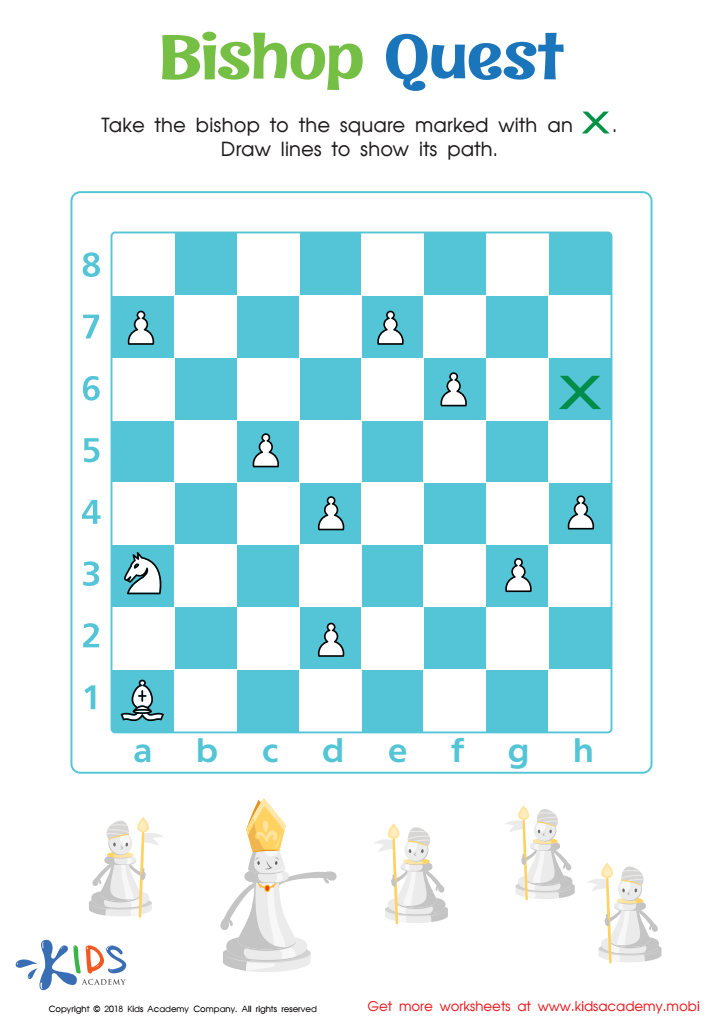
Bishop Quest Worksheet
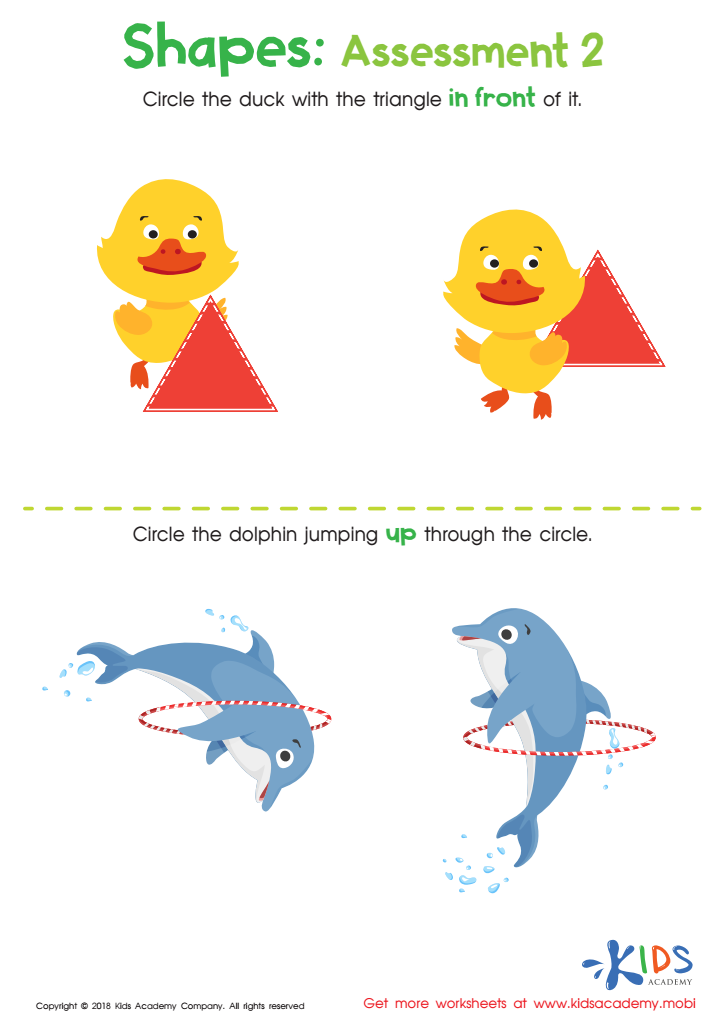
Geometry – Assessment 2 Worksheet






Parents and teachers should prioritize spatial reasoning for children aged 3-7 because it forms a foundational skill crucial for future learning and daily activities. Spatial reasoning involves understanding and remembering the locations and dimensions of objects and navigating them, which supports cognitive development in multiple ways.
Firstly, spatial reasoning is closely linked to mathematical competencies. Recognizing patterns, shapes, and how they fit together helps kids grasp concepts in geometry, measurements, and problem-solving, making math more intuitive as they progress in school. For example, building with blocks can teach children about balance and symmetry, fundamental elements in both math and science.
Secondly, strong spatial skills are essential for understanding the physical world. Children use spatial awareness to judge distances, recognize patterns, and navigate their surroundings, which enhances their safety and independence. Activities such as puzzles, drawing, and building models encourage this.
Moreover, spatial reasoning contributes to language development and literacy. Describing spatial relationships ("under," "over," "next to") enriches a child's vocabulary and helps them follow multistep instructions.
Finally, fostering spatial reasoning through playful, hands-on activities boosts a child's confidence and fosters creativity. It's tied to skills in technology, engineering, and the arts, setting a versatile foundation for varied interests and careers.
Therefore, integrating spatial reasoning activities in early education ensures a well-rounded cognitive growth and prepares children for future learning and real-world challenges.








