Understanding quantity Worksheets for Ages 3-7 - Page 2
31 filtered results
-
From - To
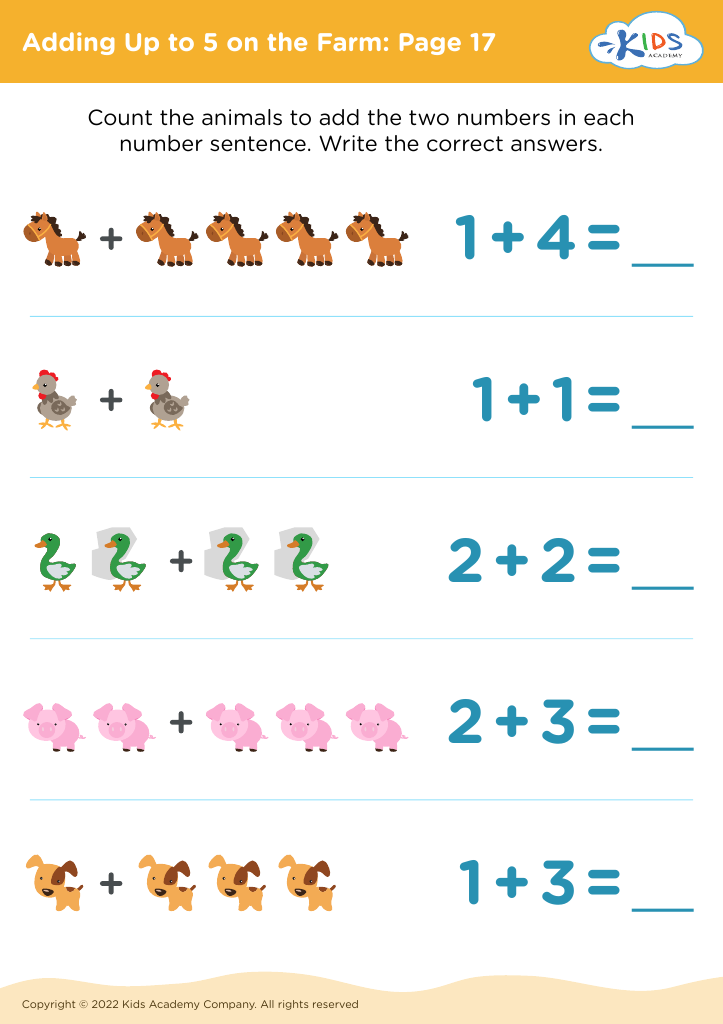
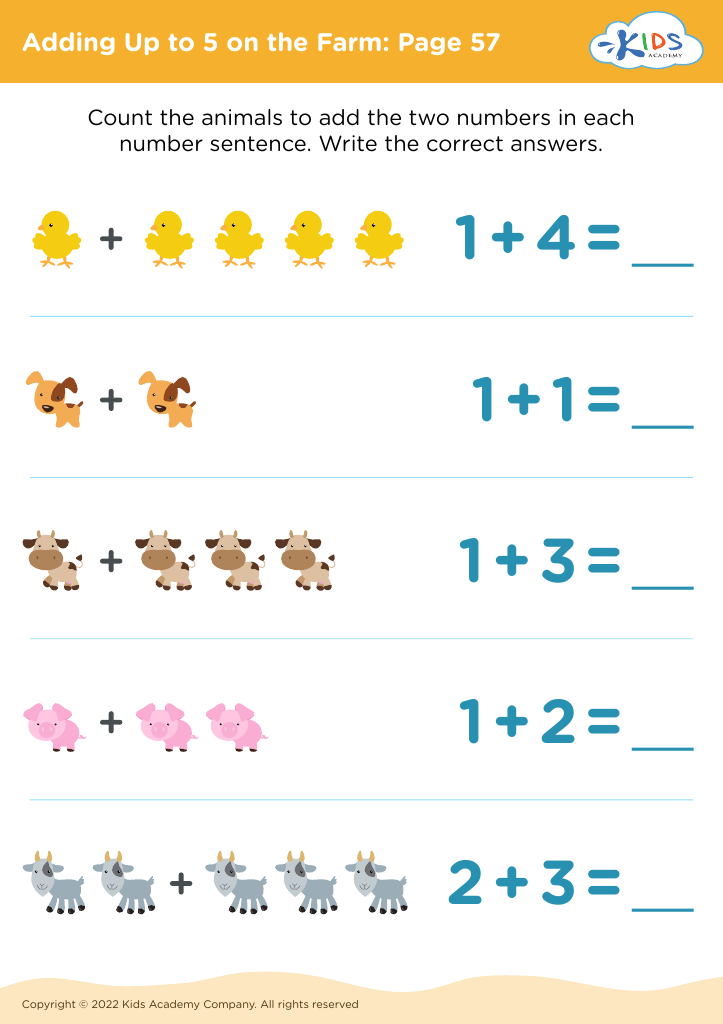
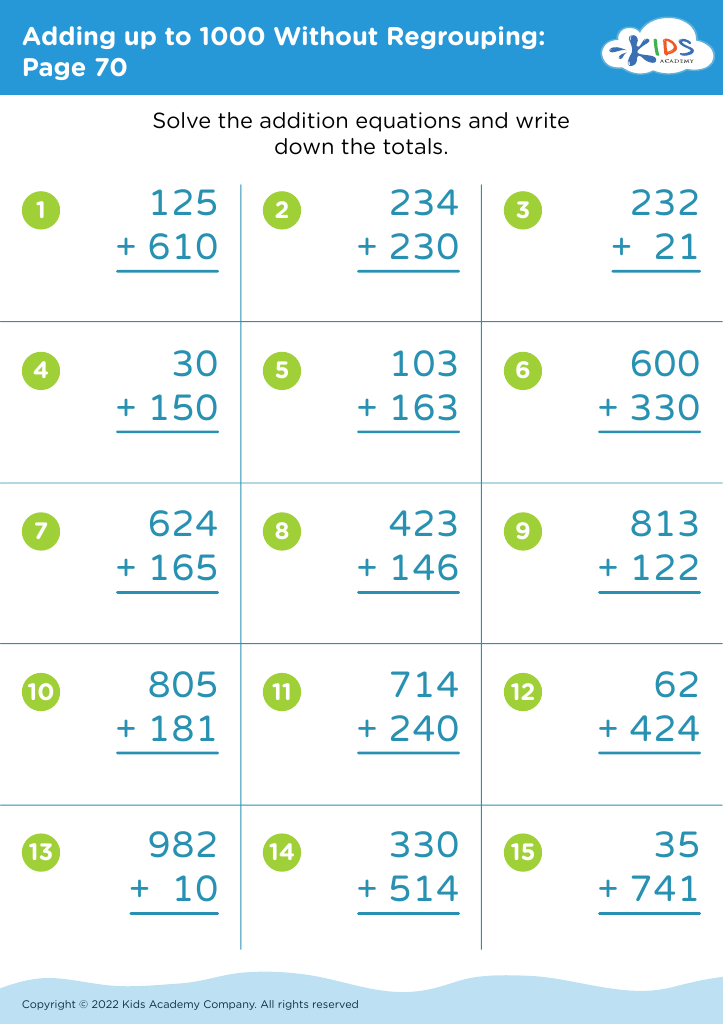
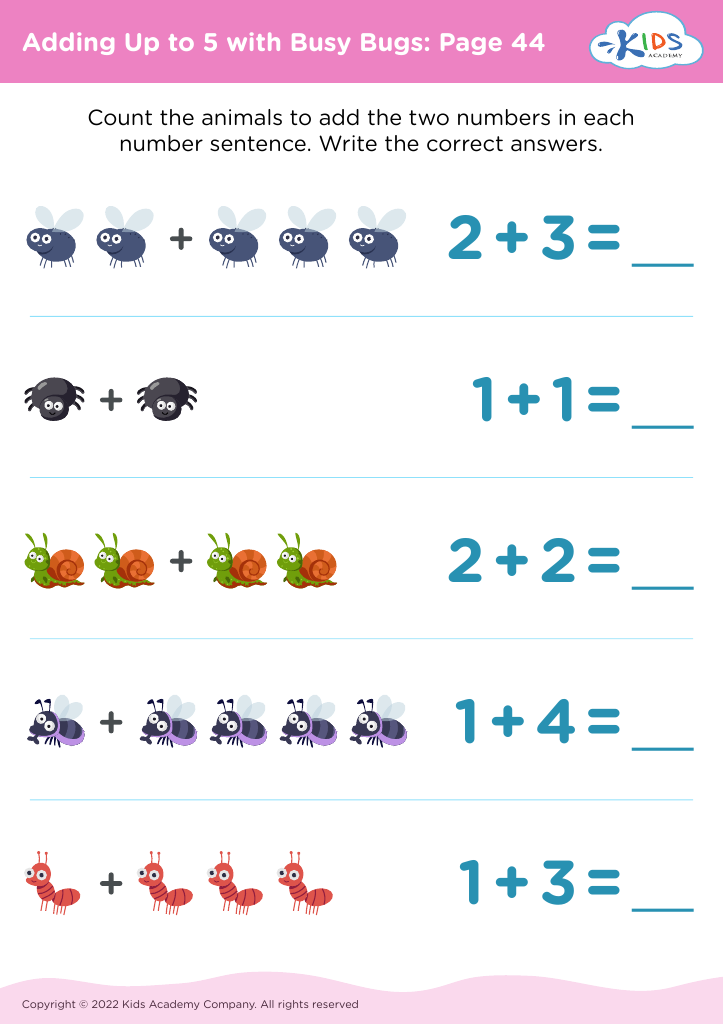
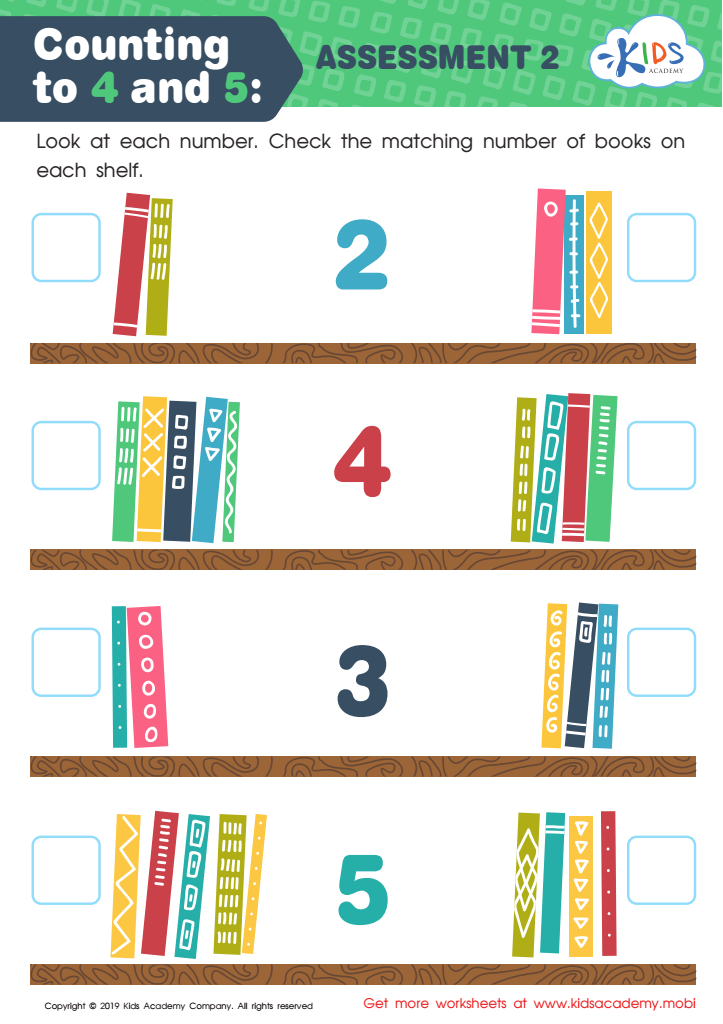
Counting to 4 and 5: Assessment 2 Worksheet
 Assign to My Students
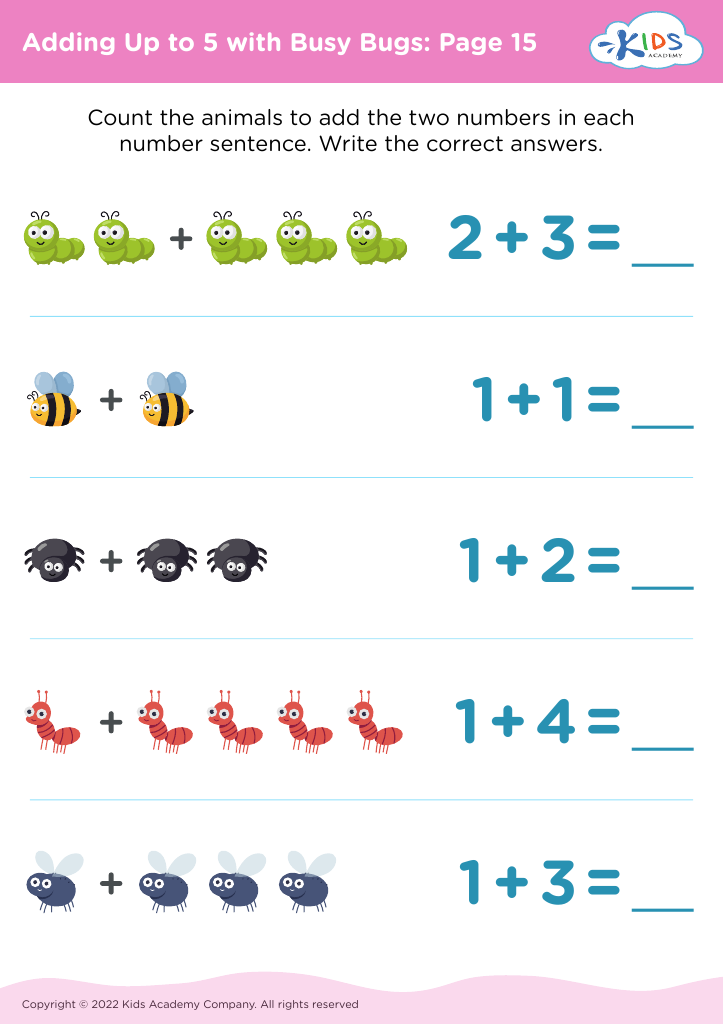
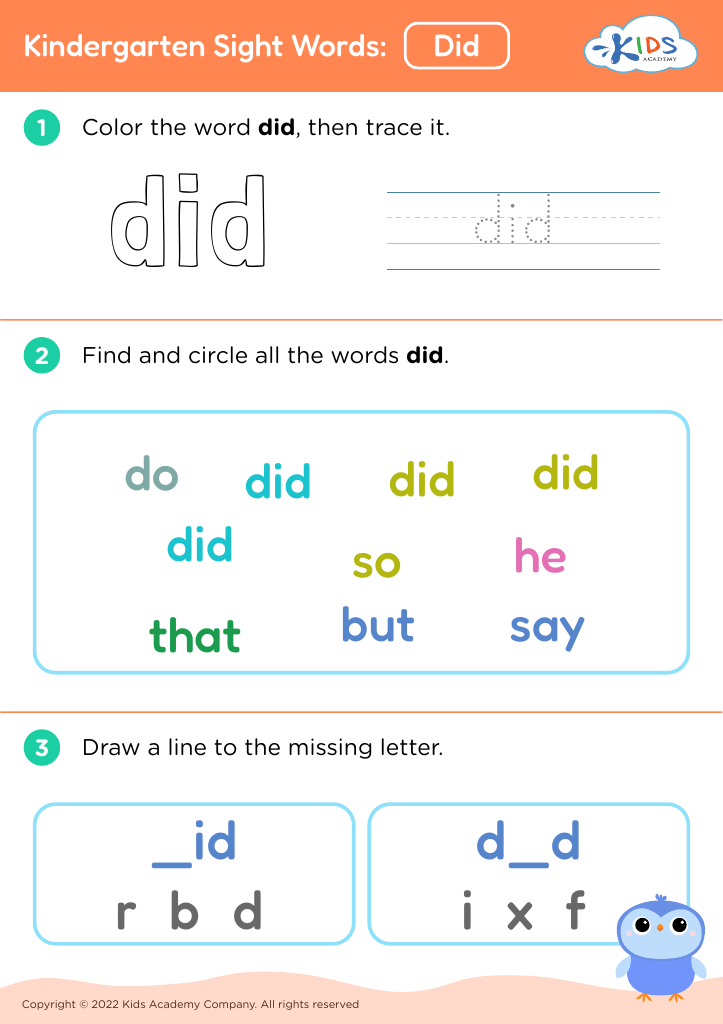







Understanding quantity is crucial for children ages 3-7 as it forms the foundation for number sense and mathematical development. Early comprehension of ‘how many’ sets the stage for future math skills, including addition, subtraction, and more complex problem-solving abilities. During these formative years, children's brains are highly adaptable and receptive to learning basic concepts in tangible ways.
Grasping quantity helps children understand relationships between numbers and begin recognizing patterns, which are fundamental in math. This understanding extends beyond the classroom, teaching practical life skills like portioning out food, counting toys, or understanding time.
Furthermore, early mastery of these concepts builds confidence. A child comfortable with number sense will approach math with a positive attitude, reducing math anxiety later in life. Games and activities involving counting and measuring can make learning about quantity enjoyable and more effective.
For parents and teachers, investing time in helping children understand quantity ensures they’re not just memorizing numbers but comprehending their significance. Real-world applications, like cooking or shopping, provide opportunities to enforce these concepts. Ultimately, equipping children with strong quantitative skills is investing in their overall cognitive development and lifelong success.








